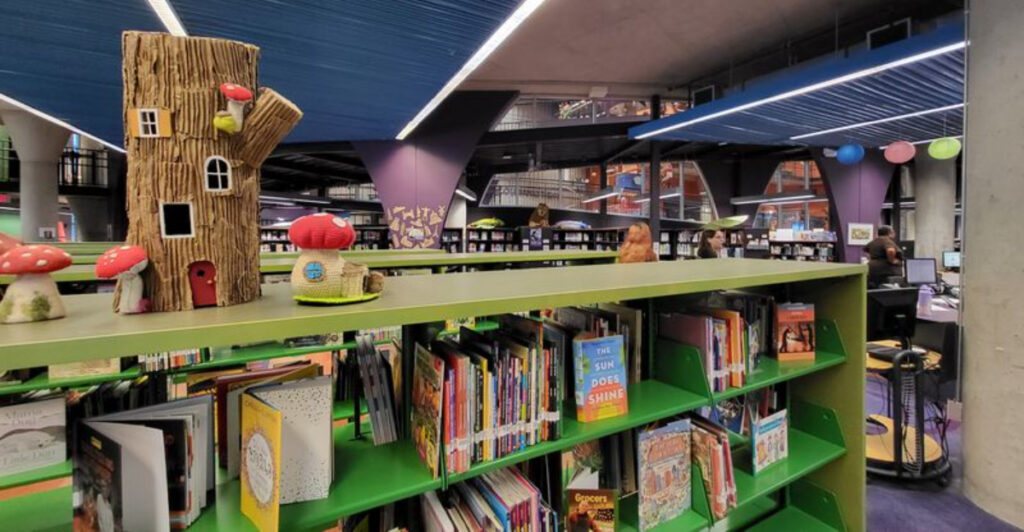
There is a place in uptown Charlotte, North Carolina, where kids can run toward a building before their parents even finish parking, because the fun starts right on the sidewalk. It is the kind of spot that makes you rethink what a library can be, blending books, live theater, hands-on technology, and art into one colorful, buzzing space.
I visited on a weekday morning, and the energy inside was something I did not expect from a building with “library” in its description. By the time I left, I had seen a 3D printer in action, watched a storytime that had toddlers completely spellbound, and explored a teen floor that honestly made me wish I were fourteen again.
A Bold Building With a Story to Tell
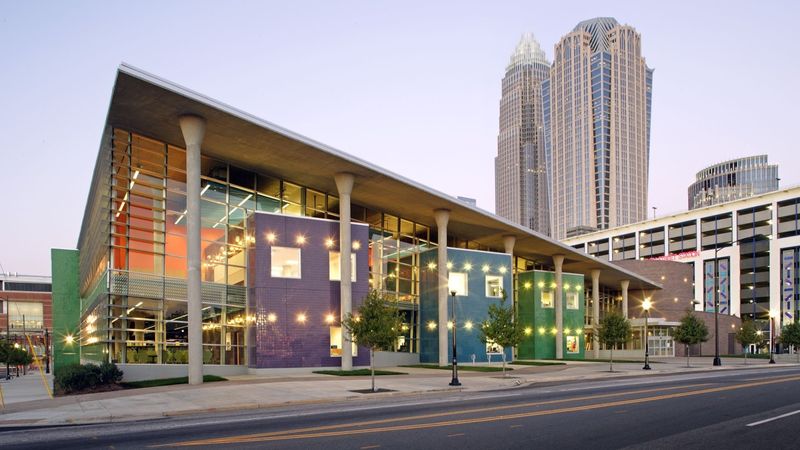
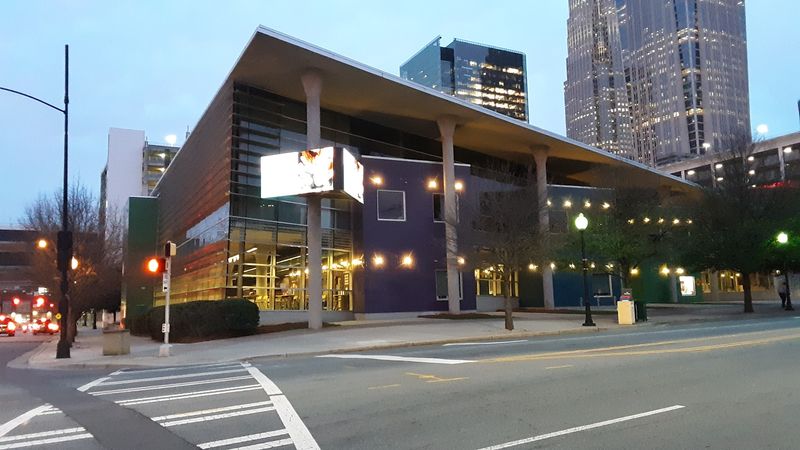
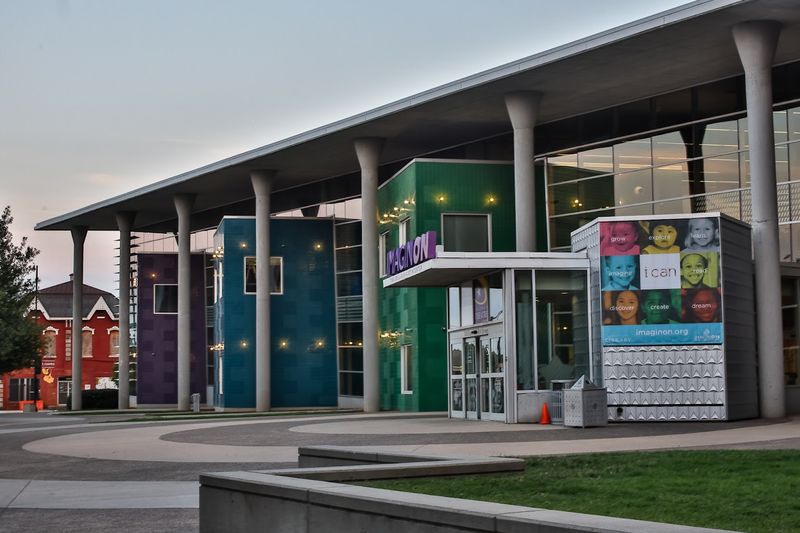
Before you even walk through the front doors of ImaginOn: The Joe & Joan Martin Center at 300 E 7th St, Charlotte, NC 28202, the building itself puts on a show. The architecture is bold, colorful, and unmistakably designed to spark curiosity in anyone who passes by.
The facade uses playful shapes and large windows that hint at the vibrant world inside, and the sidewalk entrance already has interactive elements that catch a child’s eye before they even cross the threshold. This is no ordinary civic building tucked behind a parking lot.
Sitting in the heart of uptown Charlotte, the center is steps away from a light rail station, surrounded by green space, restaurants, and cultural institutions. The location makes it a natural anchor for family outings in the city.
The center is a joint project between the Charlotte Mecklenburg Library and Children’s Theatre of Charlotte, which explains why the space feels like it cannot decide between being a library and a stage, and chooses to be both at once. That creative tension is exactly what makes it work so well.
The History Behind the Name
Not every library gets named after two people whose generosity helped shape an entire generation of young readers, but ImaginOn: The Joe & Joan Martin Center is not every library. Joe and Joan Martin were Charlotte philanthropists who made a transformational gift to help bring this project to life, and the center opened in 2005 as a direct result of that community investment.
The vision behind the building was genuinely ambitious from the start. City leaders, educators, and arts advocates came together with the goal of creating a space where children from birth through age seventeen could access books, technology, live performance, and creative programs under one roof.
That kind of cross-sector collaboration was rare at the time and is still not common today. The result earned ImaginOn national recognition and awards from library and architecture communities alike, cementing its reputation as a model for what public spaces for children can achieve.
More than twenty years after opening, the center continues to honor that original vision. Every storytime, every exhibit, and every after-school program is a small tribute to the belief that investing in children’s creativity is one of the most powerful things a community can do.
Storytime That Feels Like Theater
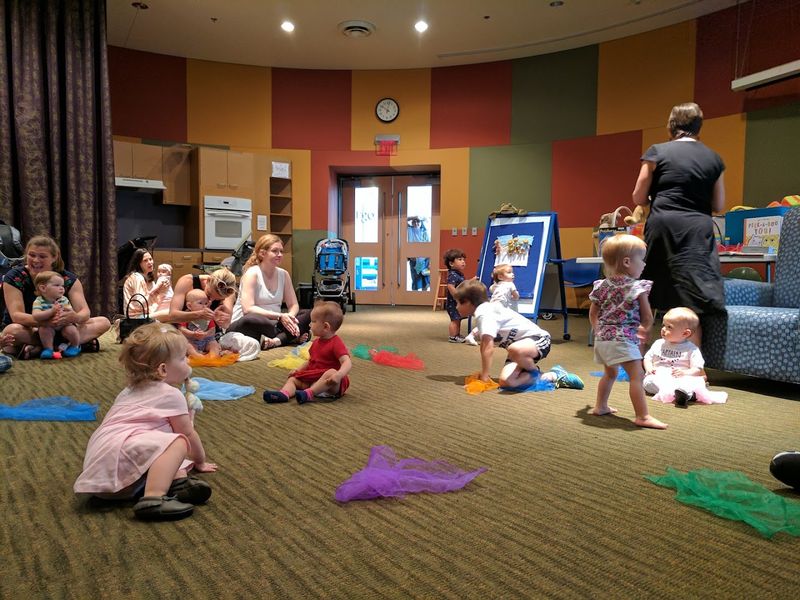
Storytime at this place is not a librarian quietly reading to a sleepy group of toddlers. The storytellers here bring full energy, expressive voices, and a genuine love of performance that turns a picture book into something close to a live event.
After the reading wraps up, volunteers sometimes move through the crowd blowing bubbles, turning what could have been a simple programming hour into a full sensory experience that kids talk about on the drive home. The room fills with laughter, and parents end up smiling just as wide as their children.
Programs run regularly throughout the week, covering different age groups from babies to early readers. The schedule is thoughtfully designed so that families can build a routine around visits, making the center a familiar and comforting part of their week rather than a one-time field trip.
The storytellers clearly understand that a child who connects emotionally with a story is a child who will want to hear another one. That philosophy turns storytime from a simple activity into a long-term relationship between young readers and the written word, which is exactly the kind of outcome a great library is built to create.
Books for Every Age, Birth Through Teen
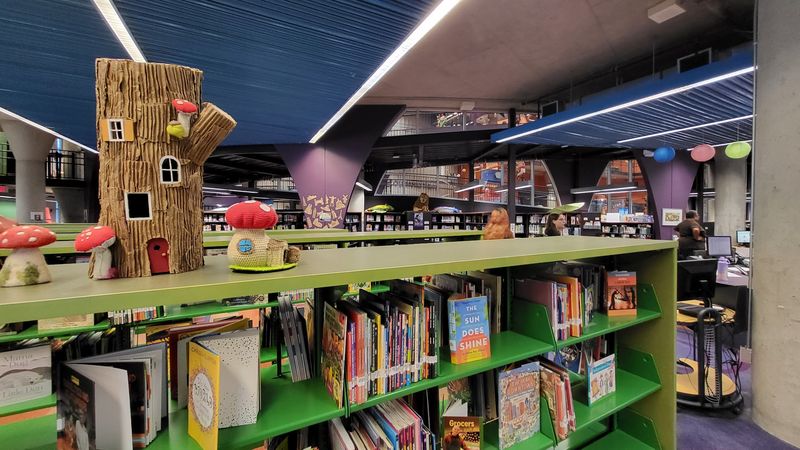
The collection here covers every stage of childhood reading with genuine care and range. From board books for babies to young adult novels for teenagers, the shelves are stocked with titles that reflect diverse voices, current interests, and timeless classics.
What stands out is how the physical layout reinforces the collection’s thoughtfulness. Books are displayed at kid-friendly heights, cover-forward shelving makes browsing feel inviting rather than overwhelming, and the organization is intuitive enough that a seven-year-old can find what they want without adult help.
The third floor hosts a dedicated teen section that feels nothing like the rest of the library. It has its own atmosphere, its own furniture, and a selection of young adult titles that take teenage readers seriously rather than talking down to them.
Families visiting from out of town cannot check books out without a library card, but browsing and reading on-site is completely welcome. Several visitors have noted that their children planted themselves in a corner with a stack of books and simply refused to leave, which is honestly the highest compliment any library collection can receive.
Technology That Makes Learning Hands-On
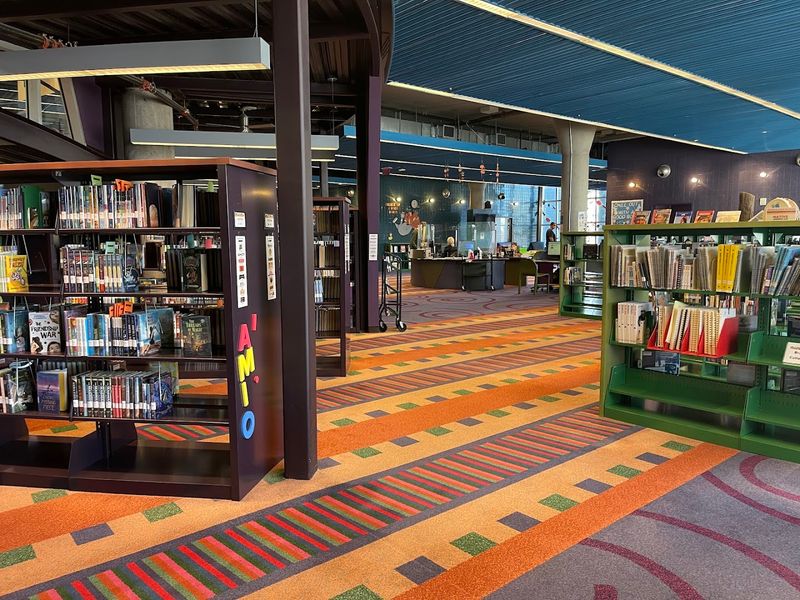
A 3D printer inside a children’s library sounds like something from a science fiction story, but at ImaginOn: The Joe & Joan Martin Center, it is just another Tuesday. The technology available to young visitors goes well beyond tablets and computer terminals, pushing into genuine maker culture territory that prepares kids for a creative, tech-forward future.
Tablets are available throughout the building for interactive play and educational programs, and the tech tools are integrated naturally into the space rather than cordoned off in a separate room that feels intimidating. Kids wander over, ask questions, and start experimenting with very little barrier to entry.
The 3D printer in particular has become a crowd favorite, and watching a physical object emerge from a digital file is the kind of moment that makes a child’s eyes go wide in a way that no worksheet ever could. It connects abstract thinking to tangible results in real time.
This commitment to technology reflects a broader understanding that creativity in the modern world is not limited to paintbrushes and pencils. Coding, digital design, and fabrication are creative acts too, and giving children access to these tools early builds confidence that carries well beyond the library walls.
The Theater That Lives Inside the Library
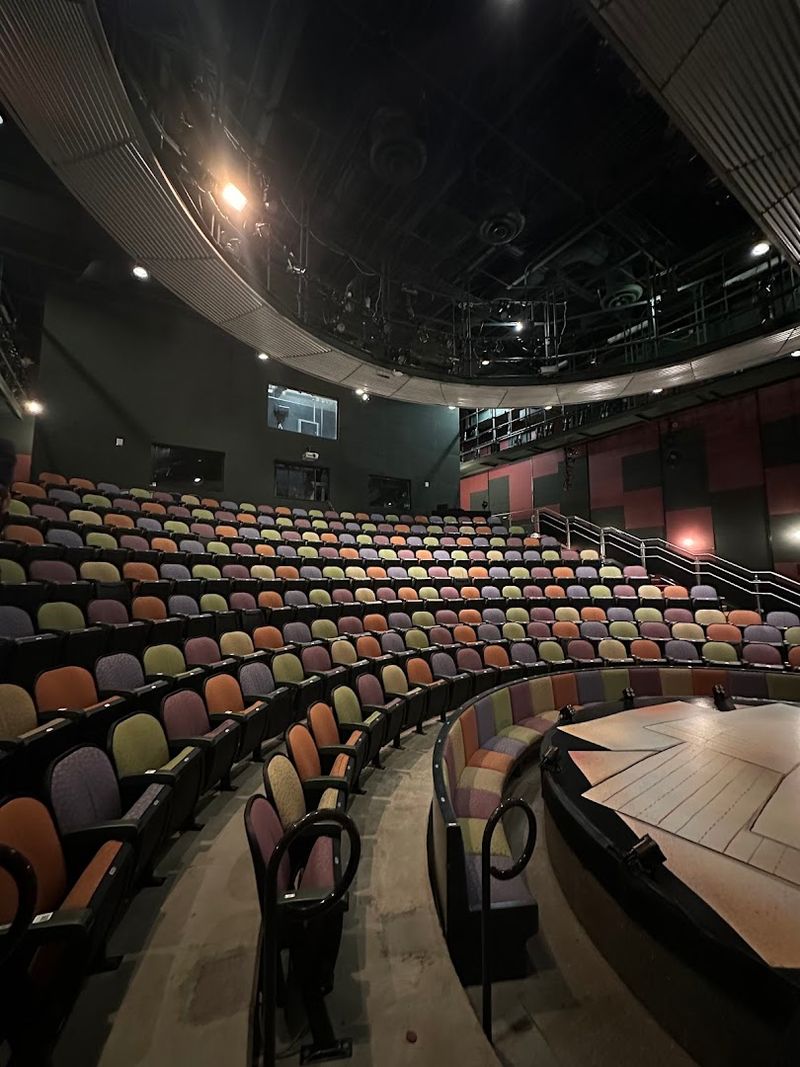
Most libraries have a quiet reading room. This one has a full professional theater.
The Children’s Theatre of Charlotte shares the ImaginOn building, and the result is a performing arts program that gives children access to live productions at a level that most cities reserve for adult audiences.
The theater spaces inside the building host everything from intimate puppet shows to full-scale musical productions, and the programming is designed with young audiences in mind at every step. Sets are visually inventive, scripts are age-appropriate without being condescending, and the performances consistently earn enthusiastic responses from both kids and the parents who come along.
Having a professional theater embedded in a library is not just a novelty. It reinforces the idea that stories live in many forms, and that the leap from a picture book to a stage production is shorter than most people think.
Children who see their favorite characters come alive on stage often return to the bookshelves with fresh enthusiasm.
The presence of the theater also means the building hums with creative energy even on days when no performance is scheduled. Rehearsals, set construction, and costume work all happen in the same space where kids are reading, which makes the whole environment feel alive and purposeful in a way that is genuinely hard to replicate.
Art Classes and Creative Programs
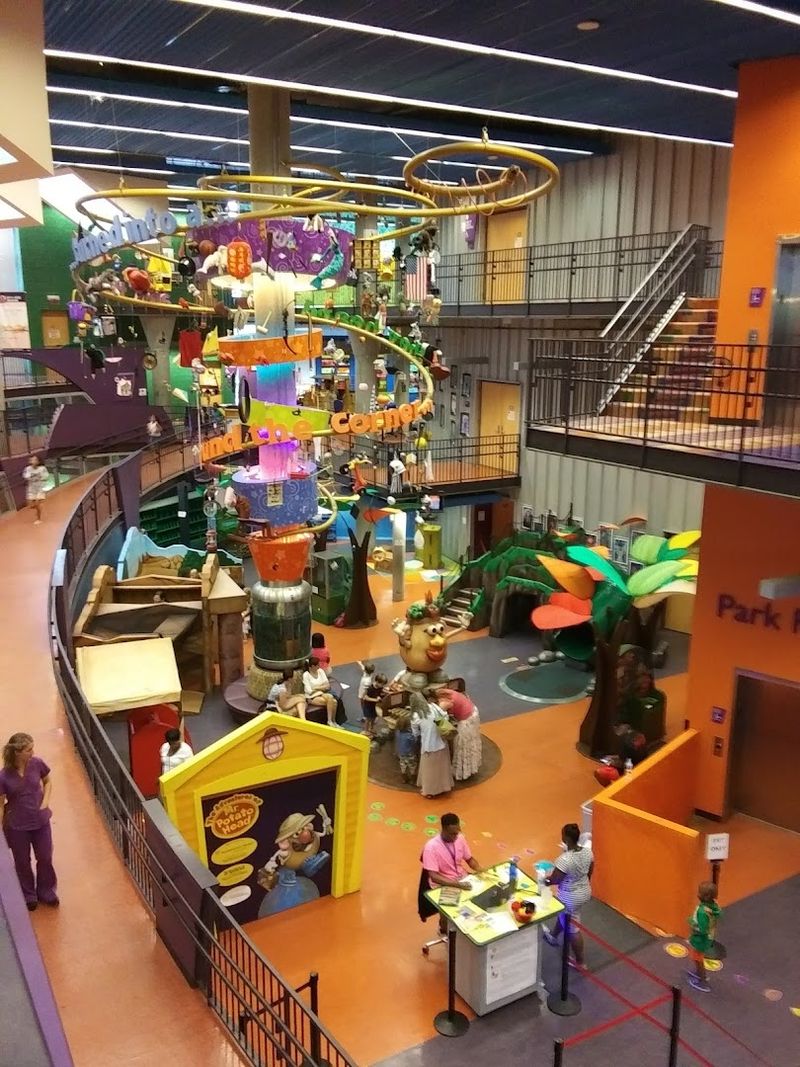
The creative programming at this center goes far beyond what most public libraries offer, and the art classes are a big part of what sets it apart. Structured workshops run throughout the year, covering visual art, crafts, and creative expression in formats designed for different age groups and skill levels.
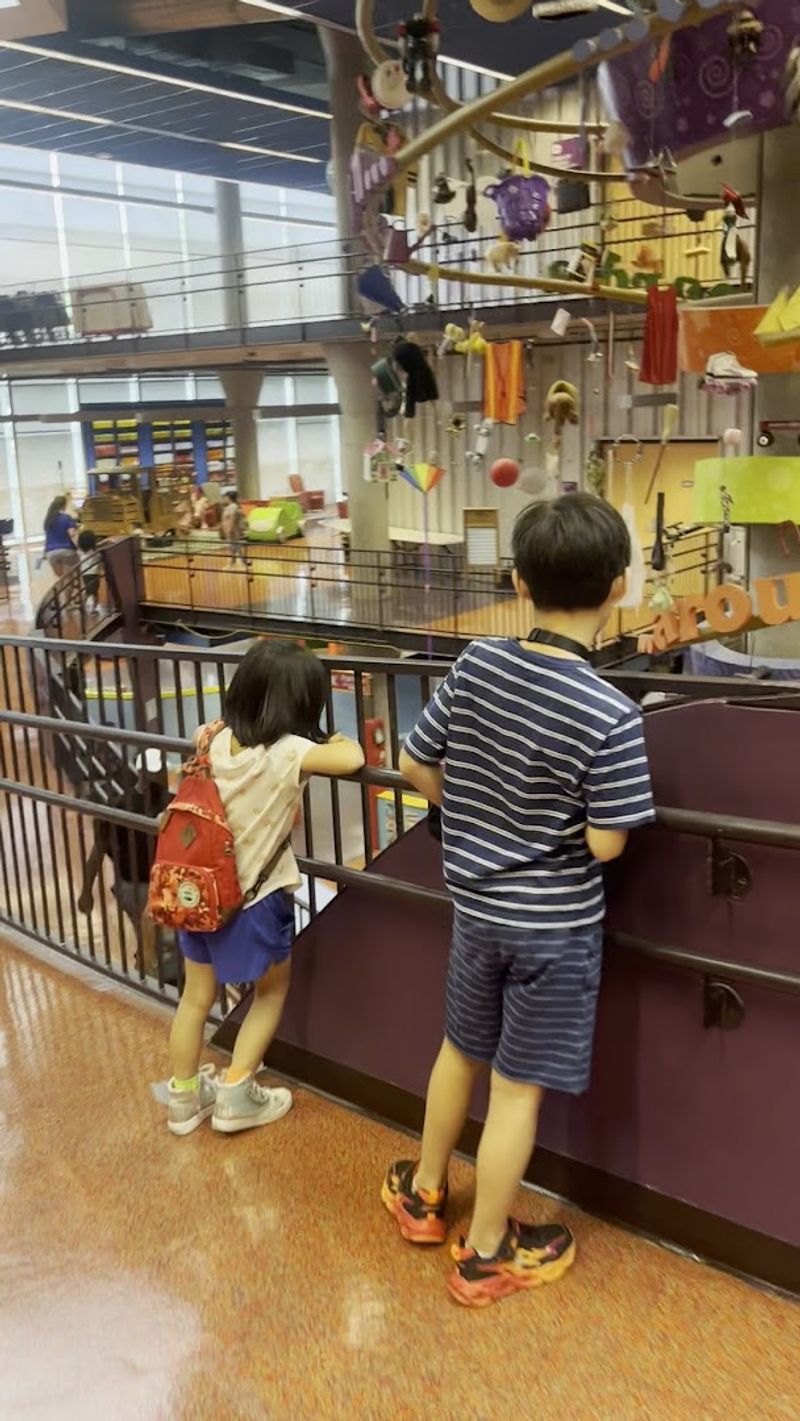
Drop-in activities are often available on the main floor, where kids can sit down and engage with a hands-on project without any registration required. These casual creative stations are a smart design choice because they lower the barrier for families who did not plan ahead but still want their children to make something with their hands.
The art programs connect naturally to the books and exhibits already in the space, so a child might read a story about a particular artist or style and then immediately get to try a related technique at a nearby table. That kind of integrated learning sticks in a way that isolated lessons rarely do.
Exhibits rotate through the building regularly, and themed art installations on the ground floor have drawn particular praise from families with toddlers who are just beginning to engage with visual creativity. The whole approach treats art not as an add-on but as a core part of what it means to grow up curious and expressive.
The Teen Floor: A Space That Takes Young Adults Seriously
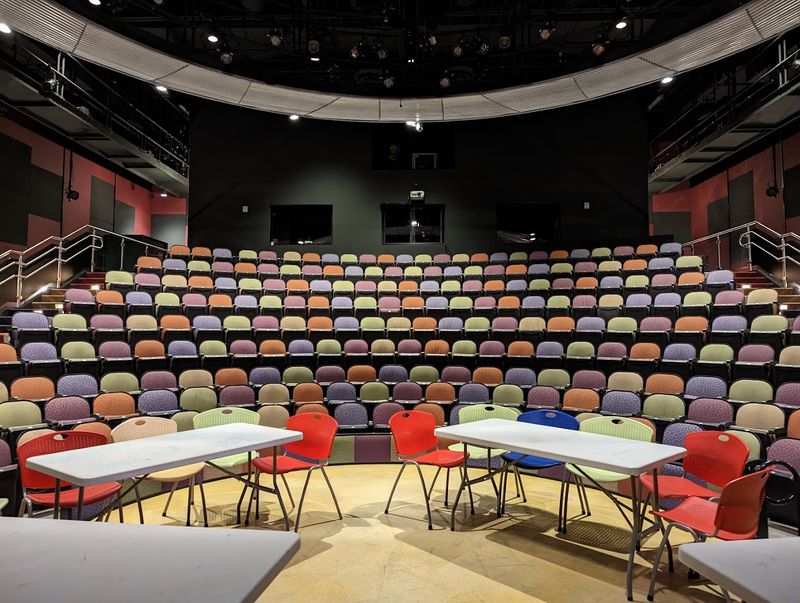
The third floor of ImaginOn: The Joe & Joan Martin Center is a different world from the colorful, toddler-friendly floors below it, and that is entirely intentional. The teen space was designed with input from young adults and reflects what teenagers actually want from a public space: autonomy, comfort, and the feeling that someone built this for them specifically.
The furniture is relaxed and comfortable, the book selection covers the full range of young adult literature without sanitizing it, and the atmosphere feels more like a creative studio than a traditional library floor. Teenagers who might roll their eyes at the idea of going to the library tend to find this space surprisingly easy to settle into.
Technology access on the teen floor supports both recreational and academic use, and the space serves as a genuine after-school destination for older kids who need somewhere to decompress, work on projects, or simply exist without being managed. That kind of trust in teenagers is rarer than it should be in public spaces.
The staff who work the teen floor clearly understand their audience. The interactions feel respectful rather than supervisory, which makes a meaningful difference in whether a teenager feels welcome or merely tolerated, and at ImaginOn, the answer is clearly the former.
A Free Resource in the Heart of the City
One of the most remarkable things about this place is that it is free to enter and explore. In a city where entertainment options for families can add up quickly, having a world-class creative center that costs nothing to walk into is a genuine community asset that should not be taken for granted.
Families with young children, caregivers looking for structured activities, and parents who need a reliable indoor destination on a rainy afternoon all benefit from the open-access model. The center draws visitors from across Charlotte and the surrounding region, and its location in uptown makes it accessible by light rail for families who prefer not to drive.
Parking is available in a nearby garage, though several visitors have noted that the parking situation requires attention to avoid unexpected fees. The light rail stop adjacent to the building is a genuinely convenient alternative, and arriving by train adds its own small adventure to the outing, especially for children who do not ride public transit often.
The free admission policy reflects a core belief that access to creativity and learning should not depend on a family’s budget. That commitment makes ImaginOn not just a popular destination but a meaningful one, rooted in the idea that every child in Charlotte deserves a space like this.
Why ImaginOn Keeps Drawing Families Back
A place earns a 4.7-star rating across hundreds of reviews not by accident but by consistently delivering something that families genuinely value. ImaginOn: The Joe & Joan Martin Center has built that reputation over two decades by staying true to its founding idea that children deserve a space designed entirely around their curiosity and creativity.
The mix of books, technology, live theater, art, and structured programming means that no two visits feel exactly the same. A family that comes for storytime one week might return for a 3D printing demonstration the next, and then come back again for a theater production the week after that.
The variety keeps the experience fresh in a way that single-purpose venues simply cannot match.
Staff members across the building receive consistent praise for being warm, knowledgeable, and genuinely invested in the children they serve. That human element matters more than any exhibit or technology station because it is what transforms a visit into a memory.
Charlotte is not the only city that could benefit from a model like this, and communities from North Carolina to far beyond, including places like Oklahoma, have looked to ImaginOn as a blueprint for what ambitious public investment in children’s creativity can look like when it is done right.
Share this story