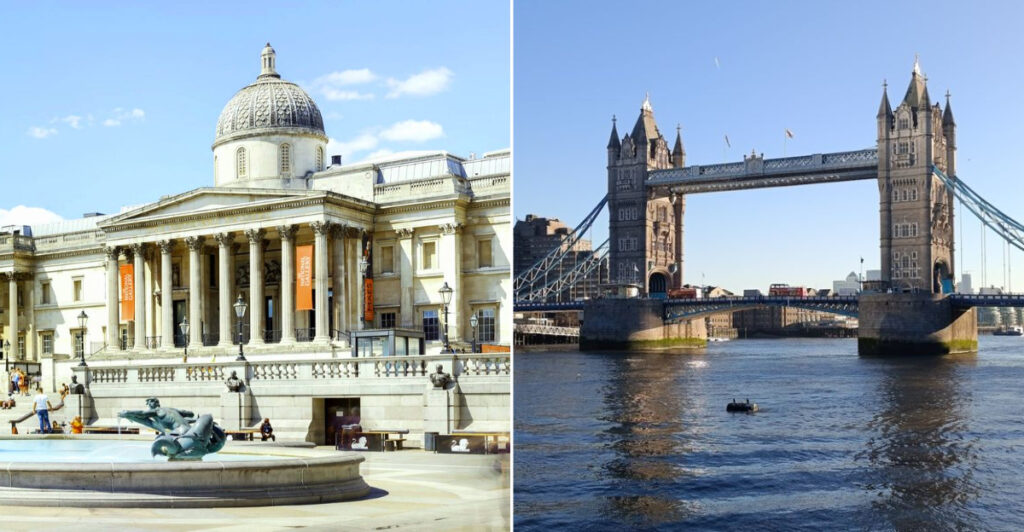
London is one of those cities that somehow manages to be ancient and cutting-edge at the same time, which is a neat trick for a place founded by the Romans. Whether you have three days or three weeks, the city will keep throwing incredible experiences at you faster than you can say “mind the gap.” I’ve spent a good chunk of time wandering these streets, and I can tell you that not every tourist attraction deserves your precious hours.
This list cuts through the noise and gives you the 15 experiences that genuinely deliver.
Tower of London
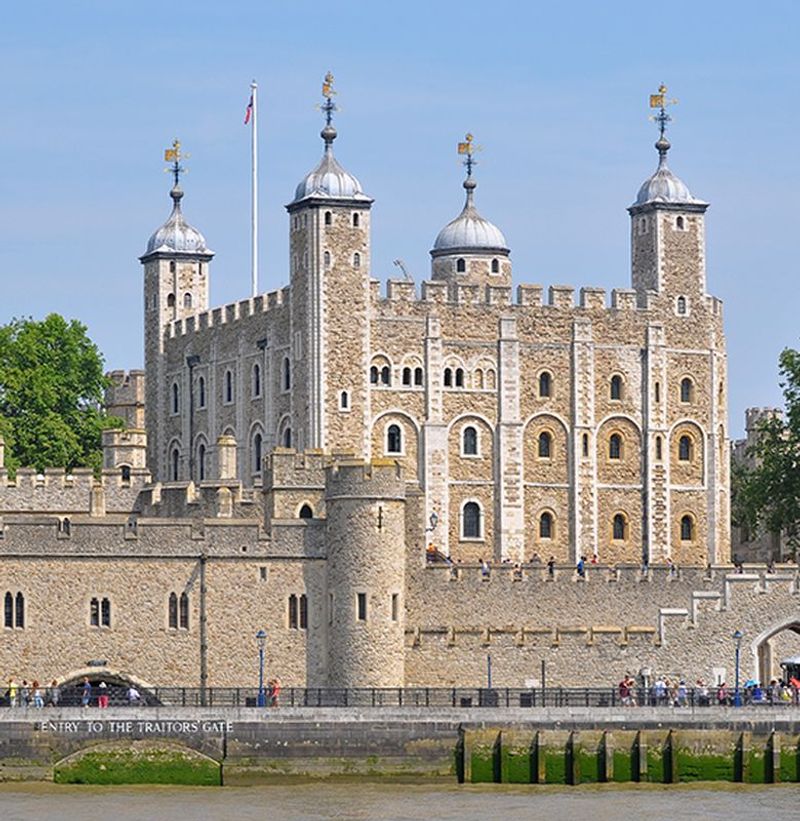
Nearly a thousand years of history are packed into one fortress, and the Tower of London does not waste a single stone. Built by William the Conqueror in 1078, it has served as a royal palace, a prison, and even a zoo.
Yes, a zoo. They kept lions here.
The Crown Jewels are the headline act, and they absolutely live up to the hype. You ride a slow-moving walkway past crowns dripping with diamonds, feeling slightly underdressed.
The Yeoman Warders, known as Beefeaters, lead tours with genuine wit and surprising dark humor.
Book tickets online in advance to skip the often brutal queues. Arrive early on weekdays for a calmer experience.
The Tower is especially atmospheric in autumn when the crowds thin and the moat garden turns golden. Budget at least two hours here.
Tower Bridge
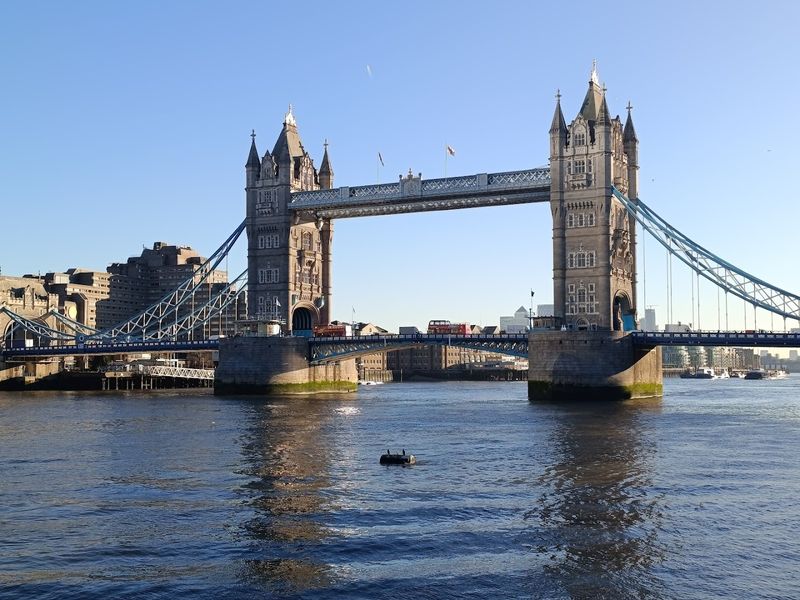
Most people photograph Tower Bridge and move on, which is honestly a crime. The bridge opened in 1894 and its engine rooms still contain the original Victorian steam-powered machinery, which is wildly impressive up close.
Buy a ticket to walk the glass-floored high-level walkways that connect both towers 42 meters above the Thames. Looking straight down at double-decker buses crawling below you is equal parts thrilling and terrifying.
I lasted about thirty seconds before retreating to solid ground, grinning the whole time.
The bridge lifts roughly 800 times a year to let tall ships pass through. Check the official website for the lifting schedule so you can watch the whole spectacle from the riverbank for free.
Evening light turns the bridge into something genuinely magical, and the photos practically take themselves.
London Eye
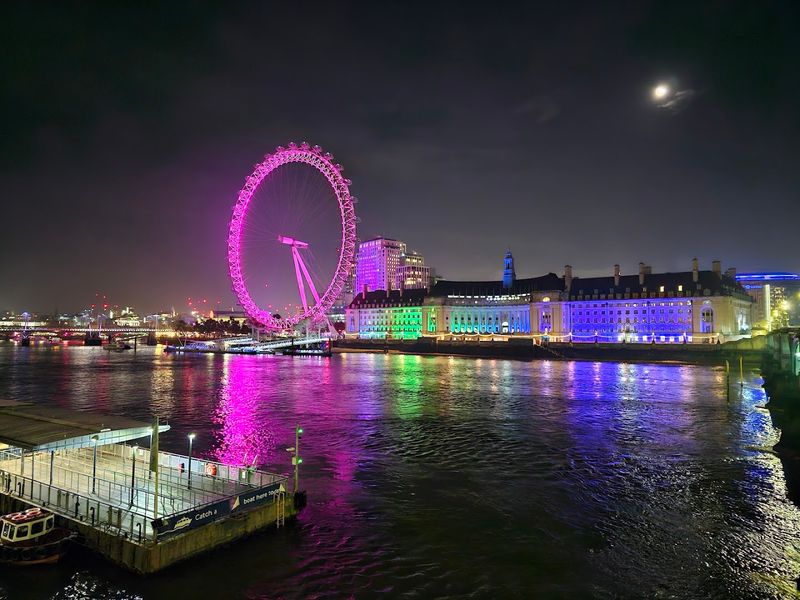
At 135 meters tall, the London Eye is the kind of structure that makes you question every life choice that led you to stand in that queue. But once your capsule glides above the rooftops, every second of waiting vanishes.
Each rotation takes about 30 minutes, giving you a slow, sweeping panorama of the city. On a clear day, you can spot landmarks up to 40 kilometers away.
Buckingham Palace, St Paul’s, and Wembley Stadium all appear in one breathtaking 360-degree sweep.
Book the “Fast Track” ticket online and skip the standard queue entirely. Champagne packages exist for those who want to celebrate being very high up in a glass bubble.
Visit at sunset for the best light and the most dramatic views. The South Bank surrounding the Eye is full of street food stalls and performers worth exploring before or after your ride.
Westminster Abbey
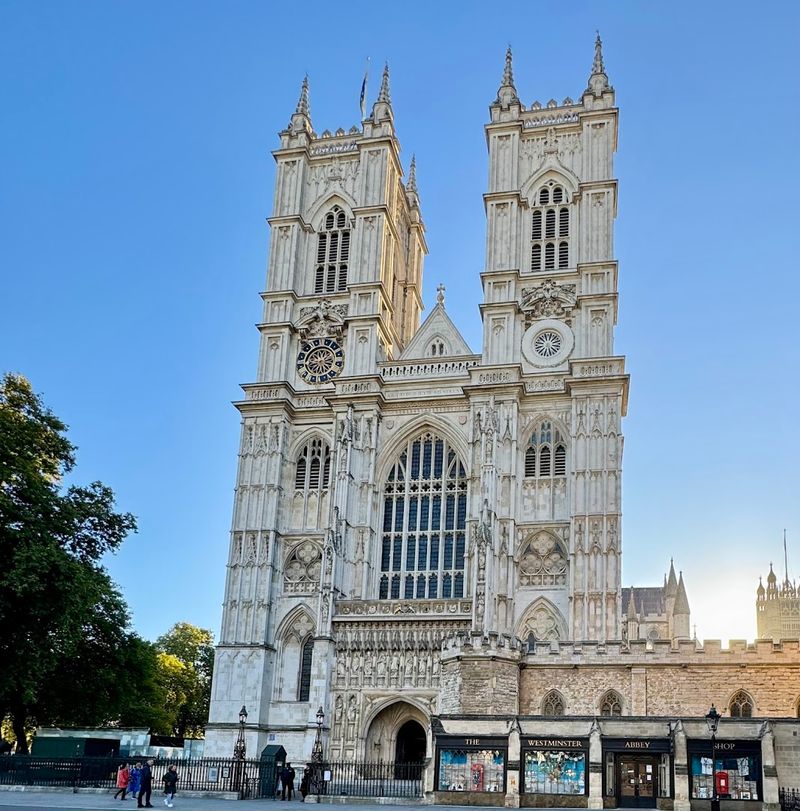
Thirty-nine kings and queens are buried here, which makes Westminster Abbey the most exclusive address in London by a considerable margin. The building has hosted every coronation since 1066, and the weight of that history hits you the moment you step through the doors.
Poets’ Corner is where literature nerds completely lose their composure. Chaucer, Dickens, Hardy, and Kipling all rest here, alongside memorials to Shakespeare and Jane Austen.
The floor itself is a mosaic of memorial stones, so watch where you step.
Audio guides are included with admission and are genuinely worth using. The Abbey is a working church, so services occasionally close sections to visitors.
Check the schedule before visiting. The College Garden attached to the Abbey is one of London’s oldest gardens and is free to enter during opening hours.
It offers a peaceful escape from the bustle outside.
British Museum
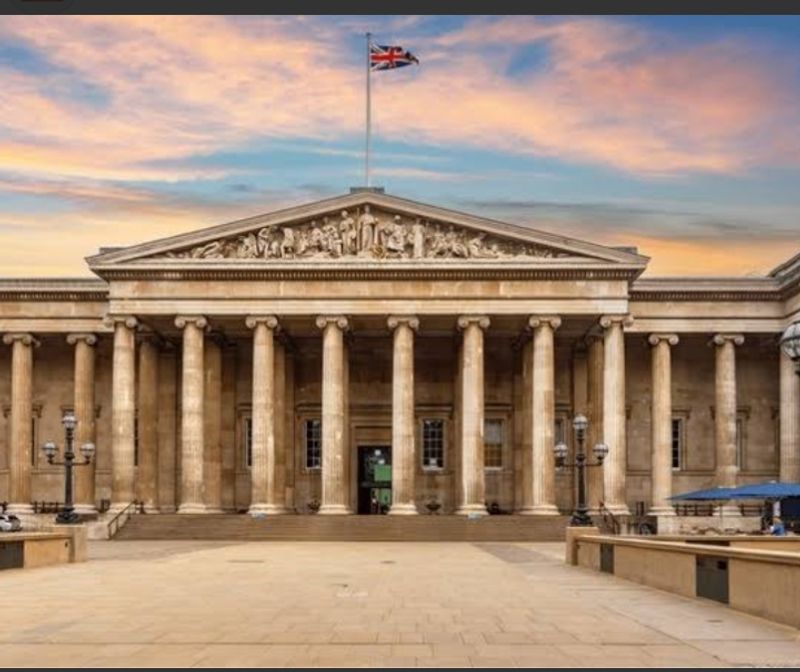
The British Museum contains around eight million objects, which is either impressive or deeply overwhelming depending on your energy levels that morning. Either way, the Great Court alone justifies the trip.
That stunning glass roof, designed by Norman Foster, is genuinely jaw-dropping.
The Rosetta Stone draws the biggest crowds and lives up to the fuss. This 2,200-year-old slab cracked the code of ancient Egyptian hieroglyphics, which is arguably the greatest linguistic detective story ever told.
The Egyptian mummies section is equally popular and brilliantly curated.
Entry is free, which is almost suspiciously generous for a collection this extraordinary. Plan your visit using the online map to prioritize what you actually want to see.
Trying to see everything in one day is a fool’s errand. Pick three or four galleries and go deep.
The museum shop sells surprisingly good gifts that are not completely overpriced.
Tate Modern
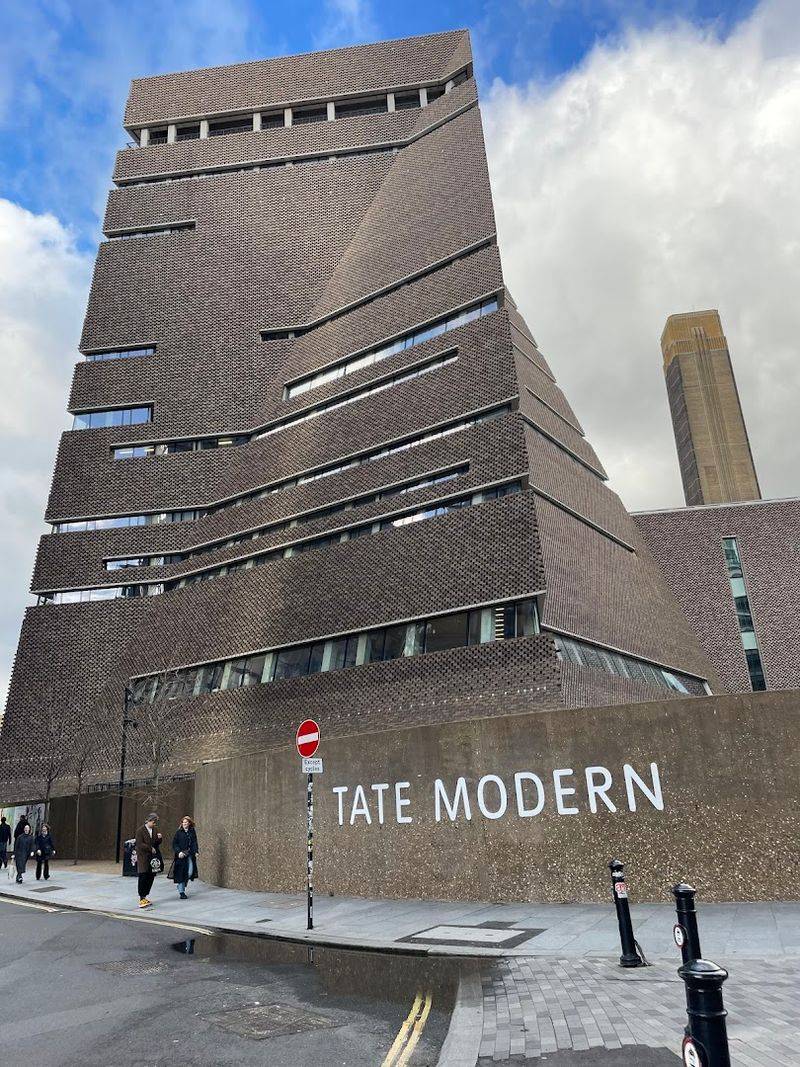
A former power station turned art gallery sounds like a quirky architectural experiment, but Tate Modern pulls it off spectacularly. The Turbine Hall alone is so vast that artists have filled it with everything from giant weather machines to massive crack installations in the concrete floor.
The permanent collection spans modern and contemporary art from 1900 to the present and is completely free. Picasso, Matisse, Warhol, and Rothko all have wall space here.
The rotating temporary exhibitions charge admission but are usually worth every penny.
The sixth-floor cafe offers one of the best free views in London, looking directly at St Paul’s Cathedral across the Thames. I spent an embarrassingly long time nursing a coffee and staring out that window.
Cross the Millennium Bridge afterward for a scenic walk to the north bank. The bridge wobbled famously when it first opened in 2000, earning it the nickname the Wobbly Bridge.
Borough Market
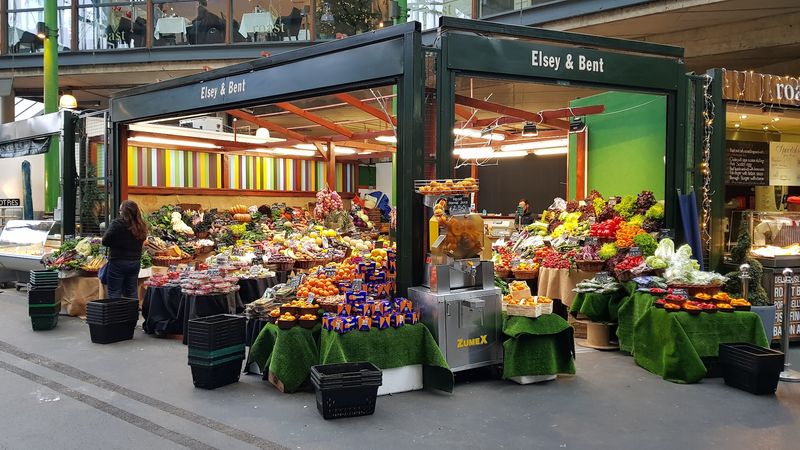
Borough Market has been feeding Londoners since at least 1014, making it older than most countries. The market sits under the railway arches near London Bridge and operates with the kind of organized chaos that produces genuinely spectacular food.
The cheese stalls alone are worth the trip. Vendors offer generous samples, so strategic tasting can technically count as lunch.
Scotch eggs, Ethiopian injera, Spanish charcuterie, freshly baked sourdough, and Korean fried chicken all compete for your attention within a fifty-meter radius.
Thursday through Saturday are the main trading days, with Saturday being the busiest and most atmospheric. Arrive by 10am to beat the worst crowds and actually navigate the stalls without being elbowed by someone holding a raclette.
Budget around fifteen to twenty pounds for a proper street food lunch. The market is free to enter, and the surrounding Bermondsey Street area has excellent independent cafes and bars for afterward.
Sky Garden
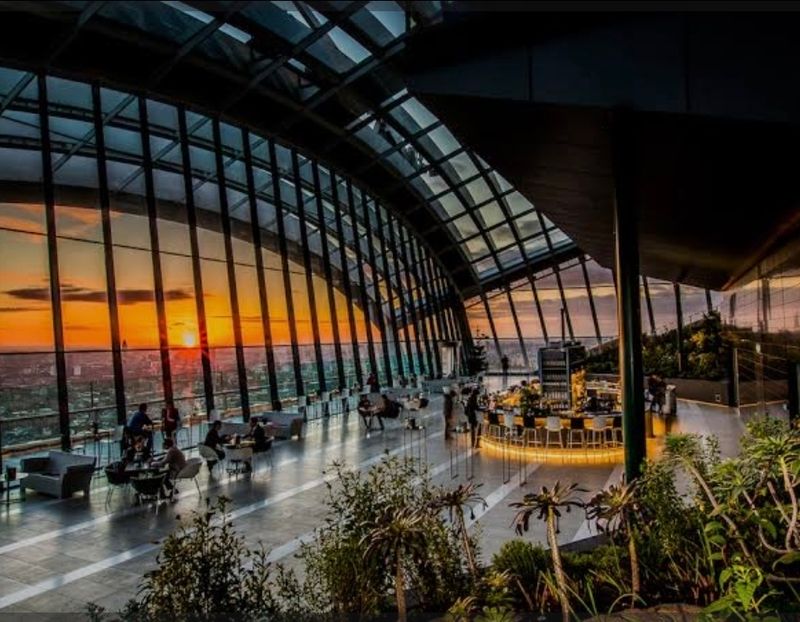
Free panoramic views over London from a rooftop garden filled with tropical plants sounds too good to be true, but Sky Garden is exactly that. Sitting atop the 20 Fenchurch Street building, nicknamed the Walkie-Talkie, it is one of the city’s best-kept open secrets.
The garden spans three floors and includes a bar, two restaurants, and walking terraces that look out over the Thames, Tower Bridge, and the Shard. The plant selection is genuinely lush, creating a strange and wonderful contrast with the steel-and-glass City of London skyline around it.
Booking is essential and completely free through the official website. Slots fill up weeks in advance, so plan ahead.
Dress code applies in the bar areas, so leave the gym kit at the hotel. The best time to visit is late afternoon when the light softens and the city begins to glow.
Evening slots are the most popular and the most spectacular.
Natural History Museum
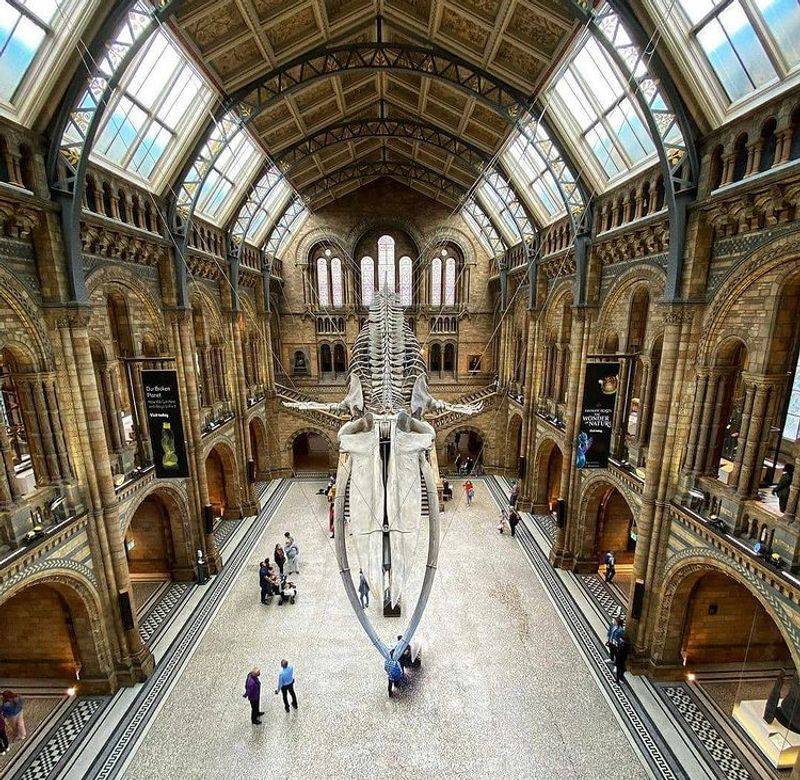
The blue whale skeleton hanging in the entrance hall is called Hope, which is either poetic or slightly on the nose. Either way, she is magnificent.
The Natural History Museum in South Kensington is free to enter and stuffed with 80 million specimens spanning four billion years of life on Earth.
The Dinosaur Gallery features a T. rex skeleton that moves its head and blinks, which has been terrifying small children since 1992. The Vault displays the most extraordinary minerals and gemstones in the collection, including a chunk of Moon rock you can actually touch.
That detail alone makes this place extraordinary.
The museum gets very busy on weekends and school holidays. Weekday mornings are significantly calmer and more enjoyable.
The building itself is a Victorian masterpiece designed by Alfred Waterhouse, and the terracotta facade is worth admiring before you even step inside. Pick up the free map at the entrance to avoid missing the best galleries.
Victoria and Albert Museum
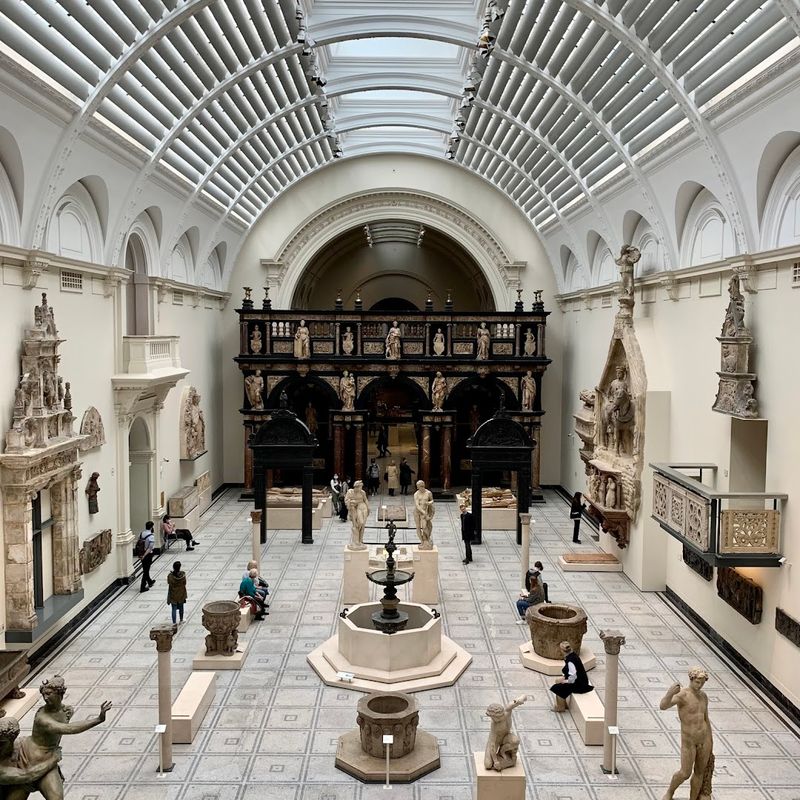
The V&A is the world’s greatest museum of art and design, and it says so with complete confidence on its own signage. Honestly, it is hard to argue.
The collection covers 5,000 years of human creativity across fashion, furniture, ceramics, jewellery, photography, and architecture.
The Cast Courts contain full-size plaster replicas of some of the world’s greatest sculptures, including Michelangelo’s David at actual scale. Standing next to a 5.17-meter-tall replica of one of history’s most celebrated artworks in a Victorian gallery is a genuinely surreal experience.
The fashion galleries are equally brilliant, tracing clothing from the 1600s to the present.
Entry to the permanent collection is free, though major temporary exhibitions charge admission. The museum cafe is set inside a stunning Victorian dining room and is worth visiting even if you just want a coffee.
The gift shop sells beautifully designed products that are dangerously easy to overspend in. Friday evenings bring extended hours and a lively atmosphere.
National Gallery
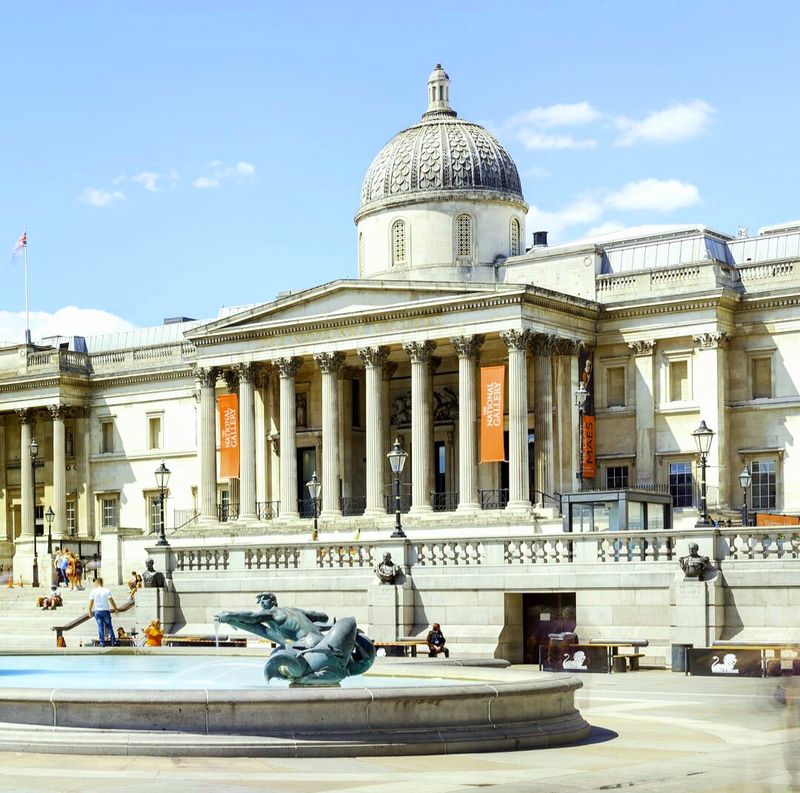
Trafalgar Square is one of London’s most famous open spaces, and the building overlooking it quietly contains one of the greatest art collections ever assembled. The National Gallery holds over 2,300 paintings spanning 700 years of Western European art, and every single one is free to see.
Van Gogh’s Sunflowers, Vermeer’s A Young Woman Standing at a Virginal, and da Vinci’s Virgin of the Rocks all live here. These are not reproductions.
Standing in front of the actual brushstrokes of artists who died centuries ago is a strange and powerful feeling that photographs simply cannot replicate.
The gallery opens daily and rarely feels as overwhelming as larger institutions because the building is beautifully organized by era. Pick up a map and follow one of the themed trails if you want structure.
The Impressionist and Post-Impressionist rooms are consistently the most popular. Arrive when the doors open at 10am for the calmest experience and the best natural light in the galleries.
St Paul’s Cathedral
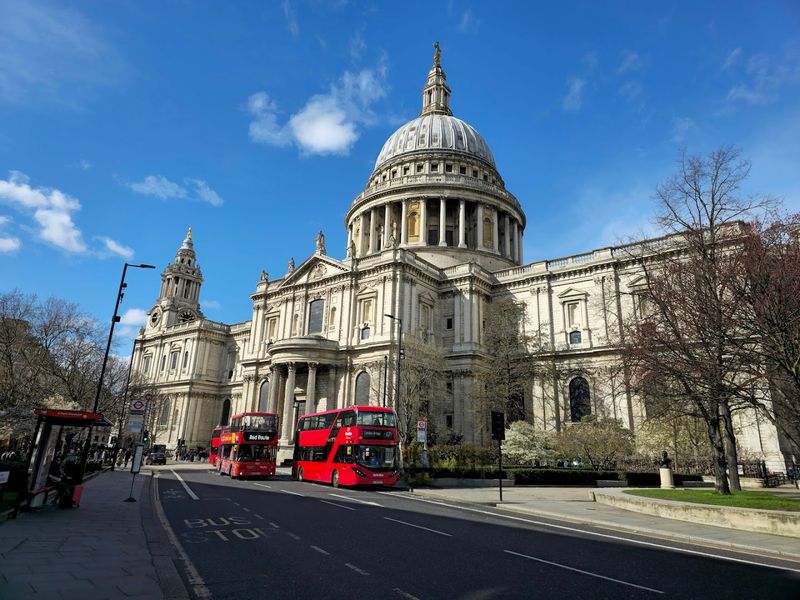
Christopher Wren designed St Paul’s Cathedral after the Great Fire of London destroyed the previous one in 1666, and he absolutely outdid himself. The dome is the second largest in the world and dominates the City of London skyline in a way that feels both ancient and timeless.
Climb to the Whispering Gallery inside the dome and discover why it earned that name. A whisper spoken against the circular wall travels 34 meters to the opposite side with eerie clarity.
Keep climbing to the Golden Gallery at the very top for a 360-degree view over London that beats almost anything else in the city.
The cathedral also contains the tombs of Admiral Nelson and the Duke of Wellington, making it a significant historical site beyond its architectural glory. Services take place daily, and attending Evensong is free.
The choir is exceptional and the acoustics inside the dome make it an unforgettable musical experience even for non-religious visitors.
Churchill War Rooms
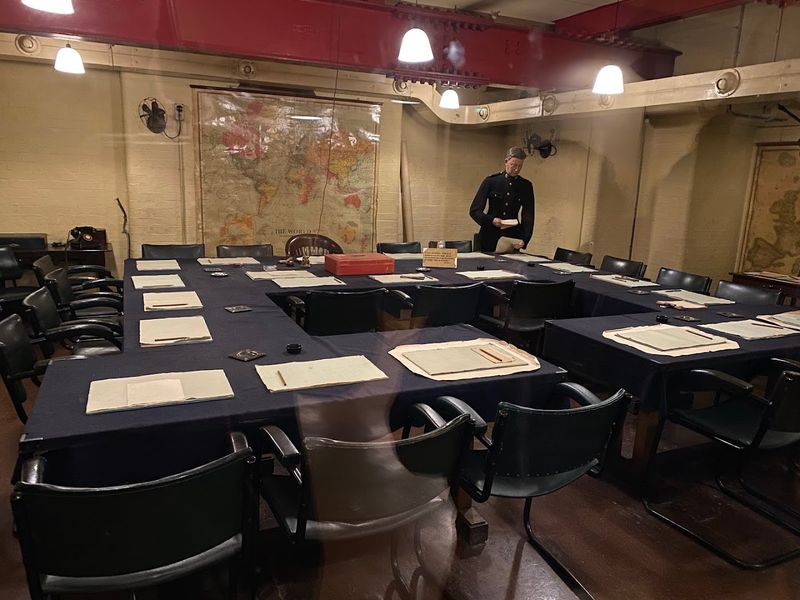
Buried beneath the streets of Westminster, the Churchill War Rooms are the most atmospheric museum in London by a significant margin. These underground bunkers are where Winston Churchill and his cabinet directed Britain’s war effort during World War Two, and they have been preserved exactly as they were left in 1945.
The Map Room still has the original pins in the maps. Churchill’s personal bedroom, barely larger than a cupboard, sits just off the main corridor.
The Churchill Museum integrated into the complex is brilliantly designed and uses clever technology to tell his extraordinary life story across decades.
Queues can be long during peak season, so booking online in advance saves time and often money. Audio guides are included with admission and add significant depth to the experience.
Allow at least two hours here. The weight of history in these low-ceilinged rooms is genuinely palpable, and most visitors leave speaking in slightly hushed tones without realizing it.
Thames River Boat Ride
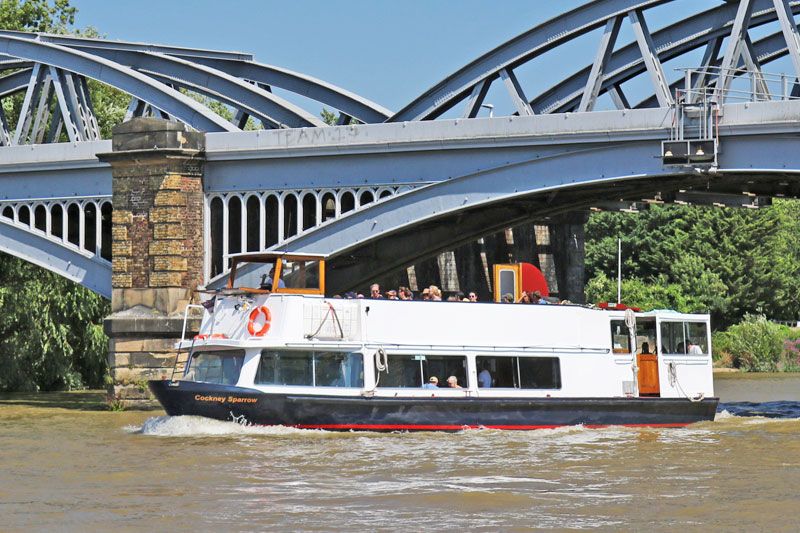
London was built around the Thames, and seeing the city from the water completely reframes everything you think you know about it. A river boat ride connects central London to Greenwich in the east and Kew Gardens in the west, passing landmarks that look entirely different from the water.
The Thames Clipper service runs like a regular commuter service but happens to pass Tower Bridge, the Tate Modern, the Shard, and the Houses of Parliament along the way. It is genuinely one of the best-value experiences in the city.
A single journey costs around five to eight pounds depending on distance, and Oyster cards are accepted.
The boat decks fill up fast on sunny days, so board a stop early if you want an outdoor seat. The stretch between Westminster and Tower Bridge offers the most concentrated run of iconic sights.
Bring a camera and resist the urge to watch the whole thing through a phone screen. Some things deserve your full attention.
West End Show
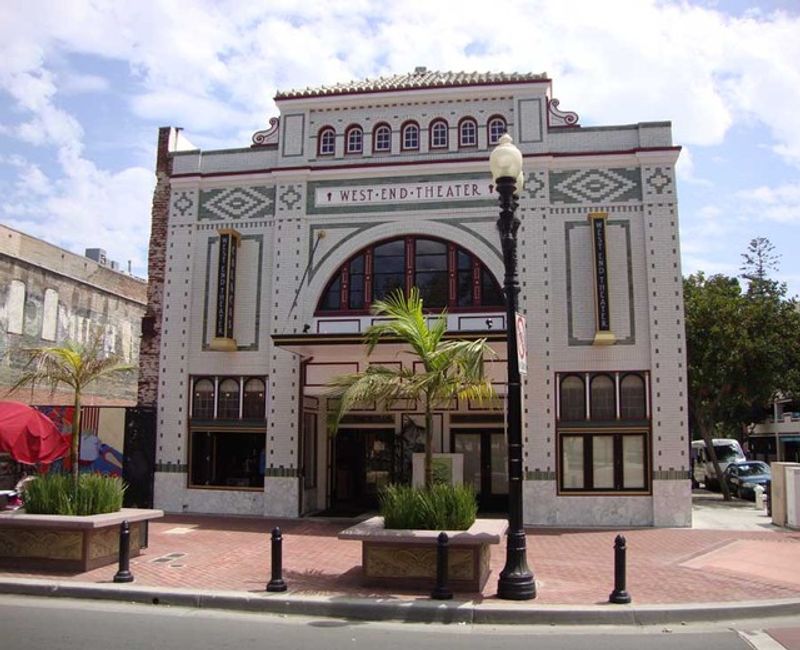
London’s West End is the theatrical capital of the world, and that is not an opinion. Broadway itself would quietly agree over a pint.
Around 40 shows run simultaneously in the West End on any given night, ranging from long-running juggernauts like Les Miserables to brand-new productions getting their first audiences.
The range is staggering. Musicals, Shakespeare, comedy, drama, and experimental theatre all compete for your evening.
The Lyceum, the Savoy, the Palladium, and the Donmar Warehouse each carry their own distinct personality and programming style. Choosing the right show is genuinely half the fun.
Day seats and standing tickets are available at most theatres from around 10am on the day of performance and can cost as little as fifteen pounds. The TKTS booth in Leicester Square sells same-day discounted tickets for many shows.
Book popular productions months in advance to avoid disappointment. A West End evening complete with a pre-show dinner in Covent Garden is the kind of London night that you actually tell people about for years afterward.
Share this story