Europe is packed with national parks so stunning they almost feel unfair to the rest of the world. From volcanic peaks in Spain to turquoise lakes in Croatia, the continent is basically showing off at this point.
Whether you are a hardcore hiker or someone who just likes a good view with their sandwich, there is a park here with your name on it. Get ready, because these 15 European national parks are about to land firmly on your bucket list.
Plitvice Lakes National Park, Croatia
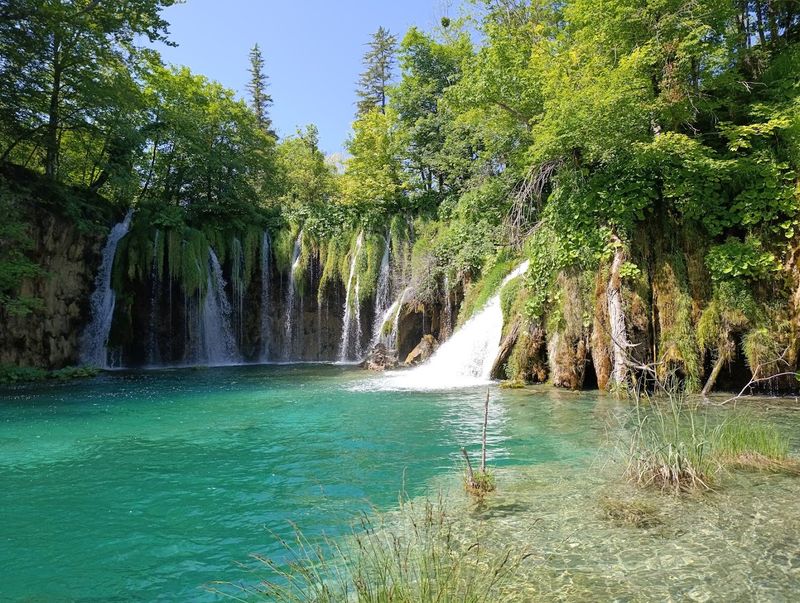
Croatia’s Plitvice Lakes National Park is basically nature doing its best watercolor painting, except it is real and you can walk through it. Sixteen terraced lakes cascade into each other through a series of waterfalls, all in shades of turquoise so vivid your camera will not believe itself.
The wooden boardwalks that wind above the water make you feel like you are floating.
I visited on a misty morning and genuinely questioned whether I had accidentally walked into a fantasy film set. The park covers over 296 square kilometers and has been a UNESCO World Heritage Site since 1979.
That recognition is very well earned.
Go early in the day to beat the crowds, especially in summer. The park gets extremely busy, and the experience is far more magical when you are not stuck in a selfie traffic jam.
Wear comfortable walking shoes because the boardwalks can get slippery near the falls.
Vatnajökull National Park, Iceland
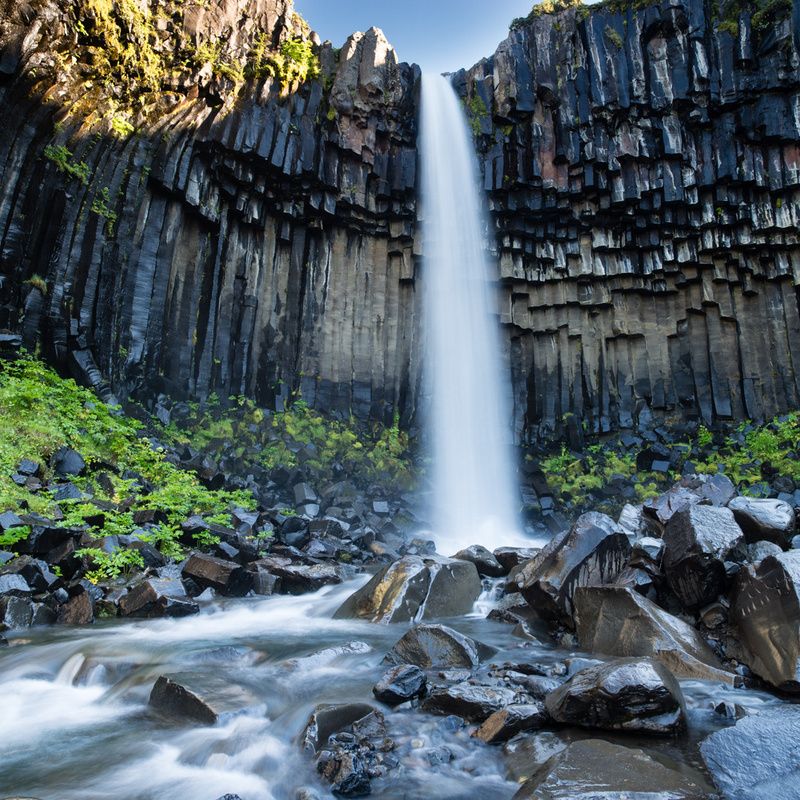
Vatnajökull National Park is where Europe quietly keeps its most dramatic secret. Covering roughly 14 percent of Iceland’s entire landmass, it is the largest national park in Europe by area.
Underneath its giant glacier, volcanoes are literally simmering. That combination of fire and ice is not just a cool phrase here, it is the actual geology.
The glacier ice caves that form each winter are genuinely otherworldly, glowing in deep electric blue from within. Tours run from November through March, and booking ahead is absolutely essential because spots go fast.
I once nearly missed my cave tour slot because I got distracted photographing a frozen waterfall, which felt like a very valid reason at the time.
Summer brings different rewards, including puffin colonies, lupine fields, and hiking routes across black sand plains. Whatever season you visit, Vatnajökull delivers drama by the bucketful.
Dress in serious layers regardless of the month.
Triglav National Park, Slovenia
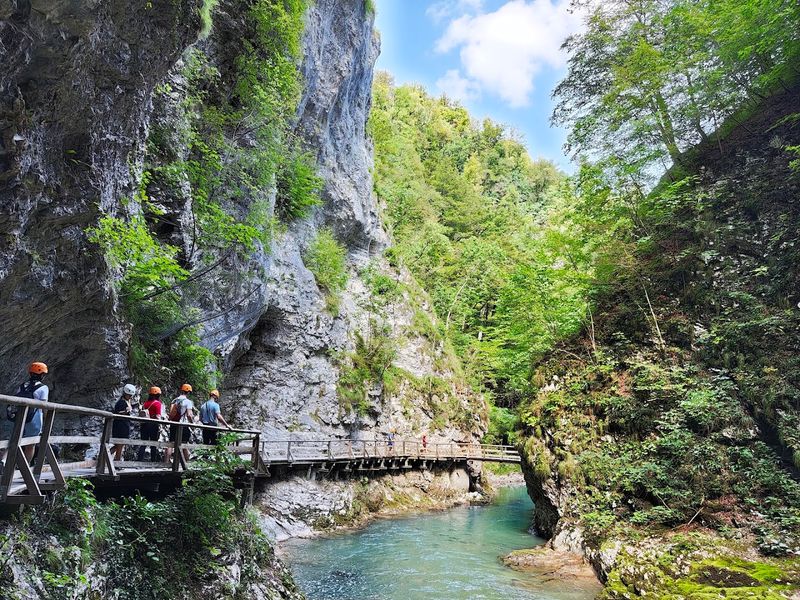
Slovenia punches so far above its weight in natural beauty it is almost embarrassing for larger countries. Triglav National Park, named after Slovenia’s only three-headed peak, covers nearly the entire Julian Alps within the country’s borders.
The park is so central to Slovenian identity that the mountain appears on the national flag. No pressure, Triglav.
Lake Bohinj sits at the heart of the park and is arguably more beautiful than the more famous Lake Bled nearby, just without the Instagram queue. The hiking here ranges from gentle lakeside strolls to serious summit attempts on Mount Triglav itself, which stands at 2,864 meters.
Reaching the top is considered a rite of passage for Slovenians.
The Soča River runs through the park in a shade of green so electric it looks digitally enhanced. Kayaking and rafting on the Soča are hugely popular and genuinely thrilling.
Pack layers because alpine weather changes its mind frequently.
Jotunheimen National Park, Norway
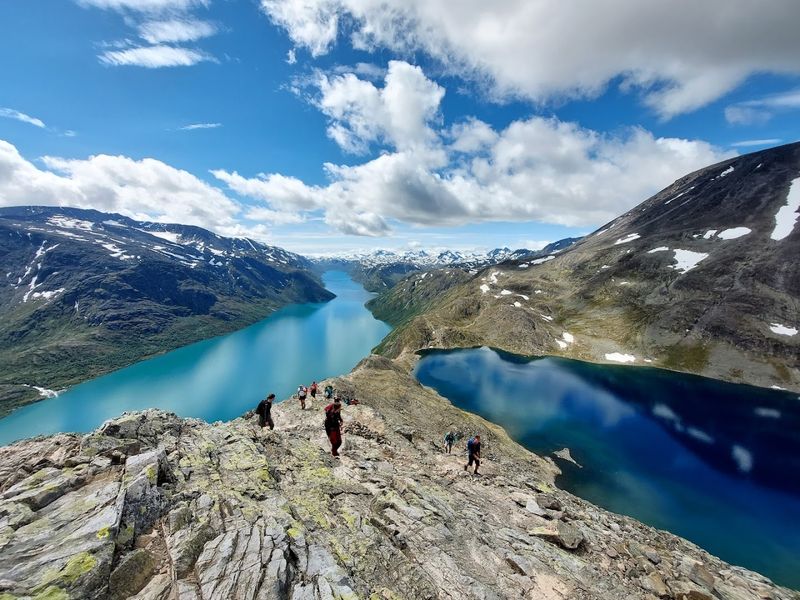
The name Jotunheimen literally translates to “Home of the Giants,” and after one look at this Norwegian park, you will understand why the Vikings named it that. This is the realm of Norway’s highest peaks, including Galdhøpiggen at 2,469 meters, the tallest mountain in all of Scandinavia.
The scale here is genuinely humbling.
The Besseggen Ridge hike is one of the most famous walks in Norway, threading between two lakes of entirely different colors separated by a narrow rocky spine. About 30,000 people tackle it every summer, which sounds crowded but somehow still feels epic once you are up there.
The views reward every single breathless step.
Jotunheimen is also prime territory for glacier hiking, particularly on the Jostedalsbreen ice plateau nearby. Wildlife spotting is excellent too, with reindeer, musk ox, and golden eagles all calling this park home.
Go between June and September for the best hiking conditions.
Cinque Terre National Park, Liguria, Italy
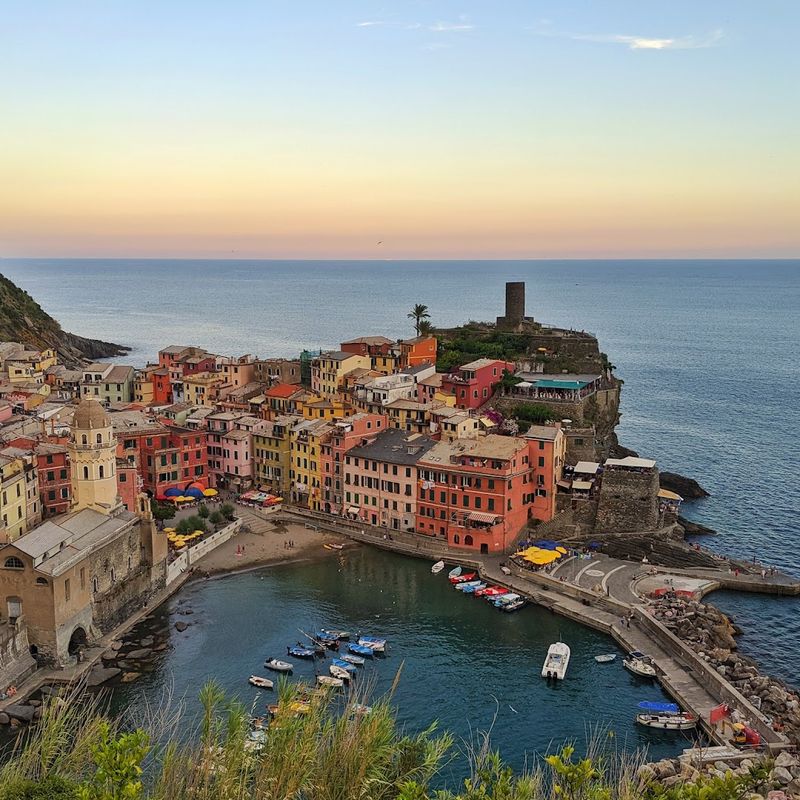
Five tiny villages clinging to dramatic cliffs above the Italian Riviera sounds like something out of a postcard, and Cinque Terre delivers exactly that. The national park protects not just the rugged coastline but the centuries-old terraced vineyards that locals have carved into the hillsides by hand.
That wine you sip with your pasta? It grew on a near-vertical cliff.
Respect.
The hiking trail connecting all five villages, known as the Sentiero Azzurro, offers some of the most scenic coastal walking in Europe. Sections vary in difficulty, but even the easier stretches give you jaw-dropping Mediterranean views at every turn.
The trail between Vernazza and Monterosso is particularly spectacular.
Crowds are a genuine consideration here. Summer turns the villages into very photogenic traffic jams, so visiting in April, May, or October makes a huge difference.
The local pesto and fresh seafood are reason enough to visit even if the views somehow failed to impress, which they absolutely will not.
Lake District National Park, Cumbria, England
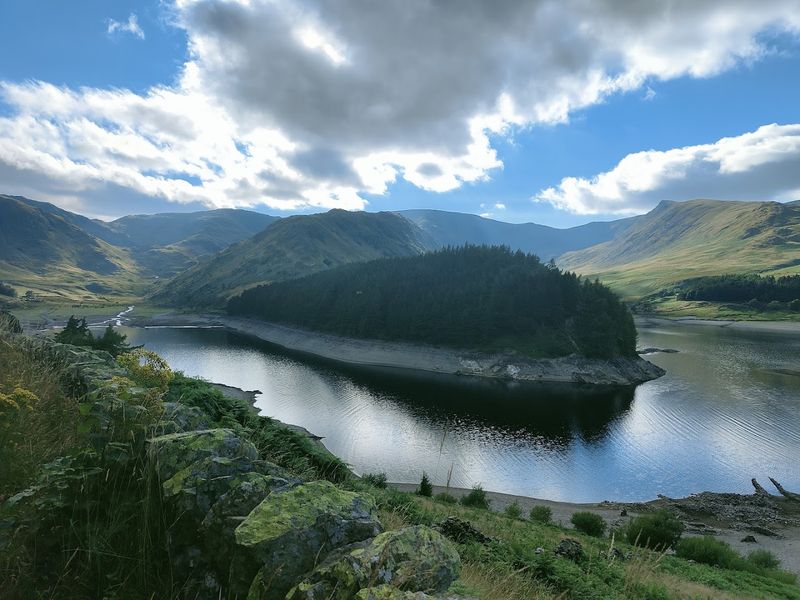
England’s Lake District is the kind of place that inspired Wordsworth to write poetry and inspired me to eat an unreasonable amount of Grasmere gingerbread. The park became England’s first UNESCO World Heritage cultural landscape in 2017, recognizing not just its beauty but the centuries of farming, literature, and fell-walking culture woven into it.
It is countryside with serious credentials.
Scafell Pike, England’s highest mountain at 978 meters, sits within the park and draws thousands of walkers every year. The summit hike is tough but very achievable, and the views on a clear day stretch to Scotland, Ireland, and Wales.
On a cloudy day, you get dramatic mist and the full moody atmosphere instead, which is honestly also excellent.
The villages scattered throughout the park, from Ambleside to Hawkshead, are genuinely charming. Boat hire on Windermere, the largest natural lake in England, is a classic activity.
Pack a waterproof jacket because the Lake District earns its name honestly.
Saxon Switzerland National Park, Saxony, Germany
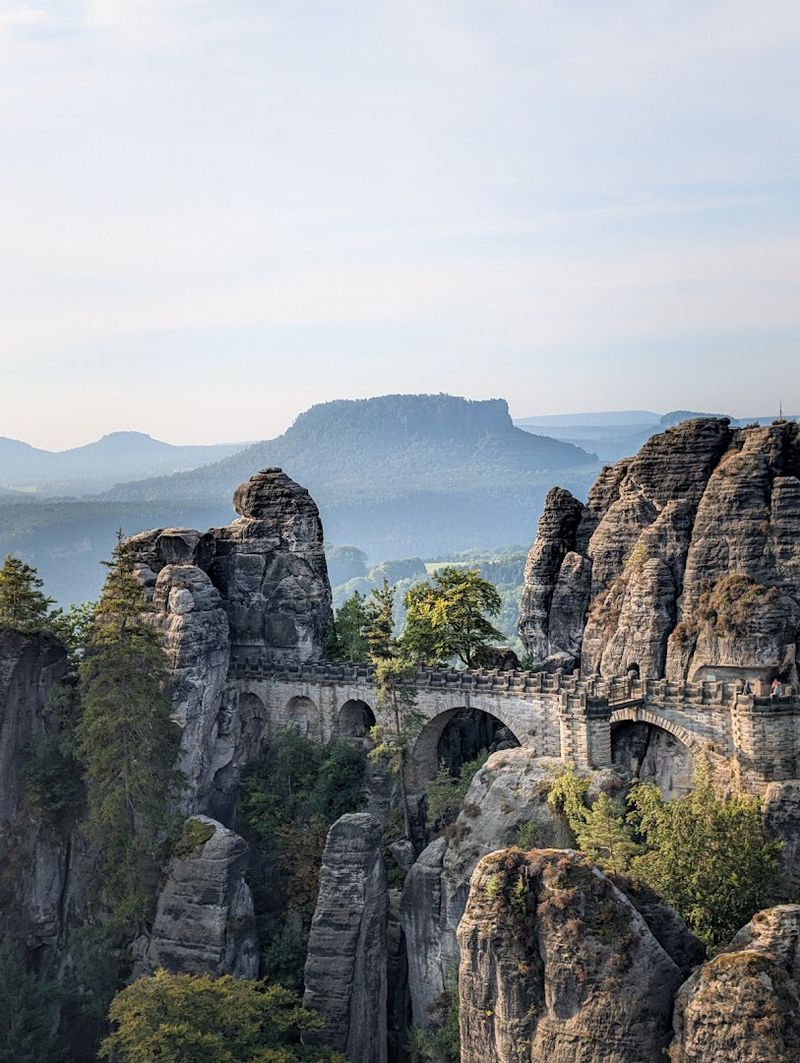
Saxon Switzerland has absolutely nothing to do with Switzerland and everything to do with sandstone towers so dramatic they look sculpted by a particularly ambitious art student. Located along the Elbe River in eastern Germany, this park is a climber’s paradise and a hiker’s dream.
Over 1,000 climbing routes wind up its famous rock pillars, known locally as Felsen.
The Bastei Bridge is the park’s most iconic sight, a sandstone rock bridge perched 194 meters above the Elbe that has been drawing visitors since the 19th century. Romantic painters loved this place, and honestly, it has not lost any of its drama since then.
Arriving at sunrise before the tour groups show up is a genuinely good life decision.
The Malerweg, or Painter’s Way, is an 112-kilometer hiking trail that loops through the park’s best scenery. It takes about eight days to complete in full and passes through forests, gorges, and viewpoints that explain why artists kept coming back here for centuries.
Good boots are non-negotiable on this terrain.
Durmitor National Park, Žabljak, Montenegro
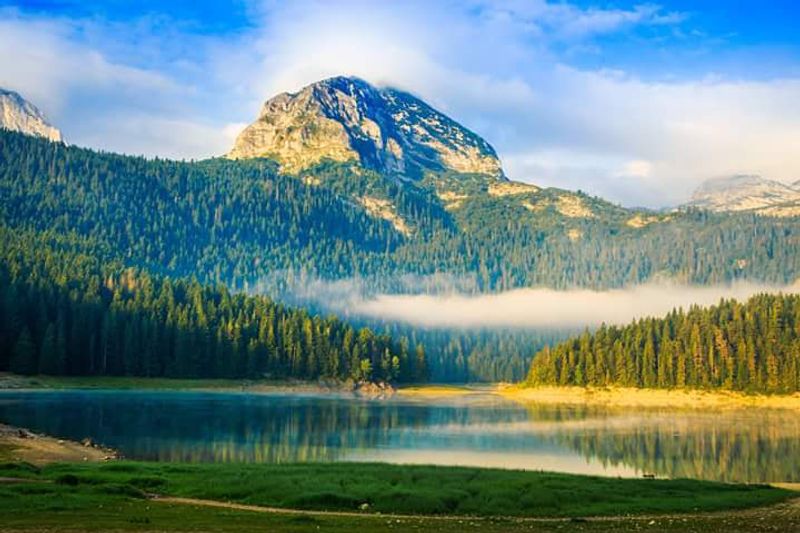
Montenegro is one of Europe’s most underrated destinations, and Durmitor National Park is the main reason it absolutely should not be. The park contains 48 glacial lakes, the deepest canyon in Europe, and peaks that hold snow well into summer.
It is a UNESCO World Heritage Site that somehow still flies under most travelers’ radars, which means you can actually enjoy it without fighting for elbow room.
The Tara River Canyon drops to 1,300 meters at its deepest point, making it the deepest canyon in Europe and the second deepest in the world after the Grand Canyon. White-water rafting through it is one of the most thrilling outdoor experiences available anywhere on the continent.
I went in May when the snowmelt made the river particularly lively, which was either brave or mildly reckless depending on who you ask.
The ski resort town of Žabljak serves as the base for most visitors. In summer it transforms into a hiking hub, with trails ranging from lakeside walks to serious summit routes.
Budget travelers will love Montenegro’s very reasonable prices compared to Western Europe.
Hohe Tauern National Park, Salzburg, Austria
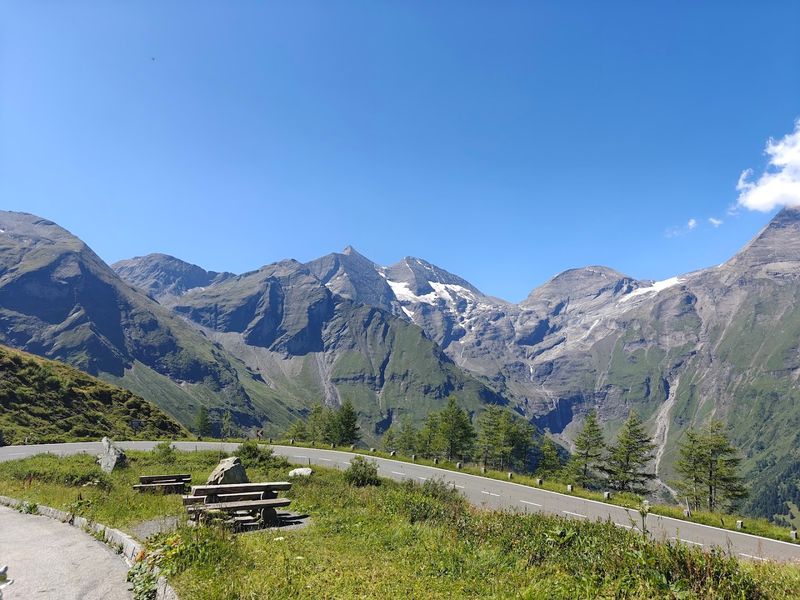
Austria’s Hohe Tauern is the largest national park in the Alps and home to Grossglockner, the highest mountain in Austria at 3,798 meters. The famous Grossglockner High Alpine Road that winds through the park is one of the most scenic drives in all of Europe, with hairpin bends, glacier viewpoints, and marmots waddling across the road like they own the place.
They kind of do.
The Krimml Waterfalls, Europe’s highest waterfall at 380 meters, thunder through the park’s western edge with enough force to create their own permanent mist cloud. Walking the trail alongside them in summer is refreshing in a way that no shower ever quite matches.
The spray hits you from fifty meters away and keeps coming.
Over 10,000 animal species call this park home, including ibex, chamois, golden eagles, and bearded vultures that were successfully reintroduced here after extinction. The wildlife watching opportunities are exceptional.
Spring and early summer bring the wildflower meadows into full, ridiculous bloom.
Teide National Park, Tenerife, Canary Islands, Spain
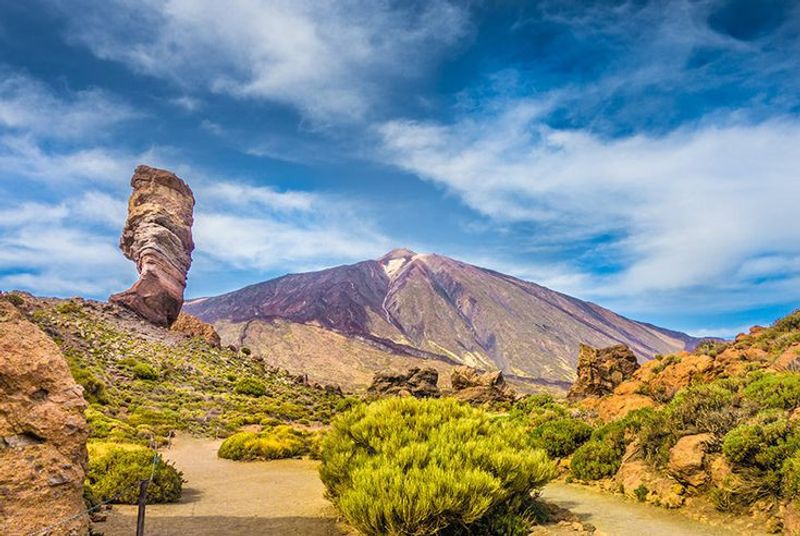
Spain’s most visited national park sits on a volcanic island in the Atlantic Ocean and centers on a mountain that breaks through the clouds. Mount Teide, at 3,715 meters, is the highest peak in Spain and the third tallest volcanic structure on Earth when measured from its oceanic base.
That is a genuinely impressive geological resume.
The landscape around Teide looks more like Mars than Europe, with rust-colored lava fields, volcanic rock formations, and an almost alien atmosphere that has attracted filmmakers and astronomers alike. The park sits at high altitude, so the air is exceptionally clear, making it one of the best stargazing locations in the Northern Hemisphere.
The night sky here is extraordinary.
Taking the cable car up toward the summit is highly recommended, but a special permit is required to reach the very top crater on foot. Book the permit well in advance because slots are limited and popular.
The park is accessible year-round, and the contrast of snow on volcanic rock in winter is spectacular in a very unexpected way.
Gran Paradiso National Park, Aosta Valley, Italy
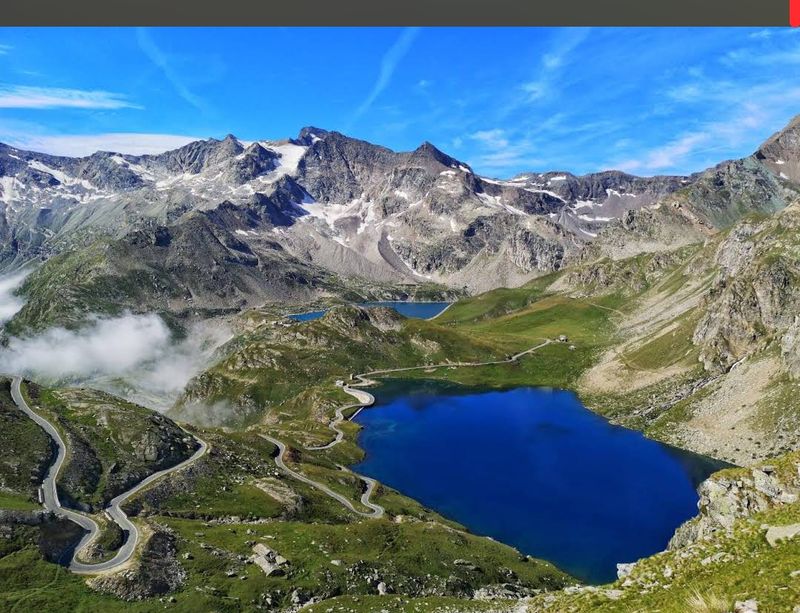
Gran Paradiso holds the proud title of Italy’s first national park, established back in 1922. It was originally a royal hunting reserve, which gives it the delightful historical twist of being saved from hunters by a king who enjoyed hunting.
The park was essentially repurposed from a private playground into a wildlife sanctuary, and the animals have clearly thrived on that deal.
The Alpine ibex population here is one of the most accessible in Europe. These sure-footed, dramatically horned wild goats can often be spotted at remarkably close range near the park’s hiking trails, seemingly unbothered by human presence.
Watching a full-grown ibex balance on a near-vertical rock face is one of those moments that makes you feel slightly inadequate.
The Gran Paradiso summit itself, at 4,061 meters, is considered one of the more accessible four-thousanders in the Alps for experienced mountaineers. The Cogne Valley makes an excellent base, with charming villages, good restaurants, and trail access in every direction.
Visit in July and August for the best wildflower displays.
Calanques National Park, Marseille, France
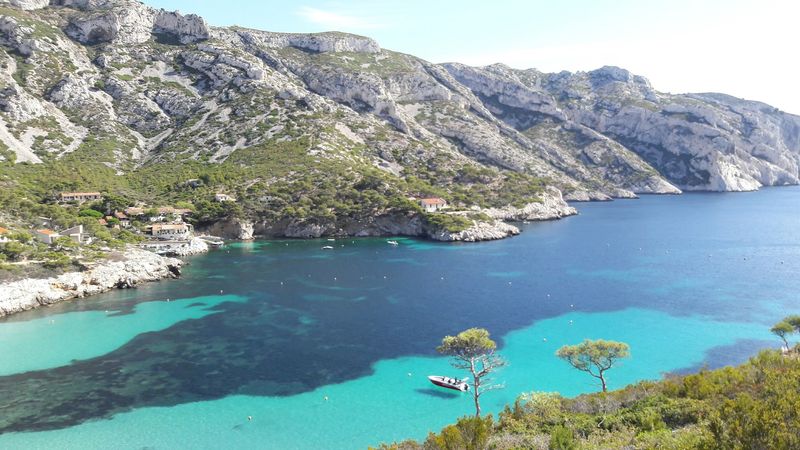
Wedged between the gritty port city of Marseille and the elegant resort town of Cassis, the Calanques National Park is basically a wild, sun-bleached miracle that somehow exists minutes from a major urban center. The calanques themselves are narrow rocky inlets carved into dramatic white limestone cliffs, filled with water so clear and turquoise it looks photoshopped.
Spoiler: it is not.
Hiking the network of trails above the calanques gives you views that compete with anything the Mediterranean coast has to offer. The trail from Marseille’s Luminy campus to Calanque de Sugiton is a popular half-day hike that rewards you with a beautiful swimming spot at the end.
Pack water because the exposed limestone reflects heat aggressively in summer.
The park limits visitor numbers to certain calanques during peak season to protect the fragile ecosystem, so checking access rules before visiting is essential. Kayaking through the inlets from the sea is an incredible alternative way to explore.
The combination of wild nature and fresh bouillabaisse waiting back in Marseille is genuinely hard to beat.
Picos de Europa National Park, Asturias, Spain
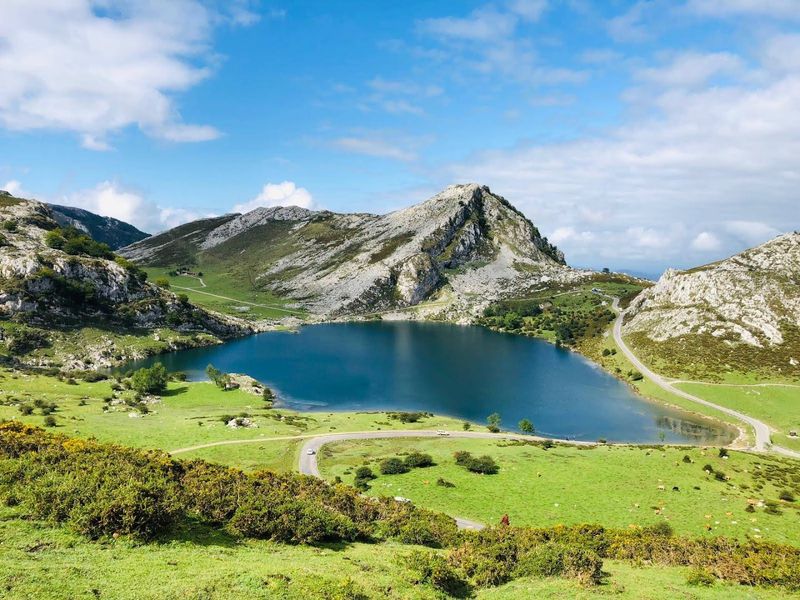
The Picos de Europa were named by sailors returning from the Americas who spotted these jagged limestone peaks as their first sight of Europe on the horizon. That is a genuinely poetic origin story for a mountain range, and the peaks absolutely live up to the drama of their name.
They rise abruptly from the green Asturian coast to nearly 2,650 meters in a surprisingly short distance.
The Cares Gorge is the park’s most famous hike, a 12-kilometer trail carved into the walls of a gorge so deep and narrow it feels like walking through a crack in the Earth. The path is well maintained and technically straightforward, making it accessible to most fit walkers.
The scale of the rock walls towering above you is something no photograph quite captures accurately.
Brown bears and wolves still roam the more remote areas of the park, which adds a genuine wildness to the experience. The local Asturian food scene is extraordinary, with cider, aged cheese, and fabada stew all waiting in nearby villages.
Visit in late spring when the valleys are impossibly green.
Aigüestortes i Estany de Sant Maurici National Park, Catalonia, Spain
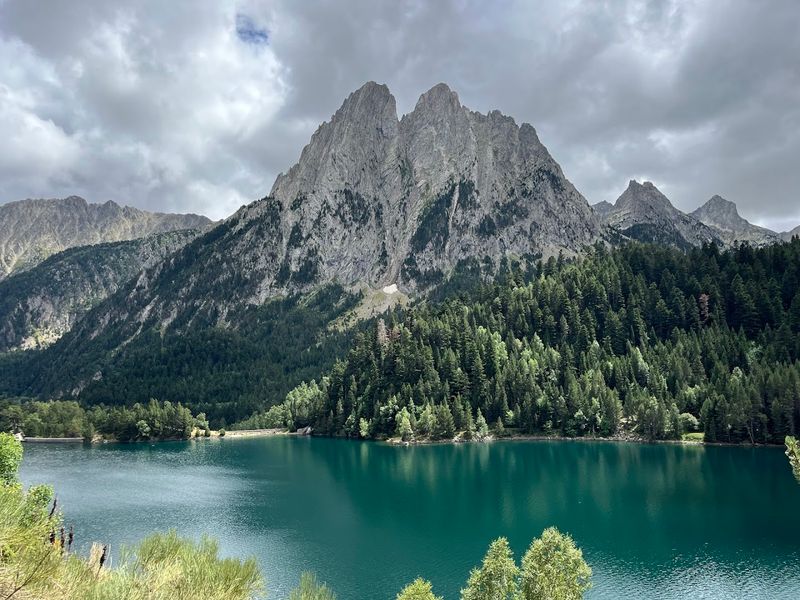
This park has the longest name of any national park in Spain and arguably the most spectacular high-mountain scenery in the entire Pyrenees. Located in Catalonia’s Lleida province, Aigüestortes protects a landscape of over 200 glacial lakes, dramatic granite peaks, and twisted streams, which is exactly what “aigüestortes” means in Catalan: twisted waters.
The name is refreshingly literal.
The park is split into two main sectors connected by a mountain pass, and the only motorized vehicles allowed inside are authorized taxis called “jeep taxis” that ferry hikers to the trailheads. This keeps the interior beautifully quiet and genuinely unspoiled.
Hiking between the two sectors over the Portarró d’Espot pass is a classic full-day route with outstanding views.
Autumn turns the lakeside larch forests gold and orange, creating some of the most photogenic mountain scenery in Spain. The park receives far fewer visitors than the Pyrenean parks across the border in France, which means you get genuine wilderness without the queues.
Book accommodation in the gateway villages of Espot or Boí well ahead for summer visits.
Peneda Gerês National Park, Braga District, Portugal
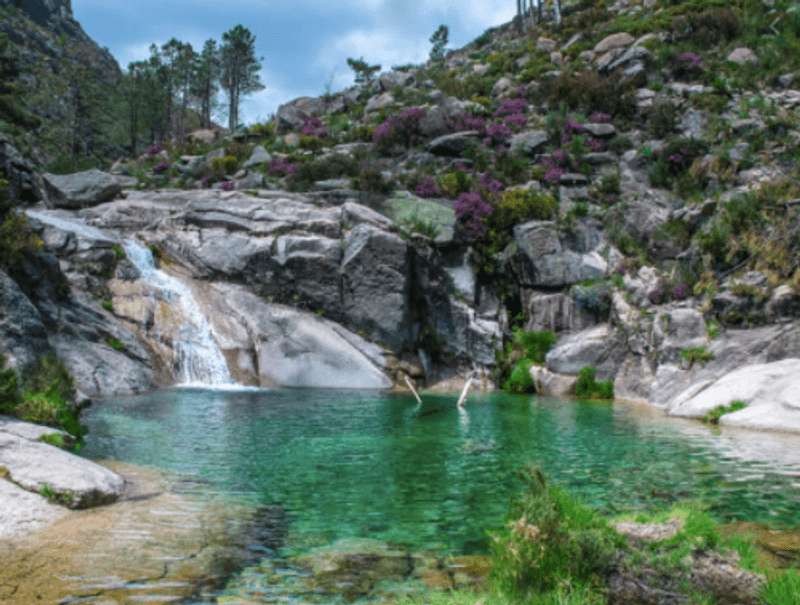
Portugal’s only national park is a well-kept secret that most visitors to Lisbon and Porto never make the effort to reach, which means those who do find something genuinely special waiting for them. Peneda-Gerês sits in the northwestern corner of Portugal along the Spanish border and protects a landscape of granite mountains, oak forests, waterfalls, and ancient Roman roads.
It is wild in the best possible way.
The park is home to the Garrano wild ponies, one of the oldest horse breeds in the Iberian Peninsula, which roam freely through the hills and have a habit of appearing dramatically on ridge lines just when you least expect it. Wolves also still live in the more remote northern sections, though spotting one requires serious patience and a lot of luck.
The wolves are not waiting around for tourist approval.
Swimming in the park’s natural river pools and reservoirs is a summer highlight that locals have been enjoying for generations. The village of Gerês makes a comfortable base with good food and accommodation options.
Go in spring for waterfalls at full force after the winter rains.
Share this story