Some places are so hyped that you half-expect to be disappointed when you finally show up. But a handful of iconic sights genuinely deliver, crowds and all.
I’ve dragged myself to more than a few of them, grumbling about the lines, only to stand there completely speechless. Here are 14 famous landmarks that are absolutely worth the trip, the ticket, and the sore feet.
Eiffel Tower, Paris, France
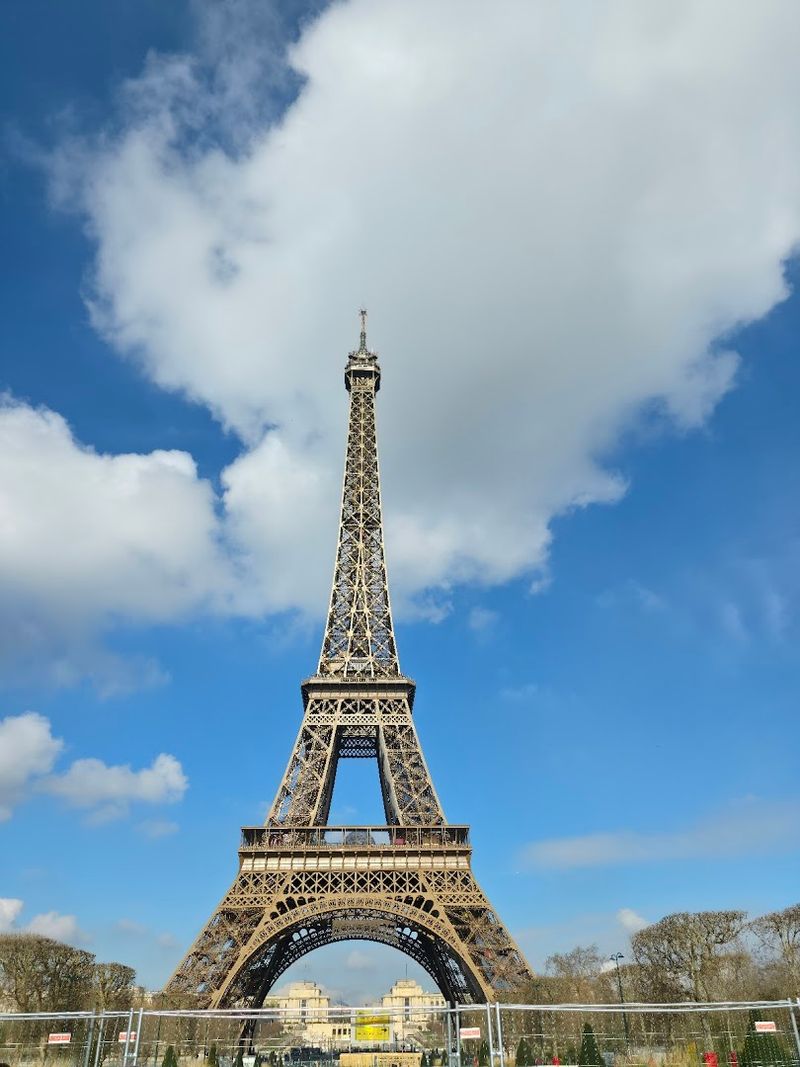
Every travel snob will tell you the Eiffel Tower is overrated. Every single one of them has also taken approximately 47 photos of it.
Built as a temporary structure for the 1889 World’s Fair, Gustave Eiffel’s iron lady was almost torn down. Paris changed its mind, and honestly, good call.
Visiting at night is a completely different experience. The tower sparkles for five minutes every hour after dark, and watching that light show from the Trocadero plaza is genuinely magical.
Skip the elevator line and walk up to the second floor for a real workout and bragging rights.
Book tickets online weeks in advance, especially in summer. The queues without a reservation are brutal and can swallow your entire afternoon.
Go early morning for thinner crowds and soft morning light. The view from the top stretches for miles on a clear day, and yes, it is absolutely worth it.
Colosseum, Rome, Italy
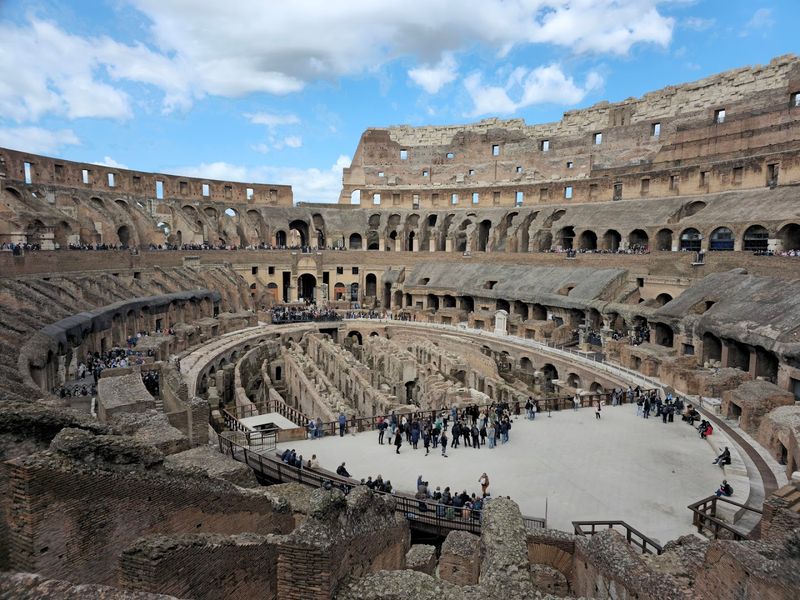
Two thousand years old and still pulling crowds of six million visitors a year. The Colosseum was the ancient world’s ultimate entertainment venue, hosting gladiatorial battles, animal hunts, and even mock sea battles.
Romans really knew how to throw a party.
Standing inside the arena floor is a jaw-dropping experience. You look up at the tiered seating and realize this place once held 50,000 screaming fans.
The underground hypogeum, where gladiators and animals waited before fights, is now included in many ticket options and is absolutely worth adding.
Buy a combo ticket that includes the Roman Forum and Palatine Hill next door. Together, they paint a full picture of ancient Roman life that no museum can replicate.
Arrive right when it opens at 9 a.m. to beat the tour groups. Comfortable shoes are non-negotiable here because the original Roman stones are uneven and unforgiving on your ankles.
Taj Mahal, Agra, India
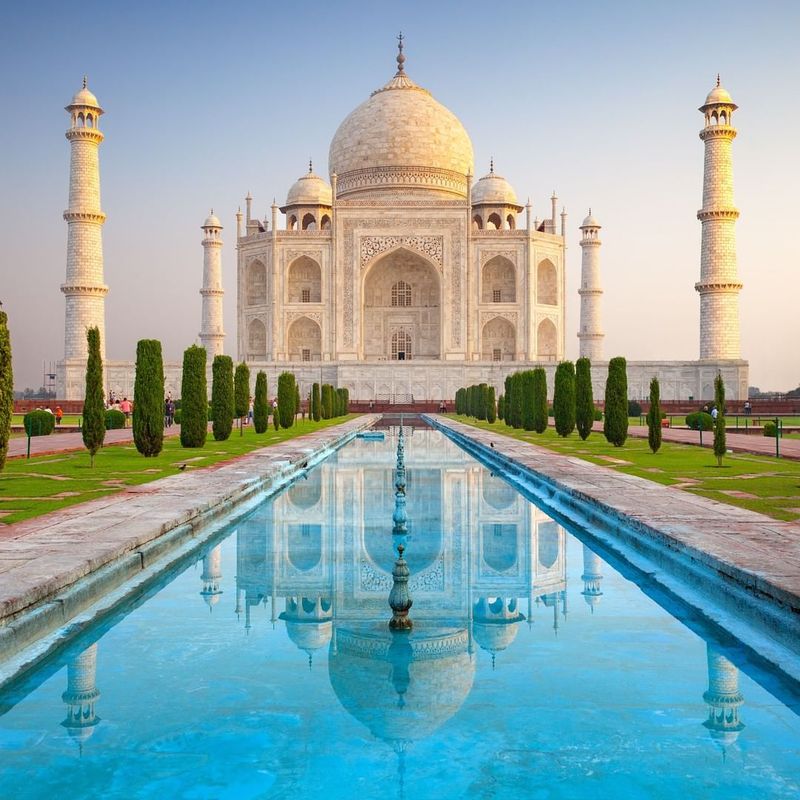
Shah Jahan built the Taj Mahal for his wife Mumtaz Mahal after she died in 1631. It took 22 years and 20,000 workers.
That is either the most romantic gesture in history or the world’s most expensive apology. Either way, the result is stunning.
The white marble changes color depending on the time of day. Pinkish at sunrise, brilliant white at noon, and glowing gold at sunset.
Most visitors agree that sunrise is the winner. Crowds are smaller, the light is soft, and the reflection pool does its full mirror-effect thing beautifully.
Fridays are off-limits since the mosque inside is active, so plan accordingly. Shoes must be removed or covered with provided slippers before entering the mausoleum.
The interior is more intimate than the exterior suggests, with delicate inlaid gemstone work on every surface. Agra itself is worth an extra day to explore nearby Agra Fort, which tells the rest of the story.
Machu Picchu, Cusco Region, Peru
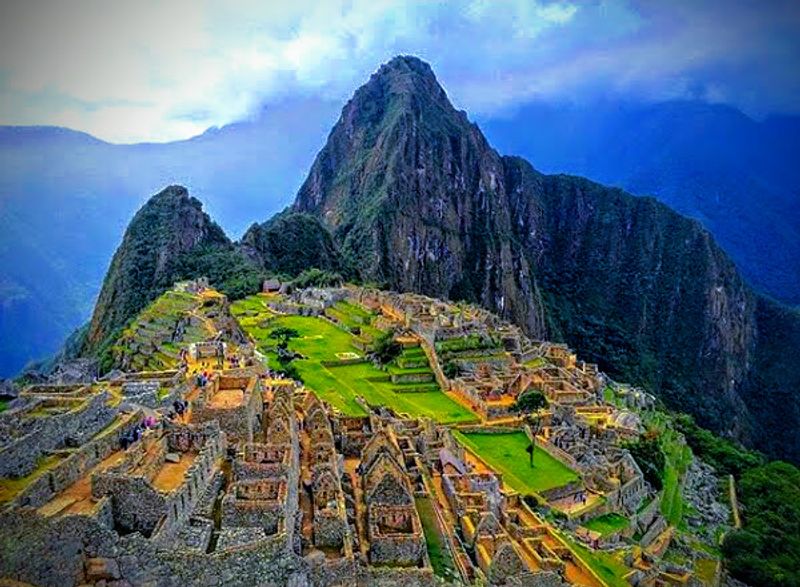
Nobody actually told the Spanish conquistadors about Machu Picchu, so it sat untouched in the Andes for centuries. Hiram Bingham stumbled upon it in 1911, introduced to it by a local kid.
Sometimes the best discoveries come from asking the right person for directions.
The site sits at 7,970 feet above sea level, which means altitude sickness is a real concern. Spend at least two nights in Cusco first to acclimatize before heading up.
Coca tea is everywhere in the region and locals swear by it for altitude headaches. Hydrate constantly and take it slow on the first day.
Entry is timed and ticketed, with strict daily visitor limits. The classic sunrise view from the Sun Gate, reached by hiking the last stretch of the Inca Trail, is genuinely breathtaking.
Arriving by train to Aguas Calientes and then taking the shuttle bus is the easier option and still delivers a spectacular first look at the ruins.
Statue of Liberty, New York City, USA
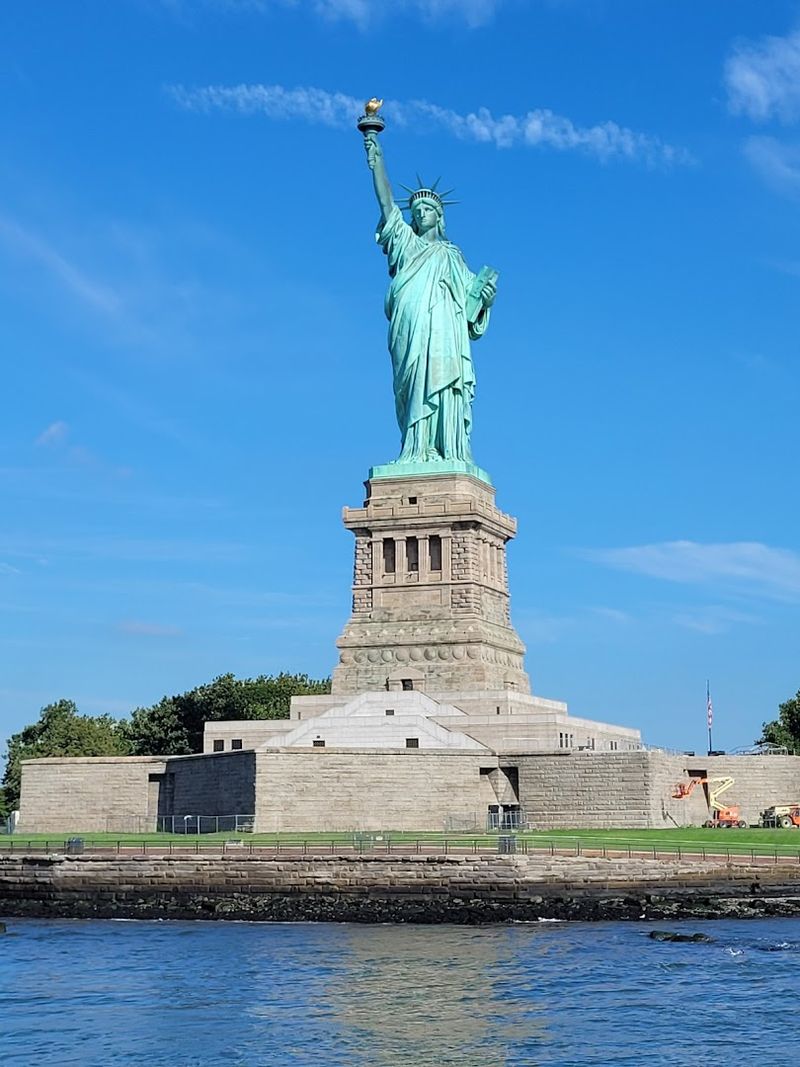
France gifted the Statue of Liberty to the United States in 1886, which remains one of the most generous presents one country has ever given another. Lady Liberty stands 305 feet tall from ground to torch tip and has welcomed millions of immigrants arriving by sea.
She still gets the job done as a symbol.
Most visitors only take the ferry to Liberty Island and walk around the base. That is fine, but the crown access is a completely different level of experience.
You climb 354 steps through the interior and look out through Lady Liberty’s crown windows at the harbor below. Booking crown tickets requires planning months ahead since they sell out fast.
The free Staten Island Ferry offers a surprisingly good view of the statue without any cost or reservation. It runs 24 hours a day and passes right by Liberty Island.
Ellis Island is right next door and its immigration museum is one of the most moving exhibits in all of New York. Combine both in one trip.
Grand Canyon South Rim, Arizona, USA
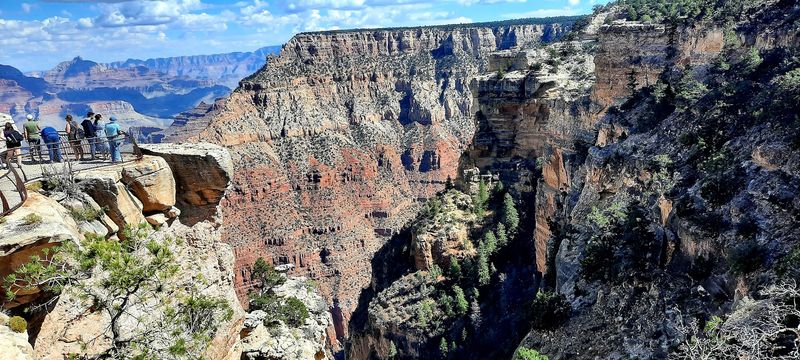
The Grand Canyon is one mile deep, 277 miles long, and up to 18 miles wide. No photograph has ever done it justice.
I know this because I have taken approximately 200 of them and they all look like a screensaver. You genuinely have to stand at the rim to understand the scale.
The South Rim is open year-round and is the most accessible and most visited section. Mather Point is the classic first-stop overlook, but walk further along the Rim Trail for quieter spots and better angles.
Sunrise and sunset are peak viewing times when the canyon walls shift through incredible shades of red and orange.
Hiking down into the canyon is tempting but requires serious preparation. The National Park Service strongly warns against attempting to hike to the river and back in one day because the return climb is brutal in desert heat.
Carry more water than you think you need. Ranger-led programs and shuttle buses make it easy to explore multiple viewpoints without a car.
Sagrada Família, Barcelona, Spain
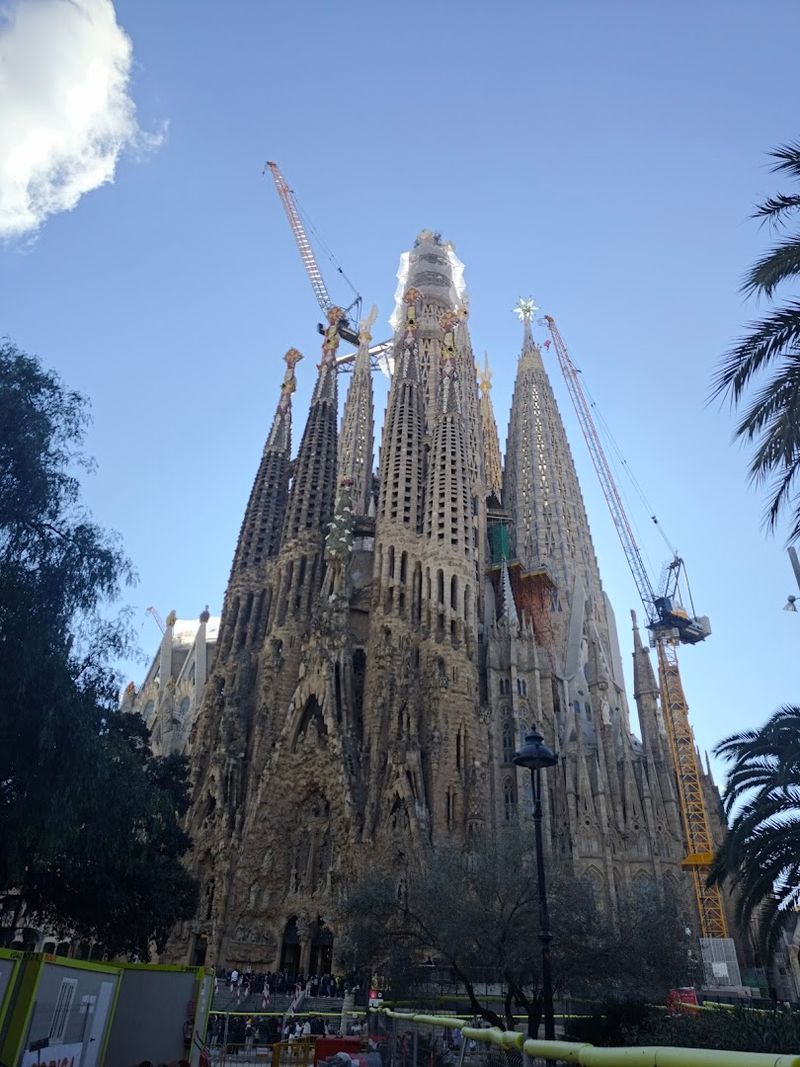
Construction on the Sagrada Familia began in 1882 and is still ongoing. Antoni Gaudi took over the project in 1883 and spent the rest of his life on it.
He is actually buried in the crypt below the church, which means he has front-row seats to the endless construction. Committed, to say the least.
The exterior is unlike any other building on earth. Gaudi pulled inspiration from nature, and the organic shapes, dripping stone details, and towering spires look more like something that grew than something built.
The Nativity facade and the Passion facade tell completely different visual stories and are worth studying closely.
The interior is where most visitors get genuinely speechless. Sunlight filters through the stained glass in enormous columns of color that shift throughout the day.
Book timed entry tickets online well in advance. Tower access costs extra but offers spectacular views over Barcelona’s rooftops.
The church is expected to be completed sometime in the 2030s, so you are visiting a living work in progress.
Acropolis, Athens, Greece
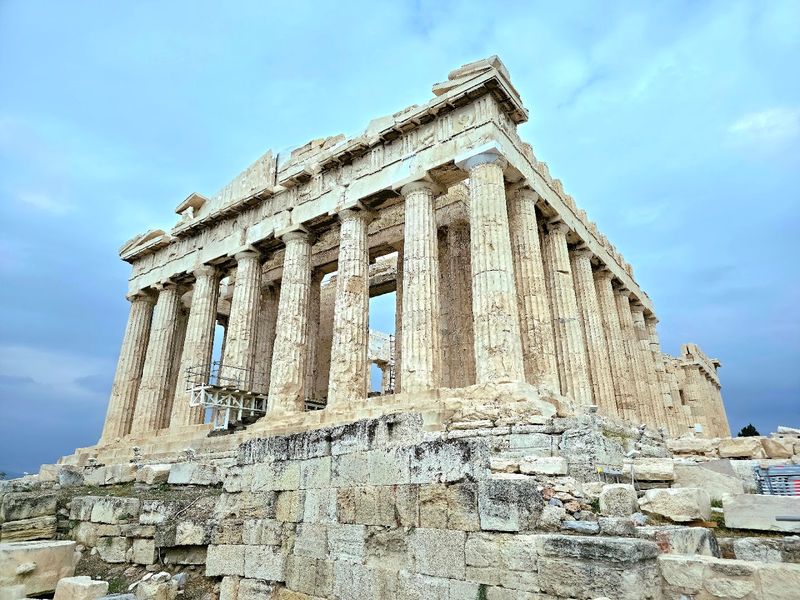
The Parthenon has been a temple, a church, a mosque, and an ammunition storage facility. That last one did not end well.
A Venetian cannonball hit the stored gunpowder in 1687 and blew out the entire center of the building. Despite everything, it is still standing, which says a lot about ancient Greek construction quality.
Climbing the Acropolis hill rewards you with sweeping views over Athens in every direction. The Parthenon is more impressive up close than in any photo.
The marble columns are enormous, slightly tapered, and built with subtle optical corrections to make them appear perfectly straight to the human eye. Ancient Greeks were obsessed with visual precision.
Visit very early in the morning or late afternoon to avoid the midday heat and the thickest tourist crowds. The Acropolis Museum at the base of the hill is world-class and provides brilliant context for what you see above.
A combined ticket covers both and is genuinely worth every euro. Good walking shoes are essential on the uneven ancient marble surfaces.
Angkor Wat, Siem Reap, Cambodia
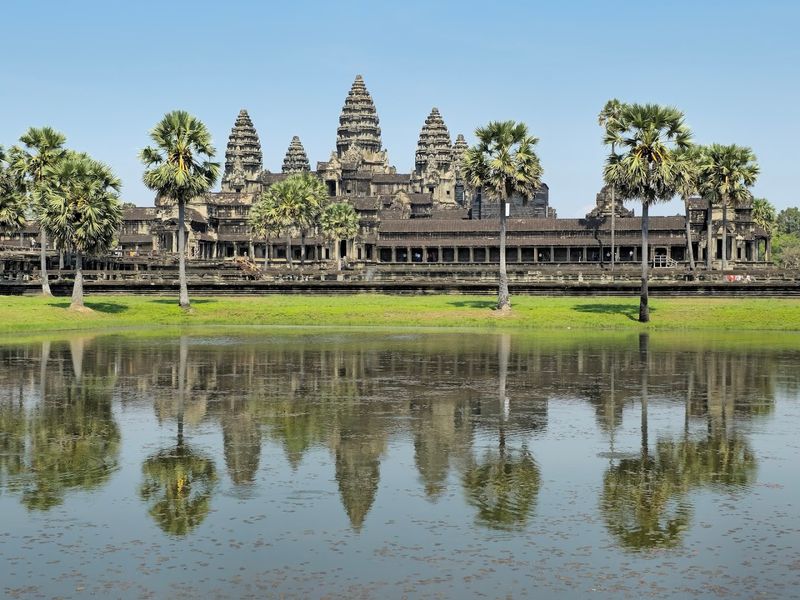
Angkor Wat is the largest religious monument on earth, covering 402 acres. Built in the 12th century by the Khmer Empire, it started as a Hindu temple and gradually became Buddhist.
It also appears on Cambodia’s national flag, which makes it the only building in the world with that particular honor.
Sunrise at Angkor Wat is one of those experiences that travel writers genuinely cannot overstate. The reflection of the towers in the front moat as the sky turns orange is jaw-dropping.
Get there before 5:30 a.m. and stake out a good spot along the reflecting pool. Hundreds of other early risers will have the same idea, but there is plenty of room.
A three-day pass lets you explore the full Angkor Archaeological Park, which includes dozens of other temples beyond the main Wat. Ta Prohm, where massive tree roots swallow the ruins, is a favorite.
Hire a local guide for the first day. Their knowledge of the carvings and history transforms the experience from sightseeing into something genuinely educational and memorable.
Petra, Wadi Musa, Jordan
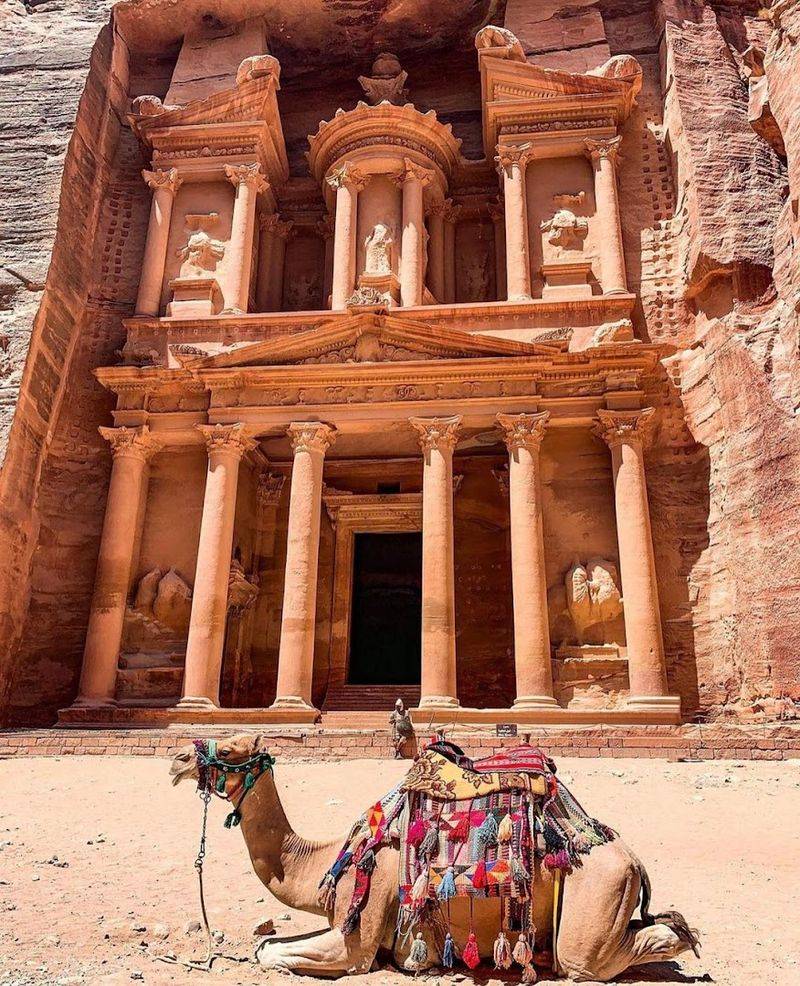
Petra was a lost city for centuries. The Nabataeans carved it directly into rose-red sandstone cliffs around 300 BCE, then it was largely forgotten by the Western world until explorer Johann Ludwig Burckhardt rediscovered it in 1812.
He had to disguise himself as a pilgrim to gain access. Archaeology used to be way more dramatic.
Walking through the Siq, the narrow winding canyon that leads to Petra, builds anticipation perfectly. The crack in the rock is sometimes only a few feet wide, with walls soaring 200 feet overhead.
Then suddenly the Treasury appears at the end, and the reveal genuinely stops people in their tracks every single time.
The Treasury is just the beginning. Petra stretches for miles with hundreds of carved tombs, temples, and a full ancient city beyond.
The Monastery, a longer hike up 800 steps, is even larger and far less crowded. Go early, wear good shoes, and bring more water than seems reasonable.
Petra in the afternoon heat is a full commitment.
Tower of London, London, England
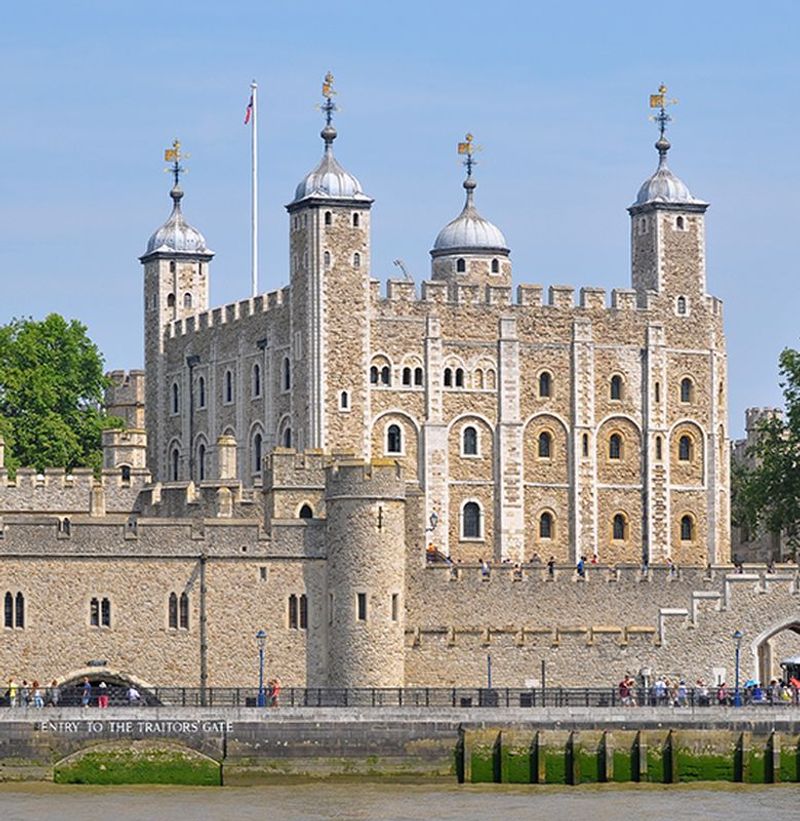
The Tower of London has served as a royal palace, a prison, a zoo, a mint, and a place of execution. It currently houses the Crown Jewels, which are guarded by the famous Yeoman Warders, better known as Beefeaters.
Only in Britain could one building have such a spectacularly varied career history.
The Crown Jewels exhibit is genuinely extraordinary. Moving walkways slowly carry visitors past the actual crowns, scepters, and orbs used at royal coronations.
The Koh-i-Noor diamond and the Cullinan Diamond are both in there, and seeing them in person makes you understand why people wrote entire wars over gemstones.
The Yeoman Warder tours are free with admission and are some of the best guided tours in London. The Warders are retired military veterans who live on-site and know every gruesome story the Tower has to offer.
Tower Bridge is right next door and worth a walk across. Book Tower of London tickets online to skip the ticket queue at the gate.
Vatican Museums, Vatican City
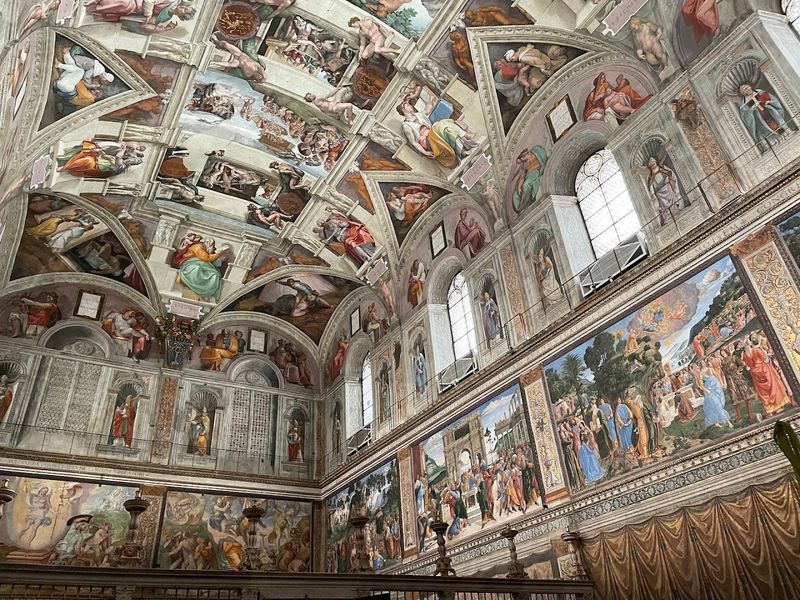
Michelangelo painted the Sistine Chapel ceiling lying on his back over four years, finishing in 1512. He reportedly hated every minute of it and wrote a poem complaining about his aching neck and dripping paint.
The result is considered one of the greatest artistic achievements in human history. Suffering for art, apparently, works.
The Vatican Museums contain 54 galleries and over 20,000 works of art. Most visitors make a beeline for the Sistine Chapel, but the Gallery of Maps, with its enormous hand-painted topographical maps of Italy, is equally spectacular and far less crowded.
The Raphael Rooms are another highlight that many visitors rush past too quickly.
Book skip-the-line tickets well in advance because the queues outside without a reservation can stretch for hours. A guided tour is worth the cost here since the sheer volume of art can feel overwhelming without context.
The museums are closed on Sundays except for the last Sunday of each month, when entry is free and absolutely packed. Arrive at opening time.
Alhambra, Granada, Spain
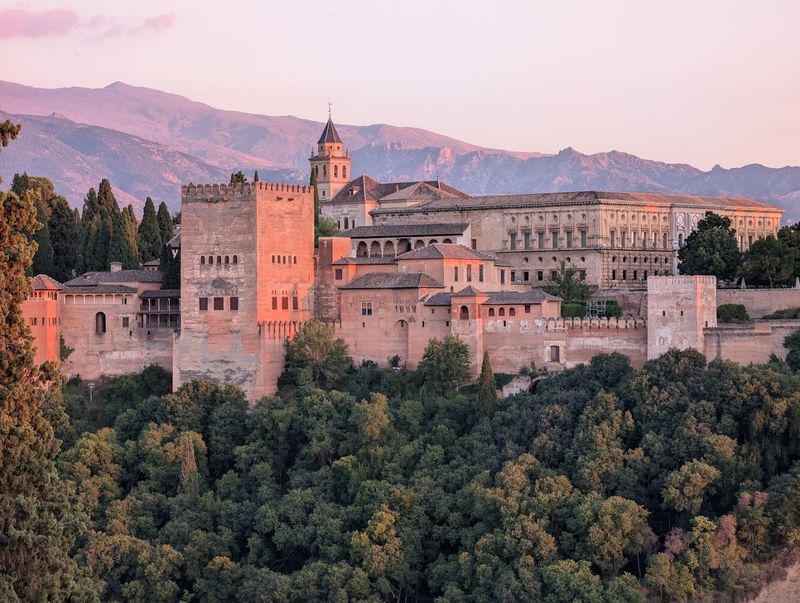
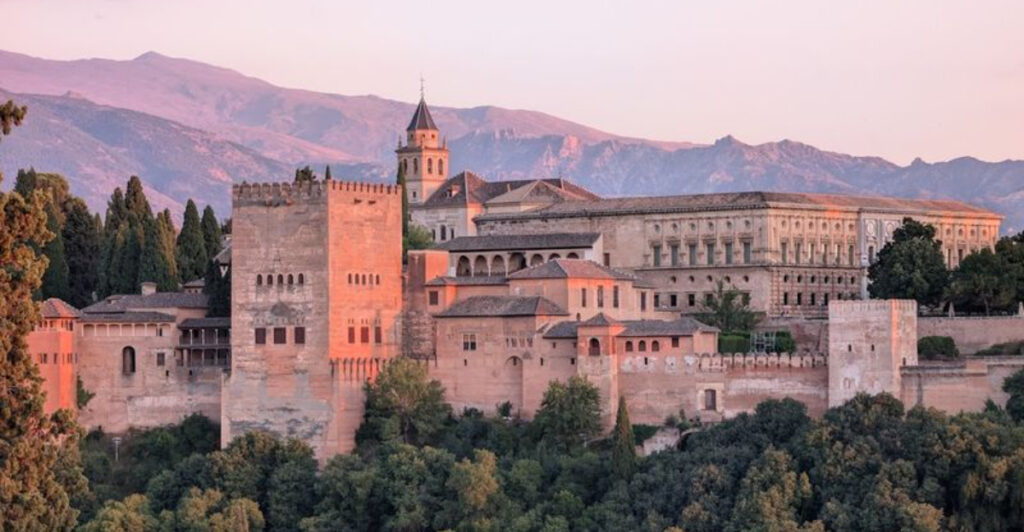
The Alhambra is proof that medieval Islamic architecture was operating on a completely different level. Built by the Nasrid dynasty in the 13th and 14th centuries, the palace complex sits on a hilltop above Granada with views of the Sierra Nevada mountains behind it.
The name comes from the Arabic for red fortress, which tracks given the warm terracotta walls.
The Nasrid Palaces are the centerpiece and the most sought-after part of the complex. Ticket numbers are strictly controlled with timed entry slots, and they sell out weeks in advance.
This is not an exaggeration. Missing your Nasrid Palace entry window means missing the best part of the whole site entirely.
The Generalife gardens adjacent to the palaces are beautiful and far more relaxed. Water channels, fountains, and manicured hedges make it a genuinely pleasant place to slow down after the intensity of the palace interiors.
Granada’s old Moorish quarter, the Albaicin, sits across the valley and offers the best free view of the Alhambra at sunset. Worth every step of the climb up.
Chichén Itzá, Yucatán, Mexico
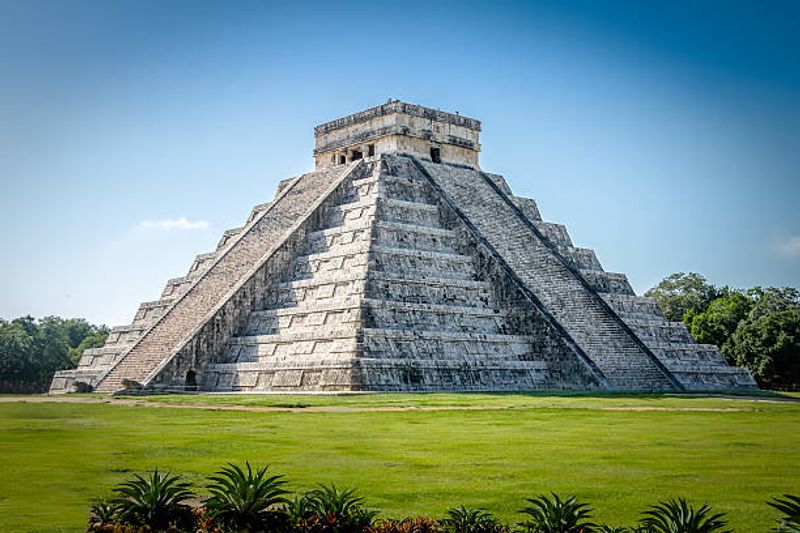
Twice a year, during the spring and fall equinoxes, the shadow of a serpent appears to slither down the staircase of El Castillo pyramid at Chichen Itza. The ancient Maya engineered this effect deliberately over a thousand years ago.
They were tracking celestial movements with a stone calculator, which is genuinely one of the coolest facts in all of architecture.
El Castillo is 98 feet tall with 365 steps total, one for each day of the solar year. Visitors can no longer climb it after a fatal accident in 2006, but walking around the base and studying the carvings up close is still rewarding.
The site is much larger than most people expect, with a sacred cenote, a ball court, and several other temple structures spread across the grounds.
Arrive as early as possible because Chichen Itza gets extremely hot and crowded by mid-morning. Vendors set up along every path and can feel relentless, but a polite no gracias goes a long way.
Hiring a certified guide at the entrance dramatically improves the experience. The nearby town of Valladolid makes an excellent and far cheaper base than Cancun for an overnight stay.
Share this story