Every time you bite into a chocolate bar, pour a bowl of cereal, or squeeze ketchup onto your fries, there’s a good chance that food traveled thousands of miles to reach your plate. Some countries are so good at growing and producing food that they feed not just themselves, but millions of people around the globe.
These agricultural powerhouses shape what we eat, what we pay at the grocery store, and even how countries relate to each other. Get ready to meet the 15 biggest food-exporting nations on Earth and find out what makes each of them so remarkably delicious.
1. United States

Walk into any supermarket in the world, and chances are something on the shelf has a connection to the United States. From soybeans to almonds, corn to beef, the U.S. churns out food like a machine that never hits snooze.
It exports over $170 billion worth of agricultural products every year, making it one of the top food-selling nations on Earth.
The Midwest alone, often called the “breadbasket” of America, produces enough corn and wheat to fill stadiums. California grows nearly half of the fruits and vegetables consumed in the entire country.
American farmers use cutting-edge technology, from GPS-guided tractors to drone-monitored crops, to maximize every harvest. Whether it’s peanut butter, chicken wings, or soybeans heading to Asia, the U.S. keeps the world’s plates full with impressive efficiency and scale.
2. Brazil

Brazil is basically the world’s salad bowl, meat market, and juice bar rolled into one enormous country. It is the planet’s largest exporter of soybeans, beef, chicken, sugar, and coffee, which is a lineup that would make any food lover weak in the knees.
With vast fertile land and a tropical climate, Brazil grows food on a scale that is genuinely jaw-dropping.
The Amazon basin and the Cerrado savanna region together form one of the most productive agricultural zones anywhere on the globe. Brazil’s farmers have transformed previously dry land into some of the world’s most efficient soybean farms using science and smart irrigation techniques.
The country exports food to over 180 countries, feeding everyone from Chinese factory workers to European coffee lovers. Brazil doesn’t just feed the world, it practically caters the whole party.
3. China

China feeds 1.4 billion people at home and still has enough left over to export billions of dollars worth of food abroad. That is an astonishing balancing act.
China is the world’s largest producer of rice, vegetables, pork, fish, and tea, making its agricultural output almost impossible to fully wrap your head around.
Chinese aquaculture, which is the farming of fish and seafood in controlled water environments, is the largest in the world by a massive margin. Shrimp, carp, tilapia, and oysters are shipped from Chinese fish farms to restaurants and grocery stores across multiple continents.
Garlic is another big Chinese export, with the country producing roughly 75% of the world’s supply. Next time you toss garlic into a pan, there’s a solid chance it made a very long journey from a Chinese farm to your kitchen.
4. Canada

Canada might be famous for maple syrup and hockey, but its real superpower is feeding the world with wheat, canola, and pulses. Canada is the world’s largest exporter of canola oil and one of the top exporters of lentils and chickpeas.
Those little legumes might not sound glamorous, but they are protein powerhouses that feed hundreds of millions of people across South Asia and beyond.
The Canadian Prairies, stretching across Alberta, Saskatchewan, and Manitoba, are some of the most productive grain-growing lands on the planet. Saskatchewan alone produces more wheat than many entire countries.
Canada also exports significant amounts of pork, seafood, and dairy products. The country’s cold climate actually works in its favor, reducing pests and diseases that plague warmer farming regions.
Canada proves that you don’t need tropical heat to grow some seriously impressive amounts of food.
5. Mexico

Avocado toast lovers of the world owe Mexico a massive thank-you. Mexico is the world’s top exporter of avocados, tomatoes, and peppers, and it ships enormous quantities of fresh produce to the United States every single year.
In fact, the U.S.-Mexico food trade relationship is one of the most valuable in the entire world.
Mexico’s diverse geography, ranging from tropical coasts to highland valleys, allows it to grow an incredible variety of crops year-round. The state of Michoacan is the avocado capital of the planet, producing so much of the green fruit that the region’s economy practically runs on guacamole.
Mexico also exports significant amounts of beer, which technically counts as an agricultural product since it’s made from barley. With warm weather, fertile soil, and a farming tradition stretching back thousands of years, Mexico is a food-exporting giant hiding in plain sight.
6. Indonesia

Indonesia is the world’s largest producer and exporter of palm oil, which is an ingredient found in everything from cookies to shampoo to instant noodles. If you’ve eaten processed food today, you’ve almost certainly consumed something that traveled through an Indonesian palm plantation at some point.
That’s how deeply woven Indonesian agriculture is into global supply chains.
Beyond palm oil, Indonesia exports massive amounts of coffee, cocoa, rubber, and seafood. The country’s thousands of islands create a wild variety of microclimates, making it possible to grow tropical crops in incredible abundance.
Indonesian coffee, especially from regions like Sumatra and Sulawesi, is prized by specialty coffee roasters around the world for its bold, earthy flavor. With over 270 million people and some of the most biodiverse farmland on Earth, Indonesia is both a food producer and a living agricultural wonder.
7. Australia
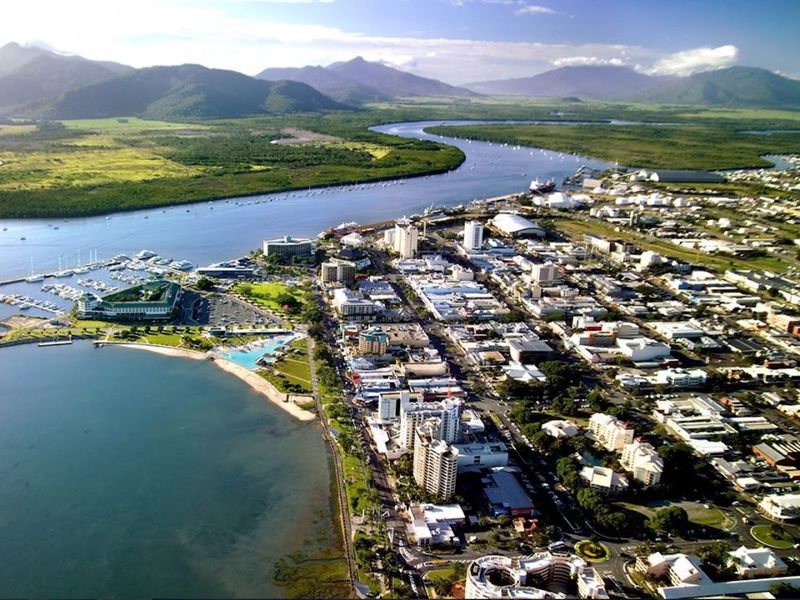
Australia is a land of extremes, scorching heat, massive distances, and farms so large they make American ranches look like backyard gardens. Yet somehow, this sun-baked continent manages to export enormous quantities of beef, wheat, wool, wine, and sugar to countries all over the world.
Australia’s agricultural sector punches well above its weight for a country with such a small population.
Australian beef is particularly celebrated in Asian markets, where premium cuts from grass-fed cattle fetch impressive prices in Japanese and South Korean restaurants. The country is also a top-five global wheat exporter, with the vast plains of Western Australia and New South Wales producing grain crops that stretch as far as the eye can see.
Australia exports food worth tens of billions of dollars annually, and does it all with a farming workforce that represents only a tiny fraction of its population. Efficiency is basically their national sport.
8. India
India is the world’s largest exporter of rice, and it’s not even close. The country ships out more rice than any other nation on Earth, feeding populations across Africa, the Middle East, and Southeast Asia.
Basmati rice, that long-grained, fragrant variety that makes every biryani smell like a dream, is one of India’s most prized agricultural exports.
India is also a powerhouse exporter of spices, and has been for centuries. Black pepper, cardamom, turmeric, and cumin from Indian farms season food in kitchens from London to Lagos.
The country ranks among the top global exporters of cotton, sugar, and buffalo meat as well. Indian agriculture employs hundreds of millions of people and feeds a domestic population of over 1.4 billion while still managing to ship products worldwide.
That kind of agricultural multitasking deserves serious respect.
9. Thailand

Thailand smells like lemongrass, jasmine rice, and opportunity. The country is one of the world’s top exporters of rice, rubber, cassava, and seafood, making it a genuine agricultural overachiever for its size.
Thai jasmine rice, known locally as Khao Hom Mali, is considered one of the finest varieties in the world and is shipped to over 100 countries every year.
Thai shrimp and tuna are also global staples, found in canned goods and restaurant kitchens on every continent. The country’s fishing industry and aquaculture farms produce seafood at an industrial scale, with shrimp farms lining the coastlines of the Gulf of Thailand.
Thailand also exports significant amounts of processed foods and canned goods, adding value to its raw agricultural products before they leave the country. Few nations combine culinary tradition with export muscle as effectively as Thailand does.
10. France

France takes food so seriously that it has literally made gastronomy a UNESCO cultural heritage. So it should surprise absolutely no one that France is one of the world’s top food exporters, shipping out wine, cheese, wheat, sugar beets, and luxury food products to virtually every corner of the planet.
French food isn’t just sustenance, it’s a cultural experience wrapped in a baguette.
French wine alone accounts for billions of euros in annual export revenue, with regions like Bordeaux, Burgundy, and Champagne producing bottles that people around the world save for special occasions. French cheese, from brie to camembert to roquefort, is exported globally and has dedicated fan bases in markets from Japan to the United States.
France also exports significant quantities of grain and processed foods. When France sends food abroad, it’s essentially exporting a little piece of its famously sophisticated soul.
11. Netherlands

Here’s a fact that genuinely blows people’s minds: the Netherlands, a country roughly the size of West Virginia, is the second-largest food exporter in the world by value. Let that sink in.
This tiny, flat nation with more bicycles than people manages to out-export massive agricultural countries through sheer innovation and efficiency.
Dutch greenhouses are legendary in agricultural circles. Using advanced LED lighting, hydroponic systems, and climate-controlled environments, Dutch growers produce tomatoes, peppers, cucumbers, and flowers year-round regardless of the weather outside.
The Netherlands is the world’s largest exporter of tomatoes and onions, and a top exporter of dairy products, beer, and cut flowers. Wageningen University in the Netherlands is considered one of the world’s leading agricultural research institutions, constantly developing new farming techniques.
The Dutch have essentially turned the science of growing food into a competitive sport, and they’re winning.
12. Argentina
Argentina’s Pampas region is one of the most fertile stretches of land on the entire planet, and Argentine farmers make excellent use of every square kilometer. The country is among the world’s top exporters of soybeans, corn, beef, and sunflower oil.
Argentine beef has a reputation that precedes it, with grass-fed cattle raised on those sweeping Pampas grasslands producing some of the most flavorful steaks you’ll ever encounter.
Argentina is also the world’s largest exporter of soybean oil and soybean meal, which are used in animal feed and cooking oils globally. The country’s wine industry, centered in the Mendoza region at the foot of the Andes mountains, exports bottles that have won international awards and loyal fans worldwide.
Argentina feeds a significant chunk of the world’s population while maintaining a food culture at home that is equally passionate, particularly when it comes to their beloved asado barbecue tradition.
13. Malaysia

Malaysia might be best known for its incredible street food scene, but behind the satay stalls and hawker markets lies a formidable agricultural export machine. The country is the world’s second-largest producer and exporter of palm oil, right behind neighboring Indonesia.
Together, these two nations supply roughly 85% of the world’s palm oil, which is an almost incomprehensible market share.
Malaysian palm oil plantations cover vast areas of Sabah and Sarawak on the island of Borneo, as well as the Malaysian Peninsula. The country has invested heavily in sustainable palm oil certification programs in recent years, trying to balance economic output with environmental responsibility.
Beyond palm oil, Malaysia exports significant quantities of rubber, cocoa, pepper, and tropical fruits. Malaysian pepper from Sarawak is particularly prized by chefs worldwide for its complex, aromatic flavor.
For such a compact country, Malaysia’s agricultural footprint is enormous.
14. Turkiye

Turkiye sits at the crossroads of Europe and Asia, and its agriculture reflects that unique position in the most delicious way possible. The country is the world’s largest producer of hazelnuts, figs, apricots, and cherries, which means it’s essentially responsible for a huge portion of the world’s best snacks and desserts.
If you’ve eaten a Nutella sandwich today, you’ve indirectly benefited from Turkish farming.
Turkiye also exports significant amounts of tomatoes, peppers, olives, and olive oil, all grown in the fertile Aegean and Mediterranean coastal regions where the climate is practically made for farming. Turkish agriculture benefits from an incredibly diverse geography, from lush Black Sea coastlines to sun-drenched Anatolian plains.
The country exports food to over 180 countries, with the European Union and Middle Eastern nations being its biggest customers. Turkiye’s culinary exports are as rich and varied as its legendary cuisine.
15. United Kingdom

The United Kingdom might not be the first country that springs to mind when you think of food exports, but don’t underestimate it. Britain exports billions of pounds worth of food and drink every year, including whisky, salmon, chocolate, cheese, and biscuits.
Scottish whisky alone accounts for a staggering portion of UK export earnings, with bottles shipped to over 175 countries annually.
Scottish salmon is another major export success story, raised in the cold, clean waters of the Scottish Highlands and served in restaurants from Tokyo to New York. Welsh lamb, British cheddar, and English ales also find eager buyers across Europe and beyond.
The UK’s food and drink export sector has actually grown significantly in recent decades as British brands have built strong reputations globally. Who would have thought that the country famous for fish and chips would become such a sophisticated player in the global food export game?
Share this story