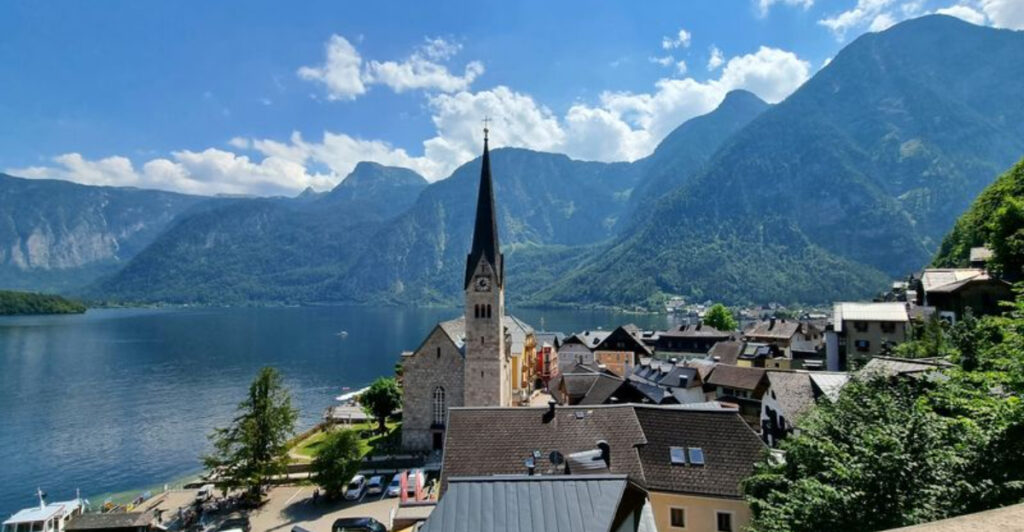
Some destinations offer more than beautiful scenery and great attractions. They provide a sense of calm, safety, community, and everyday wellbeing that visitors immediately notice.
These countries consistently rank near the top of global happiness and peace indexes, showing that quality of life and tranquility often go hand in hand. Pack your curiosity, because these ten places prove that the happiest corners of the world are also the most peaceful ones.
Finland
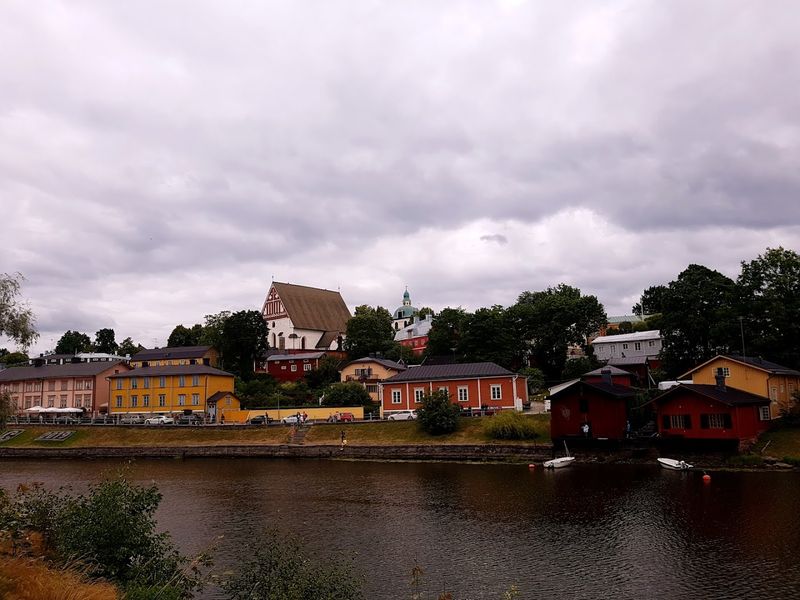
Finland has held the title of the world’s happiest country for several years running, and honestly, it’s easy to see why. Forests stretch endlessly in every direction, lakes outnumber people in some regions, and the air carries a kind of quiet that city dwellers can only dream about.
Life here moves at a pace that feels intentional rather than rushed.
The Finnish concept of “sisu” captures a spirit of resilience, determination, and inner calm that shapes daily culture. Strong social programs mean healthcare, education, and support systems are reliable for nearly everyone.
People trust their neighbors, their government, and their communities in ways that are increasingly rare worldwide.
Nature plays a massive role in Finnish happiness. Locals swim in frozen lakes, forage for berries in summer, and spend evenings in saunas that have been central to Finnish life for thousands of years.
Happiness here isn’t loud or flashy. It’s found in small, consistent pleasures shared between people who genuinely look out for one another.
Visitors often leave Finland feeling unexpectedly refreshed, as if the country quietly handed them a perspective they didn’t know they needed.
Iceland
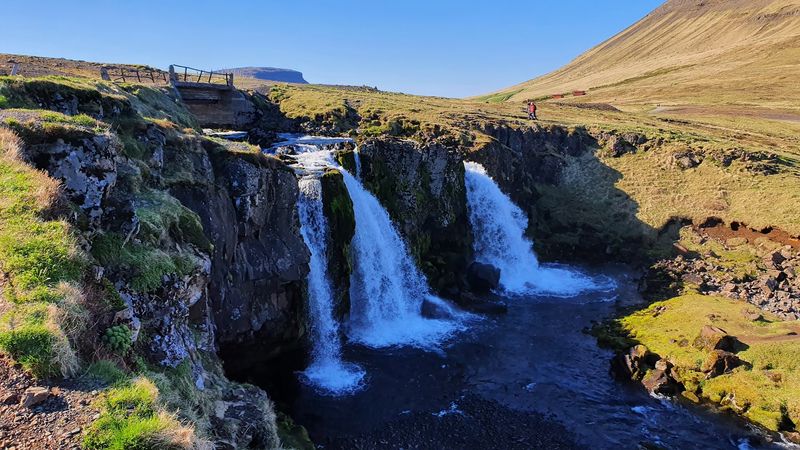
Imagine a country with no standing army, almost no crime, and landscapes so dramatic they look computer-generated. That’s Iceland, and it has ranked at the very top of the Global Peace Index more times than any other nation.
The combination of natural wonder and social harmony creates something genuinely rare.
Geysers shoot boiling water into the sky, volcanoes rumble beneath glaciers, and the Northern Lights paint winter nights in green and purple. Yet somehow, the most striking thing about Iceland isn’t the scenery.
It’s the feeling of safety that wraps around you the moment you arrive. Locals leave car doors unlocked and children play outside unsupervised well into the evening.
Community trust runs deep here. With a small population of around 370,000 people, Iceland functions almost like a very large neighborhood where everyone has some connection to someone else.
That closeness breeds accountability, generosity, and a shared sense of responsibility for the land and each other. Visitors frequently describe Iceland as the place that permanently changed how they think about what a functioning, peaceful society can actually look like in real life.
Denmark
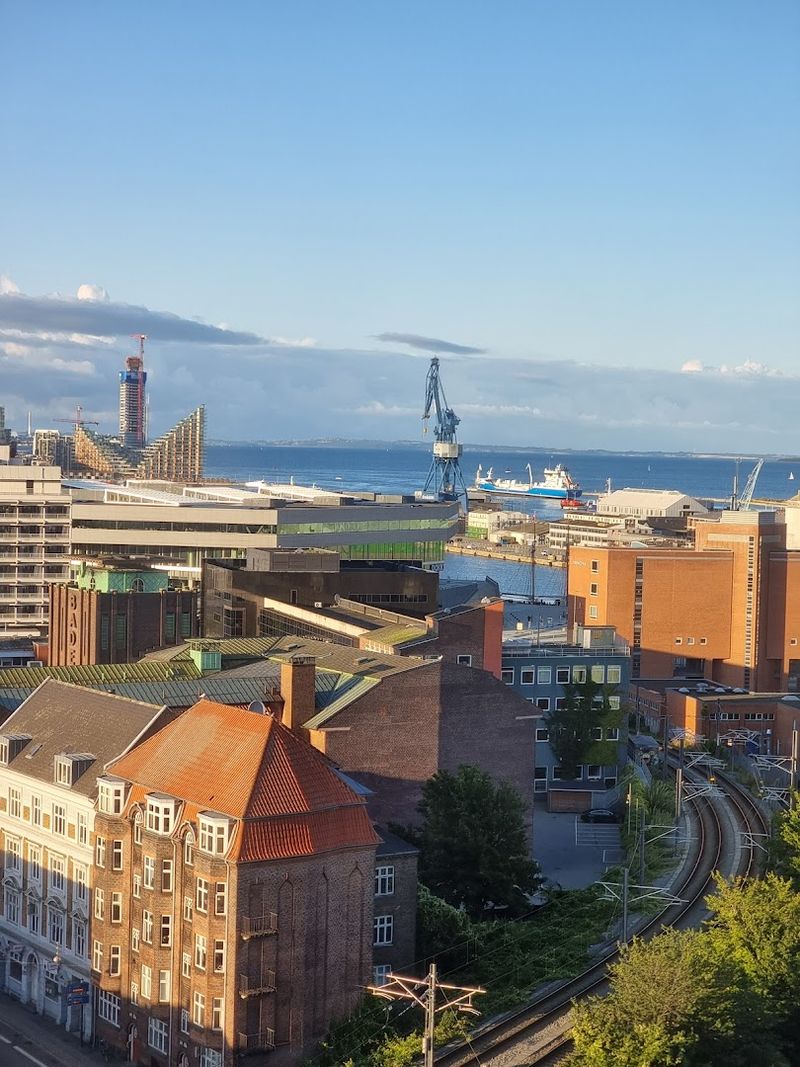
Copenhagen locals have a word for it: “hygge.” It roughly translates to a feeling of cozy contentment shared with others, and it perfectly captures why Denmark keeps landing near the top of global happiness rankings year after year. This isn’t accidental.
Danish society is deliberately designed around wellbeing.
Bike lanes outnumber car lanes in many parts of the city. Work weeks are shorter by international standards, and workers actually use their vacation time without guilt.
Public services from healthcare to childcare are funded well and trusted by the population. That trust between citizens and institutions creates a stable foundation for everyday happiness.
Denmark’s crime rates remain low, and social inequality is among the smallest in the world. Walking through Copenhagen feels like moving through a city that has quietly solved problems other countries are still arguing about.
Waterfront neighborhoods are clean and lively, street food markets buzz with energy, and people of all ages seem genuinely at ease. The Danish approach to life isn’t about chasing extraordinary moments.
It’s about making ordinary moments genuinely good, and that simple philosophy turns out to be surprisingly powerful.
New Zealand
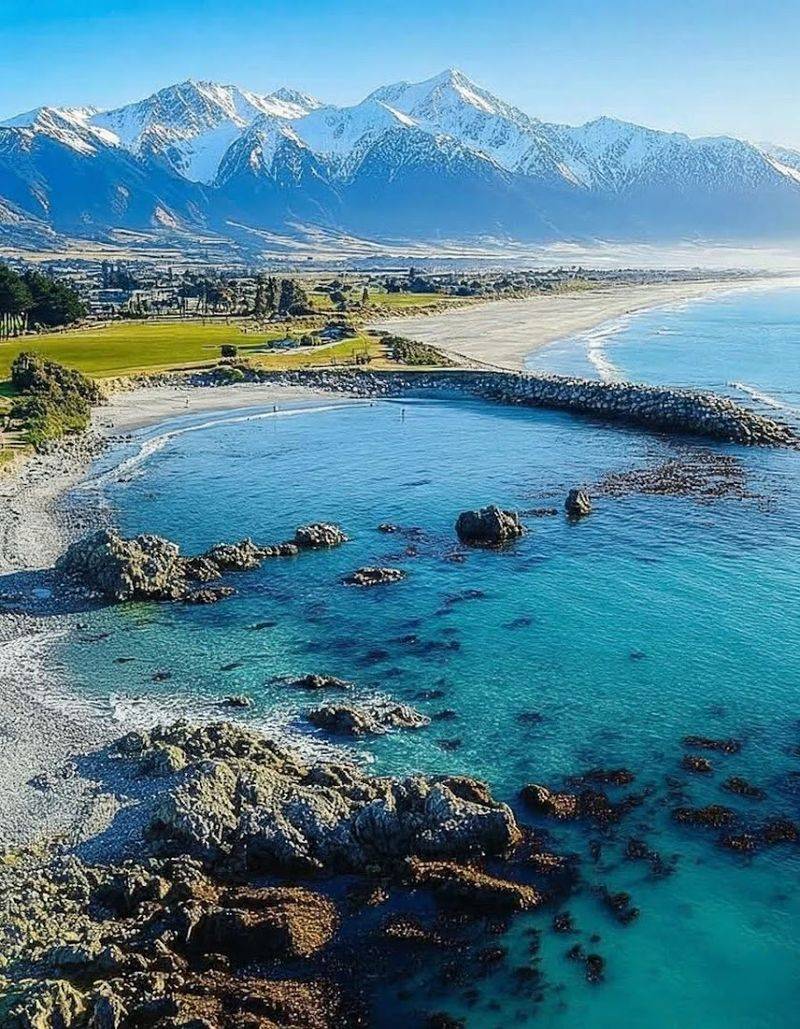
Few countries pack as much natural variety into one place as New Zealand does. Glaciers, volcanoes, rainforests, and pristine beaches exist within a few hours of each other, giving residents a daily backdrop that most people only see on screensavers.
But the real draw isn’t just the scenery.
New Zealand consistently ranks among the world’s most peaceful nations, and that status is backed by genuine community values. The country abolished its military nuclear ships policy decades ago, setting an early tone for peaceful international relations.
Domestically, crime rates are low and public trust in institutions remains relatively strong compared to global averages.
Maori culture adds a deep sense of identity and connection to the land that shapes how New Zealanders relate to their environment and each other. The concept of “kaitiakitanga,” meaning guardianship of the natural world, influences environmental policy and everyday attitudes.
Outdoor recreation is practically a national religion here. Hiking, surfing, kayaking, and cycling aren’t weekend hobbies but regular parts of life.
That active, nature-connected lifestyle contributes significantly to the mental health and overall happiness that visitors notice almost immediately upon arrival.
Austria
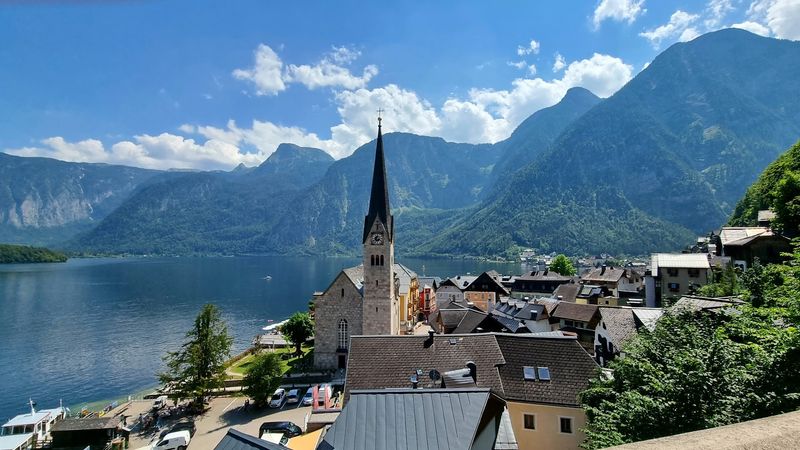
Vienna has been named the world’s most livable city so many times that Austrians have started to take it a little for granted, which is honestly a pretty good problem to have. The city blends imperial architecture, world-class museums, and coffee house culture into a daily life that feels both elegant and genuinely comfortable.
Austria’s Alpine regions offer a completely different kind of peace. Villages tucked between mountain peaks operate at a pace that feels wonderfully removed from modern urgency.
Hiking trails connect towns, cows wear bells that echo across valleys, and winter brings skiing conditions that draw visitors from across the globe. The contrast between urban sophistication and rural tranquility is one of Austria’s greatest strengths.
Strong healthcare, low unemployment, and reliable public infrastructure keep stress levels manageable for most residents. Austria scores well on safety metrics, with violent crime remaining rare across both cities and rural areas.
The country’s position at the heart of Europe means it has developed a culture of diplomacy and negotiation over centuries. That history of finding peaceful solutions rather than forceful ones has quietly shaped a national character that values stability, fairness, and the kind of steady contentment that doesn’t need to announce itself loudly.
Switzerland
Switzerland runs like a very expensive, very punctual watch, and somehow that precision extends beyond its famous timepieces into nearly every part of daily life. Trains arrive on the exact minute.
Streets stay spotlessly clean. Public services function with a reliability that citizens in many other countries can barely imagine.
Order here isn’t oppressive; it’s genuinely reassuring.
Political stability is baked into Switzerland’s DNA. The country has stayed neutral in global conflicts for centuries, earning a reputation as a place where agreements get made and disputes get settled without violence.
That long tradition of peaceful resolution has created a culture where dialogue is valued over confrontation at nearly every level of society.
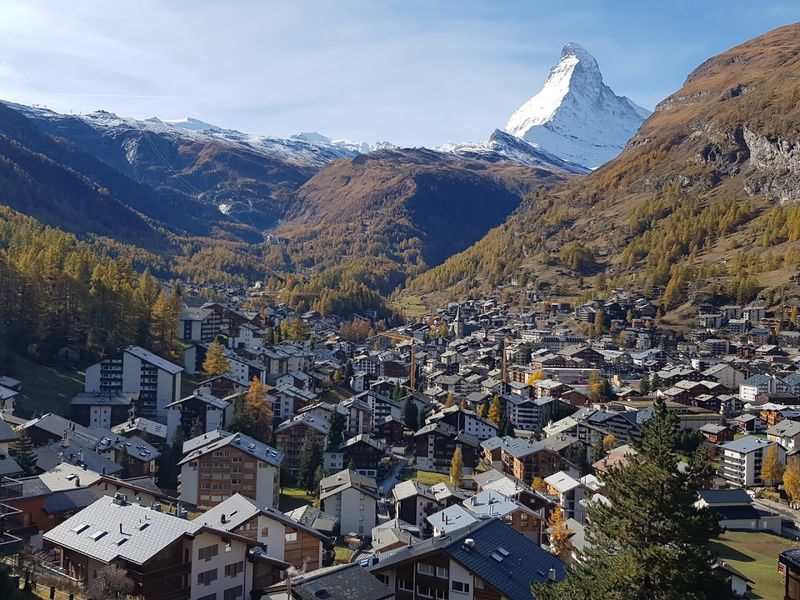
The landscapes add another layer entirely. Whether it’s the Matterhorn catching the first light of morning, a glass-clear lake reflecting pine forests, or a meadow carpeted with wildflowers in June, Switzerland delivers natural beauty with almost theatrical consistency.
Residents take advantage of this freely, spending weekends hiking, cycling, or simply sitting by the water. High wages, strong environmental standards, and a deeply stable economy mean that most Swiss residents experience a baseline level of comfort that makes everyday peace feel not like a luxury but like a reasonable expectation.
Ireland
There’s a reason strangers strike up full conversations with you in Irish pubs within minutes of sitting down. Warmth toward other people is less of a social strategy in Ireland and more of a cultural default setting, and that openness shapes the entire atmosphere of the country in ways that statistics alone can’t fully capture.
Ireland’s Global Peace Index scores reflect a society with low internal conflict, minimal militarization, and strong social cohesion. The country has worked through significant historical challenges and emerged with a sense of national identity built on storytelling, community, and resilience.
That history gives Irish culture both depth and a certain lightness that visitors find immediately charming.
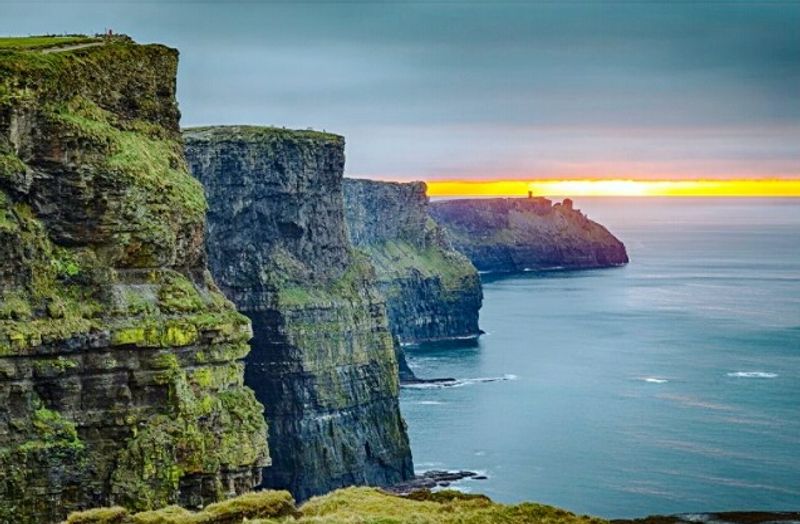
The countryside itself feels like it was designed to calm overworked minds. Green hills roll endlessly toward dramatic coastlines, ancient stone walls cross fields that have been farmed for thousands of years, and small villages appear around corners as if placed there specifically for the purpose of making you stop and breathe.
Rural life moves slowly and unapologetically. Even in Dublin, the capital, there’s a neighborly quality to daily interactions that keeps the city feeling approachable.
Ireland proves convincingly that a country can be both historically rich and genuinely, peacefully happy.
Portugal
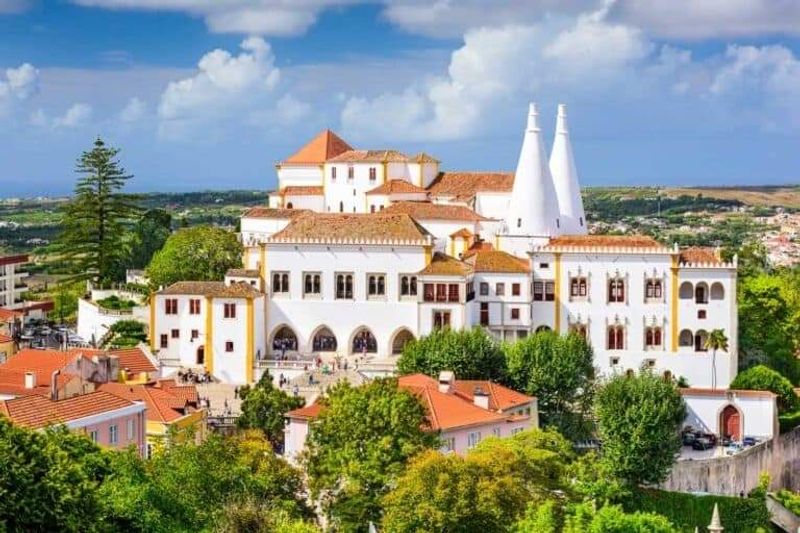
Portugal used to be one of Europe’s best-kept secrets, but word got out, and now travelers from across the world arrive expecting charm and leave having found something deeper: a genuine sense of ease that soaks into your daily routine within days of arriving. Life here has a slower rhythm that feels earned rather than imposed.
Lisbon’s famous “fado” music captures something essential about the Portuguese character. It’s emotional, honest, and deeply rooted in a connection to place and memory.
That emotional intelligence extends into how communities function. Neighbors actually know each other.
Elderly residents sit outside their doorways watching the street. Children play in squares while parents chat nearby.
It sounds almost old-fashioned, and somehow that’s exactly the point.
Portugal consistently scores well on global peace indexes, with low crime rates and high levels of personal safety reported by both residents and visitors. The mild Atlantic climate helps too.
When the sun shines for 300 days a year and the ocean is never more than a short drive away, daily stress has a natural release valve. Affordable living costs compared to other Western European nations make quality of life accessible to a broader range of people, which contributes directly to the relaxed, unhurried happiness that defines the Portuguese experience.
Slovenia
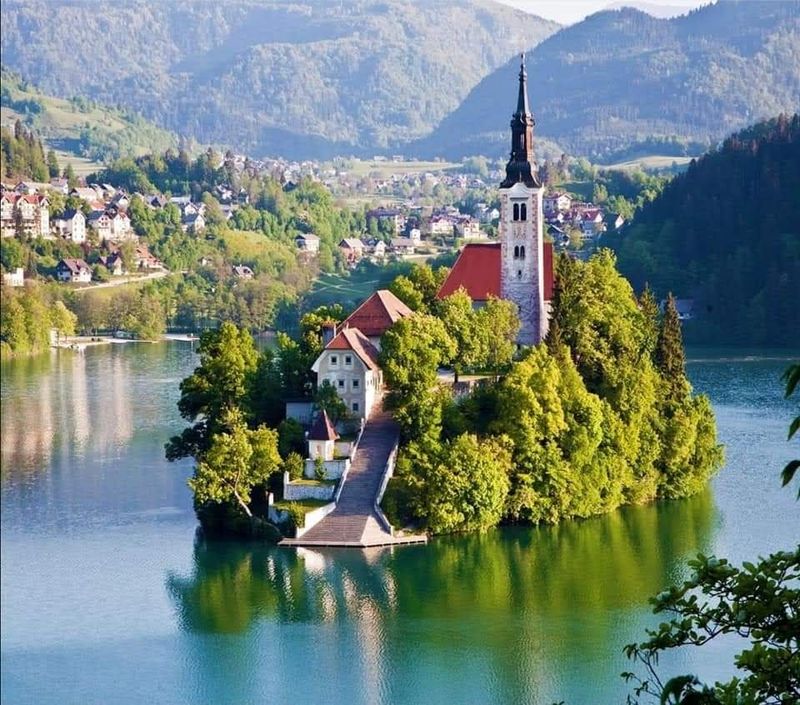
Slovenia is the quietly confident friend who never brags but somehow always has the most interesting stories. Tucked between Italy, Austria, Croatia, and Hungary, this small Central European country packs extraordinary natural beauty, a stable society, and a deeply green philosophy into a space roughly the size of New Jersey.
Lake Bled is the postcard image most people associate with Slovenia, and it genuinely looks that good in real life. A medieval castle clings to a cliff above a turquoise lake with a tiny island church at its center.
But Slovenia’s appeal runs well beyond one famous photograph. The capital Ljubljana is car-free in its historic center, lined with outdoor cafes, and buzzing with a youthful creative energy that feels effortless rather than manufactured.
Slovenia ranks consistently high on global peace indexes and takes its environmental commitments seriously enough to have declared the entire country a green destination. More than half of its land is covered by forest.
Cycling infrastructure is excellent, public transportation is reliable, and outdoor recreation is woven into everyday life rather than reserved for weekends. Residents seem genuinely content in a way that feels connected to their relationship with nature and community rather than wealth or status.
That balance is Slovenia’s real secret.
Norway
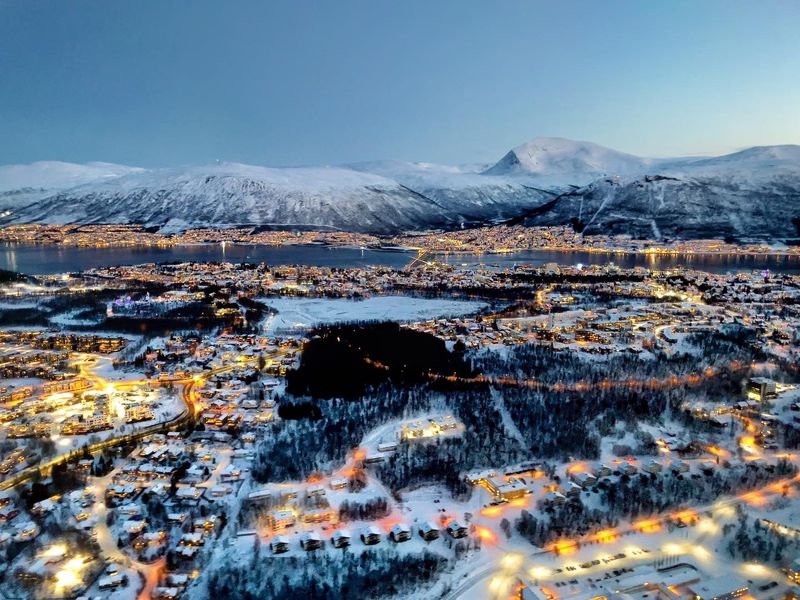
Norway has fjords so dramatic that standing at their edge makes you feel both very small and very lucky to be alive. That relationship between humans and an almost overwhelming natural landscape defines much of what makes Norway such a remarkable place to live, not just to visit.
The outdoors here isn’t a destination; it’s a daily practice.
“Friluftsliv” is the Norwegian concept of open-air living, and it influences everything from school schedules to urban planning. Children spend significant time learning outdoors regardless of weather.
Office workers eat lunch on park benches in January. Families hike, ski, and kayak together across every season.
Physical connection to nature is considered essential to mental health rather than optional enrichment.
Norway’s social programs are among the world’s most comprehensive. Universal healthcare, generous parental leave, and strong worker protections create a foundation of security that reduces everyday anxiety for most residents.
Low crime rates and high institutional trust mean people move through public spaces with a relaxed confidence that’s noticeable and contagious. The country’s sovereign wealth fund, built from oil revenues, funds public services without burdening citizens with financial uncertainty.
Norway shows that when economic stability, natural beauty, and community trust all work together, the result is a happiness that feels solid rather than fragile.
Share this story