What does it take to live past 85? Some countries seem to have cracked the code, and the answers might surprise you.
From tiny mountain kingdoms to bustling Asian city-states, the world’s longest-living populations share some fascinating habits and advantages. Read on to discover which countries top the charts and what keeps their people thriving well into old age.
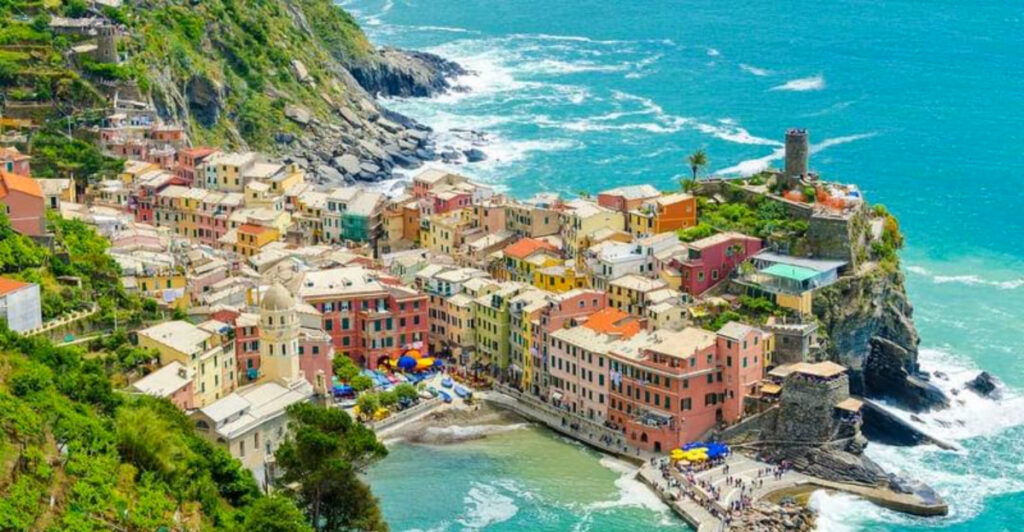
Monaco

Squeezed between the French Riviera and the Mediterranean Sea, Monaco packs a lot of life into very little land. At roughly the size of Central Park, this tiny principality consistently tops global life expectancy rankings, with residents averaging over 86 years.
That is not a coincidence.
World-class healthcare facilities, low crime rates, and a warm coastal climate create conditions that are practically designed for healthy aging. Residents enjoy clean streets, minimal stress from financial insecurity, and easy access to high-quality medical care from early childhood onward.
The Mediterranean diet plays a quiet but powerful role here too. Fresh fish, olive oil, fruits, and vegetables feature heavily in local meals, keeping hearts healthy and inflammation low.
Monaco may be famous for its casinos and Formula One race, but its biggest jackpot is the remarkably long lives its people enjoy. Wealth certainly helps, but the culture of wellness and the environment itself do most of the heavy lifting.
San Marino
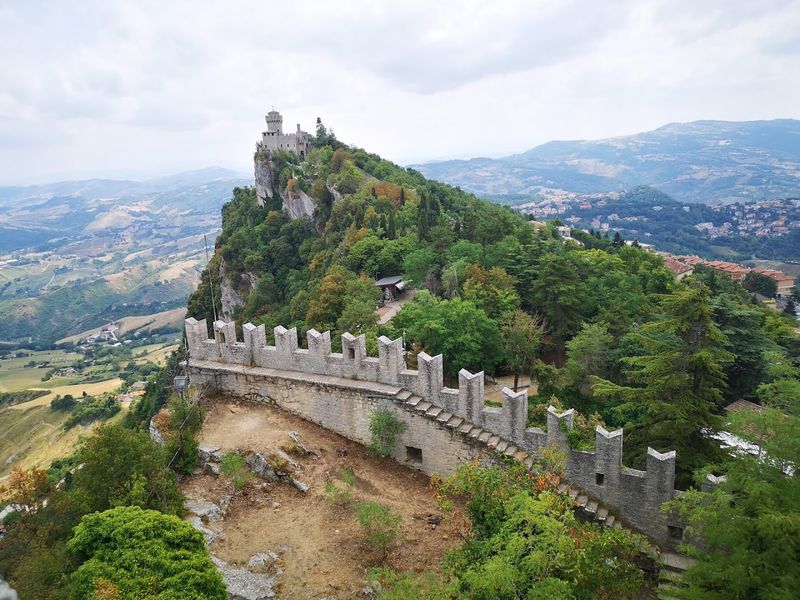
Perched high on Mount Titano and completely surrounded by Italy, San Marino is one of the world’s oldest republics and also one of its healthiest. Residents regularly live past 85 years, a figure that puts this microstate in elite company globally.
Strong healthcare access, a clean environment, and a stable, low-stress society all contribute to this impressive record. San Marino has no major industrial pollution, very low crime, and a tight-knit community culture where people genuinely look out for one another.
The Italian influence on food is hard to miss here. Fresh pasta, seasonal vegetables, and locally sourced ingredients make up much of the everyday diet, quietly supporting cardiovascular health and overall wellness.
Walking is a natural part of daily life given the hilly terrain, which keeps residents active without them even trying. San Marino may not get the headlines that Monaco or Japan do, but for a country this small, its longevity record is absolutely extraordinary.
Hong Kong

Hong Kong proves that a packed, fast-paced city does not have to be an unhealthy one. Despite extraordinary population density, Hong Kong consistently ranks among the top two or three places on Earth for life expectancy, with averages pushing well past 84 years.
Efficient public transportation means most residents walk far more than the average city dweller. The local diet, rich in steamed dishes, fresh seafood, and vegetables, leans naturally toward the kind of eating patterns linked to long, healthy lives.
Healthcare is widely accessible and of genuinely high quality.
There is also a strong cultural emphasis on regular movement. Morning tai chi sessions in parks, daily walking commutes, and an active social life all add up.
Hong Kong is also famous for its food safety standards and sanitation infrastructure, which reduce disease burden significantly. Critics often focus on the city’s stress and inequality, but when it comes to raw longevity numbers, Hong Kong continues to outperform nearly every other place on the planet.
Japan

Japan’s relationship with long life is almost legendary at this point. The country has more people over 100 years old than almost anywhere else, and its average life expectancy consistently hovers around 84 years.
The island of Okinawa became so famous for its elderly population that researchers created an entire field of study around it.
The traditional Japanese diet is a major factor. Small portions, fermented foods, miso soup, fresh fish, and mountains of vegetables keep caloric intake low and nutrient density high.
Universal healthcare ensures that medical problems get caught and treated early, before they become serious.
Beyond food, Japanese culture encourages a concept called ikigai, which roughly translates to having a reason to get up in the morning. Staying purposeful, staying connected, and staying active well into old age are deeply embedded social values.
Japan also has remarkably low obesity rates compared to other developed nations. All of these elements combine to make Japan one of the most studied and admired examples of national longevity anywhere on Earth.
South Korea

South Korea’s rise up the global longevity rankings is one of the most dramatic health stories of the past 50 years. Just a few generations ago, life expectancy was far lower.
Today, South Koreans average over 83 years, with projections suggesting the country could soon lead the world.
Rapid advances in healthcare infrastructure, widespread adoption of preventive medicine, and rising living standards have driven much of this change. South Korea invests heavily in public health, and it shows.
Cancer screening rates, for example, are among the highest globally, catching problems before they become fatal.
Food culture also plays a significant role. Traditional Korean meals are built around fermented vegetables like kimchi, lean proteins, and broths, all of which support gut health and reduce inflammation.
Physical activity is woven into daily routines, from walking to cycling to hiking on weekends. South Korea also has a strong cultural emphasis on community and family bonds, which research consistently links to better mental health and longer lives.
The transformation has been nothing short of remarkable.
Switzerland
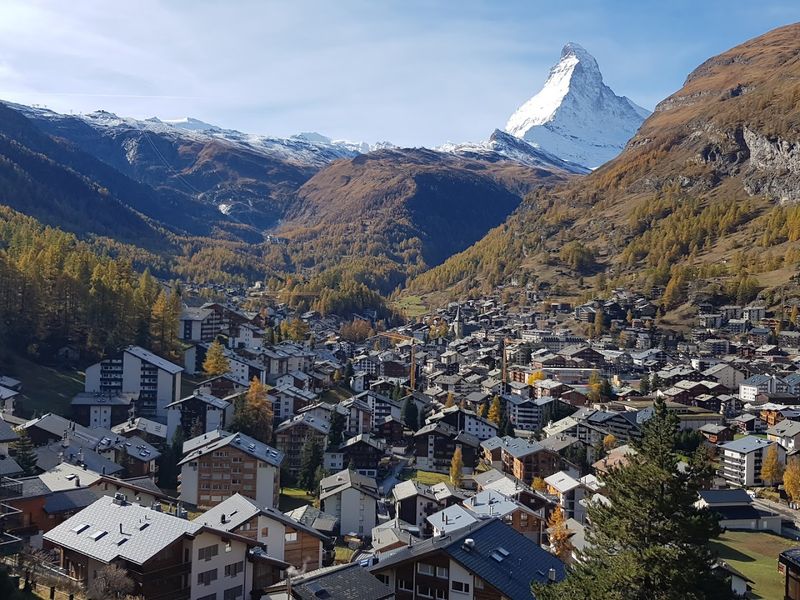
Switzerland is the kind of place where the air itself feels like medicine. Nestled among the Alps, this landlocked country consistently ranks near the very top of global quality-of-life and longevity indexes, with average lifespans hovering around 83 to 84 years.
The Swiss healthcare system is frequently cited as one of the most effective in the world. Universal coverage, high-quality hospitals, and a strong emphasis on preventive care mean that health problems rarely go undetected or untreated for long.
Economic stability also reduces the chronic stress that quietly chips away at lifespans elsewhere.
Outdoor recreation is practically a national pastime. Hiking, skiing, cycling, and swimming are deeply embedded in Swiss culture, keeping residents physically active across all age groups.
Cleaner air and water than most industrialized nations reduce exposure to environmental health risks. Switzerland also scores exceptionally well on social trust and community wellbeing, factors that researchers increasingly link to better long-term health outcomes.
It is a country that seems to have built longevity into its very infrastructure.
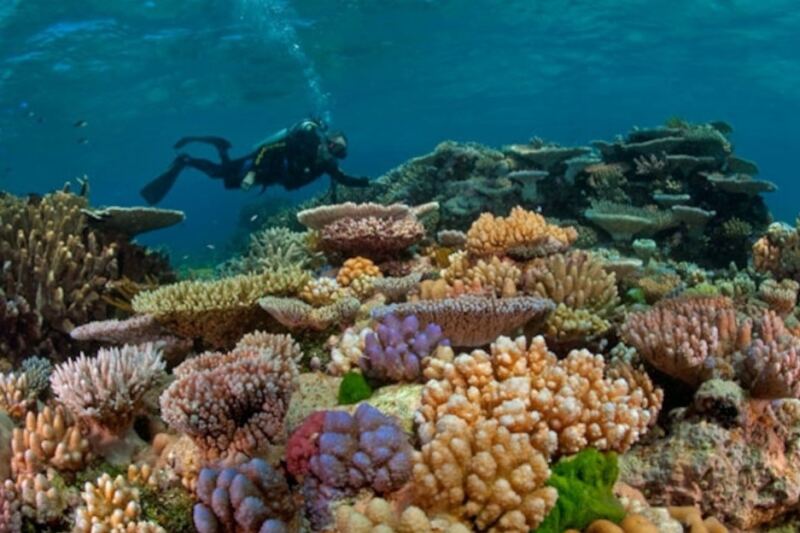
Australia

Australia brings a laid-back energy to the science of living long. With average life expectancies comfortably above 83 years, Australians enjoy some of the best health outcomes in the world, and a lot of it comes down to how they spend their time outdoors.
The country’s extensive coastline and national park system encourage an active, outdoor-oriented lifestyle that keeps people moving well into their later years. Healthcare is broadly accessible through Medicare, the national public health system, which ensures that most residents can get medical attention without financial barriers standing in the way.
Australia also benefits from strict food safety standards, low pollution levels in most regions, and strong public health campaigns that have dramatically reduced smoking rates over recent decades. Multicultural food influences have brought Mediterranean, Asian, and plant-heavy diets into mainstream Australian eating habits, adding another layer of nutritional benefit.
The country is not without its health challenges, particularly for Indigenous communities where outcomes differ significantly. But on the national average, Australia continues to perform impressively, combining sunshine, movement, and solid healthcare into a genuinely effective recipe for a long life.
Italy
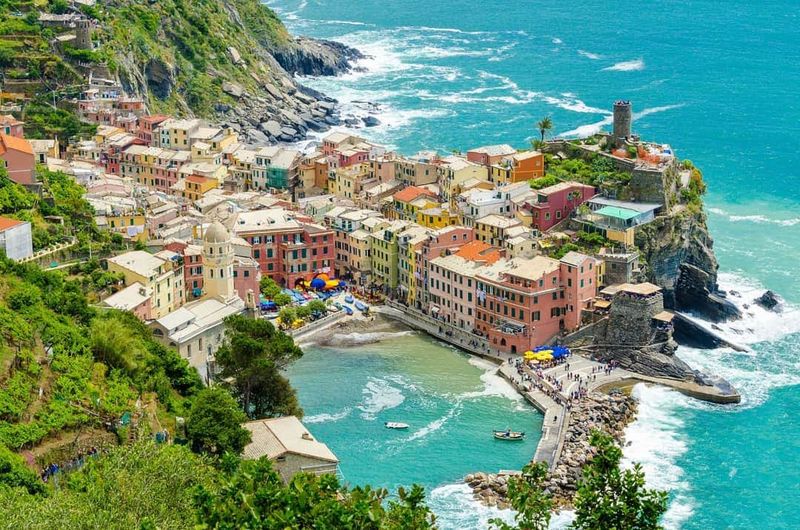
Ask a nutritionist to design the perfect longevity diet and they will probably describe something very close to what Italians have been eating for centuries. Fresh vegetables, legumes, olive oil, whole grains, and moderate amounts of fish and red wine make up the backbone of the Mediterranean diet, and Italy is one of its most devoted practitioners.
Sardinia, in particular, has become one of the most studied longevity hotspots on Earth, classified as a Blue Zone where people routinely live past 100. Researchers point to diet, daily physical activity, strong family bonds, and a genuine sense of community as the key drivers.
Beyond Sardinia, Italy as a whole benefits from universal healthcare, relatively low obesity rates compared to northern European neighbors, and a cultural rhythm that tends to favor slower meals, afternoon rest, and regular social interaction. Italians do not rush through lunch.
That deliberate pace of life reduces stress and supports better digestion and mental wellbeing. Italy shows that longevity does not require high-tech interventions.
Sometimes the oldest habits are simply the best ones.
Singapore

Singapore runs like a finely tuned machine, and nowhere is that more visible than in its public health outcomes. This small city-state achieves average life expectancies above 83 years, a figure that rivals much larger and wealthier nations.
The government takes health seriously as a matter of national policy.
Preventive healthcare is deeply embedded in Singapore’s system. Regular health screenings are subsidized, chronic disease management programs are widely available, and the public health messaging around diet, exercise, and smoking is consistent and effective.
The result is a population that is genuinely healthier than the global average across almost every key metric.
Sanitation and food safety standards in Singapore are among the strictest in the world, which significantly reduces the burden of infectious disease. Public transportation is so efficient that most residents walk considerably more than people in car-dependent cities.
The famous hawker center culture, where fresh cooked meals are available cheaply and quickly, keeps food quality high even on a budget. Singapore shows that smart urban planning and strong public health policy can add years to an entire population’s life.
Spain

Spain quietly competes with Japan for the title of world’s longest-living large nation. Average life expectancy sits around 83 to 84 years, and some projections suggest Spain could claim the top spot among major countries within a few decades.
The reasons are familiar but worth celebrating.
The Spanish Mediterranean diet is a cornerstone of national health. Olive oil, tomatoes, legumes, fresh fish, and seasonal vegetables dominate the traditional plate.
Eating is treated as a social event rather than a fuel stop, which means meals tend to be slower, more relaxed, and more satisfying both nutritionally and emotionally.
Spain’s universal healthcare system is ranked among the best in Europe, providing broad access to preventive and specialist care. Afternoon siestas, often dismissed as laziness, actually reflect a cultural wisdom around rest and stress management that researchers now recognize as beneficial.
Warm weather encourages outdoor activity year-round, from walking to cycling to beach sports. Strong multigenerational family ties keep older Spaniards socially engaged and mentally stimulated.
Spain makes long life look effortless, even when the science behind it is anything but simple.
Andorra
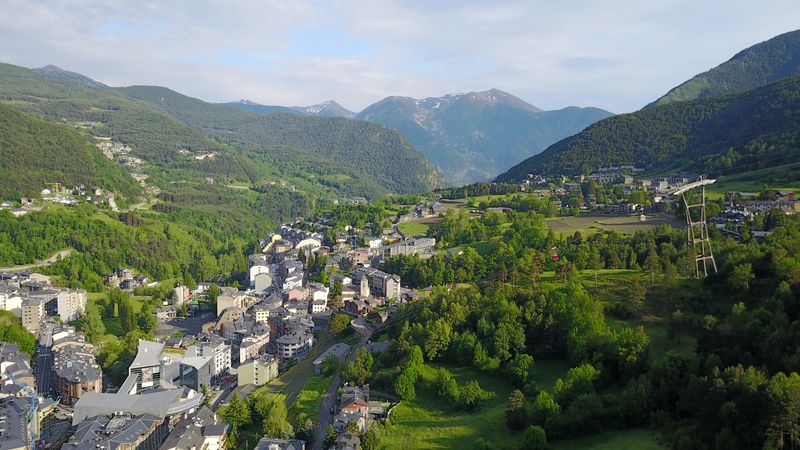
Tucked between France and Spain high in the Pyrenees Mountains, Andorra is small enough to miss on most maps but impossible to overlook when it comes to longevity. Residents enjoy average lifespans that rival the world’s best, consistently placing this microstate among the global elite for healthy aging.
The mountain setting does a lot of natural work here. Clean, crisp air, low industrial pollution, and a landscape that practically demands physical activity create an environment where staying active is the path of least resistance.
Hiking, skiing, and cycling are not just hobbies in Andorra. They are simply how people get around.
Healthcare access in Andorra is excellent, drawing on the strengths of both neighboring France and Spain. Residents benefit from high-quality medical services without the financial burdens common in less wealthy nations.
The country also has very low crime rates and a strong sense of social cohesion, which contributes meaningfully to mental wellbeing and reduced chronic stress. The food culture borrows heavily from the Mediterranean tradition next door, with fresh ingredients and moderate portions.
Andorra is proof that sometimes the best health advice is simply to move to the mountains.
France

France presents what researchers have long called a paradox. Despite a cuisine that includes rich cheeses, buttery sauces, and plenty of wine, the French consistently outlive most of the world, averaging around 82 to 83 years.
Scientists have been puzzling over this for decades.
Part of the explanation lies in portion control and meal culture. The French tend to eat smaller amounts, take their time at the table, and treat food as a pleasure rather than a race.
Meals are social rituals, not quick refueling stops, which naturally reduces overeating and promotes mindful consumption.
France also has one of the most comprehensive public healthcare systems in the world, regularly ranked among the top performers globally by the World Health Organization. Preventive care, specialist access, and pharmaceutical coverage are broadly available to the population.
Regular physical activity through walking, cycling, and a generally active urban lifestyle keeps people moving without formal gym memberships. Strong cultural traditions around community, food, and leisure contribute to lower stress and better mental health outcomes.
France shows that enjoying life fully and living a long time are not mutually exclusive goals.
Norway
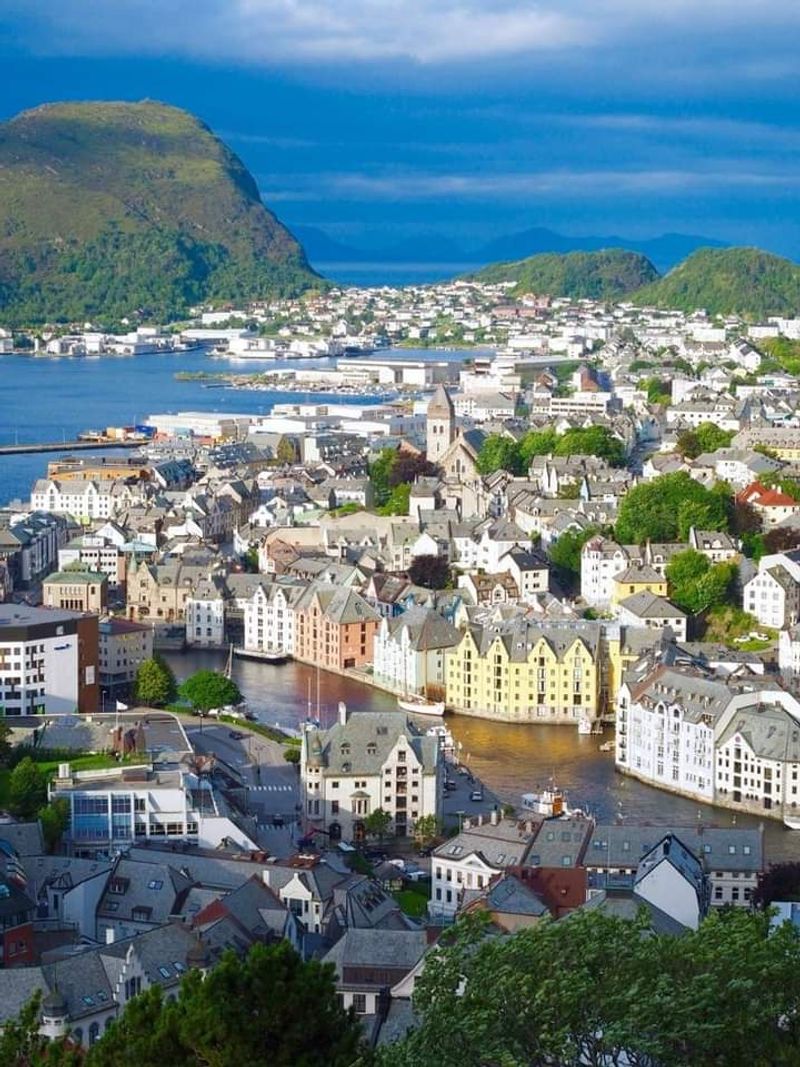
Norway takes the concept of a social safety net seriously, and its population lives longer because of it. With average life expectancies around 82 to 83 years, Norwegians benefit from a system designed to support health and wellbeing from birth through old age.
Financial insecurity, one of the biggest drivers of chronic stress globally, is significantly reduced here.
Universal healthcare is comprehensive and high quality. Norwegians have easy access to preventive screenings, specialist care, and mental health services, all without the anxiety of crushing medical bills.
The government also invests heavily in public infrastructure, clean energy, and environmental protection, keeping pollution levels low.
The Norwegian relationship with nature is hard to overstate. Friluftsliv, a Norwegian concept meaning open-air living, describes a cultural philosophy of spending time outdoors regardless of weather.
Hiking, skiing, fishing, and kayaking are embedded in national identity and keep people physically active across all generations. Strong community bonds and a high level of social trust further support mental and emotional health.
Norway proves that when a society genuinely invests in its people, the return shows up in years of healthy life gained.
Sweden
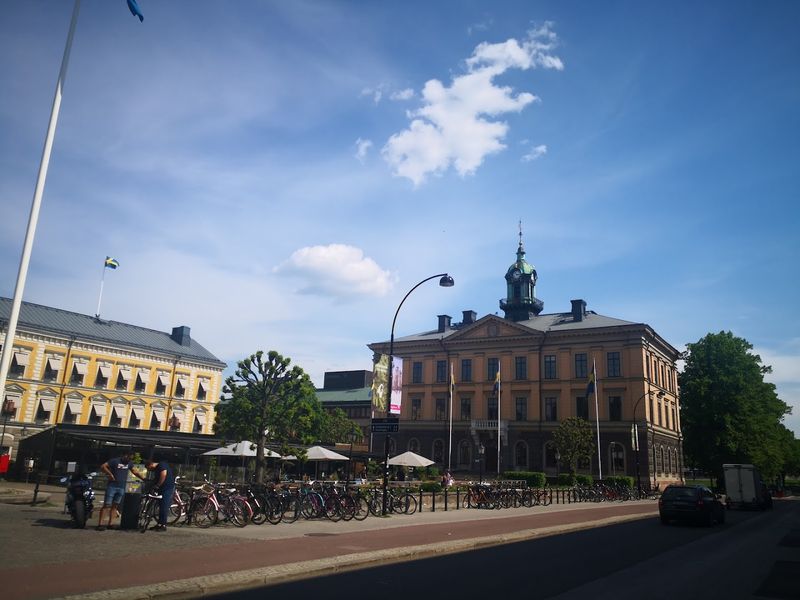
Sweden has quietly built one of the healthiest societies on Earth, and the numbers back it up. Average life expectancy sits comfortably above 82 years, underpinned by a combination of strong public health policy, clean living environments, and a culture that genuinely values balance between work and personal life.
The Swedish healthcare system provides universal access and focuses heavily on preventive care. Regular check-ups, early disease detection, and a well-funded network of clinics and hospitals mean that health issues rarely go unmanaged for long.
Low pollution levels in most Swedish cities reduce chronic respiratory and cardiovascular disease burdens significantly.
Swedes have a word for balanced contentment: lagom, meaning just the right amount. This philosophy extends to eating, working, and resting, avoiding the extremes that tend to wear people down over time.
Cycling culture is strong in Swedish cities, keeping daily physical activity naturally integrated into routines. Generous parental leave, strong worker protections, and robust mental health resources reduce the kind of long-term stress that accelerates aging.
Sweden shows that a society built around moderation, equity, and environmental respect tends to produce citizens who live long, healthy lives.
Canada

Canada stretches across an enormous continent, but wherever you look, the health outcomes are consistently strong. With average life expectancies around 82 years, Canadians benefit from a universal healthcare system that removes financial barriers to medical attention for most residents.
Getting sick should not make you go broke, and in Canada, it largely does not.
Access to vast natural spaces is genuinely unique here. National parks, hiking trails, lakes, and forests are not distant luxuries but everyday realities for millions of Canadians.
That easy relationship with nature encourages physical activity and provides the mental health benefits of spending time outdoors regularly.
Canada’s multicultural population has also introduced a rich variety of healthy dietary traditions, from Asian vegetable-heavy cuisines to Mediterranean-influenced cooking, broadening the nutritional landscape well beyond the stereotypical diet of the past. Public health campaigns have successfully reduced smoking rates and promoted awareness around chronic disease prevention.
Strong social programs, relatively low poverty rates compared to the United States, and a generally stable political environment all reduce the background stress that erodes health over time. Canada may not always grab the headlines, but its steady, reliable approach to public health continues to deliver results.
Share this story