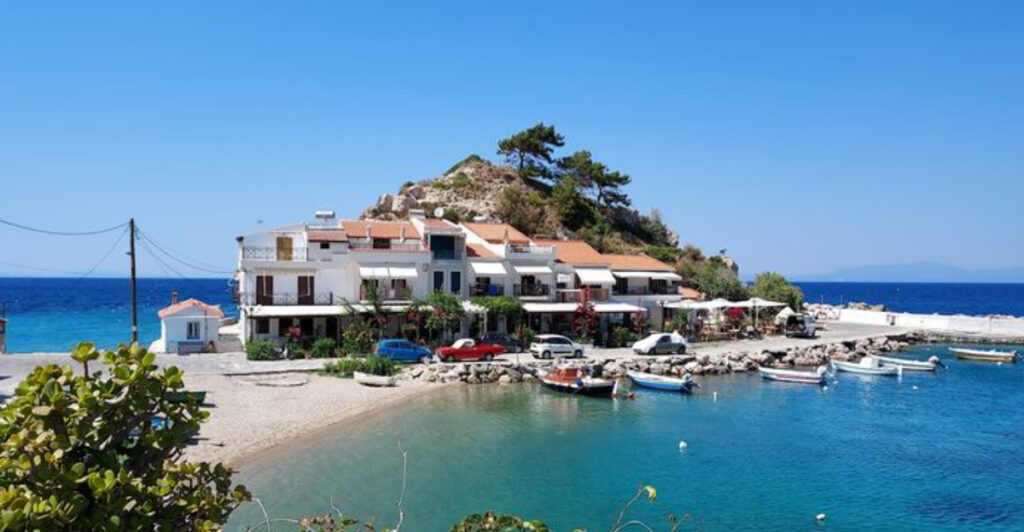
Greece has over 200 inhabited islands, and picking the right one can feel overwhelming. Some islands are packed with tourists, others are hidden gems, and a few manage to be both.
I have spent time hopping between them, and I can tell you that not every island lives up to the hype, but plenty of them absolutely do. Here are 15 Greek islands that are genuinely worth your time, your sunscreen, and your appetite.
Crete
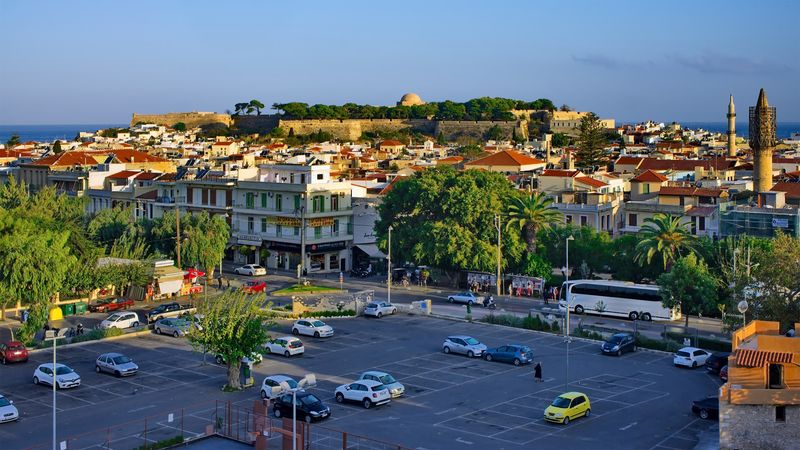
Crete does not just offer a vacation. It offers five vacations disguised as one.
It is the largest Greek island, and it packs in beaches, mountains, ancient ruins, lively cities, and some of the most satisfying food you will find anywhere in Greece.
Chania has a Venetian harbor that looks like a postcard someone forgot to send. Heraklion puts you close to the Palace of Knossos, one of Europe’s oldest and most fascinating ancient sites.
Rethymno sits somewhere between history and seaside charm, and the south coast rewards anyone willing to drive a little further with quieter beaches and dramatic landscapes.
First-time visitors to Greece often pick Crete because it covers so much ground without requiring island-hopping. It is a strong, reliable, and genuinely exciting choice that rarely disappoints anyone who shows up hungry, curious, and ready to explore.
Santorini
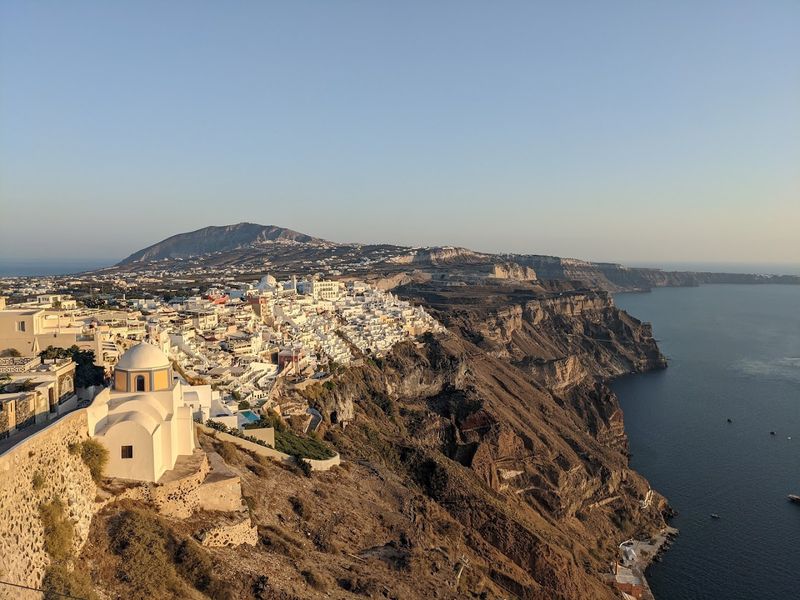
Santorini earned its fame the honest way. The whitewashed villages, the caldera views, the blue-domed churches, and those legendary sunsets over the Aegean Sea genuinely look as good in person as they do in every travel photo you have ever seen.
Oia and Fira are the go-to spots for views, and both deliver. The island also has wineries producing volcanic wines, black and red sand beaches, boat tours around the caldera, and cliffside hiking routes that offer some of the best walking scenery in Greece.
Yes, Santorini gets crowded in peak summer. Yes, the prices reflect that.
But calling it overrated would be unfair, because the dramatic volcanic scenery and the sheer visual impact of the place are genuinely hard to match. If a classic Greek island experience with serious wow factor is what you are after, Santorini delivers every single time.
Mykonos
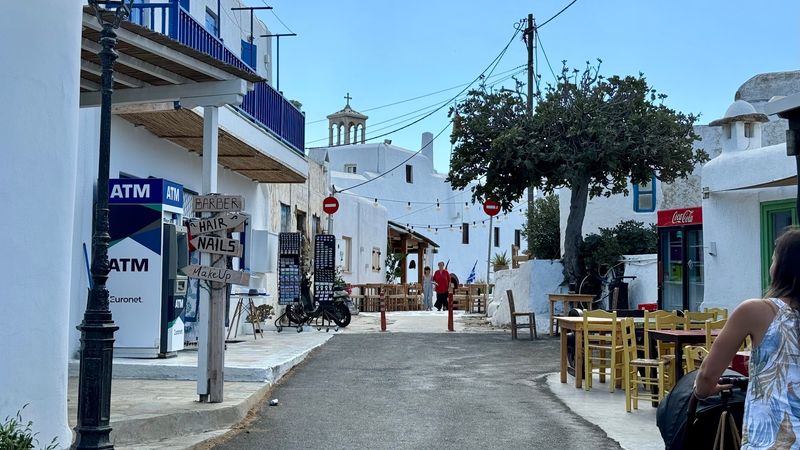
Mykonos has a reputation for wild beach clubs and celebrity sightings, but the island has a quieter, more charming side that often gets overlooked. Mykonos Town, known as Chora, is a maze of narrow white streets, bougainvillea-draped walls, waterfront cafes, and iconic windmills that have been standing since the 16th century.
For travelers who love energy, great food, stylish hotels, and beach days with a social buzz, Mykonos delivers without apology. The shopping is excellent, the restaurant scene is genuinely impressive, and the Cycladic architecture is among the prettiest in the Aegean.
If the party scene is not your thing, visit in late May or early September when the crowds thin out and the island feels more relaxed. Mykonos works brilliantly for couples, groups of friends, and anyone who wants a Greek island trip that leans more cosmopolitan than rustic.
It is loud and proud, and it knows it.
Rhodes
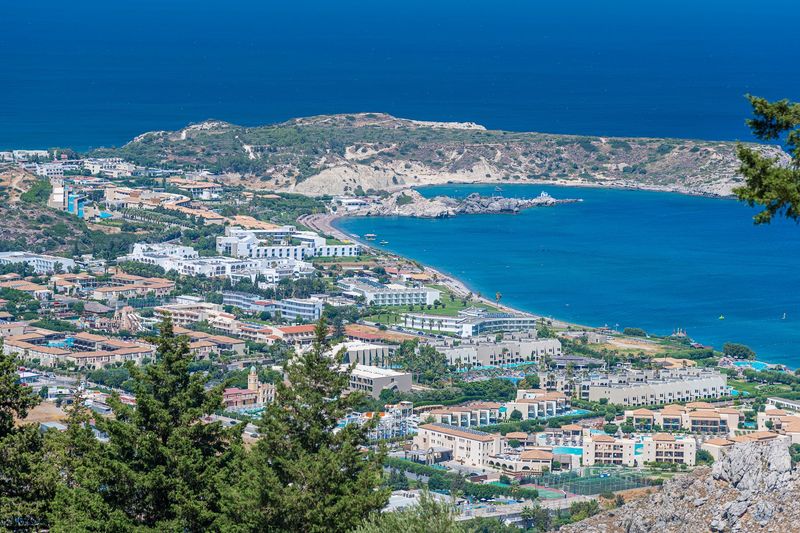
Rhodes is the island that history students dream about. Its medieval Old Town is a UNESCO World Heritage Site and one of the best-preserved medieval settlements in all of Europe, complete with stone-paved lanes, ancient city walls, and layers of Greek, Roman, Byzantine, and Ottoman influence stacked on top of each other.
Beyond the history, Rhodes has long sandy beaches, well-developed resort areas, and the stunning hilltop town of Lindos. Lindos features brilliant white houses climbing up toward an ancient acropolis with views that stretch across the Aegean in every direction.
Rhodes is large enough to keep a curious traveler busy for a full week without running out of things to do. It combines beach holidays with serious cultural sightseeing in a way that few other Greek islands manage quite as well.
History lovers especially will find it hard to leave without feeling like they have only scratched the surface.
Corfu
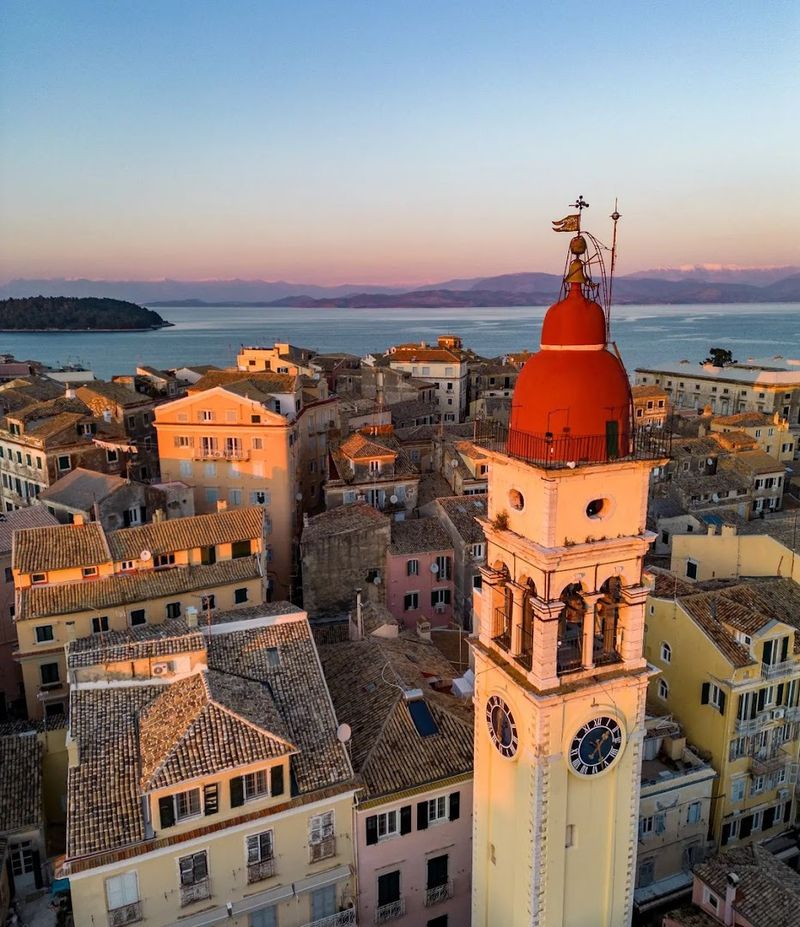
Corfu breaks the mold of what most people expect from a Greek island. Instead of the white-and-blue Cycladic look, Corfu has Venetian-style architecture, pastel buildings, grand fortresses, and lively squares that feel closer to Italy than to Santorini.
The island is also one of the greenest in Greece, covered in olive groves and cypress trees that give it a lush, almost garden-like quality. Paleokastritsa on the northwest coast is famous for its clear turquoise water and dramatic cliffs, and it genuinely lives up to the reputation.
Mountain villages, coastal viewpoints, and a remarkably rich local food scene round out what is already a very strong package. Corfu Old Town is a UNESCO World Heritage Site, which means the architecture lovers in your travel group will be very happy.
Whether you are after beaches, history, or just a relaxed evening stroll through beautiful streets, Corfu tends to deliver on all fronts.
Zakynthos
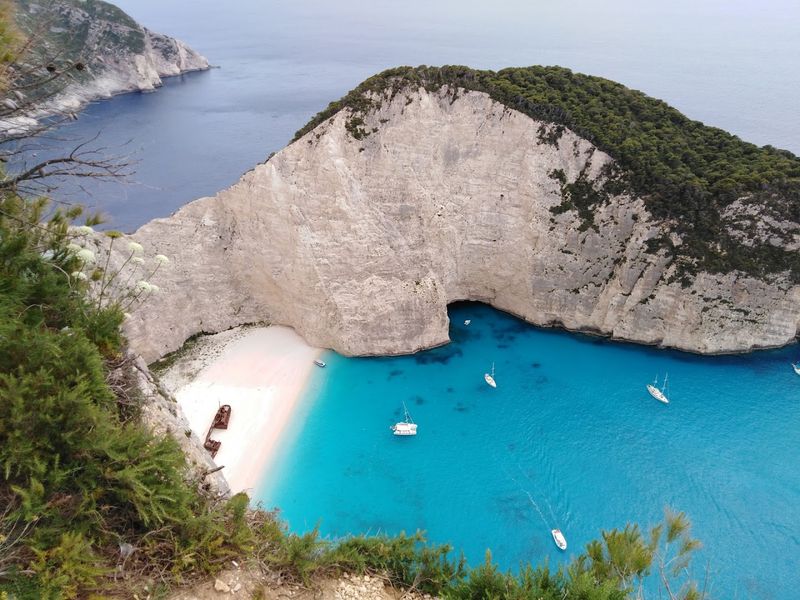
Zakynthos has a beach so famous it ended up on a Greek postage stamp. Navagio Beach, better known as Shipwreck Beach, sits tucked inside a cove of white limestone cliffs with a rusted shipwreck resting dramatically on the sand.
Access conditions can vary, so checking local updates before planning around it is always a smart move.
The Blue Caves along the northern coast are another highlight, where sunlight bouncing off the water creates an almost unreal blue glow inside the sea caves. Boat trips around the island are genuinely fun and give you views that are hard to reach any other way.
Zakynthos also has a busy nightlife scene in the main town if that is your speed, along with quieter beach areas for those who prefer peace over parties. For beach lovers who want dramatic Ionian coastline with real visual impact, Zakynthos consistently delivers the kind of scenery that makes people book return trips.
Kefalonia
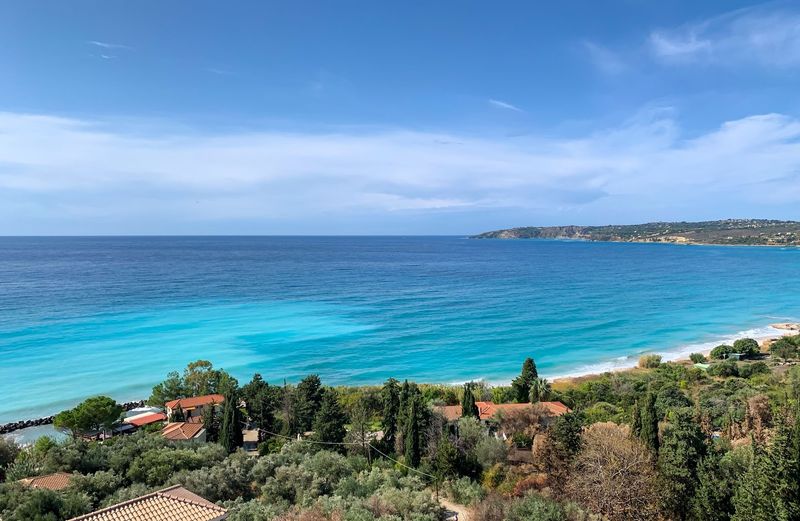
Kefalonia is the kind of island that quietly earns your loyalty. It is not trying to compete with Santorini or Mykonos, and that is exactly what makes it so appealing.
The island has mountains, caves, vineyards, charming coastal towns, and beaches that rival anything in the Ionian Sea.
Myrtos Beach is the showstopper, with white cliffs plunging down to water so blue it barely looks real. But Kefalonia rewards those who explore beyond the postcard spots.
Fiskardo is a beautifully preserved Venetian-era fishing village. Assos sits on a peninsula with a Venetian castle above it.
Sami has the famous Melissani Cave, where sunlight enters through a hole in the roof and turns the underground lake a vivid turquoise.
Kefalonia is large enough for scenic drives and quiet discoveries without ever feeling overwhelming. It suits travelers who want natural beauty, good local food, and an island that does not need to shout to get your attention.
Kos
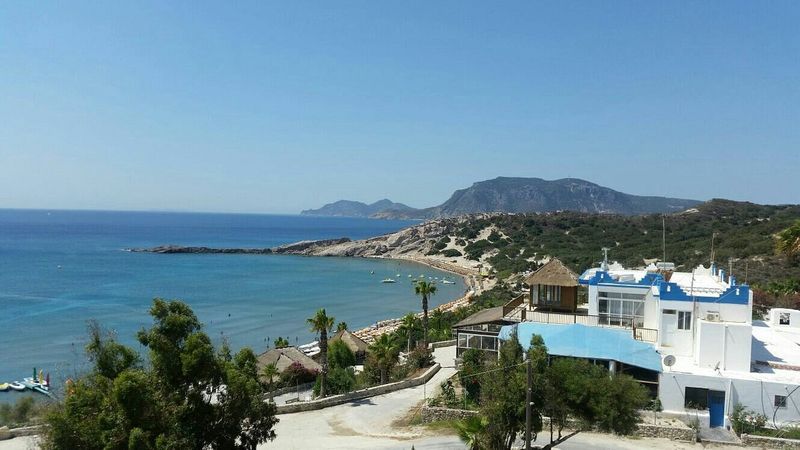
Kos is the kind of island that works for almost everyone, which is either its greatest strength or a sign that it knows exactly what it is doing. Beaches are plentiful, accommodation options cover every budget, and the island is flat enough to explore comfortably by bicycle, which is genuinely one of the best ways to see it.
Kos Town blends ancient history with modern waterfront life. The ancient agora, the Castle of the Knights, and the famous Plane Tree of Hippocrates, under which the father of medicine supposedly taught his students, are all within easy walking distance of each other.
The island also has day-trip connections to nearby islands including Nisyros, which has a volcanic crater you can actually walk into. Kos works brilliantly for families, couples, and solo travelers who want a sunny, easygoing Greek island holiday with enough variety to stay interesting for a full week.
Paros
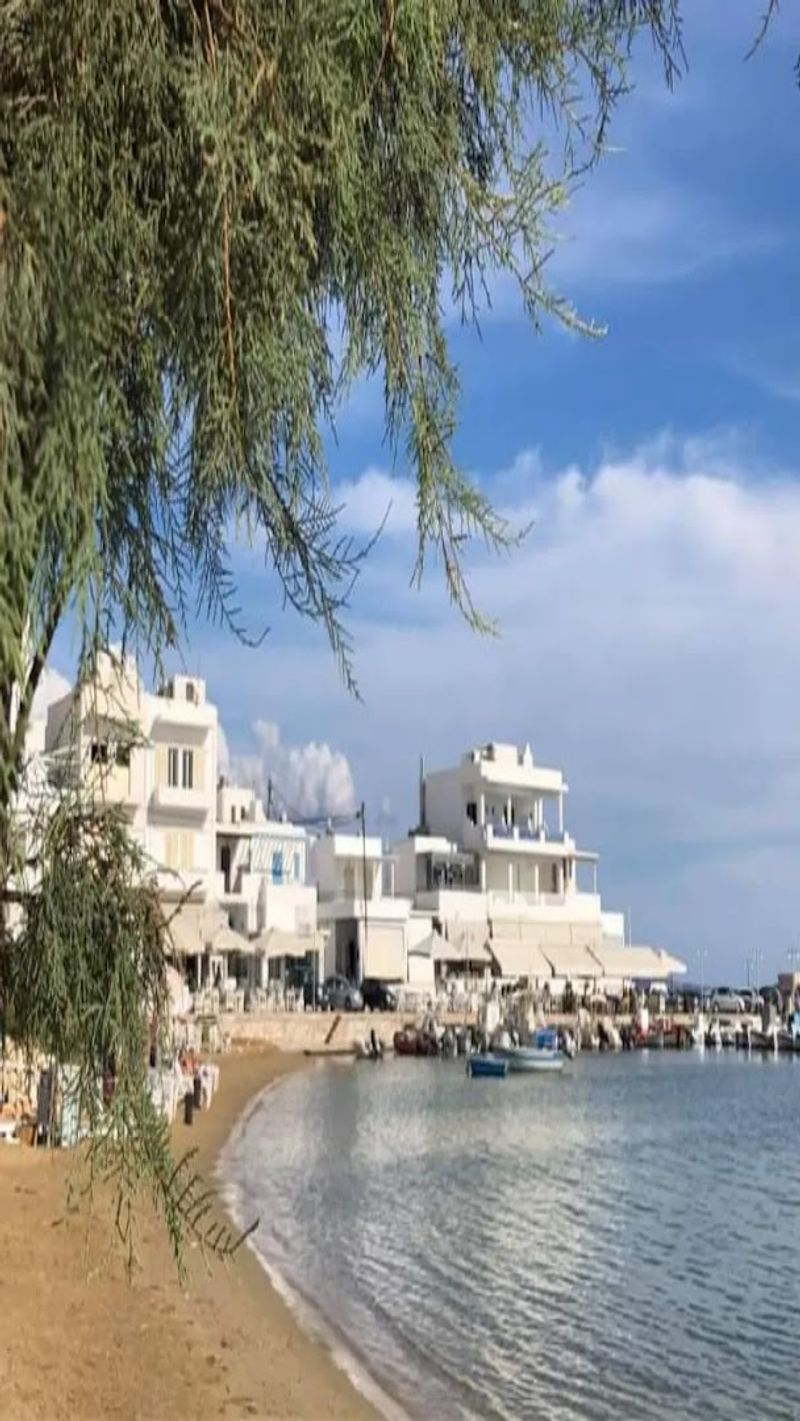
Paros has quietly become one of the Cyclades’ most well-rounded islands, and travelers who discover it tend to come back. It has the classic blue-and-white Cycladic look, excellent beaches, good food, a lively nightlife scene, and a pace of life that never tips into overwhelming.
Naoussa is the star of the show, a stylish harbor town full of restaurants, cocktail bars, and whitewashed lanes that are genuinely lovely to wander through at any time of day. Parikia, the main port town, is practical and lively without being chaotic.
Inland, the village of Lefkes offers stone alleys, Byzantine churches, and a quieter side of island life that many visitors never bother to find.
Paros also has excellent windsurfing conditions at Golden Beach, which draws water sports fans from across Europe. If Mykonos feels too intense and Santorini feels too crowded, Paros is often exactly the right answer.
It is the Goldilocks island of the Cyclades.
Naxos
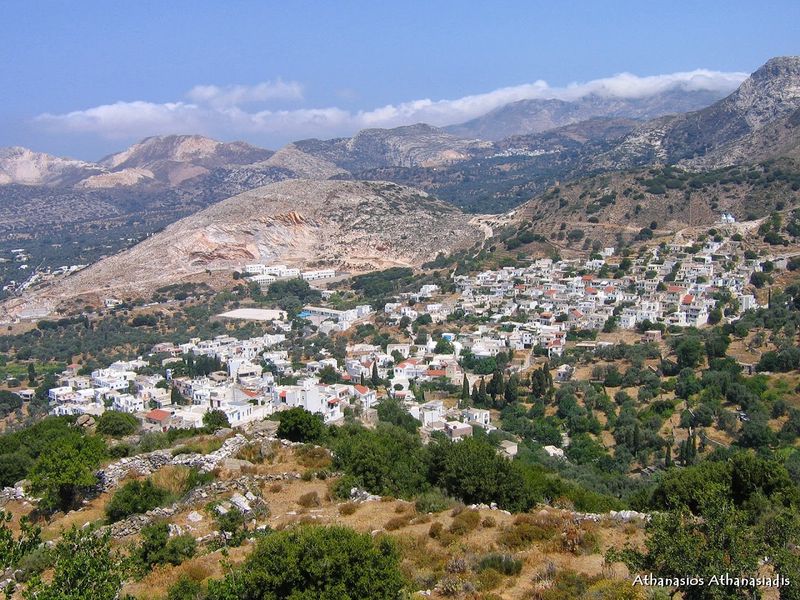
Naxos is the Cyclades’ best-kept open secret, though the word is getting out fast. It is the largest island in the Cyclades, and it has more to offer than most visitors expect when they first arrive at the port and spot the ancient Portara standing at the harbor entrance like a marble welcome sign.
Long sandy beaches stretch along the western coast, including Agios Prokopios and Plaka, which are among the best family beaches in the Aegean. The mountain villages of Halki and Apiranthos give visitors a genuinely traditional side of Greek island life, with stone houses, local cheese, and very few tourist shops in sight.
Naxos also produces excellent local products, including graviera cheese, potatoes, and citron liqueur, which makes the food scene particularly enjoyable. It offers real value compared to its flashier neighbors, which is increasingly rare in the Cyclades.
For families, food lovers, and curious travelers, Naxos is hard to beat.
Skiathos
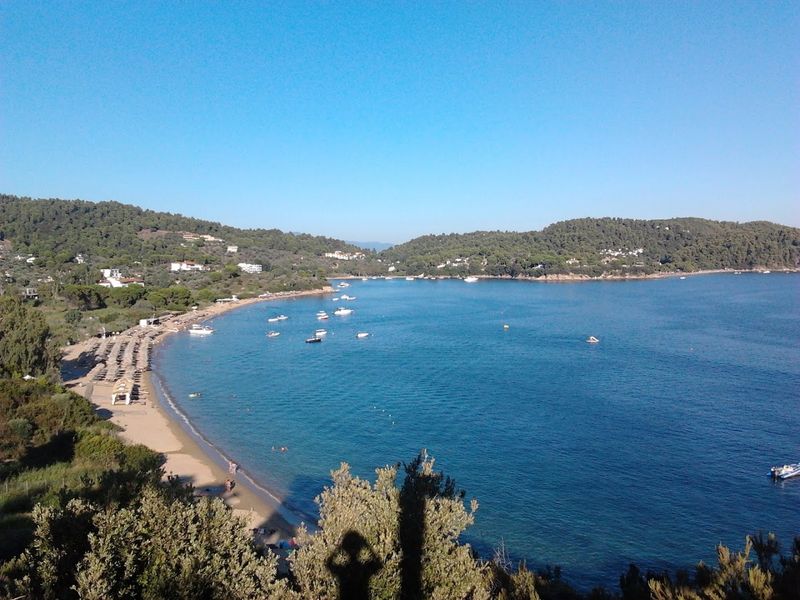
Skiathos punches well above its weight for such a small island. It is only about 12 kilometers long, but it manages to fit in over 60 beaches, a pine-forested interior, a lively town, and a surprisingly good nightlife scene without feeling cramped or chaotic.
Koukounaries Beach is one of the most celebrated beaches in all of Greece, with golden sand backed by a pine forest and shallow clear water that makes it a firm favorite with families. Skiathos Town has a bustling harbor, excellent restaurants, and a pedestrian street lined with bars that comes alive after dark.
The island is also a good launching pad for boat trips to the quieter neighboring Sporades islands, including Skopelos and Alonissos. Skiathos has a greener, lusher feel than most Aegean islands, which gives it a distinctive look that stands out from the typical sun-bleached Cycladic scenery.
Beach lovers and social travelers will both find plenty to enjoy here.
Samos
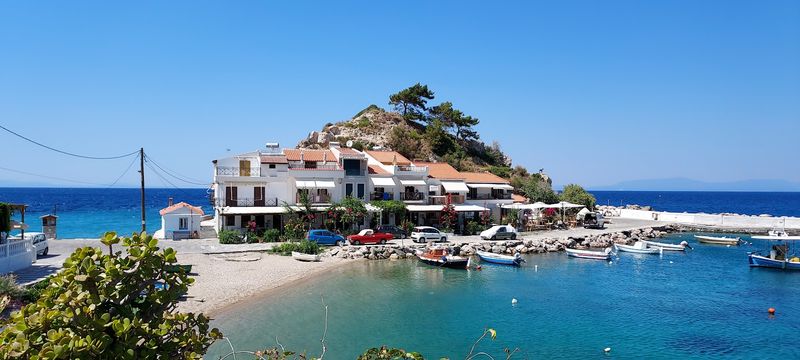
Samos is one of those islands that rewards travelers who are willing to do a little research before booking. It sits close to the Turkish coast in the North Aegean and has a noticeably different feel from the Cyclades, greener, quieter, and more focused on genuine local life than on catering exclusively to tourists.
The island is the birthplace of Pythagoras, the mathematician whose theorem haunted most of us through school. It also has significant ancient history, including the Heraion sanctuary, a UNESCO World Heritage Site dedicated to the goddess Hera.
The local Samian wine has been famous since ancient times, and the island’s wine scene is still worth exploring.
Coastal towns like Pythagorion and Vathy offer tavernas, waterfront walks, and a relaxed pace that feels genuinely restorative. Samos suits travelers who want history, nature, good food, and an island that feels more like a real place than a set designed for Instagram.
Lesbos
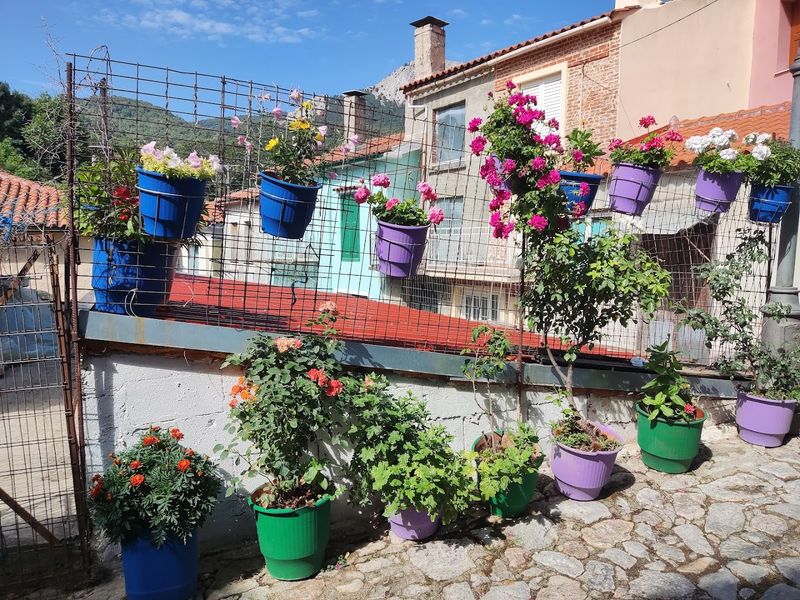
Lesbos, also written as Lesvos, is one of Greece’s largest islands and one of its most underrated. It has a strong local identity, a proud food culture, and landscapes that shift from olive groves to volcanic hot springs to forested hillsides within a short drive.
The island produces some of the finest olive oil in the Mediterranean, and its ouzo tradition is taken very seriously. Mytilene, the main town, has a genuine city energy with good restaurants, a lively port area, and a castle overlooking everything.
Molyvos, in the north, is one of the most photogenic villages in the Aegean, with stone houses climbing up to a Byzantine castle above the sea.
Lesbos also has excellent birdwatching, particularly during spring migration, which draws naturalists from across Europe. For travelers who prefer slower, more authentic trips over packaged resort experiences, Lesbos offers something that is increasingly hard to find in the Greek islands: a destination that still feels like itself.
Chios
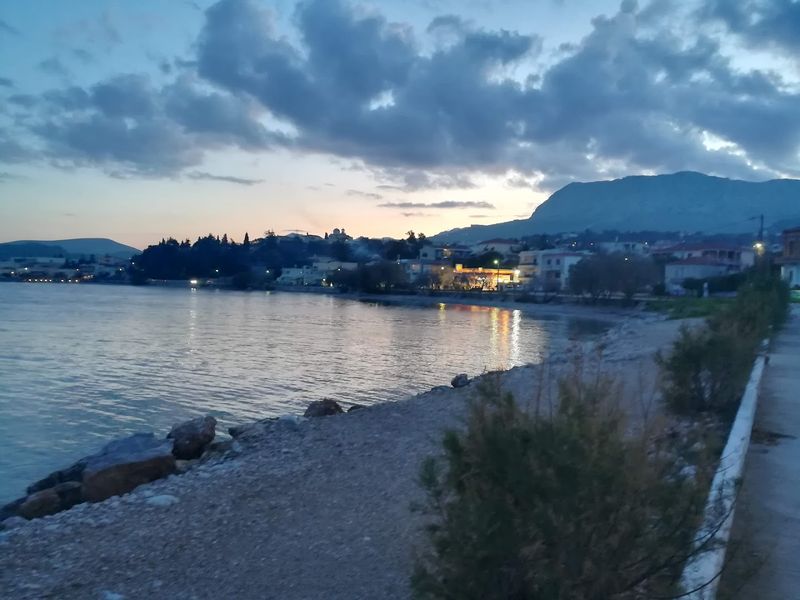
Chios is genuinely one of a kind. It is the only place in the world where mastic, a natural resin tapped from mastic trees, is commercially produced, and the island has built an entire culture around it.
Mastic flavors everything from chewing gum to liqueur to face cream, and the medieval mastic villages that produce it are unlike anything else in Greece.
Pyrgi is the most visually striking of these villages, covered in intricate black and white geometric patterns called sgraffito that cover every building surface. Mesta is equally impressive, a fortified medieval village where the streets were deliberately built in a maze-like pattern to confuse invaders.
Chios also has important Byzantine monasteries, quiet beaches, and a strong local identity that has not been smoothed out for tourist consumption. It is not the easiest island to reach, but the effort is very much part of the appeal.
Curious, independent travelers will find Chios genuinely fascinating and refreshingly uncommercial.
Lefkada
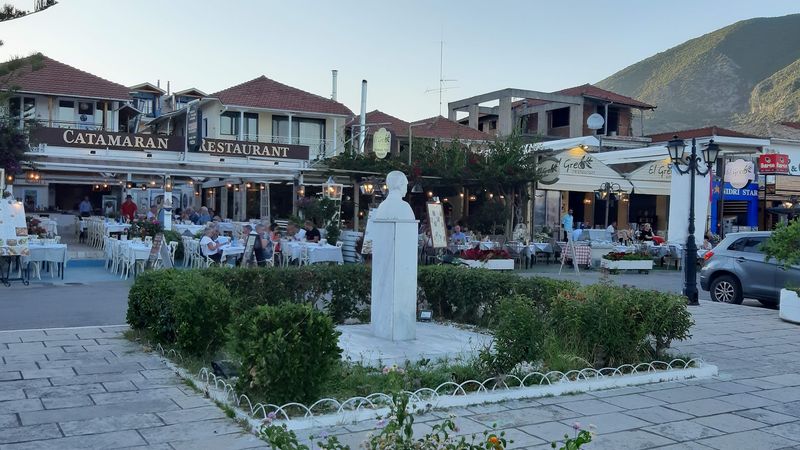
Lefkada has a logistical advantage that every island traveler secretly appreciates: you can drive there. A bridge connects it to mainland Greece, which means no ferry queues, no seasickness, and no waiting around at ports with all your luggage.
That alone makes it worth considering.
Porto Katsiki and Egremni beaches are consistently ranked among the most beautiful in Europe, with white cliffs dropping steeply to water that shifts between turquoise and deep blue depending on the time of day. The beaches require either a boat ride or a long staircase descent, which keeps the crowds slightly more manageable than you might expect given the quality of the scenery.
Nidri and Vasiliki are the main bases for boating, windsurfing, and island-hopping around the Ionian. The island has a relaxed summer atmosphere and a genuine natural beauty that does not require much effort to find.
Lefkada is a strong, practical, and visually spectacular choice for any Greek island trip.
Share this story