There is a stretch of river west of Nashville where the water curves so dramatically around a limestone bluff that early settlers decided to drill straight through the rock rather than paddle around it. That 1800s engineering decision accidentally created one of the most photographed natural features in Tennessee.
This park sits about 30 miles from downtown Nashville, yet it draws far less traffic than it deserves. The park packs a surprising amount of variety into a compact footprint, offering a man-made tunnel, a waterfall, bluff overlooks, kayak launches, and multiple trails that range from easy riverside walks to genuinely challenging climbs.
Whether a first-time hiker or a seasoned paddler, most people leave this park already planning their next trip back.
The Story Behind the Tunnel That Started It All
Back in the early 1800s, a Montgomery Bell ironmaster had a practical problem. The Harpeth River looped around a large limestone bluff in a horseshoe shape, and that winding route was slowing down water-powered operations at his forge.
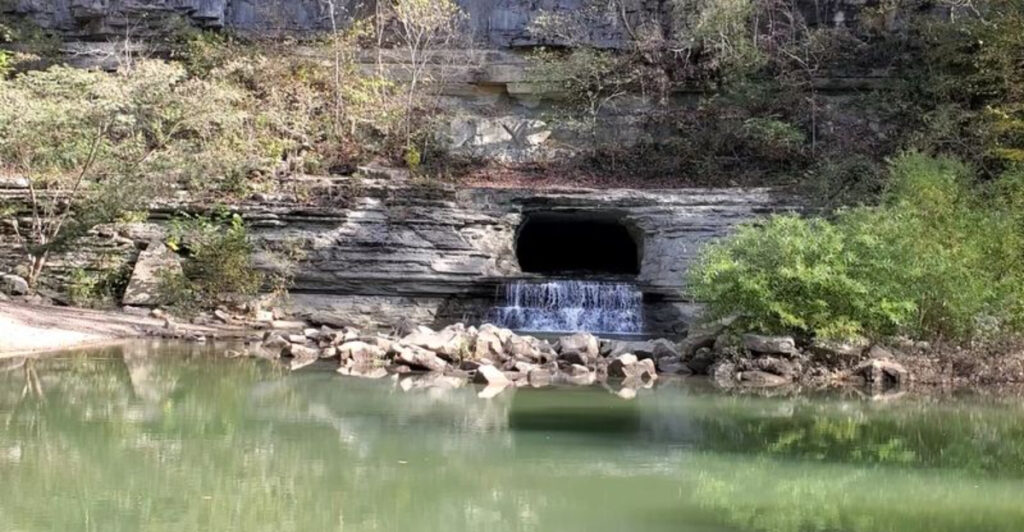
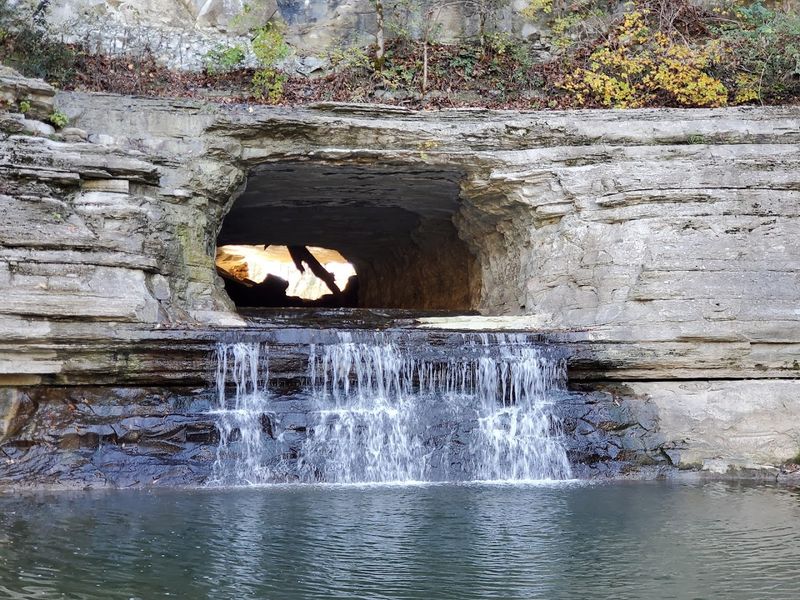
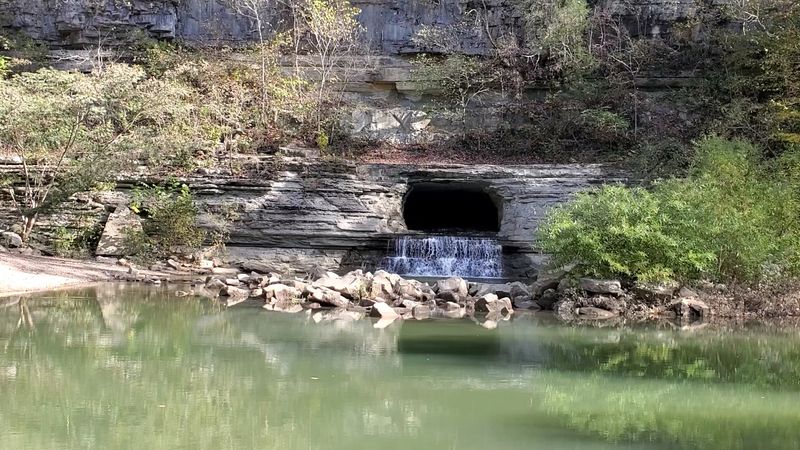
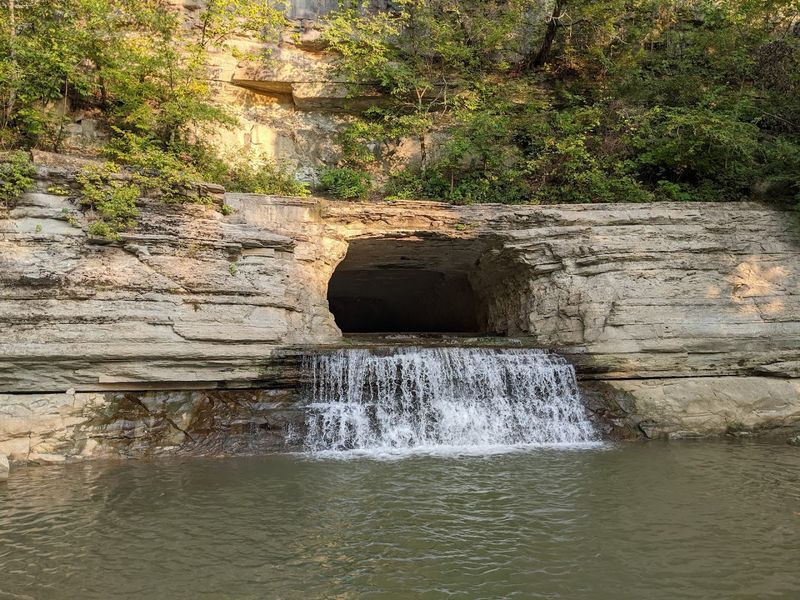
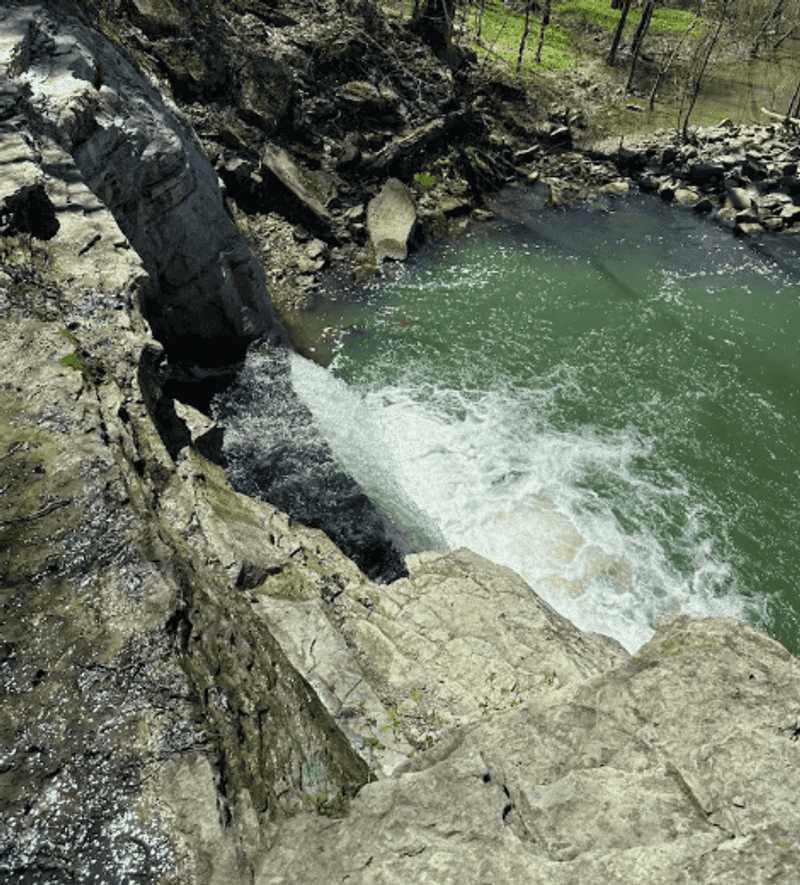
His solution was to put workers to the task of hand-drilling a tunnel straight through the bluff, cutting off the long curve and redirecting the river’s flow. The tunnel is roughly 8 feet wide and 16 feet tall, and water still rushes through it today, spilling out the other side as a small but striking waterfall.
That waterfall is now one of the park’s most visited features, and the tunnel itself is a legitimate piece of Tennessee industrial history. Standing at the opening and watching the water emerge from the rock is one of those moments that genuinely surprises first-time visitors who came expecting only a nature hike.
History carved that hole by hand.
The Bluff Trail and Its 470-Foot Climb
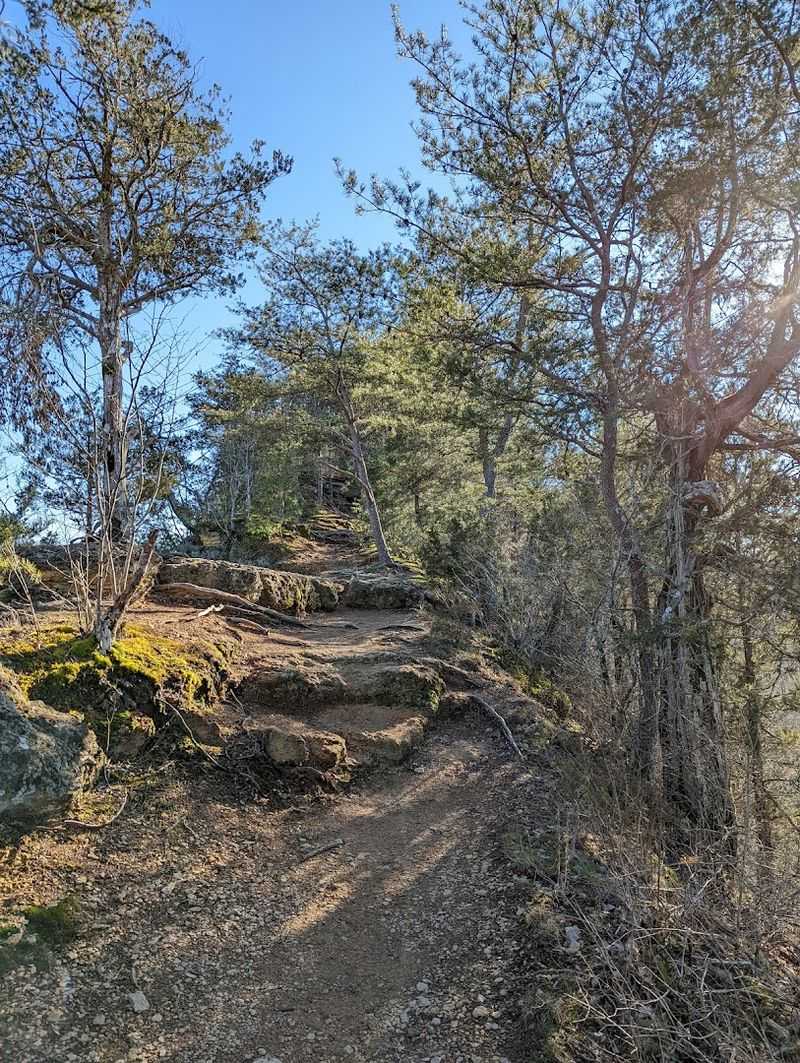
The Bluff Trail is the park’s most demanding route, gaining roughly 470 feet in elevation over a relatively short distance. That makes the grade steep enough to get the heart rate up, but the trail is well-maintained with constructed steps, natural root footholds, and rock formations that break the climb into manageable sections.
Most hikers report the upward journey takes around 30 minutes at a relaxed pace. The trail is clearly marked with a red badge at the most challenging section, so nobody gets caught off guard.
Dogs on leashes are welcome, and plenty of families with young children complete the climb without trouble.
At the top, a bench waits at the highest point of the bluff, and the views of the river curving below are genuinely hard to beat anywhere in the state. Multiple spots along the upper section work well for hammock setups between the mature trees.
The descent is quicker but still calls for careful footing.
The Waterfall Trail for a More Relaxed Outing
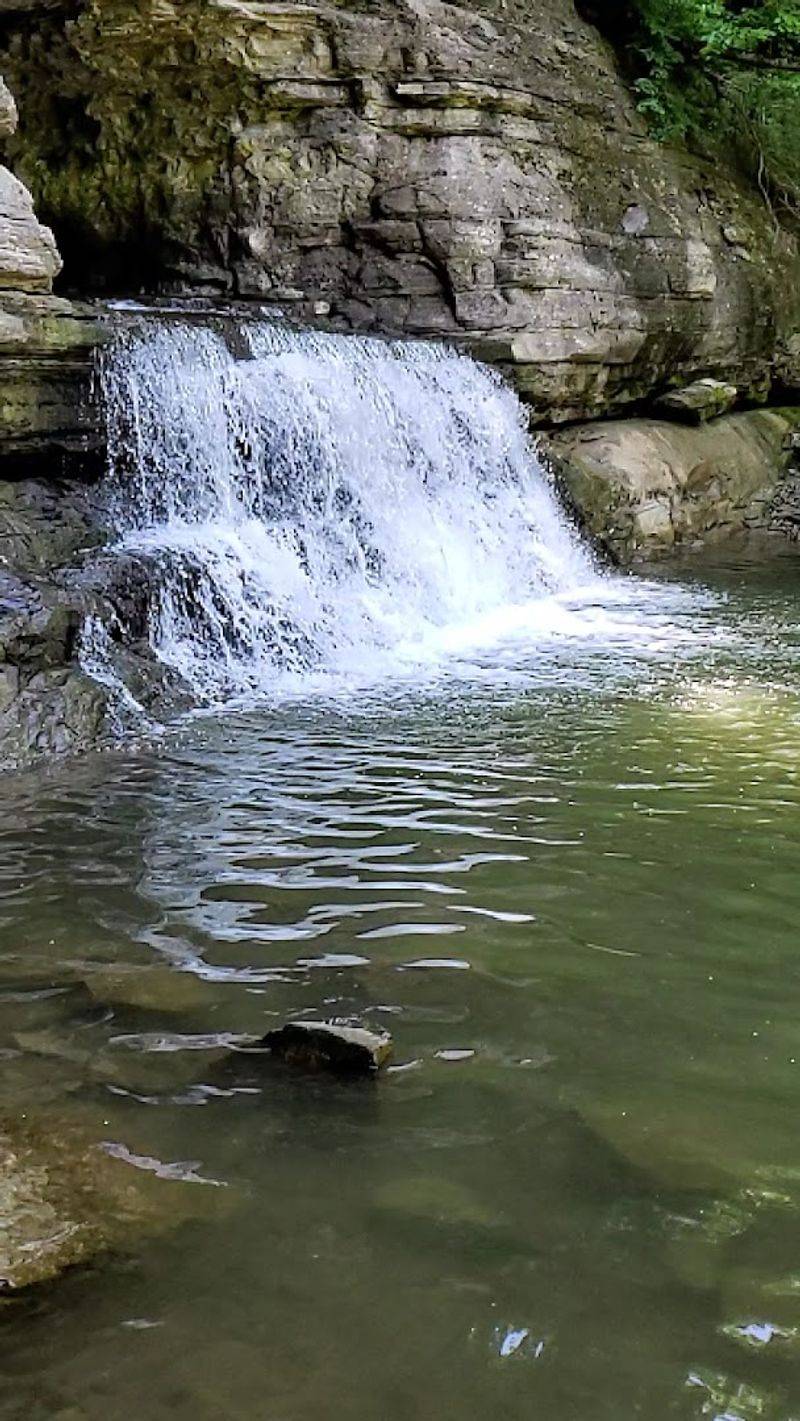
Not every visit to a state park needs to involve a strenuous climb, and the Waterfall Trail at Harpeth River delivers a rewarding experience at a much gentler pace. The path leads directly to the tunnel opening where the redirected river spills out as a waterfall into a clear pool below.
The trail is short and relatively flat, making it accessible for younger children, older adults, and anyone who just wants a scenic walk without breaking a sweat. The water at the base of the falls is noticeably clear, and on warmer days, the pool area becomes a popular spot to wade in and cool off.
Hikers who tackle the Bluff Trail first and then walk the Waterfall Trail on the way back tend to get the most well-rounded picture of what the park has to offer. The contrast between the two experiences, one challenging and elevated, the other easy and water-level, makes for a satisfying full-morning visit.
Kayaking and Canoeing the Harpeth River
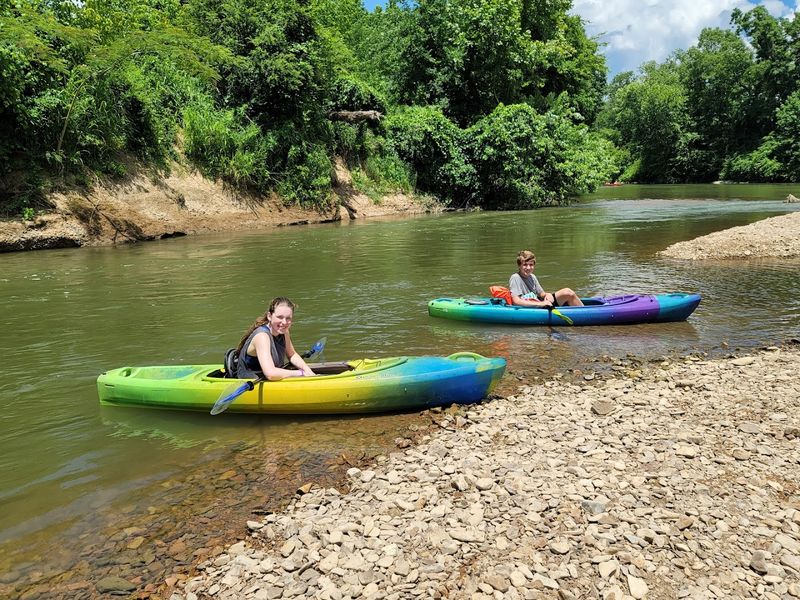
The Harpeth River is one of the more popular paddling routes in Middle Tennessee, and the park provides a dedicated kayak launch ramp directly across from the main parking area. The setup makes dropping in a kayak or canoe straightforward, with no awkward carrying over rough terrain.
Paddlers get a completely different perspective of the narrows from the water, floating past the same limestone bluffs that hikers look down from above. The river current is generally manageable for beginners on most days, though water levels can vary seasonally and it is always worth checking conditions before heading out.
The kayak ramp is well-positioned so paddlers can load up and launch without blocking foot traffic headed to the hiking trails. Several people who visit primarily as hikers have mentioned the paddle launch as a reason to return with a boat next time.
The river genuinely rewards those who explore it from both above and below.
What Families With Kids Can Expect
Harpeth River State Park works well for families with children of varying ages, partly because the trail options cover a wide range of difficulty levels. A three-year-old completing most of the Bluff Trail on foot is not an unusual sight here, though adults should plan for a slower pace and more frequent rest stops.
The tunnel and waterfall area tends to captivate younger kids, who find the idea of a river flowing through a rock tunnel genuinely fascinating. The swim area near the waterfall base gives children an outlet for energy after the hike, especially during warmer months.
Trail signage throughout the park is clear and easy to follow, which reduces the stress of navigating with a distracted group. Portable restrooms are available at the trailhead area, which is a detail that matters more than it sounds when traveling with small children.
The overall atmosphere is relaxed and welcoming rather than competitive or rushed.
Bringing Your Dog Along for the Hike
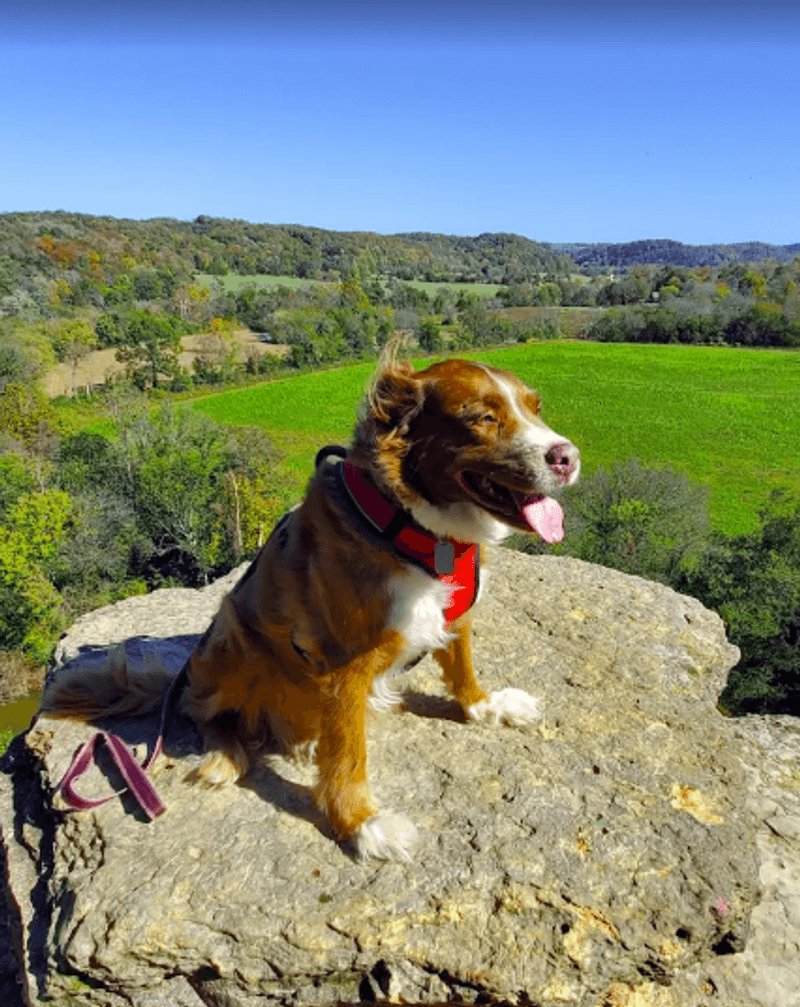
Dogs are welcome on the trails at Harpeth River State Park as long as they stay on a leash, and the park sees a steady stream of four-legged hikers on any given weekend. The trails are wide enough in most sections to accommodate dogs comfortably without crowding other hikers.
The Bluff Trail presents a moderate physical challenge for dogs, particularly on the steeper sections near the top, but most medium to large breeds handle the climb without trouble. Smaller dogs may need a bit of help on the root-and-rock steps near the summit.
The river access near the waterfall area gives dogs a chance to wade in and cool off after the hike, which most seem to appreciate. Owners should bring enough water for their pets, as there are no designated dog water stations on the trails.
The park’s general atmosphere is relaxed about dogs, and the leash rule is widely respected among regular visitors.
Parking Tips That Will Save You a Headache
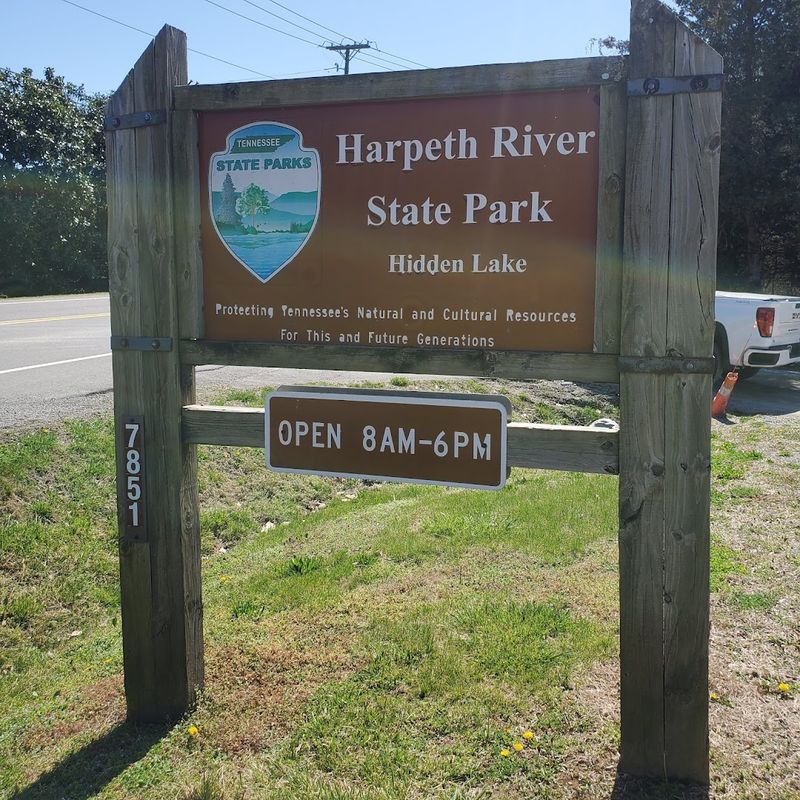
Parking at Harpeth River State Park is manageable if visitors understand the layout before arriving. The first lot near the trailhead holds roughly 12 vehicles and fills up quickly on weekends and holidays.
When that lot is full, the second lot is located about half a mile further down the road.
The walk from the second lot to the trailhead adds a bit of extra distance to the outing, but the path is flat and straightforward. On busy days, arriving before 9 AM almost guarantees a spot in the lower lot and a less crowded experience on the trails themselves.
Weekday visits are consistently less congested, and the trails feel noticeably quieter on Tuesday or Wednesday mornings compared to Saturday afternoons. The park does not currently charge a parking fee, which is one of the reasons it draws consistent crowds from Nashville and surrounding communities.
Planning ahead on timing is the single most effective way to improve the overall visit.
The Bluff Overlook View That Stops People in Their Tracks
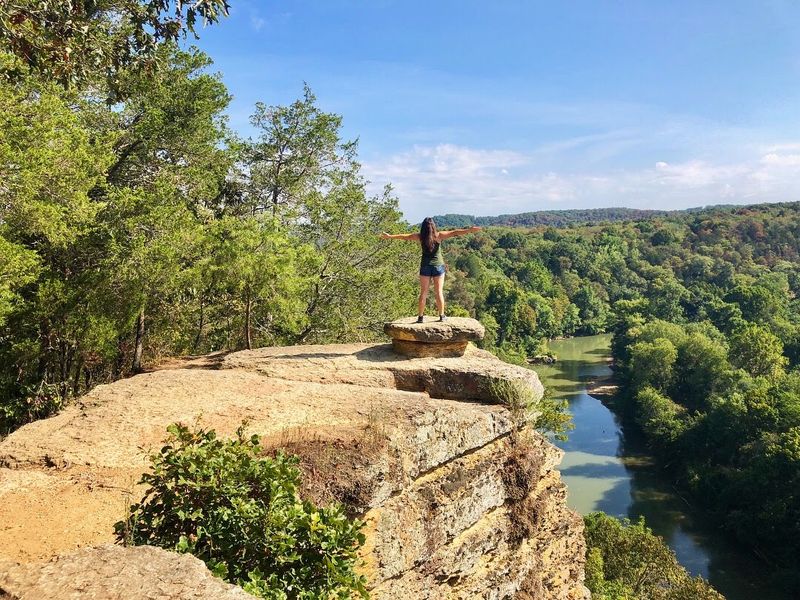
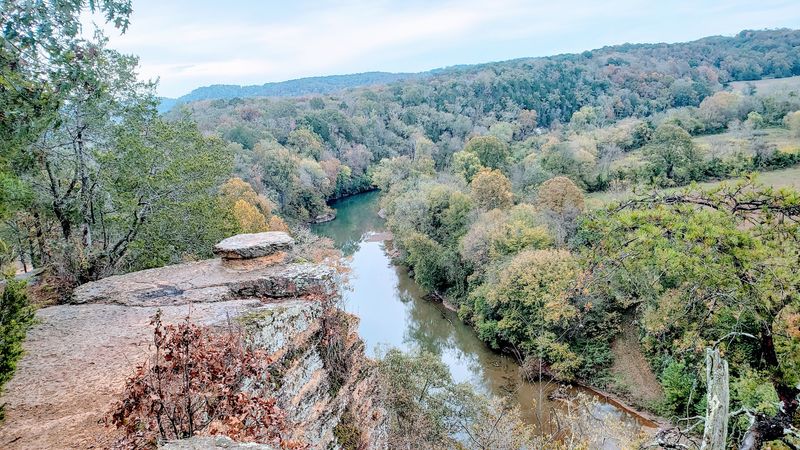
The view from the top of the bluff at Harpeth River State Park is one of those rare outdoor payoffs that actually matches the effort required to reach it. The river below curves in a wide arc around the base of the bluff, and the surrounding forest fills in the valley on all sides.
The bench at the highest point gives hikers a place to sit and take in the panorama without rushing back down immediately. Several flat rock surfaces near the top also work well as resting spots, and the area sees a steady rotation of people arriving, pausing, and heading back down throughout the day.
Photographers tend to linger longer than most, working the light at different angles and times of day. Overcast mornings reportedly produce some of the clearest and most even lighting for photos of the river below.
The view holds up across seasons, with the forested valley offering different color palettes from spring green through late autumn.
The Gossett Tract and Hidden Lake Trails Worth Exploring
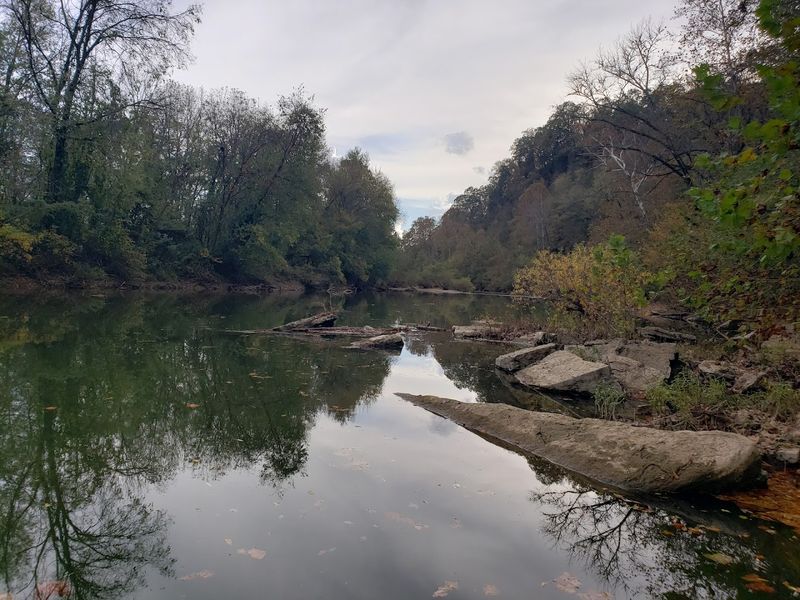
Beyond the main Narrows area, Harpeth River State Park includes additional trail sections that many first-time visitors never make it to. The Gossett Tract and Hidden Lake trails offer a different character compared to the bluff and waterfall routes, with terrain that leans more toward quiet woodland walking.
These sections are less visited, which means the trails feel less trafficked and more removed from the activity near the main parking areas. Hikers looking for solitude or a longer outing often combine the Narrows trails with one of these additional routes for a fuller day in the park.
The Hidden Lake area, as the name suggests, rewards hikers with a water feature that most casual visitors never discover. Planning a second visit specifically to explore these sections is a common pattern among regulars who feel the Narrows area alone does not tell the park’s full story.
The extra mileage is worth building into the schedule.
Best Times of Year to Make the Trip
Harpeth River State Park holds its appeal across all four seasons, though each time of year brings a different experience. Spring brings higher water levels in the river, which makes the waterfall more dramatic and the kayak run more active.
Wildflowers along the lower trails also peak in April and May.
Summer visits are popular but come with heat and humidity, so early morning starts make a significant difference in comfort. The swim area near the waterfall becomes especially crowded on hot weekends, so midweek visits are worth considering during peak summer months.
Fall is widely considered the strongest season for the bluff overlook, as the surrounding forest turns and the valley takes on deep orange and red tones. Winter visits offer the quietest trails and the clearest sightlines through the bare trees, and cooler temperatures make the Bluff Trail climb noticeably easier.
The park stays open year-round, giving every season its own version of the experience.
Why This Park Keeps Drawing People Back
There are plenty of state parks within driving distance of Nashville, but Harpeth River State Park holds a specific kind of loyalty among the people who discover it. The combination of history, geology, water access, and trail variety in a single compact location is genuinely unusual for a park of this size.
The tunnel alone is a feature that exists nowhere else in the region, and the fact that it still functions as a working waterfall rather than a dry relic makes it feel alive rather than merely historical. That sense of active nature, of water still moving through a channel carved by human hands two centuries ago, gives the park a character that more polished destinations lack.
The trails stay clean, the signage stays clear, and the crowds stay manageable compared to better-known parks in the state. Those three things together explain why regulars return season after season, and why first-time visitors tend to leave already looking up the park’s hours for their next available weekend.
Where the Park Actually Is and How to Find It
Harpeth River State Park sits at 1254 Narrows of the Harpeth Rd, Kingston Springs, TN 37082, tucked into Cheatham County about 30 miles west of Nashville. The drive itself sets the tone for the visit, as the road narrows considerably on approach and requires a slower pace.
The park is open every day of the week from 8 AM to 7:30 PM, which gives most people a solid window to complete multiple trails in a single outing. There is no entry fee, which makes it an easy choice for families watching a budget.
First-time visitors should know there are two parking areas. The lower lot fills up fast on weekends, and the second lot is roughly half a mile further down the road.
Signs along the route are clear and direct, so getting turned around is unlikely even without a GPS signal.
Plan to arrive early on busy days.
Share this story