There is a place in northern India where people travel not to escape life, but to embrace its final chapter with peace and purpose. Tucked inside the ancient, winding lanes of Varanasi, this sanctuary operates around the clock, every single day of the year, quietly fulfilling a role that almost no other building on the planet shares.
Hindu tradition holds that leaving this world in the sacred city of Kashi grants the soul liberation from the cycle of rebirth, a concept known as moksha. That belief has drawn countless families to this address for decades, turning what might seem like an ordinary building into one of the most spiritually charged spaces in all of India.
What happens inside its walls, and why so many consider it a blessing rather than a burden, is a story worth knowing.
Where This Sanctuary Stands and What It Is
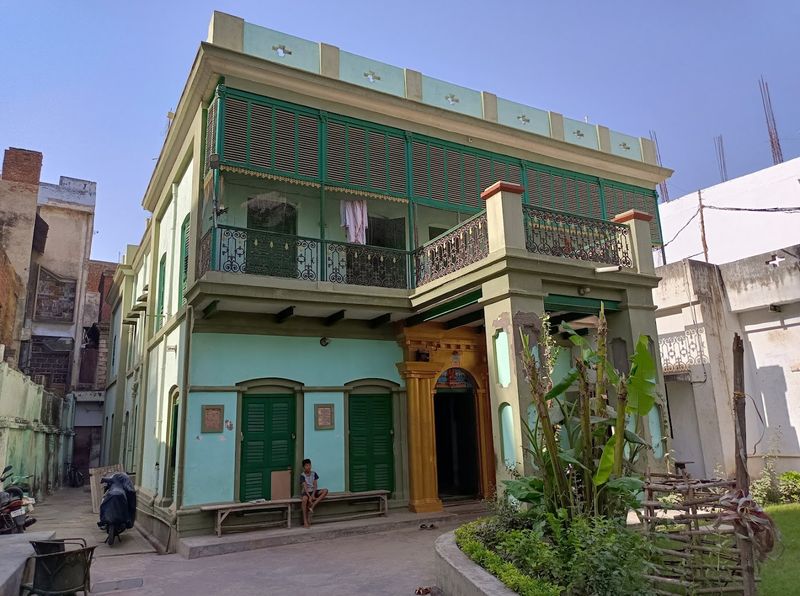
At D-48/149, Geeta Mandir Road, near Girja Ghar Chauraha, Misir Pokhra, Nai Sarak, Varanasi, Uttar Pradesh 221010, India, sits a building that defies easy categorization. Kashi Labh Mukti Bhawan is not a hospital, not a hotel, and not a traditional ashram.
Its purpose is singular and deeply rooted in Hindu spiritual belief.
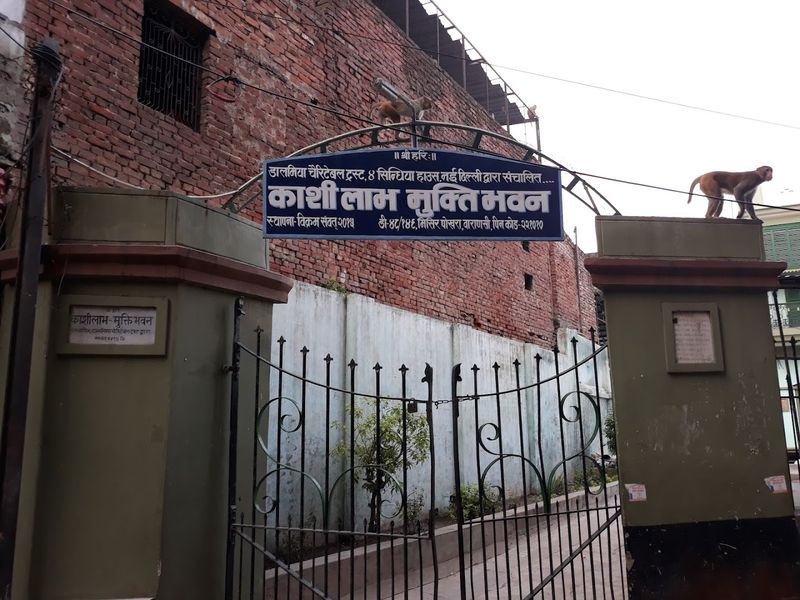
The name itself offers a clue. “Kashi Labh” translates roughly to “the benefit of Kashi,” and “Mukti Bhawan” means “house of liberation.” Together, the name signals exactly why people come here.
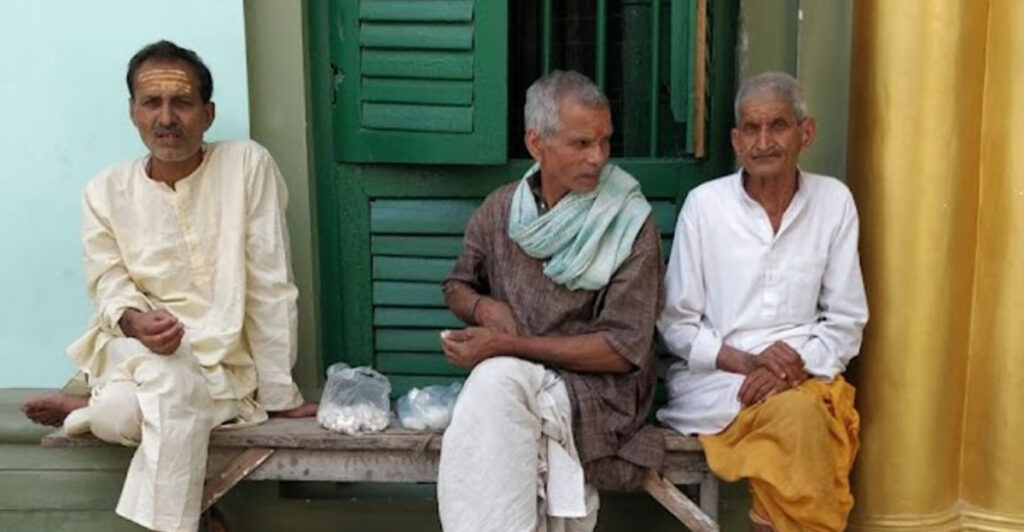
Elderly or gravely ill Hindus travel from across India to spend their final days in this sacred city, believing that passing away here grants the soul moksha. The building stands open 24 hours a day, every day of the week, always ready to receive those who arrive seeking that ultimate spiritual reward.
The Ancient Belief That Built This Place
Long before this building existed, Varanasi held a reputation unlike any other city in the Hindu world. Ancient scriptures describe Kashi as the city of Lord Shiva himself, a place so sacred that dying within its boundaries is said to guarantee liberation of the soul.
According to traditional belief, Lord Shiva whispers the Taraka mantra, a sacred liberating prayer, into the ear of anyone who passes away in Kashi. That whisper, the faithful believe, breaks the endless cycle of birth, death, and rebirth that defines earthly existence.
This conviction is not a modern invention. It stretches back thousands of years through Hindu texts, pilgrimage traditions, and oral teachings passed down through generations.
Kashi Labh Mukti Bhawan was built to serve that ancient belief in a practical, organized way, giving the dying a dignified place to complete their final journey within the city’s sacred boundaries.
The Trust Behind the Mission
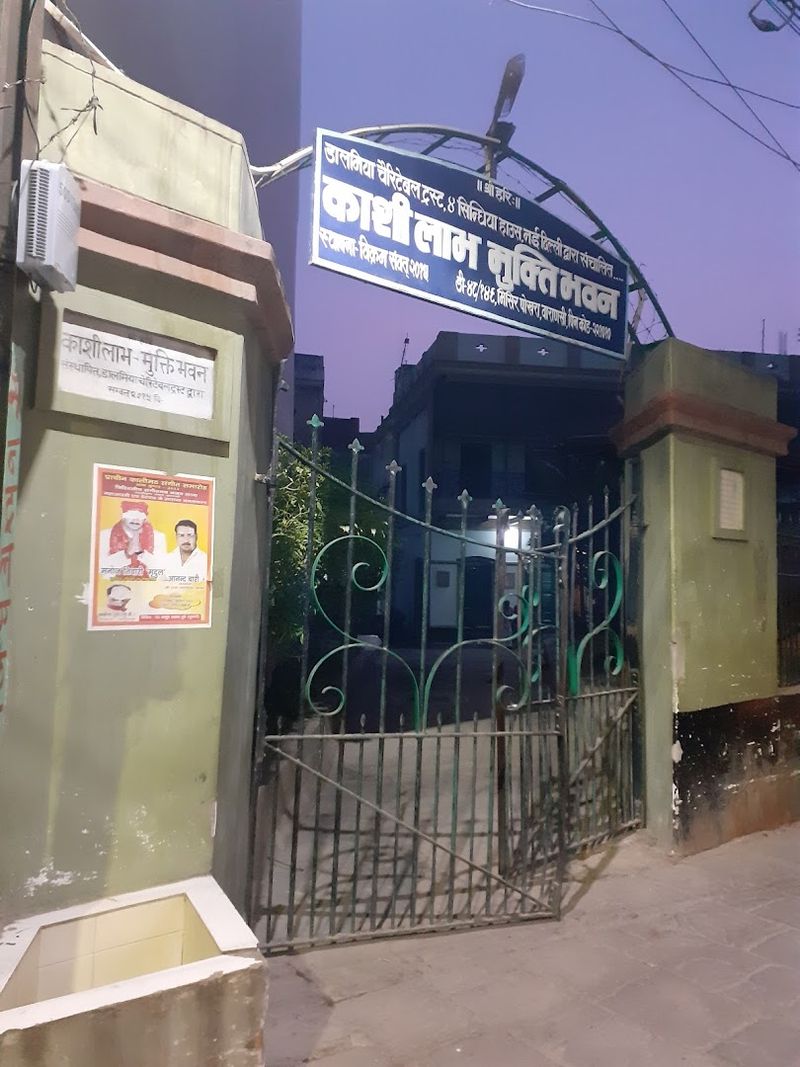
Behind the quiet walls of Kashi Labh Mukti Bhawan is a story of organized compassion. The facility is managed by the Dalmia Charitable Trust, based in New Delhi, a philanthropic organization that has taken on the responsibility of maintaining this deeply unusual sanctuary.
The trust ensures that the building remains operational around the clock, that rooms are available for those who need them, and that the spiritual and basic physical needs of residents are met without placing a financial burden on grieving families.
Running a place like this requires not just funding but also a genuine understanding of why it exists and who it serves. The Dalmia Trust has kept that mission alive for decades, making sure that a person’s final wish to leave this world in Kashi is not blocked by a lack of money or resources.
That quiet dedication is what keeps the doors open every single day.
What the Rooms Are Like Inside
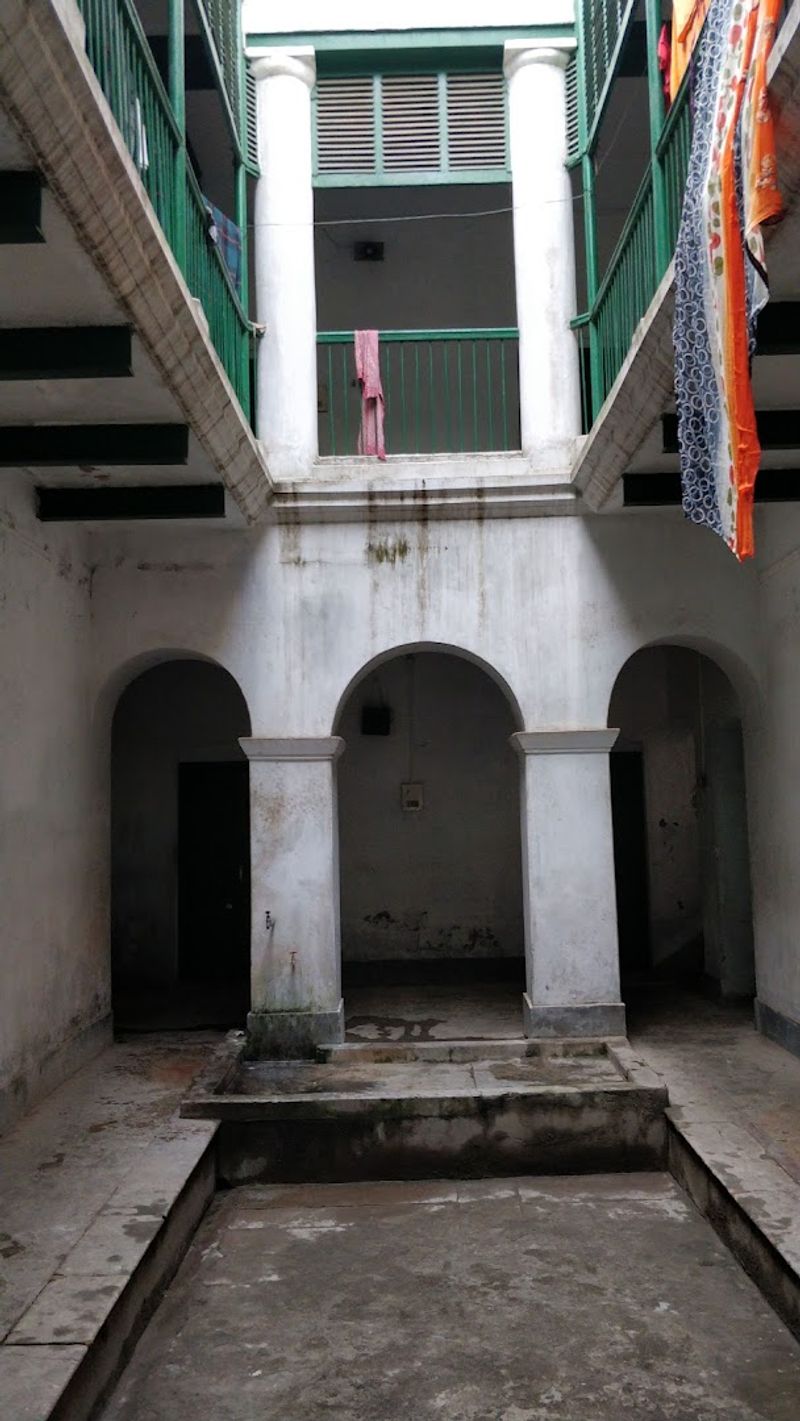
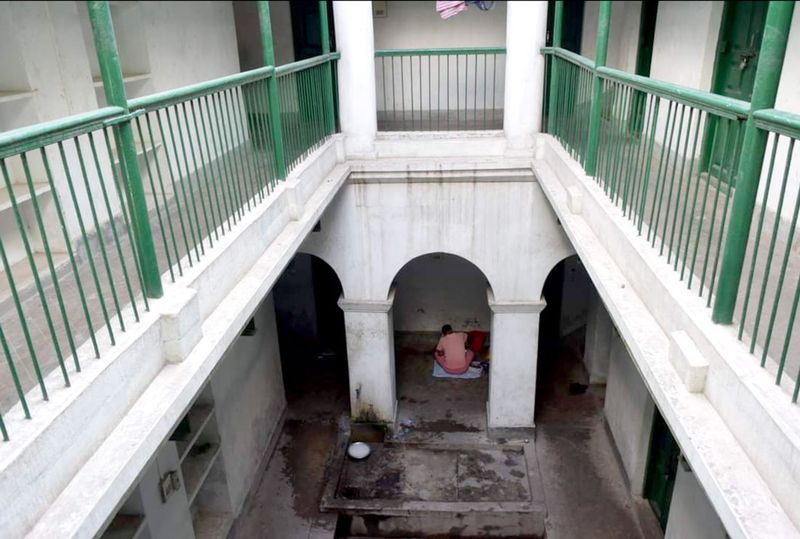
Do not expect luxury when you think about this place. The rooms inside Kashi Labh Mukti Bhawan are described as old-style, modest spaces with basic amenities, exactly what you would expect from a facility built for spiritual purpose rather than comfort.
The building holds ten rooms, each designed to accommodate one person and their accompanying family members. The atmosphere inside is said to be calm and unhurried, with a quiet that feels deliberate rather than empty.
The charge for staying here is just 20 Indian rupees per day, a sum so small it is almost symbolic. Even that small fee is waived entirely for those who cannot afford it.
What matters here is not money but intention. A person’s wish to spend their final days in the sacred city is treated as reason enough to open the door and offer a place to rest.
The 15-Day Stay Rule and What It Means
One of the most thought-provoking aspects of Kashi Labh Mukti Bhawan is its stay policy. Each person is allowed to remain for a maximum of 15 days.
That time limit might sound strict for a place centered on such a profound purpose, but it reflects the practical reality of managing limited space with an ongoing flow of arrivals.
If a person recovers or their condition stabilizes within those 15 days, they are asked to leave and make room for someone else. There is a certain raw honesty in that arrangement that most modern institutions would shy away from entirely.
The policy also reinforces the spiritual framing of the place. The stay is not meant to be comfortable or indefinite.
It is a threshold, a brief, intentional pause before what believers consider the greatest transition a soul can make. Fifteen days, it turns out, can feel like a lifetime when every hour carries that kind of weight.
The Numbers That Tell a Quiet Story
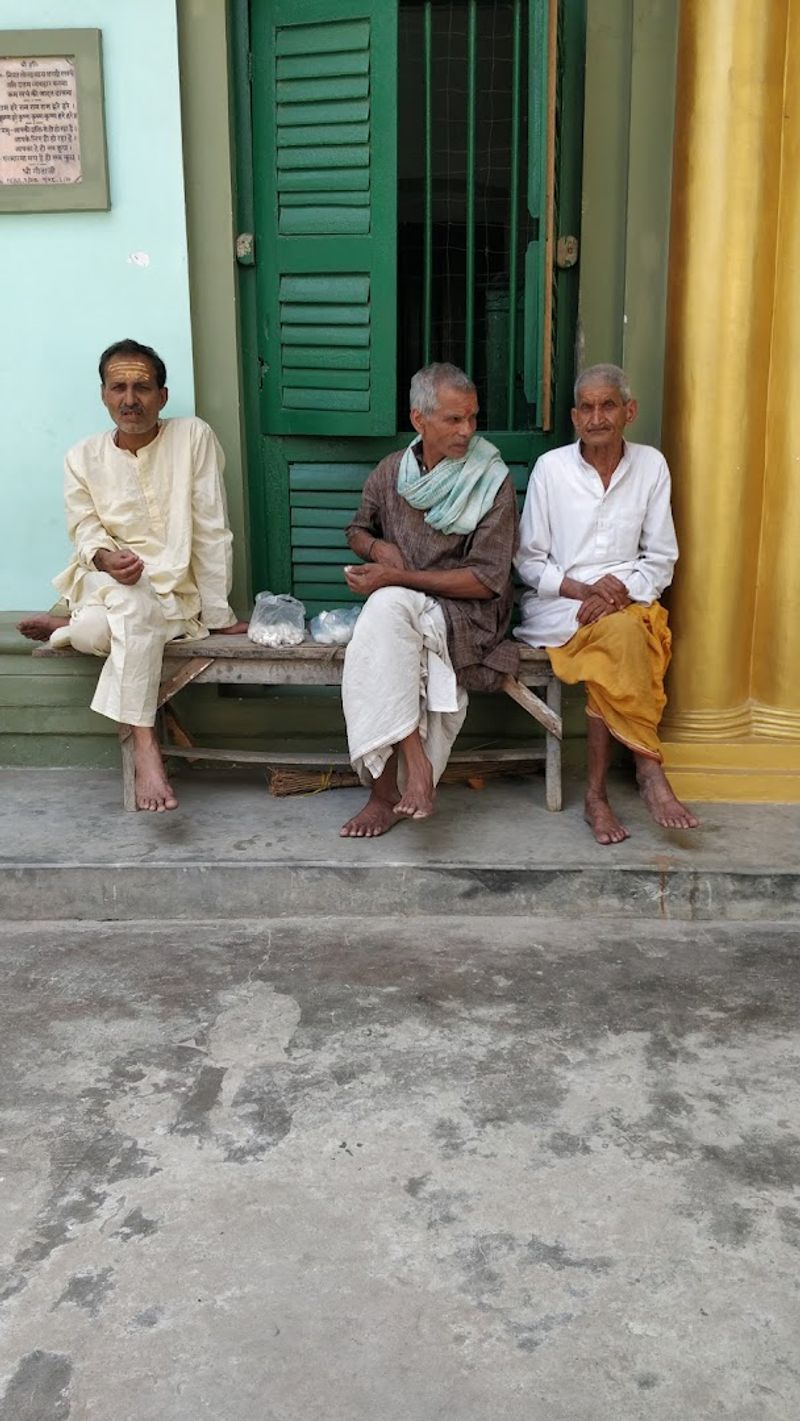
Numbers rarely carry spiritual weight, but at Kashi Labh Mukti Bhawan, they tell a story that is hard to ignore. According to records maintained at the facility, 14,892 people had attained moksha at this location as of March 31, 2021.
Other accounts place the total at over 16,000 natural passings since the place first opened its doors.
Each of those numbers represents a person, a family, a journey from somewhere across India to this narrow lane in Varanasi. The scale of that quiet procession over the decades is genuinely striking.
What makes the record-keeping feel significant is the care behind it. Someone sat down and counted, documented, and preserved those names.
In a world where passing away is often treated as something to move past quickly, Kashi Labh Mukti Bhawan treats each departure as an event worth recording, a soul worth acknowledging in the official count.
The Role of Family in the Final Journey
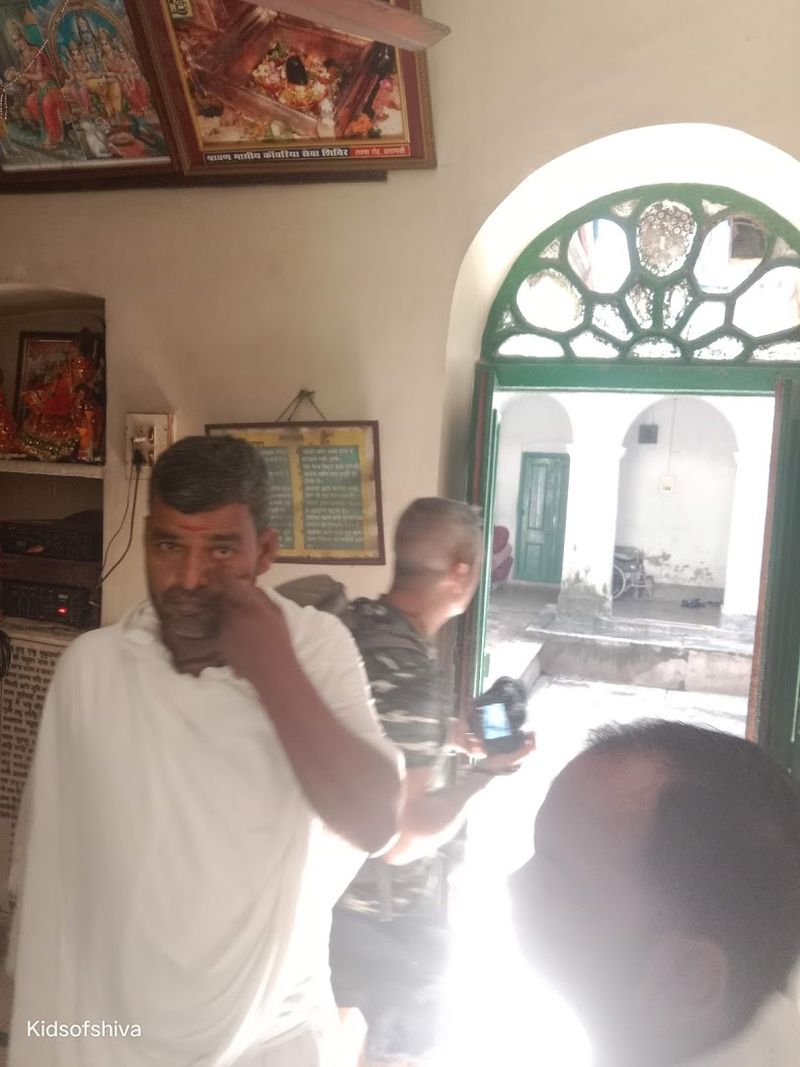
At Kashi Labh Mukti Bhawan, the person seeking moksha rarely arrives alone. Family members travel alongside their loved ones, taking up residence in the same modest room, cooking meals, offering prayers, and keeping company through the long, quiet hours of waiting.
For many families, this journey to Varanasi is the last act of devotion they can offer a parent or grandparent. The decision to bring someone here is never taken lightly.
It involves acknowledging that the end is near and choosing to honor that reality with intention rather than avoidance.
The presence of family transforms the space from something solemn into something deeply human. Conversations happen.
Old stories get told. Prayers are shared.
The Ganges flows nearby, and the sounds of the city filter through the walls. For families who have made this trip, the memory of those final days together often becomes one of the most meaningful experiences of their lives.
The Connection to the Ganges River
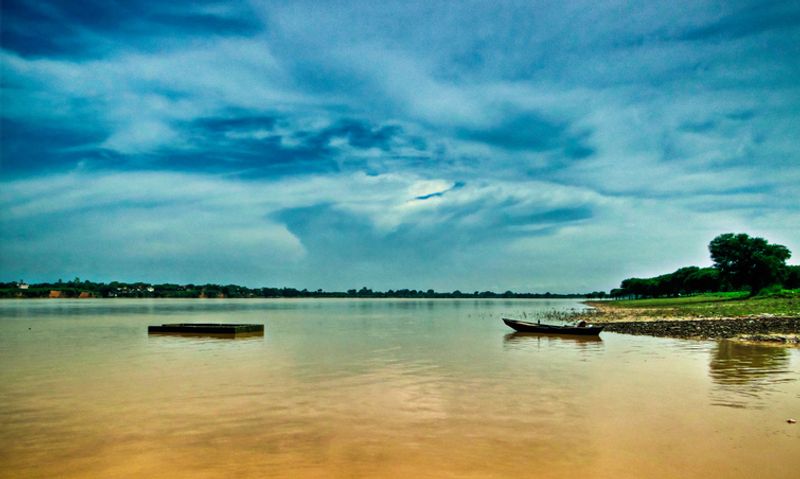
No story about Kashi Labh Mukti Bhawan is complete without mentioning the river that flows just a short distance away. The Ganges, known locally as the Ganga, is the spiritual backbone of Varanasi.
For Hindus, its waters are considered sacred, purifying, and directly connected to the possibility of liberation.
Being near the Ganges in one’s final days is not incidental to the purpose of Mukti Bhawan. The river’s proximity is part of the reason the location matters so much.
Pilgrims who can walk often make their way to the ghats, the stone steps leading down to the water, to bathe or simply sit by the river in quiet reflection.
The sounds of the river, the smell of incense from nearby temples, and the sight of the sun rising over the water create an environment that feels removed from ordinary life. That sacred geography is inseparable from what the building offers its residents.
How the Place Feels From the Outside
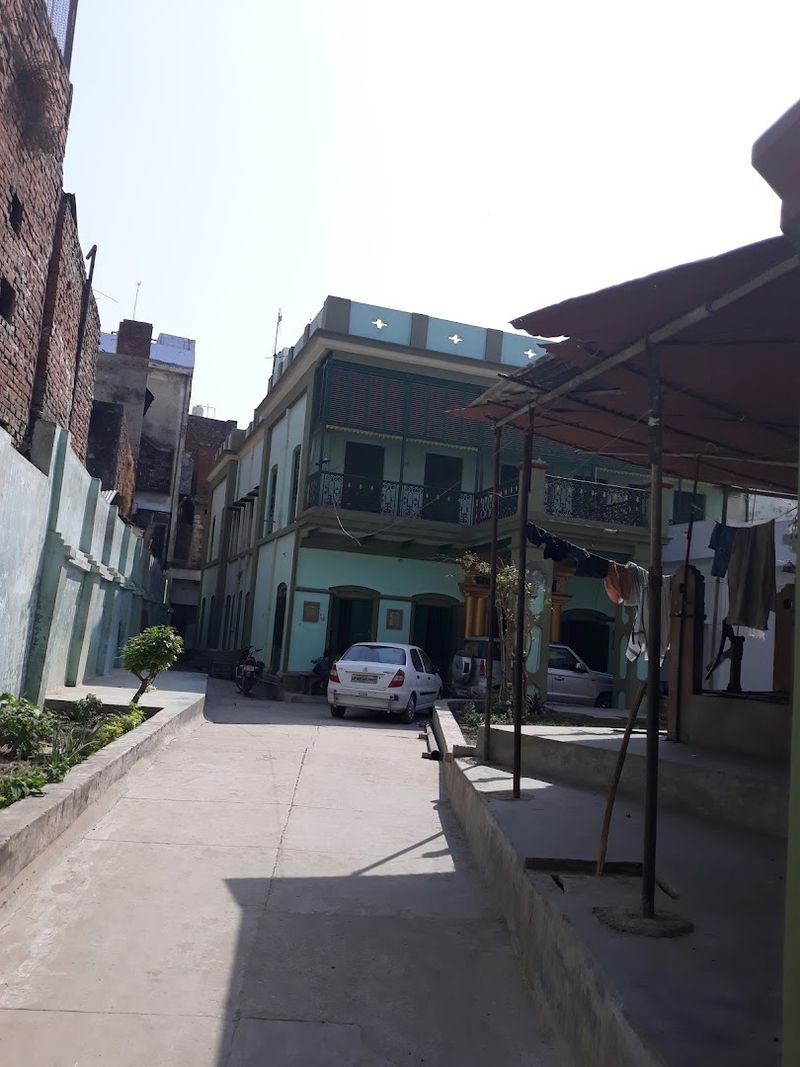
From the outside, Kashi Labh Mukti Bhawan does not announce itself dramatically. It sits within the dense, layered fabric of Varanasi’s old city, surrounded by narrow lanes, small temples, and the everyday sounds of neighborhood life.
The building’s exterior is described as peaceful and calm, with a quality that visitors notice even before they step through the entrance.
There is no grand gate, no dramatic signage designed to draw attention. The place exists quietly, in the way that truly important things often do.
People who have passed by or paused outside often describe a sense of stillness that stands apart from the surrounding city’s constant motion.
That contrast, between the buzzing energy of Varanasi’s streets and the composed quiet of this particular building, is part of what makes the place feel set apart. The city rushes on outside while something entirely different unfolds within those walls.
The 2016 Film That Brought Global Attention
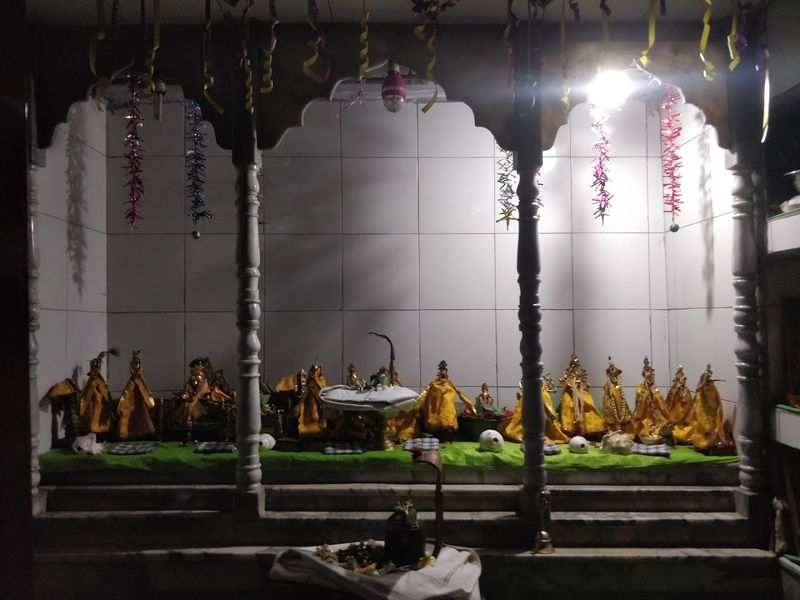
Kashi Labh Mukti Bhawan stepped into broader public awareness when it became the subject of the 2016 Hindi film “Mukti Bhawan,” released internationally as “Hotel Salvation.” The film told the story of a father who travels to Varanasi with his reluctant son to spend his final days at a place much like this one.
The movie was praised for its gentle, unhurried portrayal of a subject that most films would dramatize or sensationalize. Instead, it treated the concept of a conscious, peaceful departure with dignity and even quiet humor.
International audiences who had never heard of moksha or Varanasi found themselves moved by the story.
The film put a human face on something that can sound abstract or even unsettling from a distance. For many viewers, it was their first introduction to the idea that a place like Kashi Labh Mukti Bhawan could exist, and that the people inside it might feel more at peace than afraid.
What Visiting This Place Teaches About Life
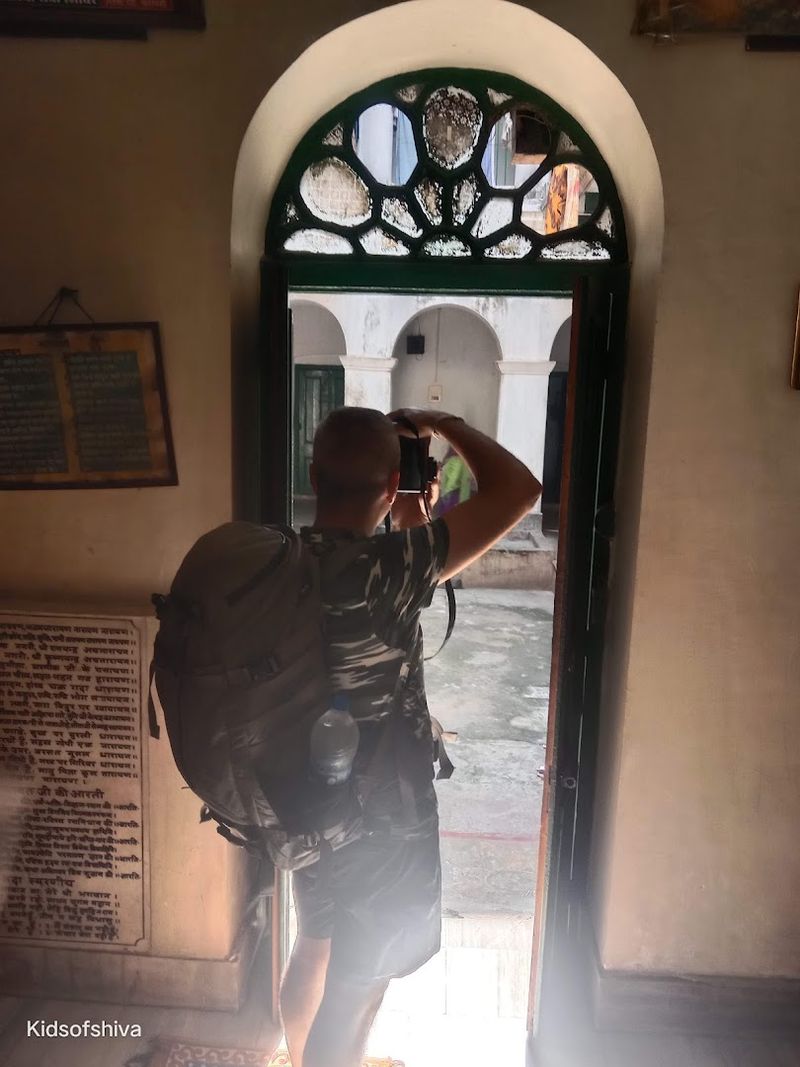
Some visitors come to Kashi Labh Mukti Bhawan out of curiosity, and leave with something harder to name. The place has a way of reordering priorities.
Standing near a space where people have consciously chosen how and where to end their lives has a clarifying effect that no motivational speech or self-help book can replicate.
The residents here are not hiding from the end. They have traveled toward it deliberately, on their own terms, surrounded by belief and family and the sacred geography of one of the world’s oldest living cities.
That kind of intentionality is rare and, for many observers, quietly inspiring.
A visit here does not need to be heavy or grief-filled. Many who have gone describe it as thought-provoking in the best possible way, a reminder that how we approach the big questions of existence says a great deal about how fully we have lived the smaller, everyday moments.
Should You Visit and What to Keep in Mind
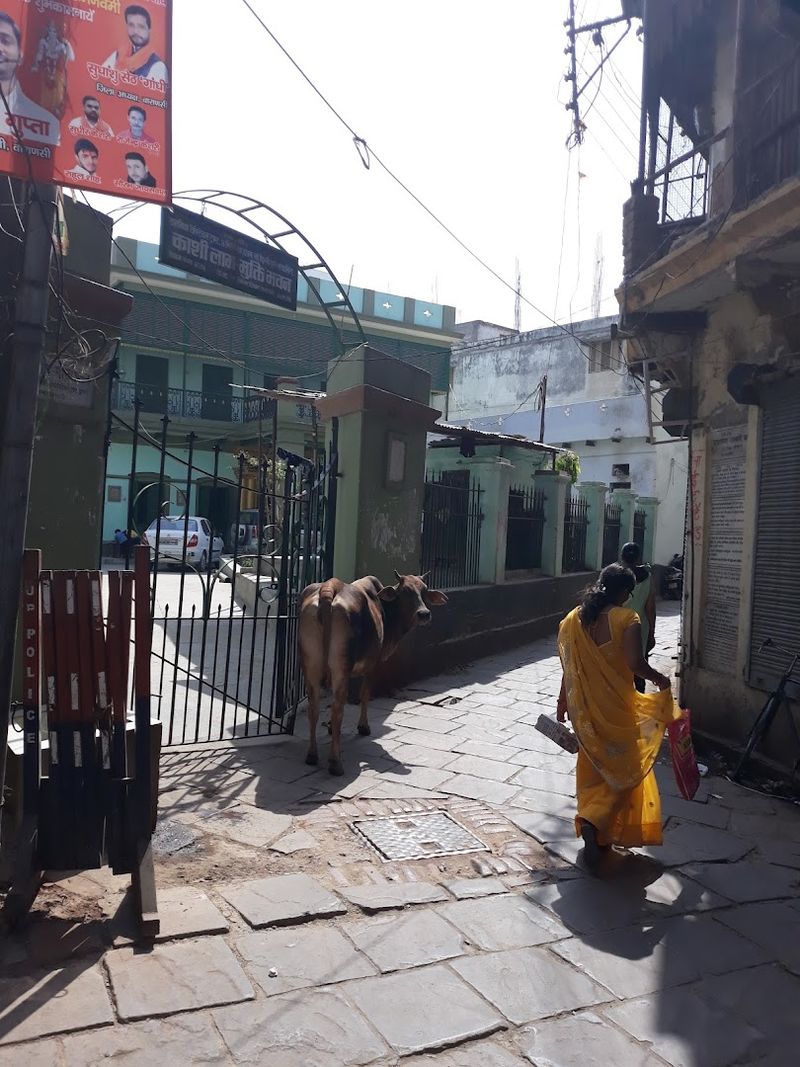
Kashi Labh Mukti Bhawan is not a tourist attraction in the conventional sense, and approaching it that way would miss the point entirely. The people inside are not there to be observed.
They are there for the most personal reason imaginable, and that deserves genuine respect from anyone who visits.
That said, those who approach the place with genuine curiosity and cultural sensitivity often find the experience meaningful. Speaking respectfully with those who manage the facility, understanding the belief system behind it, and moving through the space quietly are all ways to engage without intruding.
Dress modestly, speak softly, and leave your assumptions at the door. Varanasi as a whole rewards that kind of open-minded approach, and Kashi Labh Mukti Bhawan is perhaps the most concentrated expression of what makes this city unlike anywhere else on Earth.
Come with questions, leave with perspective, and handle both with care.
Share this story