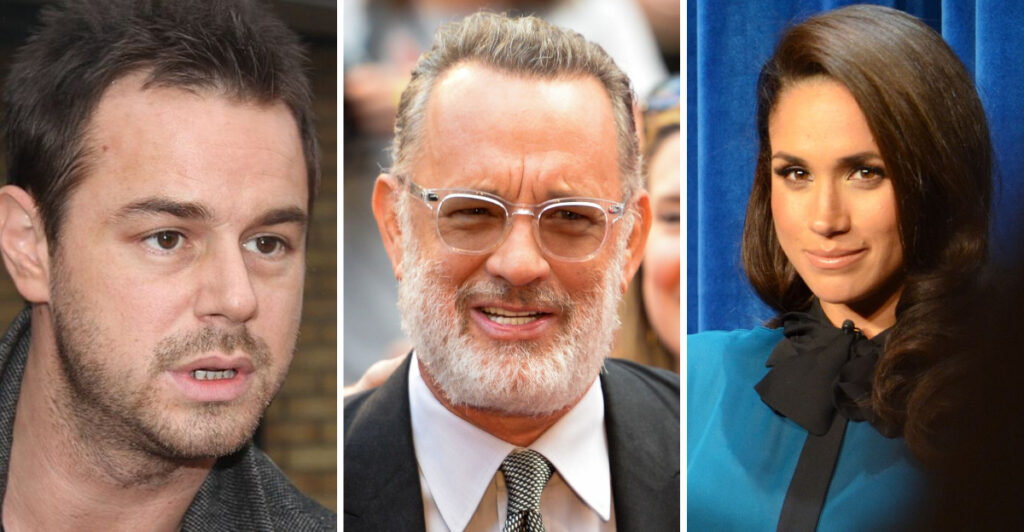
History has a funny way of showing up in the most unexpected places, including in the family trees of today’s biggest celebrities. From Hollywood actors to British royals, some of the most recognizable names in the world share blood with kings, presidents, and legendary figures from the past.
These connections span centuries and continents, linking modern life to the stories we read about in history books. Get ready to see some of your favorite famous people in a whole new light.
1. Tom Hanks and Abraham Lincoln
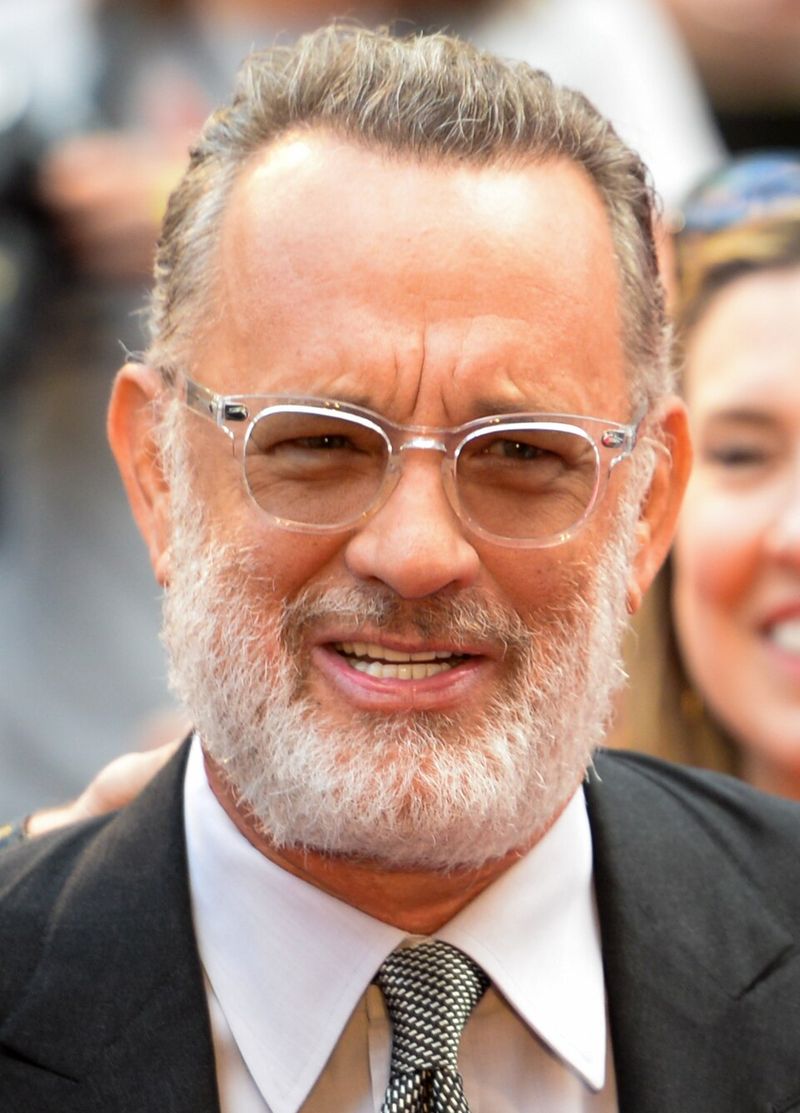
Most people know Tom Hanks as the beloved actor behind Forrest Gump and Cast Away, but here is a detail that might surprise you: he shares a family connection with one of America’s greatest presidents. Hanks is a third cousin, four times removed, of President Abraham Lincoln through Lincoln’s mother, Nancy Hanks.
The shared last name between Tom and Nancy Hanks is not just a coincidence. Both trace their roots back to the same family line, making this a genuine genealogical link confirmed by researchers.
It is the kind of discovery that turns a history lesson into something personal.
Abraham Lincoln served as the 16th President of the United States from 1861 to 1865, leading the country through the Civil War and signing the Emancipation Proclamation. Knowing that one of Hollywood’s most respected actors carries Lincoln’s bloodline adds a fascinating layer to both of their legacies.
2. Benedict Cumberbatch and King Richard III
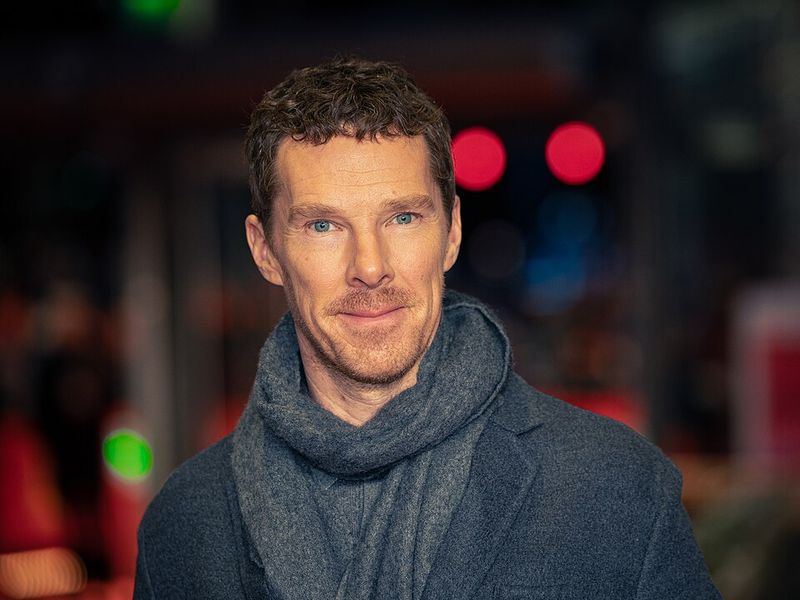
When researchers began studying the DNA of King Richard III’s remains discovered beneath a Leicester parking lot in 2012, they reached out to living relatives for comparison. One of those relatives turned out to be actor Benedict Cumberbatch, who is a distant cousin of the last English king to die in battle.
The connection was distant but real, and Cumberbatch took it seriously. He was invited to read a poem at King Richard III’s reburial ceremony in 2015, standing just feet away from the monarch’s coffin.
It was a rare and moving moment that blended modern celebrity with ancient royalty.
Richard III ruled England from 1483 until his death at the Battle of Bosworth Field in 1485. His story has been told countless times in literature and film, and now the actor famous for playing Sherlock Holmes carries a small piece of that royal history in his own DNA.
3. Harry Lloyd and Charles Dickens
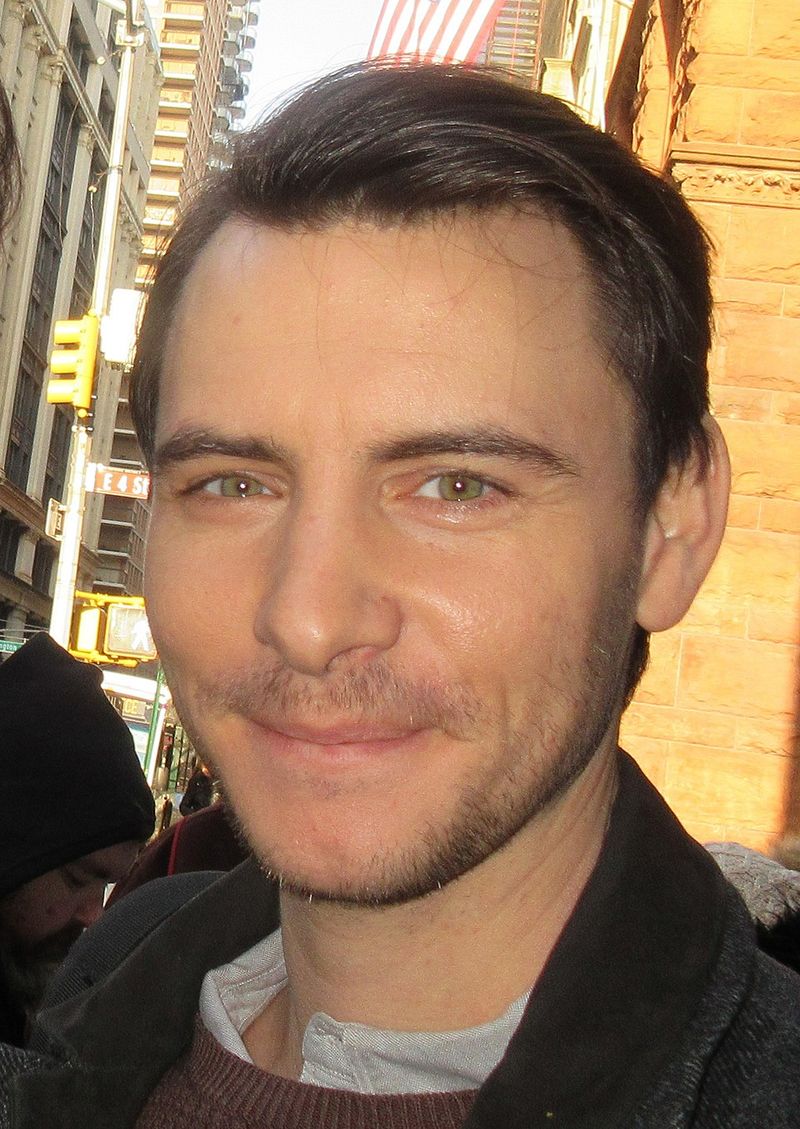
Game of Thrones fans know Harry Lloyd as the scheming Viserys Targaryen, but off screen, his family history is just as dramatic. Lloyd is the great-great-great-grandson of Charles Dickens, one of the most celebrated novelists in the English language.
That makes him part of one of literature’s most storied bloodlines.
Dickens wrote classics like Oliver Twist, A Tale of Two Cities, and A Christmas Carol, stories that shaped how the world understood poverty, justice, and human kindness during the Victorian era. His words still appear in school curricula around the globe more than 150 years after his death.
Growing up with that kind of creative legacy in your family tree must carry its own quiet weight. Lloyd has spoken about his connection to Dickens with a mix of pride and humility, acknowledging how rare and remarkable it is to be so directly linked to someone who changed literature forever.
4. King Charles III and Vlad the Impaler
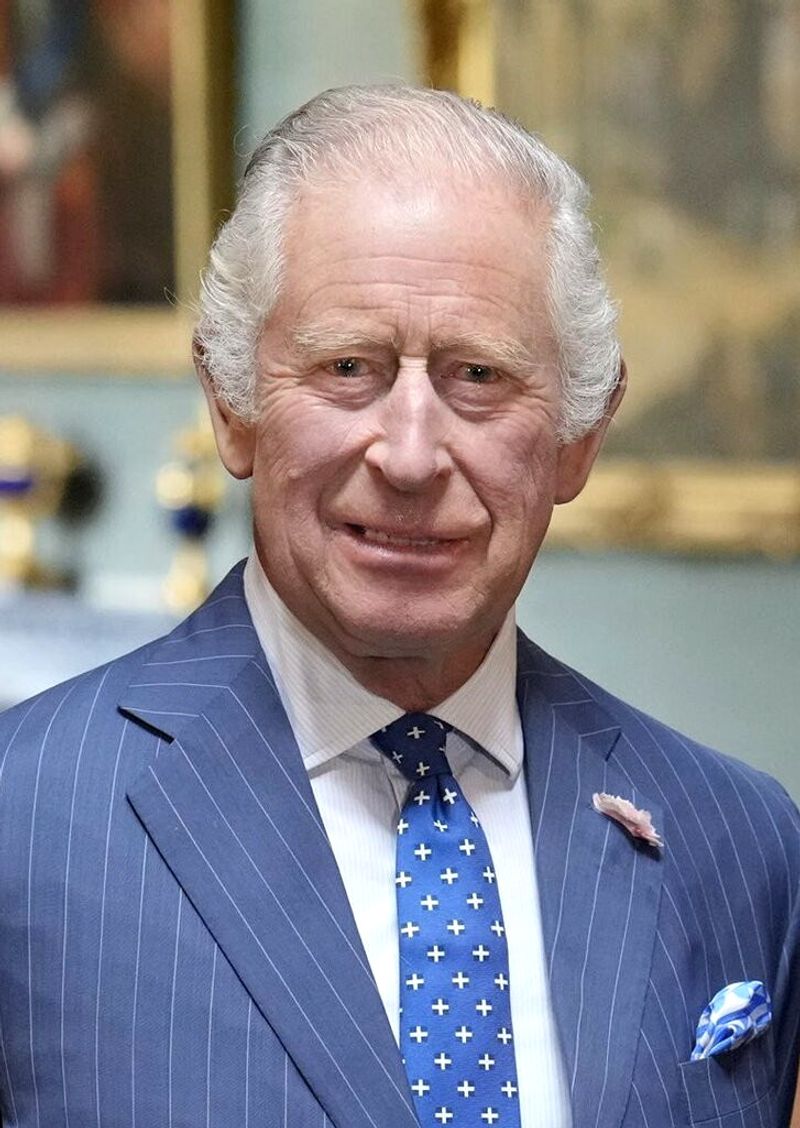
King Charles III has publicly acknowledged one of the most jaw-dropping family connections in modern royal history. He is a distant descendant of Vlad III of Wallachia, the 15th-century ruler better known as Vlad the Impaler, the historical figure who inspired Bram Stoker’s Dracula.
Charles once joked about his Transylvanian roots, saying it gave him a personal stake in protecting Romania’s forests.
Vlad III ruled Wallachia, a region in present-day Romania, during the mid-1400s. He was known for his brutal methods of punishing enemies, but he was also seen by many Romanians as a fierce defender of his homeland against Ottoman invasion.
The royal connection runs through the House of Hohenzollern and other European noble lines that intermarried over centuries. It is a reminder that European royal families are deeply intertwined, and sometimes those threads lead to some truly unexpected ancestors hiding in the family tree.
5. Queen Elizabeth II and Queen Victoria
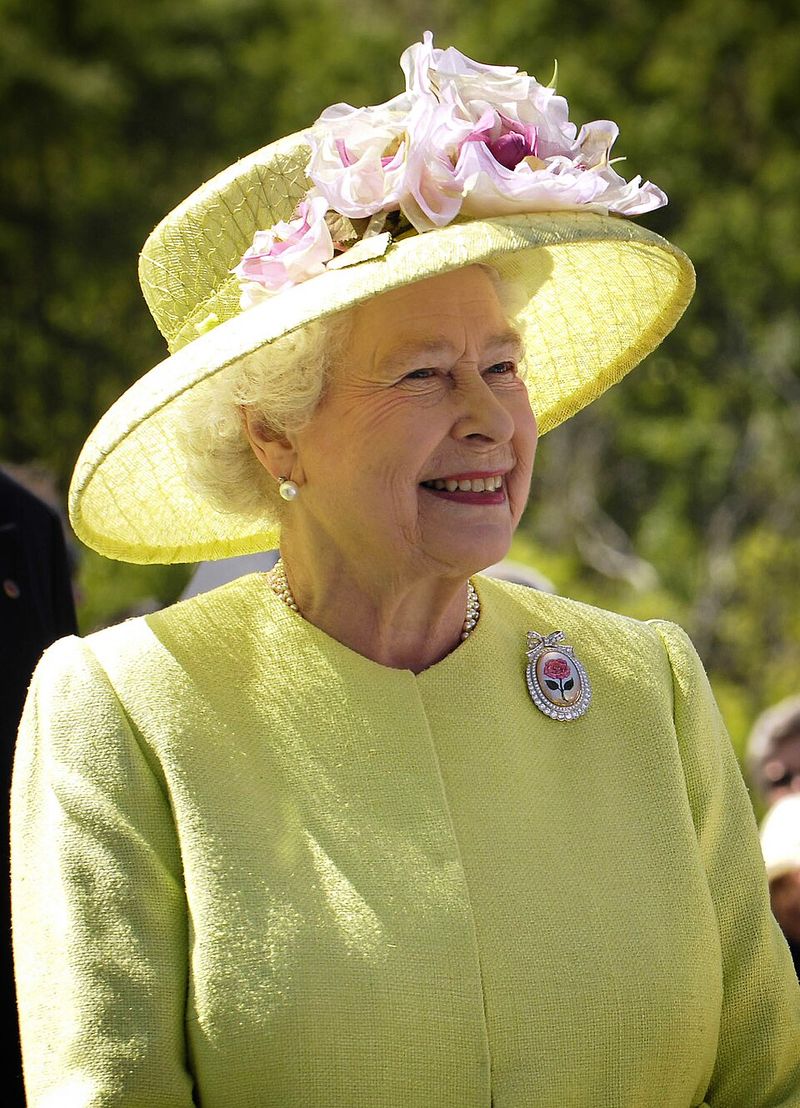
Queen Victoria ruled the British Empire for more than 63 years, longer than almost any other British monarch before her. Her reach extended far beyond the United Kingdom, and her descendants spread across the royal houses of Europe.
One of the most direct of those descendants was Queen Elizabeth II, her great-great-granddaughter.
Victoria had nine children, and her family connections stretched into Germany, Russia, Spain, and Greece through strategic royal marriages. She earned the nickname the Grandmother of Europe for good reason.
Elizabeth II inherited not just the throne but a legacy shaped by Victoria’s long and transformative reign.
Queen Elizabeth II served as monarch from 1952 until her death in 2022, becoming one of the longest-reigning monarchs in world history herself. The fact that both women held the throne for decades, separated by generations, makes their shared bloodline feel like something more than coincidence.
It feels like a dynasty.
6. Prince William and Queen Victoria
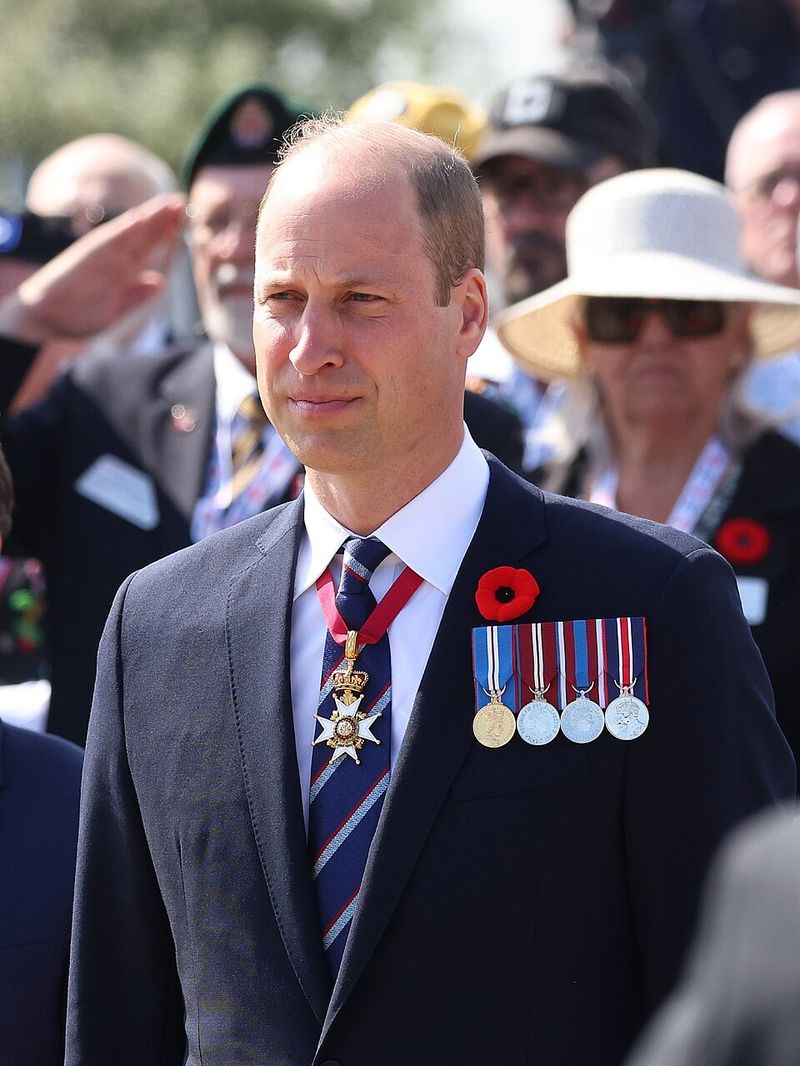
Prince William carries the weight of royal history in more ways than one. Like his grandmother, the late Queen Elizabeth II, he is a direct descendant of Queen Victoria, connected through multiple family lines that trace back to the 19th century.
That means Victoria’s blood runs through William from more than one direction in his family tree.
Victoria is often called the Grandmother of Europe because so many of her children and grandchildren married into royal families across the continent. William’s connection to her reflects just how interwoven European royal bloodlines became during her era of influence.
As the Prince of Wales and heir to the British throne, William represents the continuation of a monarchy that Victoria helped define. Her emphasis on duty, family, and public service remains a central part of the royal identity that William now carries forward, making the generational link feel both historical and deeply relevant today.
7. Franklin D. Roosevelt and Theodore Roosevelt
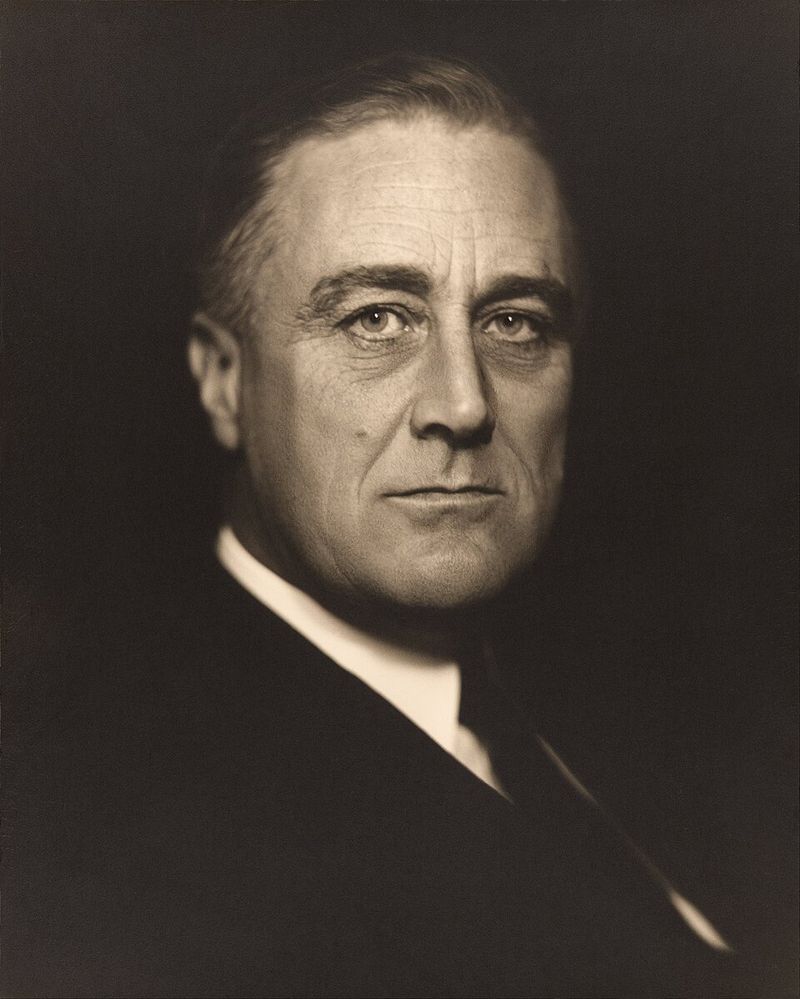
Two of the most influential presidents in American history shared more than a last name. Franklin D.
Roosevelt and Theodore Roosevelt were fifth cousins, both descending from the same Dutch-American family that settled in New York centuries earlier. Their shared ancestry placed them in the same family tree, even though they belonged to different branches of the Roosevelt clan.
Theodore Roosevelt served as the 26th president, known for his bold personality, conservation efforts, and the creation of national parks. Franklin D.
Roosevelt became the 32nd president, guiding the country through the Great Depression and most of World War II. Both men left enormous marks on American history.
What makes their connection even more interesting is that despite being cousins, they came from different political traditions and personal styles. Yet both embodied a kind of relentless energy and determination that defined the Roosevelt name across two very different chapters of American leadership.
8. Eleanor Roosevelt and Theodore Roosevelt
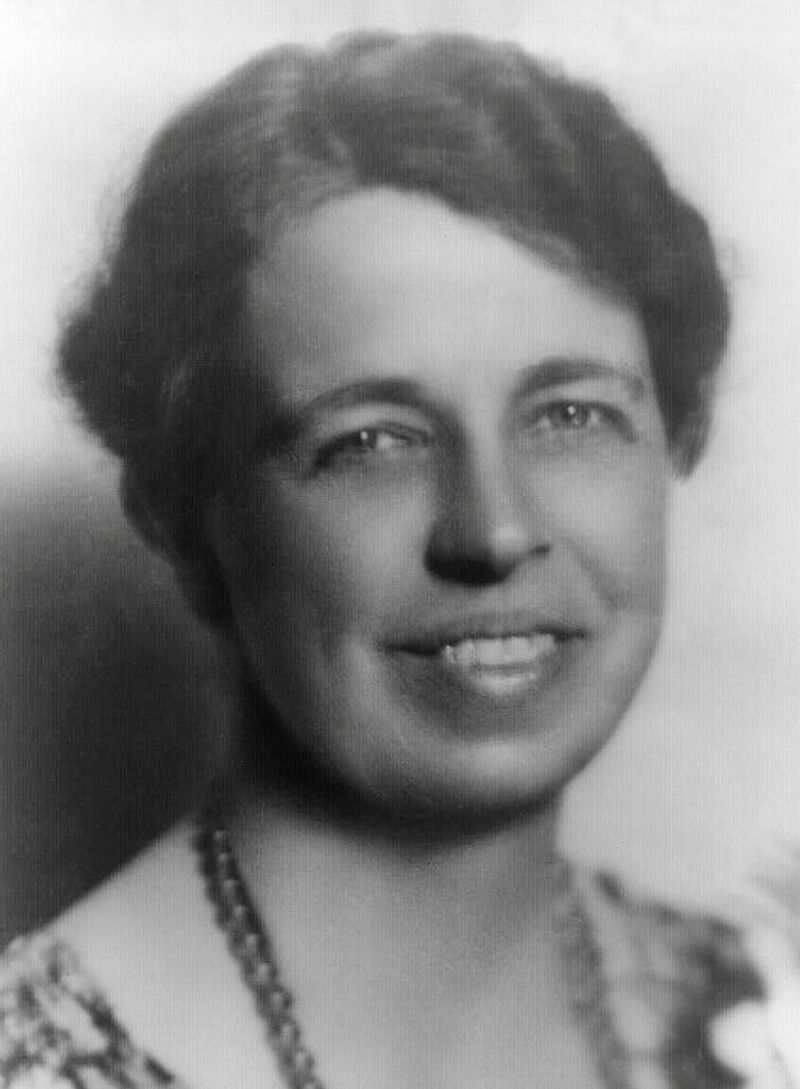
Eleanor Roosevelt is remembered as one of the most influential First Ladies in American history, but her connection to presidential power started long before she entered the White House. She was the niece of President Theodore Roosevelt, born into a family that already sat at the center of American political life.
Her father, Elliott Roosevelt, was Theodore’s younger brother. When Eleanor married Franklin D.
Roosevelt in 1905, Theodore himself walked her down the aisle, a moment that captured just how tightly the Roosevelt family circles overlapped. It was a wedding that connected two branches of the same family in a whole new way.
Eleanor went on to become a fierce advocate for civil rights, human rights, and women’s equality. Her uncle Theodore had shaped the nation’s identity from the Oval Office, and Eleanor shaped it from the public stage.
Together, their legacies remind us that great families often produce more than one generation of greatness.
9. Meghan Markle and King Edward III
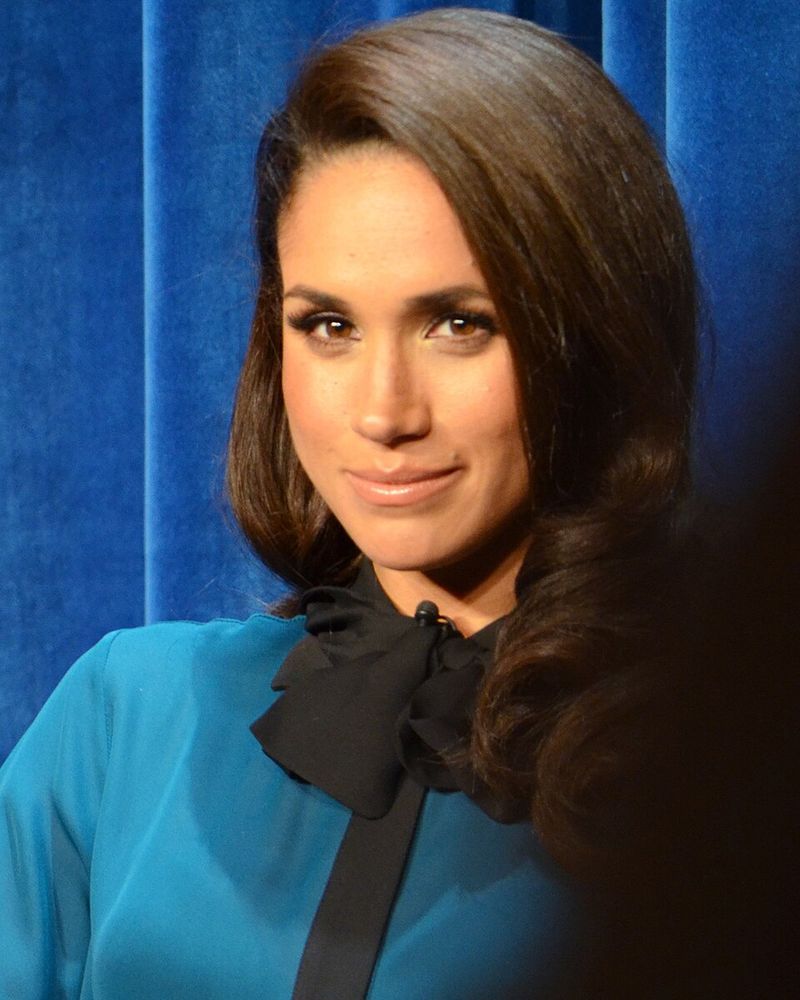
When Meghan Markle married Prince Harry in 2018, she joined the British royal family in an official sense, but genealogists revealed she may have had a royal connection long before the wedding. Researchers traced her ancestry back to King Edward III, one of England’s most powerful medieval monarchs, making her connection to British royalty deeper than most people realized.
The link is many generations removed, as Edward III ruled in the 14th century, but genealogists confirmed the bloodline runs through Markle’s family history. Edward III reigned from 1327 to 1377 and is known for his military victories, including early battles of the Hundred Years War.
What makes Meghan’s connection especially compelling is that it predates her marriage into the royal family by hundreds of years. It suggests that her place in that world was not just a matter of choice or circumstance, but something quietly written into her ancestry centuries ago.
10. Jake and Maggie Gyllenhaal and King Edward III

Jake and Maggie Gyllenhaal are two of Hollywood’s most respected actors, and it turns out they carry a royal bloodline to match their A-list status. Both siblings can trace their ancestry back to King Edward III of England through their family’s European noble heritage, a lineage that stretches back to the 14th century.
Their Swedish and English ancestry provided the pathway. European aristocratic families intermarried extensively over the centuries, and those connections created a web of shared bloodlines that eventually reached the Gyllenhaal family tree.
Edward III’s descendants are scattered widely across both royal families and the general population.
Edward III was one of England’s most celebrated medieval rulers, credited with reforming the legal system and leading England to key military victories during the early Hundred Years War. For the Gyllenhaals, this connection is a quirky and remarkable reminder that history has a way of quietly threading itself through even the most modern of families.
11. Tilda Swinton and Robert the Bruce
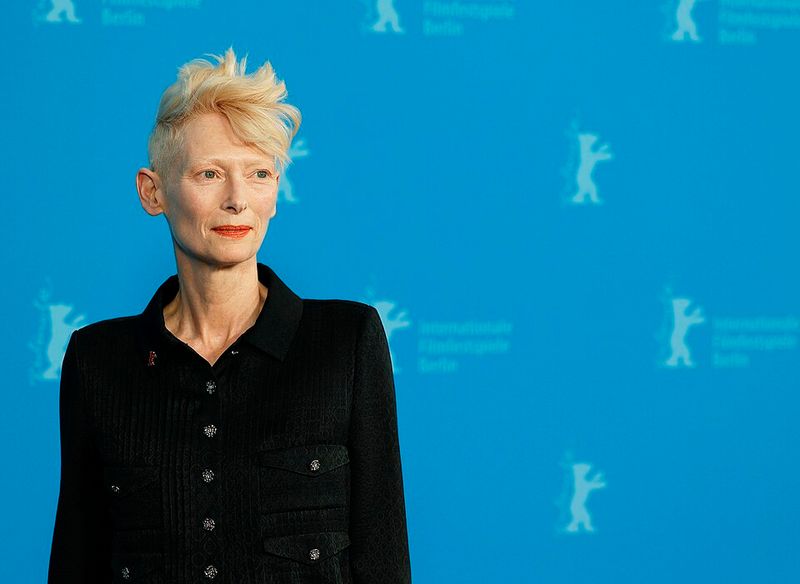
Tilda Swinton has always had an otherworldly presence on screen, and it turns out her real-world roots are just as extraordinary. The Oscar-winning actress comes from one of Scotland’s oldest and most distinguished noble families, and her lineage traces directly back to Robert the Bruce, the legendary King of Scots.
Robert the Bruce led Scotland to independence from English rule, winning the famous Battle of Bannockburn in 1314. He is celebrated as one of Scotland’s greatest national heroes, a symbol of resilience and determination that still resonates deeply in Scottish culture today.
Swinton grew up in a family with deep ties to Scottish aristocracy, and her connection to Robert the Bruce is a natural extension of that heritage. It adds a striking dimension to her already compelling public image.
Knowing that one of cinema’s most unconventional stars descends from a medieval warrior king feels entirely fitting for someone as singular as Tilda Swinton.
12. Danny Dyer and King Edward III

Of all the celebrity ancestry reveals, few have been as entertaining as Danny Dyer’s moment on the BBC genealogy series Who Do You Think You Are? The EastEnders actor, known for his sharp cockney wit and streetwise persona, sat in stunned silence as researchers revealed he is a direct descendant of King Edward III.
The reaction quickly became one of British television’s most memorable moments.
Edward III ruled England from 1327 to 1377 and is considered one of the most powerful and successful monarchs in English medieval history. His descendants include a vast number of people across Britain and Europe, but few discoveries have landed with quite as much comic and cultural impact as Dyer’s.
Beyond the humor, the reveal genuinely moved Dyer, who said it gave him a new sense of pride and identity. It is a perfect example of how genealogy can bridge the gap between everyday people and the sweeping arc of history in a single, unforgettable moment.
Share this story