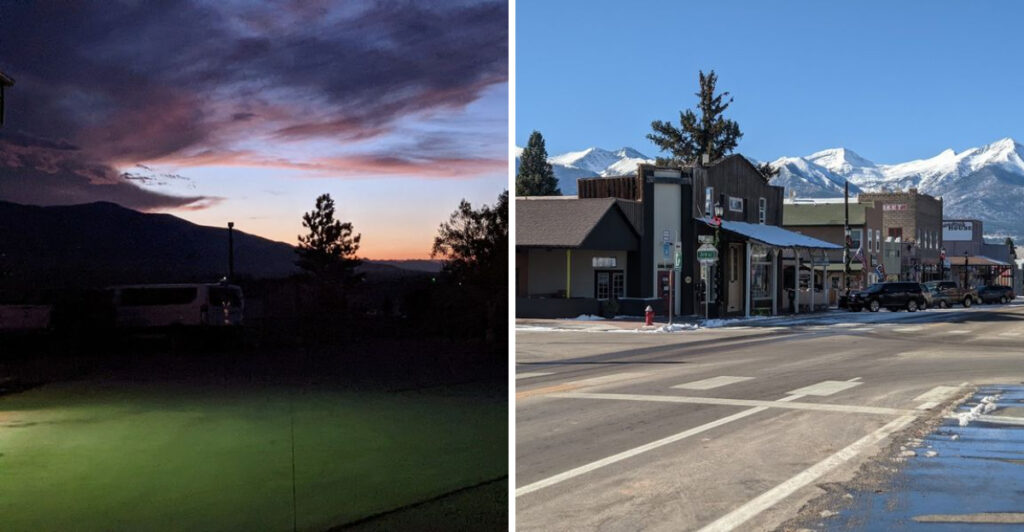
There is a small town tucked into the Wet Mountain Valley of Colorado where the night sky does something truly remarkable. When the sun drops behind the Sangre de Cristo Mountains, the darkness that follows is so complete, so uninterrupted, that you can actually see the Milky Way arching overhead like a glowing river.
This is not a place that shows up on most travel lists, and that is exactly what makes it so worth knowing about. With a population of just over 400 people and elevation topping 7,800 feet, Westcliffe, Colorado has quietly earned a reputation as one of the best stargazing destinations in the entire country, and once you read what this tiny town has to offer, you will understand why so many people are making the long drive out to see it for themselves.
Where Exactly Is This Stargazing Paradise
Nestled in the heart of the Wet Mountain Valley, Westcliffe sits at an elevation of roughly 7,888 feet above sea level in Custer County. The town serves as the county seat of Custer County, one of the least populated counties in the entire state.
The address most visitors reference is simply Westcliffe, Colorado 81252, and the coordinates place it at approximately 38.13 degrees north latitude. Getting there requires a scenic drive through winding mountain roads, usually from Pueblo to the east or Canon City to the north.
The town is small enough that you can walk its entire main stretch in under ten minutes. But do not let the compact size fool you, because Westcliffe punches well above its weight when it comes to natural beauty, outdoor access, and that extraordinary sky waiting for you every single night.
How Westcliffe Earned Its Dark Sky Status
In 2015, the International Dark-Sky Association officially designated the Westcliffe and Silver Cliff area as an International Dark Sky Community, making it one of only a handful of such designations in the United States at that time.
The certification was not handed out casually. It required the town to demonstrate low levels of artificial light pollution, active community education efforts, and a commitment to preserving the night environment for future generations.
Local ordinances were updated to reduce unnecessary outdoor lighting.
What makes this designation so meaningful is that it reflects a genuine community effort, not just a marketing label. Residents actually adjusted their porch lights and businesses changed their signage to protect the darkness overhead.
The result is a sky so clear on a good night that experienced astronomers have described the Milky Way core as almost three-dimensional when viewed from the valley floor.
The Sangre de Cristo Mountains as a Backdrop
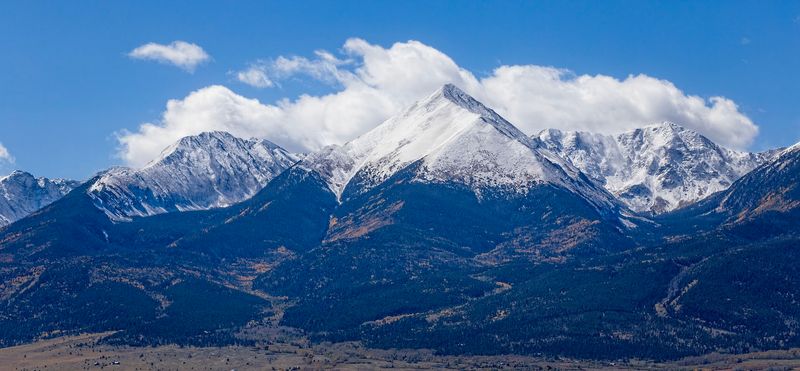
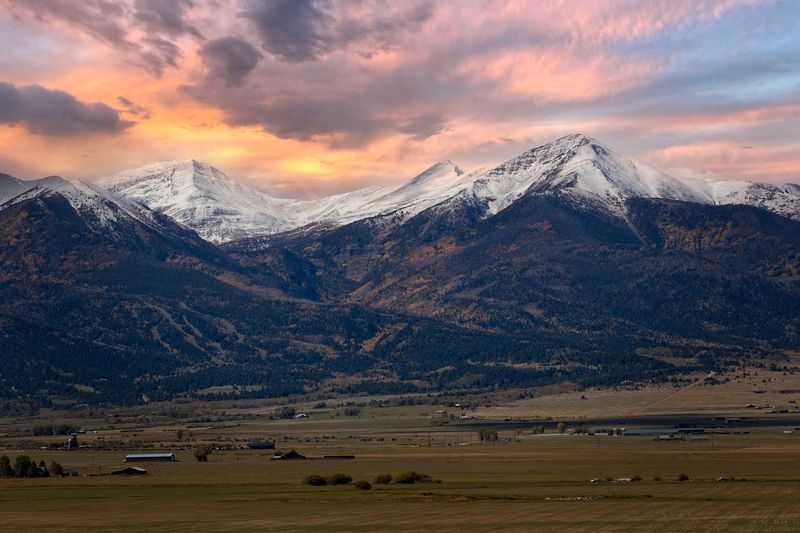
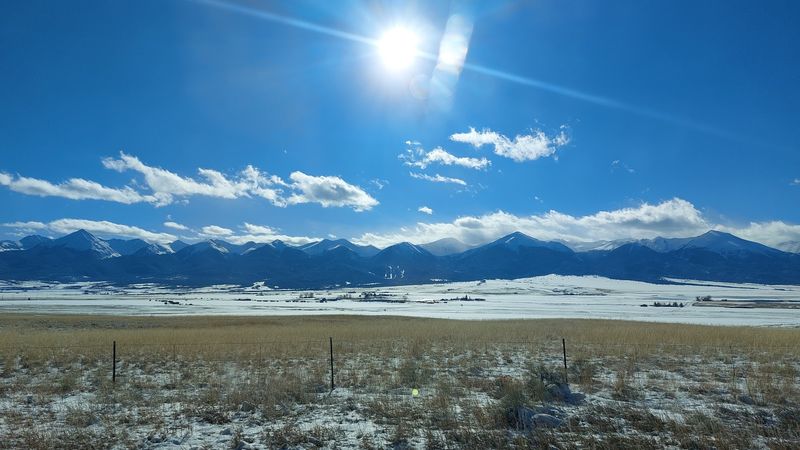
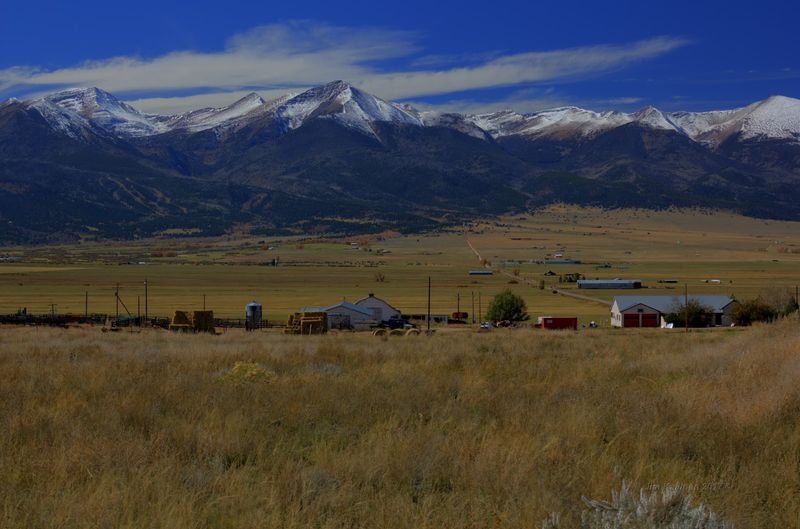
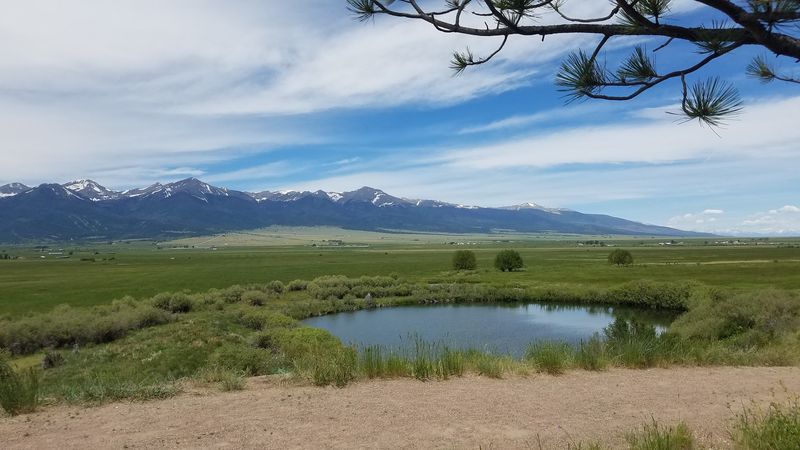
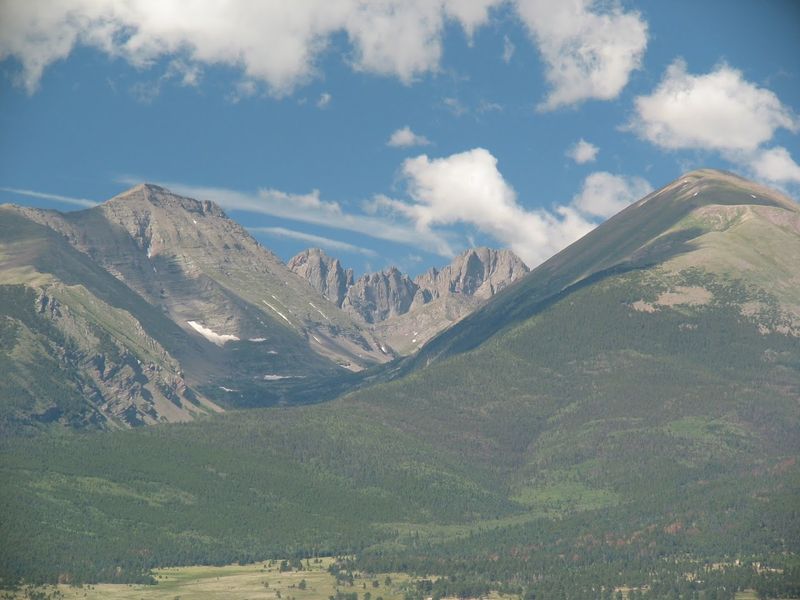
Few mountain backdrops in Colorado are as consistently jaw-dropping as the Sangre de Cristo range as seen from Westcliffe. The Spanish name translates to Blood of Christ, a reference to the deep red and crimson hues the peaks take on during sunrise and sunset.
The range runs roughly north to south just west of town, with several peaks topping 14,000 feet. Crestone Needle and Humboldt Peak are among the most recognizable summits visible from the valley, and on a clear morning they seem close enough to touch even from the main street of town.
During the day, these mountains frame every photo you take. At night, they become dark silhouettes that frame the sky instead, adding depth to the stargazing experience in a way that flat-land observing simply cannot replicate.
The mountains are both the daytime attraction and the nighttime border of this remarkable sky corridor.
The Best Times of Year to Visit for Stargazing
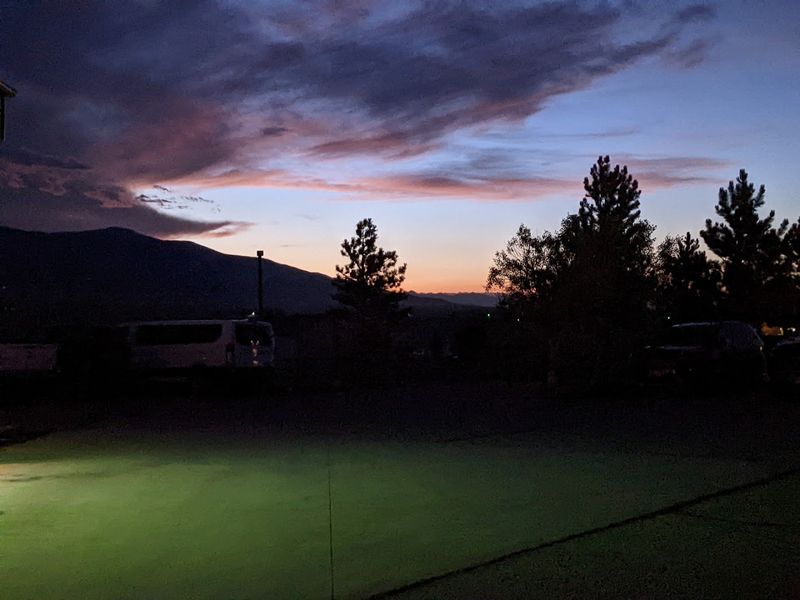
Timing your visit to Westcliffe around the sky conditions can make a huge difference in what you actually see. The clearest and darkest nights tend to fall in late summer and early fall, roughly from July through October, when the Milky Way core is positioned high in the sky and monsoon moisture has typically cleared out.
New moon weekends are the gold standard for planning a trip. When there is no moon in the sky, the faint structures of the galaxy become visible to the naked eye, and deep-sky objects like nebulae and star clusters start popping out without any equipment at all.
Winter visits offer their own rewards, including incredibly transparent skies on cold, dry nights and the chance to see winter constellations like Orion with unusual clarity. Just pack layers, because temperatures in the valley can drop well below freezing even in early autumn after the sun sets.
What You Can Actually See With the Naked Eye
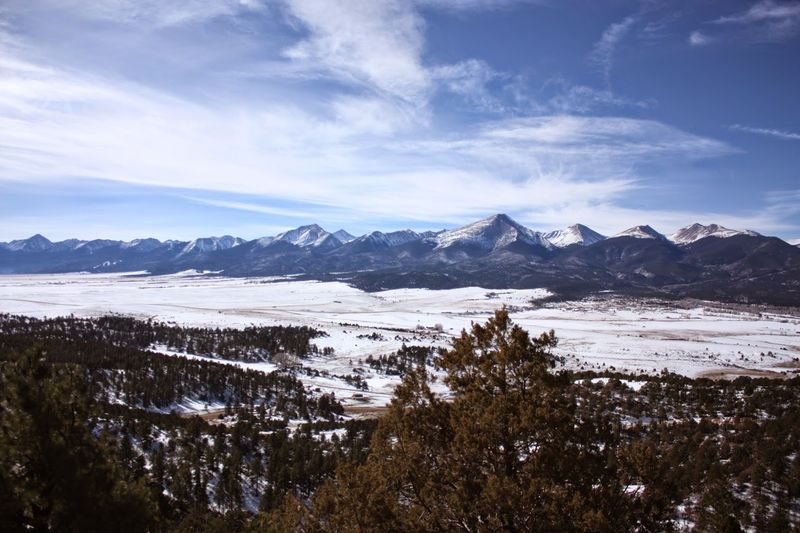
One of the most surprising things about a dark sky site like Westcliffe is how much you can see without any equipment at all. On a moonless night away from town, the Milky Way stretches across the entire sky as a thick, textured band of light, not just a faint smudge like you might see from a suburb.
The Andromeda Galaxy, which sits about 2.5 million light-years away, is visible to the naked eye as a soft oval blur. Shooting stars appear multiple times per hour on a typical night, and during major meteor showers like the Perseids in August, the count can climb dramatically.
Satellites tracking silently overhead, the faint glow of star clusters, and the subtle color differences between stars of different temperatures all become noticeable once your eyes fully adjust to the darkness. That adjustment usually takes about 20 to 30 minutes, so patience genuinely pays off here.
Hiking Trails That Lead to Even Darker Skies
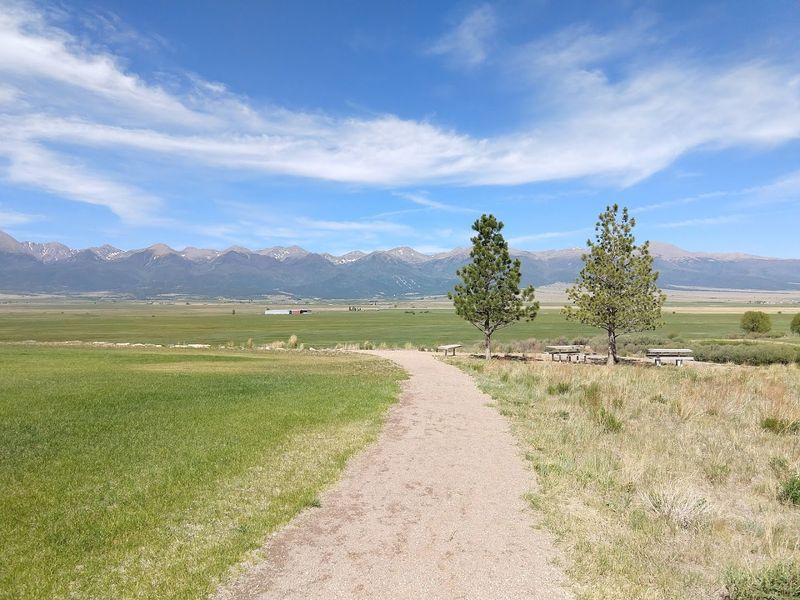
Getting just a few miles outside of Westcliffe on foot opens up sky-watching spots that are even darker than the town itself. The Rainbow Trail is one of the most popular options, running along the base of the Sangre de Cristo range and offering multiple clearings with unobstructed views of the western horizon.
The trail system around Ophir Creek and the Humboldt Peak trailhead also provides access to high-elevation meadows where the combination of altitude and darkness creates exceptional conditions for both daytime hiking and nighttime sky observation.
Many visitors plan a dual-purpose day: hike in the afternoon to reach a good clearing, set up a campsite or a blanket, enjoy the sunset, and then stay for the full night sky experience. The transition from golden mountain light to a full canopy of stars is one of those rare travel moments that genuinely stays with you long after the trip ends.
Camping Under the Stars in the Wet Mountain Valley
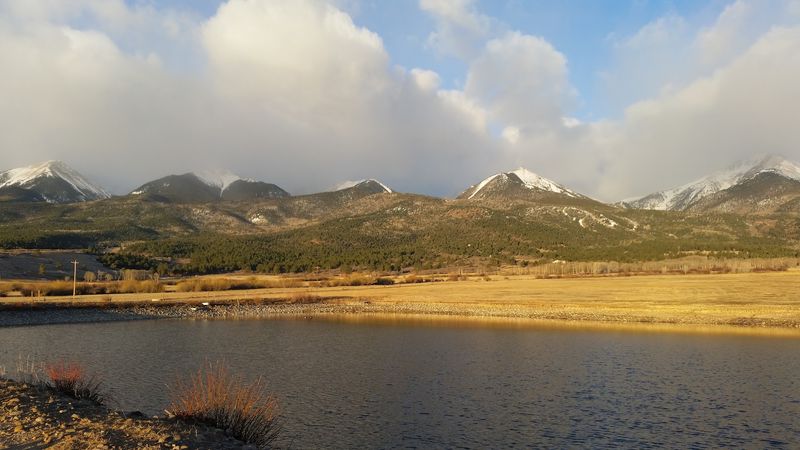
Camping near Westcliffe is one of the most rewarding ways to experience the dark sky designation, because it puts you outside for the full night rather than limiting you to a short evening outing. The San Isabel National Forest surrounds much of the valley and offers numerous dispersed camping areas that are free to use.
Many campers set up along forest roads west of town, where elevation gains quickly and light from the small community fades behind the tree line. A flat meadow clearing at around 9,000 feet gives you an almost perfectly dark horizon in every direction.
Bringing a red-light headlamp is essential for camp chores after dark, since white light ruins night vision quickly. A reclining camp chair or a foam pad for lying flat on the ground transforms the experience from casual sky-watching into something that feels almost meditative, with the entire universe spread out just above your face.
The Annual Dark Sky Festival That Draws Visitors From Across the Country
Each summer, Westcliffe hosts the Dark Sky Festival, a community event that draws amateur astronomers, photographers, and curious visitors from across the state and beyond. The festival typically includes guided telescope viewing sessions, astrophotography workshops, and educational talks about light pollution and the science of the night sky.
Local and visiting astronomy clubs set up large telescopes in open fields, giving attendees a chance to view Saturn’s rings, Jupiter’s moons, and distant galaxies in detail that most people have never experienced outside of a planetarium.
The festival has grown steadily since the town received its dark sky designation, and it now serves as one of the signature events on the Westcliffe calendar. For first-time visitors who want a structured introduction to what the sky here can offer, the festival is a genuinely excellent entry point.
Check the town’s official website at townofwestcliffe.com for current dates and event details each year.
Astrophotography Opportunities That Professionals Seek Out
Photographers who specialize in night sky images have been quietly traveling to the Wet Mountain Valley for years, long before the dark sky designation made it famous. The combination of high altitude, low humidity, minimal light pollution, and the dramatic mountain silhouette creates ideal conditions for long-exposure photography.
A wide-angle lens pointed west captures the Sangre de Cristo peaks as dark shapes against a sky dense with stars, and a 25-second exposure at a high ISO setting can pull in detail that the human eye alone cannot register. The Milky Way core, when it clears the mountains in midsummer, lines up almost perfectly with the ridge line for a natural compositional frame.
The gravel roads outside of town provide stable, flat surfaces for tripod placement, and the lack of traffic at 2 a.m. means no stray headlights ruining a long exposure. Serious photographers often spend multiple nights to catch the conditions they are looking for.
The Small Town Charm That Surrounds the Big Sky
Westcliffe is not just a destination for the night. During the day, the town has a genuinely charming small-town character that feels refreshingly unhurried compared to Colorado’s more tourist-heavy mountain towns.
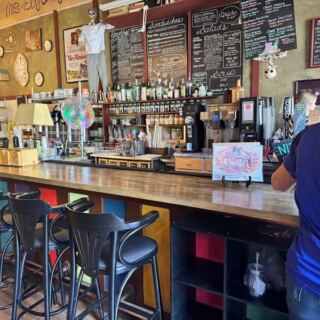
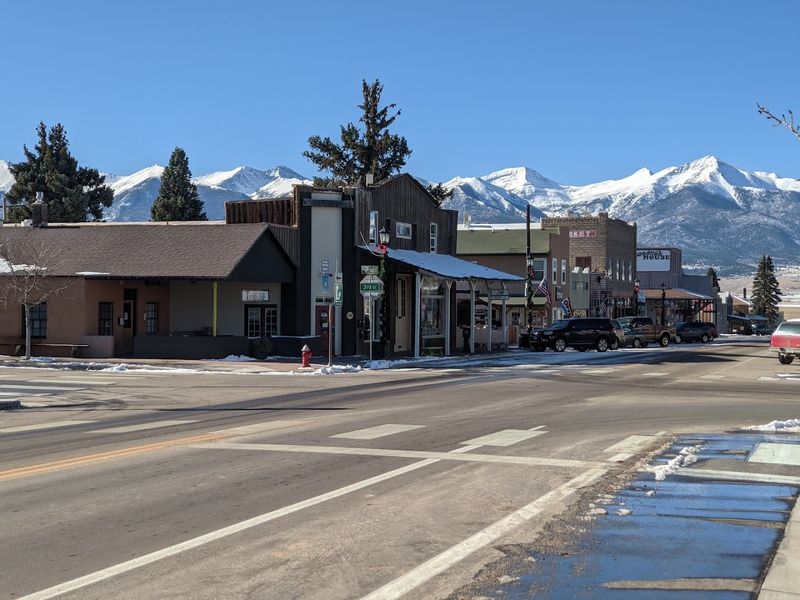
The main street is lined with locally owned shops, a hardware store, a few restaurants, and a small grocery option.
The town has a working, lived-in quality that distinguishes it from resort communities. Ranchers and longtime residents share the sidewalks with visitors, and conversations with locals tend to be warm and straightforward without the transactional feel of a heavily commercialized destination.
Silver Cliff, Westcliffe’s neighboring community just a mile to the east, adds a bit more history and a few additional local businesses to explore. Together, the two towns form a small but surprisingly complete base for a weekend trip that balances outdoor adventure during the day with extraordinary sky-watching after dark.
Wildlife and Nature in the Surrounding Valley
The Wet Mountain Valley is rich in wildlife, and a visit to Westcliffe often includes unexpected animal sightings that add to the overall experience. Mule deer are common throughout the valley floor, frequently visible from the roadside at dawn and dusk.
Pronghorn antelope can sometimes be spotted in the more open grassland areas east of town.
Elk herds move through the surrounding San Isabel National Forest seasonally, and fall brings bugling activity that is audible from campsites in the higher elevations. Raptors including red-tailed hawks, ferruginous hawks, and occasional golden eagles patrol the valley thermals throughout the warmer months.
At night, great horned owls call from the tree lines around town, and the absence of traffic noise makes the valley unusually quiet after dark. That quiet is part of what makes the stargazing feel so immersive, because the natural silence of the place matches the visual stillness of a sky with no light pollution cutting through it.
Practical Tips for Planning Your Trip to Westcliffe
A few practical details can make your Westcliffe trip much smoother. The town is about two hours from Colorado Springs and roughly two and a half hours from Denver, making it a very doable weekend escape without requiring a flight or extended travel planning.
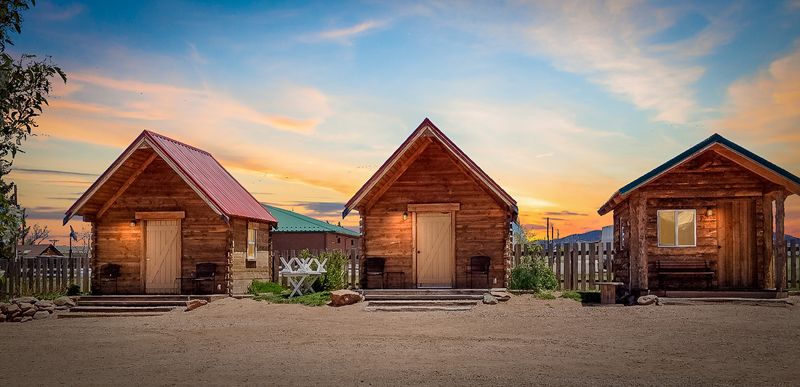
Accommodations in Westcliffe include a small selection of bed and breakfasts, vacation rental cabins, and basic motels. Booking ahead is strongly recommended, especially during the summer festival season and around new moon weekends, when demand from sky-watchers spikes noticeably.
Cell service in the valley can be limited depending on your carrier, so downloading offline maps before you arrive is a smart move. Fuel up before heading into the mountains, since options thin out quickly once you leave the main highway.
The town’s official website at townofwestcliffe.com is the most reliable source for current events, local business listings, and any updates on dark sky programming throughout the year.
Share this story