Atlanta has no shortage of places to eat, but every once in a while, a restaurant comes along that genuinely changes what people expect from a meal out. Tucked beside one of the city’s most beloved parks, this spot has earned not one but two Michelin recognitions, a rare achievement that puts it in elite company.
It runs a morning cafe, a full brunch service, and a dinner program that food lovers plan weeks in advance. The story of how this place went from a neighborhood hangout to a nationally recognized destination is worth knowing, and the details are even better than the headline suggests.
A Green Star That Means More Than Decoration
The Michelin Green Star is not handed out generously. Restaurants earn it by demonstrating a real, measurable commitment to environmental responsibility and sustainable sourcing.
At The Chastain, that commitment shows up in how the menu is built from season to season, prioritizing what local farmers are growing rather than what a corporate supplier has in stock.
Chef Grossman has shaped a kitchen philosophy around working with producers who grow sustainably and who are embedded in the same community the restaurant serves. That philosophy creates a direct connection between the land outside Atlanta and what ends up on the plate inside the dining room.
Every component on the menu, from condiments to bread to sauces, is made in house. That level of control over quality is rare and requires a team that is genuinely invested in the outcome.
The Green Star is a reflection of that investment, and it resonates with guests who care about where their food comes from.
The Michelin Recognition That Turned Heads
Earning a Michelin Star is the kind of achievement most chefs spend an entire career chasing. The Chastain holds both a Michelin Star and a Michelin Green Star, a combination that places it among a very small group of restaurants in Georgia, and an even smaller group nationwide.
The Green Star is particularly meaningful because it recognizes restaurants that lead with a genuine commitment to sustainable gastronomy. That means sourcing thoughtfully, reducing waste, and building relationships with local farmers who share the same values.
It is not a marketing strategy at The Chastain; it is baked into how the kitchen operates every single day.
For Atlanta diners, having a Michelin-honored restaurant this close to a public park feels almost surreal. The recognition has brought national attention to a spot that locals were already quietly devoted to, and it has added a new layer of significance to every reservation booked since the announcement.
Morning Coffee, Pastries, and Park Views
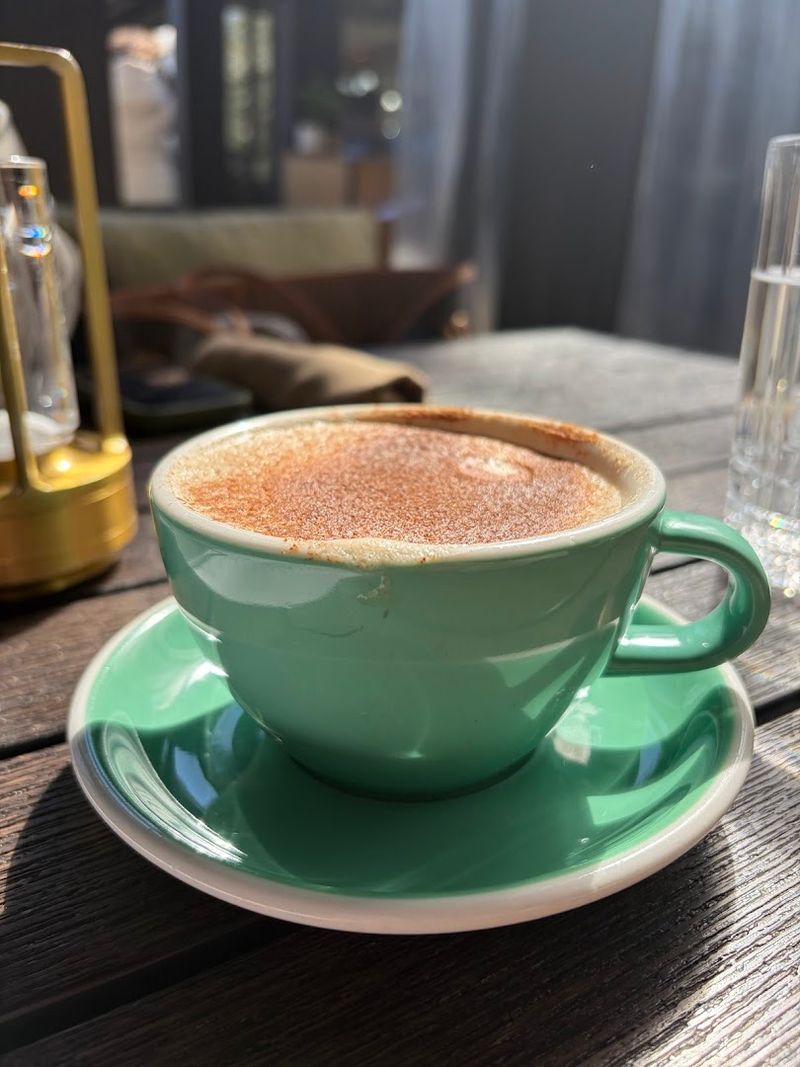
Before the lunch crowd arrives and long before the dinner reservations fill up, The Chastain operates as a neighborhood cafe that draws in joggers, dog walkers, and anyone finishing a loop around Chastain Park. The cafe opens at 7 AM on weekdays and 8 AM on weekends, making it one of the more civilized ways to start a morning in this part of Atlanta.
Pastries sell out. That is not a warning so much as a fact of life at this place, and ordering early is the move.
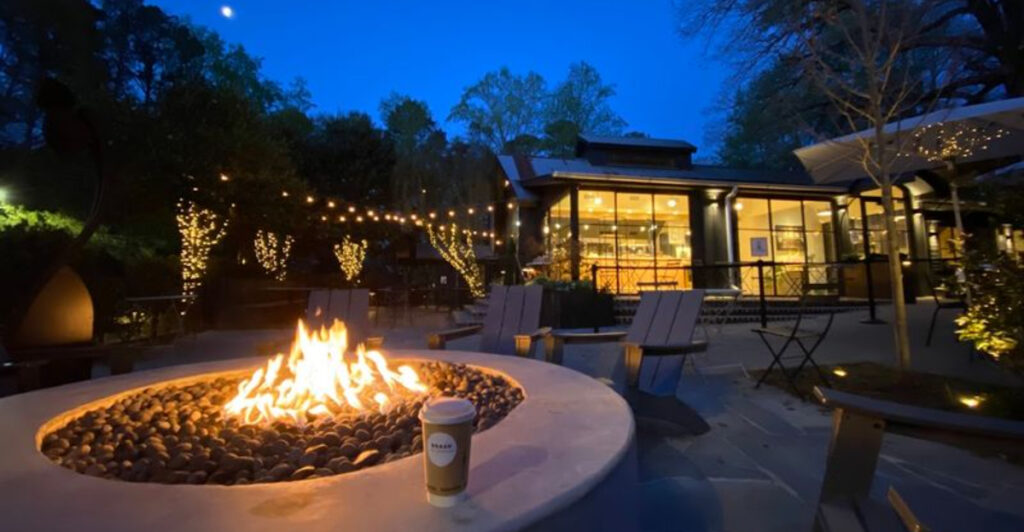
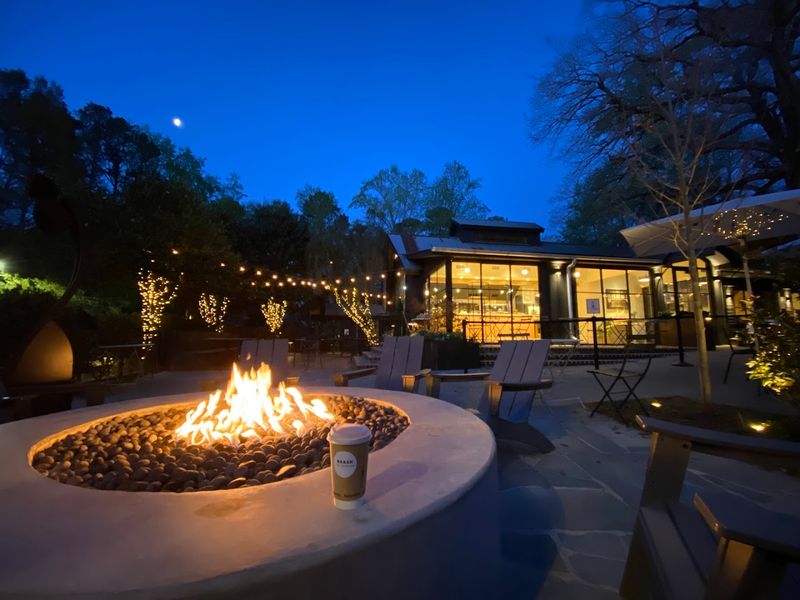
The outdoor seating area near the fire pit gives the whole experience a relaxed, unhurried quality that is hard to find at most spots in a city that moves as fast as Atlanta does.
Dogs are welcome on the patio, which explains why the outdoor area tends to fill up with four-legged regulars alongside their owners. The cafe section functions almost like a community hub, one that happens to serve exceptional coffee and baked goods made entirely from scratch.
Brunch That Earns Its Reputation
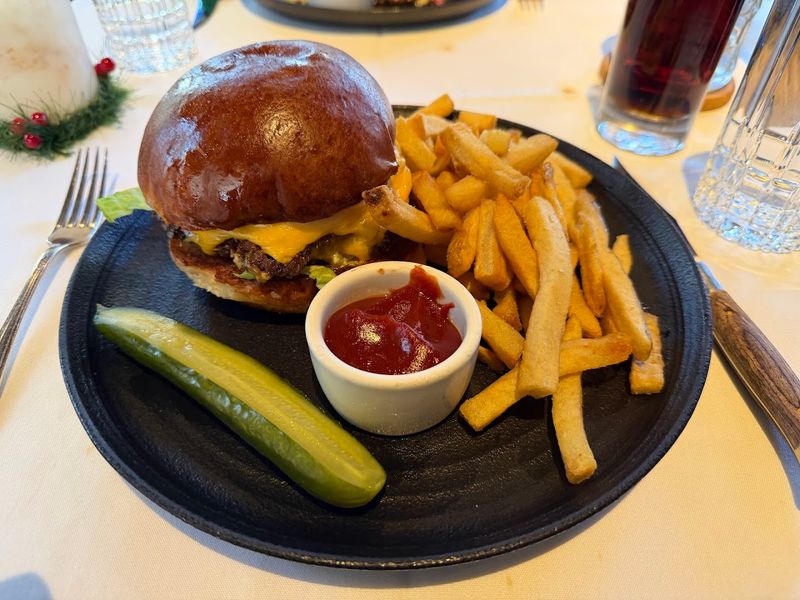
Brunch at The Chastain runs Tuesday through Sunday, closing at 2 PM each day. The service covers a range that goes well beyond the typical eggs-and-toast format.
The kitchen brings the same sourcing standards and in-house production to the midday menu that it applies to dinner, which means the quality gap between brunch and a full evening tasting menu is much smaller than expected.
Reservations are strongly recommended for the indoor dining room. Outdoor seating on the covered patio tends to operate on a first-come, first-served basis, which gives spontaneous visitors a real option, especially when the weather cooperates.
The patio is covered, so even cooler months do not necessarily rule out an outdoor table.
There is a kids menu available, with entrees priced between twelve and fifteen dollars, which makes the restaurant more accessible to families than its Michelin status might initially suggest. Brunch here feels like a proper occasion without requiring guests to treat it like one.
Dinner Service That Operates on a Different Level
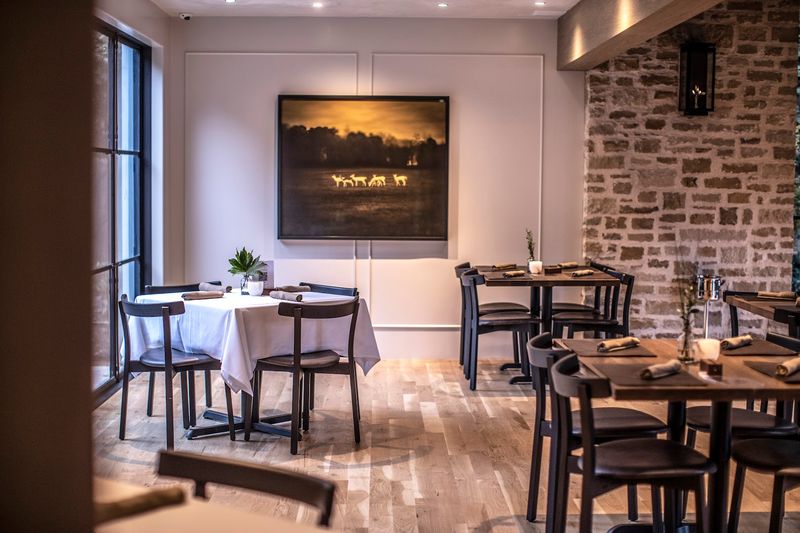
The dinner program at The Chastain is where the Michelin recognition becomes easiest to understand. The kitchen shifts into a more focused mode in the evenings, with a menu built around courses that reward patience and attention.
Four-course dinners are popular, and the kitchen designs the progression to feel intentional rather than arbitrary.
A tasting menu option is also available for guests who want the full experience. Those who have done it describe the garden tour that accompanies the tasting menu as one of the more distinctive additions to an Atlanta dining experience, offering a look at where some of the restaurant’s ingredients are actually grown on site.
The dining room keeps its lighting low and its atmosphere warm without being stiff. Conversations carry easily, and the pace of service is calibrated to let guests settle into the meal rather than feel pushed through it.
For a special occasion or a deliberate night out, dinner here sets a high bar.
Chef Grossman and the Kitchen Philosophy
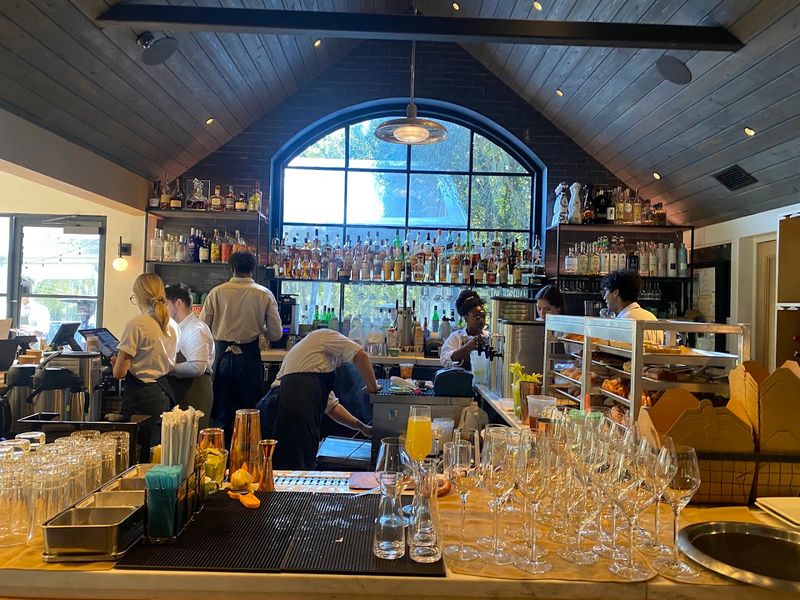
Chef Grossman is the name behind the kitchen at The Chastain, and the philosophy that runs through the restaurant reflects a clear point of view. Every element on the menu is made in house, which is a commitment that requires more labor, more skill, and more consistency than most kitchens are willing to sustain.
At The Chastain, it is simply how things are done.
The approach extends to sourcing. Relationships with local farmers are not a talking point here but a genuine operational foundation.
The menu changes with the seasons because the kitchen builds around what those farmers are actually producing, not around what a static recipe card demands year-round.
That philosophy creates a menu that rewards repeat visits. Guests who come back across different seasons will encounter a noticeably different experience each time, which keeps the restaurant feeling alive and current rather than predictable.
Chef Grossman has built something that reflects genuine conviction, and the Michelin recognition confirms that conviction translates on the plate.
The In-House Production That Sets This Place Apart
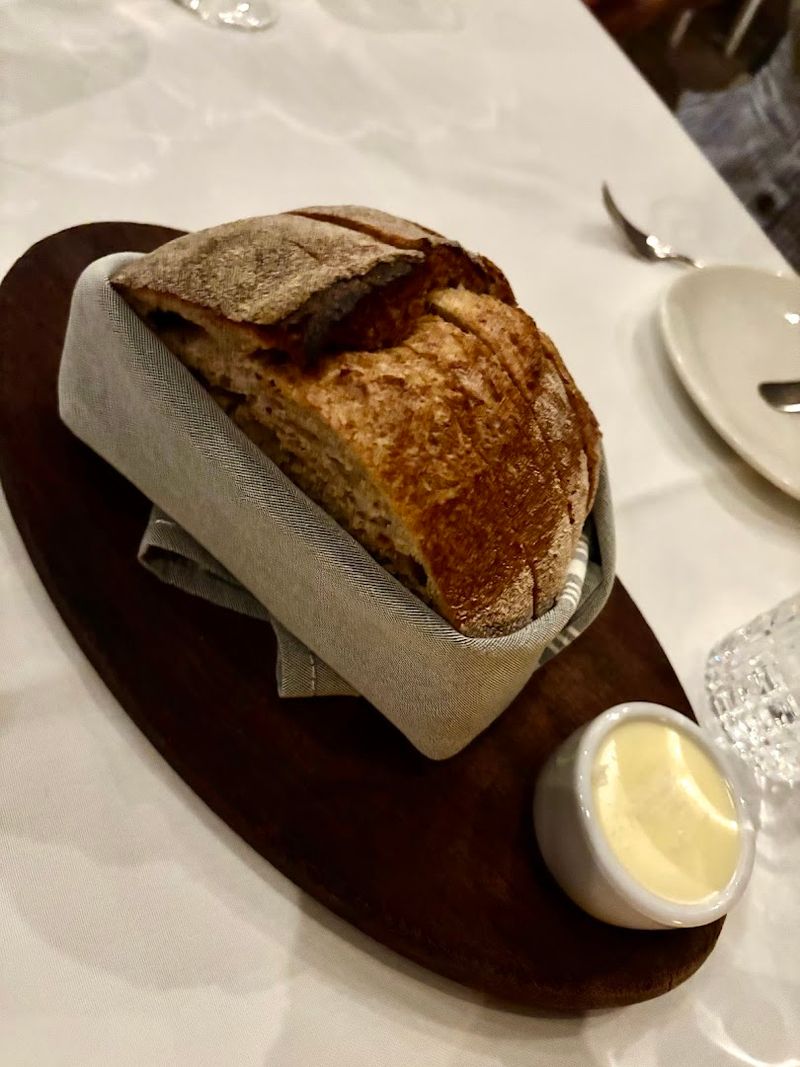
Most restaurants buy their bread. Most buy their condiments, their sauces, and their pastries from suppliers who handle that work off site.
The Chastain does none of that. Everything on the menu, including the bread, the ketchup, the aioli, the fries, and every pastry in the cafe case, is produced entirely in house by the kitchen team.
That level of control is unusual even among high-end restaurants. It means the kitchen can adjust recipes based on what ingredients are at their peak, and it means the flavor profile of each component is intentional rather than inherited from a third-party manufacturer.
Guests who pay close attention will notice a consistency and depth in even the simplest accompaniments that is hard to explain until you understand the process behind them.
The owner response to a critical review spelled it out plainly: the burger costs what it costs because talented people made every single part of it, using fresh local ingredients, and those people deserve fair compensation for their work.
The Covered Outdoor Space That Works Year-Round
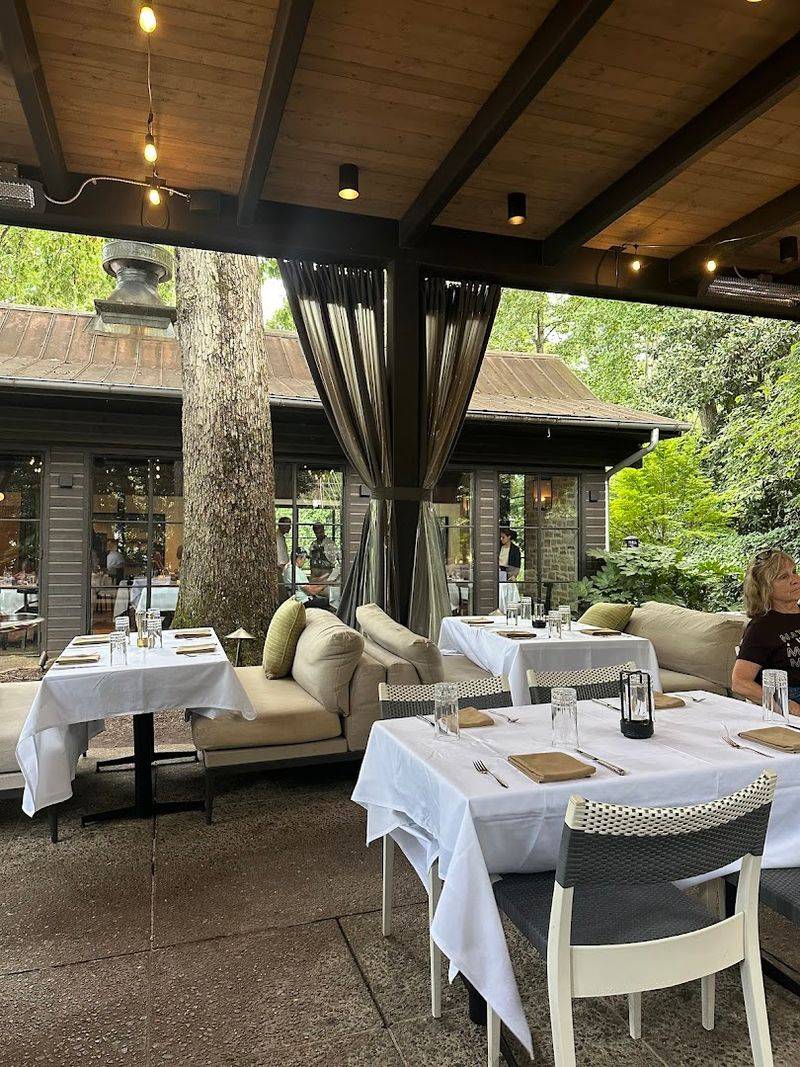
Outdoor dining in Atlanta can be unpredictable, but The Chastain’s covered patio takes most of the weather variables out of the equation. The tent structure keeps the space functional across seasons, and the fire pit adds warmth on cooler evenings without making the area feel like a compromise compared to the indoor dining room.
The patio draws a lively crowd, particularly during brunch. Dogs are allowed outside, which is a detail that matters enormously to a certain segment of Atlanta residents who plan their dining choices around whether their pets can come along.
On busy weekend mornings, the outdoor area fills with a mix of post-workout regulars, families, and people who simply prefer open air with their coffee.
The covered balcony seating gives the space a more relaxed atmosphere compared to the more formal indoor room. Guests who want a laid-back experience without sacrificing quality tend to gravitate toward the patio, and it delivers on that expectation consistently.
Chastain Park: The Neighbor That Elevates Everything
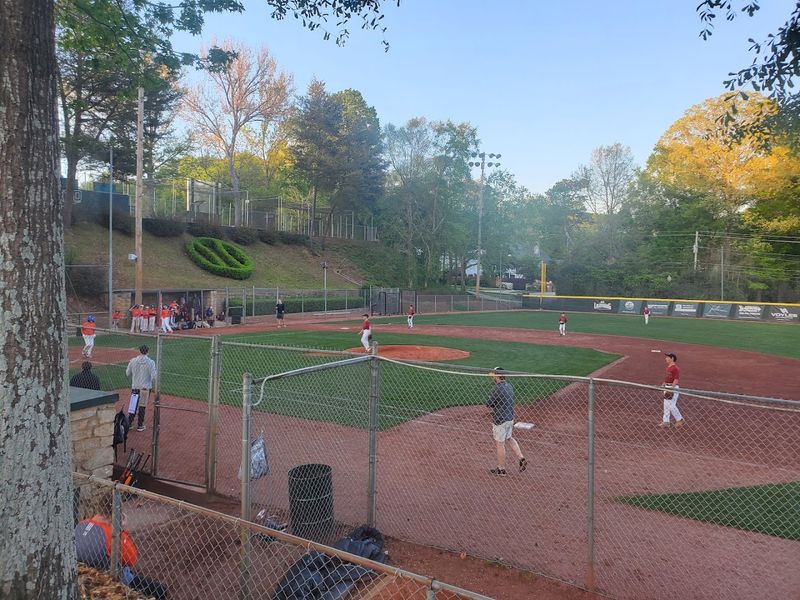
Chastain Park is one of Atlanta’s largest urban parks, covering more than 268 acres and offering everything from a golf course to an amphitheater to walking trails. The Chastain restaurant sits right beside it, and that proximity shapes the entire rhythm of the place in ways that go beyond simple geography.
Mornings at the restaurant are populated largely by people finishing their park workouts. The golf course regulars stop in after their rounds.
Concert-goers at the Chastain Park Amphitheater have turned a pre-show dinner at the restaurant into a reliable part of their evening ritual. The park and the restaurant function as natural complements to each other, drawing from the same community and feeding the same habits.
That connection to the park gives The Chastain a sense of belonging that transplanted restaurants rarely achieve. The location is not just a backdrop; it actively shapes who comes in, when they arrive, and what kind of experience they are looking for when they sit down.
Seasonal Menus That Reward Repeat Visits
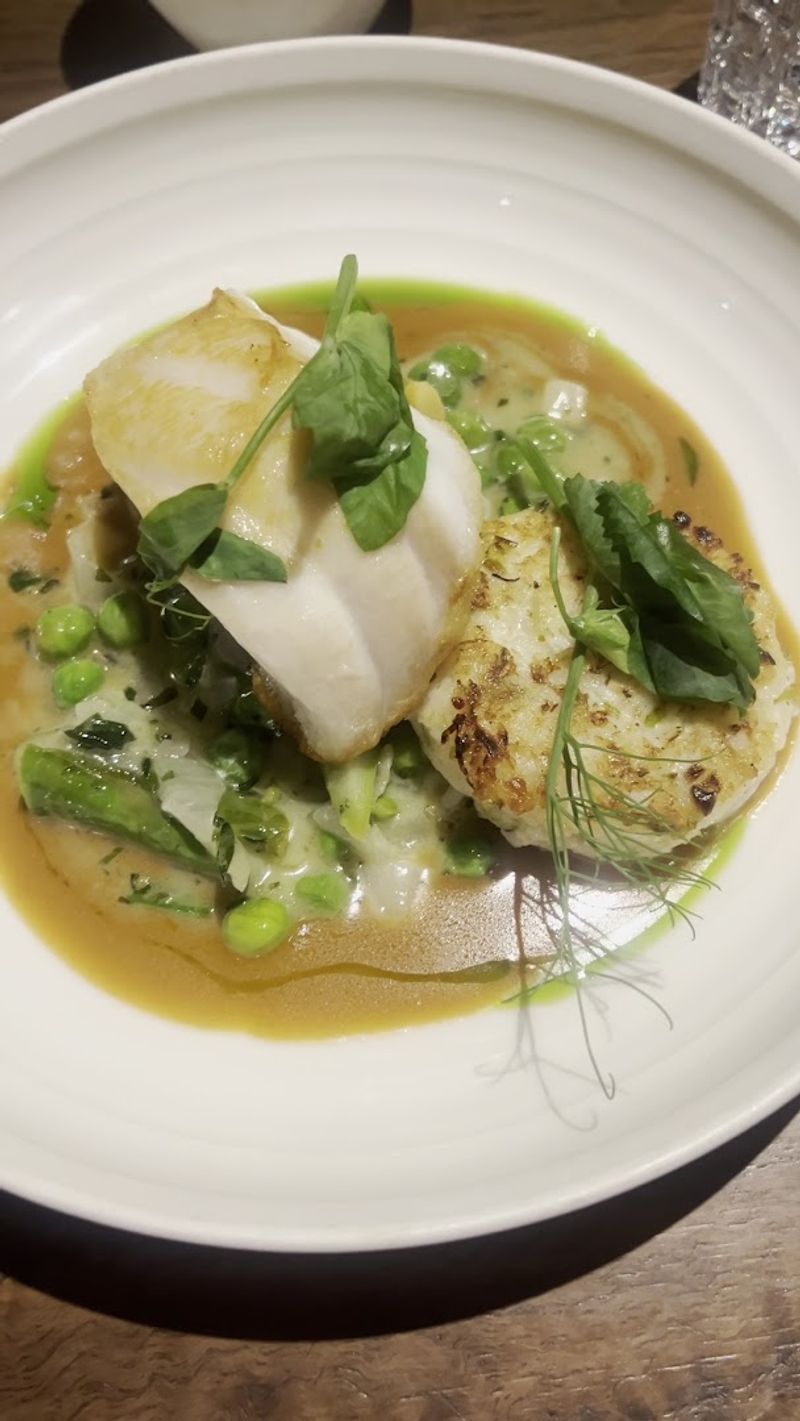
One of the clearest signs that a restaurant is operating with genuine intention is a menu that actually changes. At The Chastain, the seasonal rotation is not cosmetic.
The kitchen builds its offerings around what local farmers are producing, which means the menu in spring looks noticeably different from what arrives in fall or winter.
That commitment creates a compelling reason to return. Guests who visit once for brunch and come back months later for dinner will find a different menu waiting for them, built from different ingredients, reflecting a different point in the growing season.
The core philosophy stays constant while the execution keeps moving forward.
World-class ingredients handled with care and creativity is the standard the kitchen holds itself to. The tasting menu format amplifies this approach, walking guests through a progression of courses that reflect the season in a structured way.
For anyone who values cooking that is rooted in time and place, the rotating menu is one of the most compelling reasons to keep coming back.
A Community Restaurant That Grew Into Something Bigger
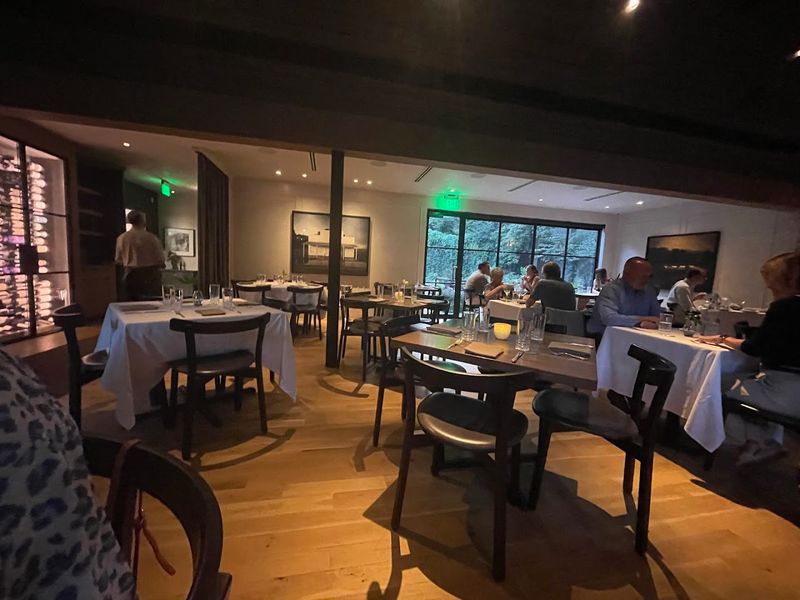
The Chastain opened during a period when the restaurant industry was under enormous pressure, and it built its following through consistency, quality, and a clear sense of purpose. The early regulars who discovered it during that time became loyal advocates, and word spread the way it always does with genuinely good restaurants: slowly at first, then all at once.
The restaurant has celebrated milestones alongside its guests. Anniversaries, birthdays, and special occasions have become part of its story, woven into the fabric of the neighborhood it serves.
That kind of relationship between a restaurant and its community takes years to build and is not easily replaced.
The Michelin recognition brought outside attention, but the foundation was always local. The Sandy Springs and northwest Atlanta community claimed The Chastain as its own long before any national publication caught on.
That sense of ownership is still visible in the dining room, where familiar faces mix with first-time visitors who arrived because of the accolades and stayed because the food justified every word written about it.
Why This Restaurant Keeps Drawing People Back
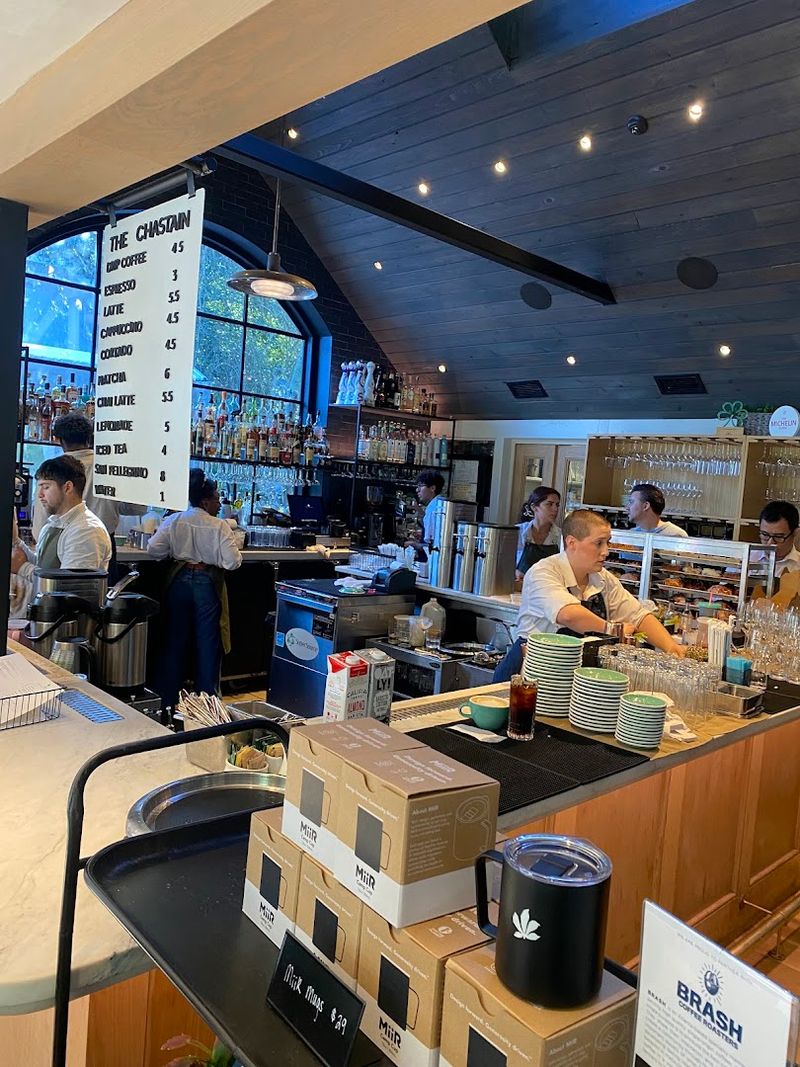
Repeat visits at The Chastain are not driven by novelty. They are driven by a restaurant that has figured out how to maintain quality across different dayparts, different seasons, and different guest expectations.
Morning coffee regulars and tasting menu devotees are eating under the same roof, and both groups leave satisfied.
The staff knowledge level is consistently noted as a standout element. Servers who understand the menu deeply, who can explain the sourcing behind a dish or recommend a course pairing with genuine confidence, make the difference between a good meal and a memorable one.
That kind of training reflects a kitchen and management team that takes the guest experience seriously from the first cup of coffee to the final course.
Atlanta has earned a reputation as a serious food city over the past decade, and The Chastain is one of the restaurants responsible for that reputation. The combination of Michelin recognition, sustainable sourcing, in-house production, and community roots makes it more than a great place to eat.
It is the kind of restaurant that a city remembers.
Where History Meets a Modern Table
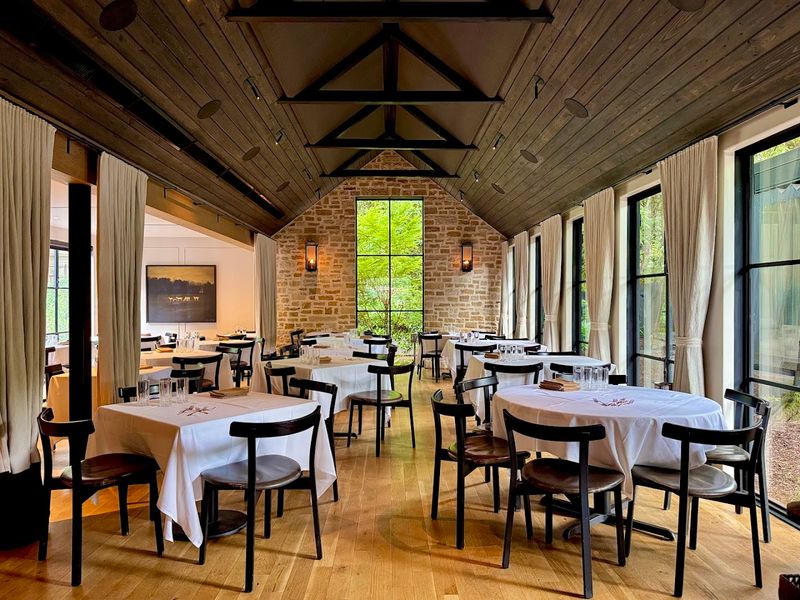
At 4320 Powers Ferry Rd NW, Atlanta, GA 30342, The Chastain sits just steps away from Chastain Park, one of the largest urban parks in the entire city. The location is not accidental.
The building carries a character that newer constructions rarely manage to replicate, and the surrounding greenery gives the whole property a grounded, rooted feeling that most urban restaurants spend years trying to manufacture.
The neighborhood itself is Sandy Springs adjacent, sitting in the northwest corner of Atlanta where tree-lined streets meet upscale residential blocks. Getting there can involve navigating some traffic, but most people who make the trip agree the destination justifies the drive.
Valet parking is available and complimentary with a reservation, though tips are expected. Knowing the layout of nearby parking lots can also help if guests prefer to walk in on their own terms.
The setting alone sets a tone before anyone even opens the door.
Share this story