Most birdwatchers know the big-name parks, but some of the planet’s most jaw-dropping bird encounters happen in wetlands that barely appear on tourist maps. These overlooked regions shelter species that exist nowhere else on Earth, from enormous storks that stand taller than a ten-year-old to tiny sandpipers that migrate halfway around the world just to feed on a specific stretch of mudflat.
Wetlands cover only about six percent of Earth’s land surface, yet they support more than forty percent of all known species, making them wildly productive for wildlife. The thirteen regions in this article range from a Brazilian floodplain the size of a small country to a restored valley in northern Israel where millions of cranes perform a choreography that no air show could match.
Grab your binoculars, update your bird list, and prepare to be genuinely surprised by how much life fits inside a marsh.
1. Pantanal, Mato Grosso and Mato Grosso do Sul, Brazil
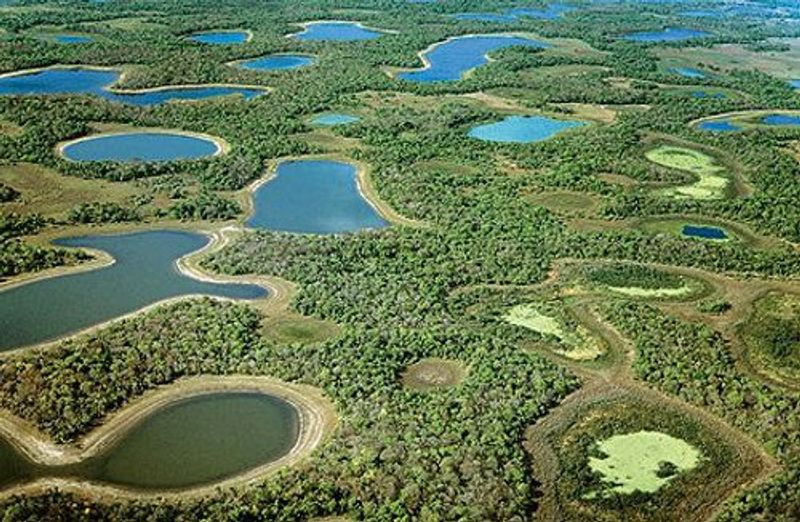
Brazil keeps one of its greatest secrets tucked away from the crowds that flock to the Amazon. The Pantanal is the largest tropical wetland on Earth, covering roughly 150,000 square miles across two Brazilian states.
Seasonal floods reshape the landscape every year, turning dry grasslands into a vast network of marshes, lagoons, and river channels. That constant cycle of flooding and draining is exactly what makes the habitat so productive for birds.
Hyacinth macaws, the largest parrot species in the world, nest in the region’s palm trees. Jabiru storks, which can reach nearly five feet tall, patrol the shallow water with an almost regal confidence.
Roseate spoonbills add a splash of pink that stops first-time visitors in their tracks. Over 650 bird species have been recorded here, and the Pantanal remains far less crowded than most famous wildlife destinations in South America.
2. Danube Delta, Romania and Ukraine
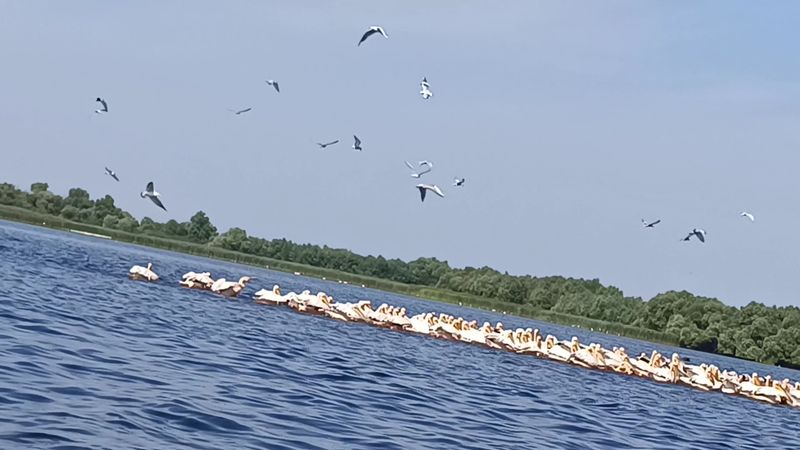
Europe has its own version of a wild, bird-packed wetland, and most travelers drive right past it on the way to beach resorts. The Danube Delta forms where Europe’s second-longest river fans out into the Black Sea, creating a labyrinth of channels, reed islands, and freshwater lakes.
Over 300 bird species have been recorded here, including the largest breeding colony of great white pelicans in Europe. Common cormorants, glossy ibises, and pygmy cormorants also nest in impressive numbers throughout the reed beds.
UNESCO added the delta to its World Heritage list in 1991, recognizing its global ecological importance. The best way to explore it is by small boat, which allows access to channels too narrow for larger vessels.
Local fishermen have lived alongside the wildlife for centuries, and their traditional wooden boats still navigate the same waterways that pelicans have used for thousands of years.
3. Okavango Delta, Botswana
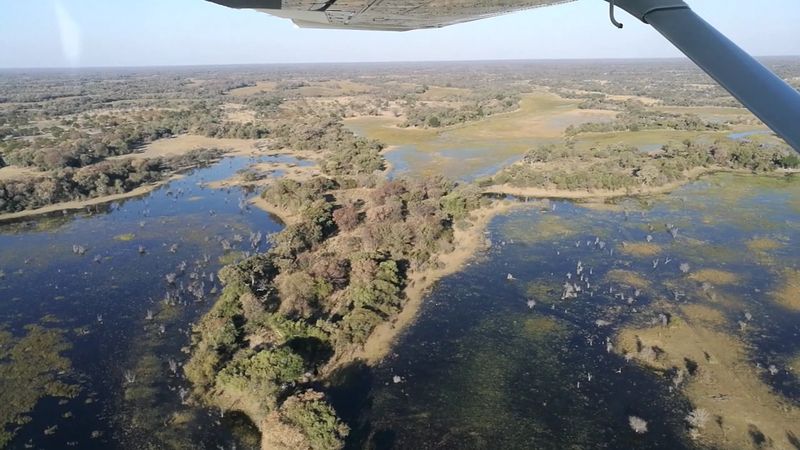
Most river deltas end at the ocean, but the Okavango does something far more dramatic: it disappears into the middle of the Kalahari Desert. Every year, floodwaters from Angola travel hundreds of miles to create a temporary inland sea in one of Africa’s driest regions.
African fish eagles claim the tallest trees as lookout posts, scanning the water below with precision. Wattled cranes, one of Africa’s most endangered large birds, breed in the delta’s quieter channels away from tourist traffic.
The slaty egret, a species found in very few places on Earth, depends heavily on the Okavango for its survival. Birdwatchers who make the trip often count over 400 species in a single visit.
Mokoro canoes, traditional dugout boats used by local communities for generations, remain the quietest and most bird-friendly way to move through the flooded papyrus beds without disturbing nesting colonies.
4. Kakadu Wetlands, Northern Territory, Australia
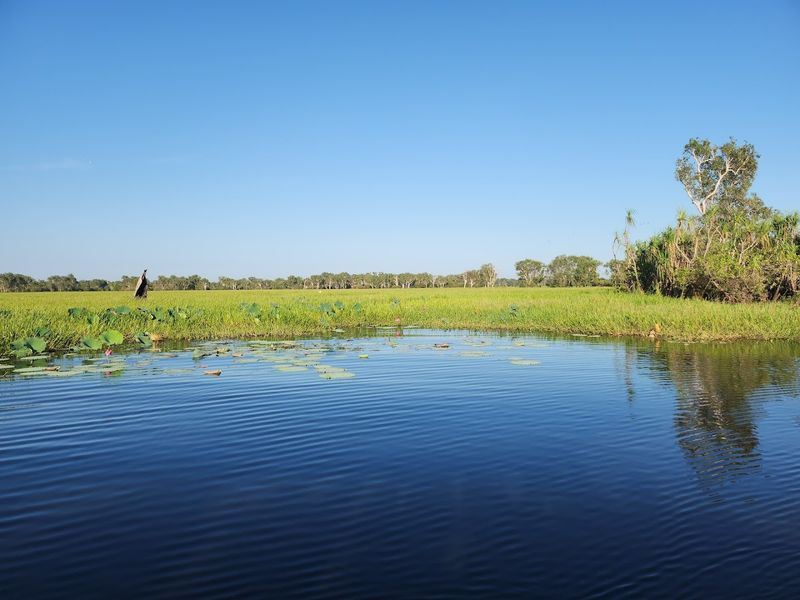
Australia’s Northern Territory holds a wetland system so large and so packed with wildlife that it earned UNESCO World Heritage status for both its natural and cultural values at the same time. Kakadu National Park covers nearly 8,000 square miles of billabongs, floodplains, and river systems.
Magpie geese gather here in flocks that can number in the tens of thousands during the dry season, creating one of the continent’s most dramatic wildlife spectacles. Brolga cranes perform elaborate courtship displays on the open floodplains, a behavior that Aboriginal communities have incorporated into traditional dance for generations.
The park also shelters rare shorebirds and migratory waders that travel from as far as Siberia each year. Gouldian finches, one of Australia’s most brilliantly colored birds, can be spotted near seasonal wetlands during the right months.
The combination of ancient rock art, Indigenous cultural heritage, and exceptional birdlife makes Kakadu unlike any other wetland destination on this list.
5. Coto Doñana, Andalusia, Spain
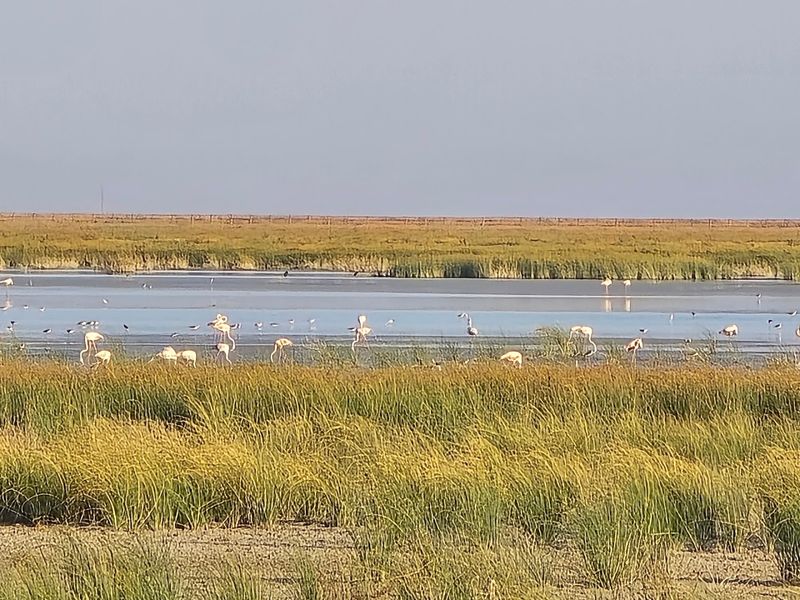
Just a short drive from the beach resorts of southern Spain lies a wetland that millions of tourists never bother to visit, and the birds are very grateful for that oversight. Doñana National Park protects a mosaic of marshes, dunes, scrubland, and seasonal lagoons at the mouth of the Guadalquivir River.
Greater flamingos wade through the shallow marshes in pink-tinged groups that look almost too theatrical to be real. The park serves as a critical refueling stop for hundreds of millions of birds migrating between Europe and sub-Saharan Africa each spring and autumn.
Spanish imperial eagles, one of the world’s rarest raptors, nest in the cork oak woodlands bordering the wetlands. The park also supports the last viable population of the Iberian lynx, though the birds tend to steal most of the attention.
Guided 4×4 tours operate through restricted zones, giving birdwatchers access to areas that regular visitors cannot reach on foot.
6. Keoladeo National Park, Rajasthan, India
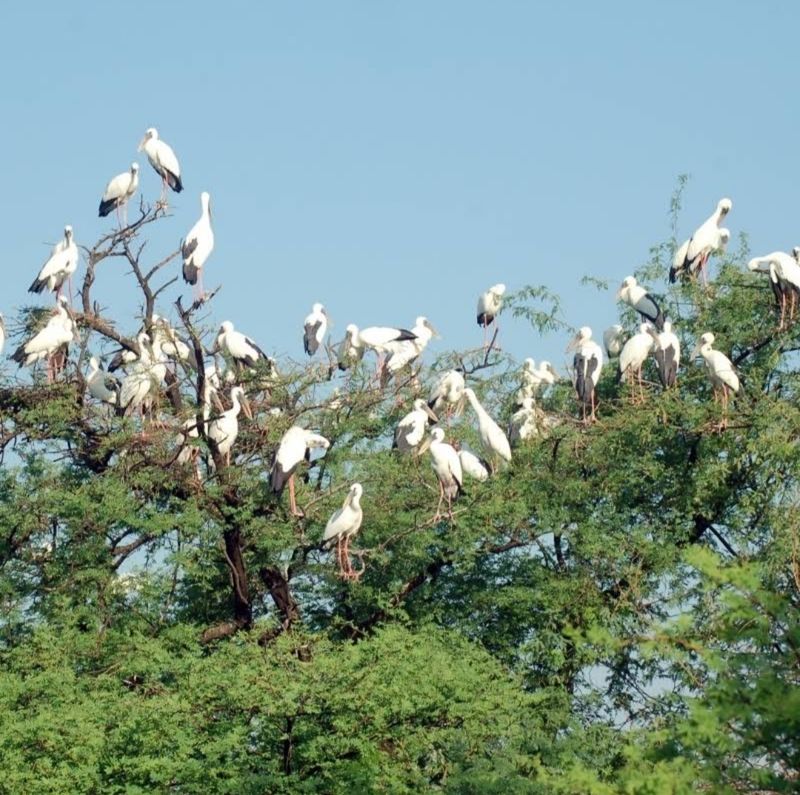
Built originally as a duck-hunting reserve for the Maharaja of Bharatpur in the 1850s, this park has completed one of conservation’s most satisfying turnarounds. Today, Keoladeo National Park is a UNESCO World Heritage Site and one of Asia’s most celebrated birdwatching destinations.
Painted storks nest in enormous colonies in the park’s trees, creating a visual spectacle that draws photographers from dozens of countries every winter. The carefully managed wetland system supports over 370 bird species across different seasons.
Siberian cranes once wintered here in significant numbers, though their visits have become rare in recent decades due to habitat pressures along their migration route. The park continues to attract sarus cranes, which are the world’s tallest flying birds, along with dozens of duck and wader species.
Cycle rickshaws are the preferred transport inside the park, keeping the environment quiet enough that even shy species remain visible at close range throughout the day.
7. Sian Ka’an Biosphere Reserve, Quintana Roo, Mexico
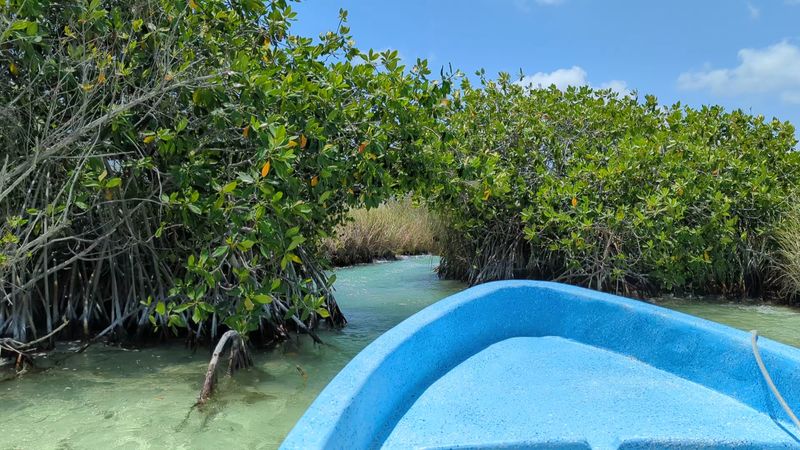
Most visitors to Mexico’s Caribbean coast stay firmly planted on the beach, completely unaware that one of the Western Hemisphere’s most important biosphere reserves begins just a few miles away. Sian Ka’an, which means ‘where the sky is born’ in the Mayan language, protects over 1.3 million acres of coastal wetlands, mangroves, and lagoons.
Jabiru storks, the largest flying birds in the Americas, nest in the reserve’s tall trees and can be spotted patrolling the lagoons for fish. Ospreys are year-round residents, while roseate spoonbills and multiple heron species populate the mangrove edges.
The reserve’s relative isolation from mass tourism has kept its ecosystems in remarkably good shape. Over 330 bird species have been recorded within its boundaries, including several that are difficult to find anywhere else in Mexico.
Boat tours through the reserve’s canal system offer access to nesting areas and feeding grounds that are completely inaccessible by land, making the water the only real road here.
8. Camargue, Provence-Alpes-Côte d’Azur, France
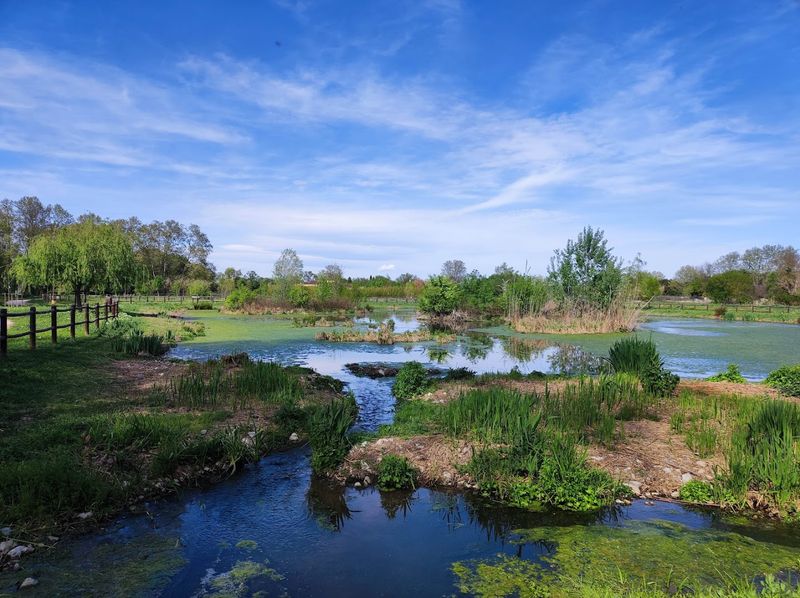
France is not the first country that comes to mind when someone mentions wild wetlands, but the Camargue has been quietly defying expectations for centuries. This 360-square-mile wetland sits in the Rhone River delta, wedged between the Mediterranean coast and the agricultural lowlands of Provence.
Greater flamingos are the region’s most famous residents, with a breeding colony that regularly exceeds 10,000 pairs, making it one of the largest in Europe. Salt lagoons, freshwater marshes, and reed beds create a layered habitat that supports over 400 bird species across the calendar year.
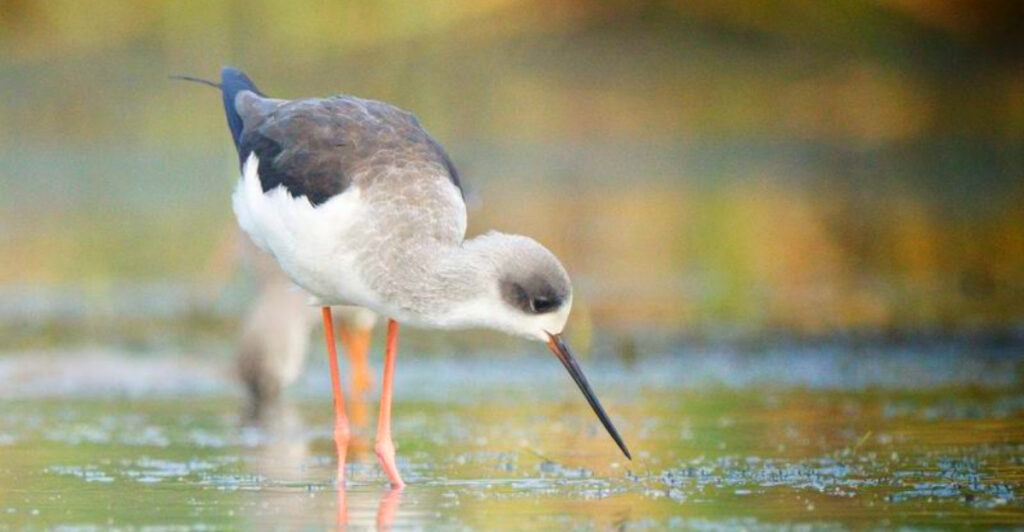
Little egrets, purple herons, and marsh harriers are common sights along the water’s edge. The Camargue also hosts important populations of black-winged stilts and avocets, two waders with a flair for elegant black-and-white color schemes.
The region is also known for its white horses and black bulls, which share the wetland with the birds in an arrangement that has remained unchanged for hundreds of years.
9. Hula Valley, Northern Israel
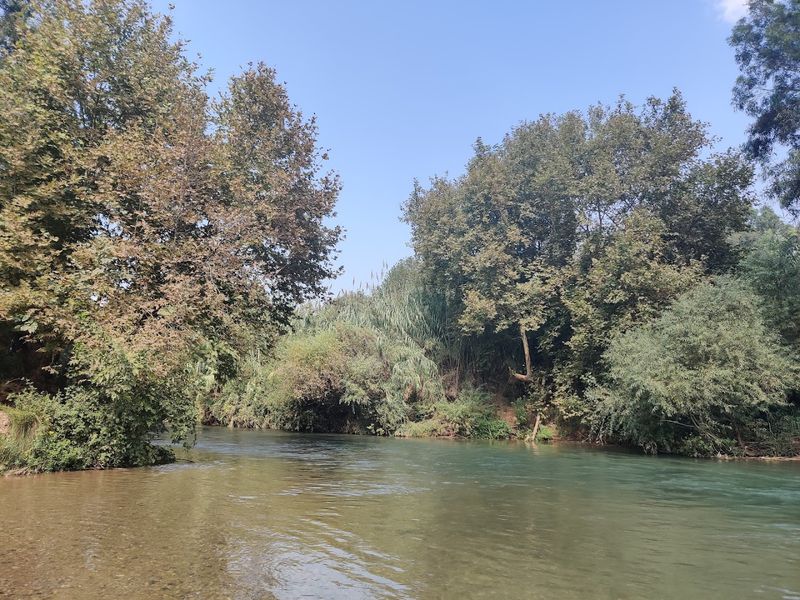
Few wetland stories involve a dramatic mistake, a costly fix, and a happy ending, but the Hula Valley has all three. In the 1950s, the original Hula Lake was drained for agriculture, wiping out a critical bird migration corridor almost overnight.
By the 1990s, the ecological damage was severe enough that authorities began reflooding parts of the valley. The birds came back faster than anyone predicted.
Today, an estimated 500 million birds pass through the Hula Valley annually during spring and autumn migrations, making it one of the busiest aerial highways on Earth. Common cranes winter here in flocks that sometimes exceed 50,000 individuals, gathering in the flooded fields each evening in numbers that stretch the imagination.
White storks, raptors, and dozens of waterbird species also stop to rest and feed during their journeys between Africa and Europe. The Agamon Hula reserve has built excellent observation infrastructure, including boardwalks and hides positioned specifically for birdwatching.
10. Everglades, Florida, USA
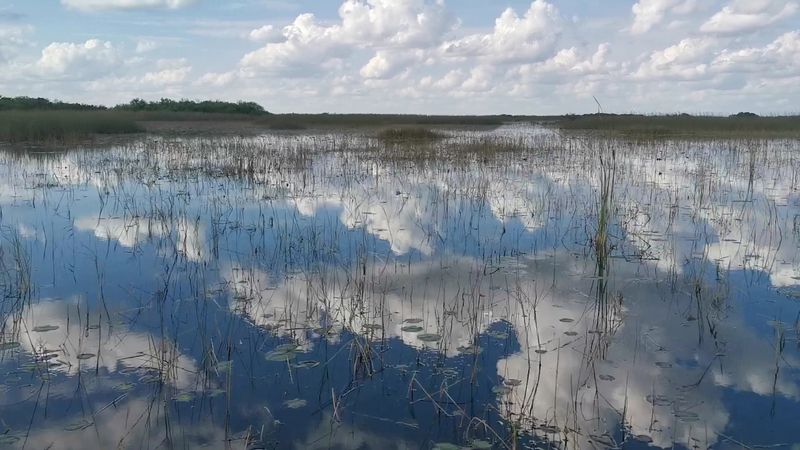
The Everglades covers about 1.5 million acres of protected land, yet large portions of it remain genuinely difficult to reach without a boat or a very long hike. That inaccessibility is exactly why so many rare birds still breed here in healthy numbers.
Roseate spoonbills nest in the mangrove islands near Florida Bay, their hot-pink plumage making them impossible to miss even from a distance. Wood storks, which are listed as threatened, depend on the Everglades’ seasonal water levels to concentrate the fish they need for successful breeding.
The snail kite is one of the park’s most specialized residents, feeding almost exclusively on apple snails found in the freshwater marshes. Anhingas, limpkins, and purple gallinules add to a bird list that exceeds 360 species for the entire park.
Water management decisions made far outside the park’s boundaries continue to affect bird populations inside it, making the Everglades one of conservation’s most closely watched ongoing projects.
11. Wadden Sea, Netherlands, Germany, and Denmark
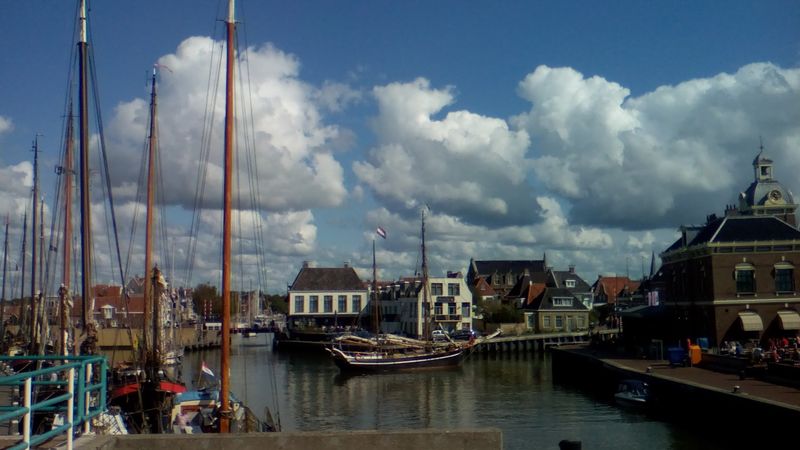
At low tide, the Wadden Sea reveals a mudflat the size of a small country, stretching for nearly 500 miles along the coasts of three nations. This tidal zone is so productive that it fuels the migrations of up to 12 million shorebirds every year.
Red knots, bar-tailed godwits, and dunlins stop here to feed intensively before continuing their journeys to Arctic breeding grounds or African wintering sites. The mudflats are extraordinarily rich in invertebrates, providing birds with exactly the high-calorie food they need to complete long-distance flights.
UNESCO designated the Wadden Sea a World Heritage Site in 2009, recognizing its global importance as a migratory staging area. Spoonbills breed on several of the low-lying islands within the system, a relatively recent development that conservationists consider a sign of ecological recovery.
The best viewing points are along the seawall paths and barrier islands, where observation platforms have been positioned to minimize disturbance to feeding flocks.
12. Sundarbans Wetlands, Bangladesh and India
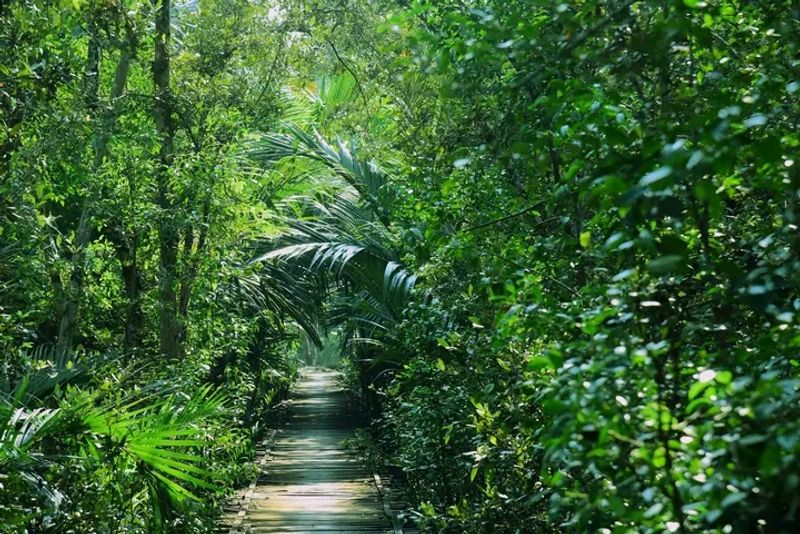
The Sundarbans holds a reputation built almost entirely on Bengal tigers, but the birdlife here is extraordinary enough to justify a trip on its own merits. This mangrove forest, the largest in the world, spans about 4,000 square miles across the delta of the Ganges, Brahmaputra, and Meghna rivers.
Collared kingfishers, brown-winged kingfishers, and the rare ruddy kingfisher all inhabit the tidal channels, making the Sundarbans one of the best kingfisher destinations on Earth. Masked finfoots, one of Asia’s most secretive waterbirds, hide in the tangled root systems along the water’s edge.
Mangrove pitta, a brilliantly colored bird rarely seen outside dense coastal forests, is another species that rewards patient observers. Over 300 bird species have been recorded across the Indian and Bangladeshi sections combined.
Boat-based tours are the only practical way to explore most of the region, with tigers, saltwater crocodiles, and Irrawaddy dolphins regularly appearing alongside the birds.
13. Mangalajodi Wetlands, Odisha, India
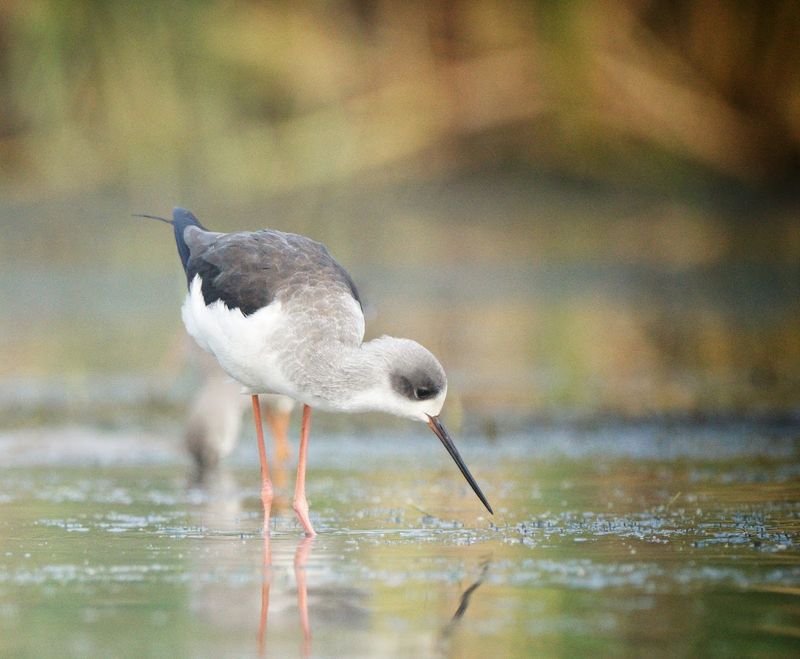
Not long ago, Mangalajodi was better known for poaching than for birdwatching, which makes its current status as a conservation model all the more impressive. Local villagers who once hunted waterbirds have transformed into their most dedicated protectors, and the results are visible from the moment you arrive at the lake’s edge.
Chilika Lake is Asia’s largest coastal lagoon, and Mangalajodi sits on its northern shore where the water is shallow enough for wading birds to feed comfortably. Each winter, over 100,000 migratory birds arrive from Central Asia, Siberia, and the Himalayas, covering the wetland in a constantly shifting carpet of wings.
Northern pintails, garganeys, and bar-headed geese are among the most numerous winter visitors. Purple moorhens, jacanas, and spot-billed pelicans are year-round residents that add variety outside the migration season.
Community-run boat tours keep visitor numbers manageable and direct tourism income back into the village, creating a direct financial reason for locals to keep protecting the birds.
Share this story