History has a way of reminding us how quickly an ordinary day can turn into something nobody expected. Some of the most dramatic moments in recorded history were not planned attacks or deliberate acts, but accidents, equipment failures, and chemical disasters that spiraled far beyond anyone’s control.
What makes these events especially fascinating is not just the scale of the physical damage, but the wave of fear, confusion, and misinformation that followed each one. From a harbor explosion that leveled an entire city district to a nuclear meltdown that put a continent on edge, these twelve moments reveal how powerfully panic can shape public memory and policy for decades to come.
Read on to see how each incident unfolded, why people reacted with such fear, and what lasting changes each accident left behind.
1. The Halifax Explosion (1917)
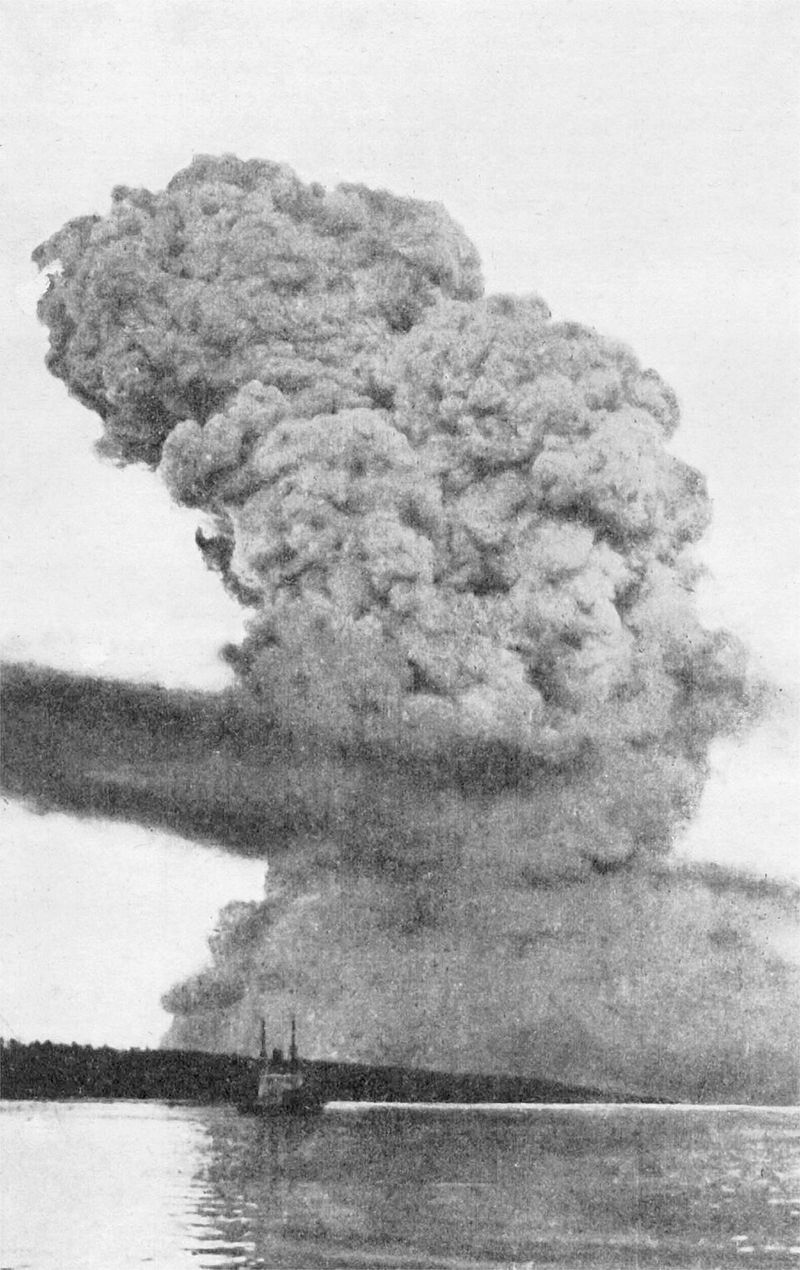
On the morning of December 6, 1917, two ships collided in Halifax Harbour, Nova Scotia, setting off a chain of events nobody could have predicted. The Mont-Blanc, a French cargo vessel packed with wartime explosives, caught fire after the collision.
Curious residents gathered near windows to watch the burning ship drift toward shore.
The resulting explosion was the largest accidental detonation in history before the nuclear age. An estimated 1,600 tons of explosives detonated, flattening the Richmond district and killing nearly 2,000 people instantly.
The shockwave shattered windows 50 miles away.
Survivors had no framework to understand what had happened. Many believed Germany had launched a direct attack on North American soil, triggering widespread panic throughout Halifax and surrounding towns.
Emergency telegrams flooded government offices across Canada. The disaster prompted major reforms in harbor traffic management and became a defining moment in Canadian wartime history.
2. The Great Molasses Flood (1919)
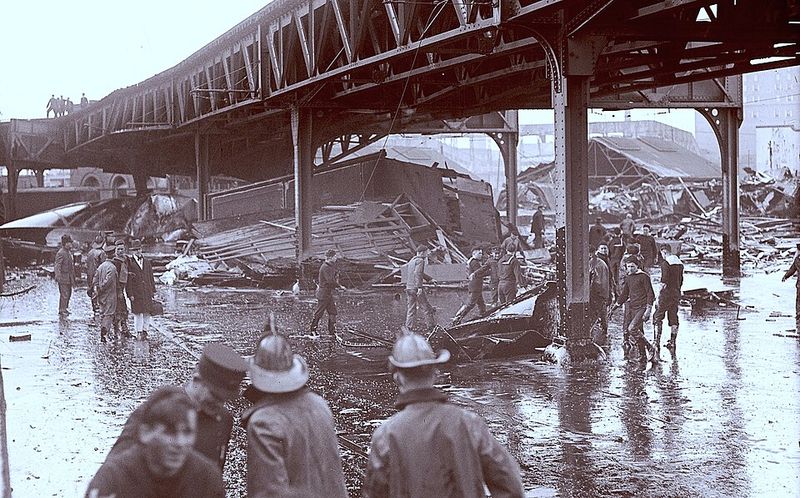
Few industrial disasters in American history are as genuinely strange as what happened in Boston on January 15, 1919. A massive steel storage tank owned by the United States Industrial Alcohol Company ruptured without warning, releasing over 2.3 million gallons of molasses into the North End neighborhood.
The wave moved at an estimated 35 miles per hour, demolishing buildings, overturning freight cars, and trapping horses and workers in the thick, slowly hardening flood. Twenty-one people died, and 150 more were injured.
Rescue workers spent weeks cleaning the streets.
Residents initially had no idea what caused the destruction. Rumors spread that a bomb had gone off or that a factory had collapsed.
The sheer absurdity of the disaster made it harder for people to process, which deepened the confusion. The subsequent lawsuit against the company became a landmark case in corporate liability law and one of the earliest examples of industrial negligence held accountable in a U.S. court.
3. The Hindenburg Disaster (1937)
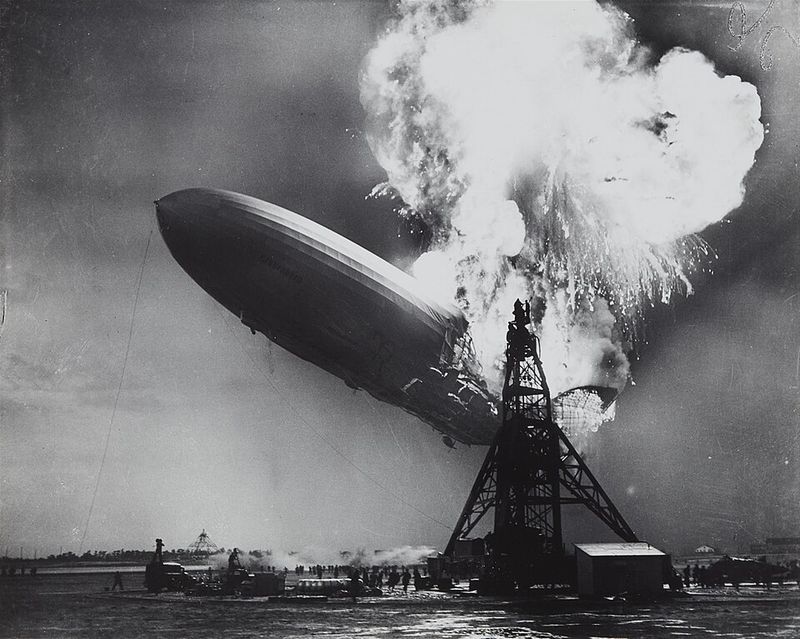
Few moments in 20th-century aviation history were as widely witnessed or as immediately shocking as what happened in Lakehurst, New Jersey, on May 6, 1937. The German airship LZ 129 Hindenburg, the largest rigid airship ever built, burst into flames while attempting to dock after a transatlantic crossing.
Radio broadcaster Herbert Morrison was recording a routine arrival report when the fire broke out. His emotional on-air account was later paired with newsreel footage and broadcast nationally, making it one of the first mass-media disaster moments in history.
The ship carried 97 people; 36 did not survive.
Public reaction was swift and lasting. Passenger confidence in airship travel collapsed almost overnight.
Airlines using lighter-than-air craft saw bookings drop sharply, and within two years the entire commercial airship industry had effectively shut down. The disaster also accelerated debates about hydrogen versus helium as a lifting gas and tightened international aviation safety standards considerably.
4. The Texas City Explosion (1947)
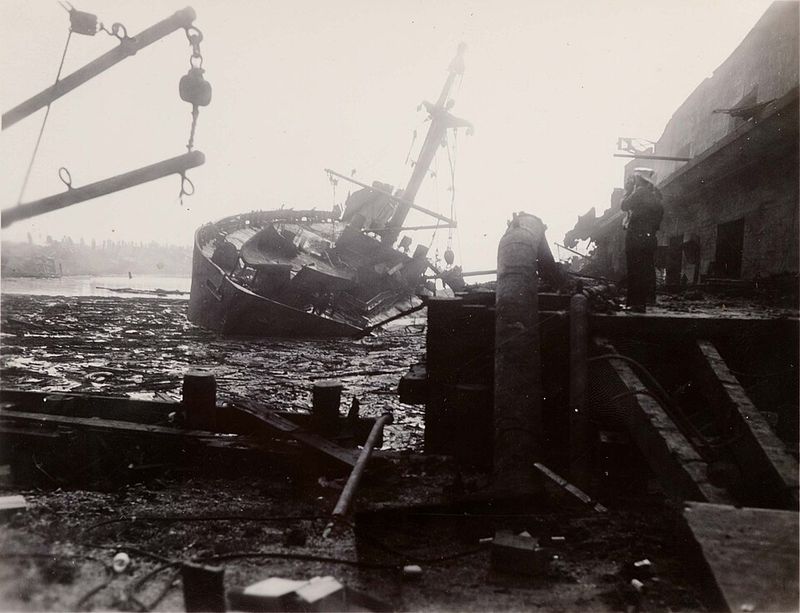
April 16, 1947, started like any other busy morning at the Port of Texas City. A fire broke out aboard the SS Grandcamp, a cargo ship loaded with approximately 2,300 tons of ammonium nitrate fertilizer.
Firefighters and hundreds of curious spectators gathered at the docks to watch the response.
When the ship exploded, the blast killed nearly everyone on the waterfront. Windows shattered in Houston, 40 miles away.
The explosion triggered additional fires and a second ship explosion hours later, compounding the destruction. The final toll exceeded 580 deaths, making it the deadliest industrial accident in U.S. history at that time.
Survivors fled inland, fearing more detonations were imminent. Hospitals were overwhelmed, communication lines went down, and emergency responders from across Texas struggled to coordinate relief efforts.
The disaster fundamentally changed how the U.S. government regulated the storage and transport of hazardous chemical materials, directly influencing safety legislation passed in the following decades.
5. The Three Mile Island Nuclear Accident (1979)
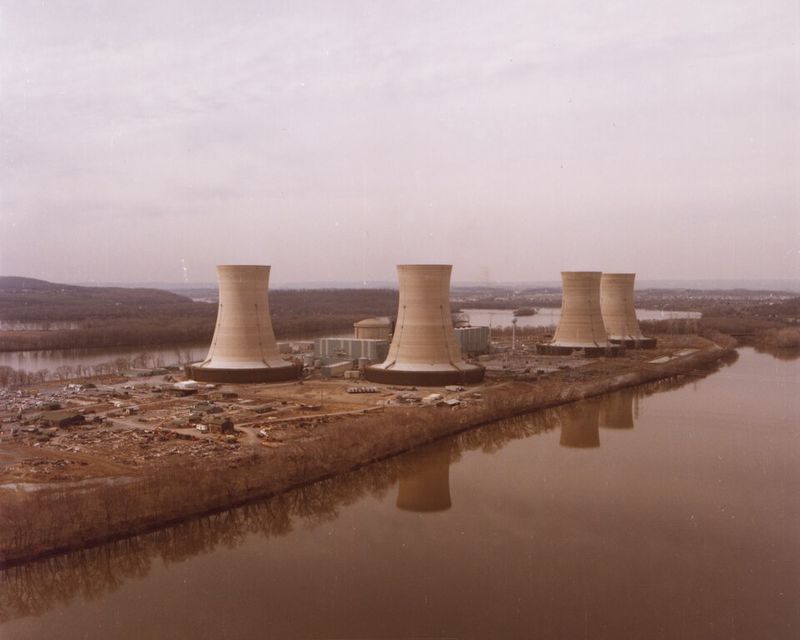
March 28, 1979, marked a turning point in how Americans thought about nuclear energy. A cooling system malfunction at Unit 2 of the Three Mile Island plant near Harrisburg, Pennsylvania, led to a partial reactor meltdown, the most serious nuclear accident in U.S. commercial power history.
Conflicting statements from plant operators and government officials created a vacuum of reliable information. Governor Dick Thornburgh advised pregnant women and young children within five miles to evacuate.
Within days, more than 140,000 residents had left voluntarily, even though the actual radiation release was relatively contained.
Dauphin County officials described the surrounding region as being in a state of near-panic for nearly a week. Anti-nuclear protests grew significantly in the months that followed.
The accident led to sweeping changes in reactor design requirements, emergency response planning, and operator training standards. Public trust in the nuclear power industry dropped sharply and never fully recovered to pre-1979 levels.
6. The Bhopal Gas Tragedy (1984)
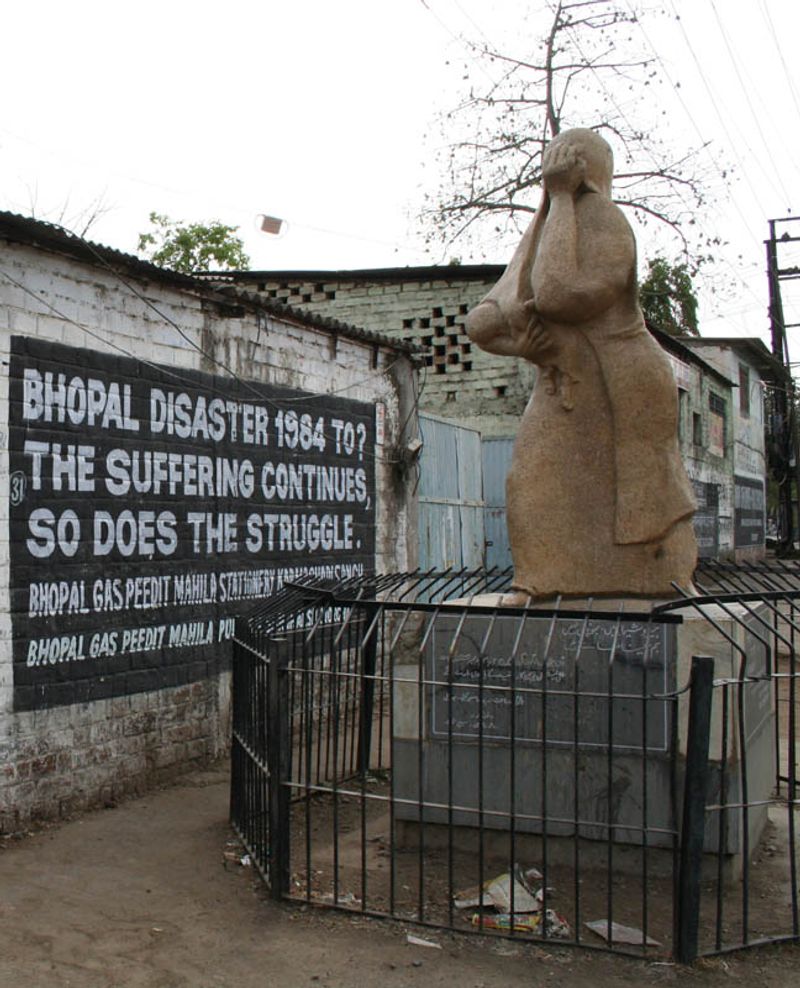
Shortly after midnight on December 3, 1984, approximately 45 tons of methyl isocyanate gas escaped from a Union Carbide pesticide plant in Bhopal, India. The gas drifted over densely populated neighborhoods while most residents were asleep, and thousands never woke up.
Those who did wake ran through narrow streets with burning eyes and no clear direction. Hospitals had no prior knowledge of how to treat methyl isocyanate exposure.
Accurate information was nearly impossible to find, so rumors of additional leaks spread rapidly, pushing people further into panic. Many were injured in the resulting stampedes.
Estimates of the total death toll range from 15,000 to 20,000 people, with half a million survivors experiencing long-term health complications. The Bhopal disaster became the benchmark against which all subsequent industrial chemical accidents are measured.
It directly influenced international frameworks for chemical plant safety, community right-to-know legislation, and corporate accountability standards that are still enforced globally today.
7. The Chernobyl Nuclear Explosion (1986)
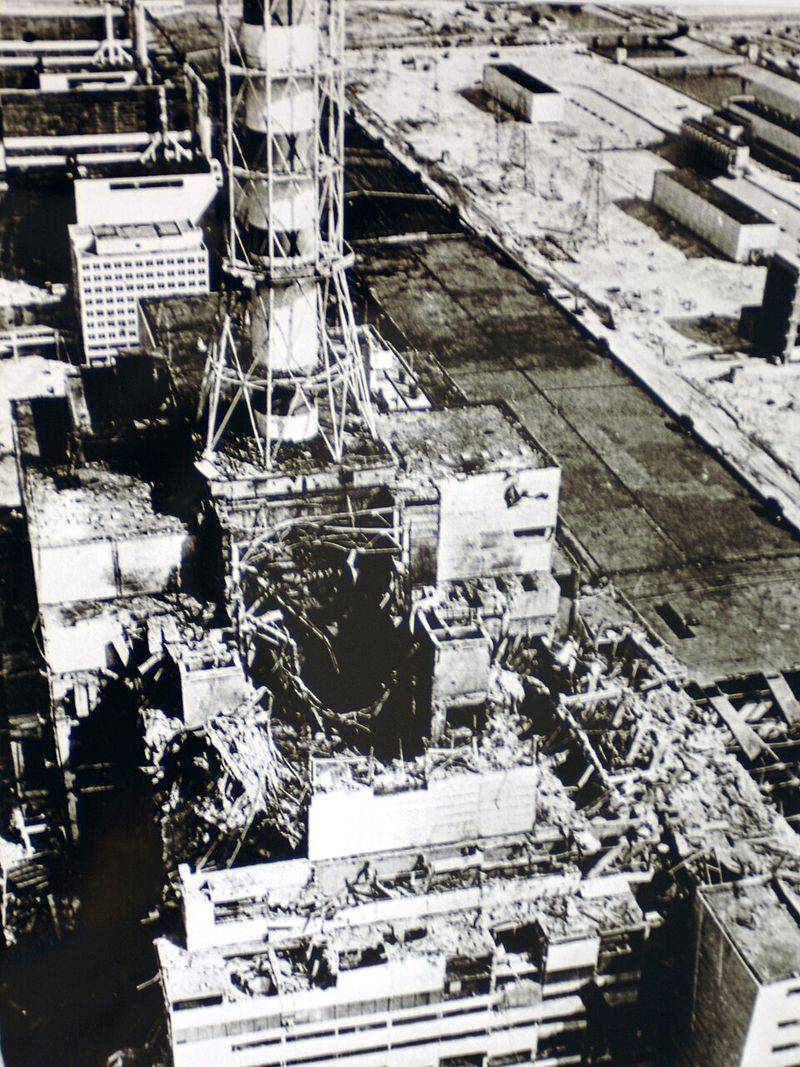
At 1:23 a.m. on April 26, 1986, Reactor No. 4 at the Chernobyl Nuclear Power Plant in the Ukrainian SSR exploded during a safety test gone wrong. Soviet authorities initially downplayed the severity, telling nearby residents of Pripyat that everything was under control.
The cover-up unraveled when radiation monitors at a Swedish nuclear facility, hundreds of miles away, detected elevated levels on workers’ clothing. That international alarm forced Soviet officials to acknowledge the scale of the disaster.
Evacuation of Pripyat’s 49,000 residents was ordered 36 hours after the explosion, with people told to pack for just three days.
Across Europe, governments scrambled to measure radiation in food and water supplies. Citizens in multiple countries rushed to buy iodine tablets, often based on incomplete or contradictory guidance.
The Chernobyl accident reshaped global nuclear policy, contributed to political pressure within the Soviet Union, and remains one of the most studied technological disasters in recorded history.
8. The Piper Alpha Oil Rig Disaster (1988)
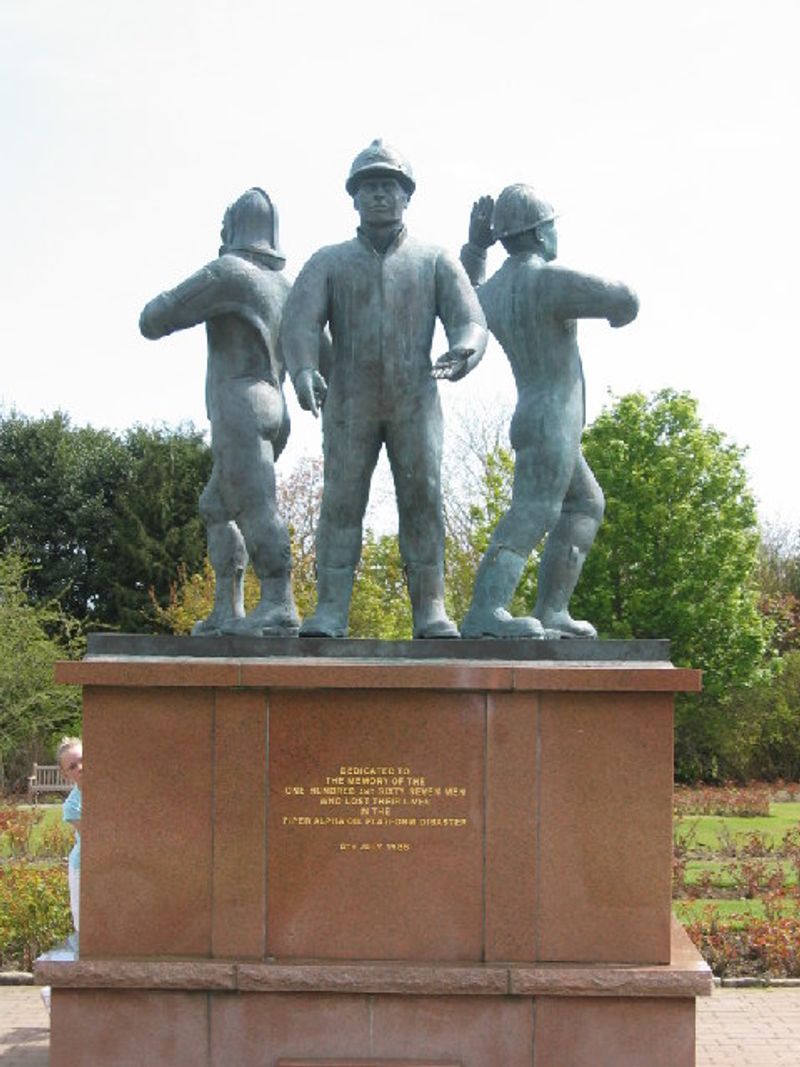
On July 6, 1988, the Piper Alpha oil platform in the North Sea became the site of the worst offshore oil disaster in history. A gas condensate leak ignited a fire, which then triggered a series of secondary explosions as oil and gas pipelines continued feeding fuel to the blaze.
Of the 226 men on board, 167 did not survive. Communication breakdowns between the platform and nearby vessels delayed rescue operations at critical moments.
Workers on connected platforms continued pumping oil into the burning rig because no one had clear authority to shut down operations.
News coverage of the disaster reached global audiences within hours, sparking intense public concern about the safety conditions faced by offshore energy workers. The subsequent Cullen Inquiry produced 106 recommendations that fundamentally restructured offshore safety regulation in the United Kingdom.
The disaster also influenced international standards for permit-to-work systems and emergency shutdown procedures across the global energy industry.
9. The Exxon Valdez Oil Spill (1989)
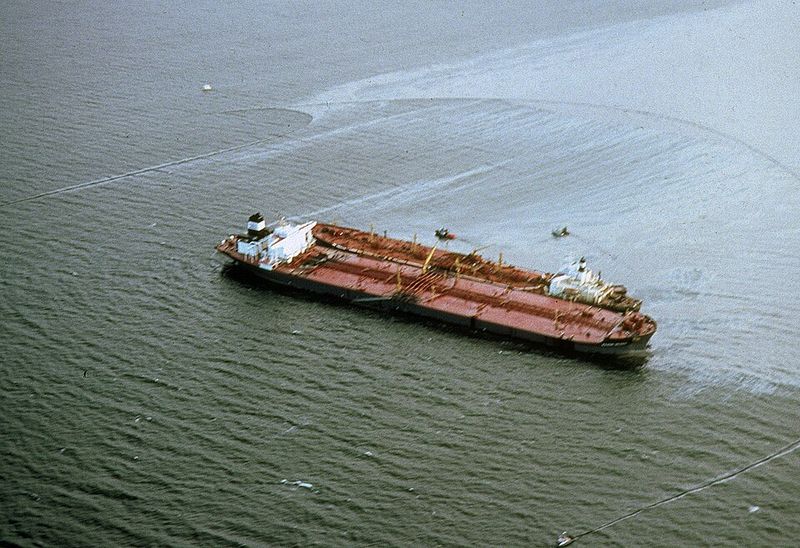
Just after midnight on March 24, 1989, the Exxon Valdez supertanker struck Bligh Reef in Prince William Sound, Alaska. Within hours, approximately 11 million gallons of crude oil had poured into one of North America’s most ecologically sensitive marine environments.
Photographs of oil-covered seabirds and sea otters appeared on front pages worldwide, turning the spill into a defining environmental crisis. Fishing communities along the Alaskan coast faced immediate economic uncertainty as their waters became contaminated.
Environmental organizations used the disaster to argue for stronger tanker safety regulations.
Public anxiety was amplified by early reports suggesting cleanup efforts were poorly coordinated and underfunded. The spill oiled approximately 1,300 miles of coastline and took years of remediation work.
Congress responded by passing the Oil Pollution Act of 1990, which mandated double-hull construction for new tankers and established clearer liability frameworks. The Exxon Valdez became a permanent reference point in environmental policy debates.
10. The Fukushima Nuclear Disaster (2011)
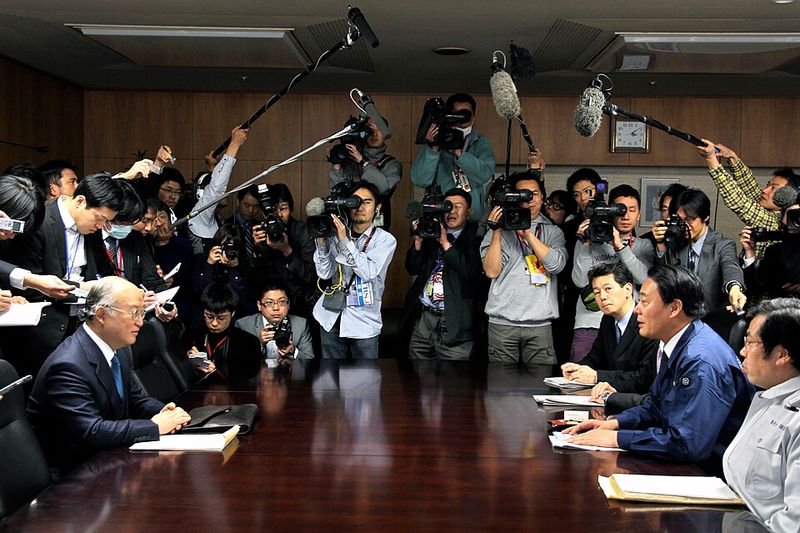
The earthquake and tsunami that struck northeastern Japan on March 11, 2011, were catastrophic on their own. But when the flooding disabled cooling systems at the Fukushima Daiichi Nuclear Power Plant, a separate and slower-moving crisis began unfolding in real time on screens around the world.
Hydrogen explosions at three reactor buildings were captured on video and broadcast globally, triggering immediate fear of a full-scale nuclear meltdown. Japan ordered evacuations within a 20-kilometer radius of the plant.
Several countries temporarily advised their citizens to leave Tokyo, over 150 miles away, based on precautionary risk assessments.
Panic buying of iodine tablets spread across Asia and even reached the U.S. West Coast, where radiation monitoring stations showed no meaningful increase in levels.
The disaster reignited global debates about nuclear energy policy that had quieted since Chernobyl. Germany announced it would phase out all nuclear power by 2022, citing Fukushima as a direct factor in that decision.
11. The Lac-Megantic Rail Disaster (2013)
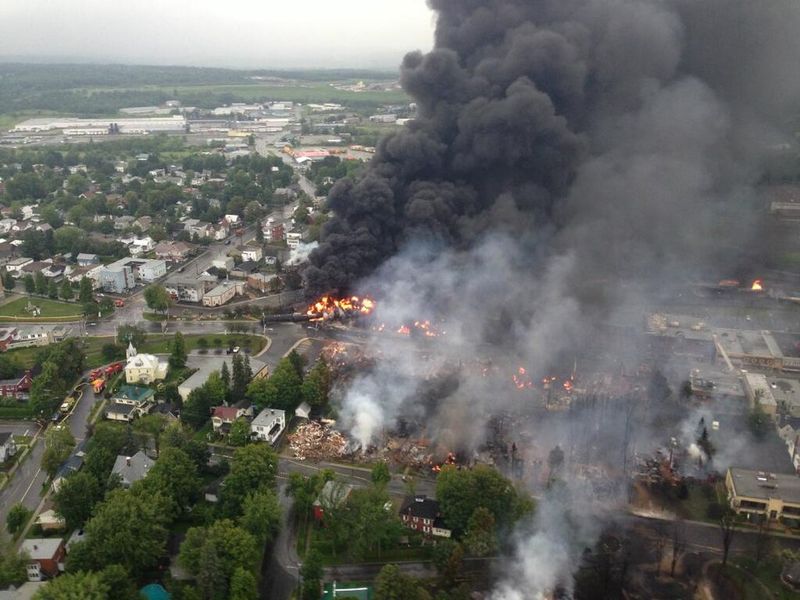
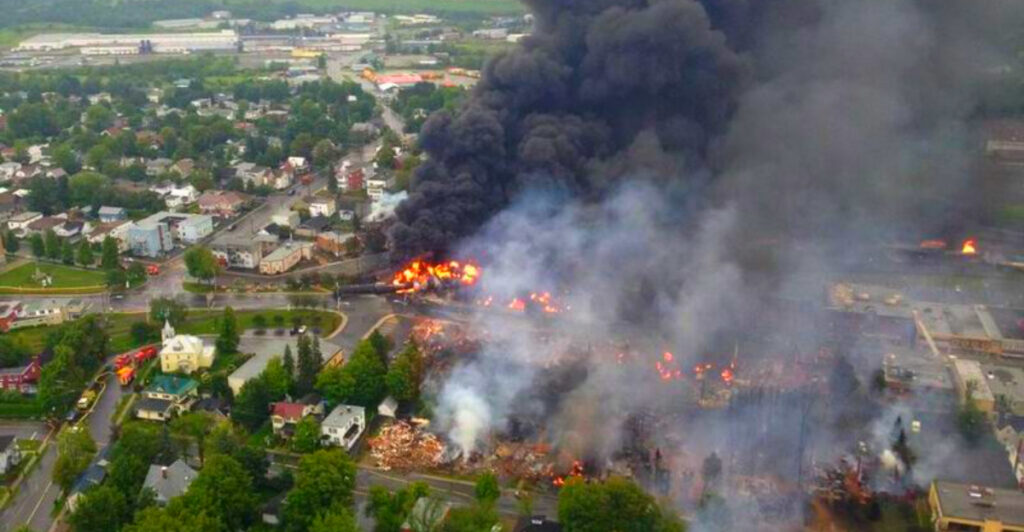
Shortly after 1 a.m. on July 6, 2013, a 74-car freight train carrying crude oil rolled unmanned down a hill into the center of Lac-Megantic, a small Quebec town of about 6,000 people. The train derailed near a popular bar district, and multiple tank cars exploded within minutes.
Residents sleeping nearby were jolted awake by explosions and ran without knowing what was happening. The downtown core was consumed by fire.
Forty-seven people died, and nearly half of Lac-Megantic’s entire downtown was destroyed. Hundreds of residents were permanently displaced from their homes.
The disaster raised urgent questions about the safety of transporting crude oil by rail, a practice that had grown dramatically as pipeline construction lagged behind oil production increases. Transport Canada and the U.S.
Department of Transportation both launched investigations and subsequently introduced new tank car safety standards and stricter rules for unmanned train parking. The town’s recovery and rebuilding process stretched across nearly a decade.
12. The Beirut Port Explosion (2020)
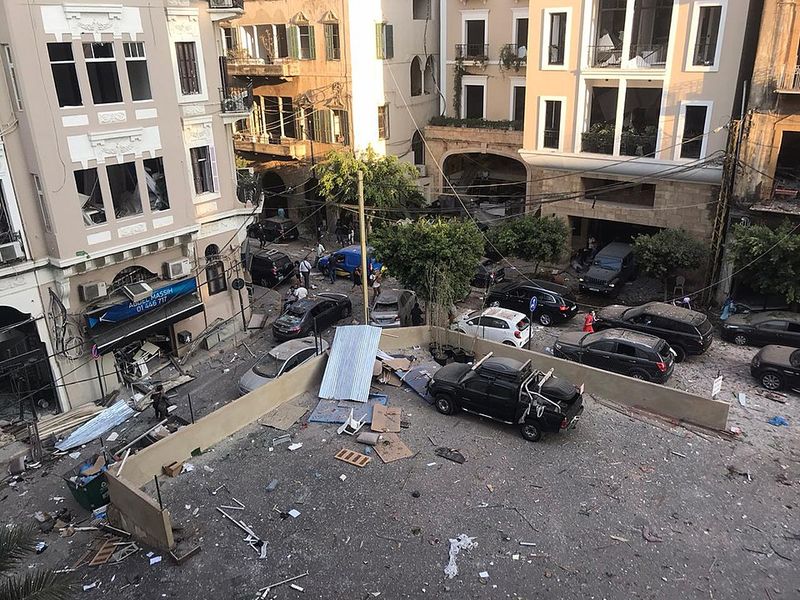
At 6:08 p.m. on August 4, 2020, approximately 2,750 tons of ammonium nitrate that had been stored unsafely in a port warehouse for six years detonated in Beirut, Lebanon. The explosion registered as a 3.3-magnitude seismic event and was heard as far away as Cyprus, roughly 150 miles across the Mediterranean.
In the immediate seconds after the blast, thousands of Beirut residents had no idea what had occurred. Many assumed a military strike or large-scale attack was underway.
Buildings shook across the entire city, and social media filled with videos and conflicting speculation before any official statement was issued.
More than 200 people died, over 6,000 were injured, and approximately 300,000 residents were left without homes. The explosion became one of the largest accidental non-nuclear blasts ever recorded.
Public outrage over the government’s failure to address the known hazard led to mass protests and the resignation of Lebanon’s cabinet within two weeks of the disaster.
Share this story