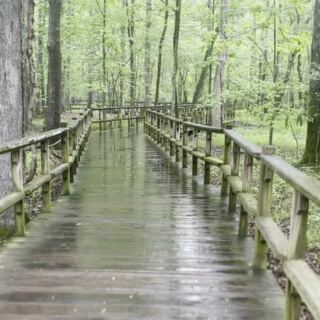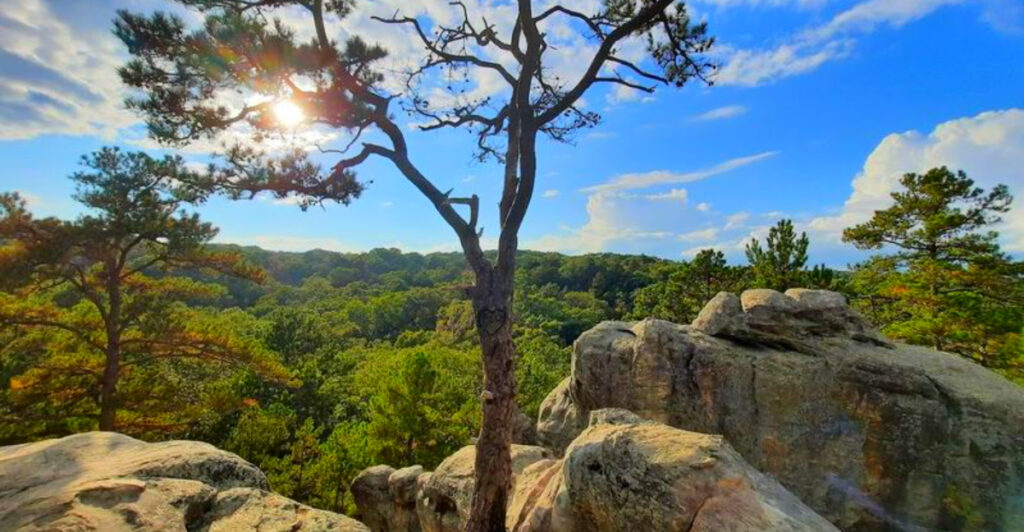
Missouri’s Pickle Springs Natural Area packs an astonishing amount of geological history into a trail of just two miles. Towering sandstone formations, narrow rock passages, waterfalls, and shaded canyons create a landscape that feels far removed from what many people expect to find in the Midwest.
The scenery is only part of what makes this place special. The area’s unique microclimate has allowed certain plants and wildlife from the last ice age to persist here long after they disappeared from much of the surrounding region.
It is a rare combination of natural beauty and scientific significance that has made Pickle Springs a favorite among hikers, photographers, and nature enthusiasts.
Around nearly every bend, the trail reveals another surprising feature, from ancient rock formations to hidden canyon views. Keep reading to discover why this Missouri natural area is often compared to destinations far larger and more famous.
Where to Find This Hidden Missouri Treasure
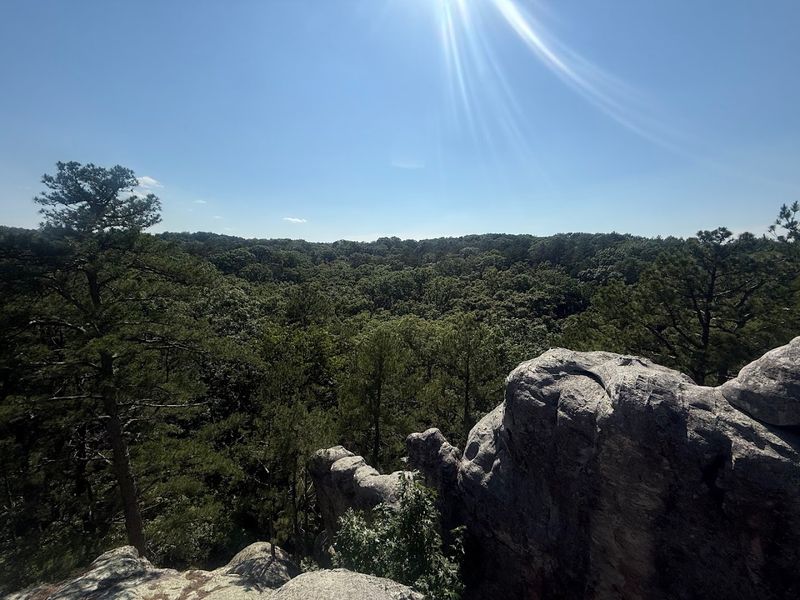
Most people driving through Sainte Genevieve County, Missouri, have no idea they are passing within a few miles of one of the most geologically remarkable natural areas in the entire state. Pickle Springs Natural Area sits along Dorlac Road in New Offenburg, MO 63670, and it is managed by the Missouri Department of Conservation.
The site covers 256.5 acres and earned the title of National Natural Landmark from the National Park Service back in 1974. That designation is not handed out lightly.
It means the area holds significant biological and geological values recognized at a national level.
The preserve is open year-round, Monday through Sunday from 8 AM to 7 PM, and admission is completely free. You can reach the Missouri Department of Conservation at +1 573-290-5730 for more details.
The parking area has been expanded in recent years to handle the growing number of visitors who make the trip out here.
Ancient Sandstone That Rewrites Your Sense of Time
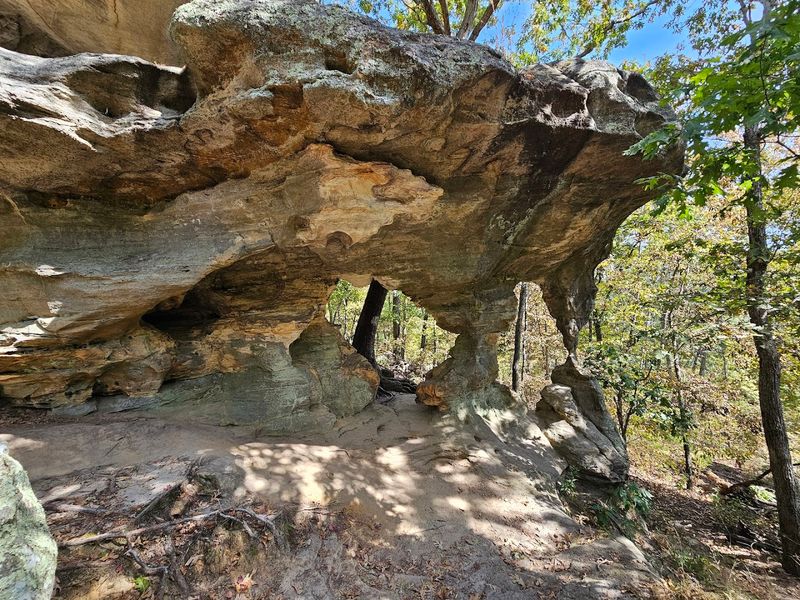
Five hundred and twenty million years. That is roughly how old the Lamotte sandstone is beneath your boots when you hike through Pickle Springs.
This rock is Missouri’s oldest sedimentary layer, and the fact that you can reach out and touch it with your bare hands is genuinely mind-bending.
The Lamotte sandstone formed during the Cambrian period, long before dinosaurs, long before most complex life existed on land. Erosion over millions of years carved the dramatic shapes and channels visible throughout the preserve today.
What makes this geology unusual is its location on the Salem Plateau of the Ozarks, where exposed Precambrian rock sits alongside the ancient sandstone in a combination rarely seen in this region. Geologists have studied this area extensively, and the findings consistently confirm that this landscape offers a rare window into Earth’s deep past.
The rocks here are not just pretty backdrops; they are records of a world that barely resembles our own.
The Trail Through Time and What Makes It Unforgettable
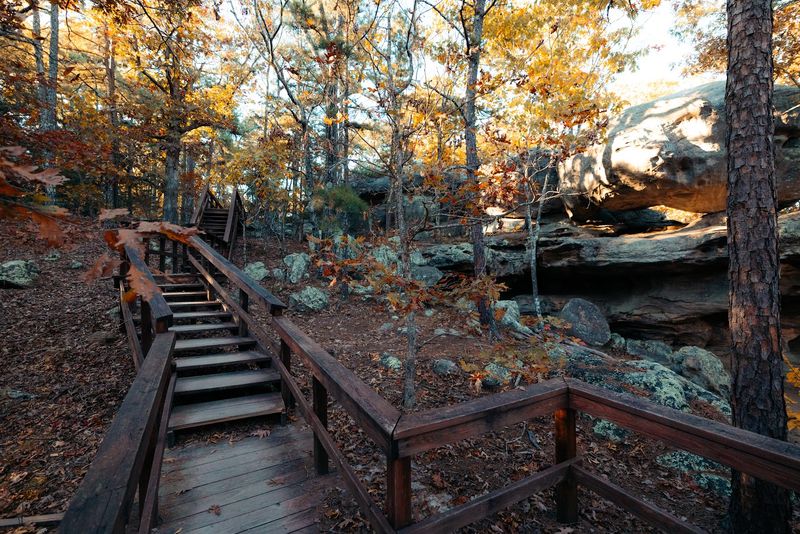
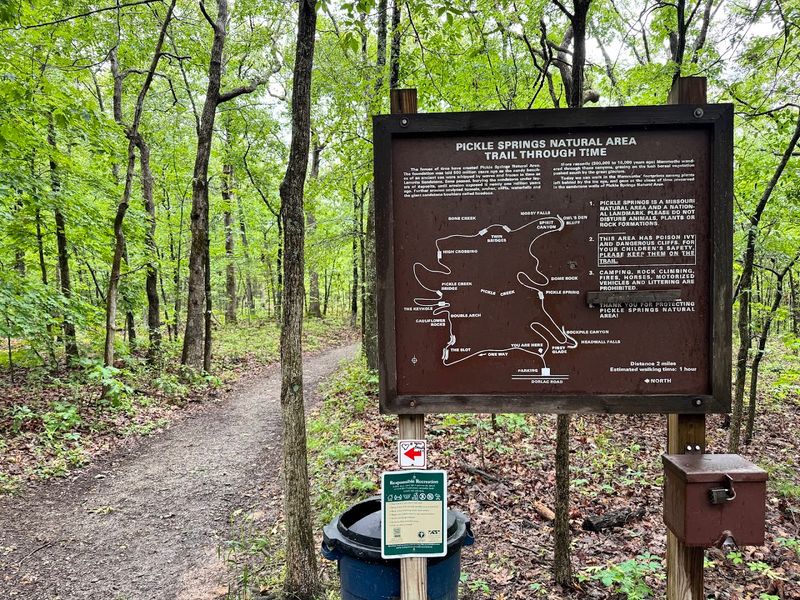
The main hiking path here is called the Trail Through Time, and whoever named it clearly understood the assignment. This two-mile loop winds through dense forest, crosses wooden bridges, climbs wooden staircases, and squeezes through rock formations that feel almost theatrical in their drama.
The trail is rated moderate, and that rating feels accurate. There are steep sections, uneven surfaces, exposed roots, and narrow passages that require some careful foot placement.
Hiking shoes are strongly recommended, and trekking poles can help on the steeper descents.
Well-placed signs throughout the trail point out geological features and points of interest, so you are never left wondering what you are looking at. Most hikers complete the loop in about one to one and a half hours, though stopping for photos and exploring side paths can easily stretch that to two hours or more.
The trail surface is largely sand and rock rather than dirt, which means it stays manageable even after rain, with only occasional slippery patches to watch for.
The Slot and the Keyhole: Where the Rock Becomes a Maze
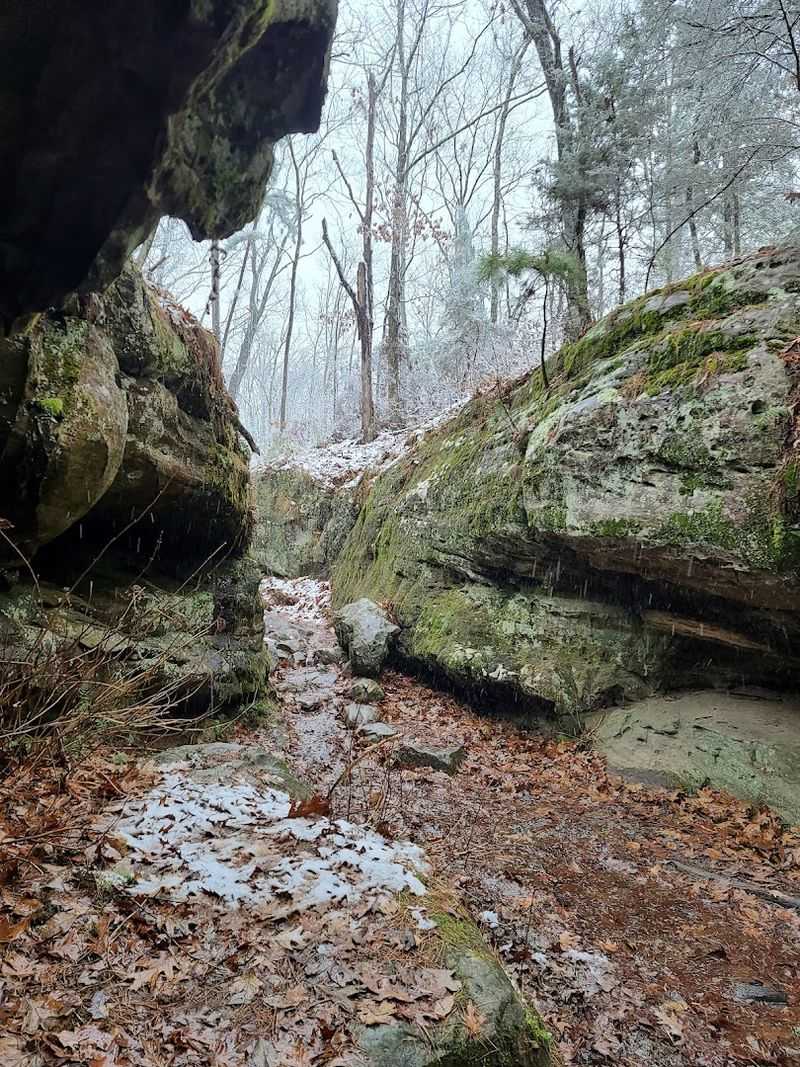
Two of the most talked-about features along the trail are The Slot and The Keyhole, and both deliver exactly the kind of adventure their names suggest. The Slot is a narrow canyon formed by vertical fractures in the sandstone that erosion gradually widened over millions of years.
Walking through it feels like the rock walls are closing in from both sides, and the cool air that collects in there makes the experience even more memorable.
The Keyhole is a formation that hikers must physically climb through to descend to the creek below. It is one of those moments on a trail where you stop, look at the opening, and think, “Am I really supposed to go through that?” The answer is yes, and it is worth every awkward move.
These formations are part of what gives Pickle Springs its reputation as something more than a standard Missouri forest walk. The rock here actively participates in the hike, pulling you into its story rather than just standing on the sidelines as scenery.
Double Arch and Cauliflower Rocks: Nature’s Sculptural Masterpieces
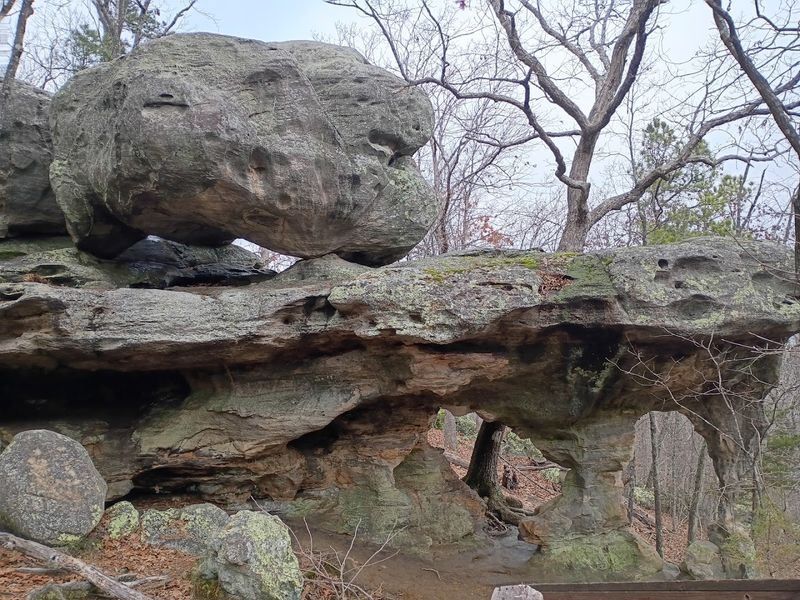
Not every natural area in Missouri can claim its own arches, but Pickle Springs has the Double Arch, a buttress formation where two sandstone arches support an overhanging shelf of rock. Standing beneath it and looking up gives you a genuine appreciation for how patient and persistent erosion can be as a sculptor.
Nearby, the Cauliflower Rocks, sometimes called hoodoos, rise from the ground in large, mound-like shapes weathered into bumpy, rounded forms that look almost organic. The name is surprisingly accurate.
These formations have a lumpy, textured surface that stands out sharply against the smoother canyon walls surrounding them.
Both features are accessible from the main trail and clearly marked, so you will not miss them unless you are moving too fast. My honest advice is to slow down at these spots and take a few extra minutes to walk around them and examine the details up close.
The variety of shapes and textures concentrated in such a small area is something you rarely encounter on a single trail anywhere in the Midwest.
Box Canyons That Feel Like a Different Climate Zone
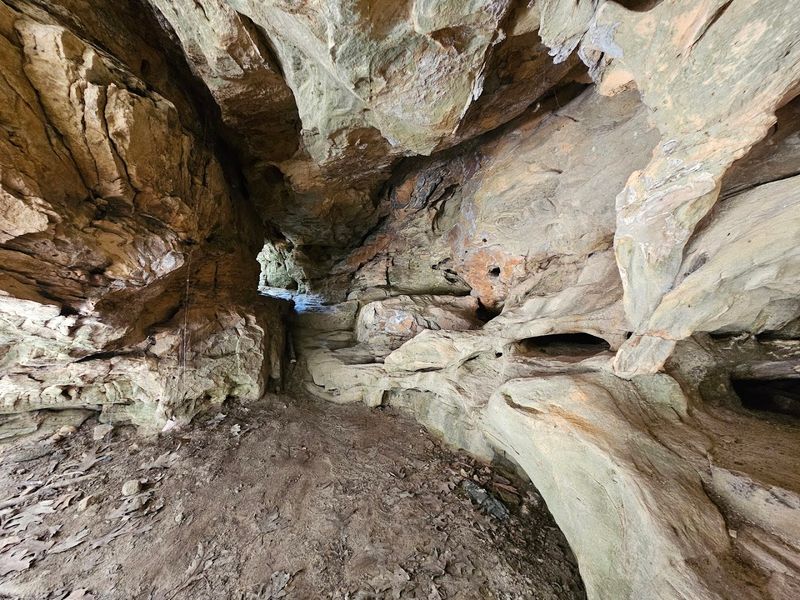
One of the most surprising physical sensations on this trail is stepping into one of the box canyons and feeling the temperature drop noticeably. These deep, narrow canyons are shaded for most of the day, and the cool, moist air that collects inside them creates a microclimate that feels completely different from the open forest just a few feet away.
That climate difference is not just a curiosity. It is the reason rare and unusual plant species survive here.
Over 250 vascular plant species have been documented at Pickle Springs, including so-called glacial relict species, plants that thrived during the last ice age and found refuge in these cool canyon pockets when the climate warmed.
Hay-scented fern and large whorled pogonia are among the notable species hanging on in these sheltered spaces. The canyons essentially function as biological time capsules.
For plant enthusiasts or anyone who appreciates the quiet drama of ecology, these sections of the trail offer something genuinely rare that you will not find on most Missouri hikes.
Mossy Falls, Headwall Falls, and the Magic of a Rainy Visit
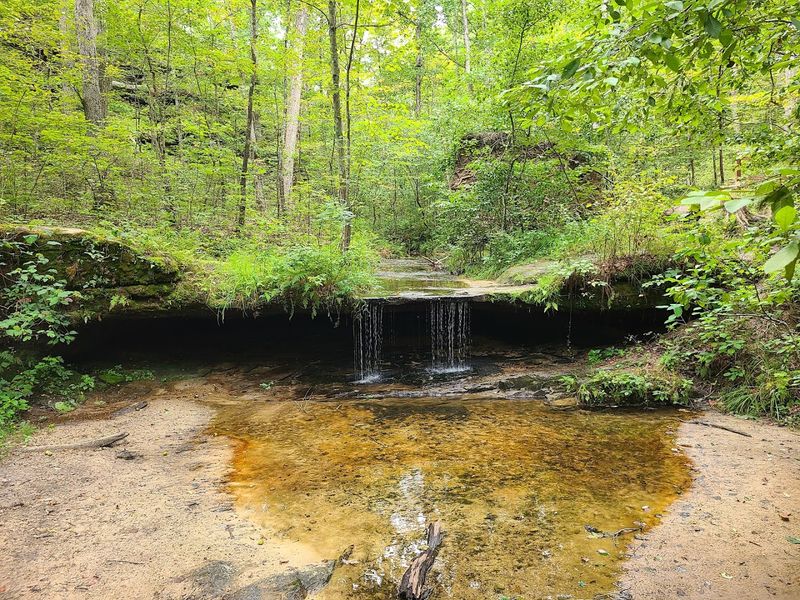
The waterfalls at Pickle Springs are seasonal, and the timing of your visit makes a real difference in what you experience. Mossy Falls and Headwall Falls flow most impressively after rainfall, and visiting on a wet day or shortly after a good rain transforms the trail into something noticeably more dramatic.
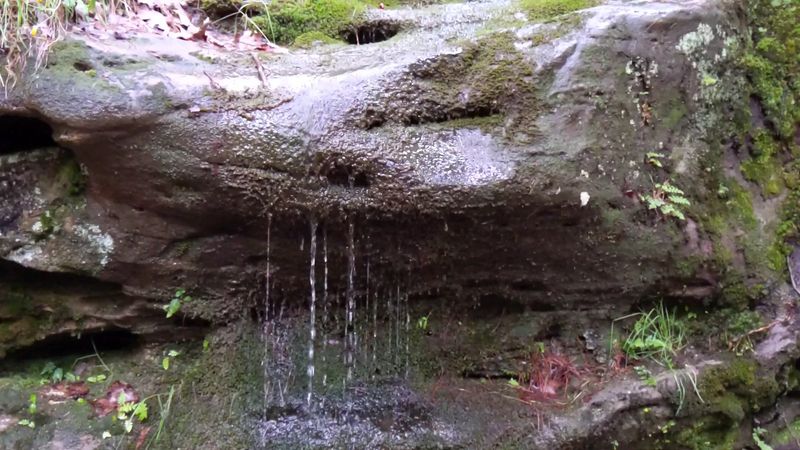
The falls themselves are modest in height, more like enthusiastic cascades than towering drops, but the way water moves over the mossy sandstone and into the creek below has a quiet, almost meditative quality. Pickle Creek also features perennial springs that keep smaller flows running year-round, so even during dry stretches you will still encounter moving water along the trail.
The best strategy is to check the forecast before your trip and aim for a visit within a day or two after significant rainfall. The creek bed and surrounding rocks stay wet enough after rain that the sandstone takes on richer colors, the moss glows brighter, and the whole trail feels more alive.
Early spring is particularly rewarding for waterfall seekers.
Dome Rock and Piney Glade: Two Spots That Steal the Show
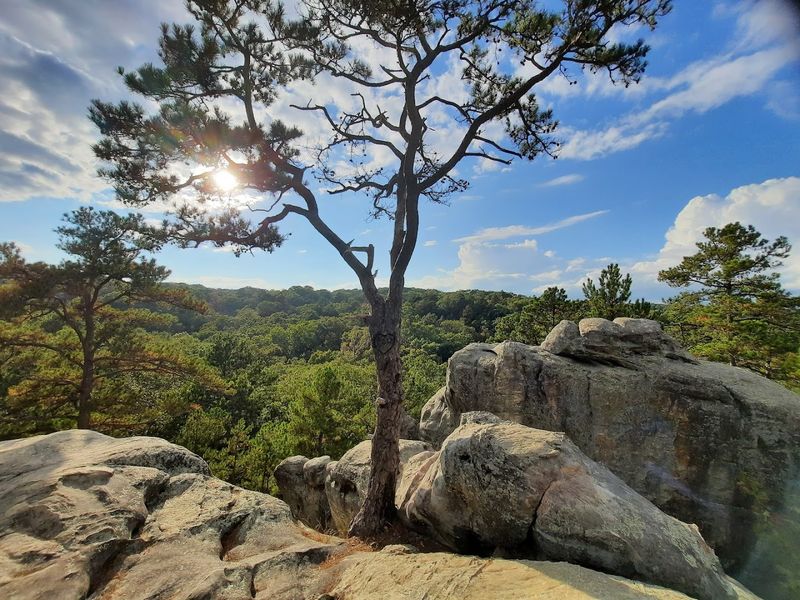
Dome Rock is one of the more prominent individual features along the trail, a large, rounded sandstone formation that rises from the forest floor with enough presence to stop you mid-stride. The scale of it feels slightly out of place in a Missouri forest, which is part of what makes the whole preserve so visually compelling.
Piney Glade offers a tonal contrast to the dark, enclosed canyons found elsewhere on the loop. Here, shortleaf pines and blackjack oaks create an open, atmospheric setting, and granite outcrops add a different texture to the landscape.
The light filters differently through this section of the trail, and the air carries a faint piney scent that makes it feel like a completely separate environment from the rest of the hike.
Together, Dome Rock and Piney Glade represent the kind of variety that makes the Trail Through Time so satisfying as a single two-mile experience. Most trails of this length offer one or two memorable moments; this one keeps surprising you around every bend and over every ridge.
Best Times to Visit and What to Expect Each Season
Spring is widely considered the best season to visit Pickle Springs, and the reasons stack up quickly. Wildflowers bloom along the trail, the waterfalls run at their fullest after winter moisture, and the temperatures are comfortable for hiking without being too warm for the shadier canyon sections.
Fall is a close second, particularly for the foliage. The mix of shortleaf pines, oaks, and deciduous forest creates a layered color display that photographs beautifully against the sandstone.
Summer visits are entirely doable, but the trail can get busier later in the morning, and the heat makes starting early, around 8 or 9 AM, a smart move.
Winter hiking here has its own quiet appeal. The bare trees open up views that are hidden during leafy months, and the rock formations stand out more sharply against a muted background.
One practical note worth remembering: wear long sleeves and apply insect repellent during summer months, as poison ivy grows along sections of the trail and can catch you off guard.
Practical Tips That Will Make Your Visit Smoother
A few practical details can make a real difference in how much you enjoy this trail. The preserve has no restroom facilities on site, so plan accordingly before you arrive.
There are also no food vendors or services of any kind, which means packing water and snacks is essential, especially if you are new to hiking or bringing children along.
Hiking shoes with good grip are a must. The trail surface includes sand, rock, exposed roots, and occasional muddy patches near the creek, and regular sneakers can become a liability on the steeper sections.
Trekking poles are helpful but not required for most hikers.
Leashed pets are allowed, though the trail involves some scrambling and narrow passages that can be challenging for dogs. The trail is not wheelchair accessible.
Parking has been expanded recently with a second lot added to handle peak visitor numbers. Weekday visits tend to be quieter, and mornings are generally less crowded than afternoons, particularly on weekends during spring and fall.
Why This Two-Mile Loop Punches Well Above Its Weight
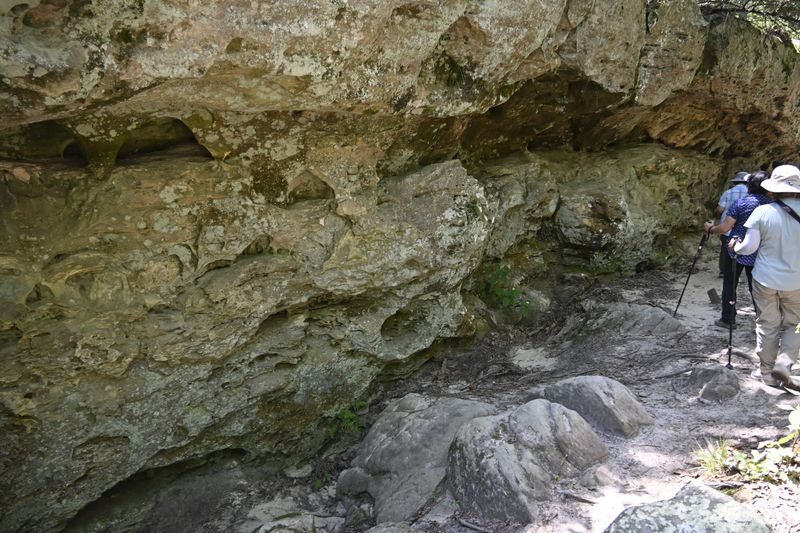
Two miles does not sound like much, and yet nearly every person who completes the Trail Through Time comes away feeling like they experienced something much larger. The trail packs in slot canyons, arches, hoodoos, waterfalls, a spring-fed creek, scenic overlooks, wooden bridges, staircases, and rare plant communities into a single compact loop that rarely feels repetitive.
The 4.8-star rating from over 800 reviews on Google Maps is not an accident. This trail consistently delivers on its promises, and the variety of terrain keeps even experienced hikers engaged from start to finish.
The fact that it is free, open year-round, and located about 90 minutes from St. Louis makes it one of the most accessible high-quality hiking experiences in the region.
Pickle Springs Natural Area is the kind of place that earns a return visit, not because you missed something the first time, but because each season genuinely changes the experience. The ancient sandstone stays the same, of course, but everything around it keeps the story fresh.
Share this story