
There is a zoo in the Twin Cities suburbs that sits on 485 acres of rolling Minnesota landscape, and it has quietly built one of the most talked-about outdoor experiences in the entire state. Most people expect a standard walkthrough with animal enclosures on either side, but this place throws that script out the window.
The star attraction here is a treetop trail that literally puts you above the zoo, offering views that no ground-level path can match. By the time you finish reading, you will want to clear your weekend schedule and lace up your most comfortable walking shoes.
Where You Will Find This One-Of-A-Kind Zoo

The Minnesota Zoo sits at 13000 Zoo Blvd in Apple Valley, Minnesota, just a short drive south of the Twin Cities. The location is surprisingly easy to reach, with large parking areas that handle even the busiest weekend crowds without much stress.
Apple Valley is a suburban city in Dakota County, and the zoo is one of its most recognizable landmarks. The surrounding area is green and spacious, which sets the tone for the kind of experience you are about to have once you walk through the gates.
The zoo is open every day from 10 AM to 6 PM, which gives visitors a solid window to explore without feeling rushed. Buying tickets in advance online is a smart move, and if you plan to visit more than twice a year, a membership quickly pays for itself in savings.
The Treetop Trail That Changes Everything

Built along the route of the zoo’s old monorail track, the Treetop Trail is the kind of feature that makes you stop and say, “Why does every zoo not have this?” The elevated path stretches about 1.5 miles and carries you well above the ground, giving you a completely different angle on the zoo and the natural landscape surrounding it.
From up there, the trees feel close enough to touch, and in autumn the fall colors make the whole walk feel almost cinematic. The trail is accessible and easy to navigate, so it works well for visitors of all fitness levels.
Photography enthusiasts will find this trail particularly rewarding. The open sightlines and elevated perspective create opportunities for shots that simply cannot be replicated from the ground paths below.
It is one of those features that genuinely earns its reputation as a highlight of the entire visit.
A Zoo Built On A Massive Scale
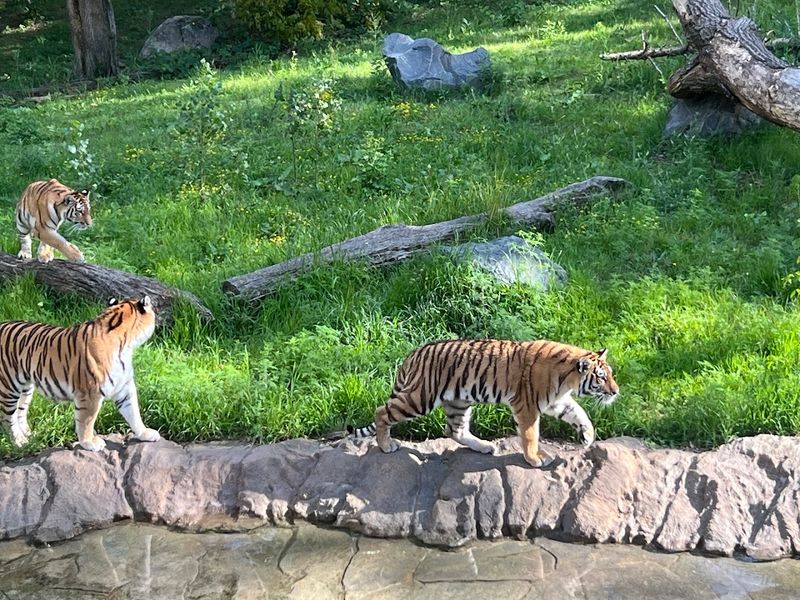
At 485 acres, the Minnesota Zoo is one of the largest zoos in the entire country, reportedly ranking in the top five by size. That scale is something you feel immediately once you start walking, because the enclosures are spread out generously rather than stacked on top of each other.
That breathing room benefits the animals as much as it benefits the visitors. The habitats feel authentic and spacious, which makes watching the animals considerably more satisfying than the cramped enclosures you sometimes encounter at smaller facilities.
Plan to dedicate at least three to four hours if you want to cover the main trails and exhibits. Comfortable shoes are not just a suggestion here; they are genuinely essential.
The zoo is also ADA compliant throughout, and scooter rentals are available for visitors who need them, making the full experience accessible to a wide range of guests.
The Northern Trail And Its Standout Residents
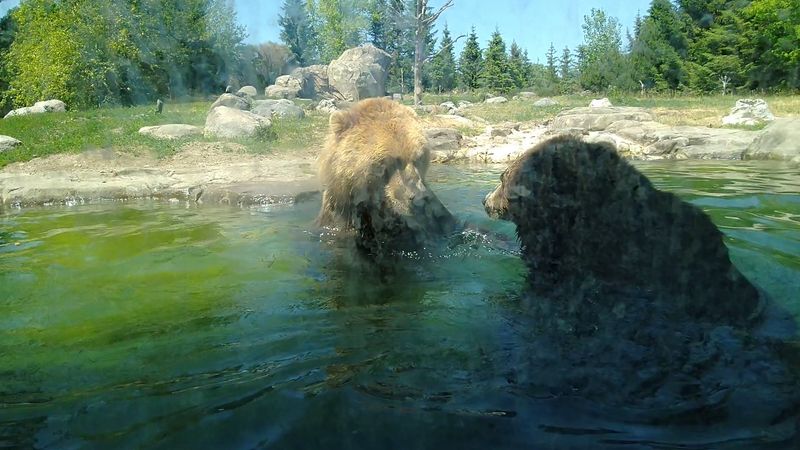
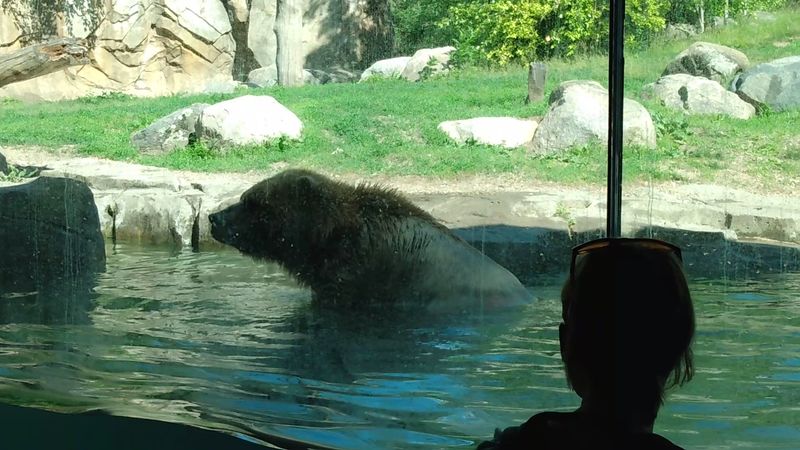
The Northern Trail is one of the zoo’s signature pathways, and it is home to some of the most impressive animals on the property. Russian grizzly bears are among the headliners here, and on a good day they are active enough to make for some genuinely memorable wildlife watching.
Tigers also call this trail home, and their enclosures are designed to feel as natural as possible. The overcast Minnesota sky actually works in your favor on this trail, cutting down on harsh glare and making animal photography significantly easier.
The Northern Trail also features a section dedicated to local Minnesota wildlife, which gives the zoo a regional identity that many larger facilities lack. Wolverines are a personal favorite along this stretch; they are playful, fast, and endlessly entertaining to watch.
That energy is contagious, and it tends to draw a crowd that lingers far longer than they originally planned.
Discovery Bay And Marine Life Up Close
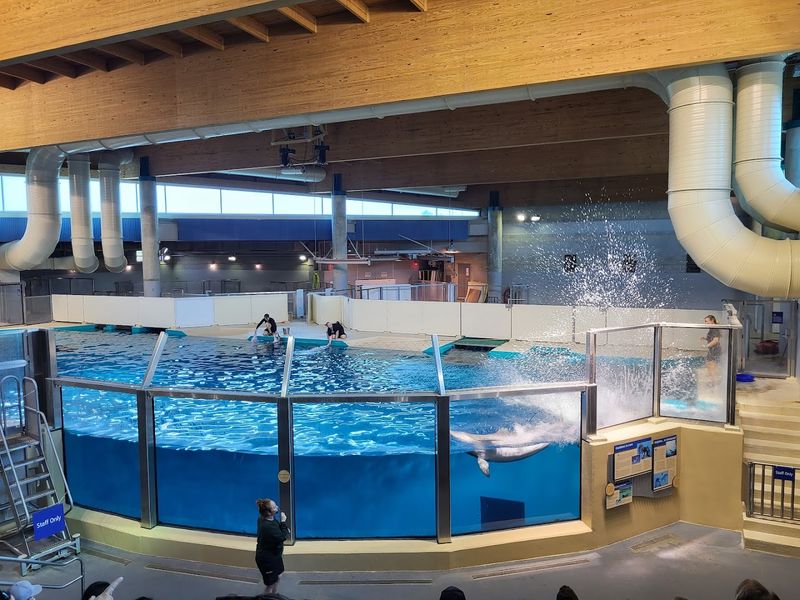
Discovery Bay is the zoo’s marine life section, and the sea lion exhibit is consistently one of the most crowd-pleasing spots on the entire property. The animals here have a flair for the dramatic, frequently showing off their speed and agility in ways that seem almost deliberate.
The sea lion show is a structured presentation that highlights just how intelligent these animals are. It is educational without feeling like a lecture, and it works well for visitors of all ages.
The underwater viewing windows give you a perspective on sea lion movement that is genuinely hard to find anywhere else in Minnesota.
Discovery Bay also features other aquatic species and interactive elements that keep younger visitors engaged. The combination of close-up animal access and solid educational signage makes this section one of the stronger indoor experiences the zoo offers, particularly on cooler days when outdoor trails feel a little less inviting.
The Tropics Trail Indoor Escape
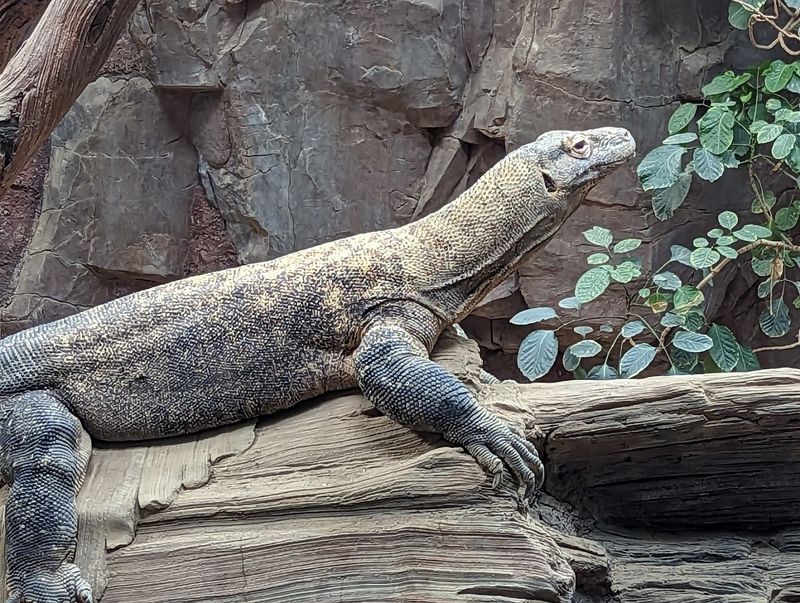
The Tropics Trail is a fully enclosed indoor exhibit that transports you into a warm, humid environment filled with exotic birds, reptiles, and tree-dwelling animals. On a cold Minnesota day, walking into this section feels like a small miracle of climate engineering.
The vegetation inside is dense and layered, giving the animals natural spots to hide or perch, which means you have to pay attention and look carefully to spot everything. That sense of discovery keeps the experience engaging rather than passive.
Komodo dragons are among the featured residents, though availability can vary depending on the day and any ongoing habitat maintenance. Unique bird species are reliably present and often visible at close range.
The Tropics Trail rounds out the zoo’s global reach, pairing nicely with the outdoor trails to give visitors a genuine sense of the variety of life that the Minnesota Zoo works to protect and showcase.
The Minnesota Trail Celebrating Local Wildlife
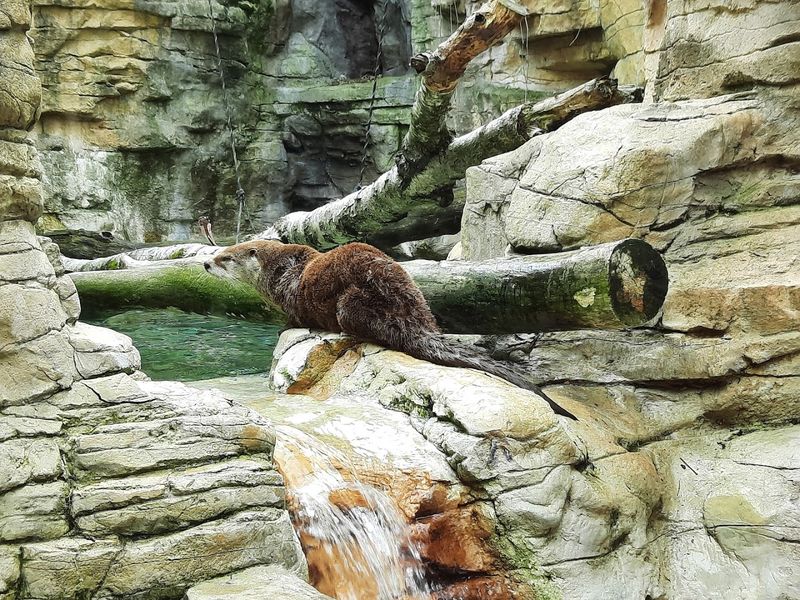
Not every zoo puts its home state front and center, but the Minnesota Trail does exactly that. This section focuses on animals native to the region, and the design leans into a cave-like, narrow pathway that feels genuinely immersive rather than just decorative.
Wolverines are the undeniable stars of this trail. Their energy and playfulness make them impossible to walk past quickly; most visitors end up stopping for several minutes just to watch them move around their habitat.
It is one of those unexpected highlights that elevates the whole visit.
The trail also features wolves, though the pack has been in transition, with younger animals being introduced as part of ongoing conservation efforts. Interactive buttons throughout the exhibit trigger animal sounds, and watching nearby animals react to those sounds adds a spontaneous, entertaining layer to the experience.
The Minnesota Trail is proof that local wildlife deserves just as much attention as the exotic imports.
Seasonal Events That Transform The Zoo

The Minnesota Zoo does not slow down when summer ends. The Halloween Spectacular is one of the zoo’s most beloved seasonal events, drawing families back year after year with its collection of intricately carved pumpkins displayed along illuminated nighttime trails.
The carving artistry on display during this event is genuinely impressive, with detailed designs that range from wildlife scenes to pop culture references. The organizers have refined the layout over the years, keeping the most detailed pumpkins along one side of the path so viewers can stop and admire them without creating a bottleneck for the whole crowd.
S’mores stations, food trucks, and a silent disco add to the festive atmosphere, making the event feel like more than just a walk through a pumpkin display. For families who have made this an annual tradition, the improvements each year give them a fresh reason to return even when they already know what to expect.
Animal Conservation At The Heart Of The Mission
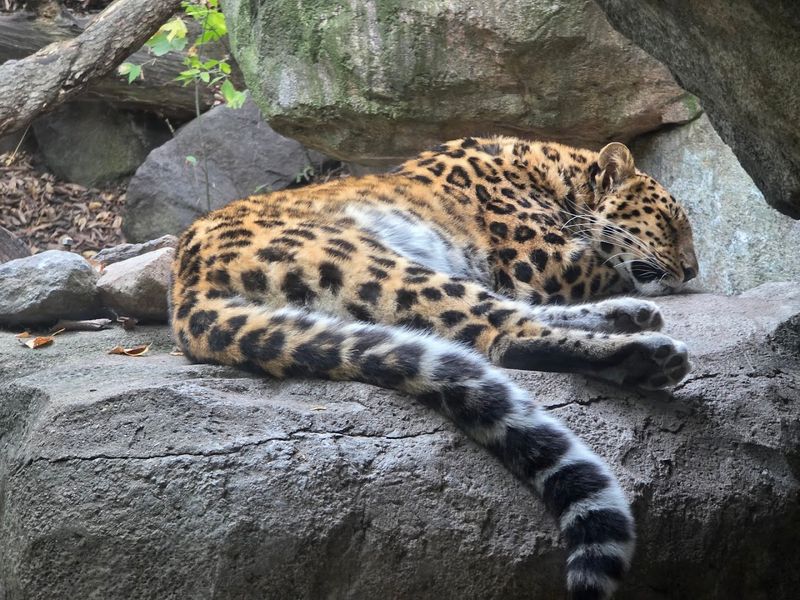
The Minnesota Zoo is not just a place to look at animals; it operates as an active participant in wildlife conservation. The habitats throughout the zoo are designed with the animals’ behavioral needs in mind, and the educational signage consistently connects what you are seeing to broader conservation stories.
Animal presentations held throughout the day are structured to be informative without feeling dry. They cover topics like species behavior, habitat threats, and what the zoo is doing to support wild populations, all delivered in a way that holds the attention of both kids and adults.
The snow monkey enclosure is currently being rebuilt as part of ongoing habitat improvement efforts, which is a visible sign of the zoo’s commitment to upgrading its facilities rather than letting them age in place. That kind of reinvestment signals a long-term seriousness about animal welfare that goes beyond surface-level optics.
The Best Time Of Year To Visit

Every season at the Minnesota Zoo offers something different, and that flexibility is one of the zoo’s genuine strengths. Summer brings the highest energy and the most active outdoor animal sightings, but it also brings the largest crowds and the warmest temperatures on that exposed Treetop Trail.
Fall is a strong argument for an off-peak visit. The cooler temperatures keep most animals lively and visible, and the autumn foliage turns the Treetop Trail into a particularly scenic walk.
October also brings the Halloween Spectacular, which layers a whole separate event on top of the regular zoo experience.
Winter visits are more low-key, but the indoor exhibits like Discovery Bay and the Tropics Trail remain fully operational and comfortable. February visitors have reported genuinely enjoyable experiences focused on the indoor animal collections.
Spring, as the zoo transitions back to full outdoor operations, tends to offer a nice balance of moderate crowds and active animals.
Kid-Friendly Features Beyond The Animal Exhibits
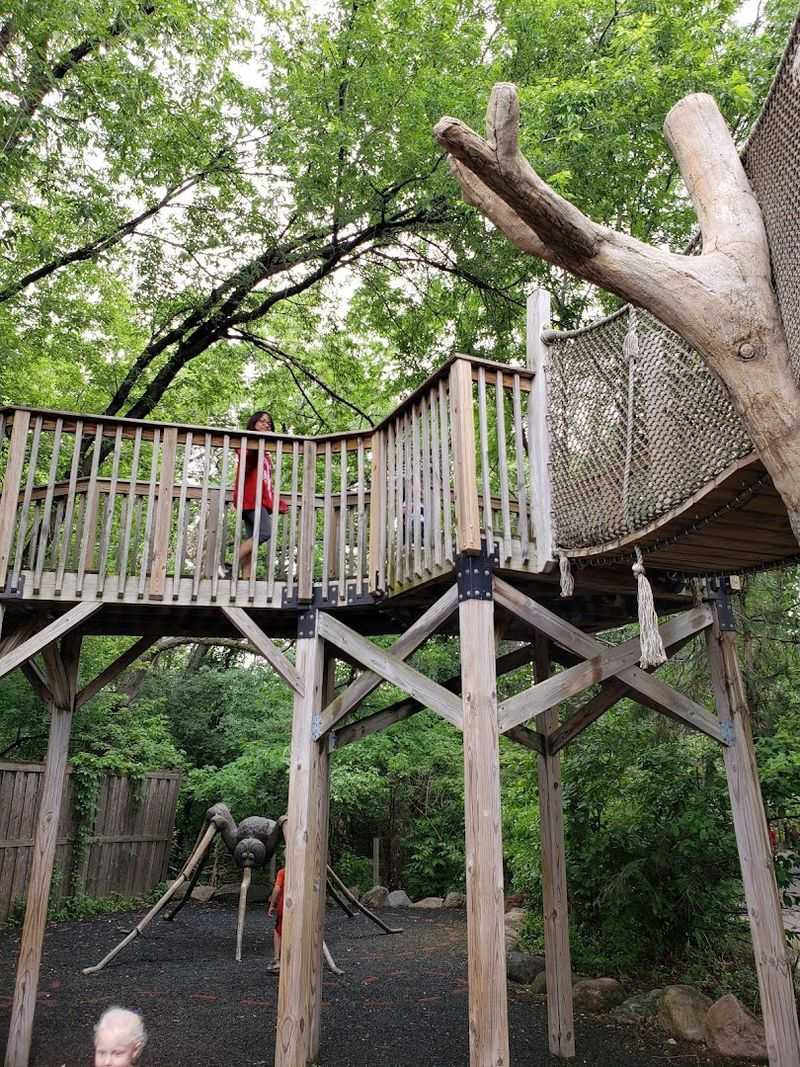
Families with young children will find that the Minnesota Zoo has built in plenty of features specifically designed to keep younger visitors happy between animal sightings. Multiple playgrounds are scattered throughout the zoo grounds, giving kids a chance to burn energy without derailing the overall visit.
A splash pad area provides a welcome cool-down option during warm summer days, and the carousel is a consistent hit with the youngest visitors, featuring a wide variety of animal figures to choose from. Interactive elements like sound buttons that trigger animal responses add a hands-on layer to exhibits that might otherwise feel passive for small children.
The zoo’s layout also includes plenty of shaded rest areas and benches, which makes managing a visit with young children considerably less exhausting than it might be at a more compact facility. The overall design clearly reflects an understanding that family visits require pacing and recovery time built into the experience.
Practical Tips To Get The Most Out Of Your Visit
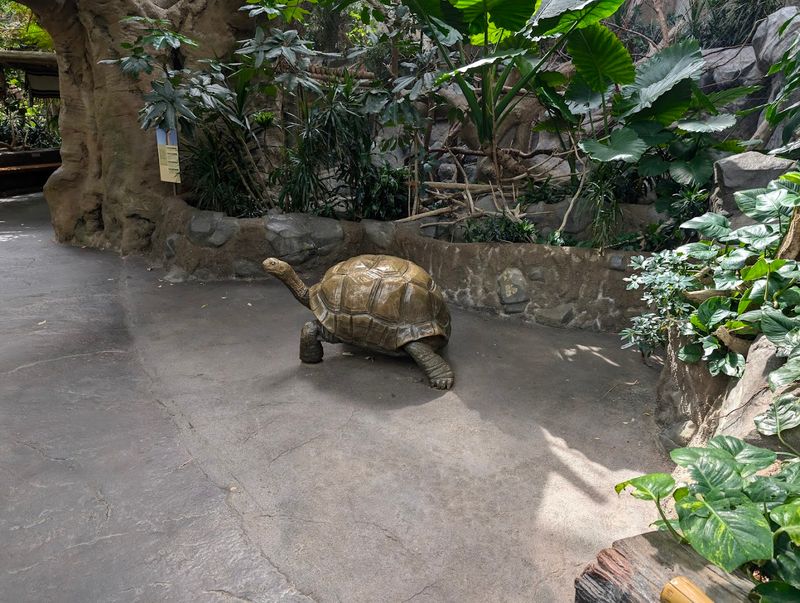
A few practical details can make the difference between a good visit and a great one at the Minnesota Zoo. Buying tickets in advance online is strongly recommended, especially on weekends, since walk-up availability can be limited during peak periods.
Members get access to the zoo one hour before general admission opens, which is a significant advantage for families with strollers or anyone who wants to see the most popular exhibits before the main crowds arrive. The membership pays for itself within two visits for a typical family, making it worth serious consideration if you live within a reasonable drive.
Wear genuinely comfortable shoes, not just shoes that seem fine at home. The zoo covers a lot of ground, and the Treetop Trail adds meaningful elevation changes to an already long walking day.
Bringing your own water is both allowed and advisable, and arriving with some food already in your system makes the whole experience more enjoyable.
The Farm And Family-Favorite Sections

Tucked within the zoo’s broader landscape is a farm section that tends to generate outsized enthusiasm, particularly among the youngest visitors. The up-close access to domestic animals provides a different kind of connection than the wildlife exhibits, and it often becomes a family favorite simply because of how approachable and interactive it is.
The farm area offers a grounding counterpoint to the more exotic animal encounters elsewhere on the grounds. After watching tigers and grizzly bears from a respectful distance, there is something genuinely charming about a section where the animals are practically at eye level and clearly comfortable with human proximity.
Docents and informational signage throughout this area are consistently helpful, providing context that makes the visit educational without feeling like a classroom exercise. The farm section is one of those parts of the zoo that tends to surprise first-time visitors who did not know it was there, and it reliably earns a return trip on its own merits.
Why The Minnesota Zoo Earns Its Reputation
After spending a full day at the Minnesota Zoo, it becomes clear why this place holds such a strong place in the memories of so many Minnesota families. The combination of sheer scale, habitat quality, and thoughtful programming creates an experience that stands apart from the average zoo visit in ways that are hard to fully convey until you are actually there.
The Treetop Trail alone is worth making the trip for, but it sits within a broader experience that includes world-class animal collections, genuinely engaging seasonal events, and a layout that treats both animals and visitors with respect. That balance is rarer than it should be.
Whether you are a first-time visitor or someone returning after years away, the Minnesota Zoo at 13000 Zoo Blvd in Apple Valley has a way of delivering something new and memorable every time, which is ultimately the highest compliment any attraction can earn.
Share this story