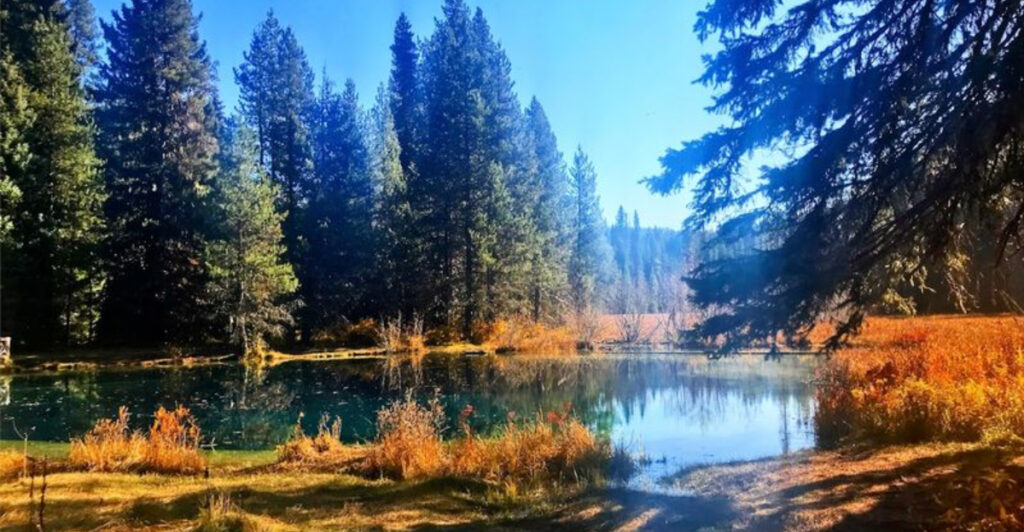
Deep in the Mt. Hood National Forest in Oregon, there is a small pool of water so clear and so blue that your brain genuinely struggles to process what your eyes are seeing.
The color shifts from aquamarine near the edges to a deep, otherworldly blue at its center, and the water stays ice-cold year-round, no matter how warm the summer air gets. At just 45 feet deep, you can see every inch of the bottom from the surface, which feels almost impossible until you are standing right there.
This little spot does not get nearly the attention it deserves, and once you read what makes it so special, you will understand why people keep coming back to show it off to every out-of-town guest they can drag along for the trip.
Where Exactly You Will Find This Blue Wonder
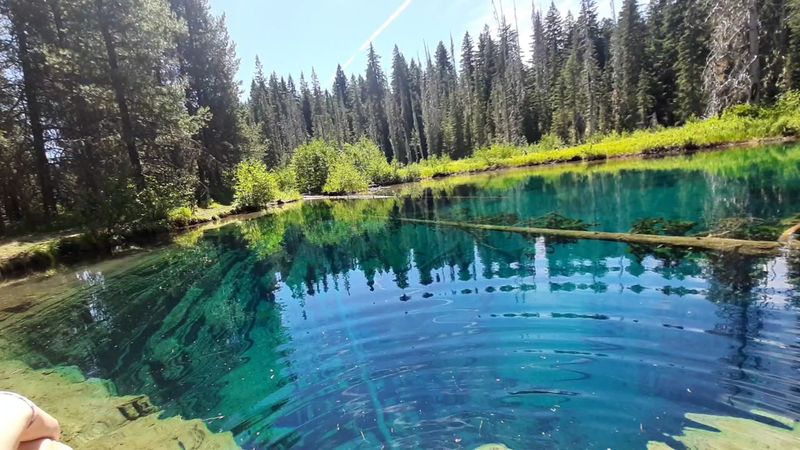
Little Crater Lake sits inside the Little Crater Lake Campground, which is part of the Mt. Hood National Forest in Clackamas County, Oregon.
The GPS coordinates place it at approximately 45.1483 degrees north, 121.7509 degrees west, and the closest mailing address puts it near the Timothy Lake area on the eastern side of Mt. Hood.
To get there, you take Highway 26 east from Portland, then turn south onto Forest Road 42, and follow signs toward the campground. The drive through the forest is already worth the trip on its own, with tall Douglas firs lining the road and the air getting noticeably cooler as you climb.
There is a $10 day-use fee to enter the campground, so bring cash or a card. A national park pass does not cover this fee, which has surprised a few visitors.
The parking area near the trailhead fits around six to ten vehicles, so arriving early on weekends is a smart move. The lake is not far from Timothy Lake, making it a natural add-on stop for anyone already exploring that part of Oregon.
The Geology Behind That Impossible Blue Color
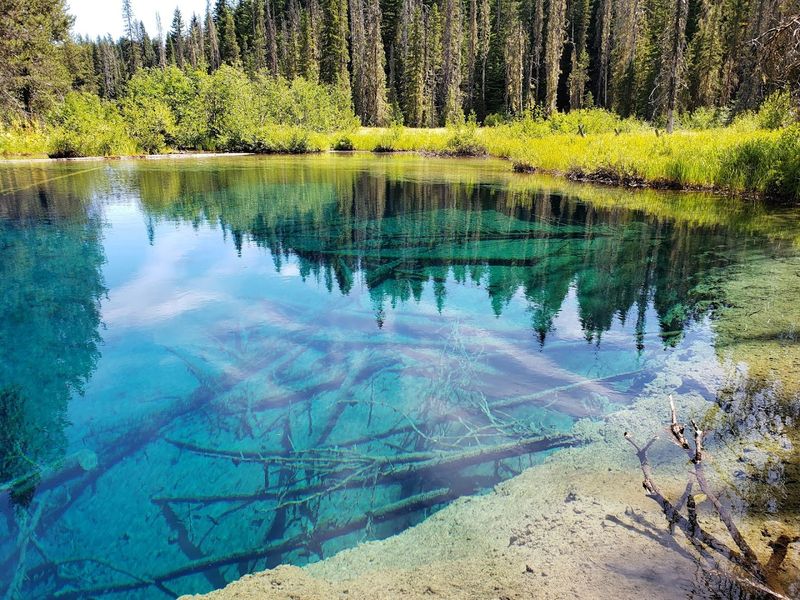
The color of this lake is not a trick of light or a filter on someone’s phone. Little Crater Lake is a spring-fed artesian pool, meaning cold groundwater pushes up through the earth from deep underground, bringing with it exceptional clarity and a near-freezing temperature that stays around 34 degrees Fahrenheit all year long.
Because the water comes directly from underground springs and is not fed by surface runoff, it carries almost no sediment or organic material. That purity is what gives the water its jaw-dropping transparency.
You can look down 45 feet and see the sandy bottom as clearly as if you were looking through a clean window.
The blue and turquoise tones come from the way light scatters through such pure, deep water. The shallow edges glow a soft aquamarine, while the deeper center shifts into a rich, dark blue that looks almost unreal.
Tiny fish are visible darting around near the bottom, and the pool is rimmed with corn lilies that add a lush green border. For anyone who loves understanding why nature does what it does, this spot is a fascinating, living geology lesson right in the heart of Oregon.
The Short Trail That Gets You There
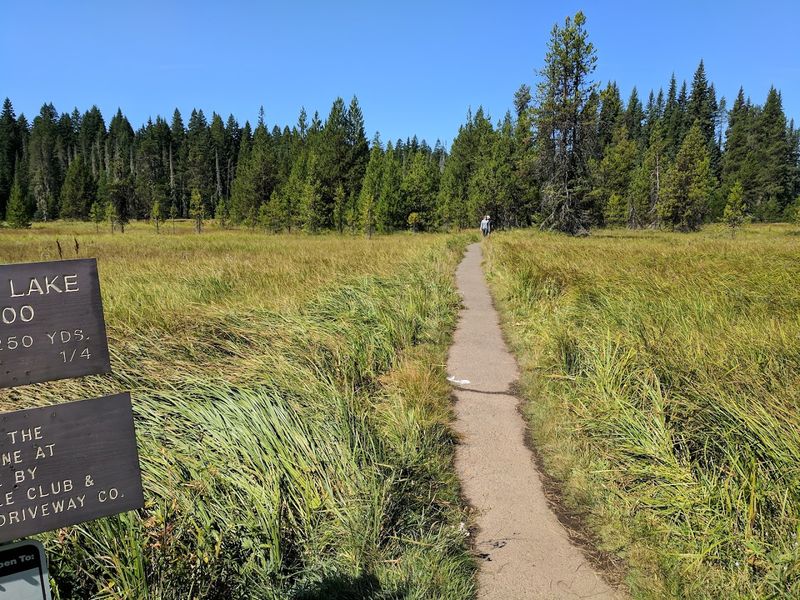
One of the best things about visiting this lake is that you do not need to be an experienced hiker to reach it. The trail from the parking area to the lake is only about 250 yards, which means most people can make the round trip in under ten minutes without breaking a sweat.
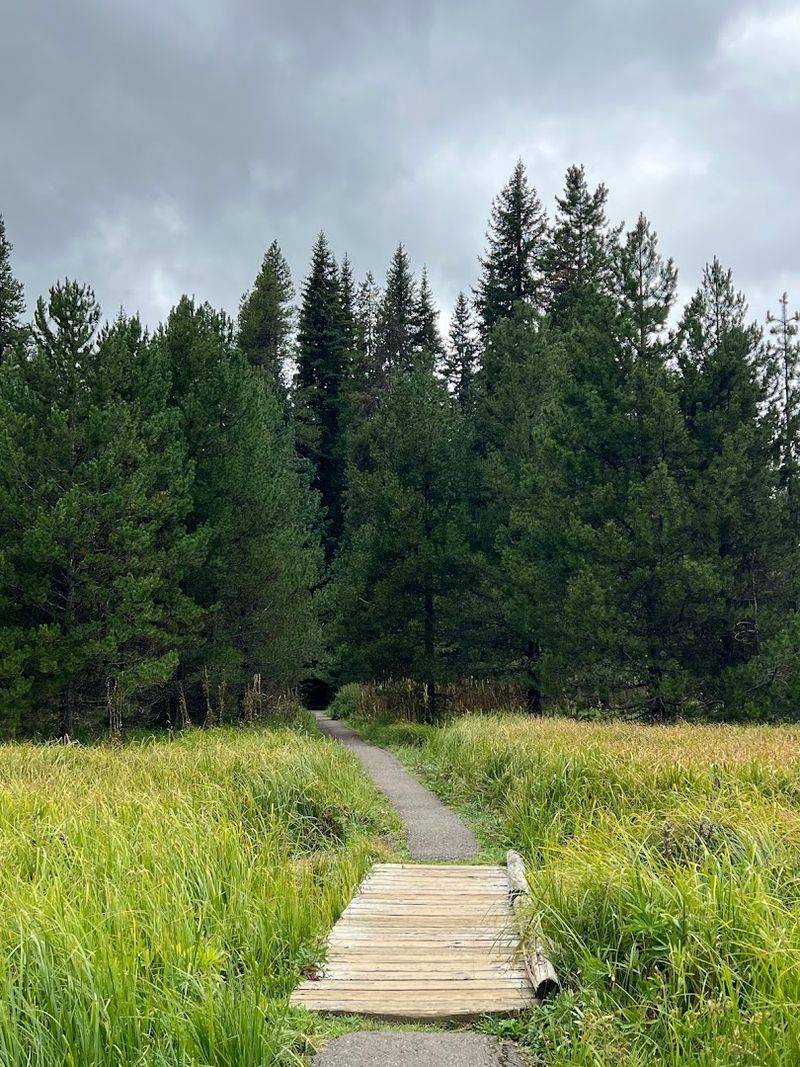
The path starts at the trailhead near the day-use parking area and takes you through a beautiful open meadow before the trees close in around you. The ground is flat the entire way, with no significant elevation change, making it genuinely accessible for families with young children, older adults, and anyone who prefers a gentle stroll over a strenuous climb.
A wooden boardwalk extends out near the water’s edge, giving you a close-up view without disturbing the fragile shoreline. Worth noting: some visitors have flagged that parts of the boardwalk and viewing deck have shown wear over the years, so watch your step and pay attention to any posted notices about which areas are safe to use.
After the lake, the trail continues and connects to the Pacific Crest Trail, offering a longer walk through the forest for those who want to stretch their legs a little more.
Why Swimming Is Off the Table Here
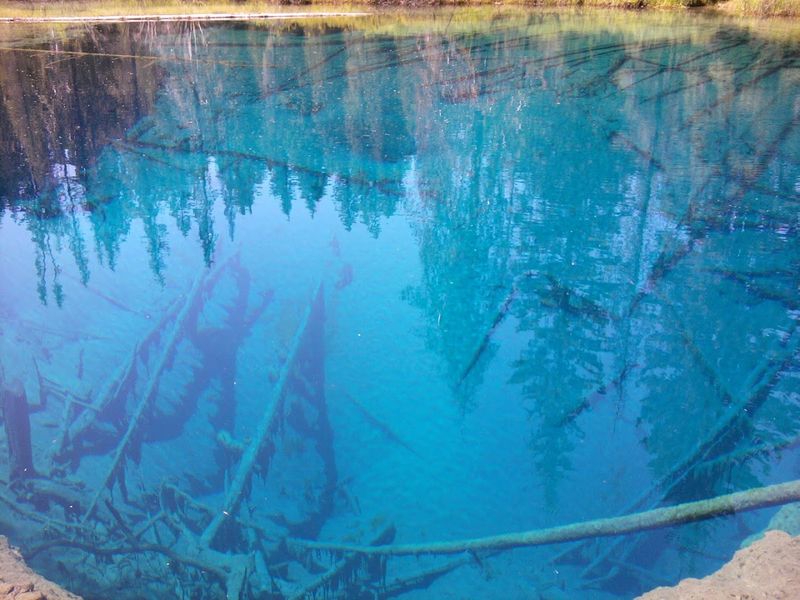
Fair warning before you pack your swimsuit: swimming is not allowed at Little Crater Lake. This rule applies year-round and is strictly enforced, which has disappointed more than a few visitors who arrived on a hot summer day expecting a refreshing dip.
The ban exists for two main reasons. First, the lake is a protected natural feature, and human activity in the water would introduce oils, bacteria, and physical disturbance that could permanently alter its remarkable clarity.
Second, even if it were allowed, the water temperature hovers around 34 degrees Fahrenheit at all times, making a swim less refreshing and more of a cold shock to the system.
Some visitors have mentioned that dipping a hand in near the warmer edge water is a fun way to feel the contrast without the full chill. The water at the very edge, where sunlight warms the shallows, is noticeably less cold than the deep center.
So the experience of touching that legendary spring water is still within reach, just not in a full-body kind of way. The no-swimming rule ultimately protects what makes this place worth visiting in the first place, and most people leave feeling grateful for that.
Camping Right Next to the Lake
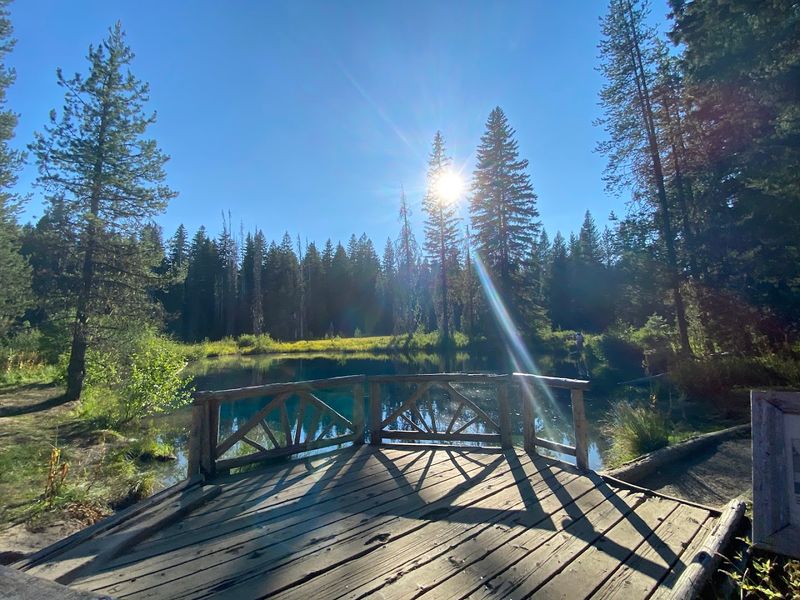
The campground that surrounds Little Crater Lake offers a genuinely appealing base for an overnight stay. The sites are set among tall trees and feel reasonably private, with clean facilities that include well-maintained bathrooms.
The camp host has received consistent praise from visitors for being friendly and helpful, which makes the whole experience feel more welcoming.
Reservations are recommended, especially during summer weekends, because the campground fills up quickly once word spreads about how close it sits to the lake. Waking up in the morning and walking a short distance to watch the early light hit that blue water is a hard experience to beat.
One thing worth knowing before you book: campsites near the day-use parking lot can get noisy during peak visiting hours, as day-trippers come and go throughout the afternoon. Choosing a site farther from the parking area will give you a quieter experience if that matters to you.
The campground is also a solid starting point for exploring the broader Mt. Hood National Forest, with trail connections nearby including the Pacific Crest Trail.
Oregon has no shortage of beautiful forests to camp in, but few of them come with a glowing blue pool just steps from your tent.
The Pacific Crest Trail Connection
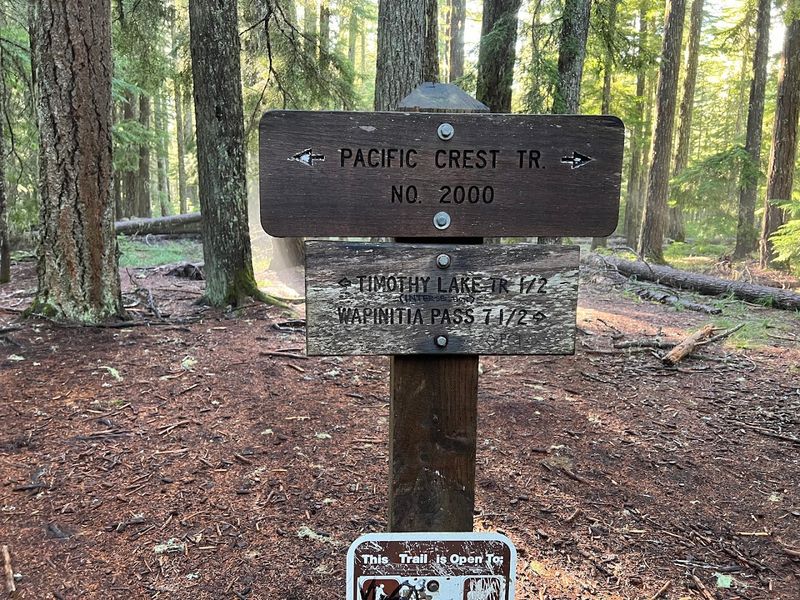
One of the most exciting things about this spot is what lies just beyond the lake itself. The trail that passes Little Crater Lake connects directly to the Pacific Crest Trail, one of the most famous long-distance hiking routes in the entire country, stretching from Mexico to Canada.
You do not need to be a thru-hiker to enjoy this connection. A short walk along the PCT from the lake gives you a taste of some genuinely beautiful Oregon forest, with towering conifers, soft undergrowth, and the kind of quiet that makes city noise feel like a distant memory.
The section near Little Crater Lake is relatively flat and easy to navigate.
For families or casual hikers, even a fifteen or twenty minute walk along the PCT before turning back adds a meaningful layer to the visit. It gives the outing more of a hiking feel rather than just a quick sightseeing stop.
Oregon is famous for its stunning trail networks, and being able to step onto the PCT from such an accessible starting point is a rare treat. Hikers from states like California and even Oklahoma have been known to plan detours specifically to combine a PCT stretch with a stop at this remarkable blue pool.
Best Times to Visit for the Most Stunning Views
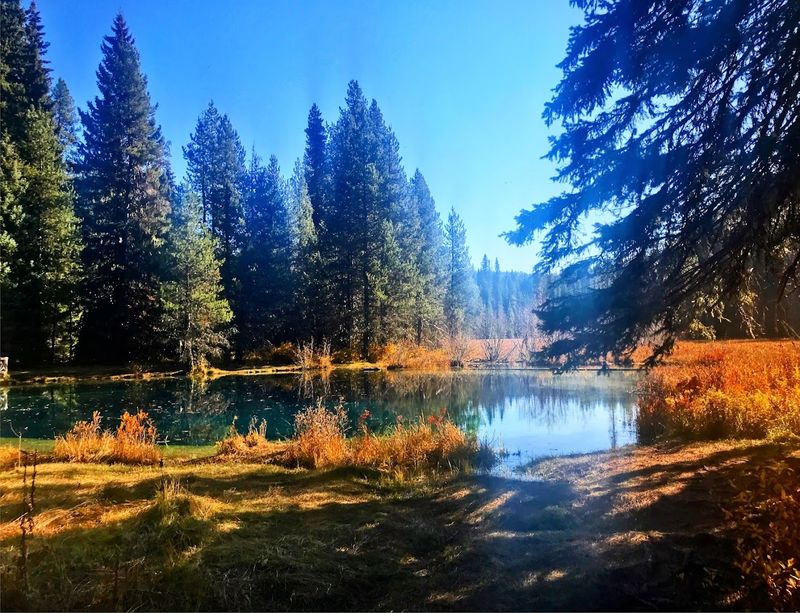
Timing your visit makes a real difference at Little Crater Lake. The pool looks most dramatic when direct sunlight hits the water, which typically happens mid-morning to early afternoon during summer months.
Early arrivals around 9 a.m. may find the sun still partially blocked by the surrounding trees, though the light filtering through the canopy creates its own kind of magic.
Summer weekends bring the most visitors, so if you prefer a quieter experience, a weekday visit or an early morning arrival will give you more space and stillness around the pool. Fall is another excellent time to go, when the surrounding foliage adds warm color to the already vivid blue of the water.
Winter and early spring visits are possible but require checking road conditions first, as Forest Road 42 can be affected by snow and ice. The water temperature does not change with the seasons since it comes from underground, so the lake looks essentially the same in January as it does in July.
Visitors from across the Pacific Northwest and even travelers from as far as Oklahoma have made the seasonal pilgrimage to catch this pool in perfect light, and most agree that no photograph fully captures how the color actually looks in person.
Wildlife and Plant Life Around the Pool
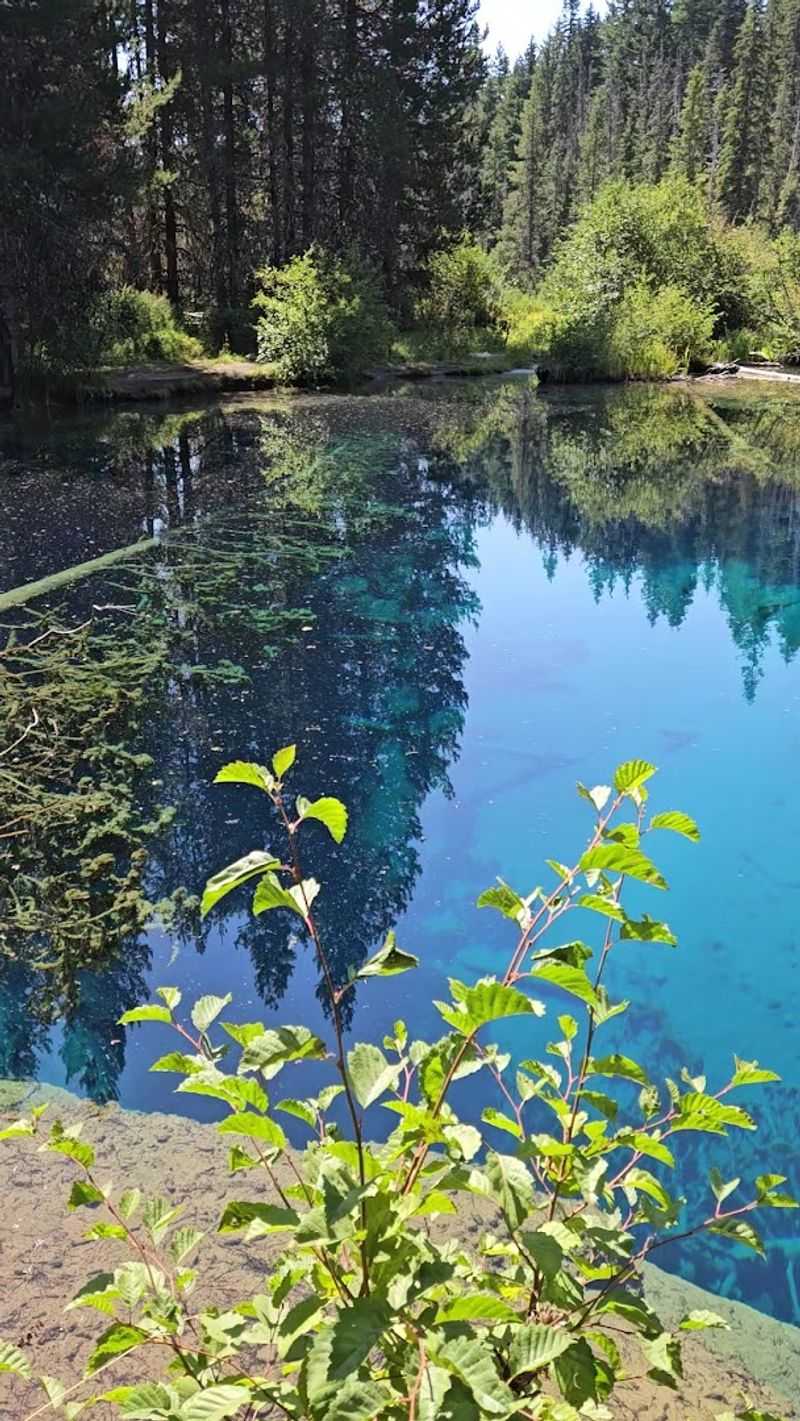
The area around Little Crater Lake is alive in ways that are easy to miss if you only focus on the water. The pool is ringed with corn lilies, large leafy plants with broad green leaves that create a lush, almost tropical-looking border around the impossibly blue water.
The contrast between the deep green plants and the vivid blue pool makes for some of the best natural photography you will find anywhere in Oregon.
Tiny fish are visible in the clear water, darting around near the sandy bottom and along the edges. Because the water is so transparent, watching them feels almost like looking into an aquarium.
The fish add a sense of life and movement to what might otherwise feel like a still, motionless scene.
The surrounding meadow and forest attract birds, deer, and other wildlife common to the Mt. Hood area.
Early morning visitors have a better chance of spotting animals before the day-use crowds arrive. The transition from open meadow to dense forest along the trail creates a variety of microhabitats, which supports a wider range of species than you might expect from such a small area.
Bringing binoculars is never a bad idea on a visit like this.
Practical Tips Before You Make the Drive
A few practical details will save you from surprises on the day of your visit. The $10 day-use fee is collected at the campground entrance, and the host does actively check vehicles, so skipping it is not worth the risk.
National park passes and passes from nearby sites like Lost Lake do not apply here, so budget for the fee separately.
Parking is limited to around six to ten vehicles at the trailhead lot, and it fills fast on sunny weekends. Arriving before 10 a.m. gives you the best shot at a spot.
Some visitors choose to park just outside the campground entrance and walk in, which is a reasonable option if the lot is full.
Cell service in this part of the Mt. Hood National Forest is unreliable, so download your maps and directions before you leave.
The campground has no dump station for RVs, and generator hours are typically restricted to keep the atmosphere peaceful. Packing out all your trash is expected and appreciated.
Oregon takes its natural spaces seriously, and this spot deserves that respect. Travelers coming from places like Oklahoma or other inland states should also prepare for cooler temperatures than expected, even in summer, since the forest elevation keeps things refreshingly cool.
Share this story