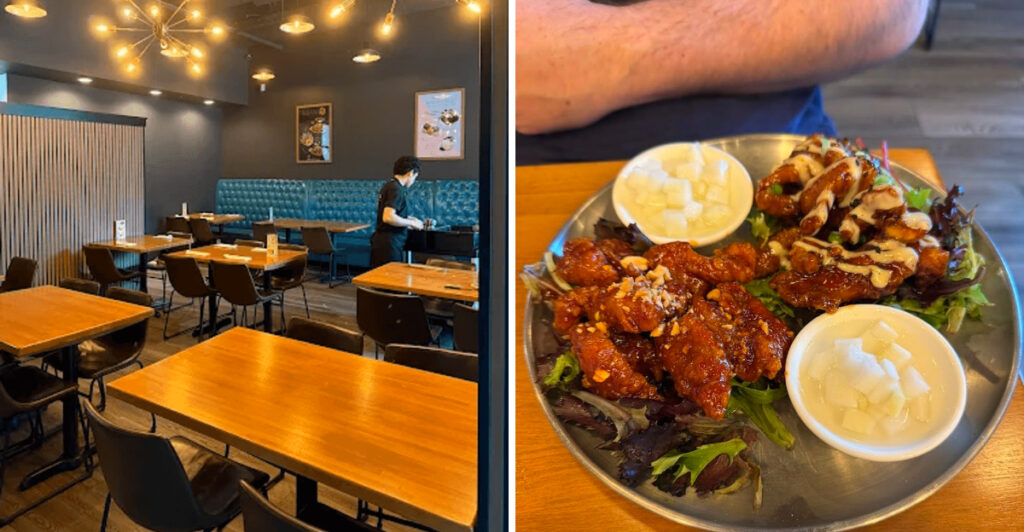
There is a Korean restaurant in Cary, North Carolina, that most people drive right past without a second glance. It sits quietly in a shopping center, no flashy signage, no long line snaking out the door on a Tuesday afternoon.
But once you eat there, you start telling everyone you know. The fried chicken alone is worth rearranging your schedule for, and the rest of the menu is just as serious about flavor.
I visited Ajumma with zero expectations and left convinced it belongs in a conversation that usually gets reserved for bigger, louder cities. Here is everything you need to know before your first visit.
Where to Find Ajumma in Cary, NC
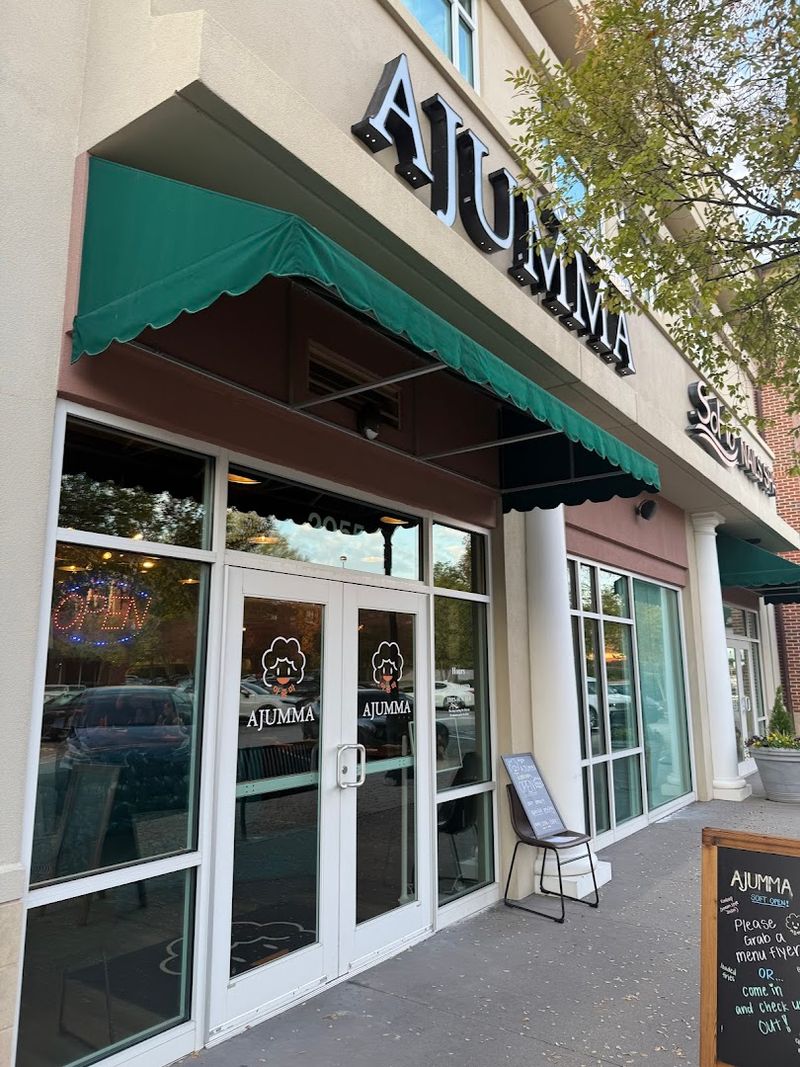
The address is 2055 Renaissance Park Pl, Cary, NC 27513, tucked into a quiet shopping center that does not exactly scream destination dining. Cary sits in the Research Triangle Park area of North Carolina, and Ajumma has carved out a loyal following in this suburban stretch that keeps growing month by month.
Parking is easy, which already puts you in a good mood before you even walk through the door. There is space in front and behind the building, so you are never circling the lot in frustration on a Friday evening.
Hours run Tuesday through Sunday from 11 AM to 9 PM, and the restaurant is closed on Mondays. If you are coming from somewhere like Greensboro or even further out, the drive is genuinely worth it.
The phone number is +1 919-234-1384, and the website is ajummakorean.com if you want to check the menu before you arrive. First-time visitors often say the modest exterior gives almost nothing away about how good the food inside actually is.
The Story Behind the Name
The word ajumma is a Korean term used to refer to a middle-aged woman, often a mother or aunt figure, someone who feeds you without asking twice and makes sure your bowl is never empty. It is a deeply affectionate word in Korean culture, and the restaurant wears that identity with obvious pride.
This is a family-owned operation, and the owner’s presence is felt throughout the space. Guests who have spoken with her describe someone who genuinely cares about every plate that leaves the kitchen.
That kind of personal investment shows up in the food in ways that are hard to fake.
The name also sets a tone for what kind of experience you are walking into. This is not a trendy concept restaurant built around aesthetics.
It is a place where the cooking comes first, the hospitality is warm and unhurried, and the goal is to make you feel like you are eating in someone’s home. That philosophy, simple as it sounds, is rarer than it should be in the modern restaurant landscape.
The Korean Fried Chicken That Started the Conversation
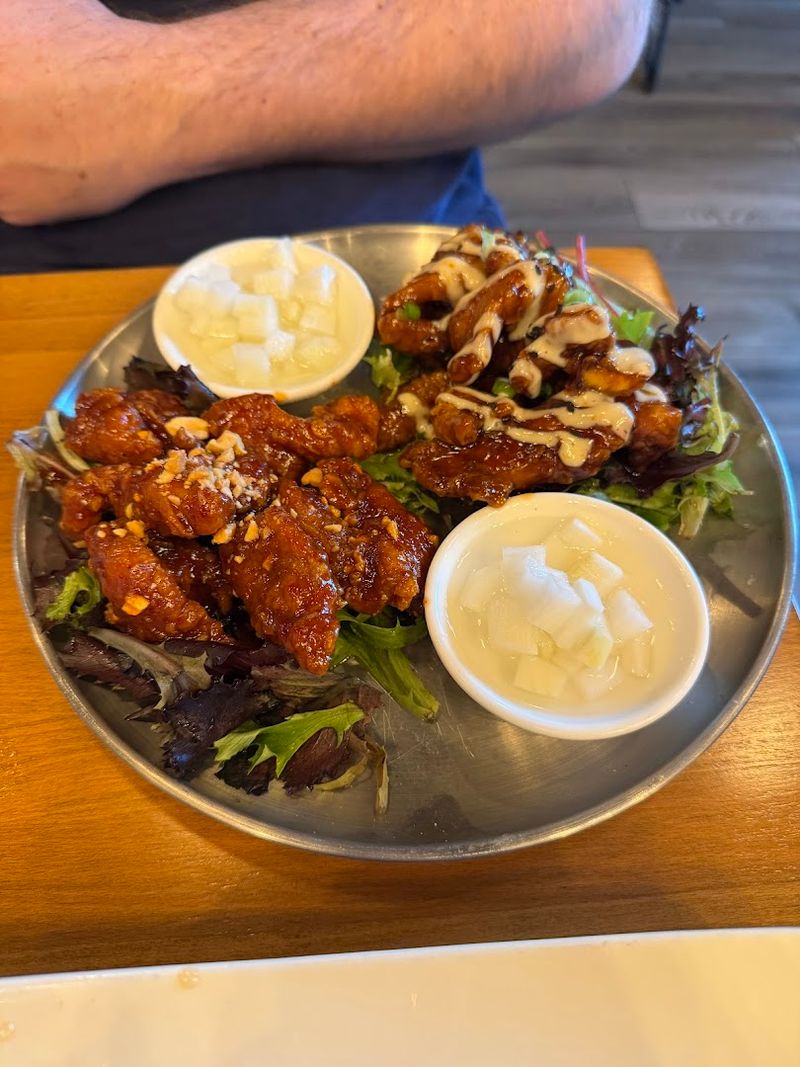
Korean fried chicken is not the same thing as the fried chicken you grew up eating at a backyard cookout. The coating is thinner, crispier, and somehow manages to stay crunchy even as the sauce clings to every piece.
At Ajumma, the fried chicken arrives boneless, which divides opinion among purists but wins over anyone who just wants to eat without a fight.
Two sauce options come with the order, and both lean salty rather than sweet, which pairs well with a bowl of steamed rice. The portion size is modest compared to some of the other dishes on the menu, so ordering it as a shared starter rather than a solo entree makes more sense financially and strategically.
What makes this chicken worth talking about is the texture. The outside shatters when you bite in, and the inside stays juicy without being greasy.
It is the kind of fried chicken that reminds you why people in cities like Nashville and Oklahoma City have been obsessing over Korean-style preparations for years. One order rarely feels like enough.
Sundubu Jjigae: The Dish That Earns Devotion
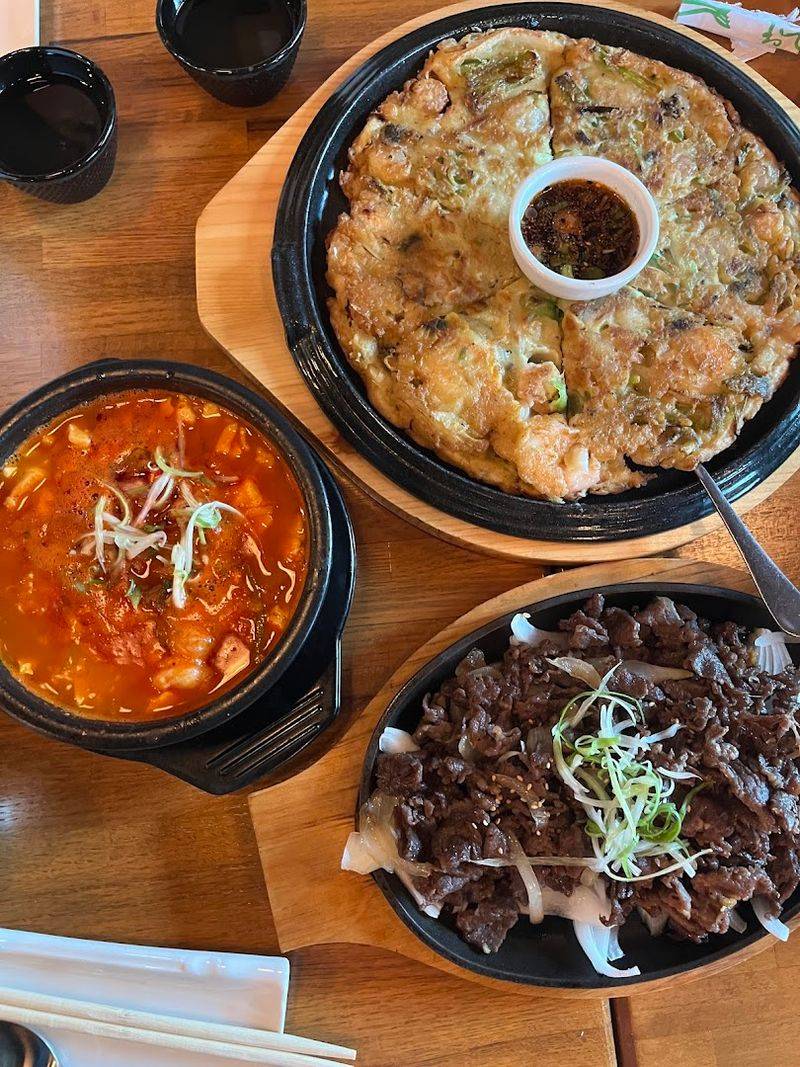
Some dishes earn loyalty through subtlety, and the sundubu jjigae at Ajumma is exactly that kind of dish. The soft tofu stew arrives in a stone pot, still bubbling at the edges, the broth a deep red that signals heat without being reckless about it.
The beef base version is the one that regulars tend to circle back to again and again.
Soft tofu has a texture that not everyone warms to immediately, but in this broth it makes complete sense. The silkiness of the tofu absorbs the spice and the savory depth of the stock in a way that feels almost designed.
Each spoonful is a slightly different experience depending on which ingredient you catch.
The spice level is customizable, which is a detail worth noting if you are sensitive to heat or if you prefer things turned up past the default setting. Staff ask about your tolerance before the order goes in, which is a small courtesy that prevents a lot of regret.
This is the dish that people from outside the Triangle drive specifically to eat, and it is not hard to understand why after the first bowl.
Seafood Pancake Worth Every Bite
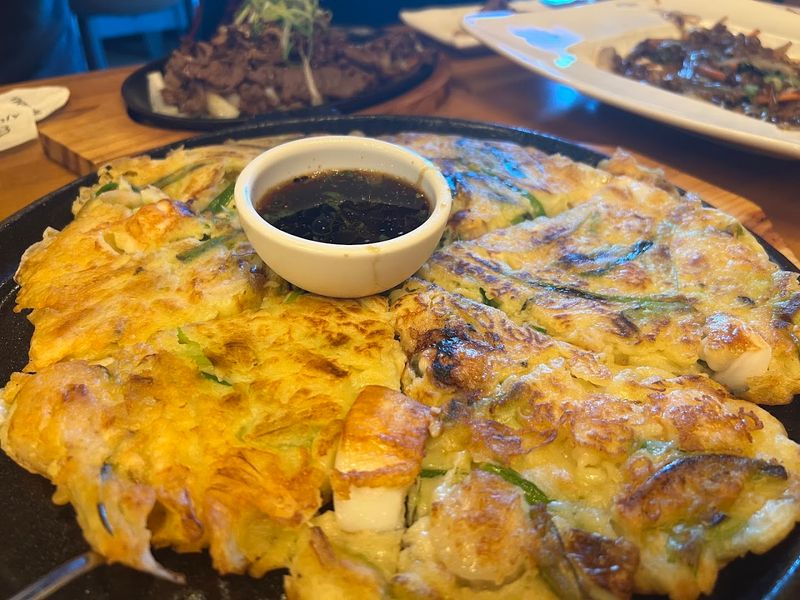
The haemul pajeon, or seafood pancake, is one of those dishes that arrives and immediately commands attention. At Ajumma, the portion is genuinely large, the kind of appetizer that makes you reconsider how much you ordered for the rest of the meal.
The edges are crispy and golden, the interior thick and chewy with visible pieces of seafood throughout.
The vinegar-based dipping sauce that comes alongside it is the detail that elevates the whole thing. It cuts through the richness of the pancake and adds a brightness that keeps each bite from feeling heavy.
The balance between the sauce and the pancake is not accidental. It is the result of a kitchen that pays attention to how individual components work together.
This dish shows up repeatedly in conversations about what to order first at Ajumma, and for good reason. It is approachable enough for someone eating Korean food for the first time but interesting enough to hold the attention of someone who has been eating pajeon for years.
Food that works across that range is genuinely hard to pull off, and this version does it with confidence.
Banchan: The Free Sides That Set the Tone
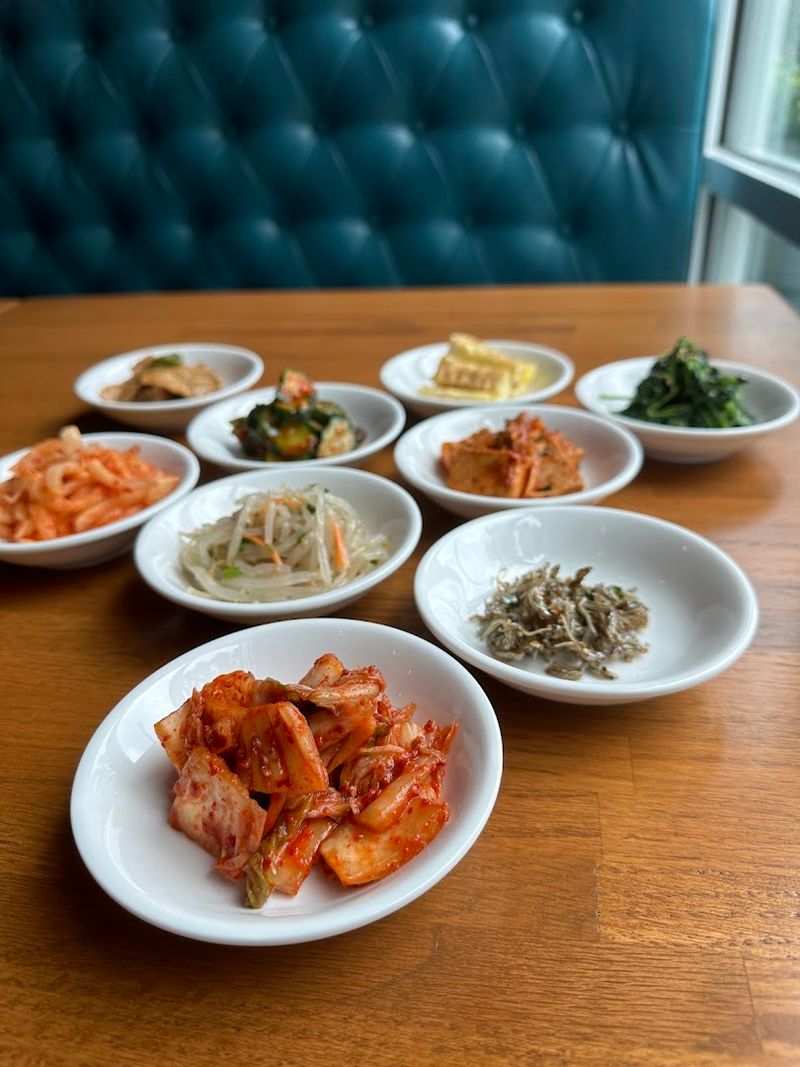
Before the main dishes arrive, small bowls of banchan appear on the table without being asked for. These complimentary side dishes are a standard part of Korean dining culture, but not every restaurant executes them with the same care.
At Ajumma, the banchan tastes fresh rather than like something pulled from a container that has been sitting in a refrigerator since Tuesday.
The corn cheese is the one that surprises people most. It is sweet, savory, and warm, and it disappears faster than anything else on the table.
Kimchi, fish cakes, and assorted vegetables round out the spread, each one seasoned with enough attention to stand on its own rather than just filling space.
For anyone new to Korean food, the banchan is actually a useful introduction to the flavor vocabulary of the cuisine. You get a sense of the balance between fermented, spicy, sweet, and savory before the main event arrives.
For regulars, it is simply one of the small pleasures that makes the experience feel complete. A restaurant that treats its free sides with this level of care is telling you something important about its priorities.
Dolsot Bibimbap Done Right
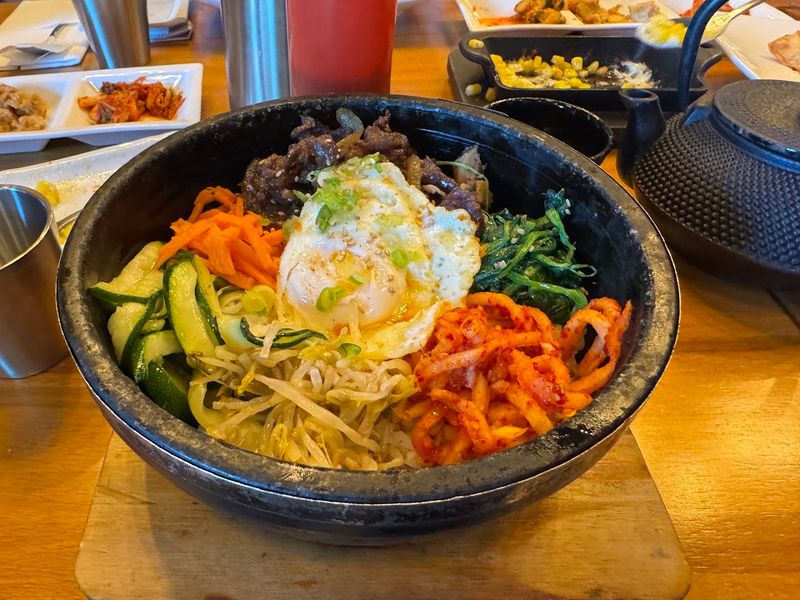
Dolsot bibimbap is one of those dishes that looks dramatic when it arrives and delivers on the drama. The stone bowl retains heat long after it reaches the table, and the rice at the bottom slowly develops a crust that adds a nutty, slightly charred layer to every bite.
At Ajumma, the combination of egg, rice, vegetables, and beef is assembled with a clear understanding of how the components interact once you mix everything together.
The key move with dolsot bibimbap is to mix quickly and eat promptly, before the rice overcooks against the hot stone. The staff here seem accustomed to explaining this to first-timers, which is a small but genuinely helpful touch.
Getting the timing right makes the difference between a good bowl and a great one.
This dish is the kind of thing that people who grew up eating Korean food use as a benchmark for a restaurant’s authenticity. The fact that Ajumma’s version consistently earns praise from that group says something real about the kitchen’s approach.
It is hearty, flavorful, and satisfying in a way that holds up across seasons, whether it is a cold January night or a humid North Carolina afternoon.
Kimchi Pancake vs. Seafood Pancake: A Worthy Debate
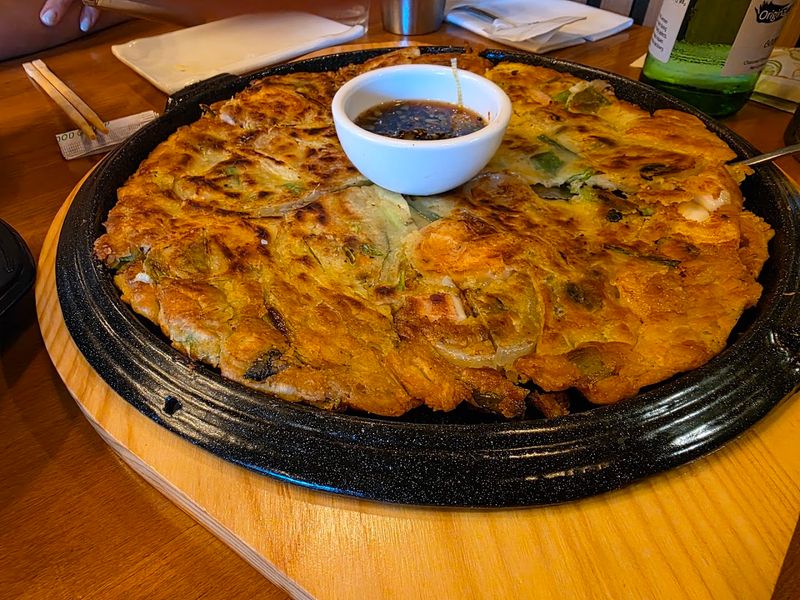
Regulars at Ajumma tend to fall into two camps: those who order the seafood pancake every single time, and those who insist the kimchi pancake is the one you should not leave without trying. Both arguments have merit, and the honest answer is that the menu supports ordering one of each if you have the table space for it.
The kimchi pancake has a more assertive flavor profile. The fermented kimchi brings acidity and heat that the seafood version does not have, and the texture is slightly denser.
Asking for extra crispy is a legitimate request here, and the kitchen accommodates it without complaint.
What makes this comparison worth having is that both pancakes represent a kitchen operating with confidence. There is no filler version designed to pad the appetizer section.
Each one has a clear identity and a reason to exist on the menu. For people who are working their way through Korean cuisine for the first time, starting with these two dishes side by side is one of the more efficient ways to understand what the food is about.
The debate, honestly, has no wrong answer.
Bulgogi: Simple, Tender, and Reliable
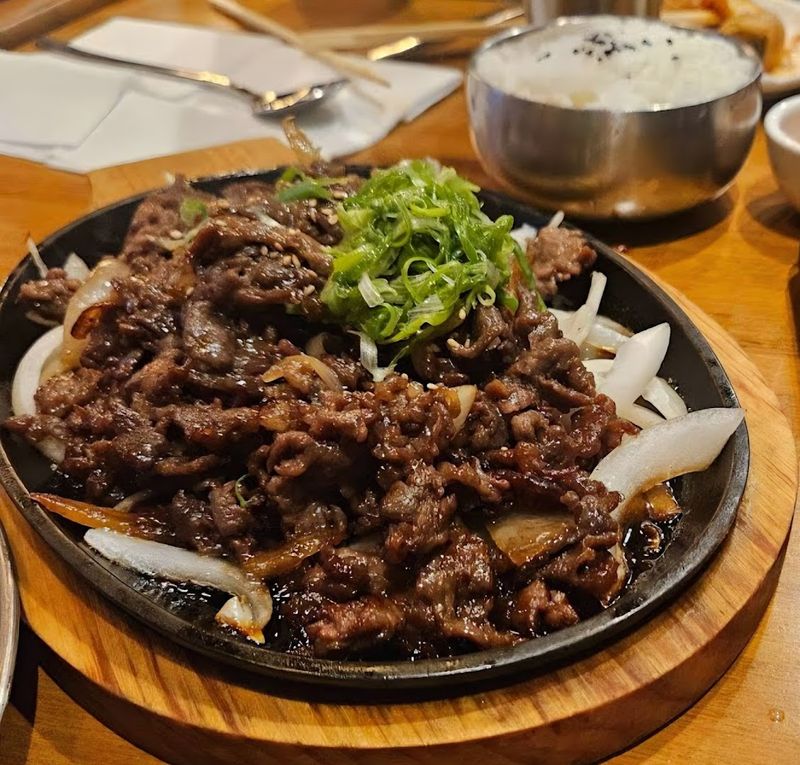
Bulgogi is often the first Korean dish that people outside the culture try, which means it carries a certain amount of expectation. The marinated beef at Ajumma is sweet, savory, and tender, hitting the notes that make bulgogi the approachable entry point it has always been.
The portion is generous, and it pairs naturally with the rice and banchan already on the table.
Some guests find the sweetness slightly more pronounced than they prefer, which is a fair observation. Korean bulgogi does lean sweet by design, and Ajumma’s version stays true to that tradition rather than adjusting it for a broader palate.
If you prefer your beef more savory than sweet, the kitchen is generally open to requests.
The beef arrives well-seasoned without being overpowered by the marinade, which is the balance that separates a good bulgogi from a great one. The texture is consistently tender, which suggests the kitchen is not rushing the marinating process.
For anyone building a first Korean meal at Ajumma, bulgogi alongside a bowl of rice and a spoonful of kimchi from the banchan spread is a combination that works every time without requiring any explanation.
The Atmosphere Inside: Understated and Comfortable
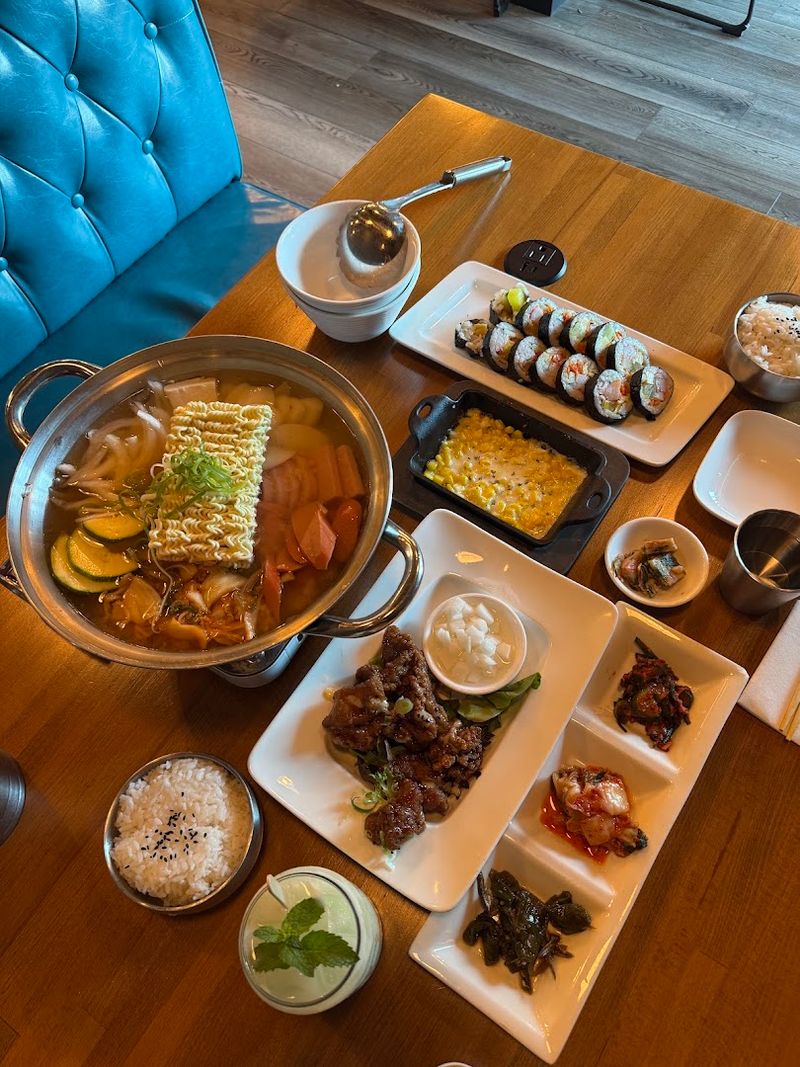
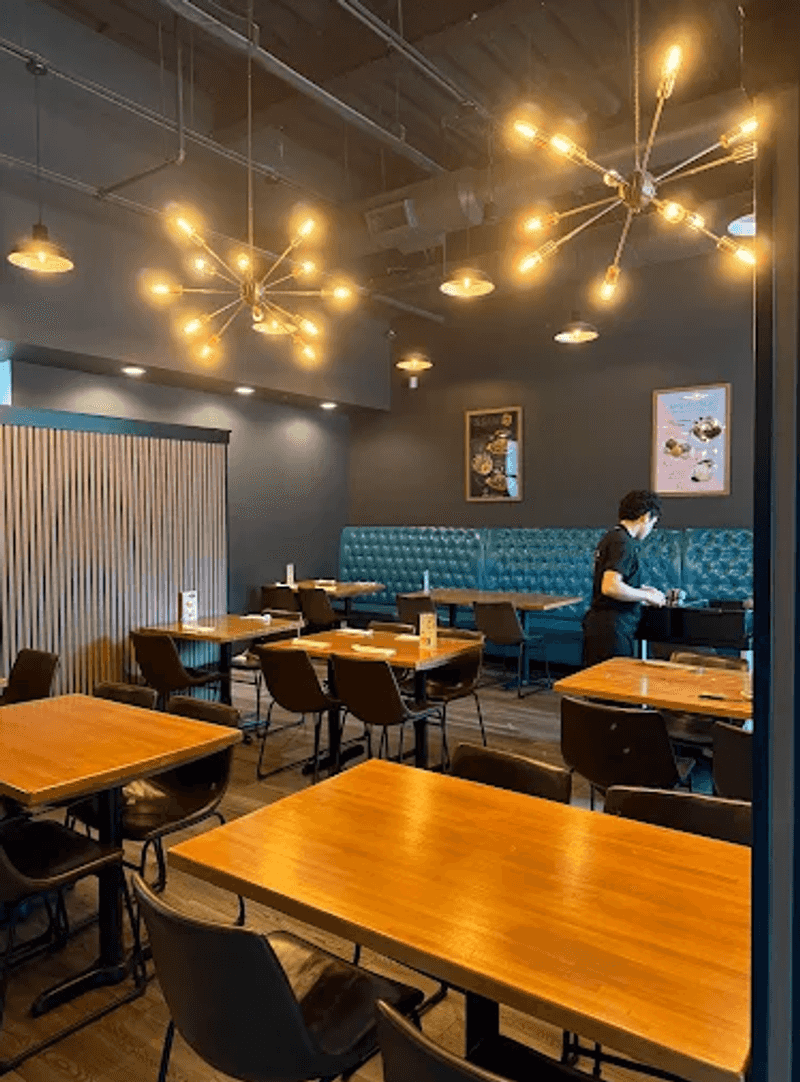
The dining room at Ajumma is clean, quiet, and unpretentious. The decor is modern without being cold, and the space feels well-maintained without trying to manufacture a mood.
There are no dramatic murals or themed elements designed to photograph well for social media. The room lets the food do the talking, which is either refreshing or underwhelming depending on what you came for.
Tables are spaced comfortably, and the overall noise level stays low enough to hold a conversation without raising your voice. On busy Friday evenings, a wait of around 20 minutes is normal, but the line moves efficiently and the staff manage the flow without making anyone feel rushed or forgotten.
The restaurant provides aprons for customers, which is a practical and thoughtful detail that signals how much care goes into the little things here. Spicy Korean soups and light-colored shirts have a complicated relationship, and having an apron available removes that anxiety entirely.
The atmosphere is not the reason people make the drive from Greensboro or elsewhere in the state, but it supports the experience in exactly the right way.
Service That Feels Personal
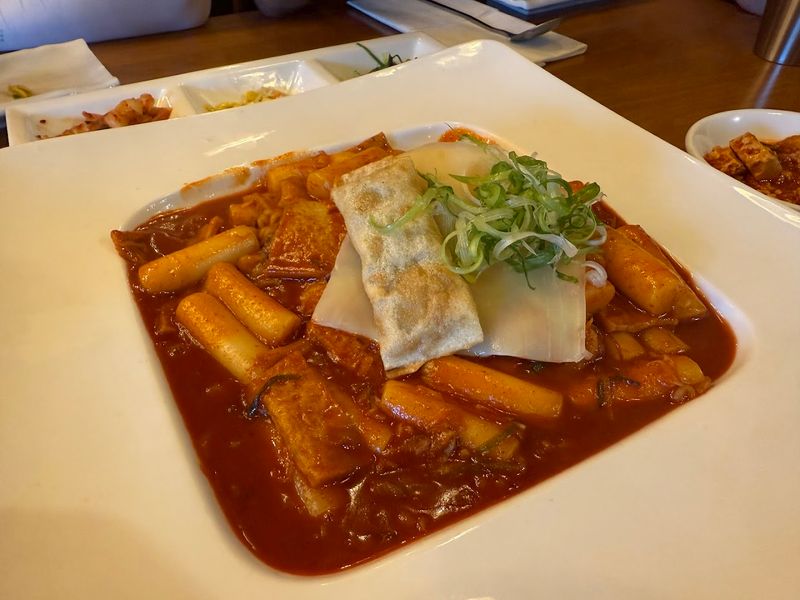
The service at Ajumma comes up in almost every conversation about the restaurant, and not in the generic way that people mention it when they have nothing else to say. The staff here are genuinely attentive without hovering.
They check in at the right moments, handle special requests without making them feel like an inconvenience, and bring a warmth to the room that is hard to manufacture through training alone.
One detail that stands out is the way spice levels are handled. Before any spicy dish is ordered, the server asks about your tolerance.
It is a simple question, but it prevents a lot of unhappy surprises and shows that the kitchen actually adjusts based on the answer rather than just using it as a formality.
The owner’s presence in the restaurant adds another layer to the experience. She has been described by multiple guests as genuinely lovely, someone who is clearly invested in the quality of each visit rather than just the volume of covers.
That kind of ownership culture filters through to the entire staff. In a restaurant landscape where service often feels transactional, Ajumma manages to make it feel like something more.
Why Ajumma Belongs in the Same Conversation as Oklahoma City’s Best Korean Spots
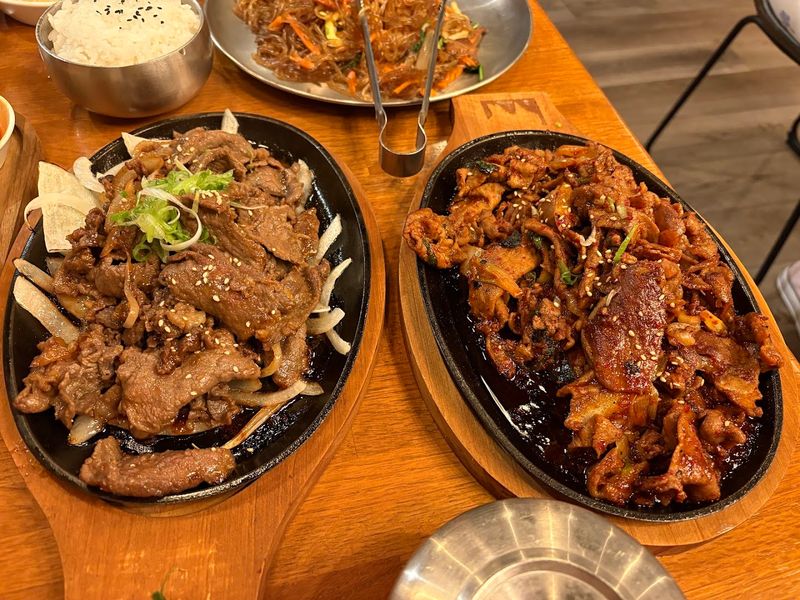
Korean food has had a remarkable rise across the United States over the past decade. Cities like Los Angeles, New York, and Oklahoma City have built entire neighborhoods around Korean cuisine, and the standard those cities have set is genuinely high.
What is striking about Ajumma is that it holds up against that standard without the benefit of a large Korean-American community surrounding it.
Oklahoma City, for example, has a well-established Korean dining scene that draws food travelers from across the region. The fact that a small family-run restaurant in a Cary shopping center is drawing comparisons to that level of cooking says something meaningful about what is happening in the Research Triangle food community right now.
Ajumma earns its 4.9-star rating across nearly 550 reviews not through novelty or hype but through consistency. The kitchen produces the same quality on a random Thursday lunch as it does on a packed Friday evening.
That kind of reliability is what separates a restaurant people visit once from one they return to regularly. For anyone in North Carolina who has not made the trip yet, the only real question is what took so long.
Share this story