Royal families are often pictured as elegant, united, and dignified. But behind palace walls, some of history’s most powerful rulers harbored deep grudges, bitter rivalries, and outright hatred for their own relatives.
From cousins plotting against each other to parents and children at war, royal feuds have shaped nations and changed the course of history. These 15 pairs of royals prove that a crown doesn’t guarantee peace at the dinner table.
1. Queen Elizabeth I and Mary, Queen of Scots
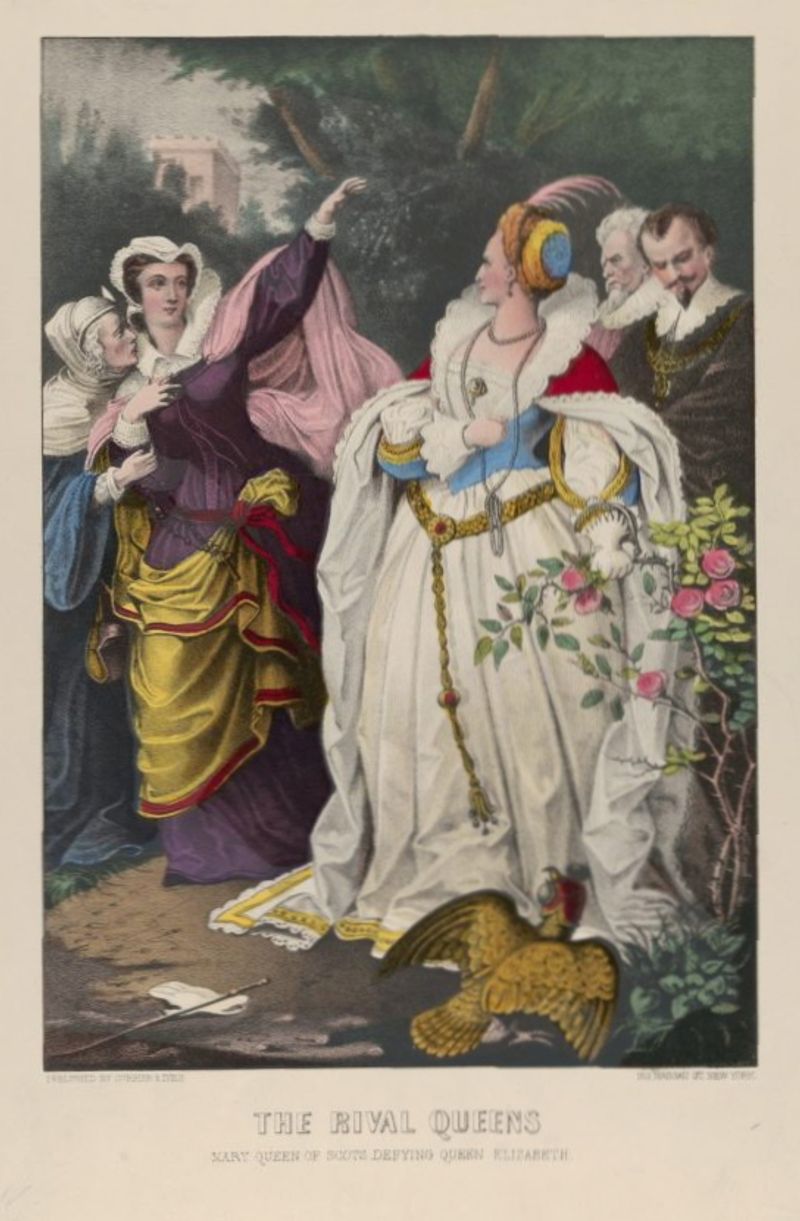
Two queens, one island, and zero chance of friendship. Elizabeth I of England and her cousin Mary, Queen of Scots, never actually met in person, yet their rivalry defined an era.
Mary was Catholic and had a strong claim to the English throne, which made Elizabeth deeply suspicious of her motives.
When Mary fled to England after political troubles in Scotland, Elizabeth had her imprisoned rather than welcomed. Their correspondence was cold and calculated.
Elizabeth feared that supporting Mary would encourage Catholic rebellions against her Protestant rule.
After nearly 19 years of house arrest, Elizabeth finally signed Mary’s death warrant in 1587. Mary was executed at Fotheringhay Castle at age 44.
Elizabeth reportedly wept after signing the warrant, though historians debate whether that guilt was genuine or purely political theater.
2. Queen Mary I and Princess Elizabeth (later Elizabeth I)
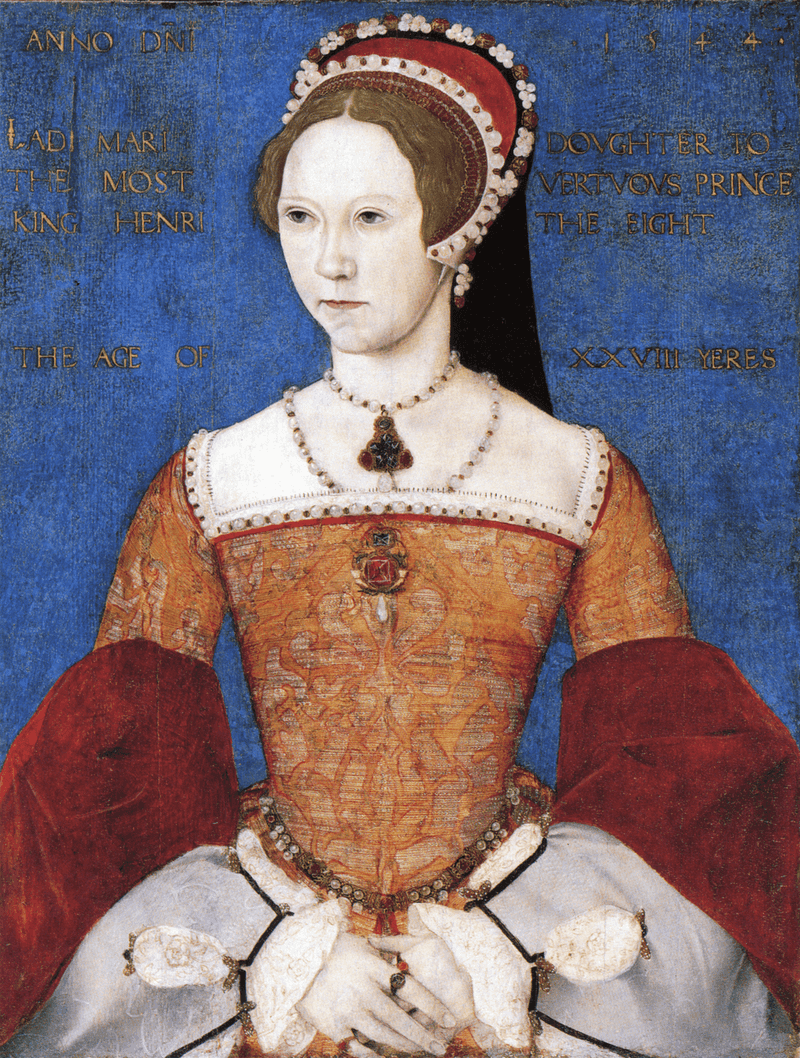
Before Elizabeth became the legendary queen the world remembers, she spent years fearing for her life under her older half-sister Mary I. The two shared the same father, King Henry VIII, but little else.
Mary was a devout Catholic who reversed England’s Protestant reforms and earned the nickname Bloody Mary for burning Protestant heretics at the stake.
Elizabeth was Protestant, younger, and enormously popular with the English people, which made Mary deeply resentful. After a Protestant rebellion in 1554, Mary had Elizabeth sent to the Tower of London on suspicion of involvement.
Elizabeth maintained her innocence throughout, narrowly avoiding execution.
Mary kept Elizabeth under close watch for years, viewing her as a constant threat to her crown and her faith. When Mary died in 1558, Elizabeth inherited the throne she had nearly lost her head to claim.
3. Edward VIII and King George VI
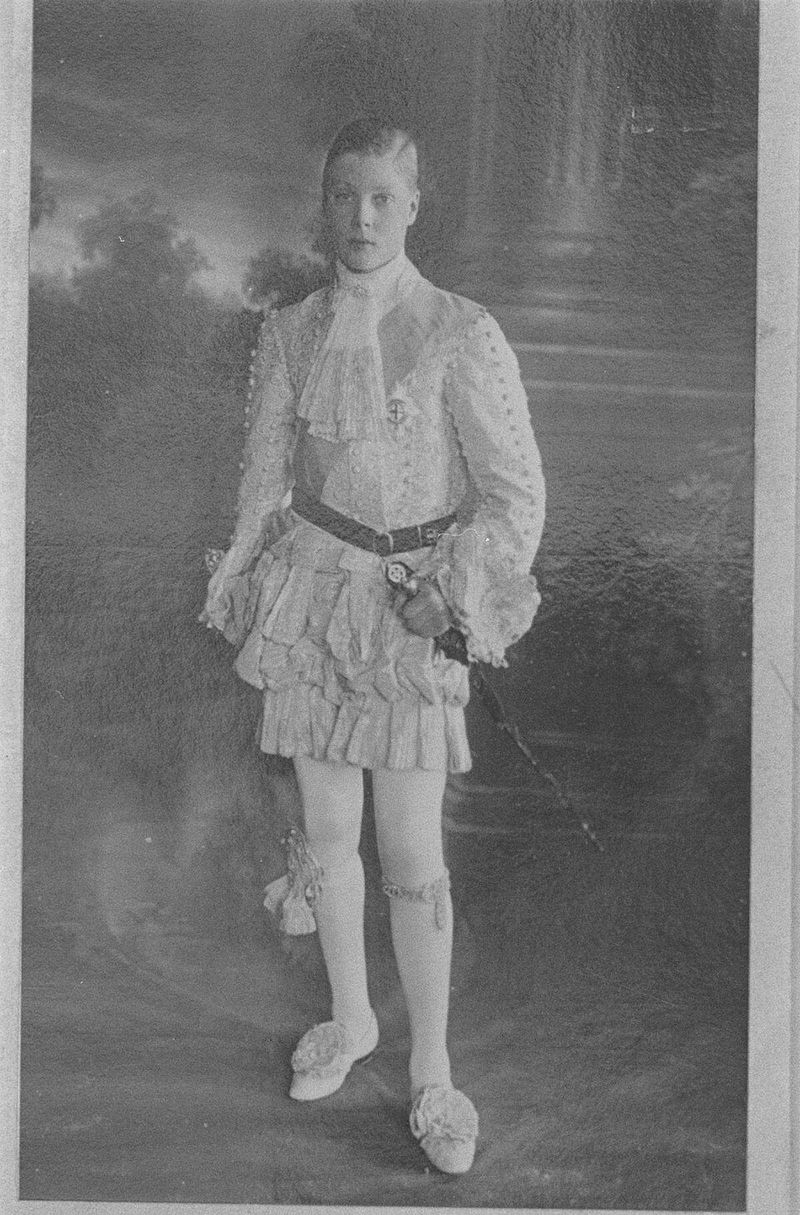
When Edward VIII abdicated in 1936 to marry American divorcee Wallis Simpson, his younger brother Albert was thrust onto the throne as King George VI, a role he never wanted and was never prepared for. What followed was decades of quiet but undeniable tension between the two brothers.
George VI and his wife Queen Elizabeth (the Queen Mother) never forgave Edward for abandoning his duty. They refused to grant Wallis the title of Royal Highness, a snub that Edward considered a personal attack that lasted the rest of his life.
The brothers rarely spoke warmly in later years.
Edward, now the Duke of Windsor, lived largely in exile in France and felt bitter about being sidelined by the family he left behind. Their relationship remained cold and formal until George VI’s death in 1952, leaving wounds that echoed through future royal generations.
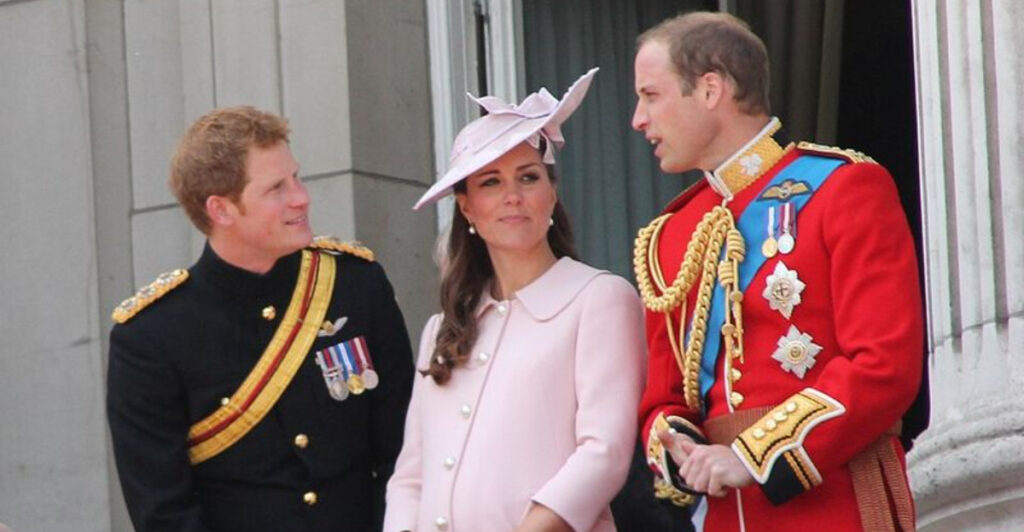
4. Prince William and Prince Harry
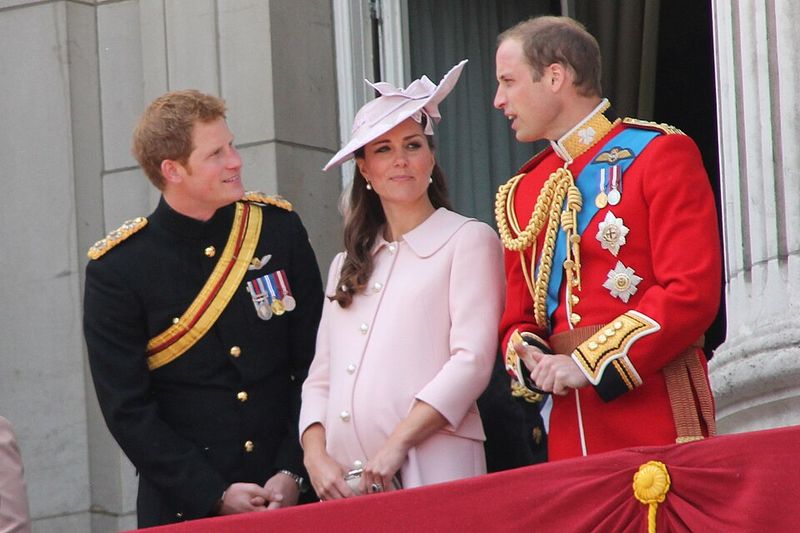
Once celebrated as the most beloved brotherly duo in the modern royal family, William and Harry’s relationship collapsed in a very public and painful way. The first visible cracks appeared around 2018, with reports of tension between Harry’s wife Meghan Markle and the rest of the royal family.
Harry and Meghan stepped back from royal duties in 2020 and relocated to California, which many insiders described as a breaking point. Harry’s memoir Spare, published in 2023, described a physical altercation with William and painted a picture of deep resentment, jealousy, and emotional distance between the brothers.
William reportedly felt blindsided and hurt by Harry’s public revelations. The two brothers have had minimal contact since.
Royal watchers note that both men carry grief over their mother Princess Diana’s death, yet seem unable to process that grief together, which has only deepened their divide.
5. King George IV and Queen Caroline of Brunswick
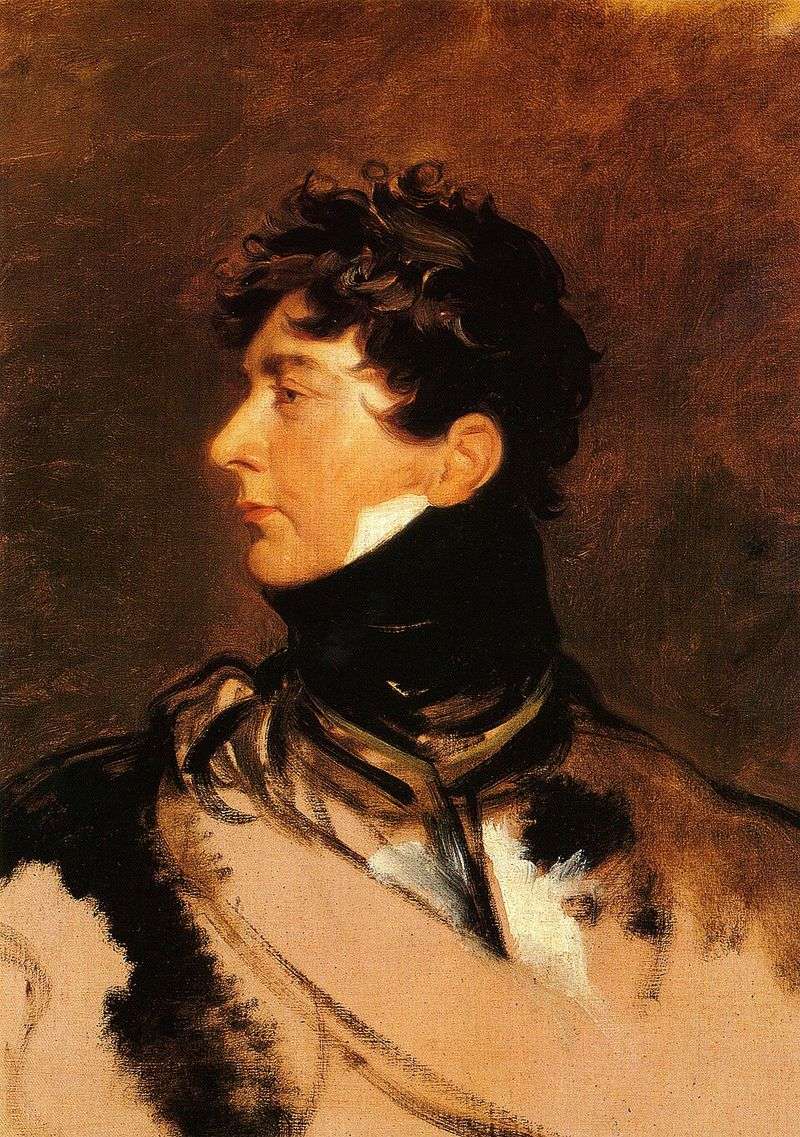
Few royal marriages in British history were as openly miserable as the union between George IV and Caroline of Brunswick. When they first met on the eve of their wedding in 1795, George reportedly turned to an aide and asked for a glass of brandy.
Caroline was equally unimpressed by her new husband.
They separated almost immediately after the birth of their daughter Princess Charlotte. George spent decades trying to publicly humiliate Caroline, spreading rumors about her behavior and attempting to strip her of her royal title.
When he became king in 1820, he tried to divorce her through an Act of Parliament.
Caroline showed up to his coronation at Westminster Abbey and was physically turned away at the door. She died just weeks later under mysterious circumstances.
Their mutual contempt was so extreme it became a public spectacle that divided British society into opposing camps.
6. Catherine the Great and Tsarevich Paul
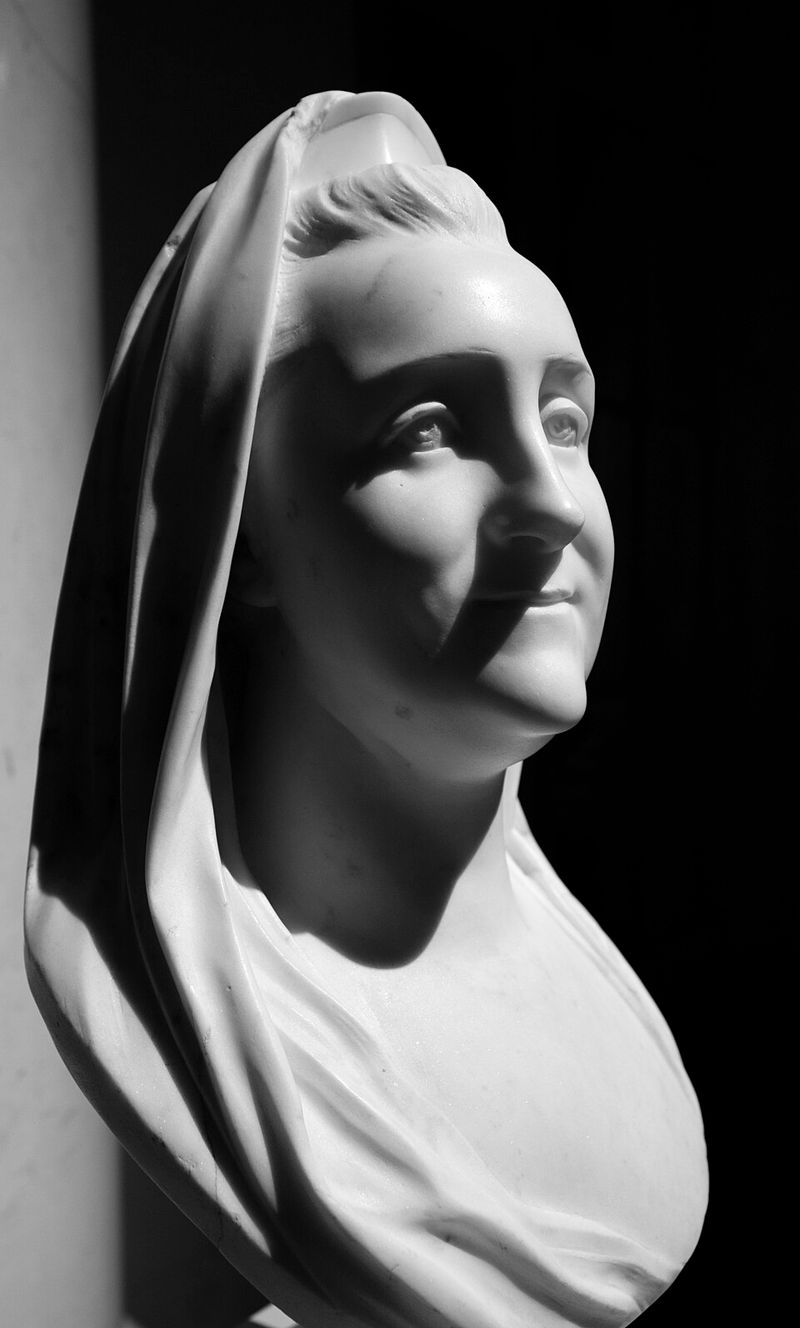
Catherine the Great ruled Russia with remarkable intelligence and iron will, but her relationship with her own son Paul was one of the most dysfunctional in European royal history. Catherine seized power in a coup that removed Paul’s father, Tsar Peter III, who died shortly afterward under suspicious circumstances.
Paul grew up believing his mother was responsible for his father’s death and resented her for it throughout his life. Catherine, in turn, found Paul unstable and temperamental.
She seriously considered bypassing him entirely and naming her grandson Alexander as her heir.
Paul was kept away from state affairs and given little real power while his mother reigned for over three decades. When Catherine died in 1796, Paul became Tsar and immediately reversed many of her policies, almost as an act of posthumous defiance.
Their mutual bitterness shaped Russian politics for years to come.
7. Queen Isabella of France and King Edward II
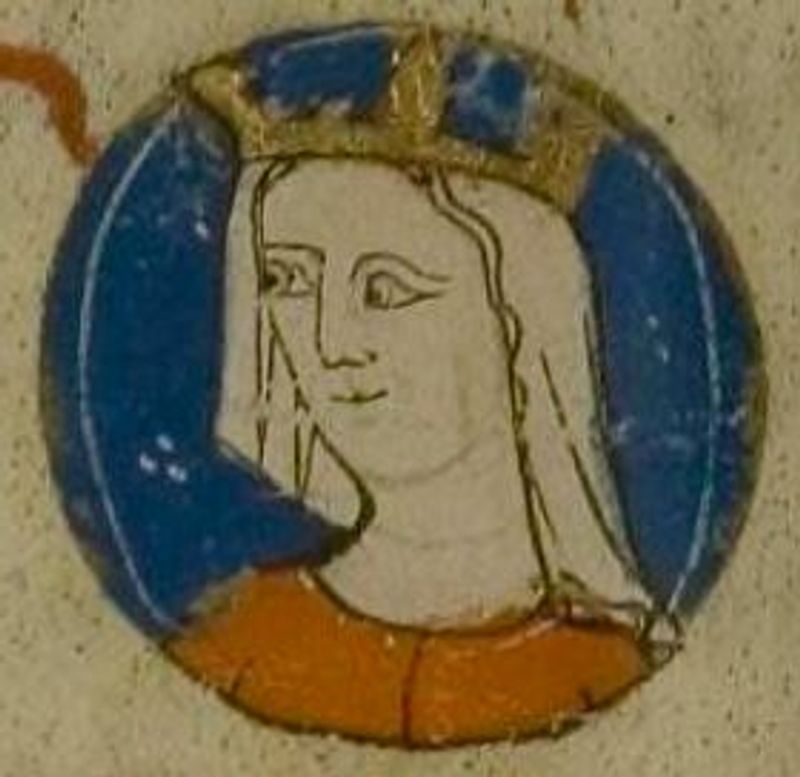
Known to history as the She-Wolf of France, Queen Isabella of England had every reason to despise her husband King Edward II. Their marriage was arranged for political alliance, but Edward openly favored male favorites over his queen, most notably Piers Gaveston and later Hugh Despenser the Younger, which humiliated Isabella publicly.
Edward stripped Isabella of her lands and income and sent her children away from her care. Rather than accept this treatment, Isabella traveled to France in 1325 on a diplomatic mission and never came back as a loyal wife.
She took a lover, Roger Mortimer, and raised an army.
In 1326, Isabella and Mortimer invaded England and deposed Edward II. He was imprisoned and died in Berkeley Castle in 1327, likely murdered.
Isabella ruled as regent for her young son Edward III, proving that her contempt for Edward II had been building for years before it became revolution.
8. Henry II of England and Eleanor of Aquitaine
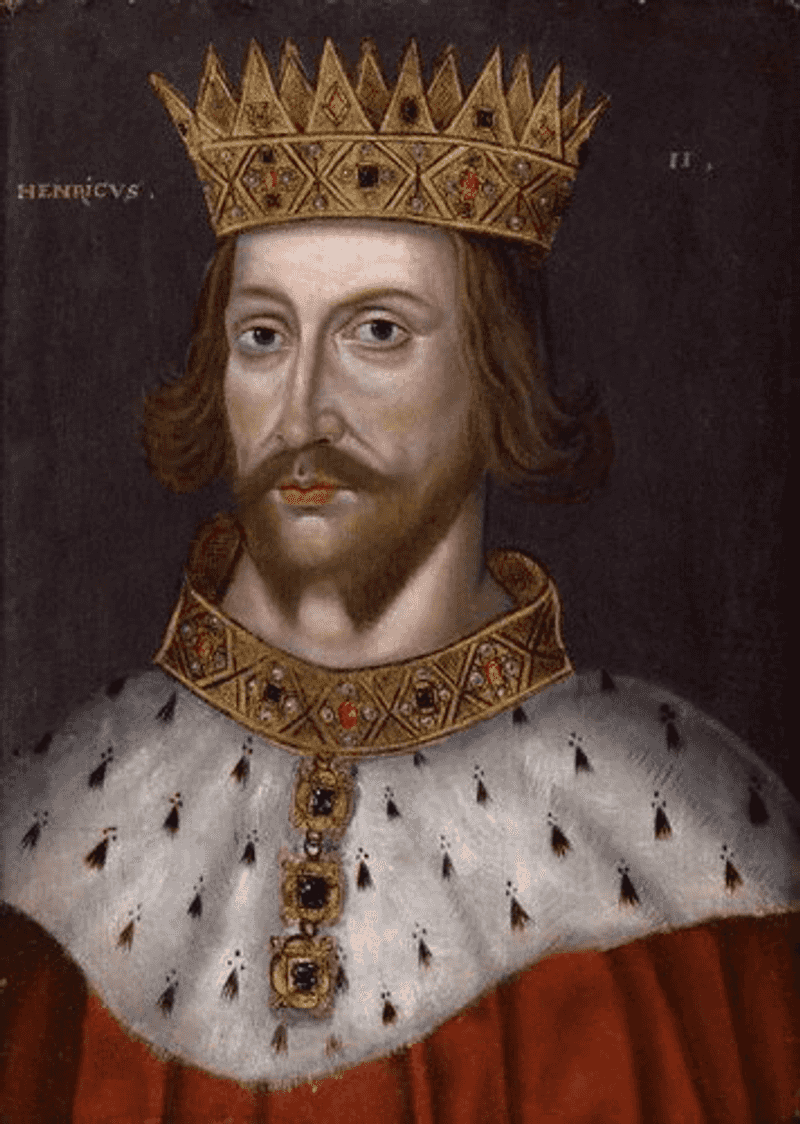
Eleanor of Aquitaine was one of the most powerful women of the medieval world, and her marriage to Henry II of England was a meeting of two extraordinarily strong personalities. For a while, they ruled brilliantly together.
Then everything fell apart in spectacular fashion.
Henry’s notorious affair with Rosamund Clifford deeply wounded Eleanor. But the real breaking point came when Eleanor actively encouraged her own sons, including the future Richard I, to rebel against their father in 1173.
Henry crushed the rebellion and imprisoned Eleanor for 16 years.
Eleanor spent over a decade confined to various English castles, allowed little freedom and no political power. Henry kept her alive, perhaps because executing a queen of her stature was unthinkable, but their relationship was beyond repair.
When Henry II died in 1189, Eleanor was finally released and immediately began shaping her son Richard’s reign.
9. Frederick, Prince of Wales and King George II
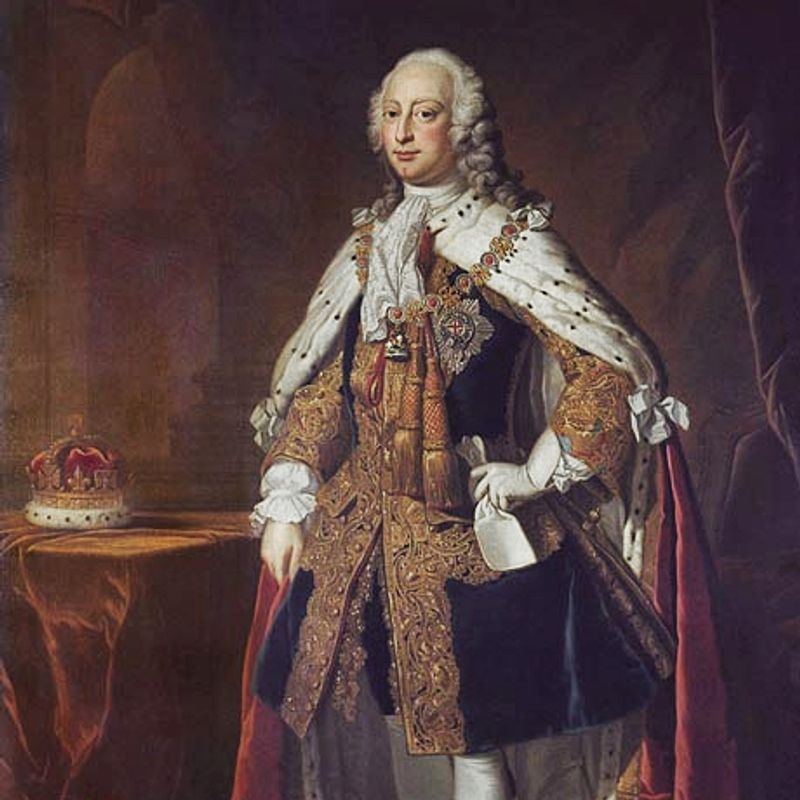
King George II of Britain reportedly said of his eldest son Frederick that he was the greatest villain that was ever born. That quote alone tells you everything about how this father-son relationship functioned.
Frederick, Prince of Wales, was excluded from royal ceremonies, denied money, and openly mocked by both his parents.
Queen Caroline, Frederick’s own mother, reportedly said she hoped to see his eyes fall out of his head on his deathbed. The animosity was mutual.
Frederick held extravagant parties in opposition to his father’s court and openly allied himself with political rivals of the king.
The feud became so bitter that George II refused to allow Frederick near his mother as she lay dying in 1737. Frederick never became king.
He died in 1751, a full nine years before his father, leaving the throne to his own son, who became George III. Their rivalry remains one of history’s most extreme royal parent-child breakdowns.
10. Ivan the Terrible and Tsarevich Ivan Ivanovich
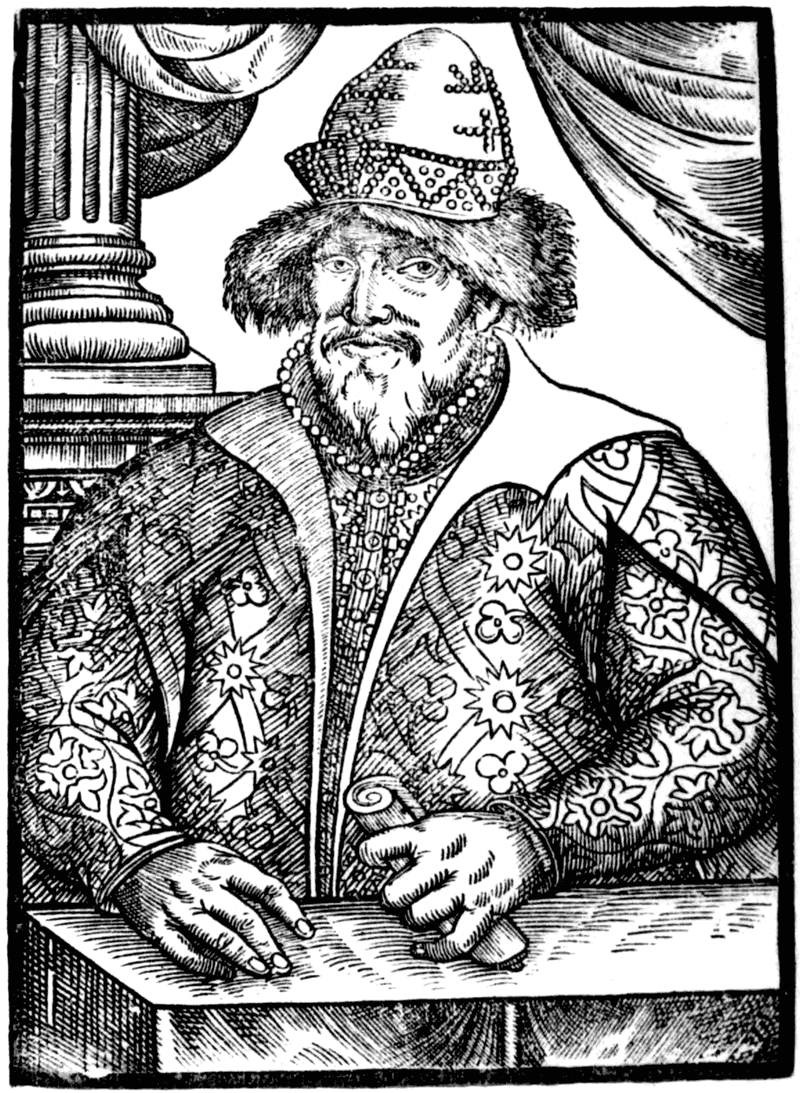
The relationship between Ivan the Terrible and his eldest son Tsarevich Ivan Ivanovich ended in one of history’s most devastating moments of royal rage. Ivan the Terrible was a brilliant but deeply paranoid ruler whose violent temper destroyed nearly everything around him, including his own family.
In November 1581, Ivan allegedly attacked his pregnant daughter-in-law for wearing what he considered immodest clothing. When his son intervened to protect his wife, Ivan struck Tsarevich Ivan on the head with his iron-tipped staff.
The blow proved fatal, and the Tsarevich died several days later.
Ivan the Terrible was reportedly consumed by grief and guilt afterward, but the damage was done. By killing his heir, Ivan also destroyed the future of his dynasty.
The Rurik dynasty effectively collapsed after Ivan’s death in 1584, leading directly to Russia’s chaotic Time of Troubles. The famous painting by Ilya Repin captures this moment with haunting intensity.
11. Richard III and Henry Tudor (Henry VII)
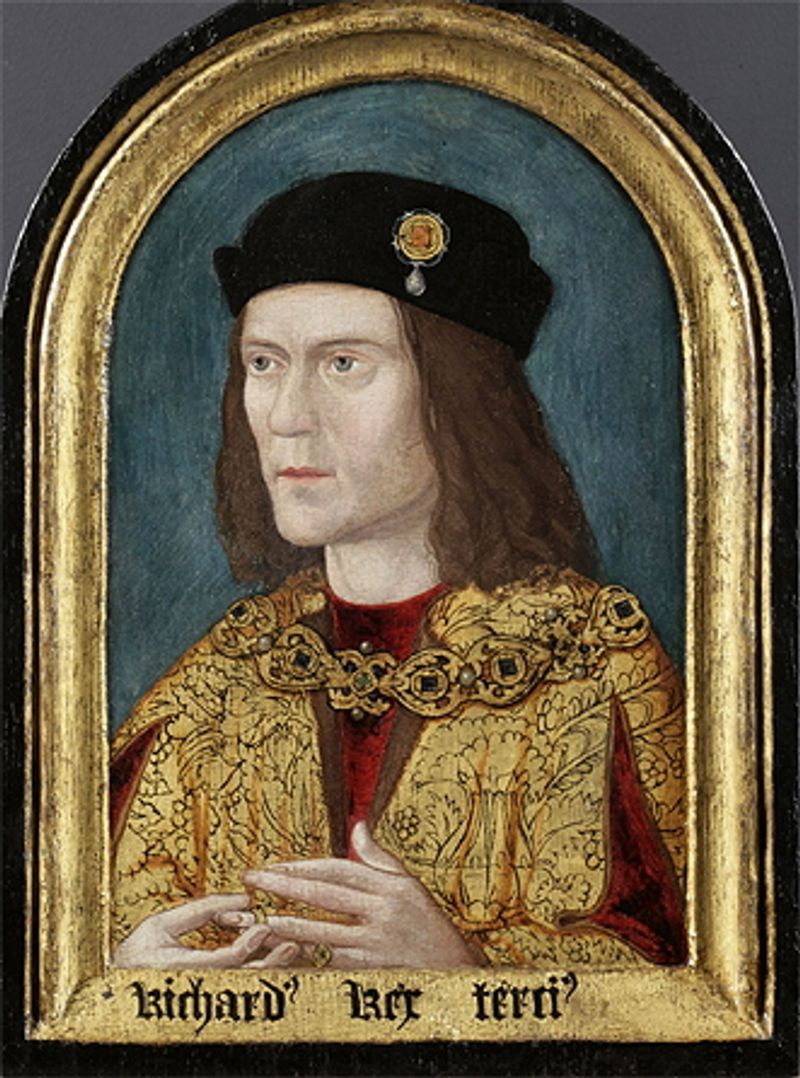
Their rivalry ended on a muddy battlefield in Leicestershire, and the loser paid with his life. Richard III and Henry Tudor were the final combatants of the Wars of the Roses, a decades-long conflict between the houses of York and Lancaster for control of the English throne.
Richard III had seized the crown in 1483 after the suspicious disappearance of his young nephews, the Princes in the Tower. Henry Tudor, a Lancastrian with a relatively thin claim to the throne, had been living in exile in France and built support for a challenge to Richard’s rule.
At the Battle of Bosworth Field in August 1485, Henry’s forces defeated Richard’s army. Richard III became the last English king to die in battle.
Henry Tudor became Henry VII and founded the Tudor dynasty that would dominate England for over a century. Their enmity literally changed the direction of English history.
12. Empress Dowager Cixi and Emperor Guangxu
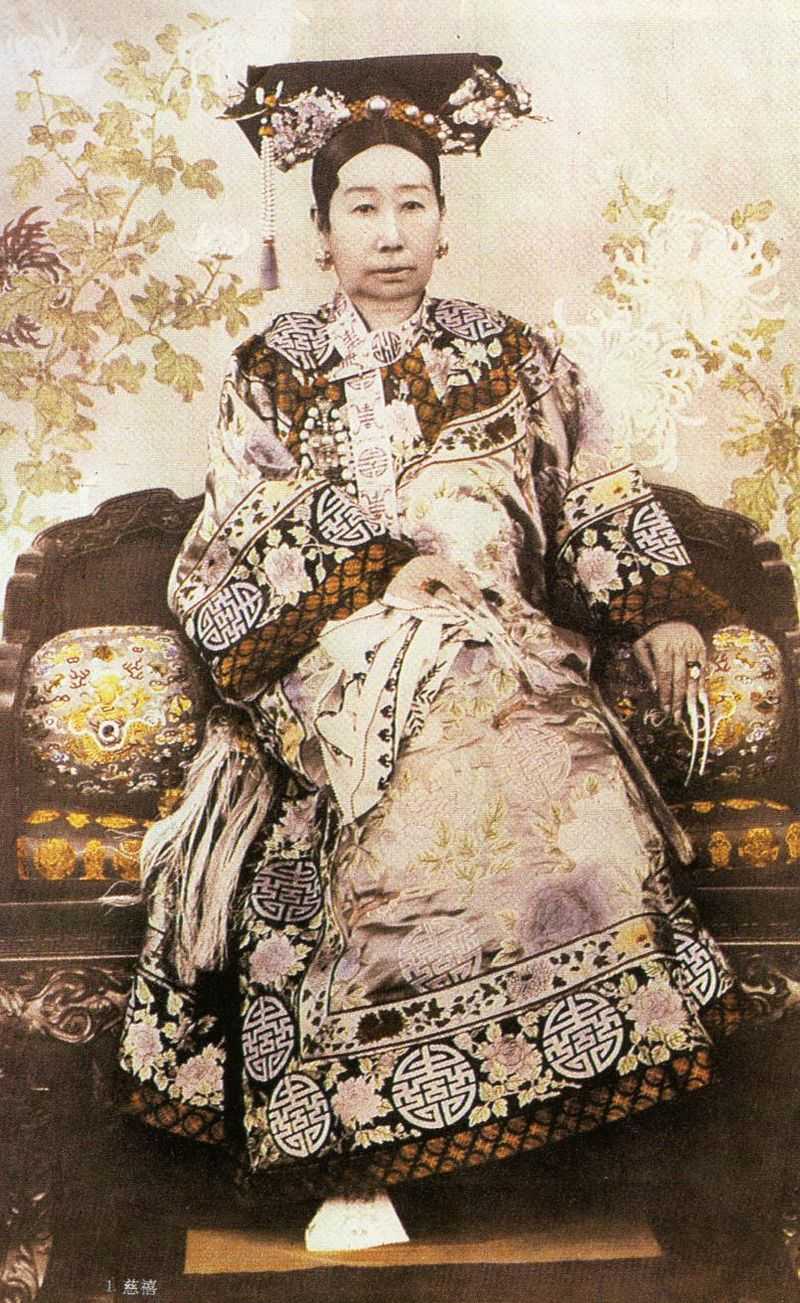
Empress Dowager Cixi was the real power behind the Qing dynasty throne for nearly five decades, and she made absolutely sure that Emperor Guangxu knew his place. Guangxu was her nephew, whom she placed on the throne as a child so she could rule through him.
He was emperor in title only.
When Guangxu grew older and attempted to modernize China through the Hundred Days Reform in 1898, Cixi launched a swift and brutal counter-coup. She placed Guangxu under house arrest on an island within the Forbidden City, where he remained a prisoner for the rest of his life.
Guangxu reportedly despised Cixi and wrote of his hatred for her in private notes. Modern forensic testing has confirmed that he died of arsenic poisoning in 1908, just one day before Cixi herself died.
Many historians believe Cixi had him poisoned to prevent him from reversing her legacy after her death.
13. Louis XIII of France and Marie de Medici
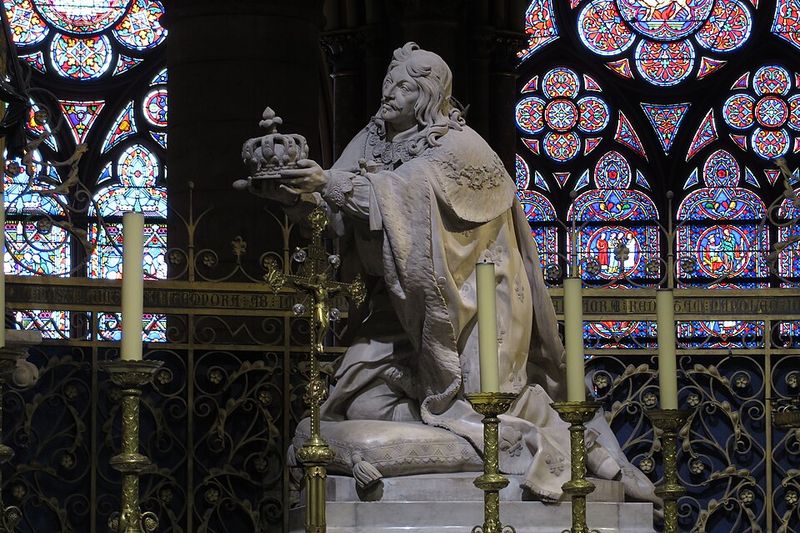
Marie de Medici was the Queen Mother of France, and she had absolutely no intention of giving up power just because her son Louis XIII came of age. Their conflict was less a quiet family disagreement and more a full-blown political war fought through court factions, alliances, and actual military force.
Marie had served as regent after her husband Henry IV was assassinated in 1610. When Louis took control of his own government in 1617, he had her chief advisor Concino Concini murdered and exiled Marie to the Chateau de Blois.
She escaped and raised an army against her own son.
Their conflicts continued for years, mediated at times by Cardinal Richelieu, who eventually chose the king’s side over the queen mother’s. Marie was exiled from France permanently in 1631 and died in poverty in Cologne in 1642.
Her son never allowed her to return home.
14. Charles I of England and Prince Rupert of the Rhine
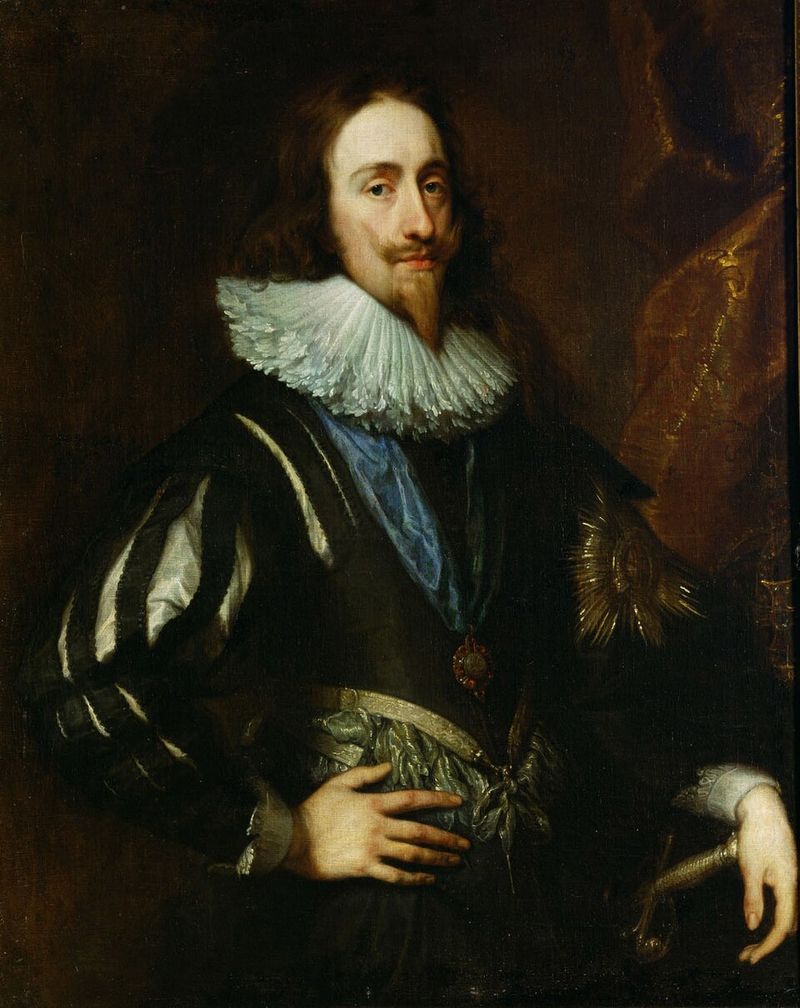
Prince Rupert of the Rhine was Charles I’s nephew and one of the most talented military commanders of the English Civil War. Yet despite fighting on the same side, their relationship was riddled with suspicion, miscommunication, and bitter disagreements that arguably cost the Royalists their best chance at victory.
Rupert was bold, aggressive, and confident in his battlefield decisions. Charles was indecisive, prone to overriding his commanders, and surrounded by courtiers who resented Rupert’s influence.
After Rupert’s controversial surrender of Bristol to Parliamentary forces in 1645, Charles sent him a furious letter accusing him of treachery.
Rupert was outraged and demanded a court martial to clear his name, which he received and won. But the damage to their relationship was permanent.
Charles I was executed in 1649, and Rupert went into exile. Their inability to trust each other during the war is often cited as a key factor in the Royalist defeat.
15. King John of England and Richard I (Richard the Lionheart)
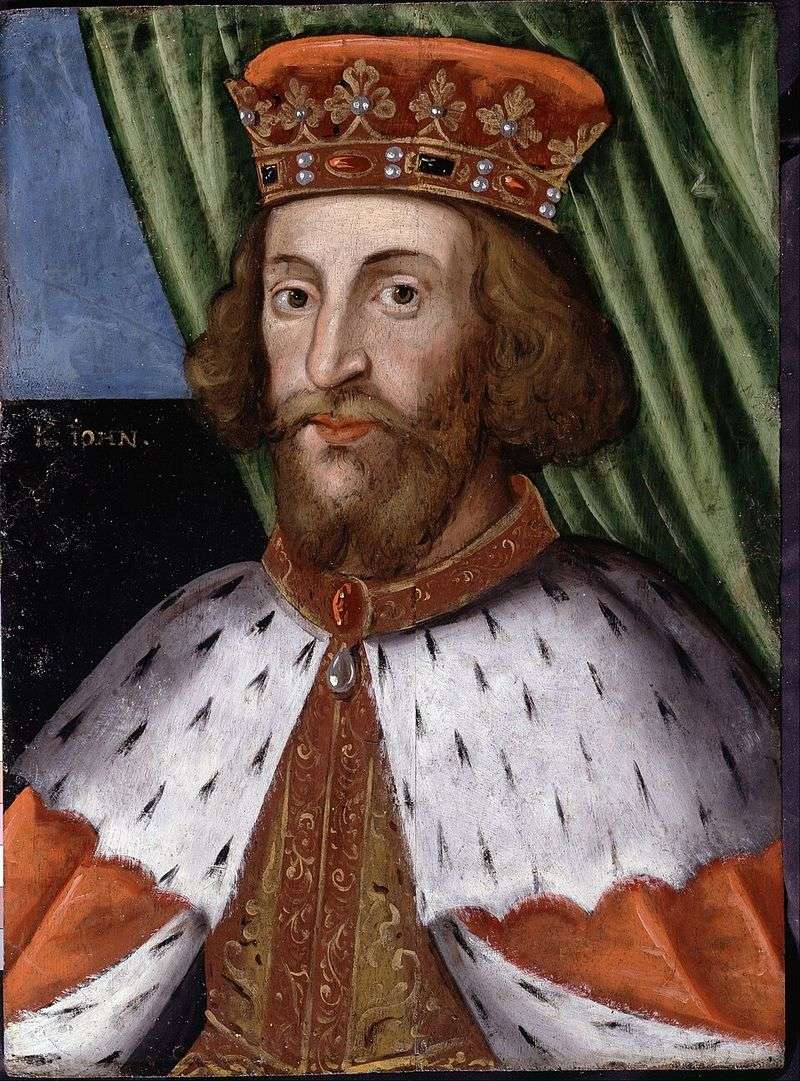
Richard the Lionheart spent most of his reign away from England, fighting in the Crusades and in wars on the continent. While he was gone, his younger brother John worked consistently to undermine him, making deals with the French king Philip II and attempting to seize control of England for himself.
When Richard was captured by Duke Leopold of Austria in 1192 while returning from the Crusades, John reportedly tried to keep the news quiet and used the opportunity to expand his own power. Richard was held for ransom for over a year while John did little to help secure his release.
Richard eventually returned, forgave John with a famous line comparing him to a child, and continued ruling until his death in 1199. John then became king.
Their rivalry lives on in the Robin Hood legend, where John is cast as the villain and Richard as the noble absent hero.
Share this story