Not every country on Earth has towering peaks or dramatic highlands. Some nations are remarkably flat, sitting at or near sea level with landscapes shaped by coastlines, deserts, and plains.
These places offer a unique perspective on geography and show just how diverse our world really is. From tiny island nations in the Pacific to well-known European countries, here are 15 countries that have no major mountains to speak of.
1. Maldives
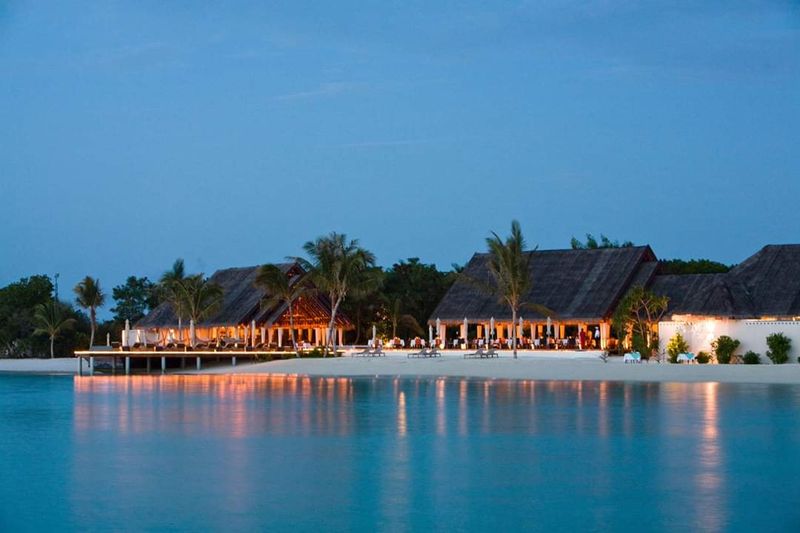
Floating just above the Indian Ocean, the Maldives holds a remarkable and slightly unsettling geographic record: it is the lowest-lying country on Earth. The highest natural point in the entire nation sits at just about 2.4 meters above sea level.
There are no hills, no ridges, and certainly no mountains anywhere in sight.
Made up of 26 coral atolls and over 1,000 individual islands, the Maldives is a country defined entirely by its relationship with water. The flat terrain makes it especially vulnerable to rising sea levels caused by climate change.
Scientists and local officials have raised serious concerns about the long-term habitability of these islands.
Despite this challenge, the Maldives remains one of the most visited destinations in the world, known for its crystal-clear waters and stunning marine life. Its geography is both its greatest beauty and its biggest threat.
2. Vatican City
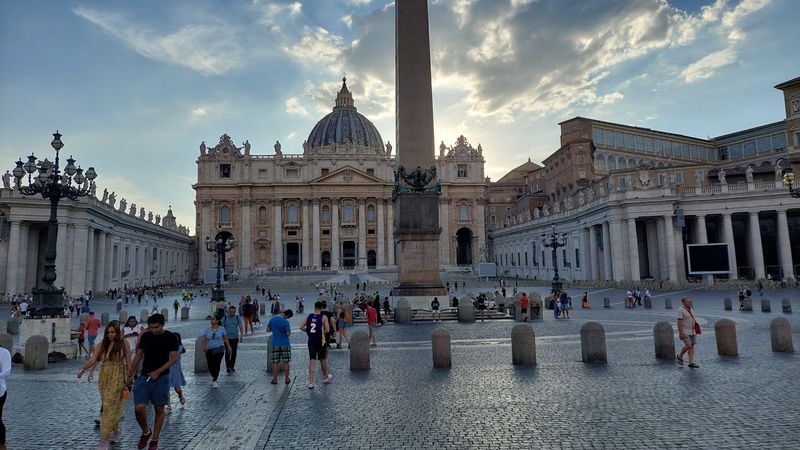
Vatican City may be the smallest country in the world, but it punches well above its weight in history, art, and global influence. Covering just 44 hectares inside the city of Rome, it sits on mostly flat ground with only gentle, barely noticeable elevation changes across its tiny footprint.
There are no mountains here, and the terrain is essentially urban. The land is dominated by famous landmarks like St. Peter’s Basilica, the Sistine Chapel, and the Vatican Museums.
Rolling hills exist nearby in the broader Rome region, but within Vatican City’s borders, the land is largely level.
As the headquarters of the Roman Catholic Church and home to the Pope, Vatican City attracts millions of visitors each year. Its geography may lack dramatic scenery, but its cultural and religious significance more than makes up for any shortage of elevation.
A truly unique place on Earth.
3. Monaco
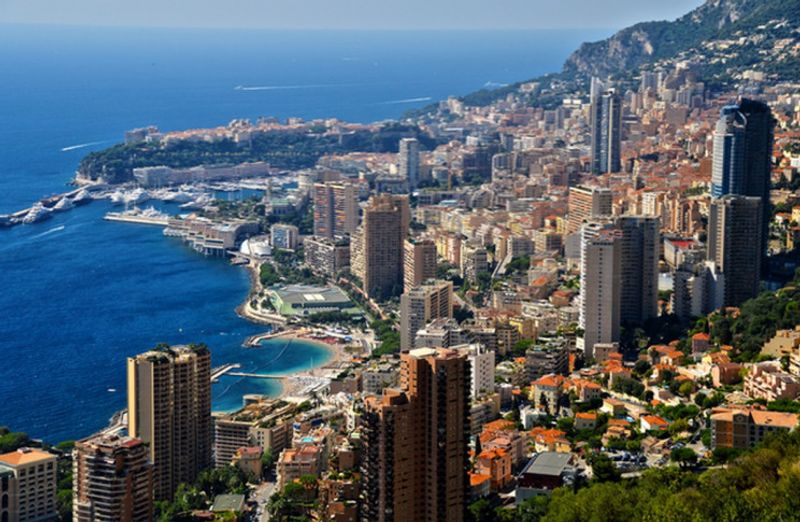
Monaco is glamorous, compact, and packed with skyscrapers, luxury yachts, and one of the most famous car racing circuits in the world. While it sits along the French Riviera and is surrounded by the Maritime Alps in France, within Monaco’s own borders there are no true mountains to speak of.
The principality covers just over 2 square kilometers, making it the second smallest country in the world. The terrain is largely urban and coastal, with some steep streets due to its clifftop position above the Mediterranean Sea.
However, these slopes do not qualify as mountains by any geographic standard.
What Monaco lacks in natural elevation, it more than compensates for with architectural height. Skyscrapers rise dramatically from the coastline, creating a skyline that feels almost vertical.
For a country with no real mountains, Monaco has an impressive way of reaching for the sky on its own terms.
4. Singapore
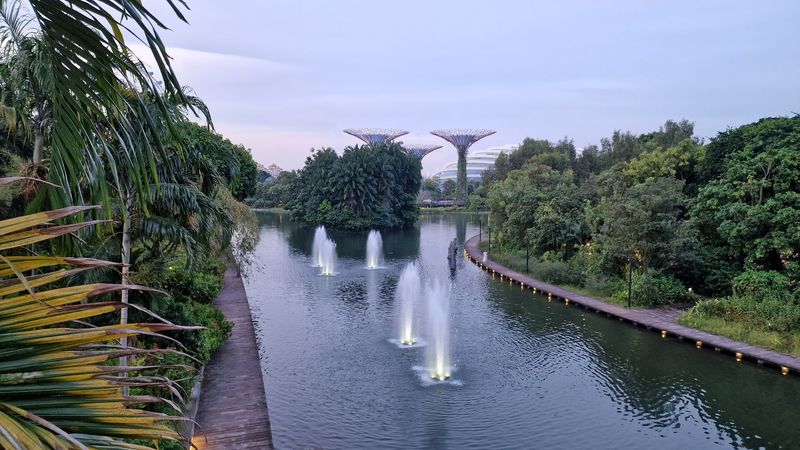
Singapore is one of the most densely populated and economically powerful nations on the planet, all packed into a small island at the southern tip of the Malay Peninsula. The country is famously flat, with Bukit Timah Hill being its highest point at just 163.63 meters.
That barely qualifies as a hill by most standards.
The landscape is mostly urban, with gleaming skyscrapers, lush parks, and busy port facilities dominating the scenery. Singapore has transformed its flat terrain into one of the most efficient and well-planned cities in the world.
Green spaces like the Botanic Gardens and nature reserves are carefully woven into the urban fabric.
Interestingly, Singapore has been expanding its land area through reclamation projects, adding more flat territory to an already level island. No mountains here, but Singapore proves that a country does not need dramatic geography to make a dramatic impact on the world stage.
5. Bahrain
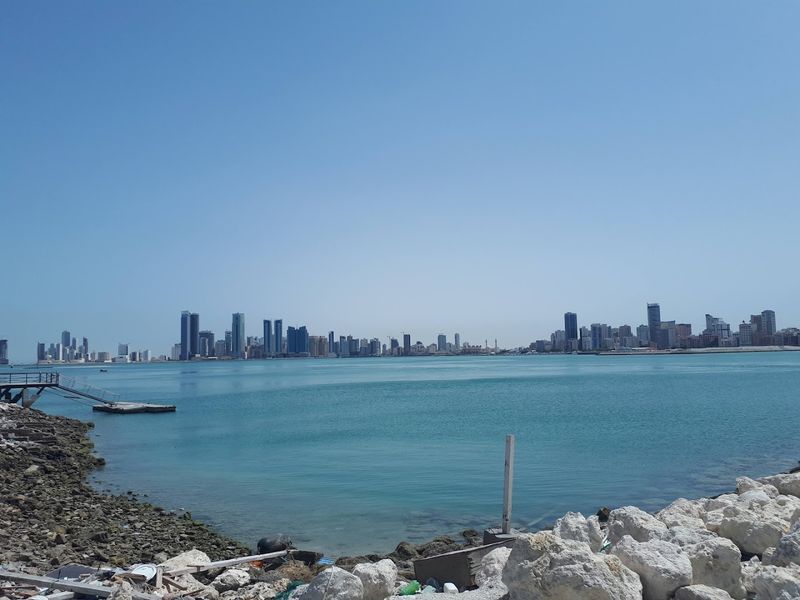
Bahrain is a small island nation nestled in the Persian Gulf, and its landscape is about as flat as it gets. The country’s highest point, Jabal ad Dukhan, rises to just 134 meters above sea level.
In most parts of the world, that would barely be noticed. Here, it is literally the top of the country.
Much of Bahrain’s terrain is flat, sandy desert with scattered patches of vegetation near the northern coast. The country has used its limited but strategically valuable land to build a modern, prosperous nation.
Bahrain was the first Gulf state to discover oil, and that wealth has shaped its development significantly.
Today, Bahrain is a regional hub for finance, tourism, and culture. The Formula One Bahrain Grand Prix draws international visitors every year to its flat desert track.
Despite its modest elevation, Bahrain has built an impressive national identity on its sun-baked, sea-surrounded terrain.
6. Qatar
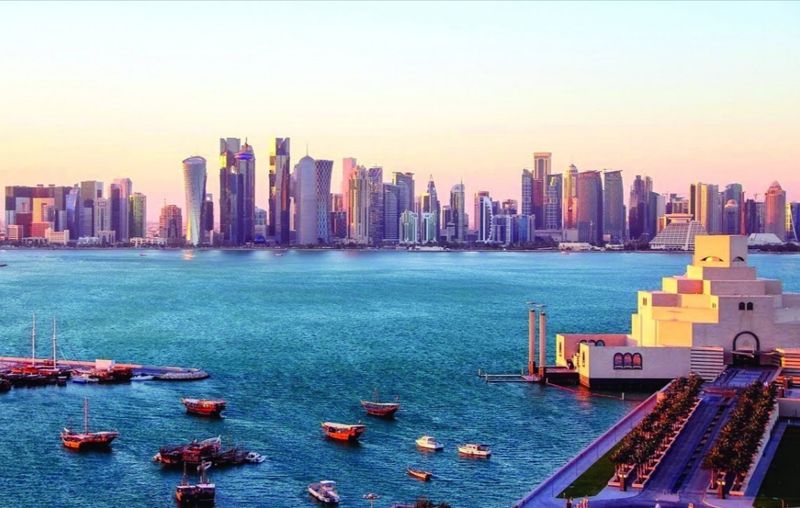
Qatar juts out from the Arabian Peninsula like a thumb pointing into the Persian Gulf, and nearly every inch of it is flat. The highest elevation in the country reaches only about 103 meters, found in the Jebel Dukhan area in the west.
For a country that has become one of the wealthiest in the world, the terrain is remarkably modest.
Most of Qatar is covered by a low, flat limestone plateau topped with sand and gravel. The capital, Doha, sits along the coast and has transformed dramatically over the past few decades into a futuristic skyline of glass towers and ambitious architecture.
Qatar hosted the FIFA World Cup in 2022, bringing global attention to a country many people knew little about. Its flat geography actually helped in constructing the numerous stadiums and infrastructure needed for the event.
No mountains, but plenty of ambition and world-class achievement on level ground.
7. Kuwait

Kuwait sits at the northwestern edge of the Persian Gulf, bordered by Iraq and Saudi Arabia. The country is almost entirely flat, with its highest point reaching just 306 meters above sea level.
The landscape is dominated by sandy desert, gravel plains, and coastal lowlands. Mountains are simply not part of the picture here.
Despite its minimal elevation, Kuwait played an outsized role in 20th-century history. The Iraqi invasion in 1990 and the subsequent Gulf War put this small, flat nation on the world stage in a dramatic way.
Today, Kuwait is a stable, oil-rich country with a high standard of living.
Kuwait City, the capital, is a modern urban center that rises from the flat desert with towers and busy highways. The country’s geography may not offer scenic mountain views, but the vast open desert has its own quiet, sweeping beauty that locals and visitors appreciate in its own right.
8. The Gambia
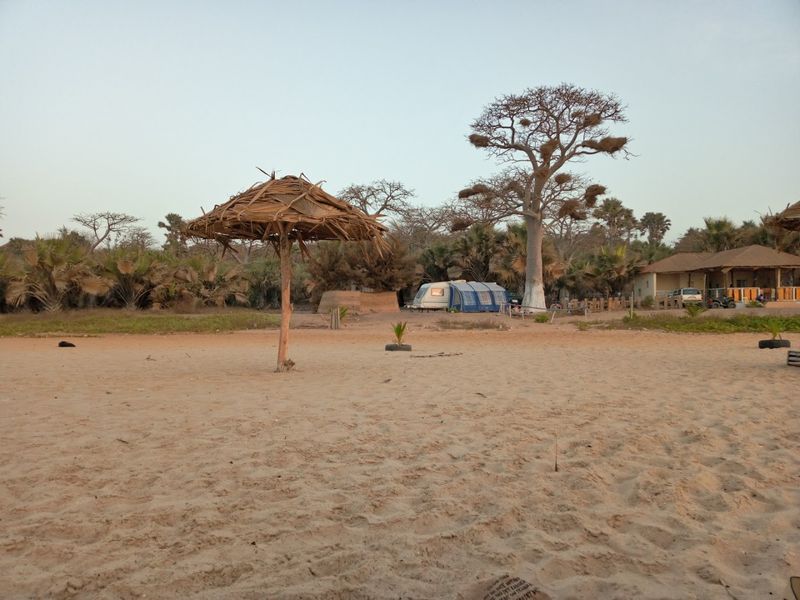
The Gambia is the smallest country on the African mainland, a narrow strip of land wrapped around the Gambia River in West Africa. The entire country is low-lying and flat, with its highest point reaching only about 53 meters above sea level.
There are no mountains, no significant hills, and no dramatic ridgelines anywhere within its borders.
The landscape is made up of savanna, wetlands, and riverine forests. The Gambia River runs through the heart of the country and has shaped its culture, economy, and daily life for centuries.
Fishing, farming, and tourism are the main activities that keep the country moving.
Despite being one of Africa’s least geographically varied nations, The Gambia is rich in wildlife and birdwatching opportunities. It is sometimes called the “Bird’s Eye of Africa” due to its incredible diversity of bird species.
Flat land can still be full of life, color, and natural wonder.
9. Kiribati
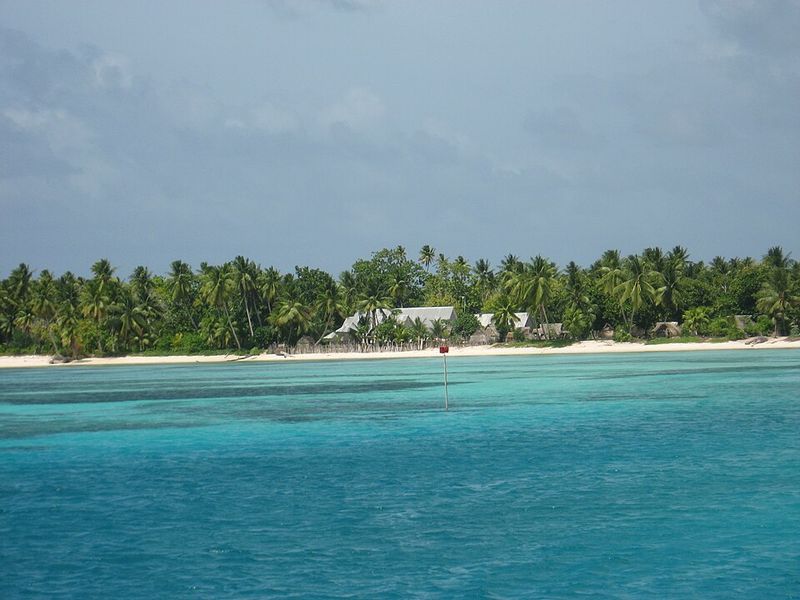
Spread across the central Pacific Ocean, Kiribati is one of the most remote and geographically vulnerable countries in the world. The nation consists of 33 atolls and reef islands, and none of them rise more than a few meters above sea level.
The highest point in the entire country is just about 3 meters. That is barely taller than the average ceiling in your home.
Kiribati’s flat, low-lying terrain makes it one of the countries most threatened by climate change and rising ocean levels. The government has already purchased land in Fiji as a potential future home for its population if the islands become uninhabitable.
It is a sobering reality for a people deeply connected to their ocean homeland.
Yet life in Kiribati has a quiet, resilient beauty. Fishing traditions are deeply embedded in the culture, and the surrounding waters are among the richest in the Pacific.
Flatness here is not a limitation but simply the shape of home.
10. Tuvalu
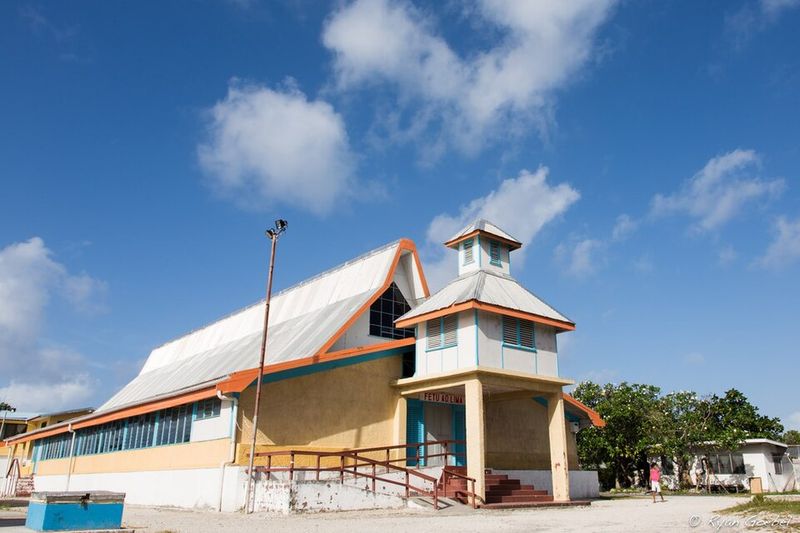
Tuvalu is one of the smallest and most isolated countries on Earth, a collection of nine coral atolls floating in the South Pacific. The highest point on the islands reaches just 4.6 meters above sea level, making Tuvalu one of the flattest and most vulnerable nations on the planet.
Standing on Tuvalu, the ocean feels like it is everywhere you look.
With a total land area of just 26 square kilometers and a population of around 11,000 people, Tuvalu is also one of the least populated countries in the world. The flat terrain offers almost no natural protection against storm surges and flooding, which are becoming more frequent and severe as the climate changes.
Tuvalu’s government has been vocal on the international stage about the existential threat posed by rising seas. The country has even explored the idea of becoming a digital nation if its physical land disappears.
Its geography is both fragile and deeply meaningful to its people.
11. Marshall Islands
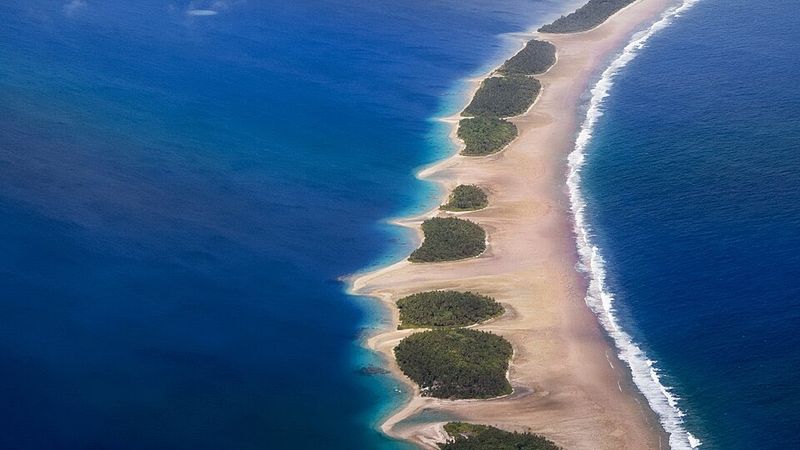
The Marshall Islands sit in the central Pacific Ocean and are made up of 29 atolls and 5 isolated islands. Like its Pacific neighbors, this country is strikingly flat, with a maximum elevation of just about 3 meters above sea level.
The land is thin, the ocean is close, and the sky feels enormous from every angle.
The Marshall Islands have a complicated history shaped by World War II battles and Cold War-era nuclear testing by the United States. The legacy of those nuclear tests still affects communities today, with some islands remaining uninhabitable due to contamination.
It is a heavy history carried by a very small and low-lying nation.
Despite these challenges, Marshallese culture is vibrant and deeply tied to the sea. Navigation traditions using wave patterns and star charts are legendary in the Pacific.
The flat landscape above water hides a rich and colorful world of marine life just beneath the surface.
12. Nauru
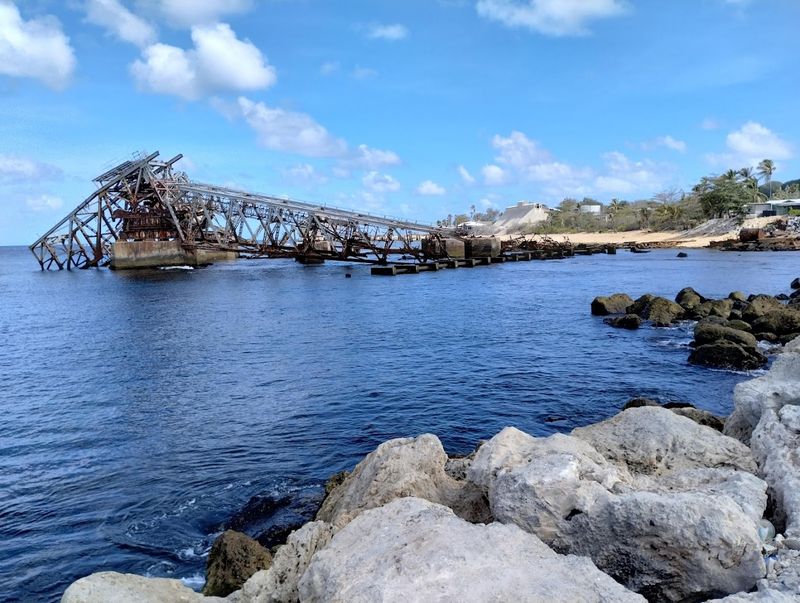
Nauru is the world’s smallest island nation and the third smallest country by area overall. Located in the central Pacific, this tiny oval-shaped island has a highest point of just 71 meters, found on a central plateau.
It is not exactly mountainous terrain, and the coastal ring surrounding the plateau is entirely flat and low-lying.
Nauru’s story is one of the most dramatic boom-and-bust tales in modern history. The island was once incredibly wealthy from phosphate mining, briefly making it one of the highest per capita incomes in the world during the 1970s and 1980s.
Then the phosphate ran out, and economic hardship followed swiftly.
Today, Nauru faces significant challenges including obesity, unemployment, and environmental damage from decades of mining. The central plateau, once rich with phosphate deposits, now looks like a lunar landscape.
Still, Nauru remains a sovereign nation with its own culture, identity, and determination to move forward.
13. Netherlands
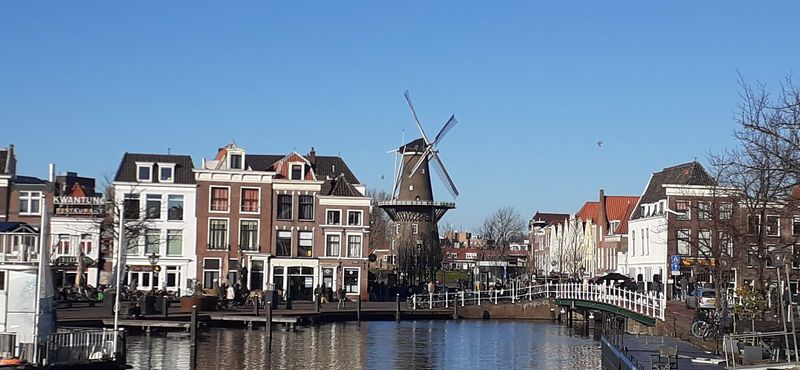
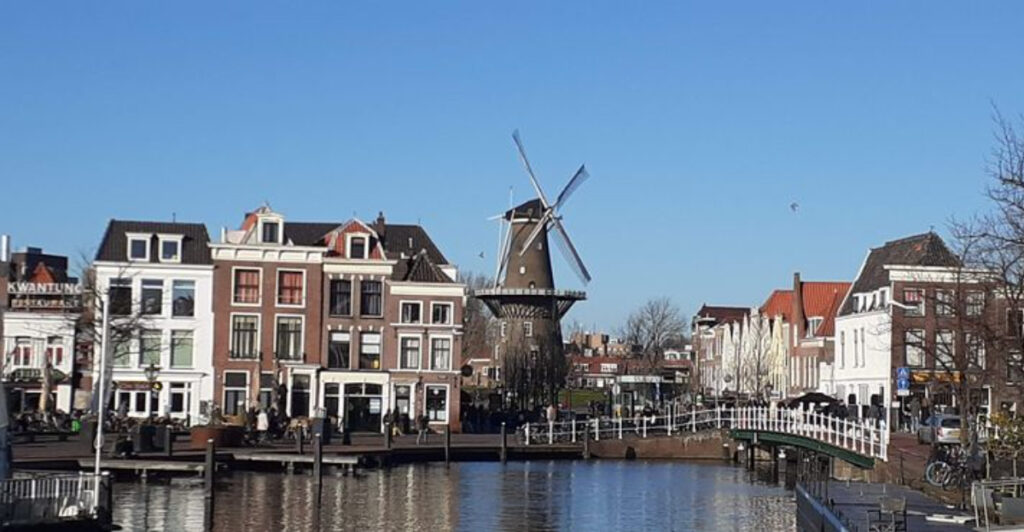
The Netherlands is perhaps the most famous flat country in the world, and for good reason. About one-third of the country sits below sea level, and the Dutch have spent centuries building an extraordinary system of dikes, pumps, and canals to keep the water out.
The highest point in the Netherlands proper is Vaalserberg at just 322.7 meters.
The word “Netherlands” literally means “low lands,” which tells you everything you need to know about the geography here. The landscape is defined by wide-open skies, green meadows, colorful tulip fields, and the iconic windmills that once powered the country’s water management systems.
It is a landscape engineered as much as it is natural.
Dutch expertise in water management is now exported around the world, helping other low-lying regions protect themselves from flooding. The Netherlands proves that living below sea level is not a disadvantage when you combine ingenuity, planning, and a deep respect for the power of water.
14. Denmark
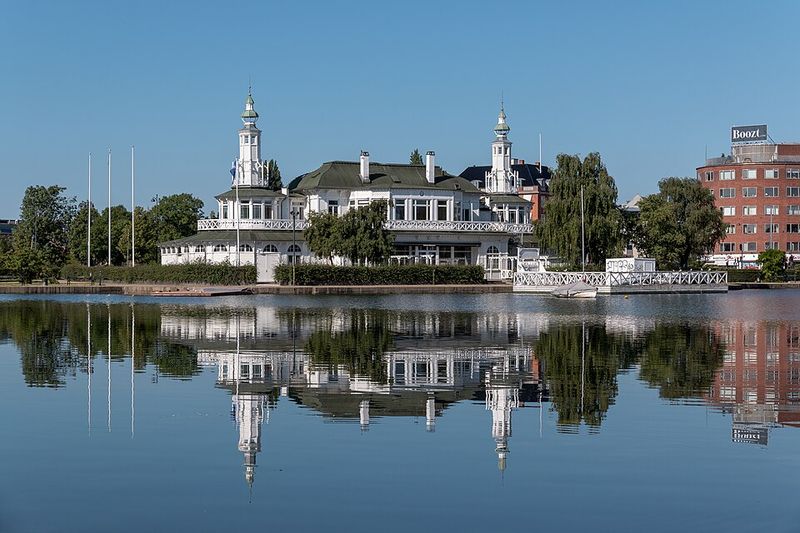
Denmark might surprise people who picture Scandinavia as a land of dramatic fjords and towering mountains. While Norway and Sweden have their alpine scenery, Denmark is remarkably flat.
Its highest natural point, Mollehoj, reaches just 170.86 meters above sea level. That is modest even by the standards of gentle rolling hills.
The Danish landscape is made up of gently undulating plains, farmland, coastal cliffs, and sandy beaches. The country consists of the Jutland Peninsula and hundreds of islands, all of which are low-lying and shaped more by the sea than by any geological uplift.
Cycling is enormously popular here, partly because the flat terrain makes it so easy.
Denmark consistently ranks among the happiest countries in the world, and its landscape plays a role in that. Wide skies, open farmland, and accessible coastlines give the country a calm and spacious feel.
No peaks needed when the quality of life is already at the top.
15. Luxembourg
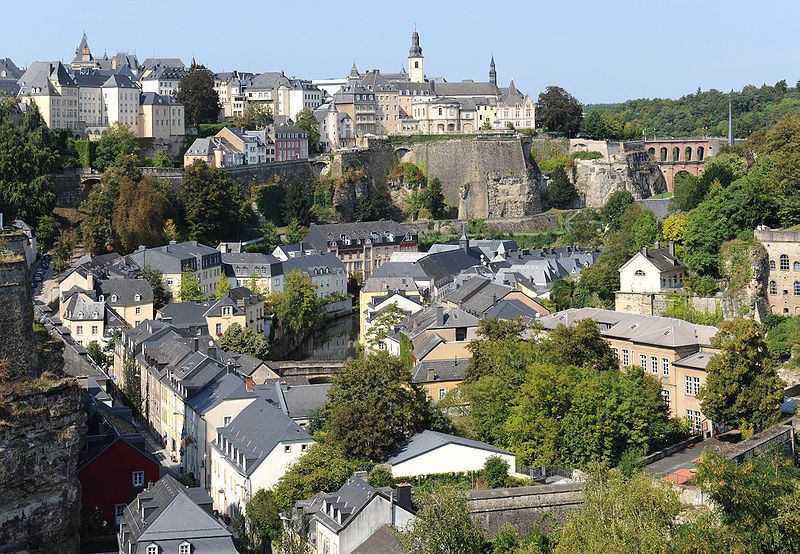
Luxembourg is a small, landlocked country tucked between Belgium, France, and Germany. While it does have some rolling terrain and forested hills in its northern Ardennes region, these are far from what anyone would call mountains.
The highest point in Luxembourg is Kneiff at just 560 meters, which is modest compared to the Alps nearby.
The southern part of the country, known as the Minette or Red Lands, is very flat and was historically important for iron ore mining. Luxembourg City, the capital, sits on a dramatic rocky promontory above river valleys, giving it a striking appearance that feels more elevated than the country’s overall topography suggests.
Luxembourg punches far above its weight economically, serving as a major center for European finance and institutions. The country may lack dramatic mountain scenery, but its mix of charming medieval architecture, lush green valleys, and modern city life makes it a genuinely rewarding place to explore on foot or by car.
Share this story