History’s most powerful rulers, presidents, and legends didn’t just leave behind monuments and stories. They also left behind families whose bloodlines continue to this day.
From European royalty to American presidents, some of their living descendants are still making headlines. Here are 13 remarkable people alive today who carry the genes of history’s greatest figures.
1. King Charles III – Descendant of William the Conqueror
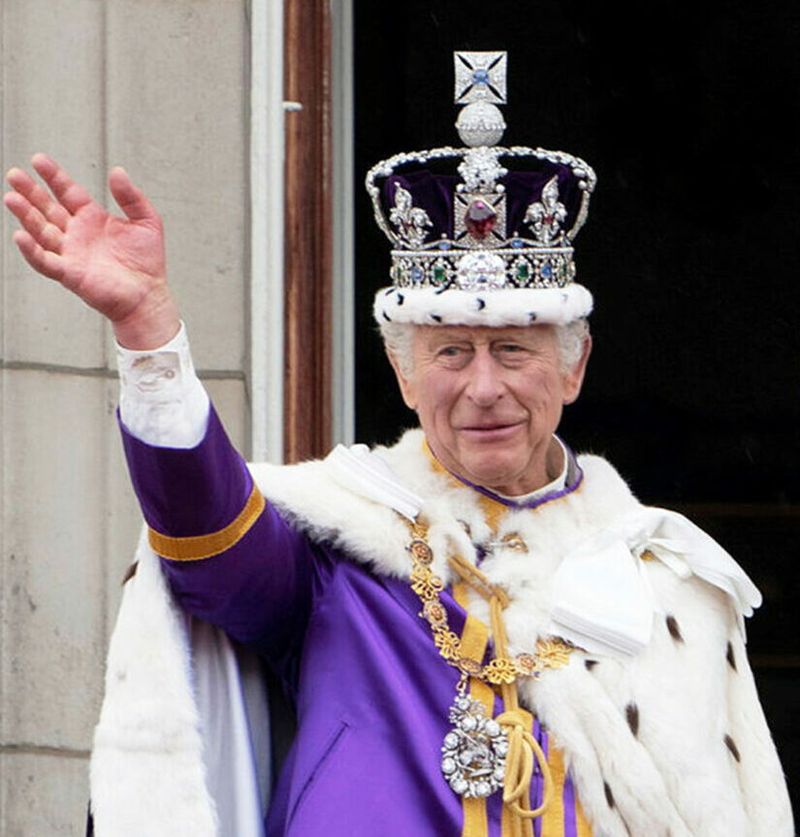
Tracing your family tree back nearly 1,000 years is something very few people can claim, but King Charles III can. As the reigning monarch of the United Kingdom, Charles carries the bloodline of William the Conqueror, the Norman duke who invaded England in 1066 and changed the country forever.
William’s victory at the Battle of Hastings reshaped English language, law, and culture in ways still felt today. Charles is connected to that legacy through a long, unbroken chain of royal succession.
Historians who study royal genealogy have confirmed this remarkable lineage multiple times.
Beyond his ancient roots, Charles has built his own legacy focused on environmental issues and architectural preservation. He became king in September 2022 following the death of Queen Elizabeth II.
Carrying such deep historical roots, he remains one of the most historically connected monarchs alive today.
2. Prince William – Descendant of Numerous British Monarchs Including Queen Victoria
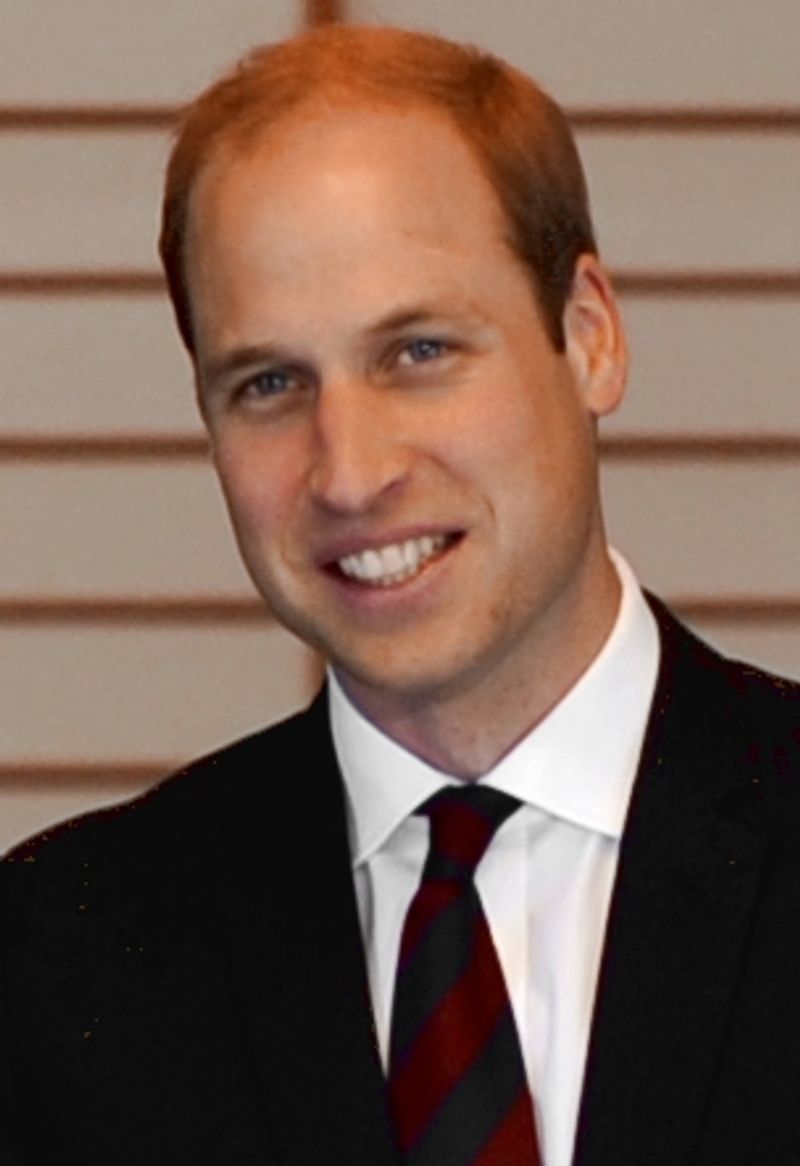
Few people alive today carry as many royal bloodlines as Prince William, the Prince of Wales and heir to the British throne. His ancestry connects him to Queen Victoria, one of the most influential rulers in world history, along with dozens of other European monarchs.
Queen Victoria’s descendants spread across nearly every royal family in Europe, earning her the nickname “the grandmother of Europe.” William inherits that remarkable web of connections through both his father, King Charles III, and his late mother, Princess Diana.
Born in 1982, William has grown into a global figure known for his charitable work, particularly around mental health awareness and environmental causes. He and his wife, Princess Catherine, are raising the next generation of the British royal family.
His bloodline literally reads like a who’s who of European history stretching back centuries.
3. Zara Tindall – Descendant of Queen Victoria
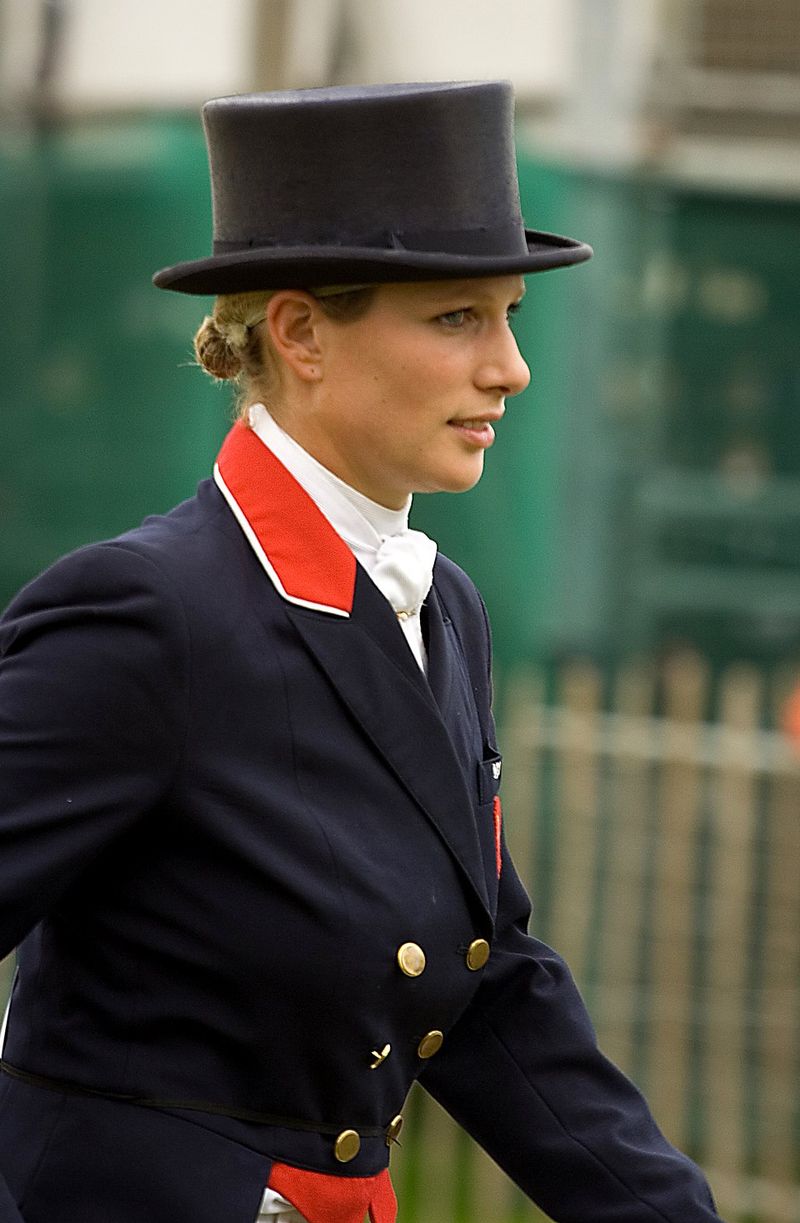
Not every royal descendant lives inside a palace, and Zara Tindall is a perfect example of that. The daughter of Princess Anne and granddaughter of Queen Elizabeth II, Zara is also a direct descendant of Queen Victoria, the legendary monarch who reigned for over 63 years.
What makes Zara especially interesting is how grounded her life has been compared to many of her royal relatives. She competed as an equestrian athlete, winning a silver medal at the 2012 London Olympics.
She was even named BBC Sports Personality of the Year in 2006, earning recognition entirely on her own athletic merit.
Zara does not hold a royal title by choice, living a relatively private life with her husband, former rugby player Mike Tindall, and their three children. Yet her Victorian bloodline remains one of the most historically significant in the modern world today.
4. Jean-Christophe, Prince Napoleon – Descendant of Napoleon Bonaparte’s Family
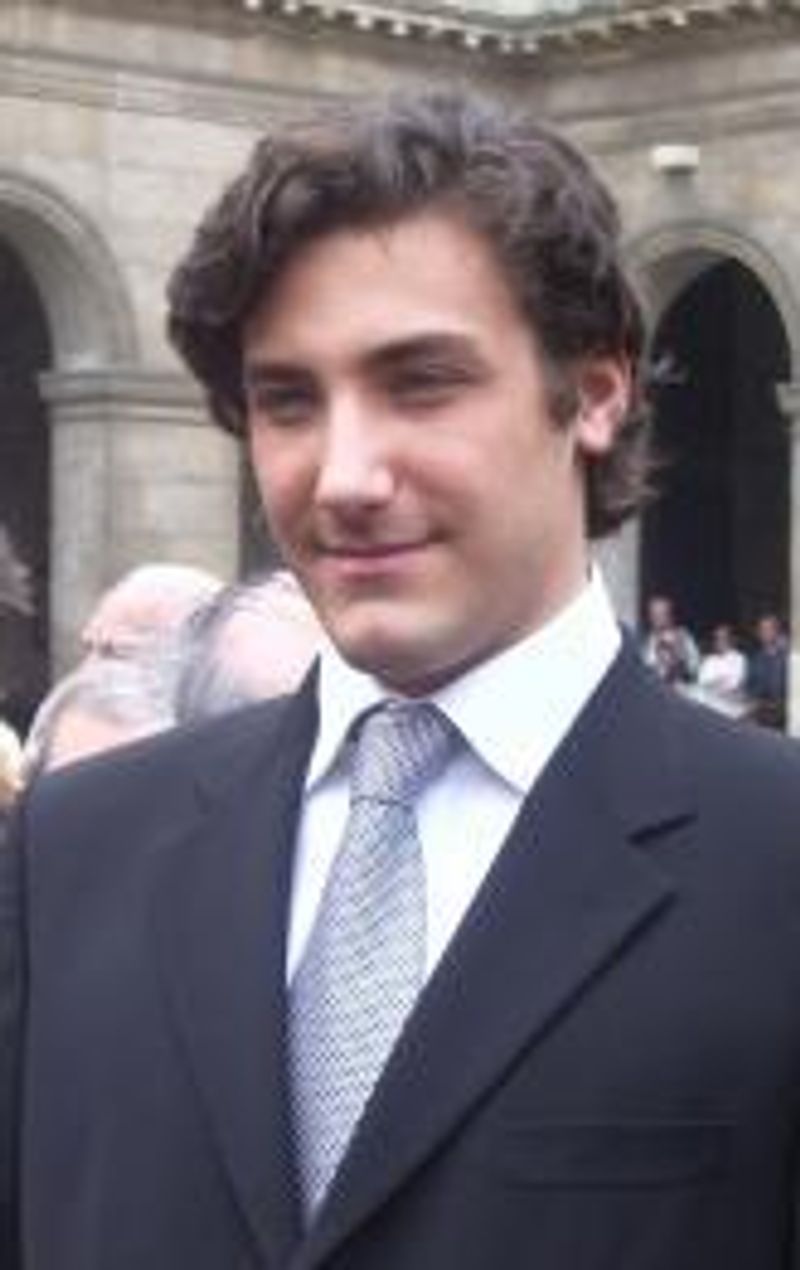
Napoleon Bonaparte conquered most of Europe in the early 1800s, and his family name still carries enormous weight more than two centuries later. Jean-Christophe Napoleon, born in 1986, is recognized as the current head of the Imperial House of France and the direct heir to Napoleon’s legacy.
He is the great-great-great-grandnephew of Napoleon I, making his connection to the famous emperor both real and well-documented. Jean-Christophe has worked in finance and has been vocal about French history, sometimes appearing at commemorations honoring his famous ancestor.
In 2019, he married Olympia von und zu Arco-Zinneberg in a ceremony held at Les Invalides in Paris, the very same monument where Napoleon Bonaparte is buried. That choice of venue felt like a powerful nod to history.
Today he lives a modern life while carrying one of the most electrifying surnames in all of European history.
5. Louis Alphonse de Bourbon – Descendant of Louis XIV
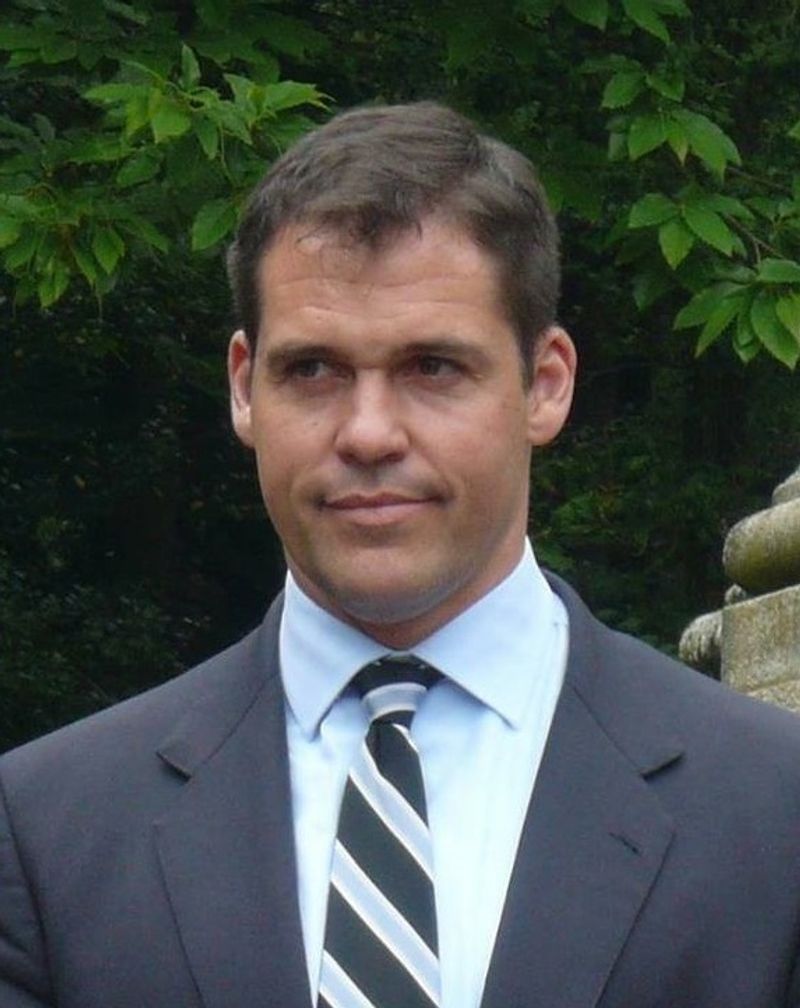
Louis XIV of France was known as the Sun King, and his reign from 1643 to 1715 remains one of the longest of any monarch in recorded history. His living descendant, Louis Alphonse de Bourbon, born in 1974, carries that extraordinary royal bloodline today as the Legitimist claimant to the French throne.
Louis Alphonse holds the title Duke of Anjou and is considered by Legitimists to be the rightful heir to the French crown, though France has been a republic since the 19th century. His connection to Louis XIV runs through the Spanish Bourbon royal family, a branch that was established when Louis XIV’s grandson became King Philip V of Spain.
He currently lives in Spain and works in finance. His story is a fascinating reminder that royal bloodlines do not disappear just because thrones no longer exist.
History travels quietly through living people.
6. Georg Friedrich, Prince of Prussia – Great-Great-Grandson of Kaiser Wilhelm II
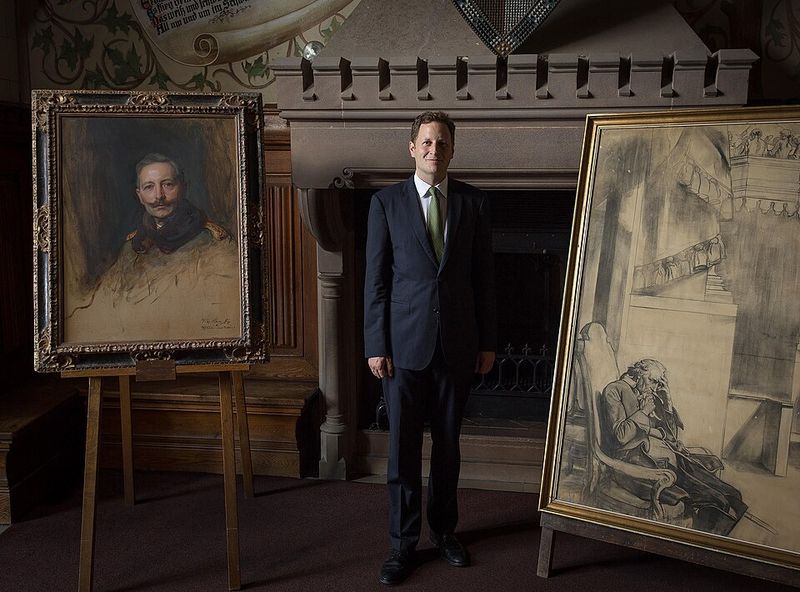
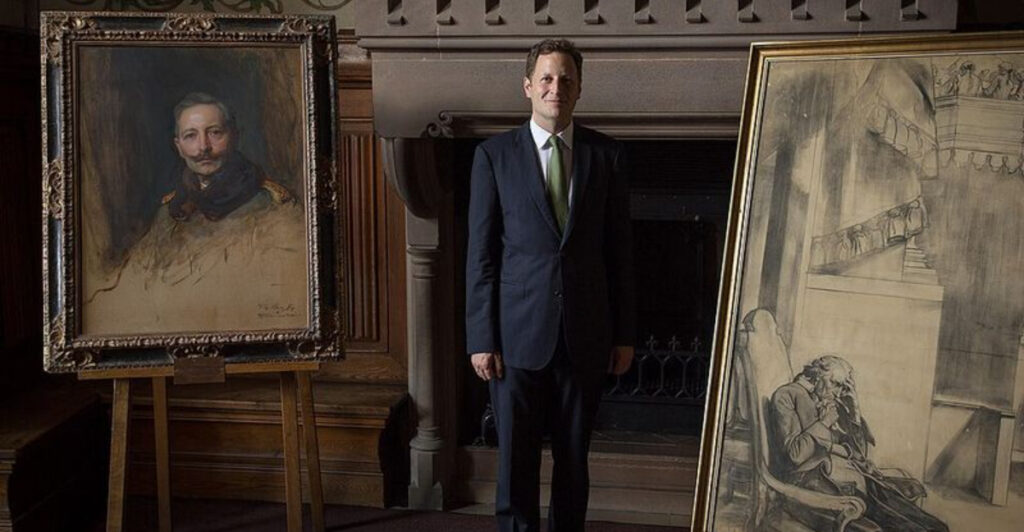
Kaiser Wilhelm II led Germany into World War I and abdicated his throne in 1918, one of the most dramatic exits in modern royal history. His great-great-grandson, Georg Friedrich, Prince of Prussia, born in 1976, is the current head of the House of Hohenzollern, the dynasty that ruled Prussia and then unified Germany.
Georg Friedrich has been at the center of some notable legal battles in recent years. The Hohenzollern family has sought compensation from the German government for properties seized after World War II, sparking significant public debate about history, responsibility, and justice.
Despite the controversies, Georg Friedrich has maintained a relatively low-profile life compared to other European royals. He studied business and has been thoughtful in his public statements about Germany’s complex history.
His very existence is a living reminder that the consequences of World War I still echo through families and governments even today.
7. Karl von Habsburg – Grandson of Emperor Charles I of Austria
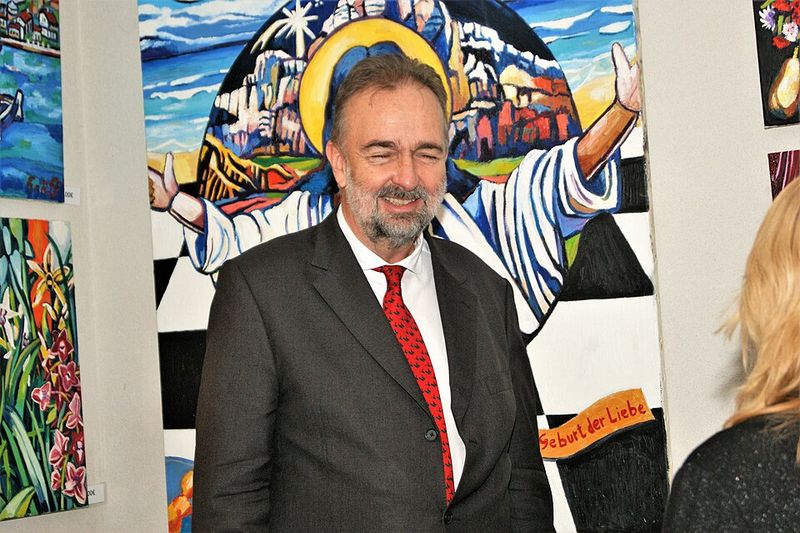
The Habsburg dynasty ruled vast portions of Europe for centuries, shaping the continent’s political and cultural landscape in profound ways. Karl von Habsburg, born in 1961, is the grandson of Emperor Charles I of Austria, the last ruler of the Austro-Hungarian Empire, which collapsed at the end of World War I.
Karl has not simply rested on his family’s historic name. He served as a Member of the European Parliament for Austria from 1996 to 1999 and has been deeply involved in European affairs and humanitarian work ever since.
He currently serves as President of the Pan-European Union, an organization that promotes European unity.
His grandfather, Emperor Charles I, was beatified by Pope John Paul II in 2004, recognizing him as a person of holy character within the Catholic Church. Karl has spoken warmly about that recognition.
His life bridges the old world of empire and the modern reality of European cooperation.
8. Eduard Habsburg – Descendant of the House of Habsburg
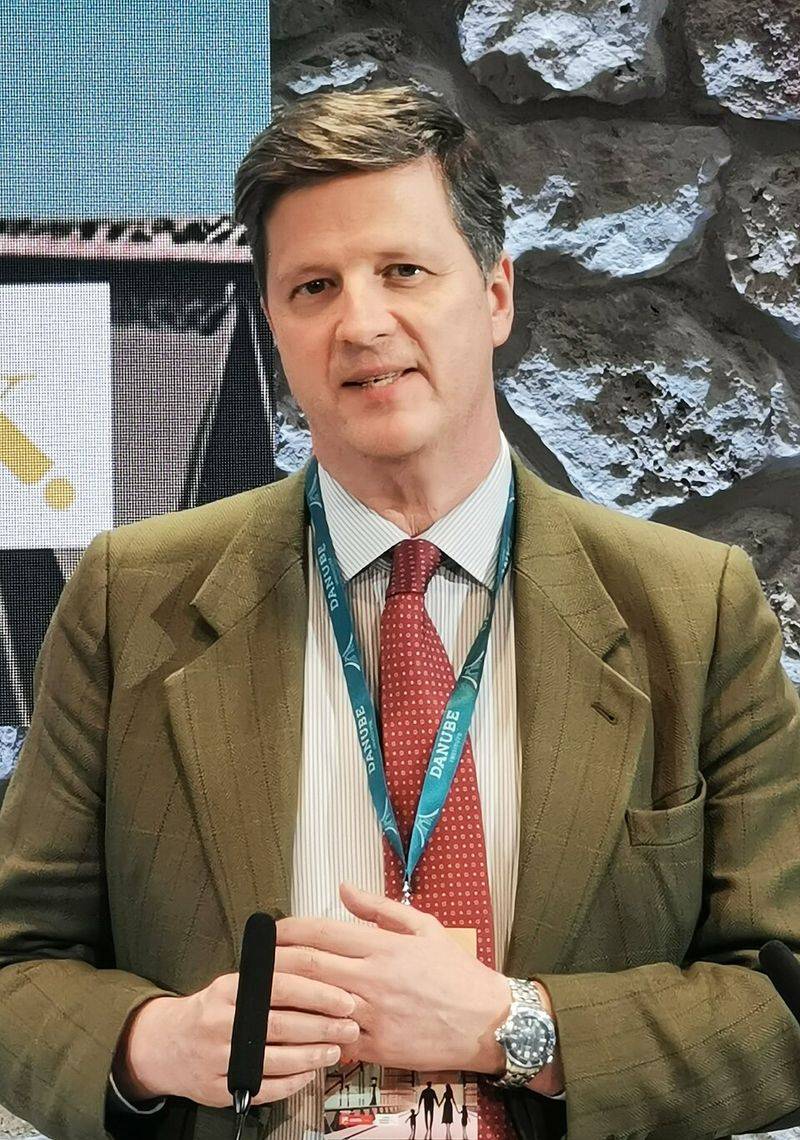
Eduard Habsburg carries one of Europe’s most storied surnames, and he has turned that heritage into a platform for diplomacy and public service. Born in 1967, Eduard is a member of the House of Habsburg-Lorraine and currently serves as Hungary’s Ambassador to the Holy See, which is the Vatican.
Beyond his diplomatic role, Eduard is also a writer, filmmaker, and devout Catholic. He has written books, produced documentaries, and is known for bringing a thoughtful and sometimes witty voice to discussions about faith, culture, and European identity.
His appointment as ambassador reflects Hungary’s strong Catholic ties and the enduring symbolic weight of the Habsburg name in Central Europe. Eduard has spoken openly about how his family history both inspires and challenges him.
He represents a generation of aristocratic descendants who have found meaningful ways to contribute to modern society without relying solely on the power of their famous name.
9. Ferdinand Habsburg – Descendant of the Habsburg Emperors

While many of his relatives are involved in politics and diplomacy, Ferdinand Habsburg has carved out a completely different path. Born in 1997, he is a professional racing driver who competes in endurance motorsport events, including prestigious races like the 24 Hours of Le Mans.
Ferdinand is a descendant of the Habsburg imperial family, one of the most powerful dynasties in European history. Yet his life looks nothing like that of his ancestors who once ruled empires.
He grew up passionate about speed and competition, eventually turning that passion into a full-time career on the racetrack.
His story resonates with younger audiences because it shows how even people with the most famous surnames can completely forge their own identity. Ferdinand has spoken about how he wants to be known for his racing achievements, not just his bloodline.
He is proof that history’s weight does not have to define your future direction.
10. Simeon Saxe-Coburg-Gotha – Descendant of European Royal Dynasties and Former Tsar of Bulgaria
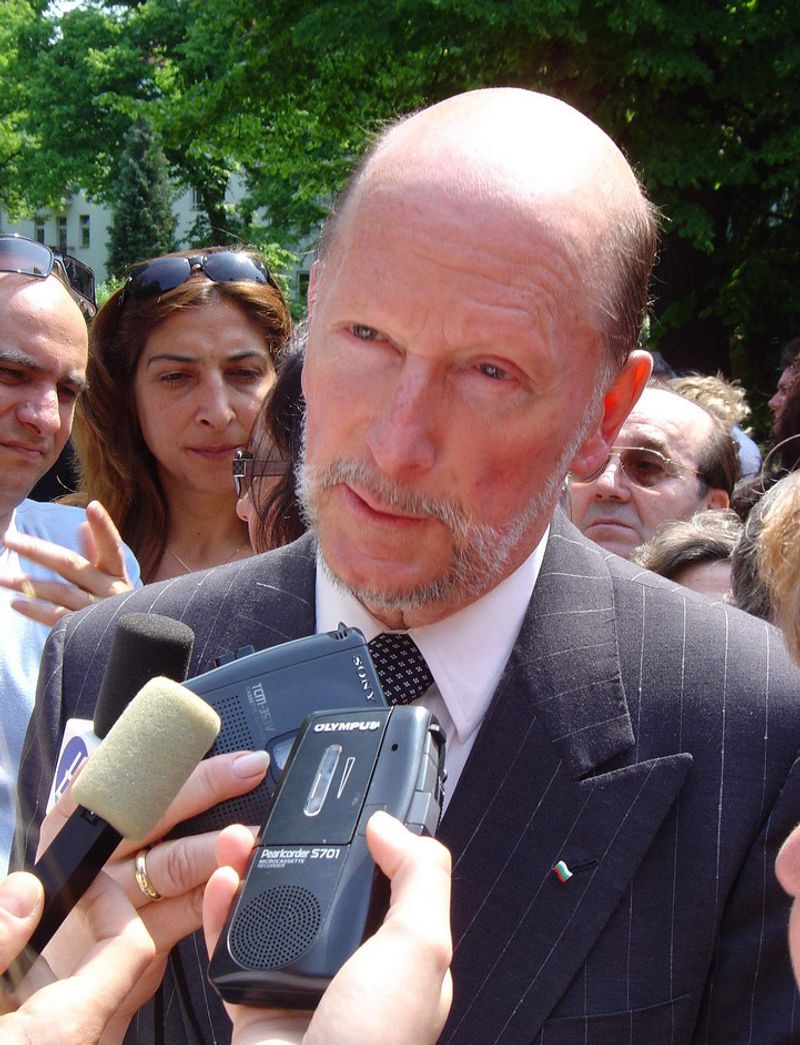
Simeon Saxe-Coburg-Gotha has lived one of the most extraordinary lives of any royal descendant in modern history. Born in 1937, he became Tsar of Bulgaria at just six years old following the death of his father, Tsar Boris III.
He was deposed when Bulgaria became a communist republic in 1946 and went into exile.
Most people would have accepted that as the end of their political story. Simeon did not.
He returned to Bulgaria after the fall of communism, entered democratic politics, and was elected Prime Minister of Bulgaria from 2001 to 2005, making him one of the very few people in history to serve as both a monarch and a democratically elected head of government.
His bloodline connects him to multiple European royal dynasties, including the British royal family through Queen Victoria. Simeon remains a respected figure in Bulgarian public life and a genuinely unique chapter in 20th-century European history.
11. Alexander Soros – Descendant of Philanthropist and Financier George Soros
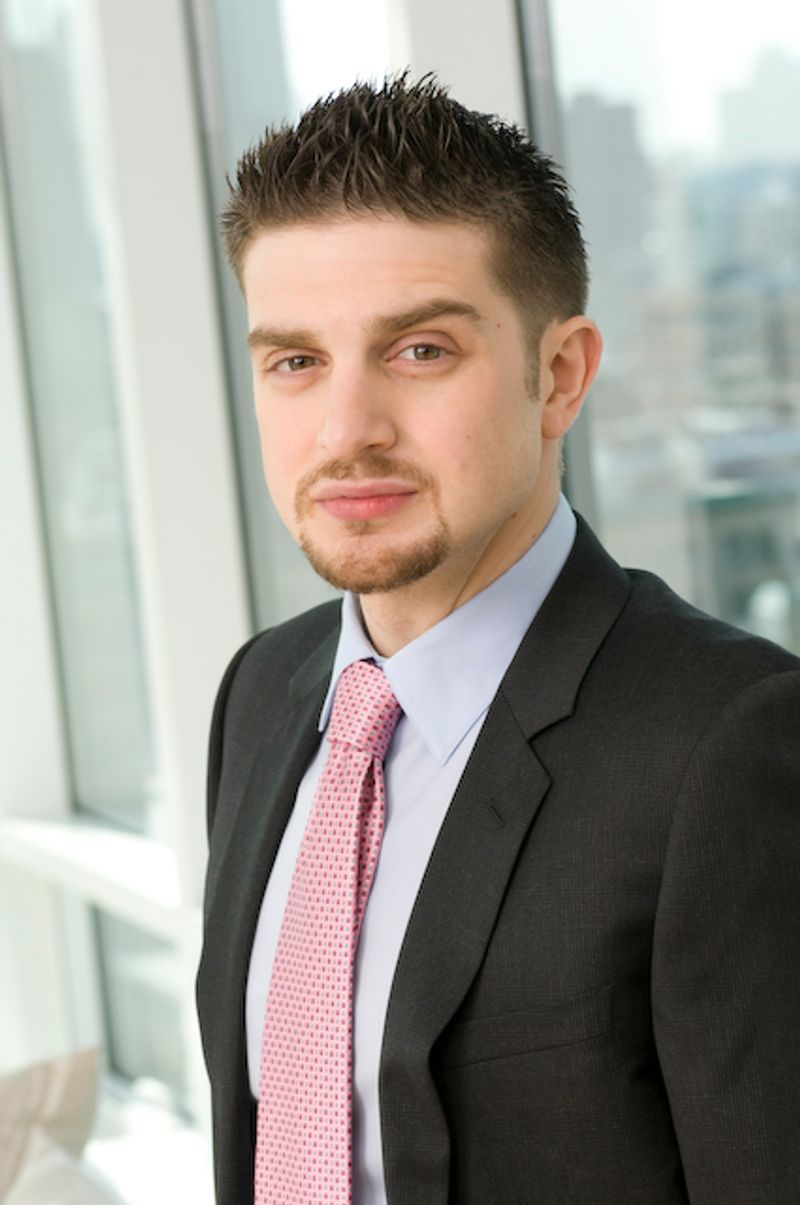
George Soros became one of the most talked-about financiers and philanthropists of the 20th century, known for his currency speculation and his massive charitable giving through the Open Society Foundations. His son, Alexander Soros, born in 1985, is now carrying that legacy forward in a very visible way.
In 2023, Alexander officially took over as chairman of the Open Society Foundations, one of the world’s largest private philanthropic organizations. His father had spent decades building it into a global force supporting democracy, human rights, and education across more than 100 countries.
Alexander has positioned himself as a political and social activist in his own right, meeting with world leaders and speaking out on policy issues. Critics and supporters watch him closely, knowing the organization he now leads controls billions of dollars in funding.
He represents a new generation inheriting not just wealth, but enormous responsibility and public scrutiny along with it.
12. Drew Barrymore – Descendant of the Legendary Barrymore Acting Family
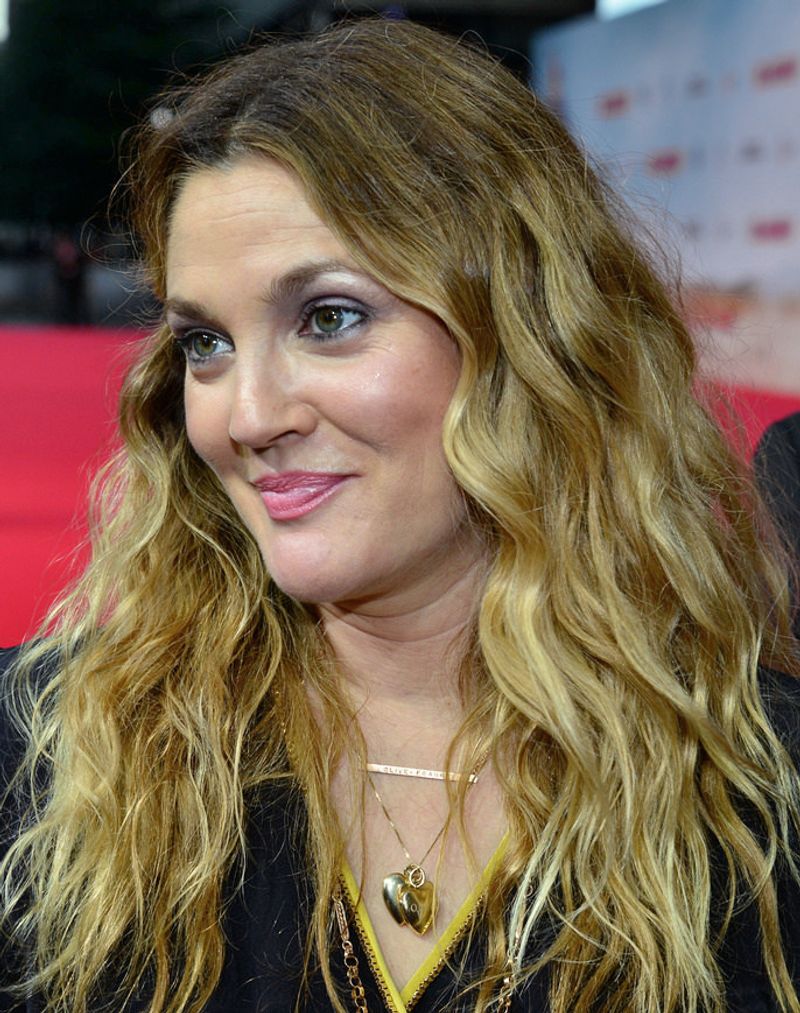
The Barrymore name has been synonymous with Hollywood greatness for over a century. Drew Barrymore, born in 1975, is the granddaughter of John Barrymore, one of the most celebrated stage and screen actors of the early 20th century, and the great-granddaughter of Maurice Barrymore, who helped establish the family’s theatrical dynasty.
Drew’s own story is remarkable on its own terms. She became a child star in E.T. the Extra-Terrestrial at just seven years old, faced very public personal struggles as a teenager, and then rebuilt her career and her life with impressive resilience.
She became a successful actress, producer, and businesswoman.
Today she hosts her own daytime talk show, The Drew Barrymore Show, and runs a lifestyle brand. Her warmth and openness with audiences have made her one of the most beloved personalities on television.
The Barrymore talent clearly did not skip a generation with her.
13. Jack Huston – Descendant of Filmmaker John Huston and Actor Walter Huston
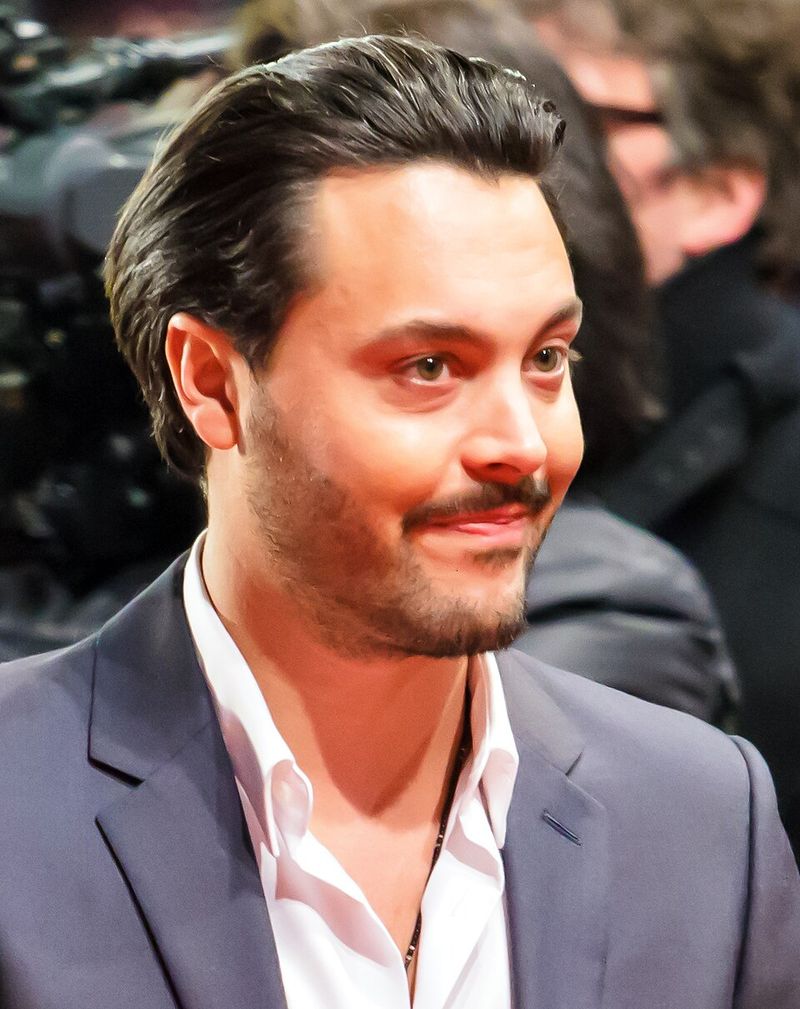
Hollywood dynasties are rare, but the Huston family built one that spans nearly a century of filmmaking. Jack Huston, born in 1982, is the grandson of legendary director John Huston, whose credits include The Maltese Falcon and The African Queen, and the great-grandson of acclaimed actor Walter Huston, who won an Academy Award in 1949.
Jack has carried on the family tradition with genuine talent. He earned wide recognition for his role as the disfigured sniper Richard Harrow in the HBO series Boardwalk Empire, a performance that critics praised as one of the most compelling on television during that period.
He has also appeared in major films including Ben-Hur and Fargo. What makes Jack’s story compelling is that he never leaned on his famous surname as a shortcut.
He built his reputation through consistently strong performances. The Huston storytelling instinct appears to run very deep in the family bloodline.
Share this story