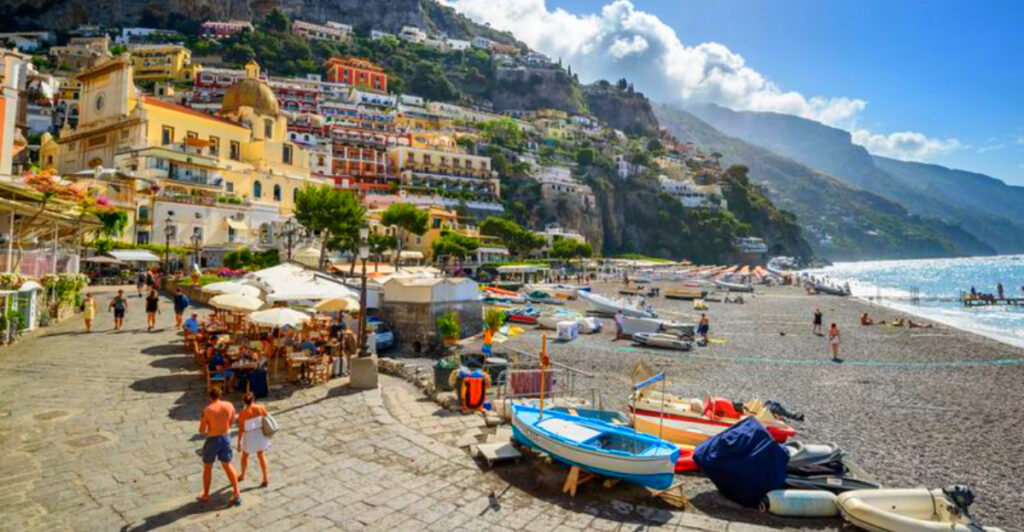
Long before social media turned every seaside village into a photo opportunity, Italy had already perfected the art of effortless beauty. Narrow lanes tumble toward sparkling harbors, elegant piazzas invite lingering conversations, and centuries-old buildings create backdrops that seem tailor-made for classic cinema.
It’s no surprise that The Talented Mr. Ripley used Italy’s dramatic landscapes and glamorous coastal settings to create some of its most memorable moments.
The film captured a version of Italy that still exists today. From cliffside towns overlooking the Mediterranean to sophisticated cities filled with history, these destinations offer the same blend of charm, style, and timeless appeal that made audiences want to book a flight the moment the credits rolled.
Here are 13 Italian destinations that feel like they stepped straight out of a scene from The Talented Mr. Ripley.
1. Atrani
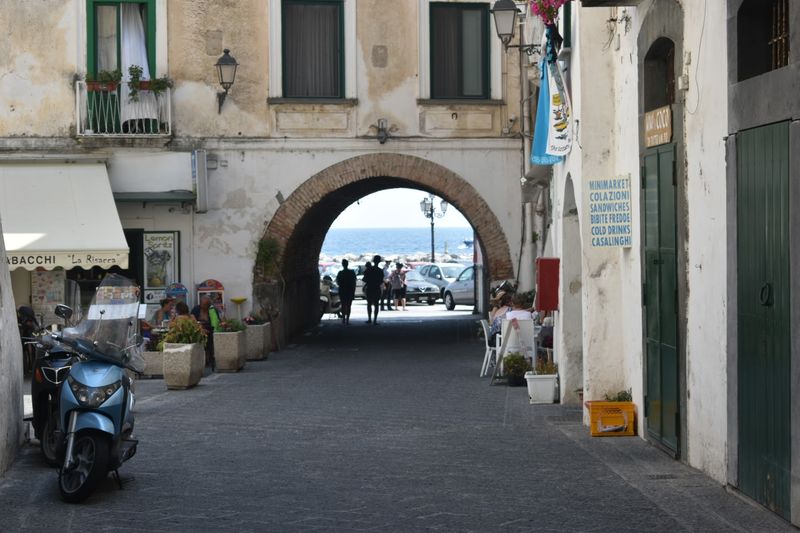
Blink and you might miss it, which is part of Atrani’s charm. Nestled beside the better-known towns of the Amalfi Coast, this tiny community offers a quieter glimpse of coastal Italy.
Unlike some neighboring destinations that attract large crowds, Atrani feels intimate and remarkably authentic. Its compact size means visitors can explore much of the village on foot in a relatively short time, though many end up staying longer simply because the pace is so appealing.
The heart of Atrani centers around Piazza Umberto I, a lively square framed by historic buildings and local gathering spots. Narrow passageways weave between whitewashed homes, arches, and staircases that reveal surprising viewpoints around nearly every corner.
Several scenes from The Talented Mr. Ripley were filmed here, and it is easy to see why. Atrani possesses a timeless quality that requires little embellishment from a film crew.
The village has preserved much of its traditional character, making it feel less polished and more lived-in than some famous coastal neighbors. Visitors often appreciate the chance to experience everyday Italian life while still enjoying proximity to the spectacular Amalfi Coast scenery.
2. Ischia
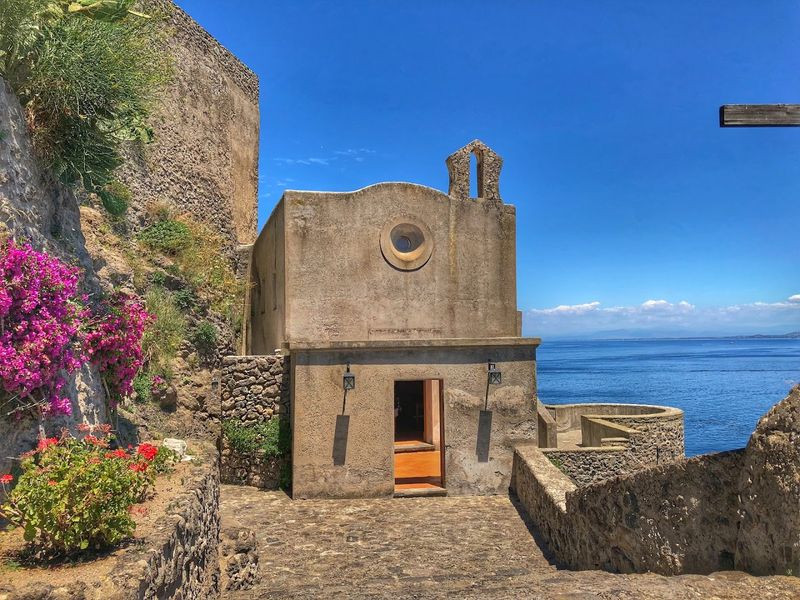
Some destinations compete for attention, while Ischia quietly wins people over. Located in the Bay of Naples, this volcanic island combines dramatic landscapes, historic sites, and relaxed coastal towns.
Although nearby Capri often grabs headlines, Ischia offers a broader range of experiences and frequently feels less crowded. The island has long been known for its thermal springs, which attract travelers seeking wellness and relaxation alongside sightseeing.
Castello Aragonese dominates the island’s skyline and provides one of its most memorable attractions. Connected to the mainland by a stone causeway, the fortress has watched over the bay for centuries and offers sweeping views from its elevated position.
Beyond the castle, visitors can explore charming villages, beaches, gardens, and scenic roads that circle the island. The connection to The Talented Mr. Ripley adds another layer of intrigue, but Ischia hardly needs cinematic fame to impress.
Its blend of natural beauty and cultural history creates a destination that rewards longer stays. Travelers often arrive planning a brief visit and leave wishing they had added a few extra days to their itinerary.
3. Procida
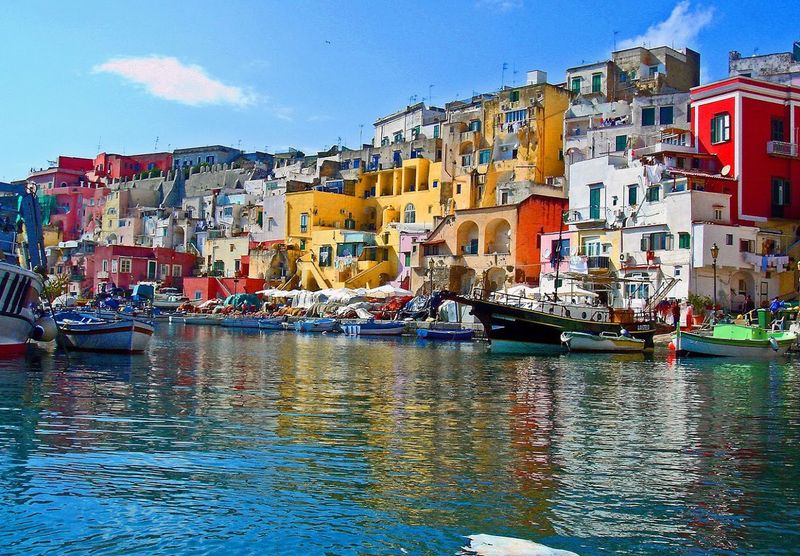
Brightly painted houses crowd the waterfront like a collection of cheerful postcards brought to life. Procida, the smallest inhabited island in the Bay of Naples, often surprises travelers who venture beyond more famous destinations nearby.
Its colorful harbor, Marina Corricella, has become one of the island’s defining images, drawing photographers and visitors eager to experience a setting that feels untouched by large-scale tourism.
The island’s compact size makes exploration easy, but its character keeps things interesting. Narrow streets, quiet neighborhoods, and waterfront promenades encourage slow discovery rather than rushed sightseeing.
Procida appeared in The Talented Mr. Ripley, and its cinematic qualities are immediately apparent. The island seems designed for wandering, with viewpoints and charming corners appearing at regular intervals.
Local life remains central to the experience, and visitors often notice fishing boats, family-run businesses, and residential areas blending naturally with tourism.
4. Naples
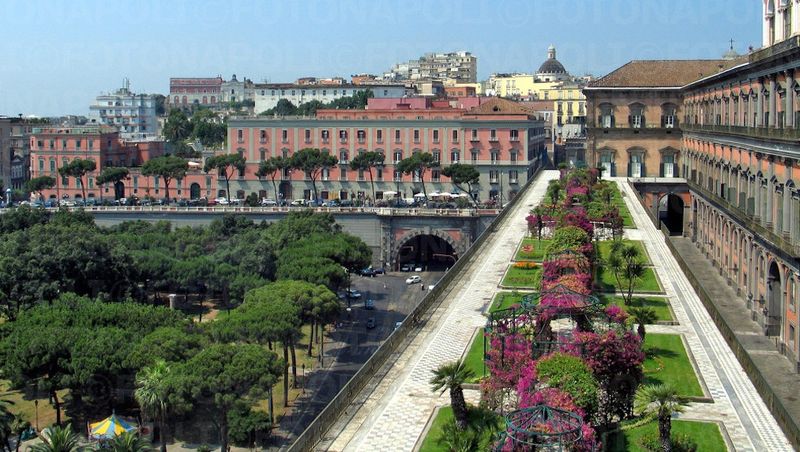
Chaos and beauty share the same address in Naples. Italy’s third-largest city is energetic, historic, and unapologetically itself.
While some travelers initially arrive as a gateway to nearby attractions, many discover that Naples deserves far more attention than a quick stopover. Layers of history stretch across the city, from ancient streets and grand churches to elegant squares and bustling neighborhoods.
The Talented Mr. Ripley captured aspects of Naples’ distinctive atmosphere, highlighting a city where tradition and modern life coexist at every turn. Visitors can explore the historic center, a UNESCO World Heritage Site packed with architectural treasures and cultural landmarks.
Museums house remarkable collections, while waterfront areas provide views across the bay toward Mount Vesuvius. Naples also excels at offering unexpected discoveries.
One street may feature centuries-old architecture, while the next introduces a lively market or hidden courtyard. The city’s energy can feel overwhelming at first, but that unpredictability is part of its appeal.
Travelers willing to embrace Naples on its own terms often find it among the most memorable destinations in Italy.
5. Positano
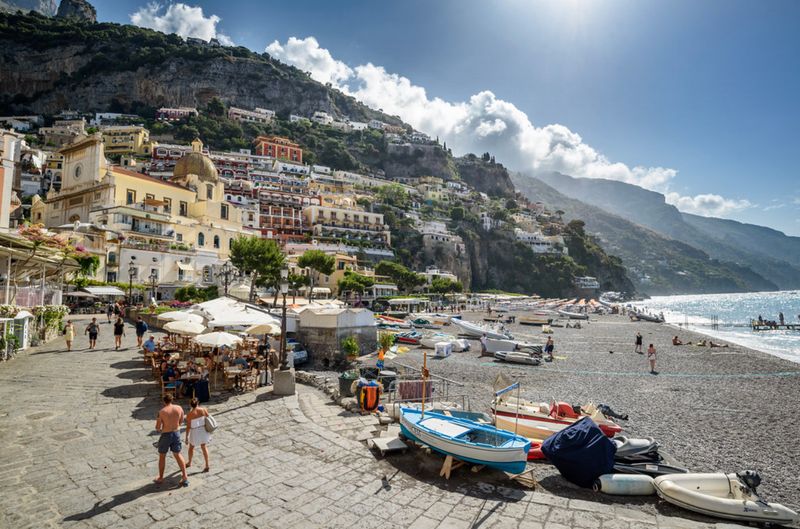
Gravity appears to have taken a creative day off in Positano, where colorful houses seem stacked one atop another down a steep hillside toward the sea. This Amalfi Coast favorite gained worldwide attention long before modern social media arrived, and it remains one of Italy’s most recognizable destinations.
Visitors quickly discover that much of the town revolves around its narrow pedestrian lanes, staircases, boutiques, and waterfront. Every turn reveals another terrace, viewpoint, or tucked-away café where people pause to admire the scenery rather than rush to the next attraction.
Positano also carries a direct connection to The Talented Mr. Ripley, making it especially appealing to movie fans. Beyond its cinematic credentials, the town rewards exploration with historic churches, local artisan shops, and boat excursions along the coast.
The Church of Santa Maria Assunta, famous for its colorful tiled dome, anchors the center of town and serves as a useful landmark while navigating the maze-like streets. Many visitors spend hours simply wandering without a strict plan, discovering hidden corners and unexpected views.
Despite its popularity, Positano retains an atmosphere that encourages lingering. The town’s dramatic layout and timeless architecture make it easy to understand why filmmakers, artists, and travelers have been drawn here for decades.
6. Capri
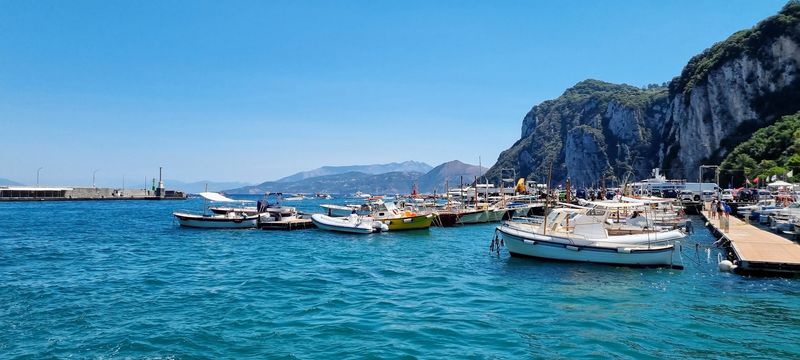
Luxury may be part of Capri’s reputation, but the island offers much more than designer boutiques and celebrity sightings. Rising dramatically from the Bay of Naples, Capri has captivated visitors for generations with its cliffs, gardens, historic villas, and coastal scenery.
Even travelers who arrive with high expectations often leave impressed by how much the island delivers beyond its glamorous image.
One of Capri’s most famous attractions is the Blue Grotto, a sea cave that has fascinated visitors for decades. Elsewhere, scenic walking paths connect viewpoints, gardens, and charming town centers.
Capri’s appearance in The Talented Mr. Ripley reinforced its status as a cinematic icon, though the island’s appeal was firmly established long before Hollywood arrived. Piazza Umberto I serves as a lively social hub, while quieter corners reveal a more relaxed side of island life.
Exploring Capri often involves balancing famous landmarks with spontaneous discoveries. A short detour can lead to a hidden viewpoint or peaceful lane far removed from the busiest areas.
That combination keeps visitors engaged throughout their stay.
7. Ravello
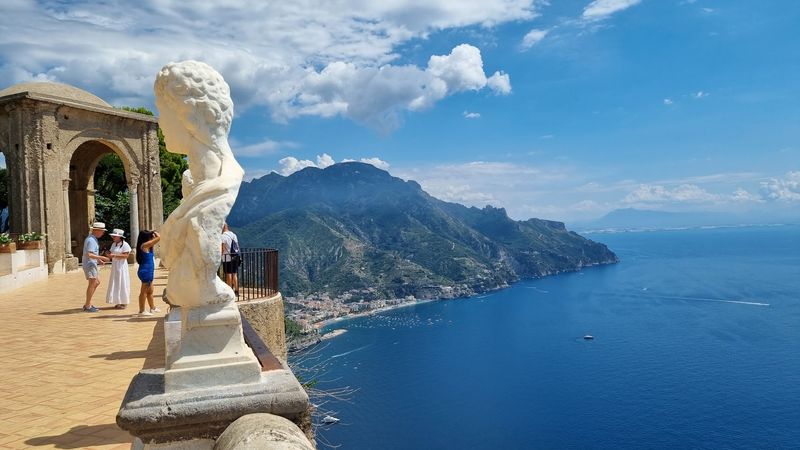
Perched high above the coastline, Ravello seems determined to provide the best views in the neighborhood. Unlike the seaside towns below, this hilltop destination offers a different perspective on the Amalfi Coast.
The elevated setting has attracted artists, writers, and travelers for centuries, many of whom arrived seeking inspiration and ended up finding it in abundance.
Ravello is particularly famous for its villas and gardens. Villa Rufolo and Villa Cimbrone draw visitors with their historic architecture and spectacular terraces overlooking the coast.
The town’s peaceful atmosphere creates a noticeable contrast to busier coastal destinations, making it an appealing place to slow down and explore. Although not as prominently featured in The Talented Mr. Ripley as some nearby locations, Ravello captures the same elegant Italian character that defines the film’s most memorable scenes.
Cultural events, music festivals, and historic landmarks add depth to the experience.
8. Taormina
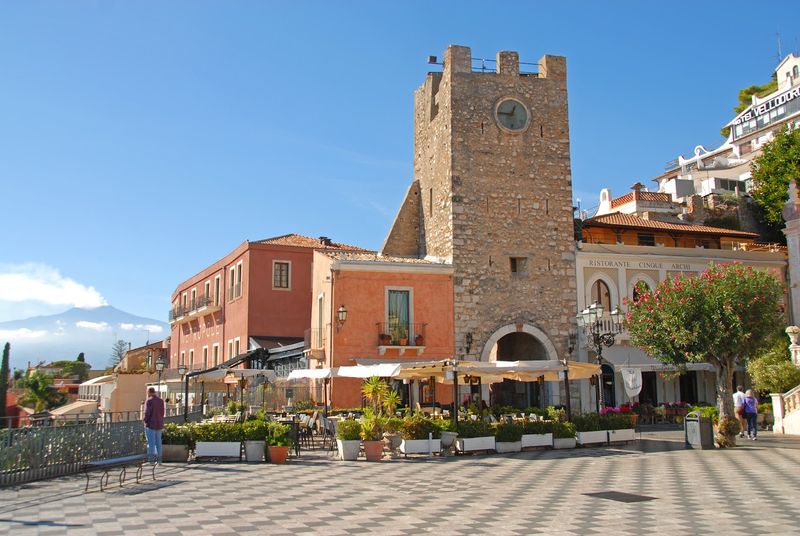
A Greek theater with a remarkable backdrop is only the beginning of Taormina’s appeal. Located on Sicily’s eastern coast, this historic town occupies a dramatic hillside position overlooking the Ionian Sea.
Its combination of ancient landmarks, elegant streets, and coastal views has made it one of Sicily’s most celebrated destinations.
Taormina’s historic center invites exploration through pedestrian-friendly streets lined with shops, cafés, and architectural landmarks. Corso Umberto serves as the town’s main thoroughfare, connecting important squares and attractions.
The ancient Greek Theater remains the star attraction, offering visitors a fascinating glimpse into the past alongside extraordinary views. Taormina’s sophisticated atmosphere aligns perfectly with the stylish world portrayed in The Talented Mr. Ripley.
Yet the town never feels like a museum piece. Local life continues alongside tourism, creating an environment that feels vibrant rather than staged.
9. Amalfi
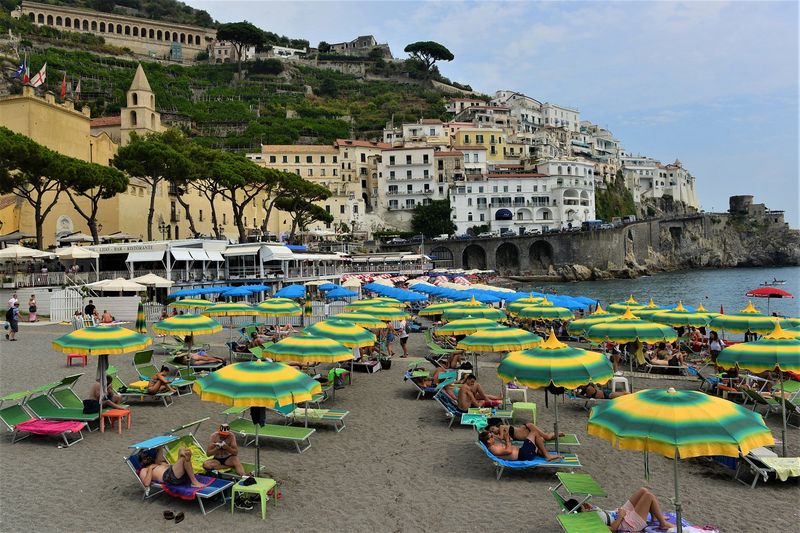
Before neighboring towns became household names, Amalfi was already making history. Once a powerful maritime republic, this coastal town played a significant role in Mediterranean trade during the Middle Ages.
Today, its rich past remains visible in the architecture, streets, and landmarks that continue to attract visitors from around the world.
The centerpiece of Amalfi is the striking Cathedral of Saint Andrew, whose grand staircase and distinctive façade dominate the town center. Surrounding streets form a lively network of shops, cafés, and historic buildings that encourage exploration.
Amalfi’s appearance in The Talented Mr. Ripley helped showcase its enduring appeal, but its history alone provides plenty of reasons to visit. The town serves as both a destination and a convenient base for exploring the wider coast.
Ferries, buses, and scenic roads connect Amalfi to nearby attractions, making it easy to build a broader itinerary.
10. Cefalù
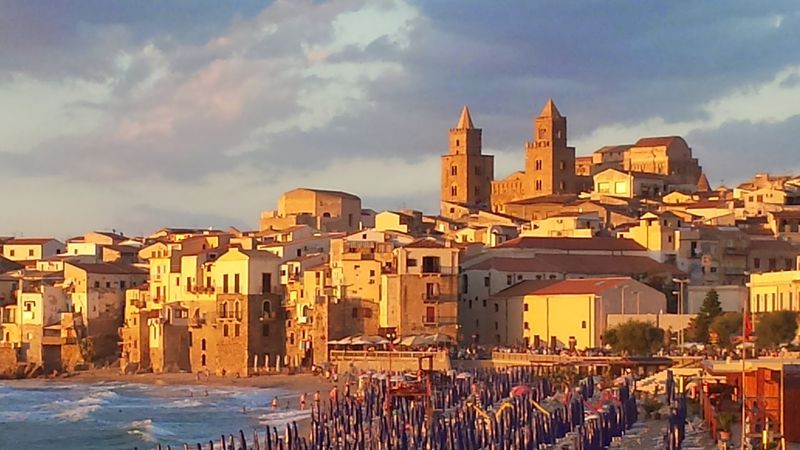
Not every coastal town can boast a Norman cathedral and a beach within walking distance of each other. Cefalù, located on Sicily’s northern coast, manages that combination with ease.
The town’s historic center sits beneath a towering rock formation known as La Rocca, creating one of the island’s most distinctive settings.
Cefalù balances history and leisure remarkably well. Visitors can explore medieval streets, admire the cathedral’s impressive mosaics, and then head toward the waterfront for a completely different experience.
The town’s compact layout makes sightseeing convenient, while its architectural heritage provides plenty of substance. Fans of cinematic Italy often find Cefalù particularly appealing because it embodies the timeless qualities associated with films like The Talented Mr. Ripley.
Rather than relying on a single famous attraction, the town succeeds through its overall character. Every street seems to contribute another piece to the story.
11. Portofino
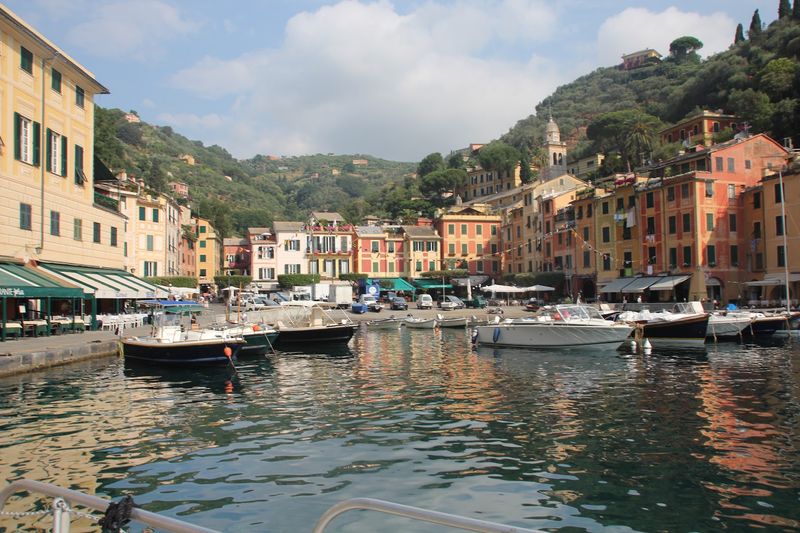
Few harbors have been photographed as often as Portofino’s. This small fishing village on the Italian Riviera has become internationally famous for its colorful waterfront and elegant atmosphere.
Despite its modest size, Portofino occupies an outsized place in travel imagination, appearing in countless photographs, films, and travel stories.
The harbor serves as the focal point, lined with pastel-colored buildings and bustling with activity throughout much of the year. Beyond the waterfront, visitors can explore scenic trails, historic churches, and viewpoints overlooking the coastline.
Portofino shares the refined aesthetic that made The Talented Mr. Ripley so visually memorable. Yet beneath the polished reputation lies a genuine village with centuries of maritime history.
12. Vernazza
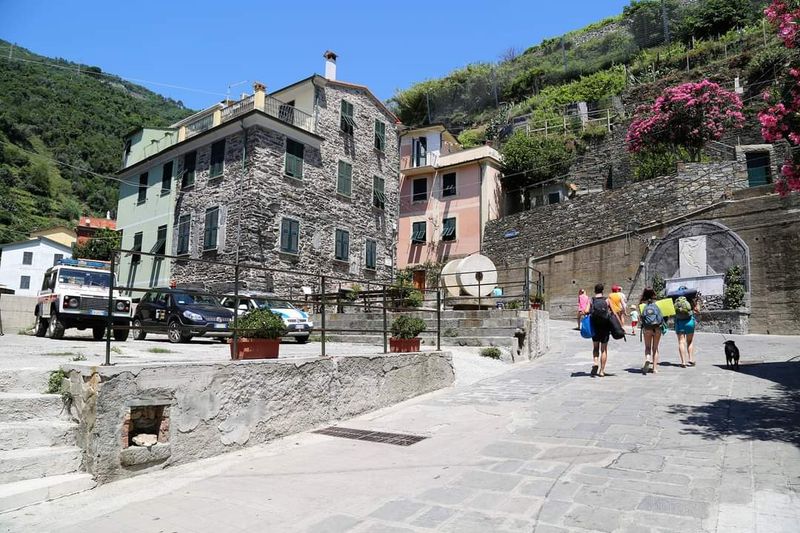
A natural harbor gave Vernazza a head start, and the village has been making the most of it ever since. As one of the five communities that form Cinque Terre, Vernazza combines colorful architecture, historic character, and dramatic coastal scenery.
Many visitors consider it the most visually striking of the group, and photographs rarely do it full justice.
The village’s layout centers around a small harbor surrounded by tightly packed buildings that climb the surrounding hillsides. Narrow streets lead to viewpoints, churches, and local gathering places that reveal different perspectives on the town.
Vernazza shares many qualities associated with the Italian settings featured in The Talented Mr. Ripley: timeless architecture, waterfront charm, and an atmosphere that encourages unhurried exploration. Hiking trails connect Vernazza to neighboring villages, allowing visitors to experience multiple sections of Cinque Terre during a single trip.
13. Siracusa
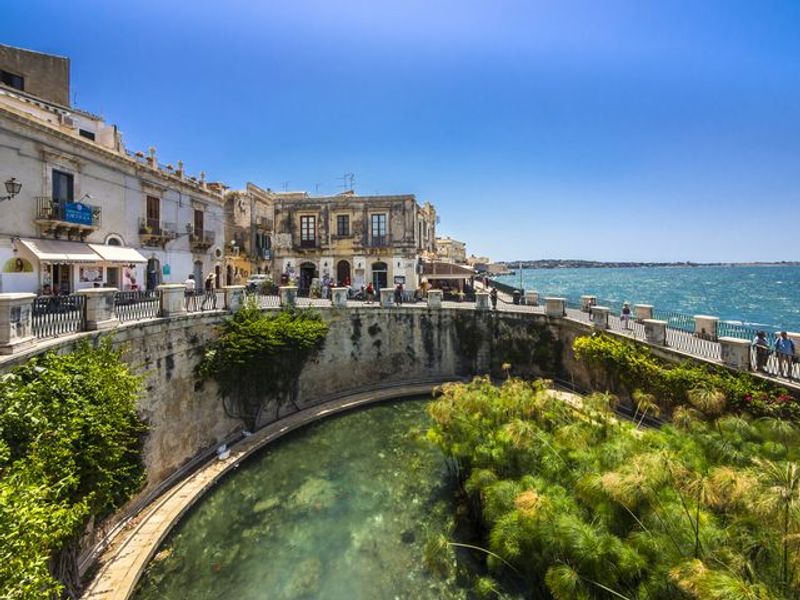
History enthusiasts tend to arrive in Siracusa with a long checklist, and the city rarely disappoints. Located on Sicily’s southeastern coast, Siracusa was once among the most important cities of the ancient Greek world.
Today, layers of history remain visible throughout the city, creating an experience that spans thousands of years.
Ortigia, the historic island district connected to the mainland by bridges, forms the heart of modern tourism in Siracusa. Visitors encounter elegant piazzas, ancient ruins, Baroque architecture, and waterfront promenades within a remarkably compact area.
The city captures many of the qualities that make Italy feel cinematic: grand architecture, fascinating history, and streets that reward curiosity. While Siracusa may not be the first destination people associate with The Talented Mr. Ripley, it delivers the same blend of sophistication and timeless appeal.
Share this story