The Caucasus Mountains, stretching between the Black and Caspian Seas, are home to ancient villages, cliffside monasteries, and some of the region’s most spectacular landscapes. While many travelers stick to well-known destinations, those who venture deeper discover medieval tower settlements, hidden mountain communities, and breathtaking scenery that feels straight out of a fantasy novel.
Here are 15 remarkable places in the Caucasus that deserve a spot on your travel bucket list.
1. Ushguli, Svaneti, Georgia
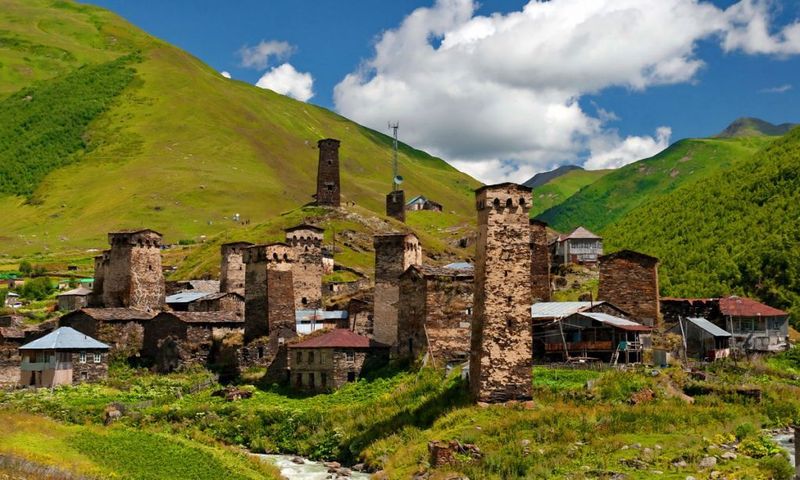
At roughly 2,200 meters above sea level, Ushguli holds the title of one of the highest continuously inhabited settlements in all of Europe, and it earns that title with style.
The village is famous for its Svan towers, medieval stone structures that families once used for defense against rival clans and invaders. Around 20 of these towers still stand today, making Ushguli look more like a fortress than a village.
UNESCO recognized the entire Upper Svaneti region as a World Heritage Site, largely thanks to places like this one.
Getting here requires a bumpy road that tests both your vehicle and your patience, but the reward is a mountain landscape that feels genuinely untouched. Most visitors arrive in summer, between June and September, when the road is passable and the alpine meadows are at their most dramatic.
2. Omalo, Tusheti, Georgia
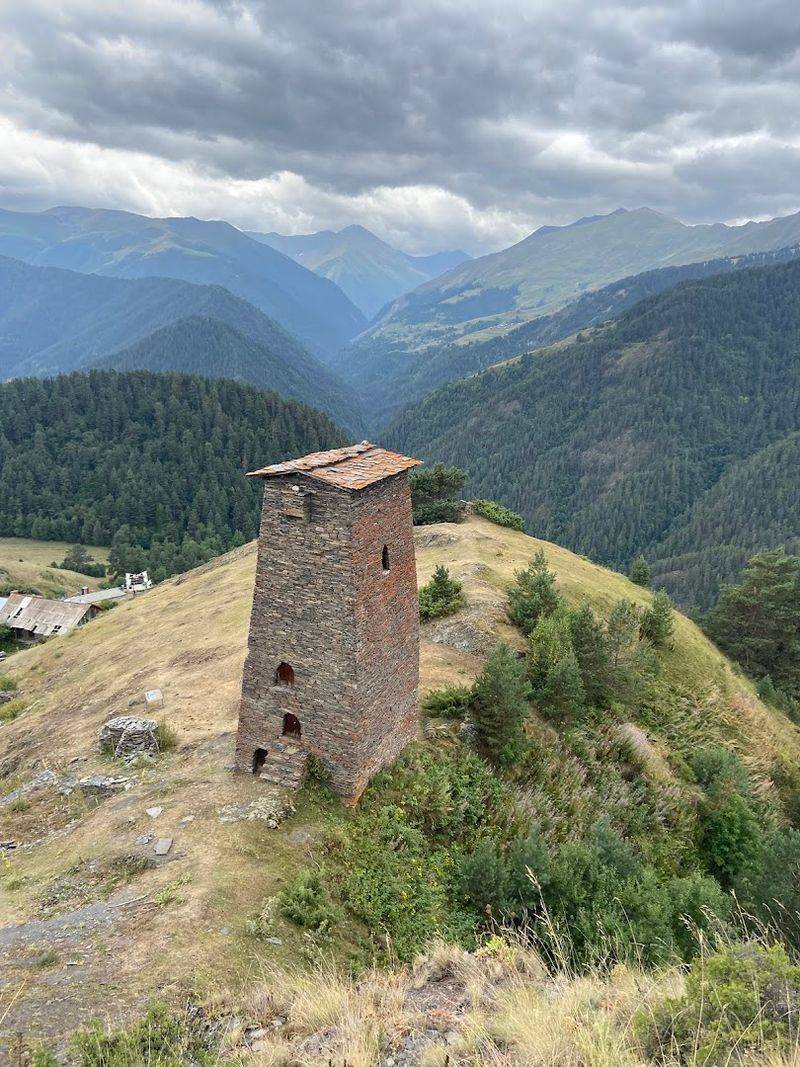
The road to Omalo is not for the faint-hearted. The Abano Pass, which tops out at around 2,926 meters, is widely considered one of the most challenging mountain roads in the entire Caucasus region.
Narrow tracks, steep drops, and unpredictable weather make the journey an adventure before the destination even begins. But Omalo itself is the kind of place that makes you forget every white-knuckle moment from the drive up.
The village sits in the heart of Tusheti National Park, a protected area covering over 83,000 hectares of rugged wilderness. Medieval watchtowers dot the surrounding hillsides, and hiking trails fan out in every direction.
Because Tusheti is only accessible during the warmer months, typically July through September, the village operates on a seasonal rhythm that gives it a refreshingly unhurried pace.
3. Shatili, Khevsureti, Georgia
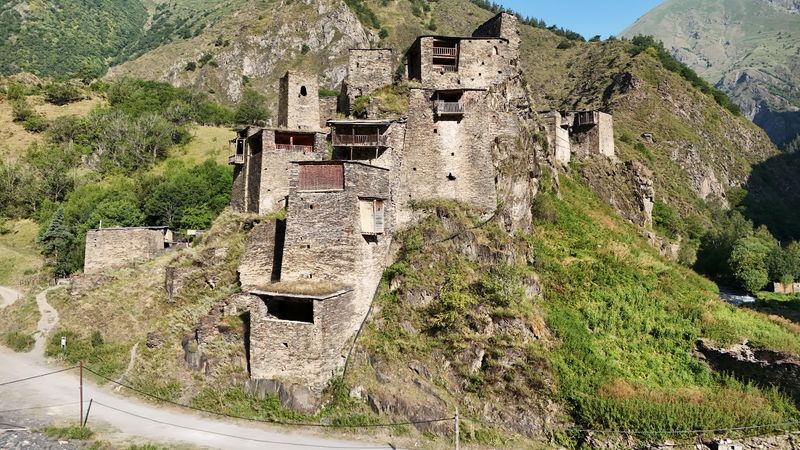
Few places on Earth look quite as otherworldly as Shatili. The entire village is essentially one continuous structure, a cluster of stone towers and houses that merge seamlessly into the mountainside as if they grew there naturally.
Historians believe the settlement dates back over a thousand years, built by the Khevsurs as a combined residential and military complex. The thick walls, narrow passages, and strategic position above the Argun River gorge tell the story of a community that had to be ready for conflict at any moment.
Today, only a handful of permanent residents remain, though the village draws curious travelers during summer months.
The surrounding Khevsureti region is also home to unique local traditions, including distinctive embroidery patterns and a culture that remained isolated for so long it developed its own distinct customs. Reaching Shatili requires a serious mountain road, but the payoff is extraordinary.
4. Mutso, Khevsureti, Georgia
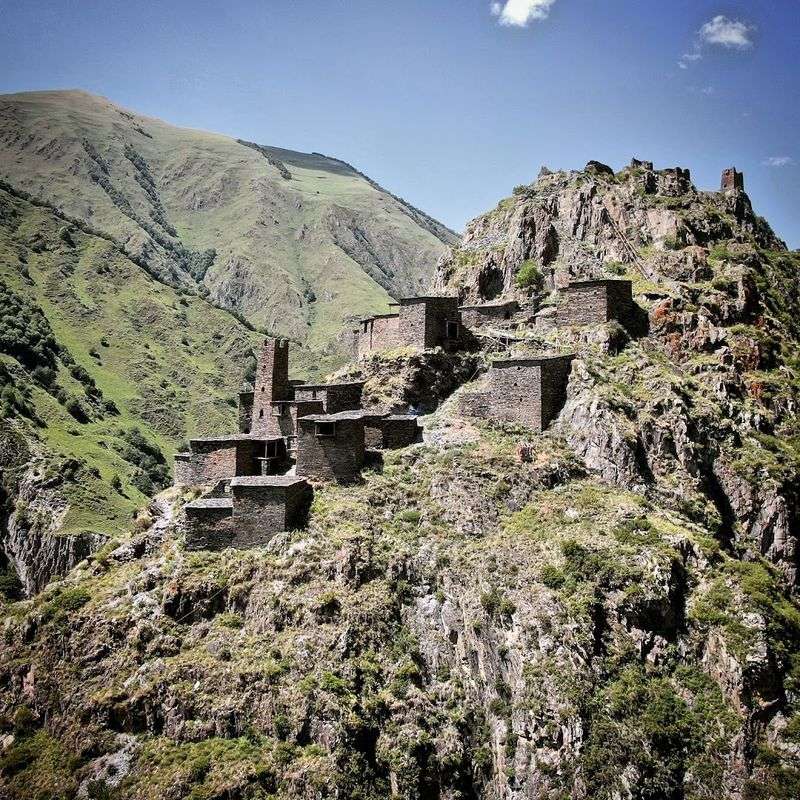
Perched on a rocky spur above the Mutsoura River canyon, Mutso is the kind of place that makes photographers forget to eat lunch.
The settlement was abandoned in the 20th century but has since been partially restored, giving visitors a rare chance to walk through a medieval Georgian mountain village that feels both ancient and surprisingly well-preserved.
The towers and stone houses cling to the ridgeline with remarkable confidence, considering the terrain drops sharply on multiple sides.
Mutso sits close to Shatili, so many travelers combine both villages into a single mountain loop. The hike between them takes a few hours and passes through scenery that rewards every uphill step.
Because the trails here see far fewer boots than the paths around Kazbegi, you have a decent chance of exploring the ruins in near-total solitude, which only adds to the experience.
5. Racha Region, Georgia
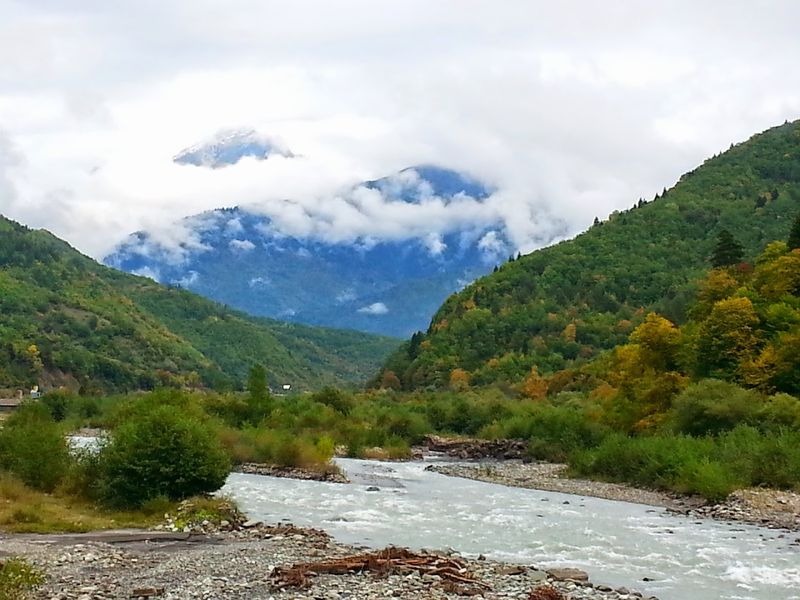
Georgia’s mountain travel conversation tends to revolve around Svaneti and Kazbegi, which means Racha gets to enjoy a refreshing amount of peace and quiet.
Tucked into the northwestern part of the country, this region is defined by forested ridges, wide river valleys, and villages where guesthouses outnumber tourist buses by a comfortable margin.
The Shaori Reservoir is one of the area’s most scenic spots, surrounded by pine forests and offering a calm counterpoint to the more dramatic peaks found elsewhere in the Caucasus.
Racha is also known for its traditional architecture, with wooden balconied houses that reflect a distinct regional style. Hikers can explore trails through largely untouched forests, and the roads connecting the valley villages are quiet enough that cycling is a genuinely pleasant option.
For travelers who want Caucasus scenery without the crowds, Racha is a logical and deeply satisfying choice.
6. Dartlo, Tusheti, Georgia
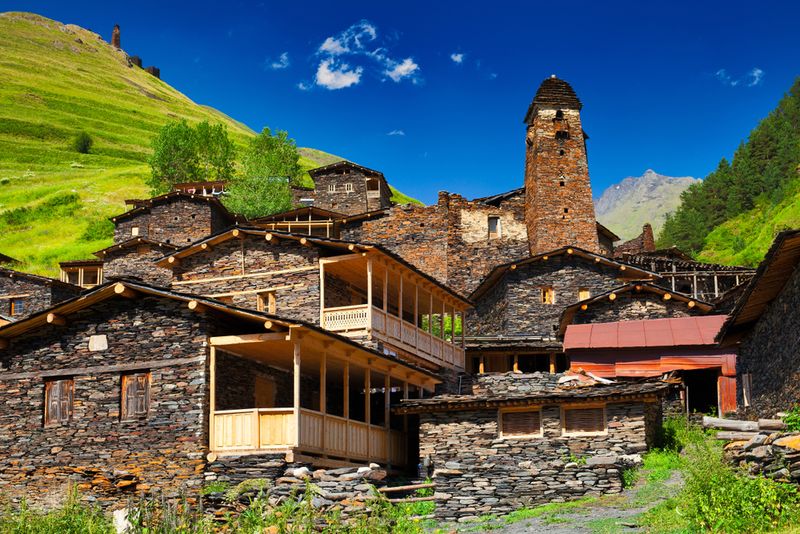
Every stone house in Dartlo looks like it was placed exactly where it belongs, and the village as a whole creates one of the most photogenic compositions in the Georgian highlands.
The characteristic slate rooftops give Dartlo a distinct visual identity that sets it apart from other Tusheti settlements. The village sits along the Alazani River valley, with mountain ridges rising steeply on both sides and open sky filling the gaps in between.
Dartlo is smaller and quieter than Omalo, which makes it a favorite among travelers who want a more intimate experience of Tusheti life.
Local guesthouses offer simple but comfortable accommodation, and the surrounding trails connect to a broader network of hiking routes across the national park. Because Tusheti has no permanent road access in winter, the entire area resets each spring, giving every summer visit a feeling of genuine discovery.
7. Juta, Mtskheta-Mtianeti, Georgia
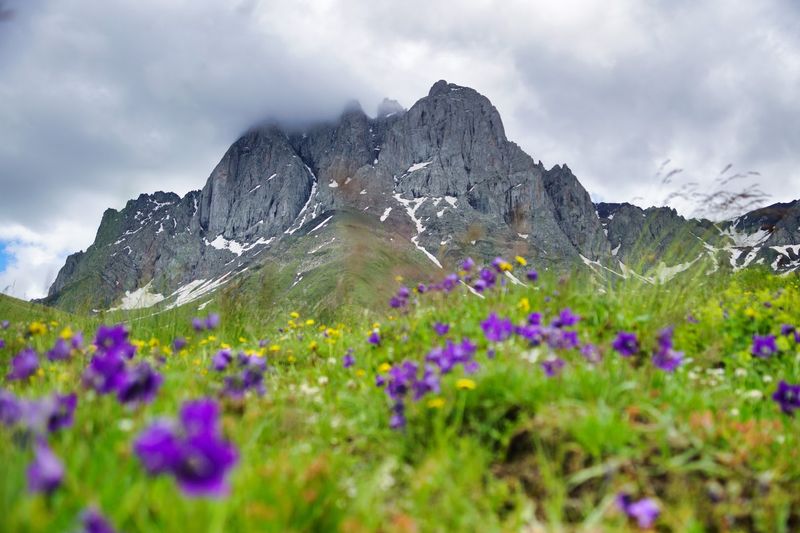
The jagged rocky spires of Mount Chaukhi tower above Juta in a way that makes the village feel like it was positioned specifically for dramatic effect, and honestly, the mountain does not disappoint.
Juta sits at around 2,150 meters in the Kazbegi district and serves as a starting point for some of the best day hikes in northern Georgia. The trail up to the Chaukhi Pass is particularly popular, offering close-up views of the rock formations that have earned comparisons to the Dolomites.
Despite its proximity to the better-known town of Stepantsminda, Juta sees far fewer visitors and has managed to keep a genuine mountain village atmosphere.
Guesthouses here are small and family-run, and the surrounding meadows come alive with wildflowers in July and August. Horses graze freely across the valley floor, adding a pastoral quality to what is otherwise a seriously rugged landscape.
8. Dilijan, Tavush Province, Armenia
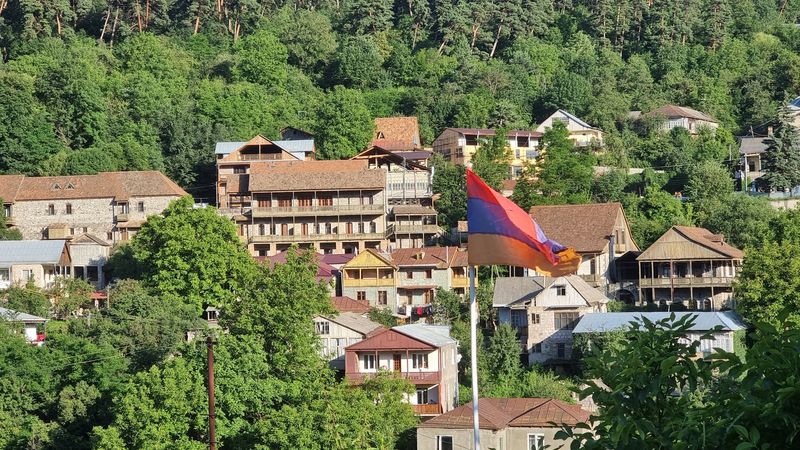
Armenia is not always the first country that comes to mind for forest hikes and mountain cycling, but Dilijan makes a compelling case for reconsideration.
Nicknamed the “Armenian Switzerland” by locals, the town is surrounded by the dense forests of Dilijan National Park, a protected area covering around 24,000 hectares. The park contains well-marked trails that wind through beech and oak forests, passing rivers and historic monasteries along the way.
Haghartsin and Goshavank monasteries, both located within easy reach of town, are architectural highlights that add a strong historical dimension to what is otherwise a nature-focused destination.
The town itself has a renovated old quarter with craft workshops and a relaxed pace that encourages lingering. Dilijan is also only about 100 kilometers from Yerevan, making it an accessible escape for travelers based in the capital who want more than a day trip’s worth of mountain air.
9. Dsegh, Lori Province, Armenia
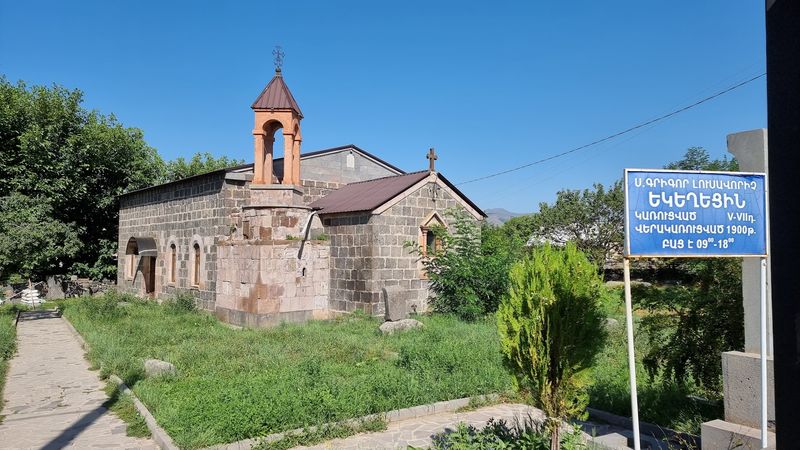
Most visitors to northern Armenia rush straight to Lori’s headline monasteries without ever stopping at the smaller villages that give the region its real character, which is exactly why Dsegh is worth a deliberate detour.
The village sits in a forested valley and serves as the birthplace of Hovhannes Tumanyan, one of Armenia’s most beloved poets and writers. A small museum dedicated to his life and work sits in the center of the village, offering an unexpectedly rich cultural stop.
The surrounding forests contain trails leading to Sanahin and Haghpat monasteries, both UNESCO World Heritage Sites, though the paths are quiet enough that you may have them largely to yourself.
Dsegh is small and unhurried, with no major tourist infrastructure to speak of. That is precisely its appeal.
Travelers who make the effort to find it tend to leave with a much deeper appreciation for the quieter side of Armenian mountain culture.
10. Noravank Canyon, Vayots Dzor, Armenia
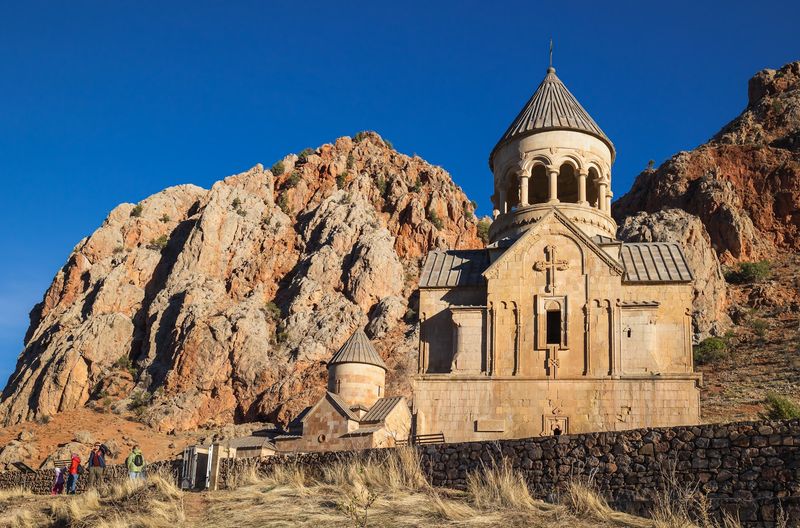
The monastery gets top billing, but the canyon surrounding it is the real scene-stealer at Noravank.
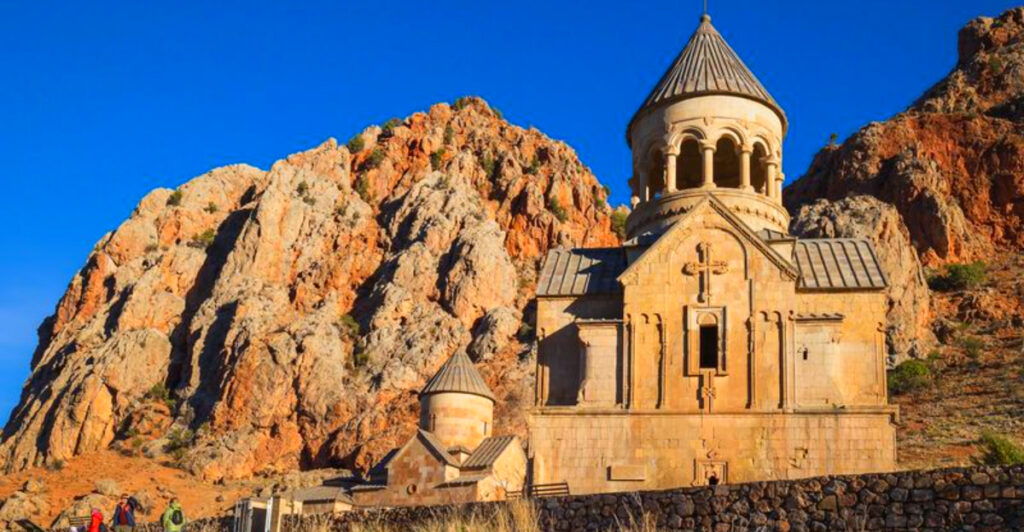
Towering walls of reddish-orange limestone frame the narrow gorge, and the color intensifies at certain times of day when the light hits the rock face at a low angle. The 13th-century Noravank Monastery, built directly into this dramatic setting, is one of Armenia’s most architecturally refined medieval structures, featuring intricately carved facades and a distinctive two-story chapel.
Beyond the monastery complex, several hiking trails climb the canyon walls and reach panoramic viewpoints that most visitors never bother to find.
The canyon is located about 120 kilometers south of Yerevan, making it a manageable day trip or an easy overnight stop on a southern Armenia road trip. The nearby Areni wine region adds an extra reason to spend more time in this corner of the country.
11. Lake Sevan’s Lesser-Visited Shores, Gegharkunik, Armenia
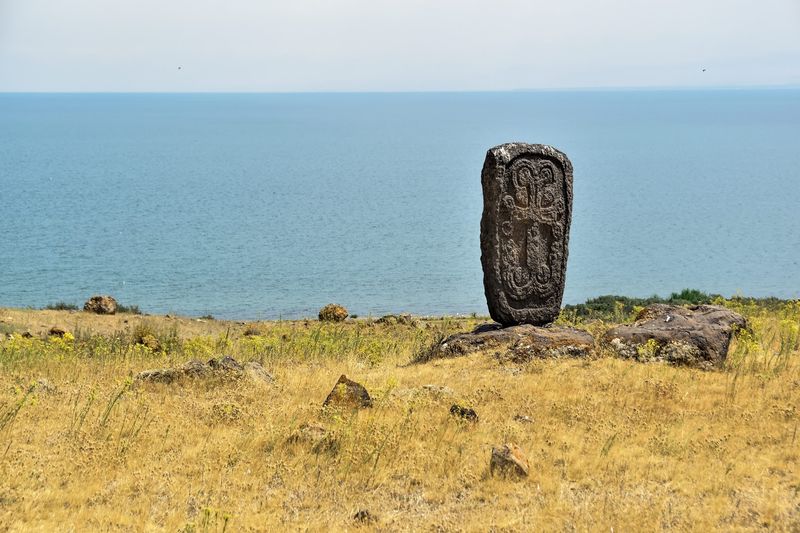
Lake Sevan is one of the largest freshwater lakes in the entire Caucasus region, covering around 940 square kilometers at an altitude of nearly 1,900 meters, yet most tourists see only a tiny fraction of its shoreline.
The famous Sevanavank Monastery on the peninsula draws the majority of visitors, but the quieter stretches of the lake’s eastern and southern shores offer a very different experience. Small fishing villages, empty beaches, and mountain backdrops create a peaceful atmosphere that the busier northwestern shore simply cannot match.
The village of Noratus, on the lake’s western edge, is home to one of Armenia’s largest fields of khachkars, intricately carved stone crosses that serve as a fascinating open-air museum.
12. Lahij, Ismayilli District, Azerbaijan
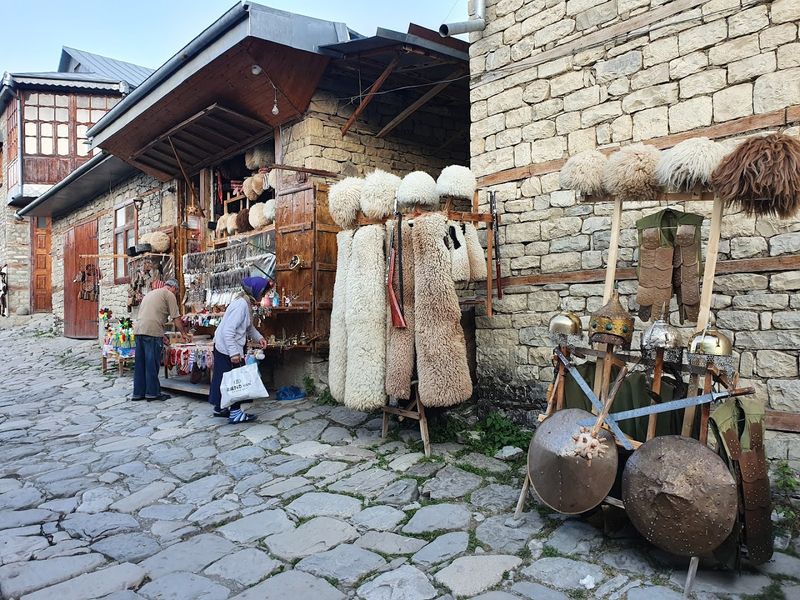
Cobblestones, copper, and centuries of craft tradition make Lahij one of the most distinctive village destinations in the entire Caucasus region.
The village is famous across Azerbaijan for its copper workshops, where artisans still produce handmade items using techniques passed down through generations. Walking the main cobbled lane, you pass workshop after workshop displaying everything from decorative plates to functional kitchen tools, all made on-site.
Lahij sits in the Girdimanchay River valley, surrounded by forested mountain slopes that provide a scenic backdrop for the village’s historic architecture.
The local dialect is also notable, as Lahij residents traditionally speak a variety of Tat, an Iranian language distinct from Azerbaijani. The village is about 170 kilometers northwest of Baku, making it reachable as a long day trip or a comfortable overnight stay.
13. Khinalug, Quba District, Azerbaijan
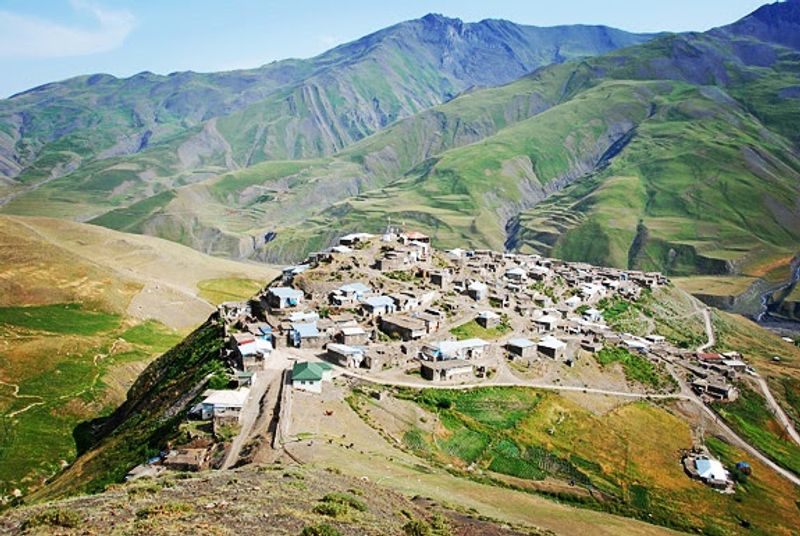
At over 2,300 meters above sea level, Khinalug sits higher than almost any other permanently inhabited settlement in the Caucasus, and it carries that altitude with quiet dignity.
The village has been continuously occupied for thousands of years, making it one of the oldest living settlements in the region. Its residents speak Khinalug, a language so distinct from surrounding tongues that linguists classify it as its own independent branch within the Northeast Caucasian language family.
The stone houses are built in terraced rows up the hillside, with one family’s roof often serving as another family’s courtyard, a practical solution to extremely limited flat ground.
Hiking trails from the village lead into alpine meadows and along ridgelines with views that stretch for dozens of kilometers on a clear day.
14. Red Village (Qırmızı Qəsəbə), Quba District, Azerbaijan
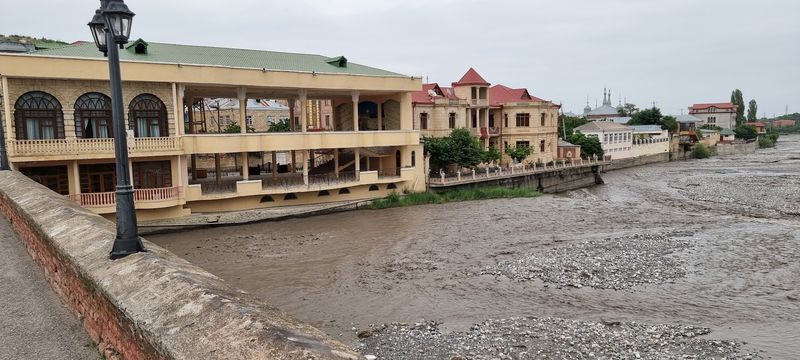
Red Village carries a history unlike almost anywhere else in the Caucasus, and that history is its greatest attraction.
Located just across the Gudyalchay River from the town of Quba, the village is home to one of the world’s largest communities of Mountain Jews, a group whose ancestors have lived in the eastern Caucasus for over 2,000 years. The community maintains several active synagogues, a Jewish history museum, and a distinct culture that blends local Azerbaijani influences with centuries of preserved tradition.
The village name reportedly comes from the color of the houses, which were traditionally painted in shades of red and terracotta.
Unlike many heritage sites in the region, Red Village is a fully functioning community, not a museum piece.
15. Sheki, Azerbaijan
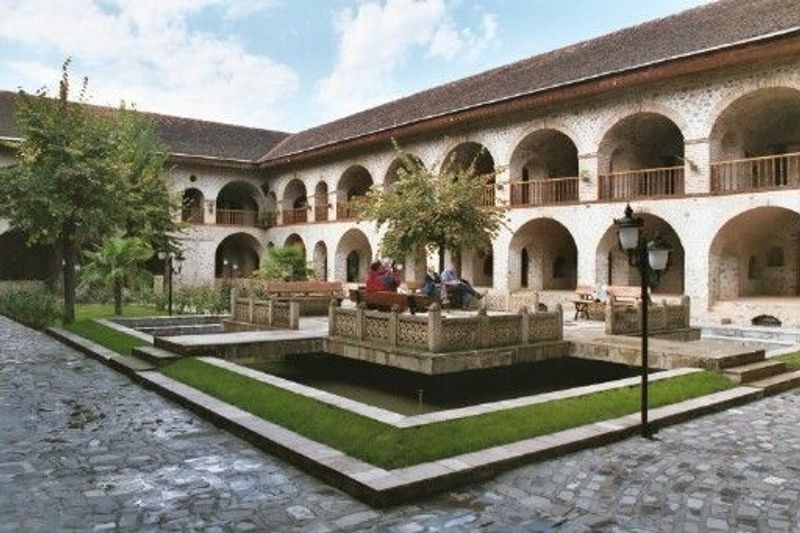
Sheki may be the most underrated Silk Road city in the entire South Caucasus, which is saying something given the competition.
The city sits in a wide valley beneath forested hills in northwestern Azerbaijan, and its historical center packs an impressive amount of heritage into a walkable area. The Khan’s Palace, built in the 18th century, is the undisputed highlight, decorated with elaborate geometric stained glass panels called shebeke, assembled without a single nail or drop of glue.
The old caravanserai, which once housed Silk Road merchants and their goods, has been converted into a hotel and remains structurally intact after several centuries.
Sheki is also known for its local piti stew and layered pakhlava sweets, both of which have regional variations distinct from versions found elsewhere in Azerbaijan.
Share this story