Some cities are defined by their skylines, their food, or their culture, but a surprising number are defined by how well their trains run. The world’s best metro systems do something remarkable: they make moving through a massive, chaotic city feel almost effortless.
From underground marble palaces to sleek driverless trains gliding above city streets, these networks have raised the bar for what public transportation can be. Get ready to discover the metro systems that transit planners, travelers, and everyday commuters genuinely admire.
Tokyo Metro and Toei Subway, Japan
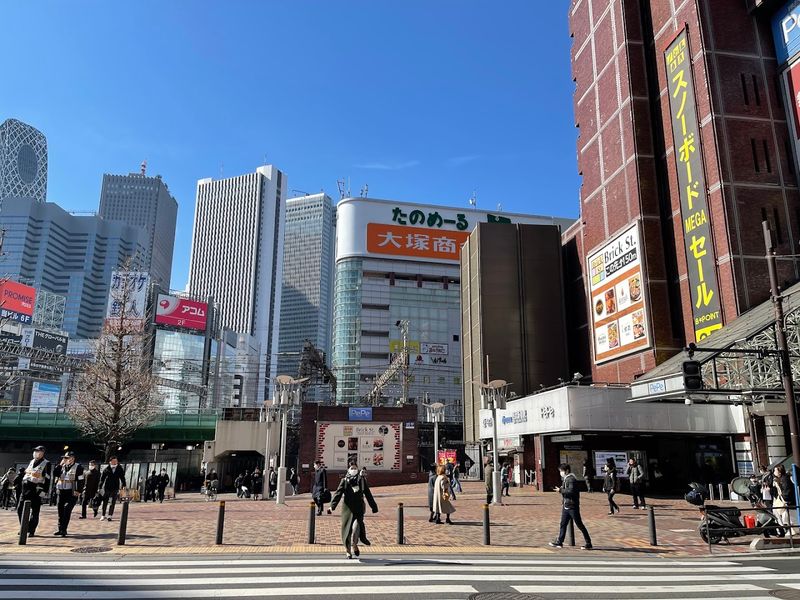
Trains arriving within seconds of their scheduled time is not luck in Tokyo, it is simply Tuesday. The Tokyo Metro and Toei Subway together operate around 13 lines, serving roughly 9 million passengers each day across one of the planet’s most complex urban landscapes.
What makes this network extraordinary is not just its size but its culture of precision. Staff members bow when trains depart.
Missed schedules trigger formal apologies. The attention to detail is genuinely hard to believe until you experience it firsthand.
Navigating the network is easier than it looks. Color-coded lines, numbered stations, and multilingual signs in Japanese, English, Korean, and Chinese make the system accessible to first-time visitors.
IC cards like Suica and Pasmo work across both networks, removing the need to buy individual tickets.
Trains are clean, quiet, and remarkably comfortable even during peak hours. Priority seating, women-only cars during rush hour, and excellent accessibility features reflect a transit system built with every type of rider in mind.
Tokyo has essentially turned punctuality into an art form, and the rest of the world is still trying to catch up.
Seoul Metro, South Korea
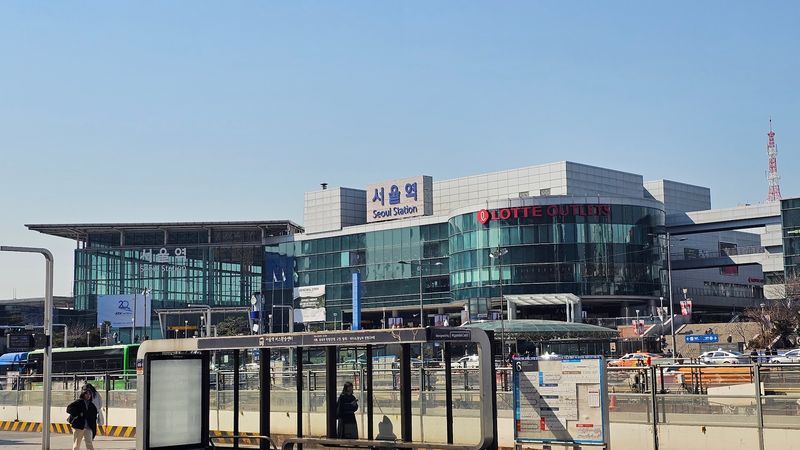
Hop on the Seoul Metro with less than a dollar in your pocket and you can travel across a city of 10 million people in remarkable comfort. Affordability is one of Seoul’s strongest cards, but the system earns its global reputation through a combination of factors that few cities can match.
Platform screen doors at every station prevent accidents and keep platforms clean and quiet. Free Wi-Fi is available throughout the network, including inside moving trains.
Digital displays count down the seconds until the next train arrives. These features sound like luxuries elsewhere but are simply standard in Seoul.
Cleanliness standards are strictly enforced. Station staff regularly monitor platforms and cars, and passengers generally respect the environment.
Eating and drinking are discouraged, and the result is a network that feels fresh and well-maintained even during the busiest commuting hours.
For visitors, the multilingual support is a genuine lifesaver. Announcements play in Korean, English, Chinese, and Japanese at most stations.
The T-money card works across buses and trains, making transfers seamless. Seoul has quietly built one of the most rider-friendly systems on Earth, and it continues to improve year after year.
Singapore MRT, Singapore
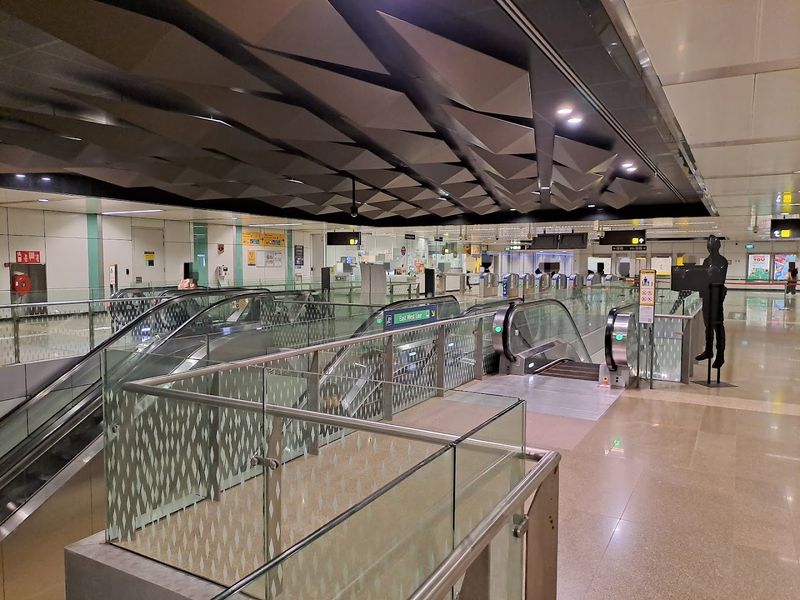
In a city-state where cleanliness is practically a national value, it should surprise nobody that the Singapore MRT sets the regional standard for spotless, reliable transit. Eating or drinking on trains is not just frowned upon in Singapore, it is illegal, and the stations reflect that discipline beautifully.
The MRT covers most of the island, connecting residential neighborhoods, business districts, shopping malls, and Changi Airport with impressive efficiency. Journey times are short, trains run frequently, and the air conditioning works so well that summer tourists sometimes wish they had brought a light jacket underground.
Reliability is something Singapore takes seriously. The Land Transport Authority publishes performance data regularly, and when service disruptions occur, they make national news.
That level of public accountability pushes the system to maintain standards that many cities can only dream about.
Accessibility features are thoughtfully integrated throughout. Lifts, tactile guidance paths, and priority seating are standard across the network.
Station interiors are bright, well-signed, and easy to navigate even on a first visit. Singapore proves that a small country can build a transit system big enough in ambition to inspire cities many times its size.
Hong Kong MTR, Hong Kong
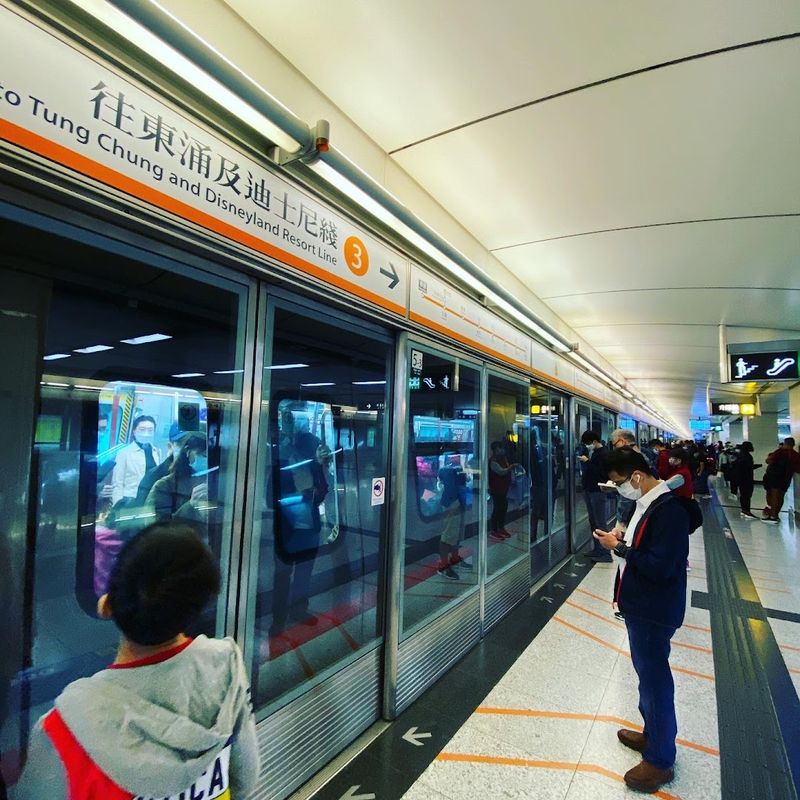
The Hong Kong MTR runs so precisely that its on-time performance rate regularly exceeds 99.9 percent, a figure that sounds made up until you actually use the system. Serving one of the world’s most densely packed cities, the MTR handles an enormous passenger load while keeping delays almost nonexistent.
Stations are immaculate. Floors are polished, walls are clean, and the air feels noticeably fresher than in many other underground systems worldwide.
Station managers take visible pride in the environment, and it shows in every corner of every platform.
The MTR is also financially self-sustaining, which is unusual for a public transit network. It generates revenue through property development above and around stations, a model that transit planners globally have studied and attempted to replicate.
The system essentially pays for itself while continuing to expand.
Fares are reasonable given the quality of service, and the Octopus card makes payment effortless across trains, buses, trams, and even some shops. The MTR also connects to the high-speed rail link to mainland China, extending its reach dramatically.
Hong Kong has built something rare: a metro system that works so well it almost feels unfair to cities still figuring out the basics.
London Underground, England
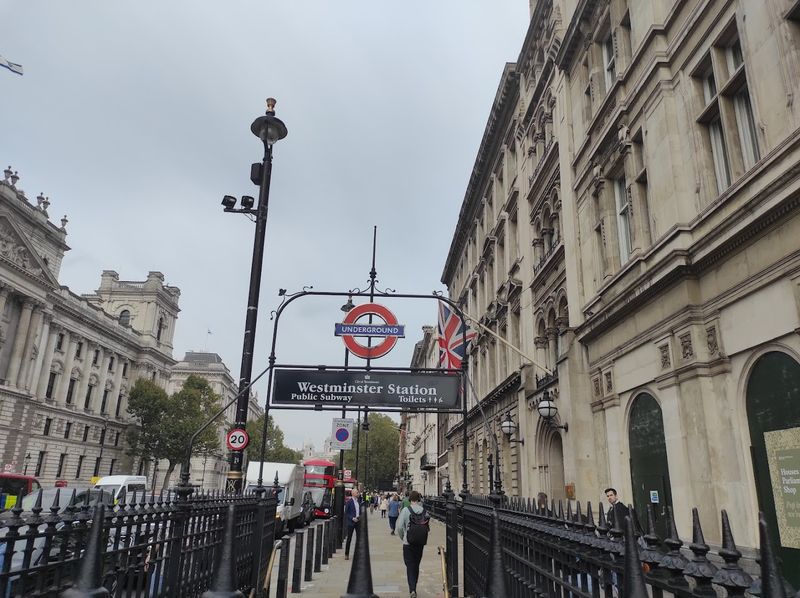
The world’s first underground railway opened beneath London in 1863, and it has been quietly shaping urban transit ever since. The famous Tube carries over a billion passengers per year across 11 lines and more than 270 stations, weaving beneath one of Europe’s most complex cities.
That iconic map, designed by Harry Beck in 1931, revolutionized how people think about transit diagrams. Its clean geometric layout prioritized clarity over geographic accuracy, and virtually every metro map designed since has borrowed from its logic.
The design is so influential that it belongs in a museum, and actually, it does.
The Underground is far from perfect. Some sections are old, hot in summer, and prone to delays.
But ongoing investment through projects like the Elizabeth Line has modernized significant portions of the network, bringing step-free access, air conditioning, and higher capacity to millions of riders.
What the Tube does brilliantly is connect nearly every corner of Greater London. Night Tube service on select lines runs through the weekend, letting London stay alive after midnight.
The system’s quirks, from the recorded “Mind the gap” warning to the deep rumble of approaching trains, have become part of the city’s identity in a way few transit systems ever achieve.
Shanghai Metro, China
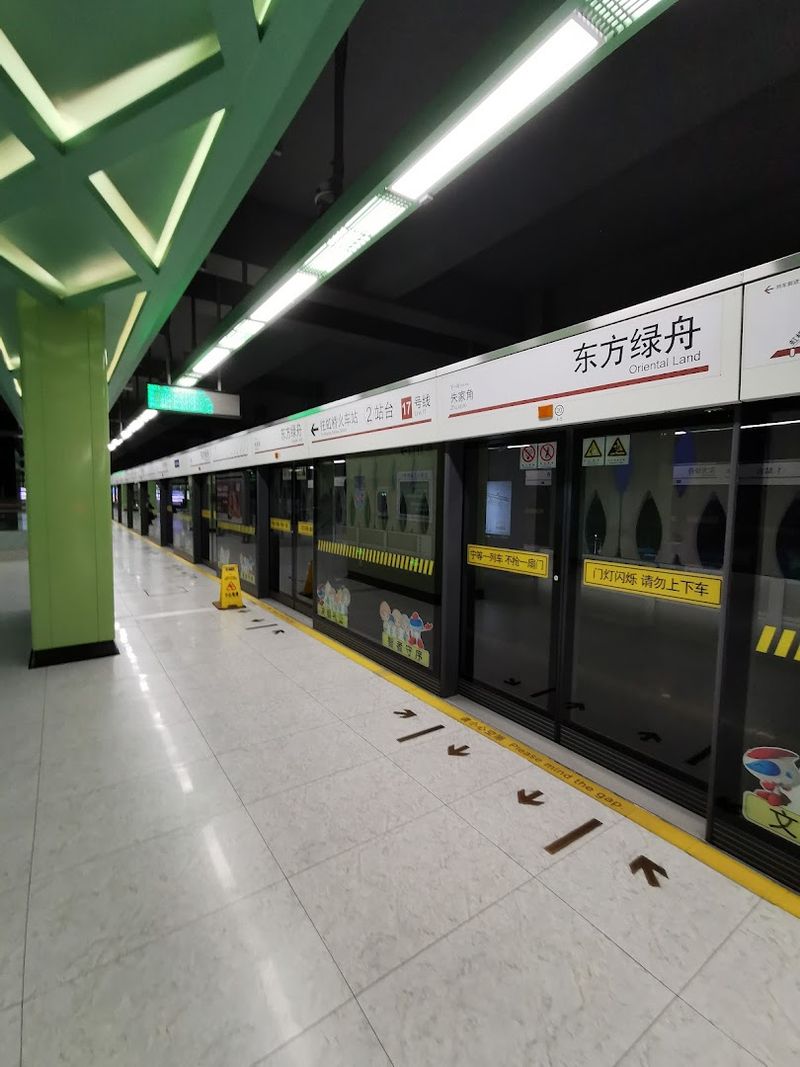
Shanghai’s metro system grew from a single line in 1993 into the world’s largest metro network by total route length in just three decades. That kind of expansion does not happen by accident.
It reflects deliberate, large-scale investment in urban infrastructure driven by one of the fastest-growing megacities on the planet.
Today the network spans over 800 kilometers of track and includes more than 500 stations, connecting the city center to distant suburbs, airports, and neighboring districts. Trains run frequently, stations are modern, and the signage is clear enough that even first-time visitors can navigate without too much stress.
The scale is genuinely hard to wrap your head around. On a typical weekday, Shanghai’s metro carries around 10 to 12 million passengers, placing it consistently among the busiest systems globally.
The infrastructure handles that volume with relatively few disruptions, which speaks to solid engineering and disciplined operations.
Mobile payment integration is seamless. Riders can pay using Alipay or WeChat Pay directly from their smartphones, eliminating the need for physical cards or tickets entirely.
Shanghai has built a network that not only handles extraordinary demand but embraces technology in ways that keep it relevant and efficient for a fast-moving, digitally connected population.
Moscow Metro, Russia
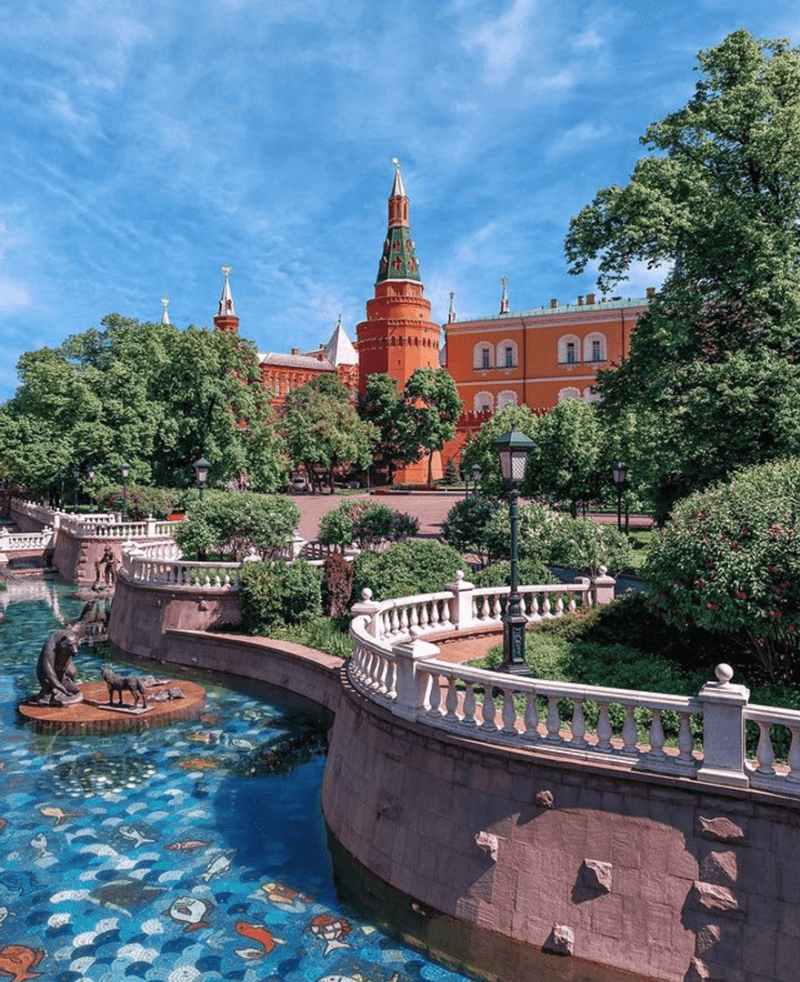
Somewhere beneath Moscow, a commuter is waiting for a train in a station that looks more like a royal palace than a transit hub. That is not an exaggeration.
Stations like Komsomolskaya and Mayakovskaya feature soaring ceilings, marble floors, bronze sculptures, and chandeliers that would feel at home in a European opera house.
The Moscow Metro opened in 1935, and Stalin wanted it to double as a showcase of Soviet achievement. Architects competed to create the most spectacular stations possible, and the results are breathtaking.
Many stations are now officially recognized as architectural heritage sites, and tourists visit specifically to admire them.
Beyond the beauty, the system is genuinely efficient. Trains run every 90 seconds during peak hours on busy lines, making it one of the most frequent metro services in the world.
The network reaches across Moscow and into surrounding regions, handling tens of millions of rides per week.
Fares remain affordable by global standards, and the system is heavily used by both residents and visitors. A new smartphone app offers real-time navigation in multiple languages, making it increasingly accessible to international travelers.
Moscow’s metro is the rare case where form and function coexist so perfectly that riding it feels like a genuine privilege.
Paris Metro, France
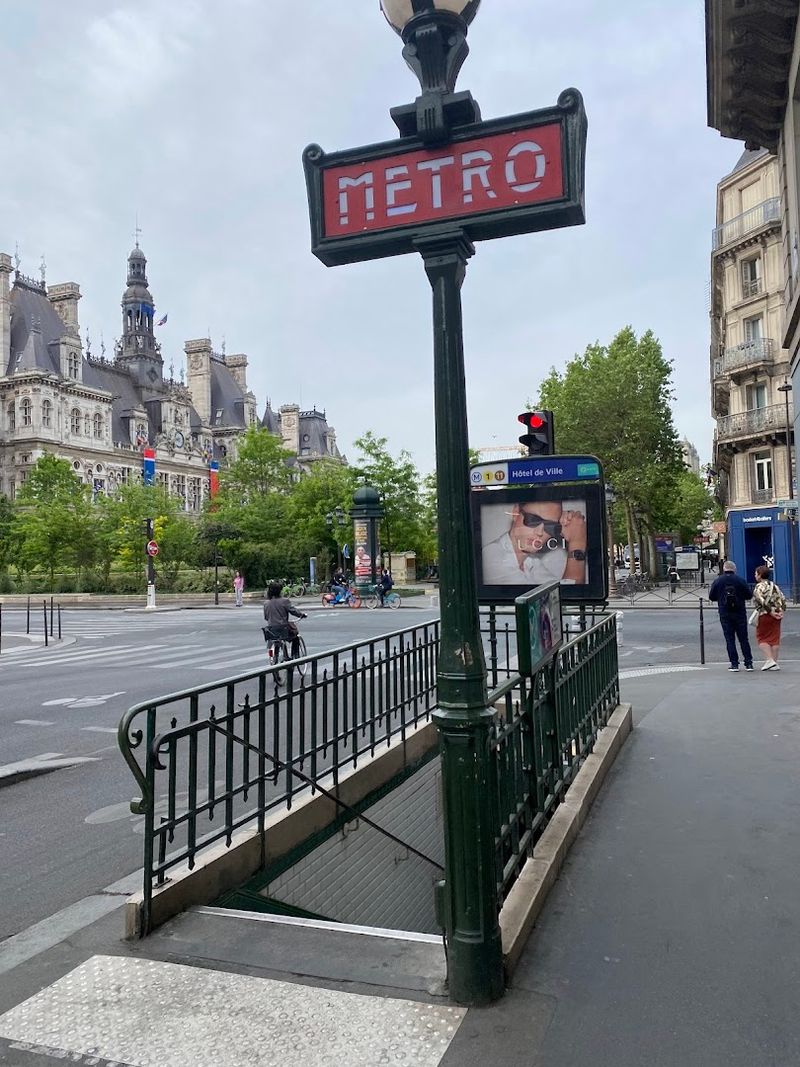
Few things in Paris are as immediately recognizable as those elegant green iron arches marking Metro entrances across the city. Designed by Hector Guimard around 1900, the Art Nouveau entrances have become symbols of Paris itself, photographed by millions of visitors who may never even ride the trains below.
The Paris Metro is one of the densest urban rail networks in the world, with stations so closely spaced that walking between some of them takes longer than riding. That density means almost no neighborhood in central Paris is more than a short stroll from a station, making car ownership largely unnecessary for city residents.
Sixteen lines cover the city and inner suburbs, running from early morning until around midnight on most nights, with extended hours on weekends. The system is not the newest or the quietest, but its coverage and frequency make it genuinely hard to beat for getting around the French capital quickly.
The iconic Metro map, with its colorful tangle of overlapping lines, is both a design classic and a practical tool. Navigo cards and contactless payment options have modernized ticketing considerably.
Paris has managed to keep its Metro feeling timeless while quietly upgrading the technology underneath, which feels very on-brand for a city that never quite lets go of its past.
Madrid Metro, Spain
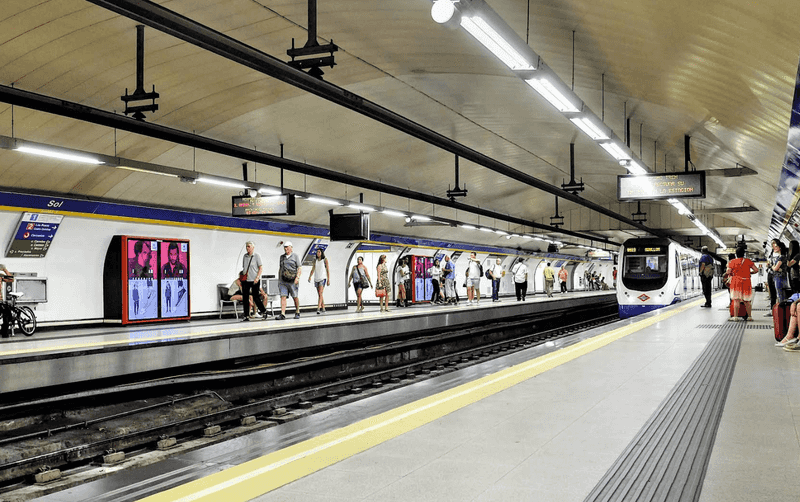
Madrid’s metro has grown quietly into one of Europe’s largest and most underrated transit networks. With over 300 kilometers of track and more than 300 stations, it stretches far beyond the city center, reaching airports, hospitals, universities, and suburban communities that many European capitals leave poorly connected.
Expansion has been the defining story of Madrid’s metro over the past 25 years. Major construction phases in the 1990s and 2000s nearly doubled the network’s size, bringing modern stations, wide platforms, and improved accessibility to areas that previously depended on buses.
The result is a system that feels surprisingly complete for a city of Madrid’s size.
Fares are reasonable, especially for residents using monthly passes, and the ticketing system is straightforward enough that visitors rarely struggle. Air conditioning throughout the network is a significant quality-of-life feature given Madrid’s famously hot summers, and it makes underground travel genuinely comfortable even in July.
Stations tend to be clean, well-lit, and logically signed. The network connects smoothly with regional commuter trains, buses, and the airport express, creating an integrated transport web across the metropolitan region.
Madrid does not always get the same international attention as Paris or London, but transit planners who study it closely tend to come away genuinely impressed.
Beijing Subway, China
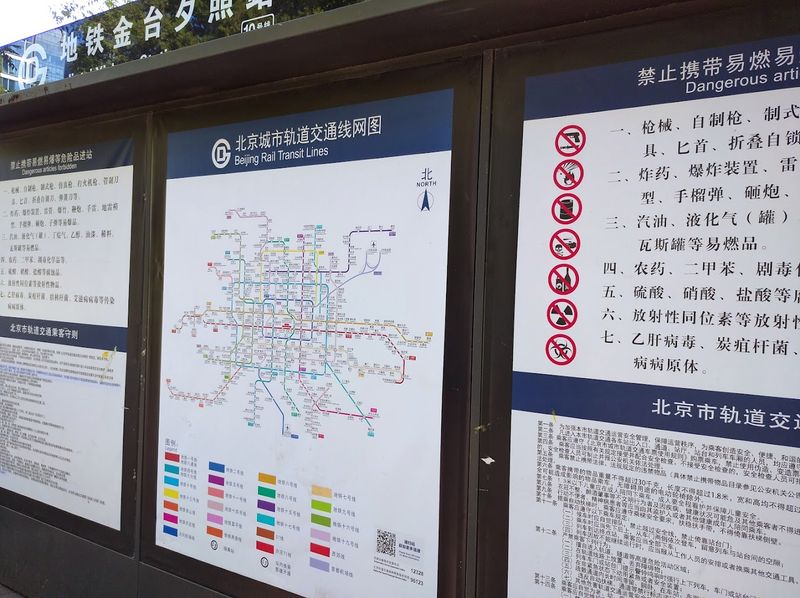
Carrying over 10 million passengers on a typical weekday, the Beijing Subway is one of the busiest transit systems on the planet, and it is still growing. New lines continue to open, stations are being added, and the network pushes further into surrounding districts with each passing year.
The system expanded dramatically ahead of the 2008 Summer Olympics, when billions were invested in new lines, modern rolling stock, and upgraded stations. That burst of construction gave Beijing a transit backbone capable of handling world-scale events, and the infrastructure has continued to grow steadily since then.
Stations are modern, air-conditioned, and generally well-maintained. Signage appears in both Chinese and English, making navigation manageable for international visitors.
Platform screen doors are standard on most lines, improving both safety and the overall station environment considerably.
Mobile payment through apps like Alipay has made boarding faster and more convenient, reducing queues at ticket machines during busy periods. The subway connects to high-speed rail terminals, major airports, and key tourist sites, making it the practical backbone of getting around the capital.
Beijing has built a system that matches its ambitions as a global city, combining scale, speed, and steadily improving passenger experience into one of the world’s most essential urban rail networks.
Copenhagen Metro, Denmark
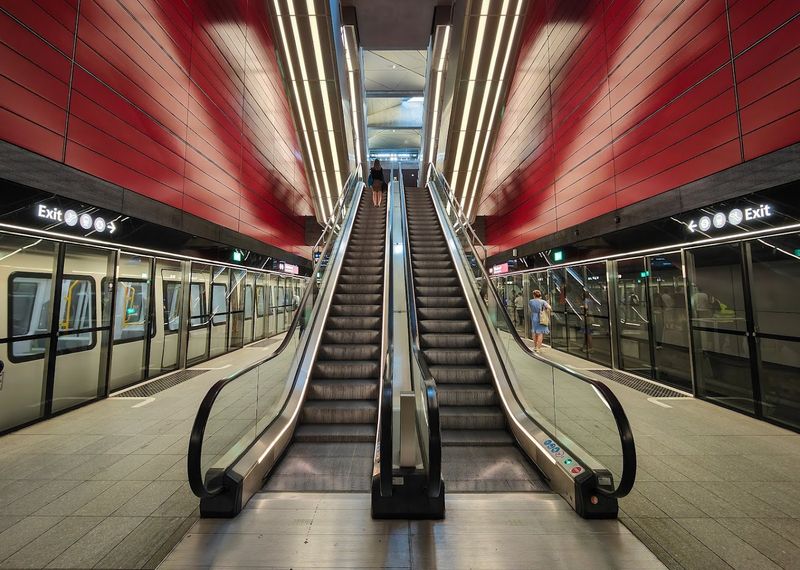
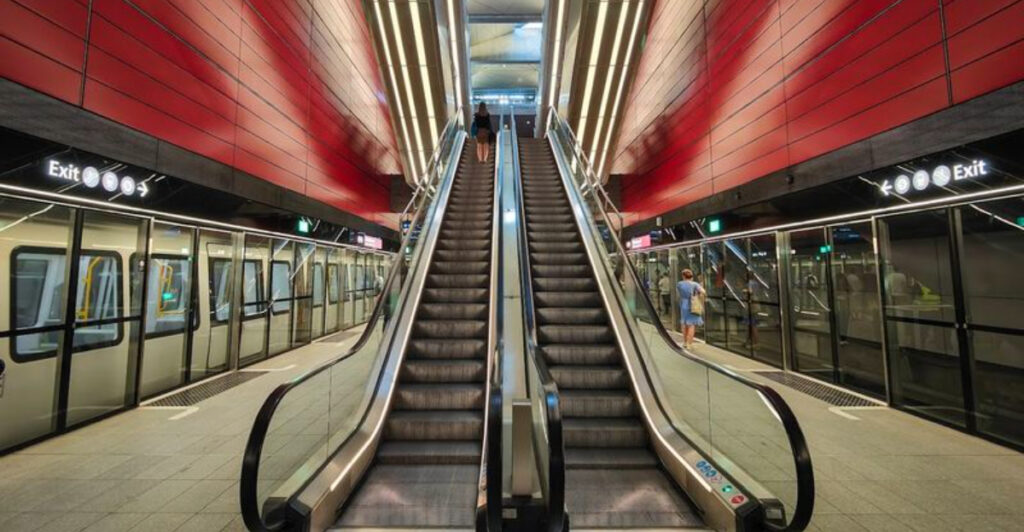
Driverless, frequent, and genuinely beautiful, the Copenhagen Metro is one of the most thoughtfully designed transit systems in the world. Trains run around the clock, every day of the year, making Copenhagen one of very few cities outside North America where you can take the metro at 4 a.m. on a Tuesday without planning ahead.
The stations were designed with openness as a priority. High ceilings, natural light where possible, and minimal visual clutter create an environment that feels calm rather than claustrophobic.
Danish design principles show up in every detail, from the signage fonts to the seat materials, and the result is a system that feels genuinely pleasant to use.
Fully automated operation means trains respond to demand quickly, adjusting frequency without the constraints of driver scheduling. During busy periods, headways can drop to as little as two minutes, keeping platforms from overcrowding even when large events bring extra passengers into the city.
The network is smaller than many others on this list, but it covers central Copenhagen and key neighborhoods with impressive precision. An extension to the airport and ongoing expansion projects continue to grow its reach.
Copenhagen proves that a metro does not need to be enormous to be exceptional, it just needs to be done right from the very beginning.
Berlin U-Bahn, Germany
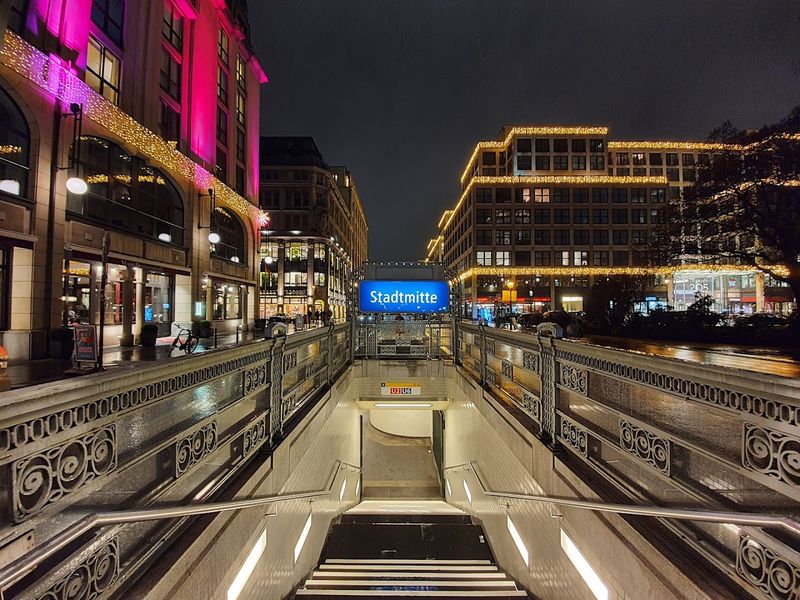
Riding the Berlin U-Bahn feels like traveling through layers of history without ever leaving the city. Some stations look almost exactly as they did when they opened in the early 1900s, while others received bold redesigns in the 1970s and 1980s that give them a striking, almost theatrical character.
The network connects neighborhoods across a city that was physically divided for nearly three decades. After reunification in 1990, extending and reconnecting U-Bahn lines became part of stitching the city back together, and the infrastructure still carries that sense of purpose today.
Reliability is a strong suit. Trains run frequently, the ticketing system is integrated with S-Bahn suburban trains and buses, and the network covers a wide range of Berlin neighborhoods including many that are far from the city center.
A single day ticket unlocks the entire public transit system, which is excellent value for visitors.
The visual variety between stations keeps regular riders genuinely entertained. Stations like Spichernstrasse have ornate tilework from the 1900s, while Gesundbrunnen reflects post-war brutalist design.
Berlin has treated its metro stations as canvases for different eras of design, resulting in a network that doubles as an accidental architecture museum well worth exploring stop by stop.
New York City Subway, United States
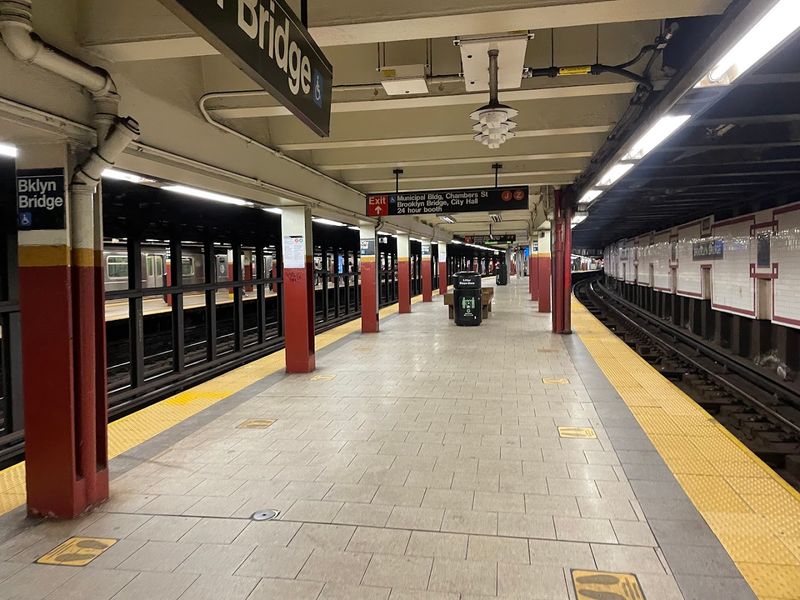
Twenty-four hours a day, seven days a week, 365 days a year, the New York City Subway keeps running. No other major metro system in the world offers that level of continuous service, and for a city that genuinely never sleeps, it is not a luxury but a necessity that millions of New Yorkers depend on completely.
The scale of the network is staggering. Over 470 stations spread across 245 miles of routes, serving all five boroughs and carrying more than 3 million riders on an average weekday.
The system is old, loud, and sometimes unpredictable, but its coverage is unmatched by any comparable city in the world.
Recent investment has brought improvements including new train fleets, countdown clocks, and accessibility upgrades at dozens of stations. The MTA continues to modernize aging infrastructure while keeping fares among the lower end for major global cities, which is no small feat given the system’s enormous operational costs.
The Subway’s character is as much a part of New York as yellow cabs or Central Park. Buskers perform in stations, local artists create murals in corridors, and the mix of passengers on any given car reflects the extraordinary diversity of the city above.
New York’s Subway is imperfect, irreplaceable, and entirely its own thing.
Dubai Metro, United Arab Emirates
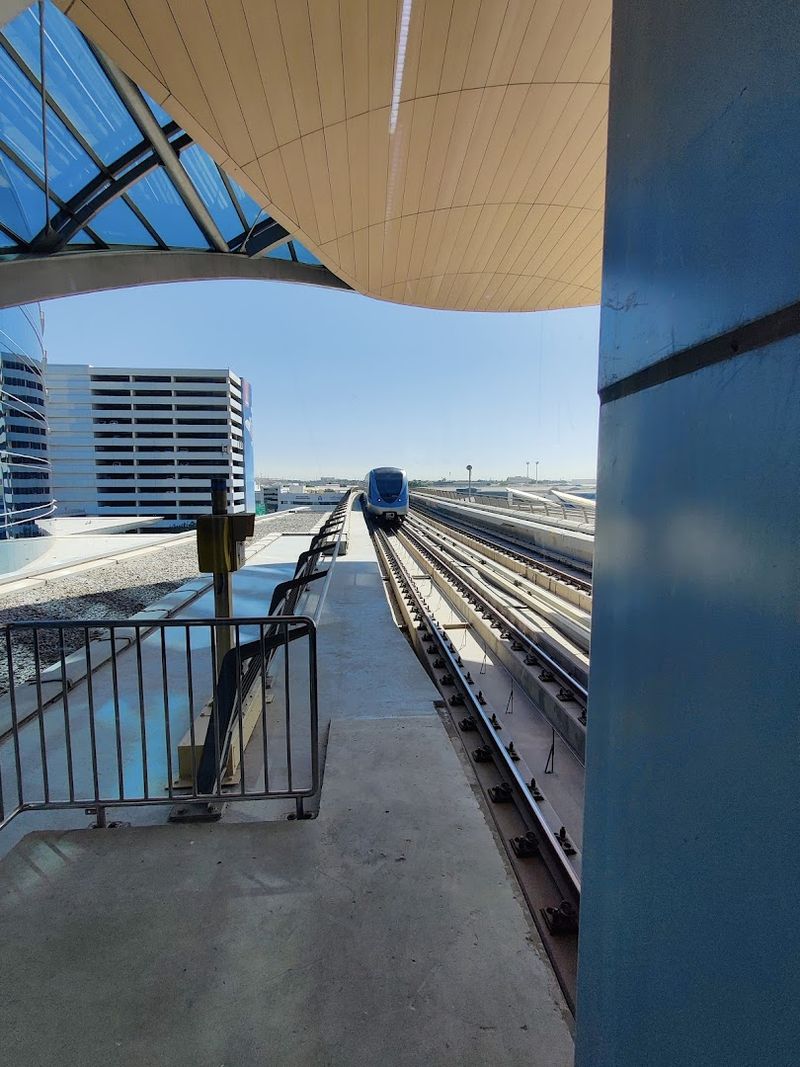
Built in a city that did not exist in its current form until a few decades ago, the Dubai Metro has no old infrastructure to work around and no historical compromises to make. It was designed from scratch for a modern city, and that freedom shows in every aspect of the system.
Fully automated and driverless, trains glide along elevated tracks offering dramatic views of Dubai’s skyline. Riding in the front car feels like piloting a spaceship through a city of glass towers and futuristic architecture, which is admittedly a bit more exciting than most morning commutes tend to be.
Stations are air-conditioned throughout, which in a city where summer temperatures regularly exceed 40 degrees Celsius is not just a comfort feature but a genuine public health necessity. Gold Class and Women and Children carriages add an extra layer of passenger comfort and choice not commonly found on other global networks.
The Red and Green lines connect major business districts, shopping malls, tourist attractions, and the airport, covering the city’s key destinations efficiently. The Nol card works across metro, bus, and water transport, creating a unified payment system.
Dubai has built a metro that matches its ambitions perfectly, gleaming, efficient, and unmistakably modern in every detail.
Mexico City Metro, Mexico
At roughly 25 cents per ride, the Mexico City Metro offers one of the most affordable transit fares of any major city on Earth, and for a metropolis of over 20 million people with enormous socioeconomic diversity, that affordability is not just a feature but a genuine social lifeline for millions of families.
One of the system’s most charming and practical quirks is its use of pictographic station icons instead of relying solely on text. Each station has a unique symbol, a grasshopper, a sun, a soccer ball, that helps riders identify stops quickly regardless of literacy level.
It is a small but brilliantly inclusive design choice that reflects the city’s community-focused thinking.
The network carries around 4 to 5 million passengers daily across 12 lines, making it one of the busiest metro systems in the Western Hemisphere. Despite its age and the enormous strain of that daily ridership, the system keeps moving, which is a quiet testament to the operators who manage it under challenging conditions.
Recent tragedies have highlighted the need for infrastructure investment, and modernization efforts are underway. The metro remains the backbone of mobility for millions who have no practical alternative.
Mexico City’s system is not the flashiest on this list, but its role in keeping a massive, vibrant city connected makes it one of the most important transit networks anywhere in the world.
Share this story