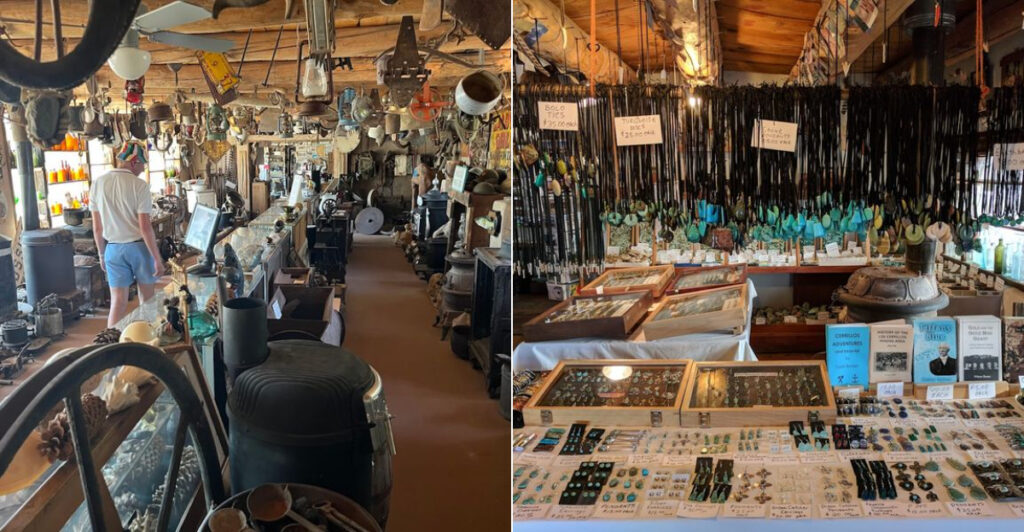
Tucked inside a sprawling 28-room adobe hacienda in one of New Mexico’s oldest mining villages, there is a place that quietly holds centuries of history within its thick clay walls. Los Cerrillos, a tiny town about 25 miles south of Santa Fe, has been a hub for turquoise mining since long before Europeans arrived in the Americas.
The building that houses this particular trading post has been collecting stories, artifacts, rocks, and oddities for decades. What makes it worth the detour is the combination of a working gift shop, a genuine mining museum, a small petting zoo, and a turquoise collection that genuinely stops people in their tracks.
This is not a polished tourist attraction with a gift shop tacked on at the end. It is a layered, quirky, and historically rich stop that rewards curious travelers who are willing to slow down and look closely.
A Building With a Lot More Rooms Than You Expect
Most roadside trading posts in the Southwest occupy a single room with a few shelves and a cash register near the door. Casa Grande Trading Post is a different situation entirely.
The building contains 28 rooms spread across a large adobe hacienda, which means there is always another doorway to step through and another collection waiting on the other side.
The structure itself is part of the attraction. Adobe construction is one of the oldest building methods in North America, and thick earthen walls keep the interior cool during hot New Mexico summers.
The rooms vary in character, with some dedicated to retail merchandise and others serving as display areas for the museum collection.
That sheer scale gives the trading post a quality that is hard to replicate. Each room feels like its own chapter in a longer story, and the cumulative effect of moving through the building is one of genuine discovery rather than a quick browse through a single shop floor.
The Turquoise Museum That Earns Its Small Entry Fee
For a small fee of around four dollars, the museum section of the building opens up a world that most casual tourists do not expect to find in a tiny New Mexico village. The collection focuses heavily on turquoise, which makes sense given that the Cerrillos area has been a major turquoise source for over a thousand years.
The museum displays artifacts, mining tools, and geological specimens that tell the story of how this region supplied turquoise to Indigenous communities across the Southwest and beyond long before commercial mining operations arrived. The exhibits are organized and clearly labeled, making the information accessible without requiring any prior knowledge of geology or mining history.
Beyond turquoise, the collection includes antiques and historical objects connected to the broader story of the Cerrillos Mining District. The museum portion is genuinely educational, and the low entry fee makes it one of the better value cultural stops on the route between Albuquerque and Santa Fe.
Turquoise From the Little Blue Bell Mine
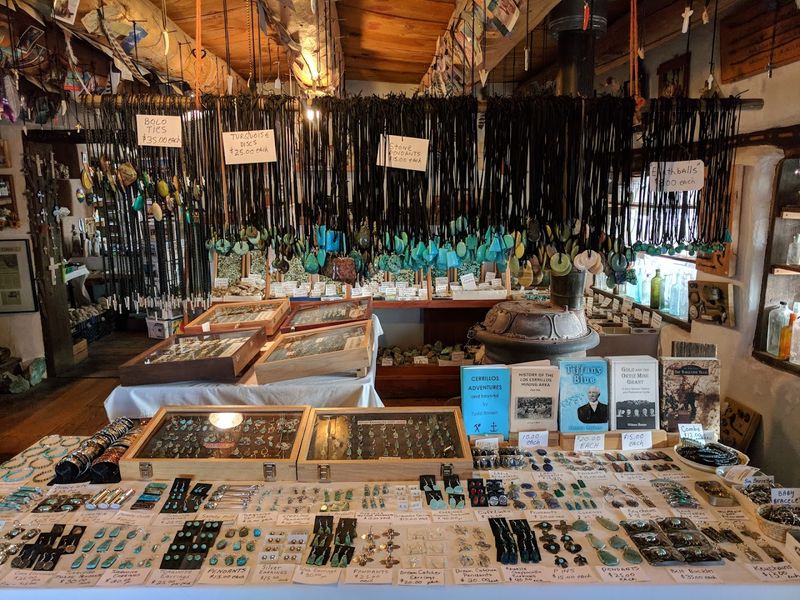
One of the more specific and interesting aspects of the trading post is its connection to a local turquoise source called the Little Blue Bell mine, which sits within the Cerrillos Mining District. Turquoise from this mine has been sold and displayed at the trading post, giving the shop a direct link to the geological history right outside its doors.
Cerrillos turquoise has a distinct character that collectors and jewelry makers recognize. The area has been mined for turquoise since pre-Columbian times, and the stone from this region carries historical weight that goes well beyond its appearance.
Native American communities used Cerrillos turquoise in trade networks that stretched across a huge portion of North America.
The shop carries handmade jewelry that incorporates locally sourced turquoise, alongside raw specimens and polished stones. For anyone interested in the geological and cultural story behind the stones rather than just their appearance, this connection to a named local mine adds a layer of meaning that generic souvenir shops simply cannot offer.
Rocks, Crystals, Fossils, and Things You Did Not Know You Needed
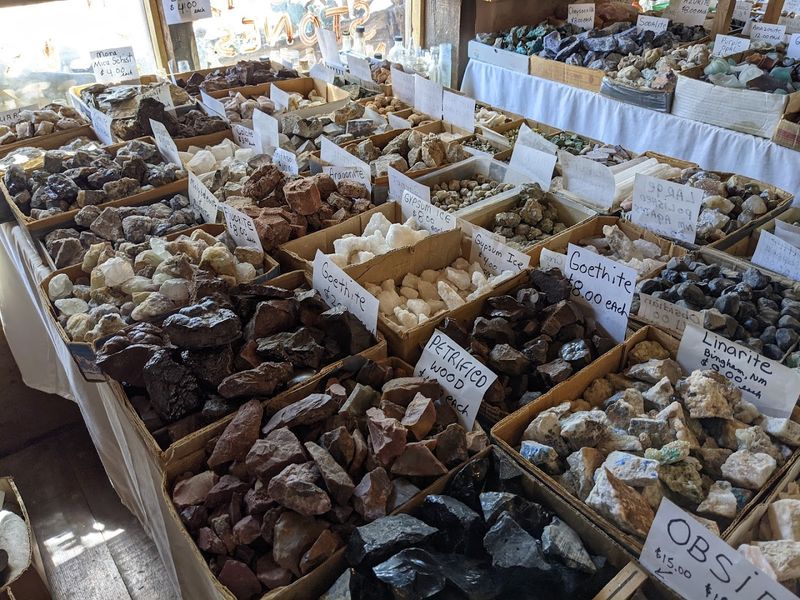
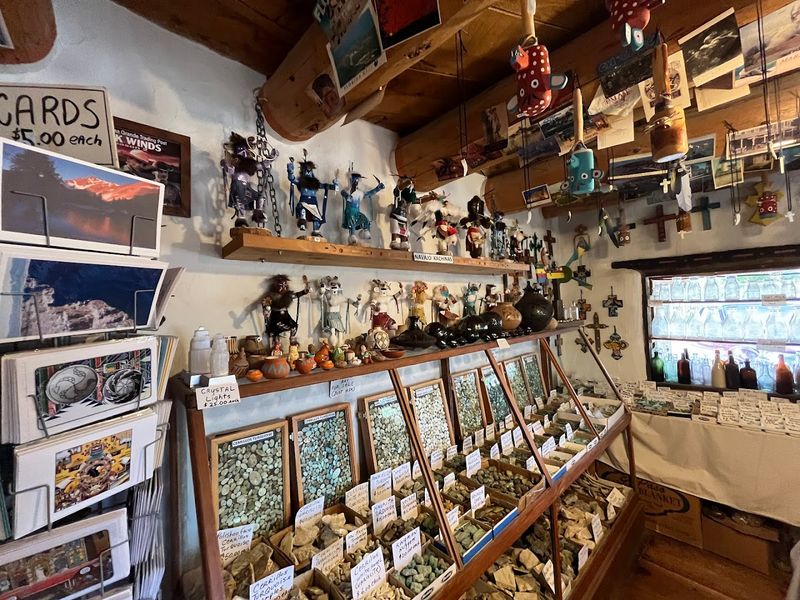
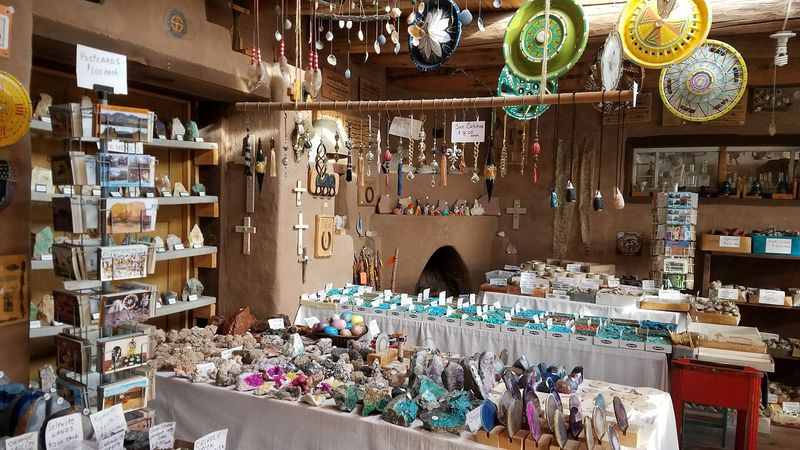
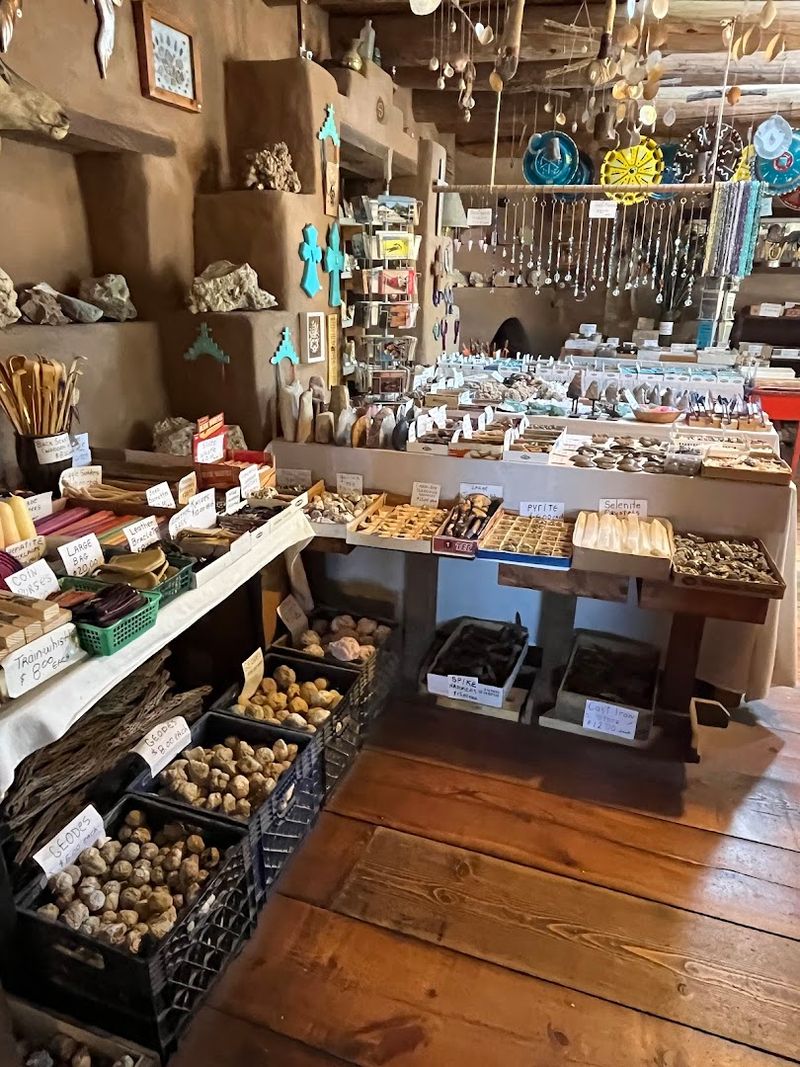
The retail side of Casa Grande Trading Post covers a wide range of geological and natural curiosities. The shelves hold rocks, crystals, fossils, fetishes, and raw minerals in a variety of sizes and price ranges.
The selection is broad enough that both serious collectors and casual browsers tend to find something worth picking up.
Unique crafting materials are also part of the inventory. Sliced antler pieces, unusual stones, and other natural objects that work well in handmade jewelry or art projects turn up regularly in the shop.
The stock has a handpicked quality that reflects the owners’ genuine interest in the material rather than bulk purchasing from a wholesale catalog.
The variety is one of the reasons repeat customers keep coming back. The inventory changes over time, and the combination of locally sourced items with a broader selection of minerals and fossils keeps the shop feeling fresh rather than static.
It is the kind of place where a second visit often turns up something the first visit missed entirely.
The Petting Zoo That Steals the Show
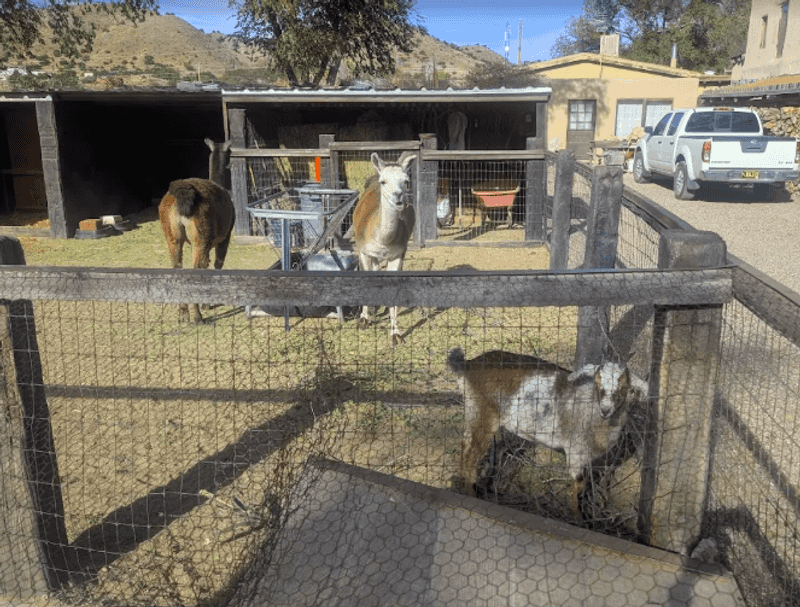
Around the back of the property, a small petting zoo adds a completely different dimension to the visit. The animals have included llamas, goats, and chickens over the years, and for four dollars, guests can purchase a bag of feed to share with the animals in the enclosure.
The chickens are a particular point of interest for those who pay attention to that sort of thing. Polish Top Hat chickens, known for their dramatic feathered crests, have been part of the flock, and eggs from the property have been available for purchase as well.
It is a small detail, but it reflects the kind of genuine, working character that sets this place apart from purely commercial tourist stops.
The petting zoo area also offers an open view of the surrounding valley, which provides a moment of quiet contrast after browsing through the packed interior rooms. Children tend to gravitate toward this part of the property, and it gives families a natural reason to linger longer than a typical gift shop visit would allow.
What the Cerrillos Mining District Actually Means
The Cerrillos Mining District is one of the oldest continuously recognized mining areas in North America. Turquoise was extracted from these hills by Indigenous peoples for well over a thousand years before Spanish colonizers arrived in the region.
The stone was traded across enormous distances, showing up in archaeological sites as far away as Mexico and the American Midwest.
Lead, zinc, and silver were also mined here during the late 19th century, and for a brief period, Los Cerrillos was a booming mining town with multiple hotels, saloons, and a population far larger than its current size. The bust followed the boom, as it typically does in mining towns, and the village settled into the quiet character it holds today.
Understanding this context makes a visit to Casa Grande Trading Post significantly more meaningful. The turquoise on the shelves and in the museum cases is not just decorative material.
It is physical evidence of a trade network and a cultural history that shaped the entire Southwest for centuries.
Handmade Jewelry With a Local Story
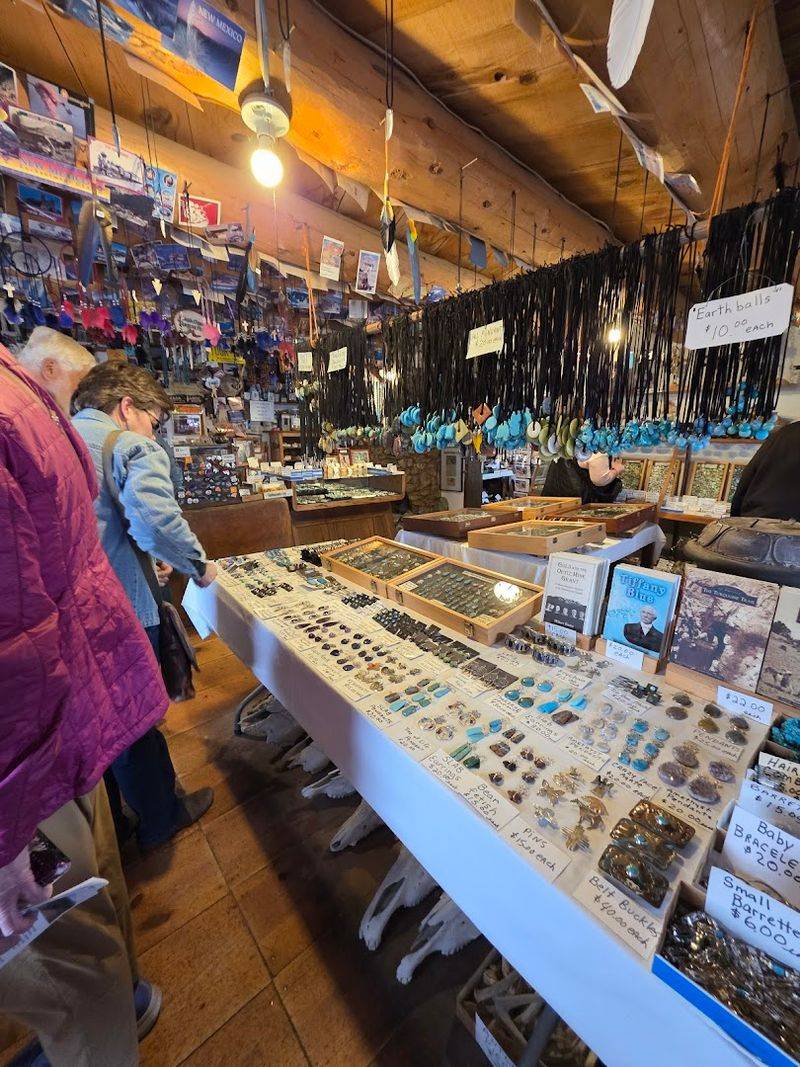
The jewelry selection at Casa Grande Trading Post leans heavily on locally sourced turquoise and handmade construction. Pieces range from simple settings to more elaborate designs, and the shop carries items at various price points.
The connection to the Little Blue Bell mine gives some pieces a provenance that mass-produced turquoise jewelry simply cannot claim.
Turquoise jewelry has been central to Southwestern culture for centuries, and the trading post sits within a tradition of selling and trading this stone that predates the United States itself. That historical context gives the shopping experience a weight that goes beyond browsing a typical accessory display.
For buyers who want to understand what they are purchasing, asking questions about the origin of specific pieces is part of the experience. The shop also carries fetishes, which are small carved figures traditionally made from stone and used in Indigenous spiritual practices, adding another layer of cultural depth to the jewelry and craft selection available throughout the building.
Antiques and Oddities That Fill the Gaps
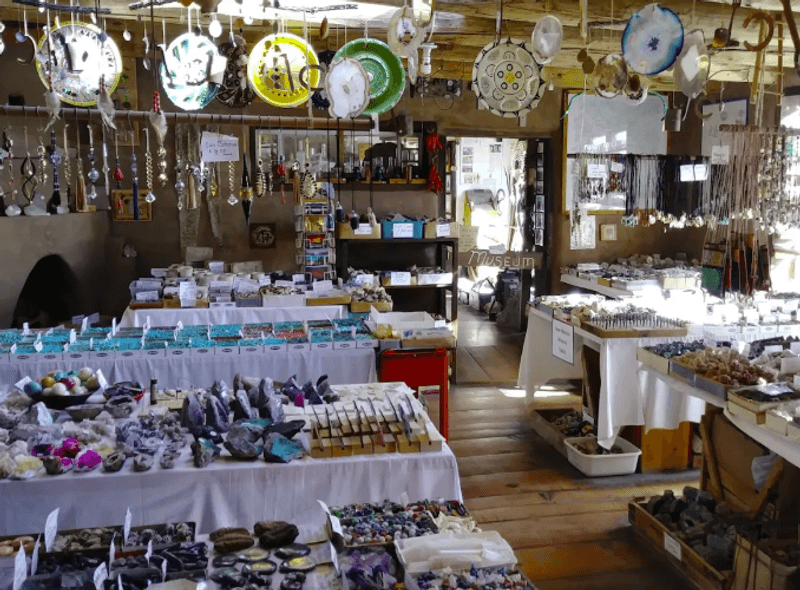
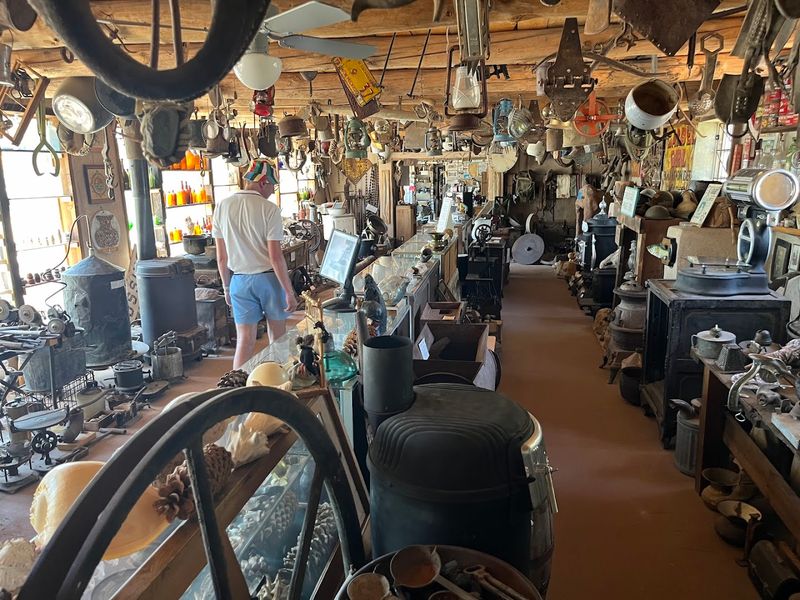
Beyond the rocks and jewelry, Casa Grande Trading Post has a well-established reputation for antiques and vintage oddities. Old knickknacks, vintage-style souvenirs, historical tools, and unusual objects fill corners and shelves throughout the building.
The effect is closer to a curated collection than a random accumulation, though the sheer density of items can make it feel wonderfully chaotic at first.
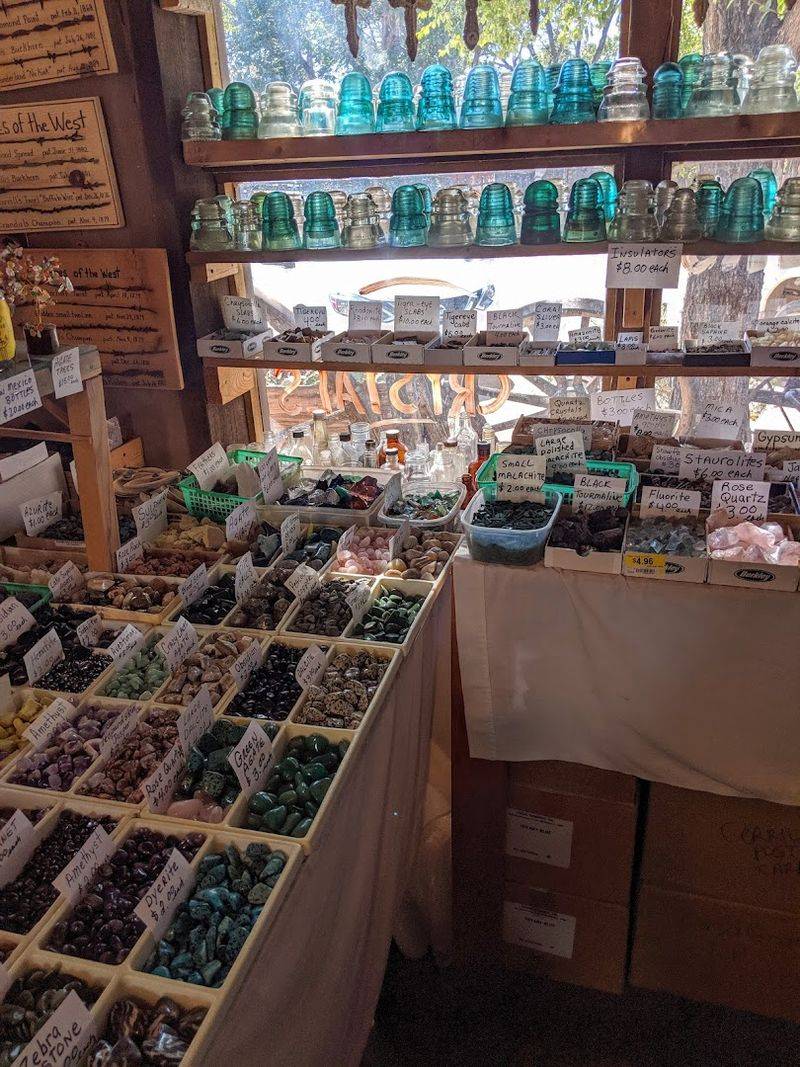
Glass bottles have been a draw for collectors who know about the shop. The variety of antique and vintage bottles in the inventory reflects the broader salvage and collecting culture that the owners have cultivated over many years of operating in this location.
The antiques section of the shop connects to the museum portion in an interesting way. Some items straddle the line between collectible merchandise and historical artifact, and the transition between the retail and museum areas of the building is gradual rather than abrupt.
That blending of commerce and history is part of what gives the trading post its particular character and keeps curious browsers engaged for longer than expected.
A Day Trip That Makes the Drive Worth It
Los Cerrillos sits on a scenic back route between Albuquerque and Santa Fe, and Casa Grande Trading Post is frequently cited as a worthwhile detour that breaks up the drive in a genuinely interesting way. The village itself has a preserved, unhurried quality that contrasts sharply with the busier tourist corridors closer to Santa Fe.
The drive into Los Cerrillos passes through high desert terrain that reflects the same geological history the trading post documents inside its walls. The hills visible from the road are the same hills that supplied turquoise to Indigenous trade networks for over a millennium, and that awareness adds a quiet significance to the landscape.
A visit to Casa Grande Trading Post works well as the anchor for a half-day excursion. The combination of shopping, the museum, and the petting zoo gives the stop enough variety to hold the interest of travelers with different priorities.
Cerrillos Hills State Park is also nearby, making it easy to extend the outing with a short hike through the historic mining landscape.
What to Keep in Mind Before You Go
A few practical details make the difference between a smooth visit and a frustrating one. The trading post is open from 10 AM to 4 PM on Wednesday and Friday through Monday, and it is closed on Thursdays.
Arriving with enough time to explore both the shop and the museum without rushing is worth planning for, especially since the building has 28 rooms worth of material to work through.
Budget a small amount of cash for the museum entry fee and the petting zoo feed bags, both of which run around four dollars each. The museum fee is separate from the retail area, so visitors who only browse the shop do not pay to enter.
That structure makes it easy to customize the visit based on interest and available time.
The village of Los Cerrillos itself is small and still working through various stages of change, but that rawness is part of its appeal. The trading post has been a consistent anchor in the community for years, and the broader context of the town adds to the sense that this is a place with genuine history still actively unfolding.
Where to Find This Hidden Hacienda
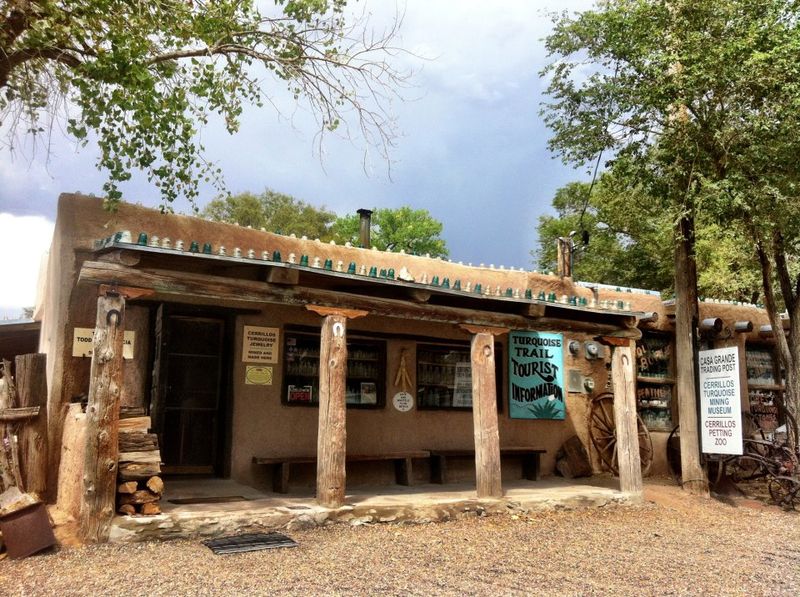
The address is 17 Waldo St, Los Cerrillos, NM 87010, and getting there requires a short drive off the main highway into a small village that looks largely unchanged from a century ago. Los Cerrillos sits in the Cerrillos Mining District, roughly 25 miles south of Santa Fe, and the road into town winds past scrubby desert hills that were once actively mined for turquoise, lead, and zinc.
Once you turn off the main road, follow the signs through the village. The building is hard to miss because it is enormous by local standards, a wide adobe structure that sprawls across the property with the quiet confidence of something that has been standing for a very long time.
The trading post is open Wednesday and Friday through Monday from 10 AM to 4 PM, and it is closed on Thursdays. Planning ahead makes the visit much smoother since the hours are specific and the drive is part of the experience.
Share this story