Every year, millions of travelers crowd the same famous spots, snapping the same photos and paying top dollar for the privilege. But a growing group of savvy explorers is quietly discovering something better: stunning destinations that most people haven’t even heard of yet.
From the Balkans to Central Asia, these under-the-radar countries are gaining serious buzz for all the right reasons. Get ready to update your bucket list.
Albania
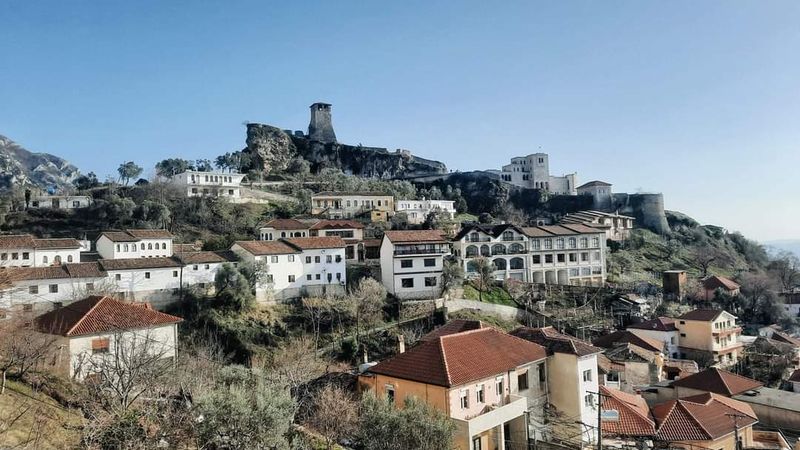
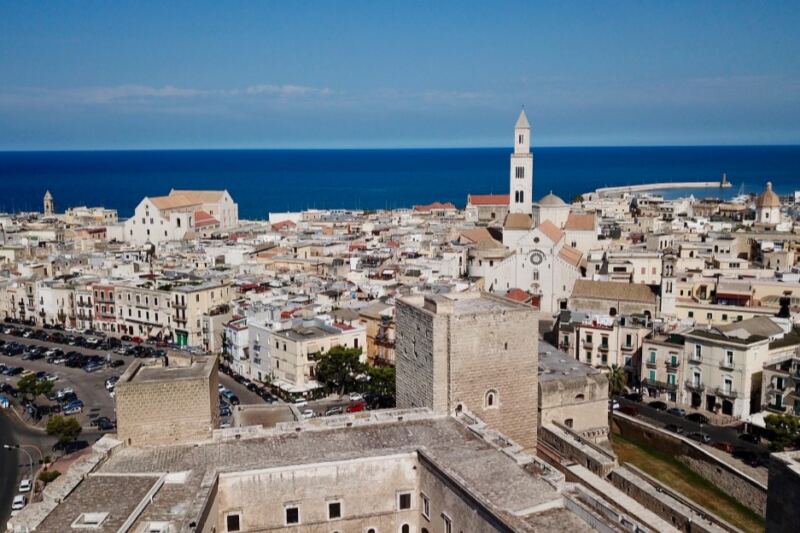
Europe’s best-kept secret is officially out, and Albania is cashing in on the hype. The Albanian Riviera stretches for miles with crystal-clear water that rivals anything you’d find in Greece, minus the selfie sticks and sky-high prices.
I stumbled across Ksamil on a whim, and my jaw genuinely hit the floor.
Berat, a UNESCO-listed city nicknamed the City of a Thousand Windows, looks like something straight out of a fairy tale. The Albanian Alps offer serious hiking without the serious crowds.
Budget travelers rejoice: your money goes incredibly far here.
Locals are famously warm and proud of their country’s growing reputation. Tourism infrastructure is improving fast, so visiting now means catching Albania before it becomes the next Croatia.
Flights are getting easier to find, and boutique hotels are popping up along the coast. Go now while it still feels like a discovery.
Georgia
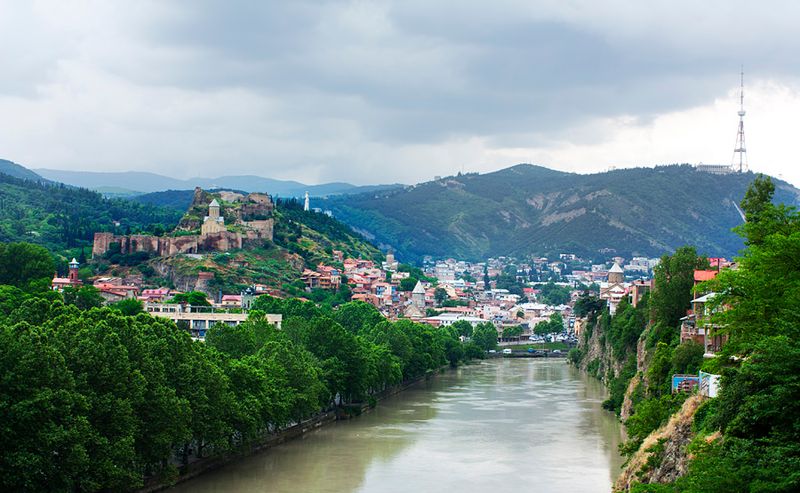
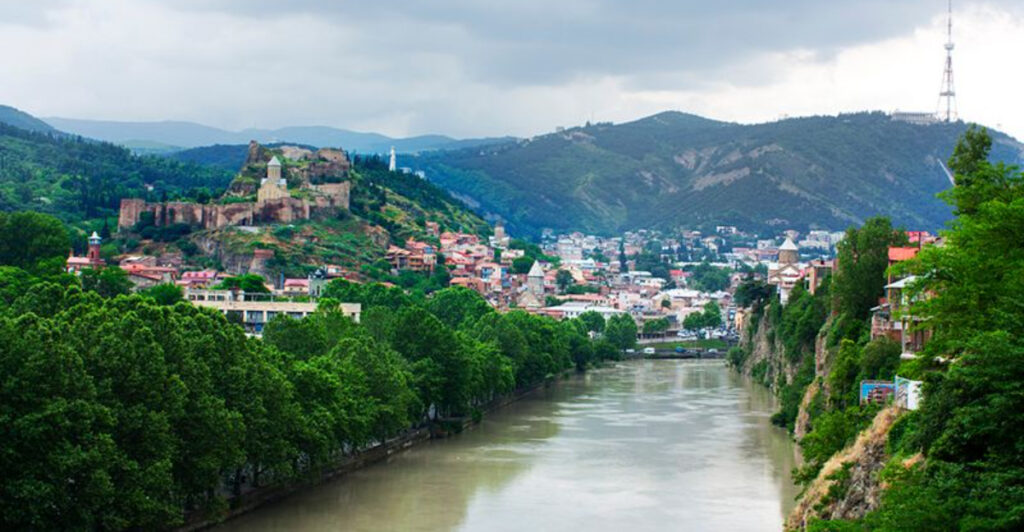
Georgia is the country that ruins every other country for you. Tbilisi’s old town is a chaotic, gorgeous jumble of carved wooden balconies, sulfur baths, and wine bars that stay open until sunrise.
The food alone is worth booking a flight for.
Speaking of wine, Georgia invented it. Archaeologists found 8,000-year-old winemaking vessels here, making every sip feel historically significant.
The Caucasus Mountains provide a dramatic backdrop for hikes, ski trips, and general awe-inspiring staring.
Digital nomads have been quietly colonizing Tbilisi for years, drawn by cheap rent, fast Wi-Fi, and a visa policy so relaxed it practically waves you in with a glass of amber wine. Adventure travelers head to Kazbegi for mountain views that belong on a postcard.
Georgia manages to feel both ancient and excitingly modern at the same time. It’s genuinely hard not to fall in love with this place.
Kyrgyzstan
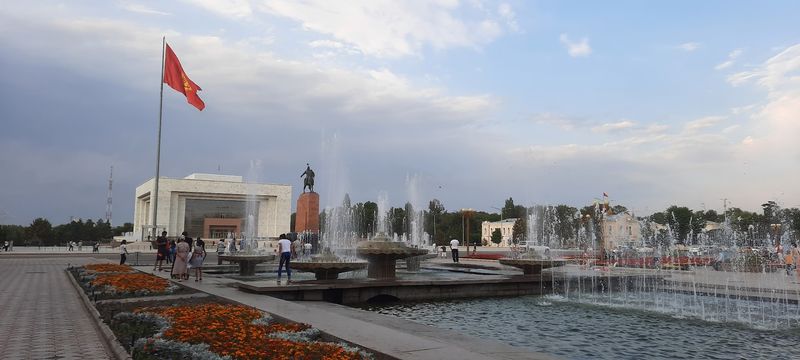
Kyrgyzstan is where adventure travelers go when regular adventure stops feeling adventurous enough. The country is essentially 94% mountains, which sounds terrifying but is actually spectacular.
Son-Kul Lake sits at 3,000 meters above sea level and makes every lake you’ve ever visited feel embarrassingly ordinary.
Horse trekking across open grasslands with nomadic herders is the kind of experience that rewires your brain. Yurt stays are surprisingly comfortable, and the homemade kumis (fermented mare’s milk) is an acquired taste worth acquiring.
The landscapes feel prehistoric in the best possible way.
Tourism here is still small-scale and community-based, meaning your travel money supports local families directly. Visa access has improved significantly, making it easier than ever to visit.
Osh Bazaar in the capital Bishkek is a sensory overload of spices, textiles, and local life. Kyrgyzstan rewards curious travelers who are willing to go just a little further off the beaten path.
Uzbekistan
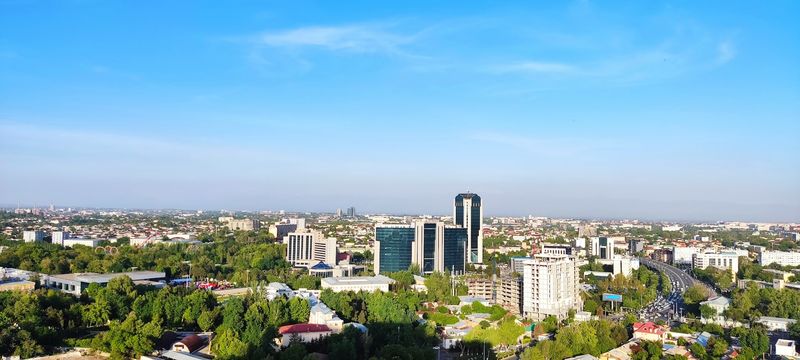
Samarkand sounds like a word you’d invent if you wanted something to sound impossibly exotic, and yet it’s completely real and completely breathtaking. Uzbekistan’s Silk Road cities are among the most architecturally jaw-dropping places on Earth, full stop.
The turquoise domes of the Registan in Samarkand genuinely stop people mid-sentence.
Bukhara and Khiva are equally stunning, each preserving centuries of Islamic craftsmanship in their mosques, madrassas, and bazaars. The country has invested heavily in tourism infrastructure without bulldozing its historic character.
Getting here has become much simpler thanks to expanded flight routes and a relaxed visa policy.
Uzbek hospitality is legendary. Locals will invite you for tea before you’ve even asked for directions.
The food is hearty and delicious, built around rice, lamb, and freshly baked bread. Uzbekistan is the kind of destination that makes you feel like a genuine explorer.
Bucket list status: confirmed.
Oman
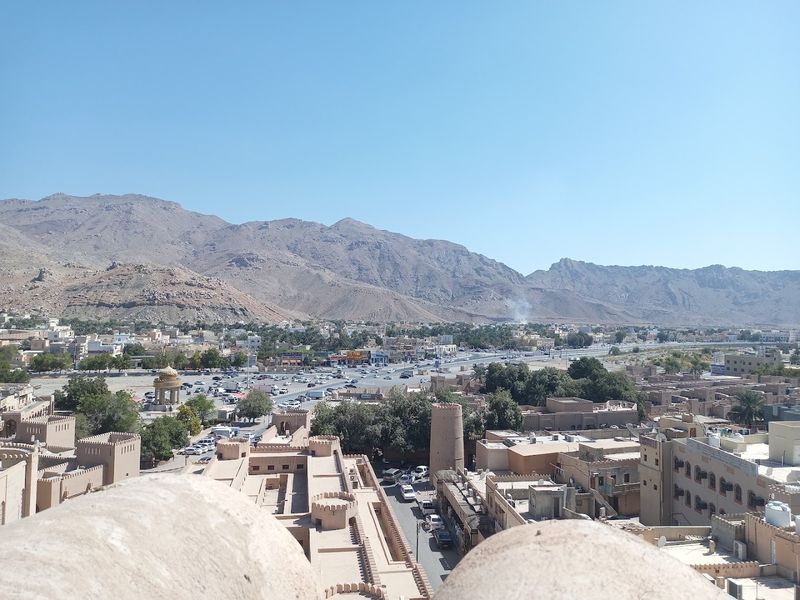
While everyone else is queuing for brunch in Dubai, smart travelers are heading to Oman and having the time of their lives. The Wahiba Sands desert offers dune adventures without the theme-park atmosphere.
Wadi Shab, a gorgeous gorge with emerald pools, feels like a reward for adventurers who actually did the hiking.
Oman’s coastline is pristine and largely uncrowded, stretching past ancient fishing villages and sea turtle nesting beaches. Muscat is a polished, walkable capital that somehow manages to feel both grand and relaxed.
The country takes sustainability seriously, protecting its natural landscapes with genuine commitment.
Luxury lodges in the mountains and desert camps under star-packed skies offer incredible value compared to neighboring Gulf destinations. Omani culture is deeply authentic, and locals are among the friendliest you’ll meet anywhere in the region.
The country genuinely has it all: desert, mountain, sea, and history. Oman is not a compromise; it’s an upgrade.
Rwanda
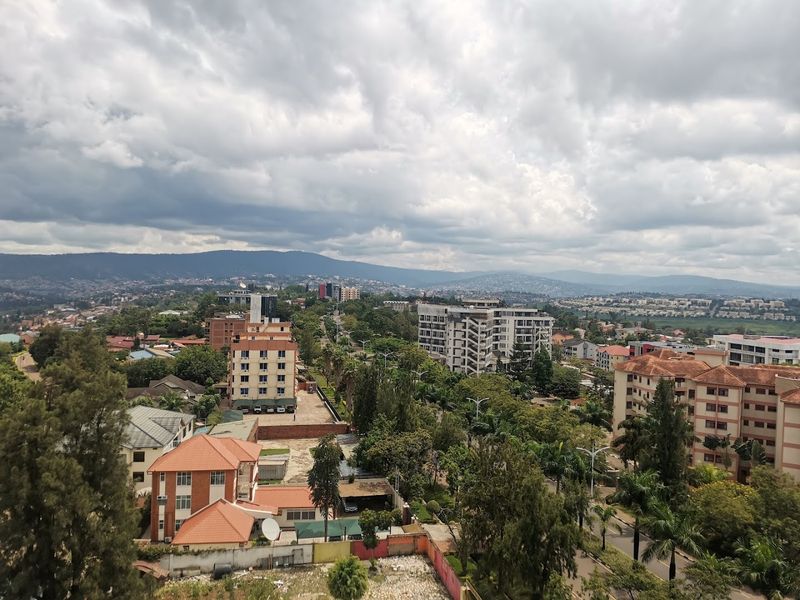
Rwanda’s transformation over the past two decades is one of the most remarkable stories in modern history. Today, it’s one of Africa’s cleanest, safest, and most organized countries, and travelers are finally paying attention.
Kigali is consistently ranked among Africa’s most livable and walkable cities.
The main draw, obviously, is mountain gorilla trekking in Volcanoes National Park. Spending an hour with a gorilla family in misty highland forest is the kind of experience that permanently rearranges your priorities.
Permits are expensive but absolutely worth every penny.
Rwanda has built its tourism model around quality over quantity, attracting visitors who respect the environment and contribute to conservation. Beyond gorillas, the country offers beautiful lakes, vibrant markets, and a deeply moving genocide memorial that provides essential historical context.
The food scene in Kigali is booming. Rwanda proves that responsible tourism and incredible experiences are not mutually exclusive.
It’s a country that earns genuine admiration.
Colombia
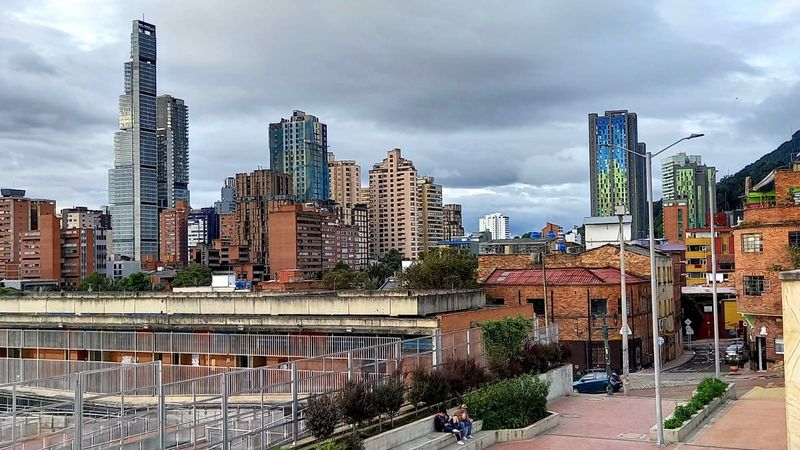
Colombia used to be a punchline. Now it’s the comeback story of the decade, and travelers can’t get enough.
Medellín, once notorious for all the wrong reasons, reinvented itself into a globally celebrated innovation hub with a world-class metro system and some of the best street art you’ll find anywhere.
Cartagena’s walled colonial city is so photogenic it practically takes its own pictures. The coffee region, known as the Eje Cafetero, offers lush green valleys, colorful jeep rides, and coffee so fresh it changes your morning routine forever.
Caribbean beaches on the coast and Amazon jungle in the south round out an almost unfairly diverse travel menu.
Colombia’s people are famously warm, and the food is deeply underrated. Arepas, bandeja paisa, and fresh tropical fruit juices will have you questioning why you ever ate anything else.
Costs remain affordable compared to other South American destinations. Colombia is loud, colorful, and completely irresistible.
Montenegro
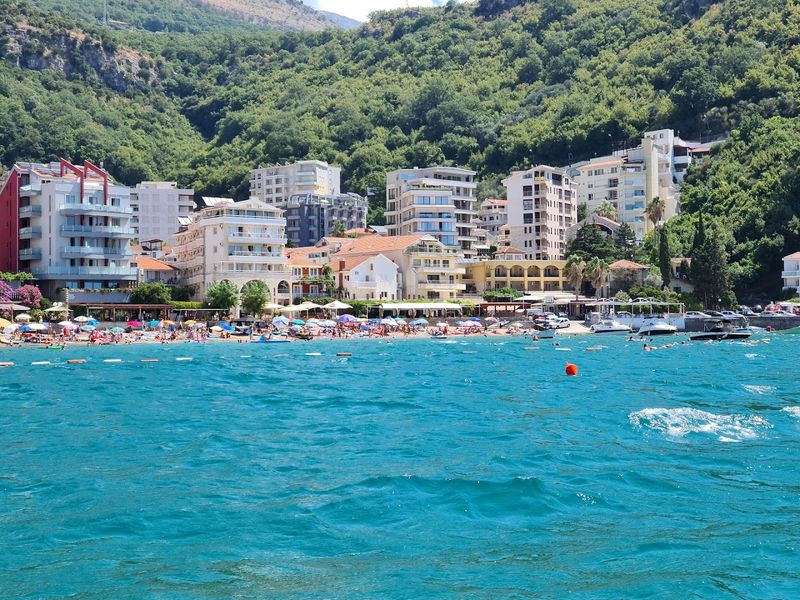
Montenegro is Croatia’s cooler, less-crowded younger sibling, and it’s tired of being overlooked. Kotor Bay is one of the most dramatic coastal scenes in all of Europe, ringed by limestone mountains that drop straight into the Adriatic.
The medieval old town of Kotor is a UNESCO site that rewards every uphill step.
Durmitor National Park delivers mountain scenery so wild and rugged it barely seems real. Rafting the Tara River Canyon, one of the deepest in the world, is an experience that belongs on every adventure traveler’s list.
Montenegro packs an extraordinary amount of variety into a very small country.
Prices are noticeably lower than in Croatia, making it an attractive option for travelers who want Adriatic beauty without the Adriatic price tag. Boutique hotels and family-run restaurants offer genuine hospitality that big resort destinations often lose.
Montenegro is growing in popularity, but it still feels refreshingly undiscovered. Act accordingly and book before everyone else figures this out.
Saudi Arabia
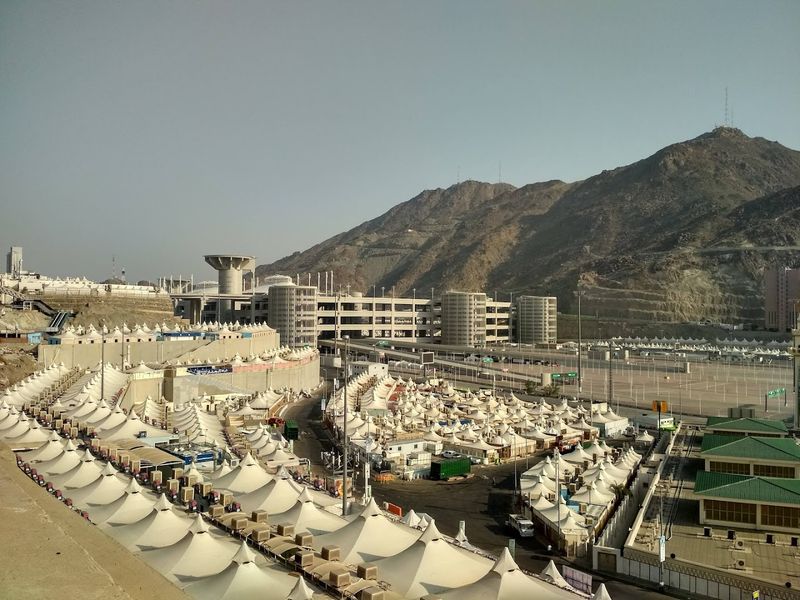
Saudi Arabia opening its doors to international tourism is genuinely one of travel’s biggest recent plot twists. A country that was almost entirely closed to visitors just a few years ago now offers tourist visas to over 50 nationalities.
AlUla alone justifies the flight.
AlUla’s ancient Nabataean tombs at Hegra are Saudi Arabia’s answer to Petra, carved directly into rose-red sandstone cliffs and somehow even less crowded than their Jordanian counterpart. The Red Sea coastline is pristine, with world-class diving that almost nobody has touched yet.
Diriyah, near Riyadh, showcases the kingdom’s fascinating pre-oil history.
The country is investing billions in tourism development while actively preserving its archaeological heritage. Visitor numbers are climbing fast, meaning the window for experiencing these sites without crowds is closing.
Saudi hospitality is generous and genuine. Whatever your preconceptions, Saudi Arabia consistently surprises first-time visitors.
It’s one of the most intriguing new frontiers in global travel right now.
Slovenia
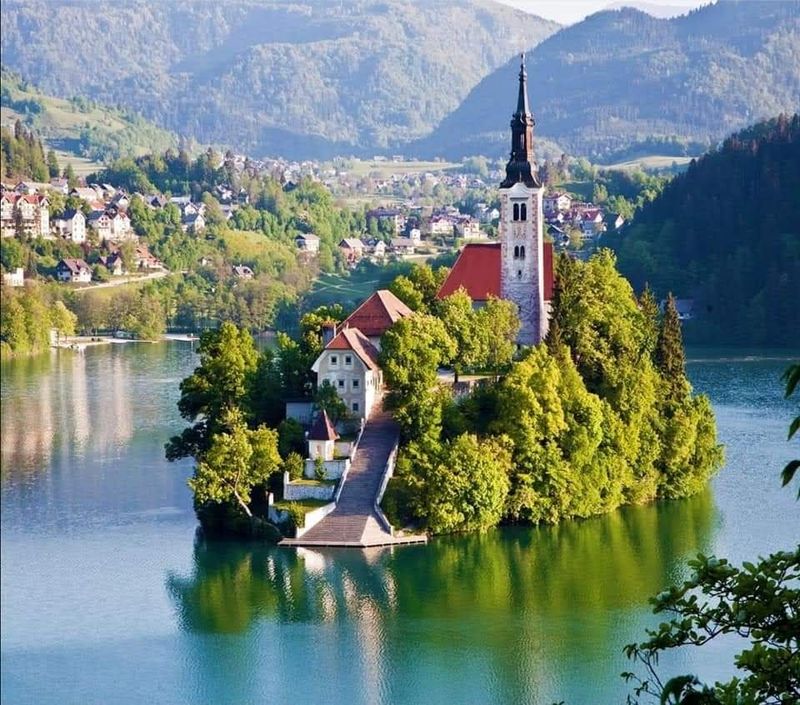
Slovenia is the overachiever of Central Europe that somehow never gets enough credit. Sandwiched between Italy and Austria, it borrows the best from both neighbors and adds its own considerable charm.
Lake Bled is one of those places that looks photoshopped but is completely, gloriously real.
Triglav National Park covers nearly 4% of the entire country and offers hiking, cycling, and river adventures through some of Europe’s most pristine wilderness. Ljubljana, the capital, is compact, walkable, and almost aggressively charming.
The car-free old town is lined with cafes, bridges, and street musicians who actually sound good.
Slovenia has made sustainability a core part of its tourism identity. The country was named Europe’s first green destination back in 2016, and it takes that title seriously.
Crowds are manageable even in peak summer, especially compared to neighboring Italy. Slovenia is proof that you don’t need to shout to be impressive.
It simply lets the scenery do the talking.
Czech Republic
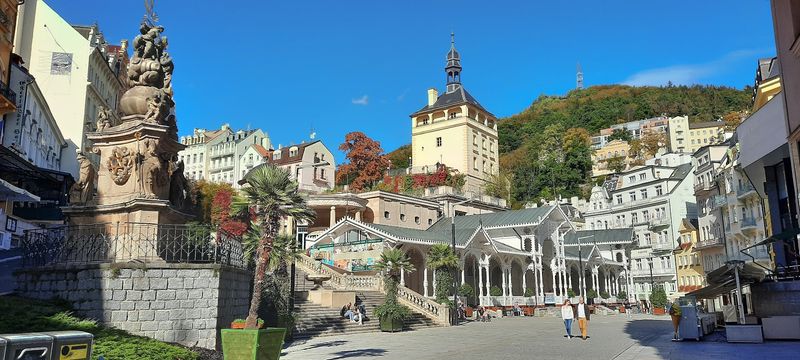
Prague gets all the glory, but the Czech Republic has been quietly sitting on a goldmine of overlooked destinations. Cesky Krumlov is a perfectly preserved medieval town wrapped in a river bend, and it genuinely looks like the setting of a fantasy novel.
Visit on a weekday and you might have the cobblestones almost to yourself.
Olomouc is a university city with Baroque fountains, a vibrant local culture, and a fraction of Prague’s tourist traffic. Moravian wine country produces excellent wines that rarely make it outside the country, which means more for those lucky enough to visit.
The Czech countryside is full of castles, many of which charge almost nothing to enter.
Costs remain very reasonable compared to Western Europe, and the transport network makes exploring easy. Czech food is hearty and satisfying, built around roasted meats, dumplings, and the world’s most statistically consumed beer per capita.
The Czech Republic rewards travelers who look beyond the obvious. There’s a lot more here than just Prague.
North Macedonia
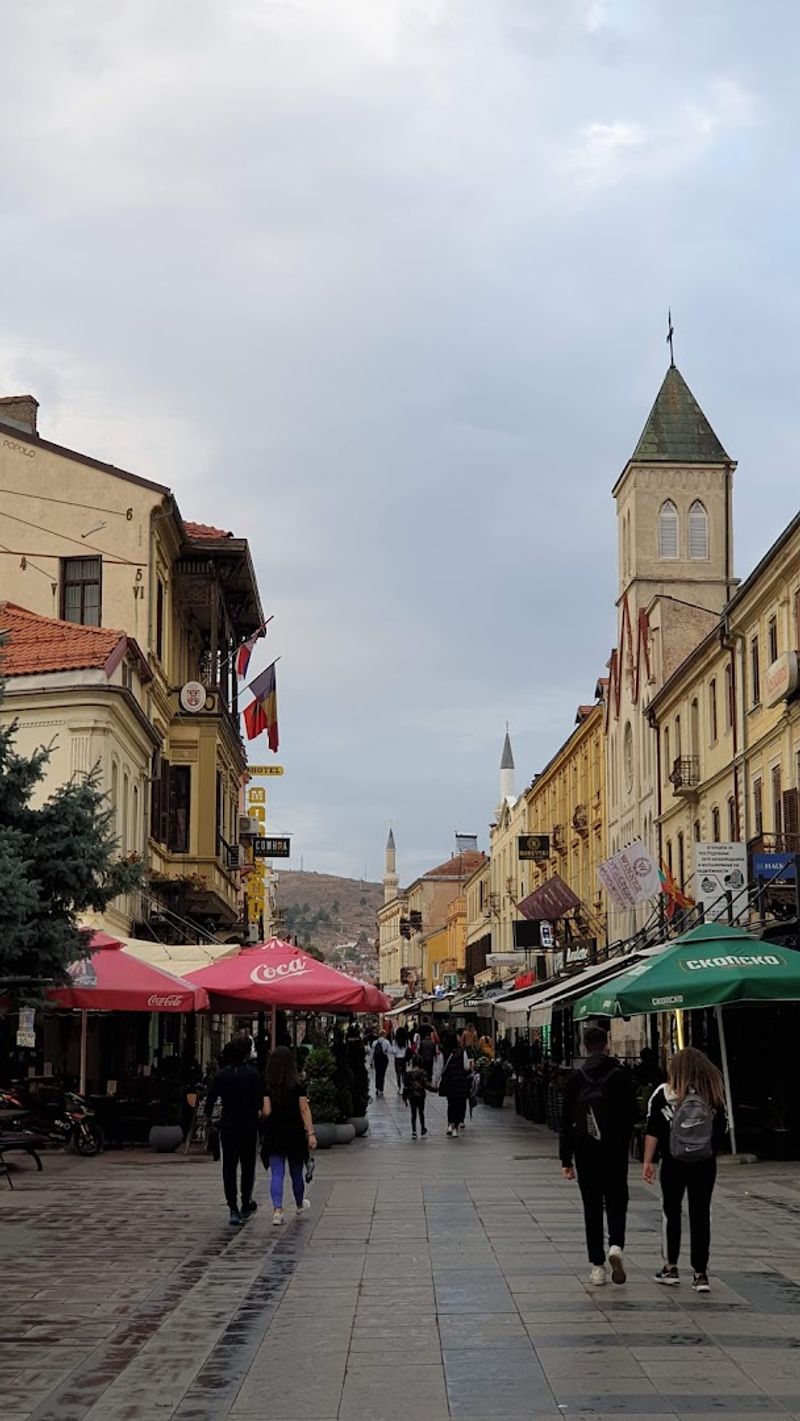
North Macedonia is the European destination that experienced travelers keep whispering about, and for good reason. Lake Ohrid is a UNESCO World Heritage Site that has been continuously inhabited for over 8,000 years, making it one of Europe’s oldest and deepest lakes.
The water is so clear it’s almost embarrassing.
The town of Ohrid itself is a gem: cobblestone streets, Byzantine churches perched on cliffsides, and waterfront restaurants serving fresh-caught trout for prices that seem too good to be true. Skopje, the capital, is an unusual mix of ancient bazaars and oddly ambitious neoclassical statues that make the city endlessly interesting to walk around.
North Macedonia is genuinely affordable, with accommodation and food costs well below the European average. Hiking in Mavrovo National Park offers mountain scenery without the mountain prices found elsewhere.
The country is small enough to explore thoroughly in a week. This is the kind of destination where you feel like you’ve discovered something real.
Serbia
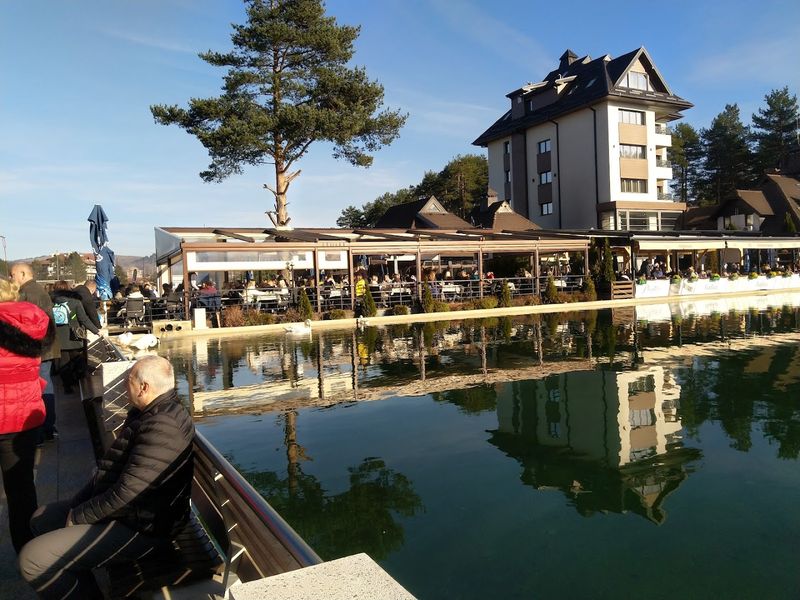
Belgrade has one of the most infectious energies of any European capital, and it operates almost entirely on its own schedule. The nightlife is legendary, running from sunset to well past sunrise in floating river clubs called splavovi.
But Serbia is far more than a party destination.
Kalemegdan Fortress sits where the Sava meets the Danube, offering panoramic views and centuries of layered history. The city’s food scene has exploded with creative restaurants serving modern Serbian cuisine alongside traditional grills and pastry shops.
Novi Sad, Serbia’s second city, hosts the EXIT music festival and has a gorgeous old town worth an extended visit.
The Serbian countryside hides monasteries, river gorges, and wine regions that mass tourism has largely ignored. Tara National Park is spectacular, and the Uvac River Canyon is one of the most underrated natural sites in Europe.
Costs are low, locals are direct and welcoming, and the country feels refreshingly unpolished. Serbia is real travel, not curated travel.
Iraq (Especially Iraqi Kurdistan)
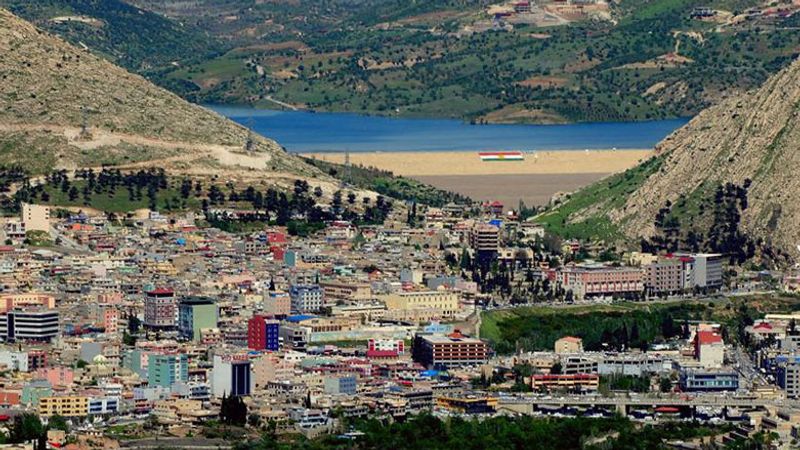
Iraqi Kurdistan might be the most surprising destination on this entire list, and that’s saying something. Erbil’s ancient citadel is one of the oldest continuously inhabited sites on Earth, and most visitors have never even heard of it.
The Kurdistan Region operates with a level of stability and safety that regularly shocks first-time visitors.
Locals in Erbil are genuinely thrilled to see foreign tourists, going out of their way to welcome visitors and share their culture. The bazaars are authentic, the food is outstanding, and the historical sites include ancient Assyrian ruins that predate most of human recorded history.
Akre, a mountain town with dramatic scenery, offers a glimpse of traditional life that feels completely unfiltered.
Dohuk and Sulaymaniyah are also worth exploring for their markets, culture, and access to beautiful mountain landscapes. Travel here requires research and preparation, but the reward is access to experiences almost no one else is having.
Truly adventurous travelers take note: this one is special.
Morocco
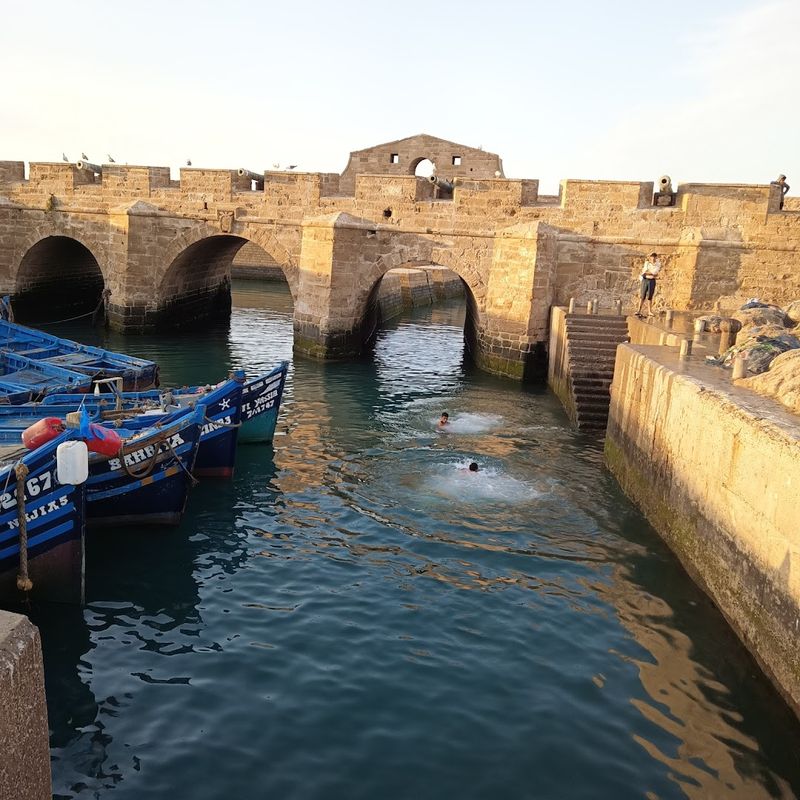
Morocco has been on the travel map for decades, but most visitors never make it past Marrakech’s famous medina. The country beyond the tourist trail is a completely different world, and it’s drawing a new generation of travelers who’ve done their homework.
The Draa Valley, lined with ancient kasbahs and date palm groves, is Morocco at its most cinematic.
The Atlas Mountains are home to Berber villages where traditional life continues largely unchanged. Hiking between villages with a local guide is one of the most rewarding experiences Morocco offers.
Chefchaouen, the blue city, gets crowded, but the surrounding Rif Mountains are peaceful and stunning.
The Sahara Desert near Merzouga draws visitors for camel treks and stargazing camps, and rightly so. Coastal towns like Essaouira and Asilah offer laid-back alternatives to the busier imperial cities.
Morocco rewards slow travel and curiosity. The country has layers upon layers of history, culture, and landscape waiting for anyone willing to look beyond the obvious postcard shots.
Share this story