Most travelers keep returning to the same famous beaches, not realizing that some of the world’s most stunning coastlines are hiding in plain sight. From flooded sinkholes in Spain to granite-boulder beaches in the Seychelles, the planet has no shortage of jaw-dropping spots that never make the top-ten lists.
I stumbled onto one of these hidden gems by accident a few years back, and it completely changed how I plan trips. These 15 secret beaches and coastal escapes prove that the best adventures are always slightly off the beaten path.
Karpathos, Greece
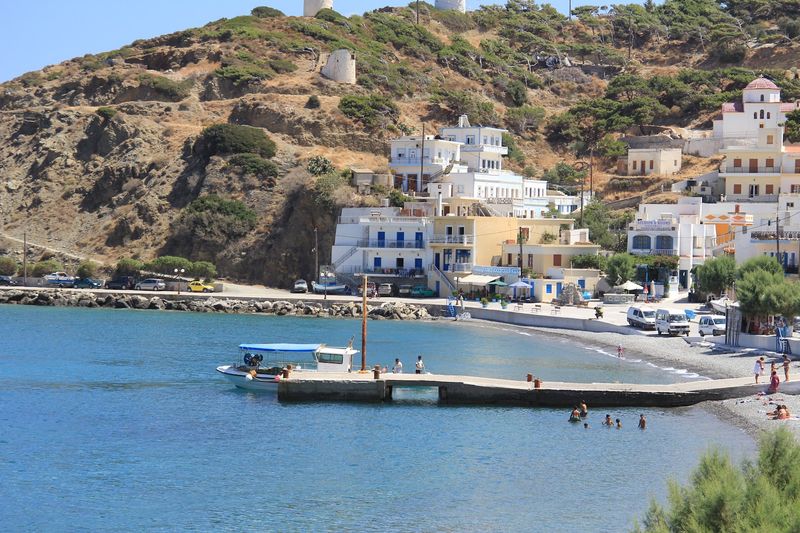
Greece has a secret it’s been sitting on, and its name is Karpathos. Tucked between Crete and Rhodes, this island packs over 50 beaches into its coastline without a selfie stick in sight.
While everyone else is fighting for sunbeds in Santorini, you could have a cove entirely to yourself here.
The beaches range from calm, family-friendly bays to wild, wind-whipped stretches that kiteboarders absolutely love. Apella Beach regularly gets called one of Greece’s most beautiful, yet somehow the crowds never showed up to ruin it.
That’s a win by any standard.
The village of Olympos adds a seriously cool cultural layer to the trip. Women there still wear traditional dress daily, not for tourists, but because that’s just life.
Karpathos rewards curious travelers who do their homework before booking the obvious choice.
Calabria, Italy
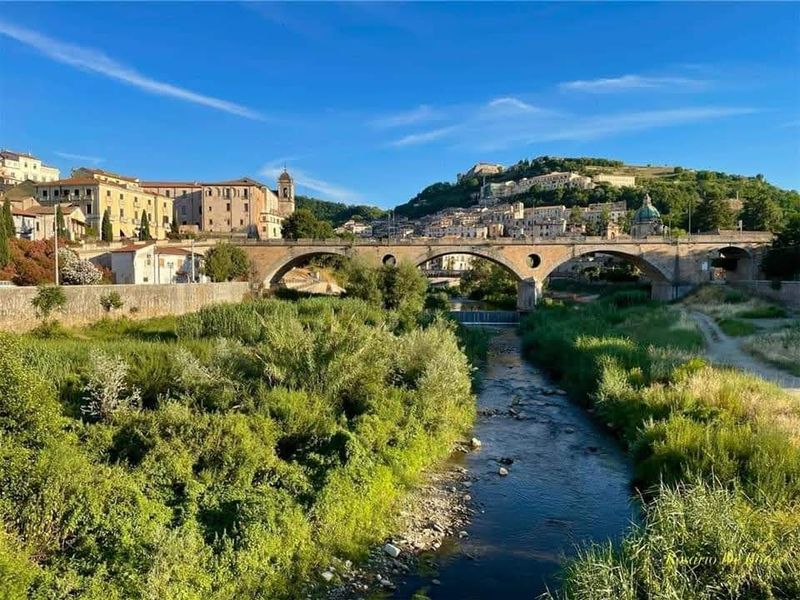
Calabria is Italy’s best-kept secret, and frankly, it’s tired of being ignored. The region stretches along nearly 740 kilometers of coastline, yet most tourists sprint past it on their way to the Amalfi Coast.
Their loss, honestly.
Tropea alone could make a strong case for being Italy’s most dramatic beach town. The clifftop buildings practically dangle over the turquoise sea below, and the beach beneath them is genuinely world-class.
Capo Vaticano nearby is another stunner that rarely appears on travel magazine covers, despite deserving every one.
The food situation in Calabria is elite. Family-run trattorias serve ‘nduja, fresh swordfish, and homemade pasta without charging tourist prices.
Fewer crowds also mean you can actually have a conversation with locals, who are famously warm and thrilled when visitors bother to show up. Calabria doesn’t beg for attention.
It just quietly delivers.
Furadouro, Portugal
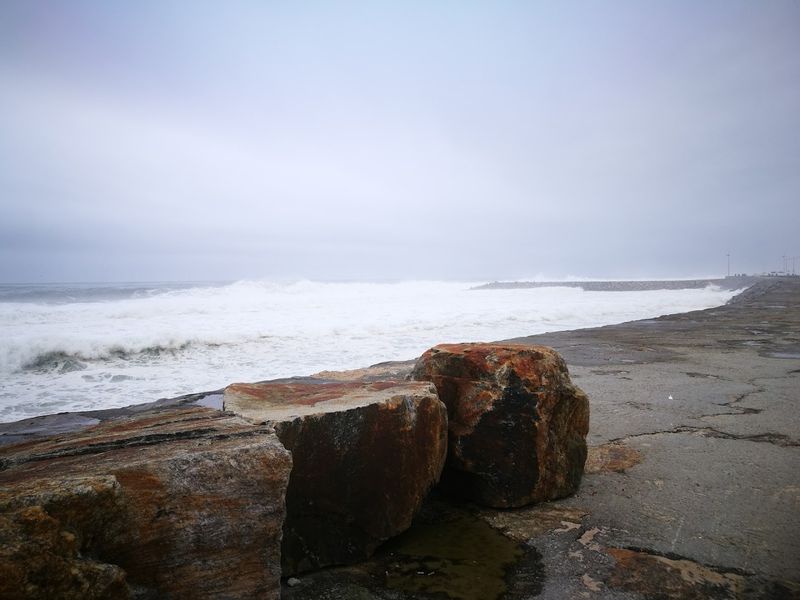
Everyone flies to the Algarve and calls it a day, completely skipping the northern coast where Furadouro sits unbothered and utterly charming. This small fishing village on Portugal’s Atlantic shore offers wide, clean beaches without the packed parking lots or overpriced cocktails.
The oceanfront promenade is one of those places that feels genuinely lived-in rather than built for Instagram. Local fishermen still bring in their catch nearby, and the seafood restaurants reflect that freshness directly on the plate.
I tried the grilled sea bass here once and still think about it regularly.
Summer visits are surprisingly manageable because most foreign tourists have no idea this place exists. Portuguese families from Porto make up most of the crowd, which keeps the vibe relaxed and authentic.
Furadouro also has a lovely old-school carnival atmosphere in peak season that feels festive without becoming overwhelming. It’s a coastal gem hiding behind a name most travelers can’t pronounce.
Asturias Coast, Spain
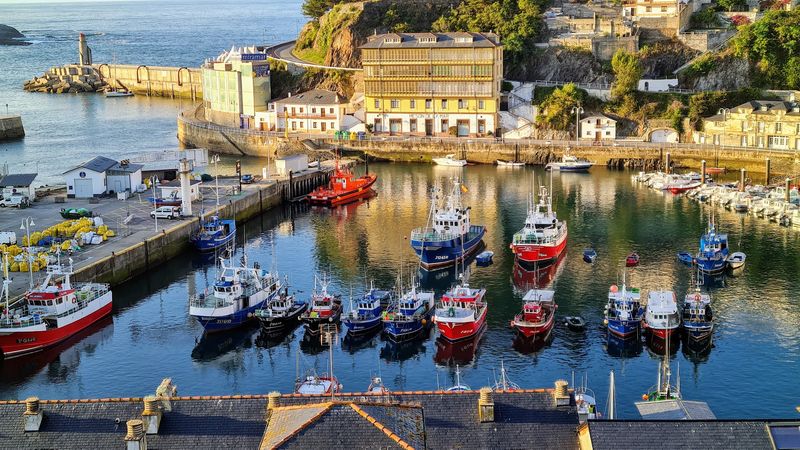
Northern Spain operates on a completely different frequency from the crowded Mediterranean resorts down south. Asturias delivers dramatic Atlantic cliffs, emerald green hills rolling straight into the sea, and beaches that look like they were designed by someone with excellent taste and no interest in mass tourism.
Playa de Torimbia is a perfect example: a horseshoe-shaped nudist beach accessible only by a short hike, completely free of beach bars and lounge chairs. The effort required to get there is exactly what keeps it so pristine.
Asturias also happens to produce some of Spain’s finest cider and blue cheese, which makes the inland detours just as rewarding as the coastline.
International tourists largely skip this region, which is baffling given how stunning it is. Spaniards from Madrid know the secret and return every summer like clockwork.
Getting ahead of that crowd by visiting in June or early September is genuinely one of Europe’s smartest travel moves right now.
Playa de Gulpiyuri, Spain
Some beaches have great sunsets. Some have crystal-clear water.
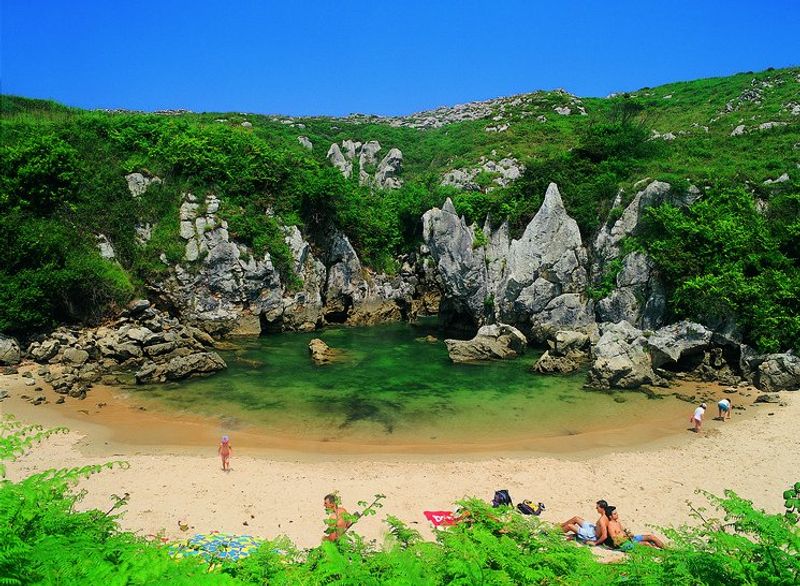
Playa de Gulpiyuri has a plot twist: it sits entirely inland, surrounded by green meadows, with no ocean in direct view. The seawater sneaks in through underground tunnels carved by centuries of wave action.
It’s basically geology showing off.
This protected natural monument sits in Asturias and measures only about 40 meters wide at high tide. That makes it one of the smallest beaches in the world, which somehow makes it even more special.
Visiting feels less like going to a beach and more like discovering a geographic secret that nature forgot to publicize.
Because it’s off the mainstream tourist radar, the crowds stay manageable even in summer. Getting there requires a short walk from the nearest road, which filters out anyone unwilling to make a small effort.
Arriving at low tide gives you the most dramatic view of the sandy bowl sitting quietly in the middle of a field. Truly one of a kind.
Gozo, Malta
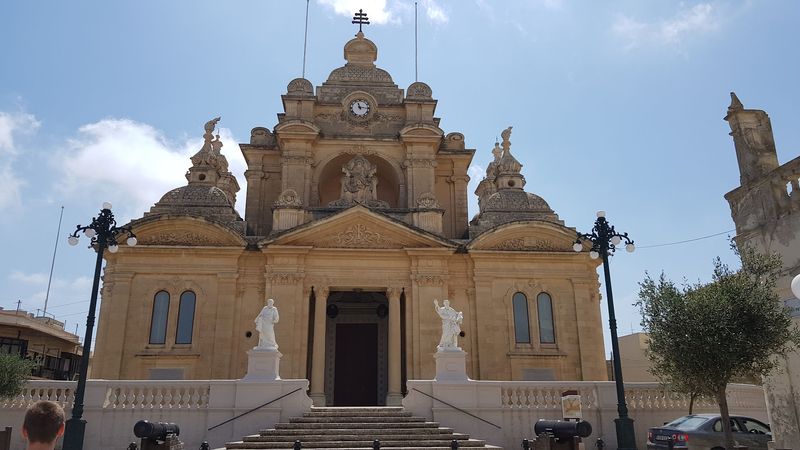
Malta gets millions of visitors a year, but a surprising number never catch the ferry to Gozo, which is frankly their loss and your gain. This smaller island runs on a slower clock, where the pace of life feels closer to the 1970s than the present day.
That’s a compliment.
The coastline here is genuinely dramatic. Azure Window may be gone, but Gozo’s cliffs, caves, and rocky swimming spots more than fill the gap.
Dwejra Bay alone is worth the ferry ticket, with its surreal rock formations and some of the clearest water in the Mediterranean.
Historic villages like Victoria and Xlendi add cultural depth that beach-only destinations simply can’t match. Local festa celebrations, stone churches older than most countries, and family-run restaurants serving rabbit stew make Gozo feel like a full experience rather than a one-note trip.
Ferry rides from Malta take about 25 minutes. The decision to book one takes about ten seconds once you see the photos.
Praia da Pipa, Brazil
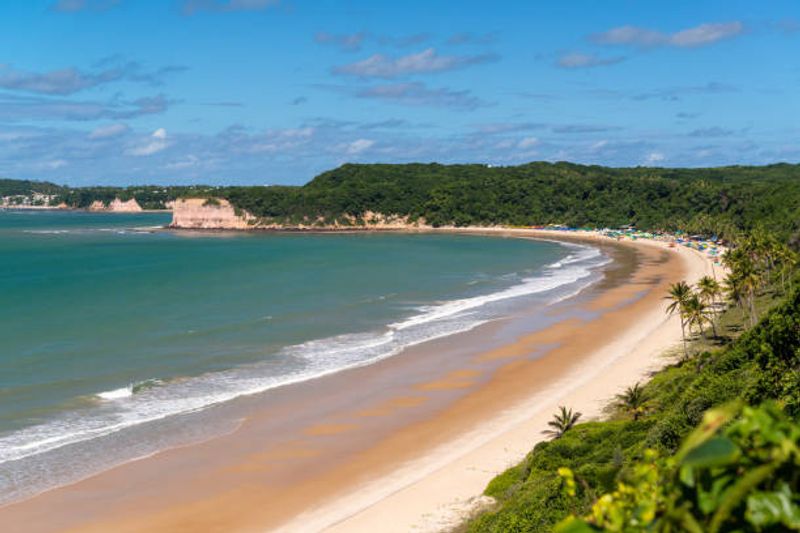
Brazil’s northeastern coast doesn’t get nearly enough credit from international travelers, and Praia da Pipa is the clearest proof of that oversight. Red-orange cliffs frame stretches of white sand while spinner dolphins show up near the shore with almost embarrassing regularity.
It’s the kind of place that makes you wonder why you ever went anywhere else.
The town itself has a relaxed, artsy energy without crossing into pretentious territory. Boutique guesthouses, open-air restaurants, and a busy but manageable nightlife scene give it a personality that big resort towns completely lack.
Brazilians from the south have been coming here for decades, which is always a reliable sign of quality.
Getting there from Natal takes about an hour by car, making it very accessible for a place that feels so removed from the usual tourist circuit. The surrounding ecological reserve protects the cliffs and the marine life, so the natural beauty isn’t going anywhere.
Pipa rewards travelers who dig a little deeper into the Brazilian map.
Caye Caulker, Belize
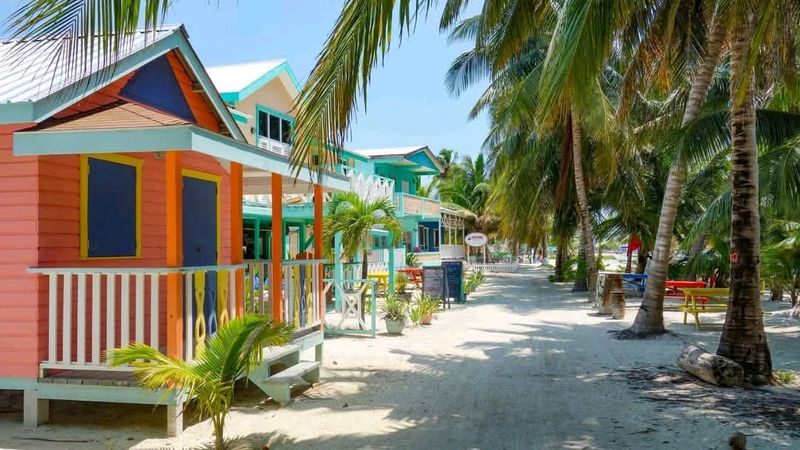
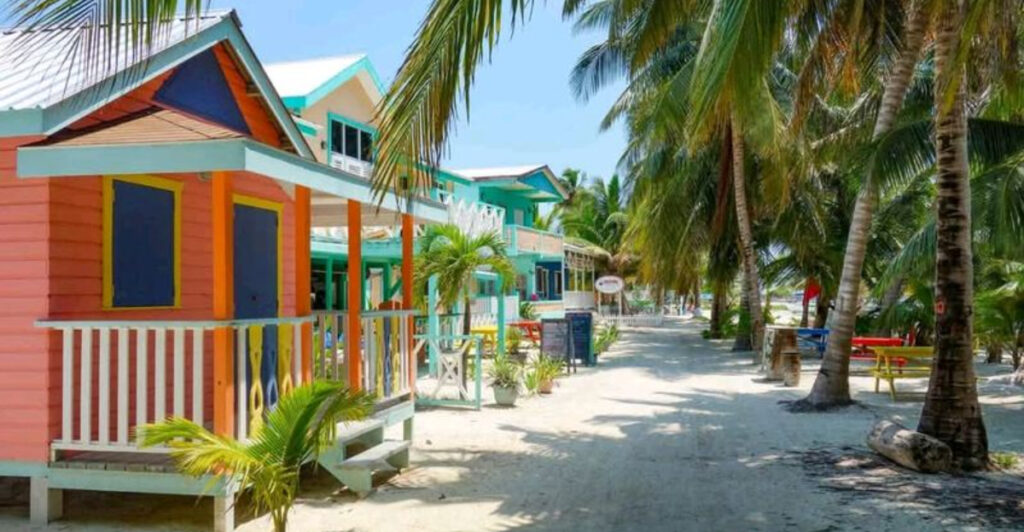
The motto of Caye Caulker is “Go Slow,” and the island enforces it with zero apology. There are no traffic lights here, golf carts outnumber cars, and the main social activity is sitting in a hammock watching the water change color throughout the day.
This is not a place for people who need itineraries.
Snorkeling near the Belize Barrier Reef, the second largest in the world, is exceptional and accessible from right off the island. Nurse sharks and rays hang around the famous Shark Ray Alley with impressive punctuality.
A day trip there costs a fraction of what similar experiences run in more developed destinations.
Ambergris Caye gets all the magazine coverage and most of the resort development, which conveniently leaves Caye Caulker in a permanently chill state. Budget travelers and slow-travel enthusiasts discovered this place years ago and wisely told very few people.
The food stalls along the main split serve fresh lobster at prices that feel almost suspicious. Almost.
Dalaman Coast, Turkiye
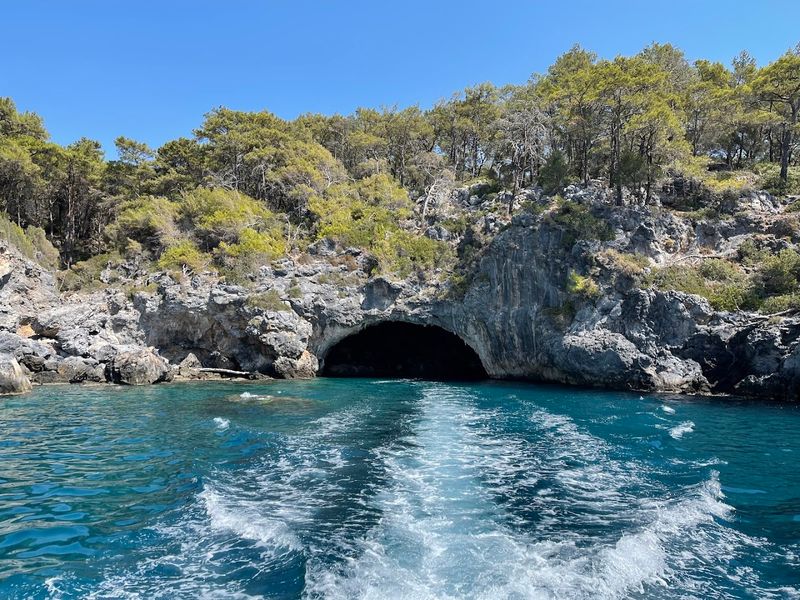
Turkey’s Antalya region draws enormous crowds every summer, but head southwest toward Dalaman and the crowds thin out remarkably fast. Iztuzu Beach is one of the standout discoveries here, a long golden strip where the Dalyan River meets the sea and loggerhead turtles nest every year without fail.
The nearby ancient city of Kaunos adds an archaeological dimension that pure beach destinations can’t offer. Exploring Lycian rock tombs carved directly into riverside cliffs, then jumping into thermal springs the same afternoon, is the kind of day that’s very hard to top.
Sarimgerme Beach rounds out the area with calm, shallow water that’s excellent for swimming.
Dalaman’s relative obscurity means prices stay reasonable and the atmosphere stays calm. Boat tours along the Dalyan River delta feel genuinely adventurous rather than crowded and choreographed.
Fly into Dalaman Airport and you’re essentially already there, which makes the logistics surprisingly simple for such a spectacular destination. Turkey keeps delivering hidden coastal gems.
La Digue, Seychelles
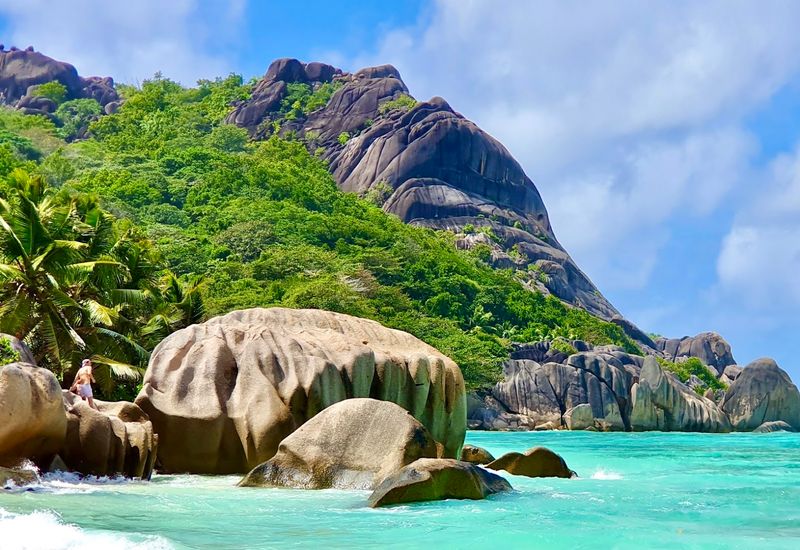
La Digue might be the most photogenic island on the planet, and it’s saying something that it still manages to feel uncrowded. The granite boulders scattered across Anse Source d’Argent beach look like they were placed there by a very artistic giant.
No filter needed, no exaggeration required.
Getting around the island by bicycle is not just an option, it’s basically the only way to travel. There are very few cars, the roads are mostly flat, and the whole island takes about an hour to cross at a relaxed pace.
That enforced slowness turns out to be exactly what most travelers desperately need.
While Mahe and Praslin attract the larger resorts and busier crowds, La Digue runs on its own quiet schedule. The population is small, the guesthouses are personal, and the snorkeling off the nearby reefs is exceptional.
Seychelles is never cheap, but La Digue offers the most value for the experience delivered. Worth every cent of the ferry ticket.
Isla Culebrita, Puerto Rico
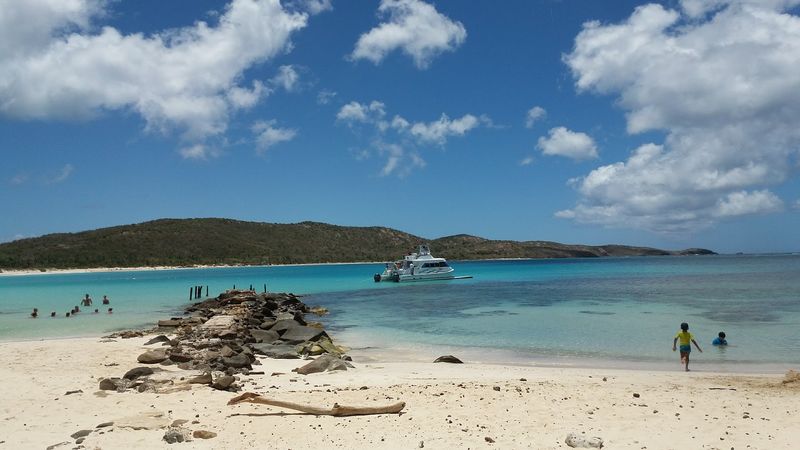
Isla Culebrita doesn’t have a single permanent resident, a single restaurant, or a single beach bar, and that’s precisely what makes it extraordinary. Accessible only by water taxi from Culebra, this tiny uninhabited island offers beaches so untouched they feel slightly unreal.
The old lighthouse perched on the hill only adds to the slightly wild, forgotten-world atmosphere.
The snorkeling around the island is some of the best in the Caribbean, with healthy coral, sea turtles, and colorful fish that haven’t learned to be shy around humans yet. Playa Tortuga on the eastern side is a particular favorite for calm, clear water.
Arriving early in the morning before any other boats show up is the move.
Most Puerto Rico visitors stick to San Juan’s beaches or the main island’s resort strips, which means Culebrita stays wonderfully quiet by default. Pack everything you need for the day: water, food, sunscreen, and a book.
There are no shops and no Wi-Fi. That’s entirely the point.
St. George Island, Florida, USA
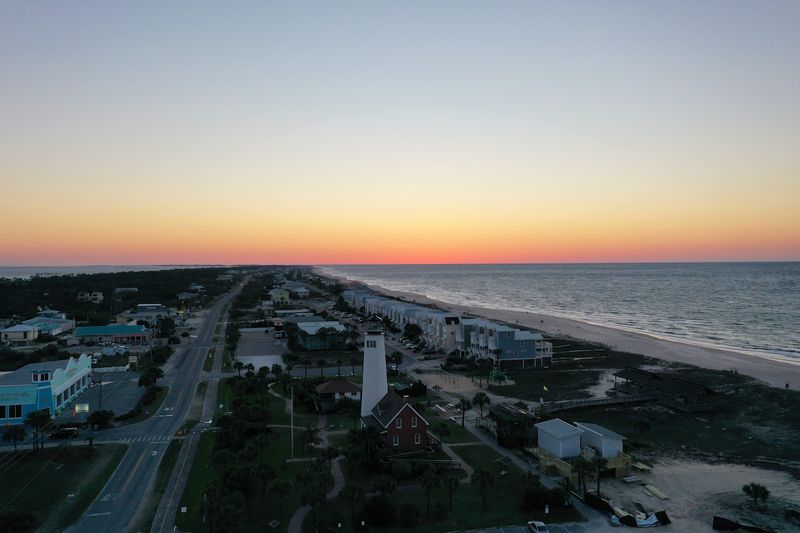
Florida has a “Forgotten Coast,” and St. George Island is its quiet crown jewel. No roller coasters, no chain restaurants, no high-rise condos blocking the horizon.
Just 28 miles of Gulf Coast shoreline that’s been left largely alone, which in Florida is practically a miracle.
The state park at the eastern end of the island protects some of the most pristine beach habitat in the entire state. Shorebirds nest undisturbed, sea turtles lay eggs without interference, and the water stays remarkably clear thanks to the absence of heavy development upstream.
Wildlife watching here beats any theme park experience by a significant margin.
The town of Apalachicola nearby is worth an afternoon visit for its oyster bars and historic downtown. St. George Island itself is mostly vacation rentals and a handful of low-key restaurants.
Visiting in the shoulder season, May or October, gets you nearly perfect weather with almost no competition for beach space. The Forgotten Coast deserves to be remembered.
Molokai, Hawaii, USA
Molokai has a sign at the airport that reads “Aloha. Our lifestyle is not for sale.” That sets the tone immediately.
This Hawaiian island has actively resisted large-scale tourism development, and the residents are serious about keeping it that way. If you’re looking for a luxury resort with a swim-up bar, keep flying.
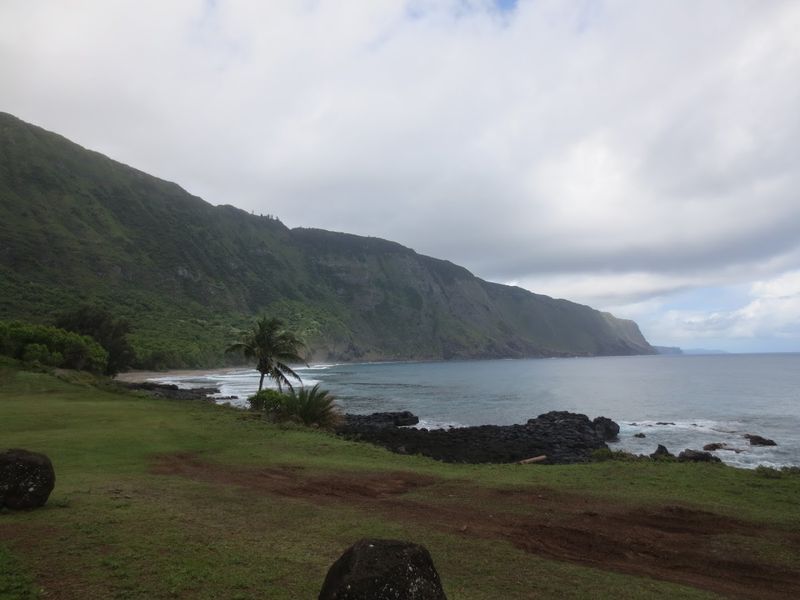
What Molokai offers instead is genuinely rare: sea cliffs that rank among the tallest in the world, empty beaches that require a mule ride or a hike to reach, and an authentic Native Hawaiian culture that still shapes daily life. Papohaku Beach on the west side stretches for three miles with almost no one on it.
Three miles.
The Kalaupapa National Historical Park, accessible by a steep trail down the cliffs, adds a deeply moving historical dimension to the trip. Molokai forces you to slow down, engage, and actually experience a place rather than just photograph it.
For the right kind of traveler, it’s the most rewarding island in the entire state.
Grand Anse, Grenada
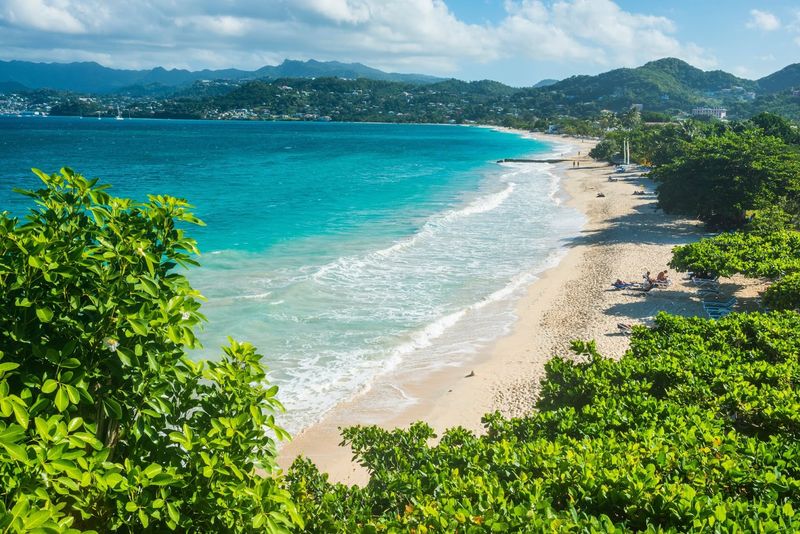
Grenada gets called the Spice Isle because it produces nutmeg, cinnamon, and cloves in quantities that make the whole island smell faintly incredible. Grand Anse Beach is the star of the show along its southwestern coast: two miles of white sand, calm water, and a fraction of the crowds you’d find on similar beaches in Barbados or St. Lucia.
The reef just offshore provides solid snorkeling, and the Molinere Underwater Sculpture Park nearby is a genuinely unique attraction that has no equivalent anywhere else in the Caribbean. Concrete figures slowly being reclaimed by coral growth make for surreal and memorable diving.
It’s art, conservation, and adventure rolled into one.
St. George’s, Grenada’s capital, is one of the prettiest harbor towns in the entire Caribbean, with colorful buildings climbing steep hills above the waterfront. The local rum punch recipe is taken seriously here and served accordingly.
Grenada flies well under the tourist radar for a destination this beautiful, which means now is the right time to visit. Before everyone else figures it out.
Lanai, Hawaii, USA
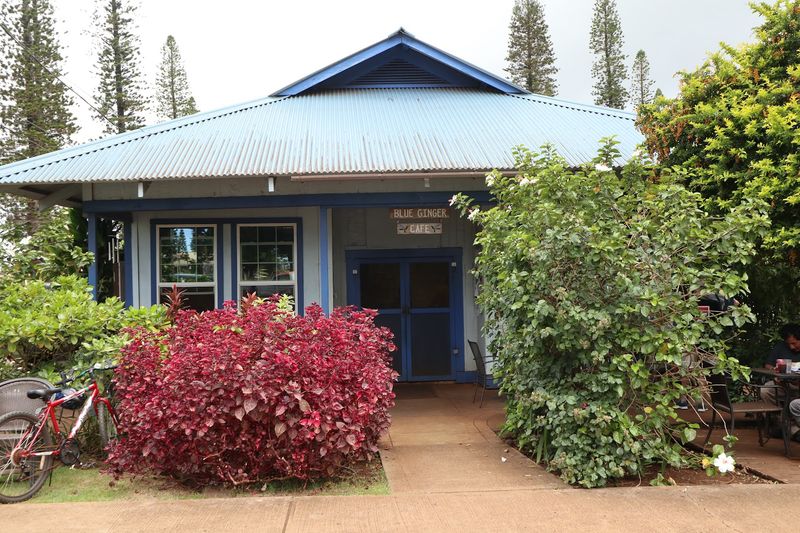
Lanai has only about 3,000 residents and receives fewer visitors than any other Hawaiian island. Two Four Seasons resorts handle most of the luxury crowd, but beyond those gates, the island is largely wild, empty, and spectacular.
That ratio of development to wilderness is almost unheard of in Hawaii.
Hulopoe Bay is the main beach and one of the finest in the state, with a marine preserve that keeps the snorkeling consistently excellent. Spinner dolphins are regular visitors to the bay, arriving in the morning with the kind of cheerful reliability that makes them feel like unofficial greeters.
The beach itself rarely gets crowded even in peak season.
Renting a four-wheel drive and exploring Lanai’s back roads is one of Hawaii’s great underrated adventures. The Garden of the Gods, a bizarre landscape of red and orange lava rocks, looks like something from another planet entirely.
Getting to Lanai requires a short flight or a ferry from Maui. The effort is minimal.
The reward is enormous.
Share this story