Some of the greatest albums in rock history were completely ignored when they first came out. Critics shrugged, record labels panicked, and listeners moved on without a second glance.
But time has a funny way of changing everything. Albums that once gathered dust in bargain bins now sit at the top of greatest-of-all-time lists, proving that truly great music has a way of finding its audience, even if it takes a few decades.
1. The Velvet Underground and Nico – The Velvet Underground
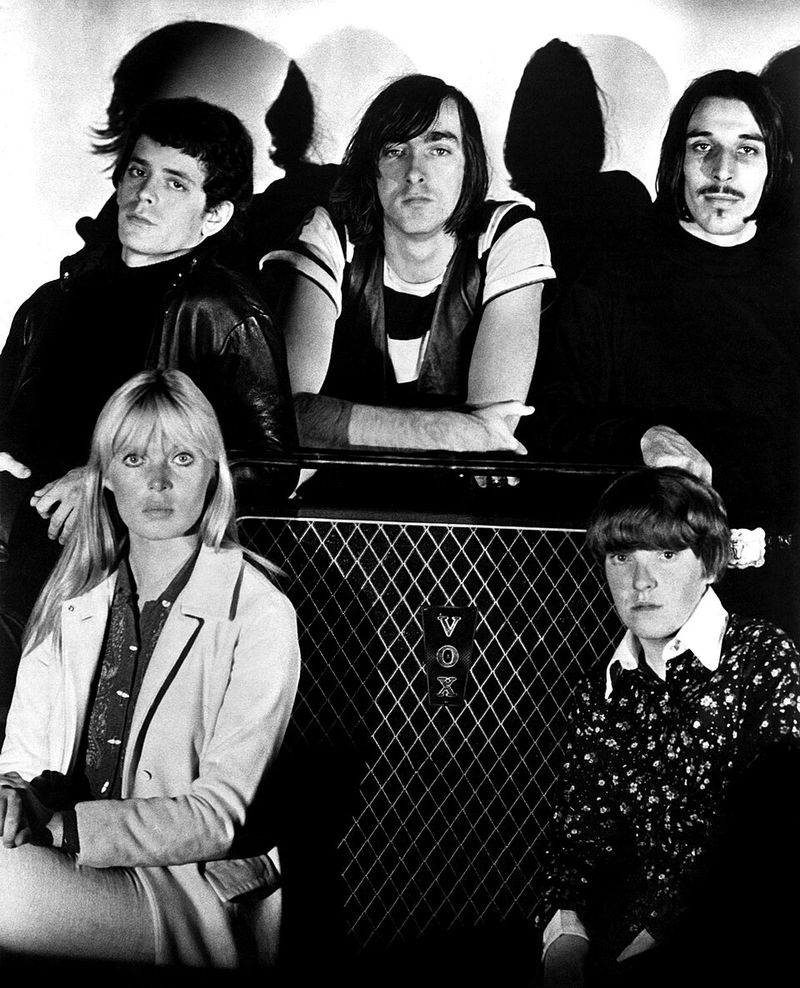
Few albums have had such a slow-burning impact as this 1967 debut. The Velvet Underground, led by Lou Reed and John Cale, made music that sounded like nothing else at the time.
It was noisy, poetic, dark, and strange in all the best ways.
The famous quote often credited to Brian Eno sums it up perfectly: the album sold fewer than 30,000 copies in its early years, but nearly everyone who bought it started their own band. That ripple effect shaped decades of alternative, punk, and art rock.
Andy Warhol produced the record and designed its iconic banana cover. At the time, radio stations refused to play it.
Today, it regularly appears at the very top of Rolling Stone’s greatest albums list, proving that being ahead of your time is both a curse and a gift.
2. Forever Changes – Love
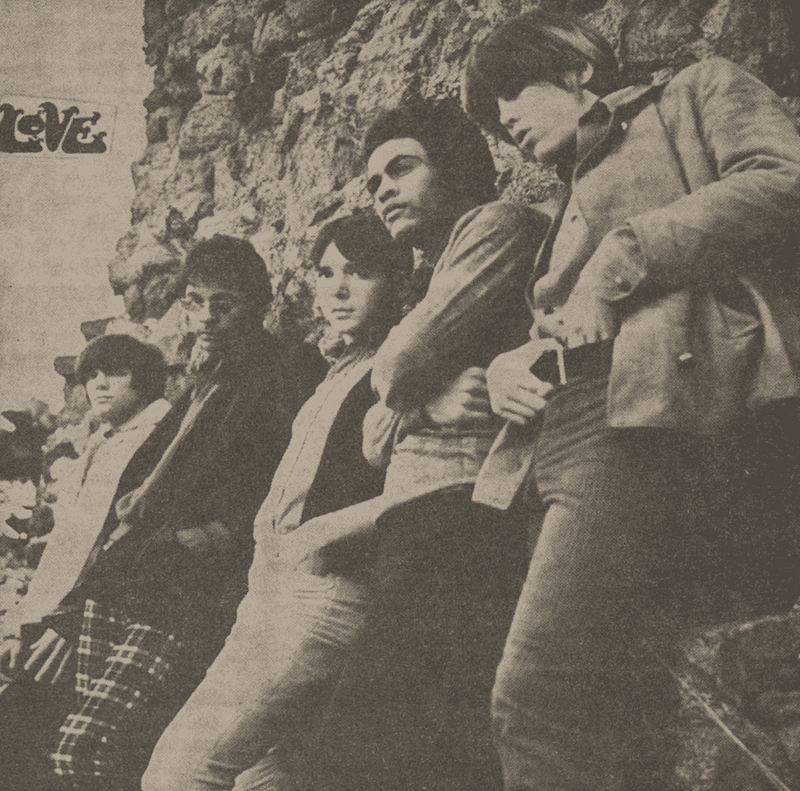
Arthur Lee and his band Love created something extraordinary with this 1967 record. Forever Changes blended folk, rock, and orchestral arrangements in a way that felt both intimate and cinematic.
Critics noticed its beauty right away, but buyers mostly passed it by.
Part of the problem was timing. By late 1967, the Summer of Love had peaked, and listeners were moving toward heavier sounds.
The album’s soft complexity felt out of step with what radio stations wanted to push.
Decades later, musicians from all corners of rock and pop pointed to Forever Changes as a defining influence. It now holds a permanent spot near the top of critical best-of lists.
Arthur Lee spent years fighting for recognition, and while he received some acclaim before his death in 2006, the album’s full legacy blossomed long after its quiet commercial debut.
3. Odessey and Oracle – The Zombies
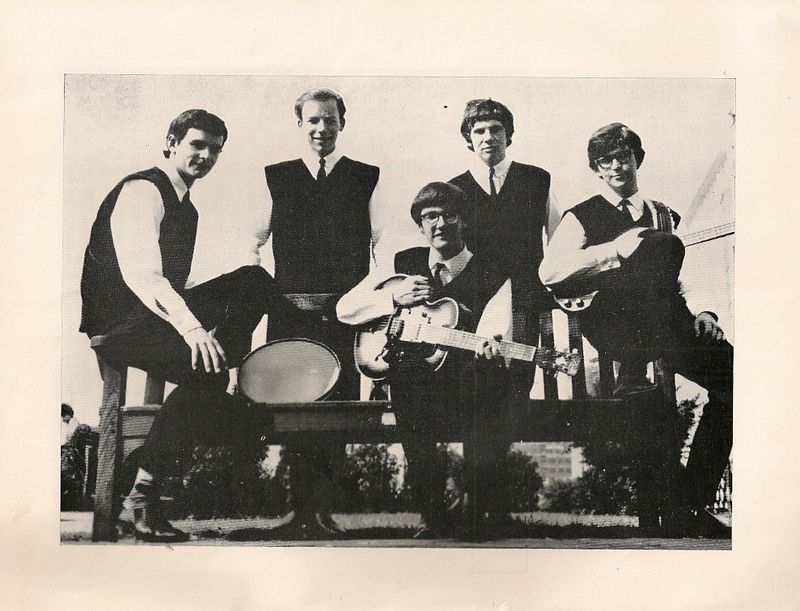
Released in April 1968, this album arrived at the worst possible moment for The Zombies. The band had already broken up before it even hit shelves, which meant there was no tour, no promotion, and almost no attention.
The record sold poorly and disappeared quickly. Yet its songwriting was some of the most carefully crafted pop of the entire decade.
Tracks like “Care of Cell 44” and “Time of the Season” showcased a band operating at peak creativity even as it fell apart.
“Time of the Season” eventually became a surprise hit in the United States in 1969, sparking renewed interest. Over the following decades, Odessey and Oracle grew into one of the most celebrated British albums of the 1960s.
In 2008, the band reunited to perform it in full, finally giving the record the live celebration it never originally received.
4. Fun House – The Stooges
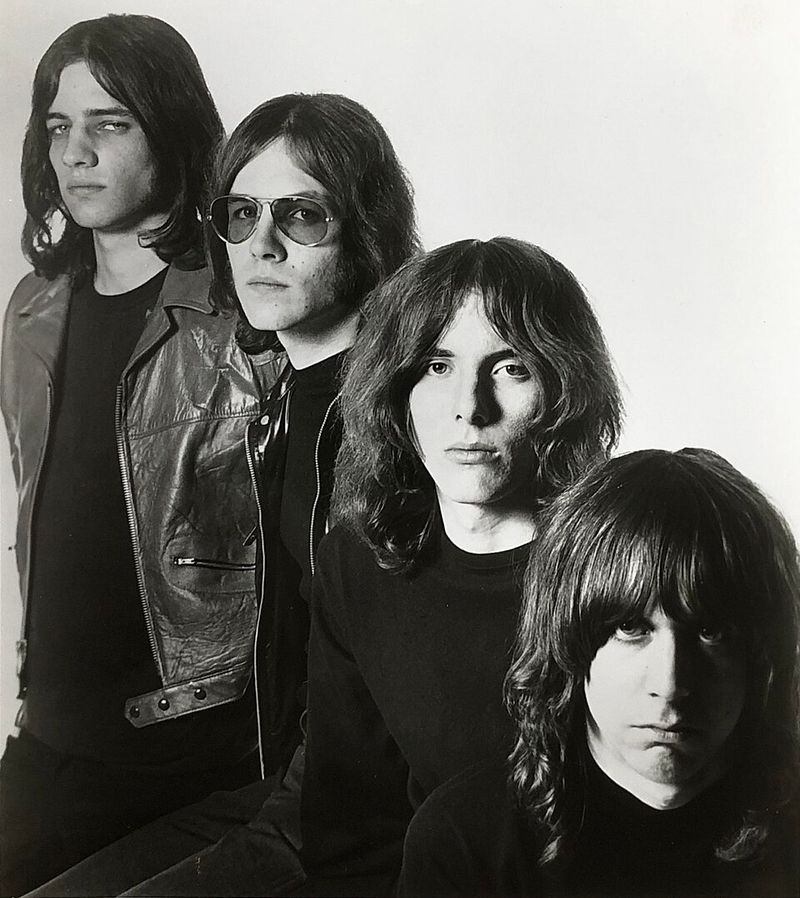
When Fun House came out in 1970, most people had no idea what to do with it. The Stooges, led by a wild young Iggy Pop, played music that was aggressive, chaotic, and deliberately abrasive.
Critics were confused, and the label was not pleased.
Sales were so dismal that Elektra Records dropped the band shortly after its release. At the time, it felt like the end of the road.
Looking back, it was actually the beginning of something massive.
Punk rock, noise rock, and alternative music all trace direct lines back to Fun House. The album’s raw, unfiltered energy became a blueprint for generations of musicians who wanted to break every rule in the book.
Today it is considered one of the most influential rock records ever made, a fact that would have seemed impossible to believe in 1970.
5. Loaded – The Velvet Underground
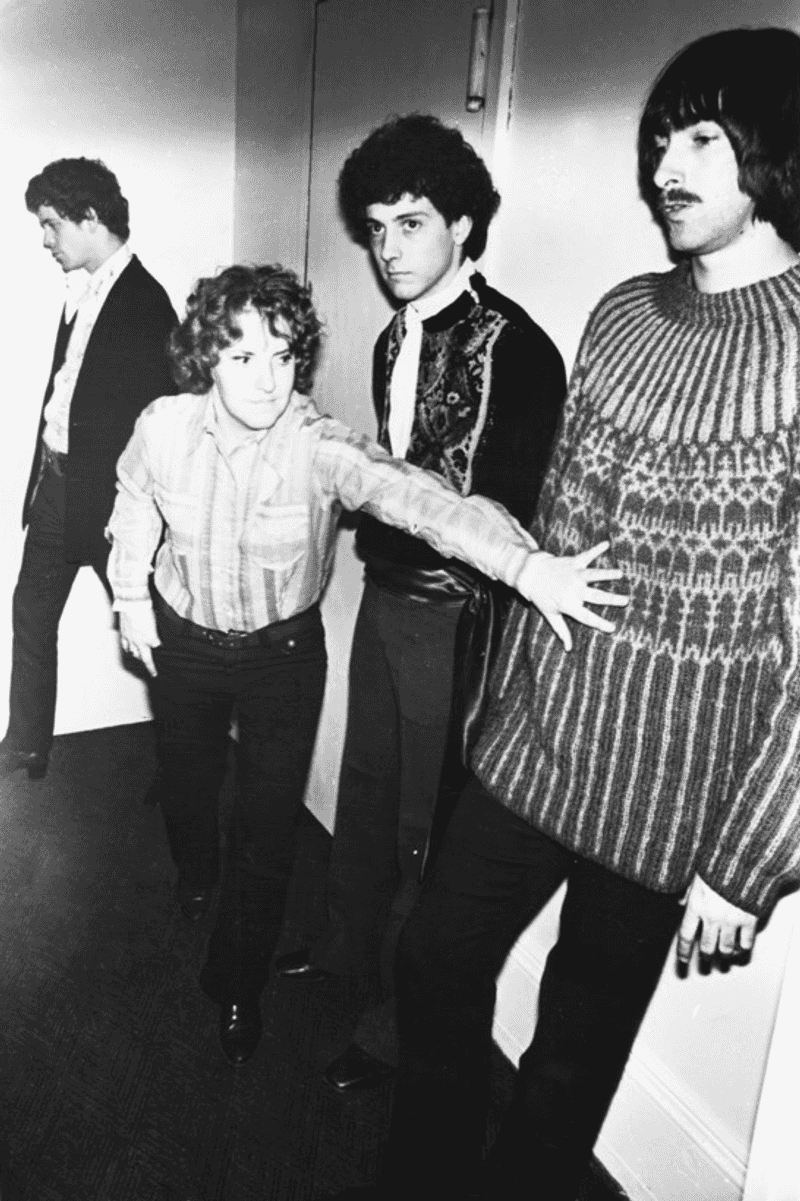
By 1970, The Velvet Underground had already changed rock music twice without anyone noticing. Loaded was their attempt at something more accessible, and the album delivered some of their most straightforward and catchy songs, including “Sweet Jane” and “Rock and Roll.”
Despite being more radio-friendly than anything the band had previously released, Loaded still failed to find a mainstream audience. Lou Reed left the band before it even came out, frustrated with the label’s interference and exhausted by years of commercial invisibility.
The cruel irony is that those same accessible songs became stone-cold classics. Covers of “Sweet Jane” and “Rock and Roll” have appeared in countless films, television shows, and tribute albums.
Loaded eventually earned the recognition it deserved, standing as proof that sometimes a band’s most approachable work still needs decades before the world catches up.
6. Raw Power – Iggy and the Stooges
David Bowie mixed this album, and even his involvement could not save it commercially. Released in 1973, Raw Power arrived during a confusing period for rock music, and its abrasive sound left most listeners cold.
It charted modestly and quickly vanished from public conversation.
What it left behind, however, was extraordinary. Tracks like “Search and Destroy” and “Gimme Danger” hit with the force of a freight train, packing more energy into a few minutes than most albums managed across an entire record.
When punk exploded in 1976 and 1977, musicians on both sides of the Atlantic pointed directly to Raw Power as the record that showed them what rock could be. The Ramones, the Sex Pistols, and countless others cited it as essential listening.
Bowie later remixed the album in 1997, giving it a second life and cementing its reputation as one of rock’s most vital documents.
7. Pink Moon – Nick Drake
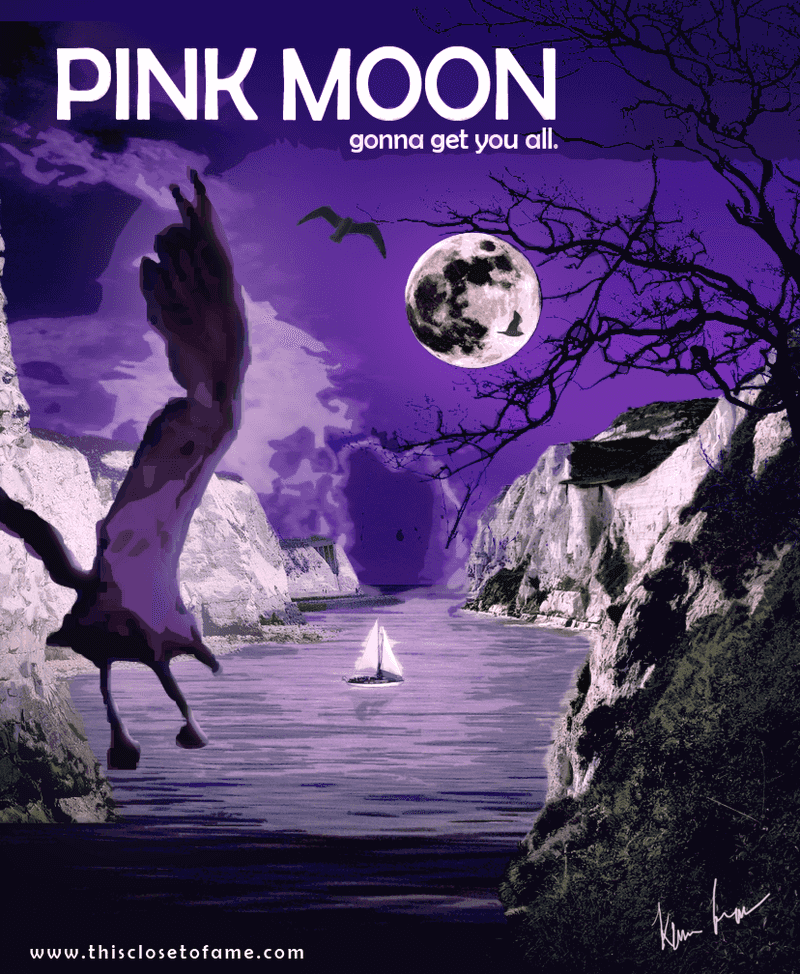
Nick Drake recorded Pink Moon in just two nights in October 1971. The album featured only his voice and acoustic guitar, with a brief piano moment on the title track.
It was spare, haunting, and achingly beautiful, but almost no one heard it when it came out.
Drake sold only a few thousand copies during his lifetime. He died in 1974 at just 26 years old, never knowing the impact his music would eventually have.
For years, his entire catalog remained a whispered secret among devoted music fans.
A 1999 Volkswagen commercial used “Pink Moon” and introduced Drake to an enormous new audience overnight. Suddenly, record stores could not keep his albums in stock.
Pink Moon has since been ranked among the greatest folk and rock albums ever recorded, a quiet masterpiece that the world took far too long to appreciate.
8. #1 Record – Big Star
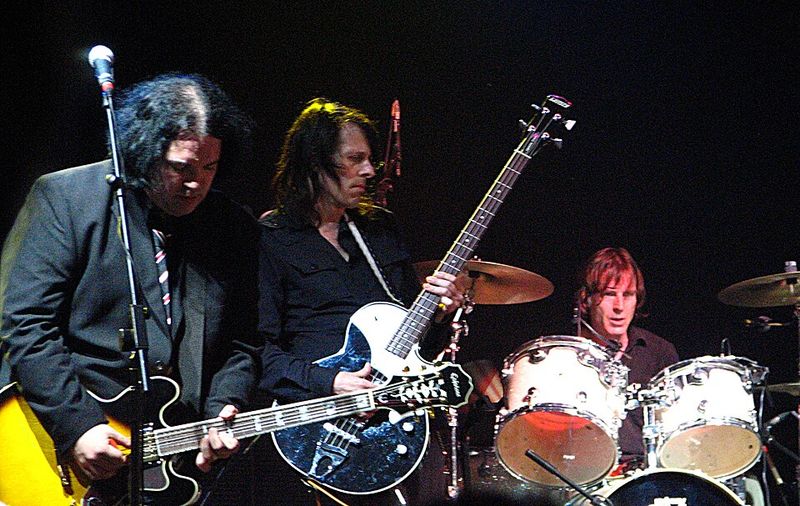
Big Star had everything going for them in 1972: sharp songwriting, tight harmonies, and a sound that bridged the Beatles and classic American rock with remarkable ease. Their debut, often called Number One Record, should have made them stars.
Instead, it barely reached anyone.
The problem was distribution. Their label, Ardent, had a deal with Stax Records, which was set up to move soul music, not guitar-driven pop.
Copies of the album simply never made it to most record stores across the country.
Critics who did hear it were floored. Rolling Stone gave it glowing reviews, but great press meant nothing without physical availability.
Bands like R.E.M., the Replacements, and Teenage Fanclub later named Big Star as a primary influence. Number One Record is now recognized as one of the defining power pop albums of the 1970s, a near-perfect debut that almost nobody got to hear at the time.
9. Marquee Moon – Television
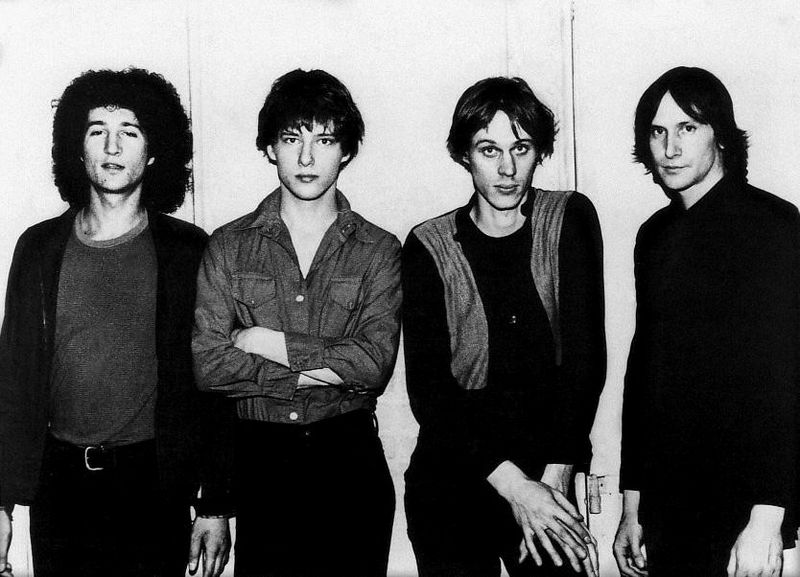
Television emerged from the same New York underground scene that produced Patti Smith and the Ramones, but their sound was unlike anything else happening in 1977. Marquee Moon featured long, interlocking guitar lines that owed more to jazz and literature than to three-chord punk.
Sales were modest at best. The album performed somewhat better in the United Kingdom than in the United States, but it never broke through to mainstream audiences anywhere.
Television broke up the following year, leaving behind just two studio albums.
Over time, Marquee Moon became a touchstone for anyone interested in the possibilities of rock guitar. Its title track runs nearly eleven minutes and never loses momentum for a single second.
Music publications routinely place it among the greatest debut albums ever recorded. Tom Verlaine’s distinctive guitar work on this record influenced post-punk, indie rock, and alternative music for decades to come.
10. The Modern Lovers – The Modern Lovers

Jonathan Richman and his band recorded most of this album in 1972, but it sat unreleased for years while labels argued over what to do with it. When it finally came out in 1976, it arrived out of time and out of step with what was selling, and most listeners paid it no attention.
The music itself was something special. Richman sang about suburban life, driving around at night, and the strange beauty of ordinary things.
Songs like “Roadrunner” had a rambling, joyful energy that felt both childlike and deeply knowing.
Punk musicians in Britain and America quickly adopted the album as a kind of secret handshake. The Sex Pistols covered “Roadrunner” in early rehearsals.
Over time, The Modern Lovers became recognized as a cornerstone of alternative rock, a record that proved you could strip everything down to pure feeling and still make something that lasts.
11. Murmur – R.E.M.
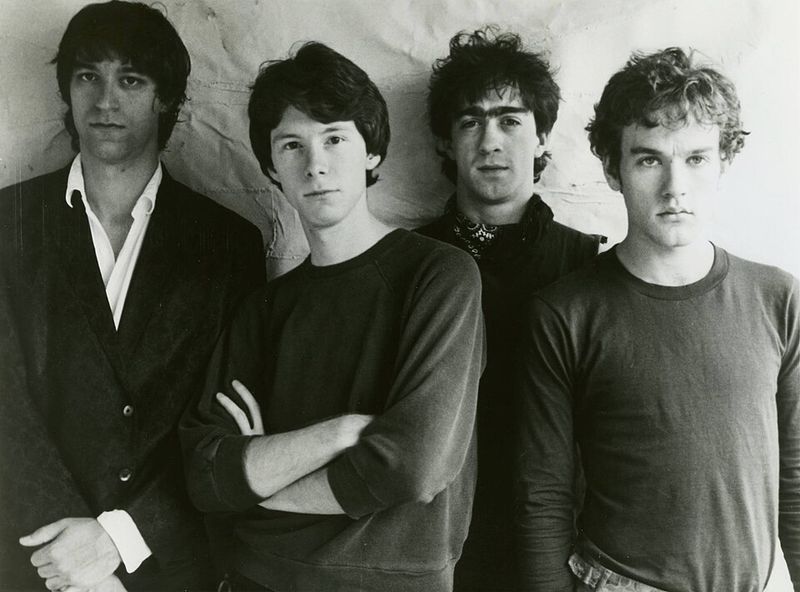
When R.E.M. released Murmur in 1983, they were a scrappy band from Athens, Georgia with a small but passionate following. The album received strong critical notices, including being named album of the year by Rolling Stone over Michael Jackson’s Thriller, but it was not an immediate commercial hit.
Michael Stipe’s mumbled vocals and the band’s jangly, layered guitar sound felt fresh and strange to ears accustomed to polished arena rock. Radio was not sure where to place them, and mainstream audiences were slow to catch on.
Murmur became the quiet engine behind the entire college rock movement of the 1980s. Countless bands formed after hearing it, drawn to its proof that American rock could be introspective and atmospheric without losing its punch.
Today it is considered one of the greatest debut albums in rock history and a foundational document of independent music.
12. Paul’s Boutique – Beastie Boys
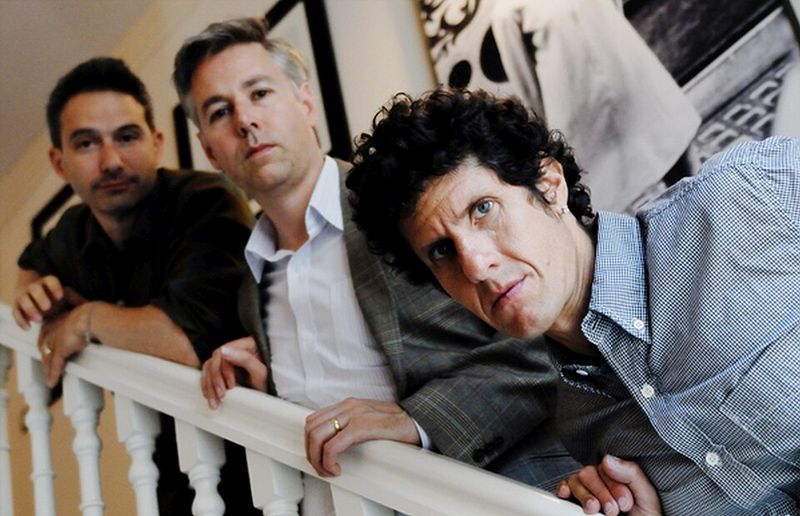
After the massive success of Licensed to Ill, almost everyone expected the Beastie Boys to deliver more of the same party-rap formula. Paul’s Boutique arrived in 1989 and delivered something completely different: a densely layered collage of samples, references, and sonic experiments that left most fans baffled.
Sales were considered a major disappointment by Capitol Records. Critics were mixed, and radio had no idea how to handle it.
At the time, it looked like career-ending misstep for a group that had been on top of the world just two years earlier.
Music historians later recognized Paul’s Boutique as one of the most technically ambitious albums ever made. The Dust Brothers’ production work created a template for sample-based music that producers still study today.
Rolling Stone eventually ranked it among the greatest albums of all time, a complete reversal from its confused commercial reception in 1989.
13. Spiderland – Slint
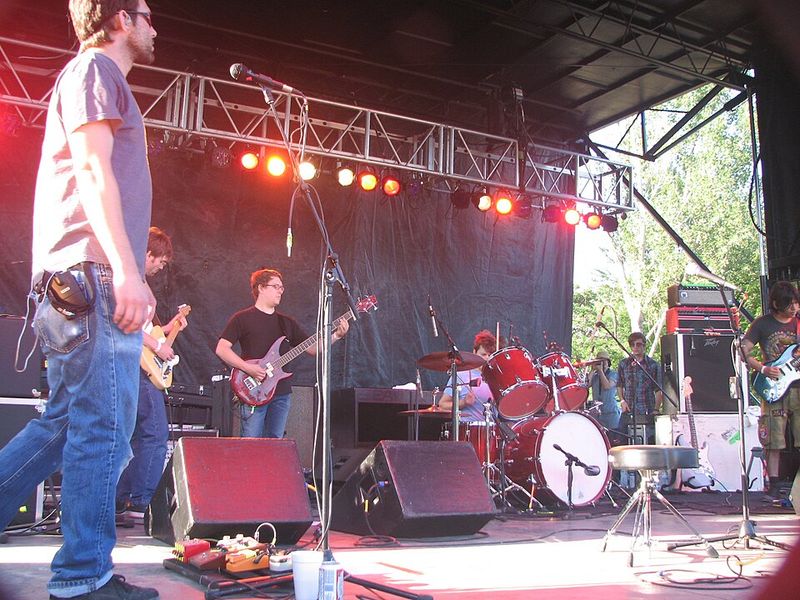
Slint recorded Spiderland in Louisville, Kentucky in 1990 and released it the following year to almost complete silence. The band broke up before the album even came out, which meant there was no touring and almost no promotion.
A few hundred people heard it. That was enough to change music forever.
The record built songs from tension and release, using quiet passages and sudden loud moments in ways that felt genuinely unsettling. Vocalist Brian McMahan spoke and whispered more than he sang, and the effect was deeply cinematic.
Post-rock, math rock, and emo all point directly to Spiderland as a primary source. Bands like Mogwai, Godspeed You Black Emperor, and American Football have openly credited it as essential.
Pitchfork later gave it a perfect 10 in a retrospective review, calling it one of the most influential records of the decade. Few albums have done so much with so little fanfare.
14. In the Aeroplane Over the Sea – Neutral Milk Hotel
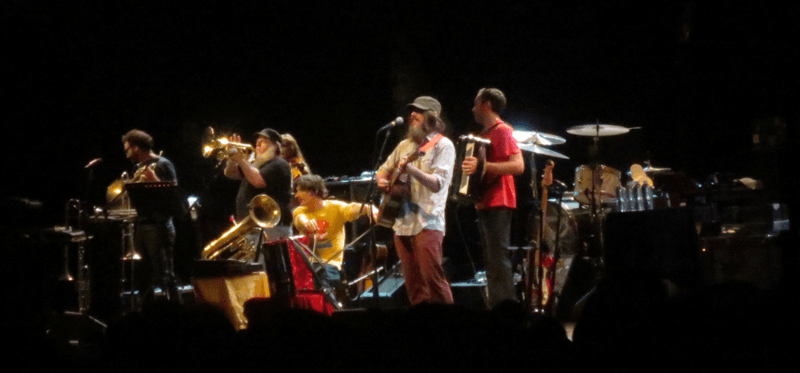
Jeff Mangum and his band Neutral Milk Hotel released this album in February 1998 on the small Merge Records label. Initial sales were modest, and the band toured briefly before Mangum retreated from public life almost entirely.
For years, the album existed mostly as a treasured secret.
The music itself was unlike anything in the indie rock world at the time. Mangum sang with raw, cracking emotion about love, death, and Anne Frank, backed by horns, singing saws, and distorted guitars.
It was strange, overwhelming, and completely sincere.
Online music communities in the early 2000s spread the album from listener to listener like a chain letter. By the mid-2000s, it had become one of the most beloved cult records in rock history.
Merge Records has sold hundreds of thousands of copies since its quiet debut, and Mangum eventually returned to touring in 2012 to sold-out crowds who knew every word.
Share this story