Every music fan knows the feeling of waiting for a new album from a favorite band, only to press play and feel completely let down. Some albums are so far from what fans expected that they quietly disappeared from playlists and conversations almost immediately.
These records were made by legendary artists, which made the disappointment even harder to swallow. From bizarre experiments to ill-advised style changes, here are 15 albums that even dedicated fans rarely bring up anymore.
1. Metal Machine Music by Lou Reed
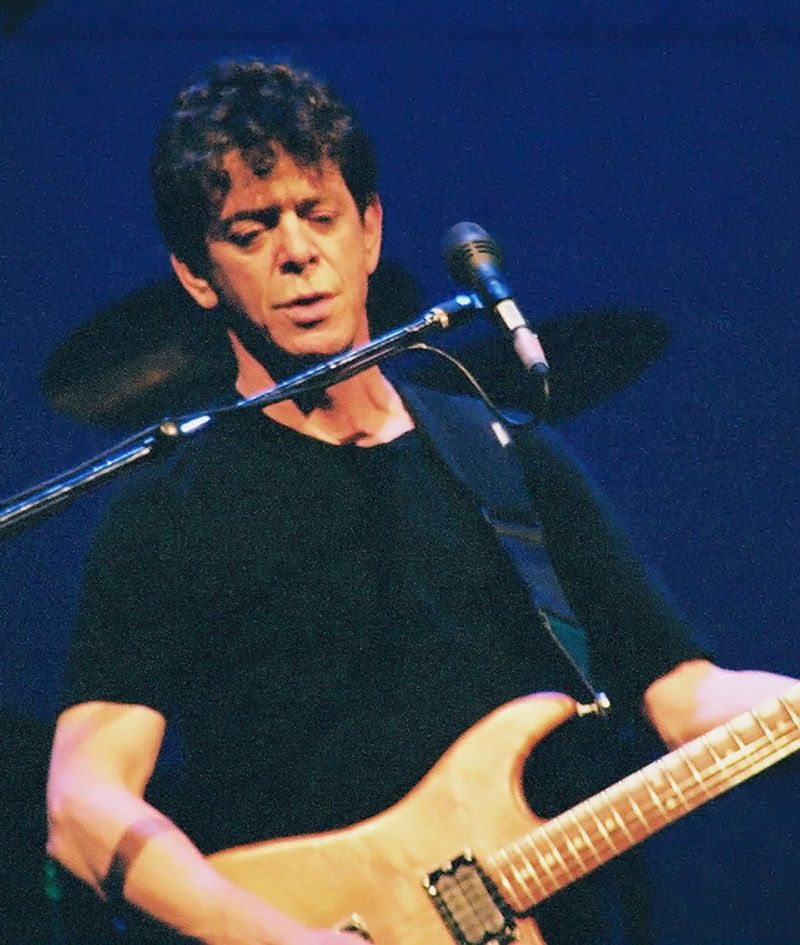
Back in 1975, Lou Reed did something that genuinely baffled the music world. He released a double album of pure, unrelenting noise with zero traditional songs, melodies, or lyrics.
No verses, no chorus, nothing familiar at all.
Metal Machine Music was four full sides of feedback, distortion, and electronic drone. RCA Records reportedly had no idea what to do with it, and most stores returned their copies almost immediately.
Critics called it unlistenable, and even devoted Reed fans were left scratching their heads.
Reed himself gave conflicting explanations over the years, sometimes calling it serious art, other times hinting it was a way to escape his record contract. Whatever the intention, the album became a legendary curiosity.
Only the most committed fans acknowledge it exists, and fewer still claim to have listened all the way through.
2. Cut the Crap by The Clash
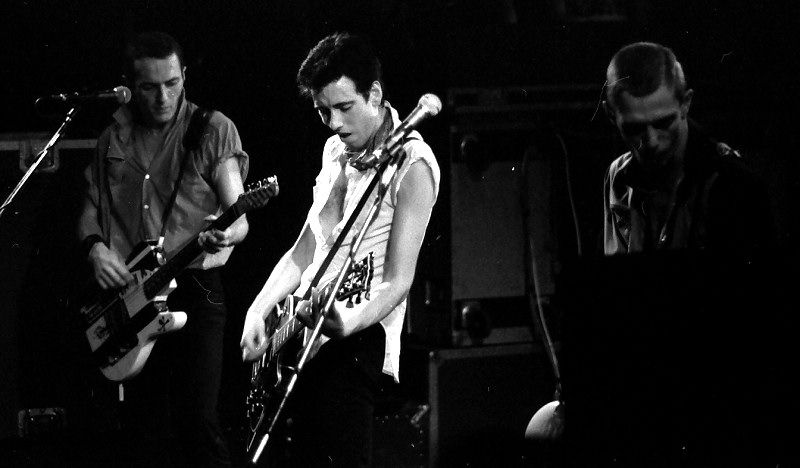
By 1985, The Clash had already lost two of their most important members. Mick Jones was gone, and Topper Headon had long since departed.
What remained was a shell of the band that had once released London Calling and Sandinista.
Cut the Crap arrived sounding hollow and overproduced, leaning heavily on drum machines and synthetic textures that clashed badly with the raw energy the band was known for. Joe Strummer himself later admitted the album was a disaster and even tried to have it removed from the official Clash discography.
Critics were not kind, and casual listeners mostly ignored it entirely. Hardcore fans remember it mainly as a cautionary tale about what happens when creative chemistry falls apart.
The title turned out to be unintentionally ironic, because the album delivered exactly the opposite of what it promised.
3. Trans by Neil Young
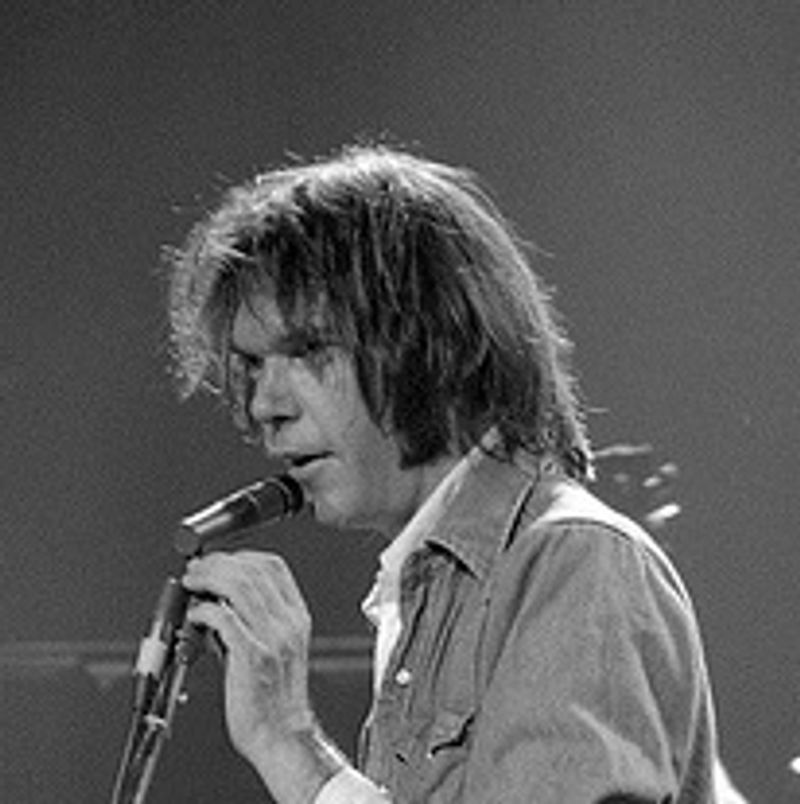
Neil Young surprised absolutely everyone with Trans in 1982. Known for acoustic folk rock and raw guitar work, he suddenly showed up with synthesizers, vocoder-processed vocals, and a sound closer to Kraftwerk than Harvest Moon.
The album was partially inspired by Young’s personal experiences communicating with his son Ben, who has cerebral palsy. Young used the vocoder as a metaphor for the difficulty of communication, which made the artistic choice deeply meaningful on a personal level.
However, most listeners and critics had no idea what to make of it.
Geffen Records was reportedly furious and later sued Young for making albums that were deliberately uncommercial. Trans has since gained a small but loyal following who appreciate its emotional depth and experimental spirit.
Still, most Neil Young fans quietly skip past it when browsing his catalog.
4. Music from The Elder by Kiss
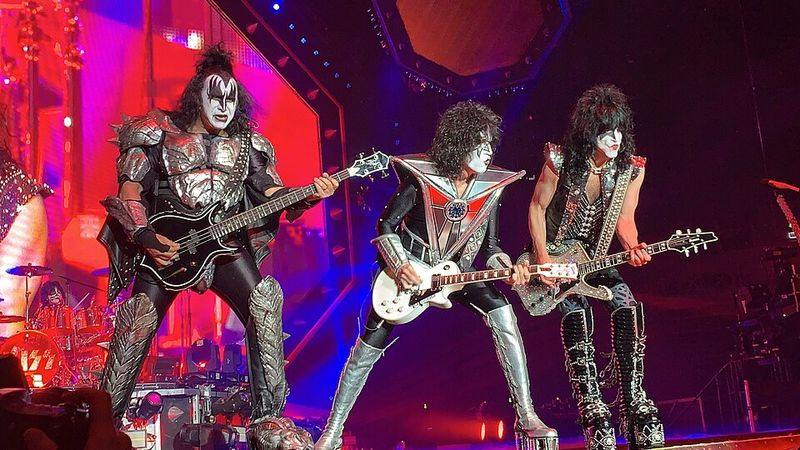
Kiss built their entire brand on face paint, pyrotechnics, and hard rock anthems that packed arenas. So when they released a concept album featuring orchestral arrangements and fantasy storytelling in 1981, fans had every right to be confused.
Music from The Elder was meant to be the soundtrack to a film that never actually got made. The album featured contributions from Lou Reed and was produced with genuine artistic ambition.
Unfortunately, ambition alone could not save it from commercial freefall.
It became the worst-selling Kiss album up to that point, and drummer Peter Criss and guitarist Ace Frehley both departed during or shortly after its troubled production. The band quickly pivoted back to their classic hard rock sound with Creatures of the Night.
Today, The Elder is mostly remembered as the moment Kiss nearly lost everything by trying too hard to be taken seriously.
5. Van Halen III
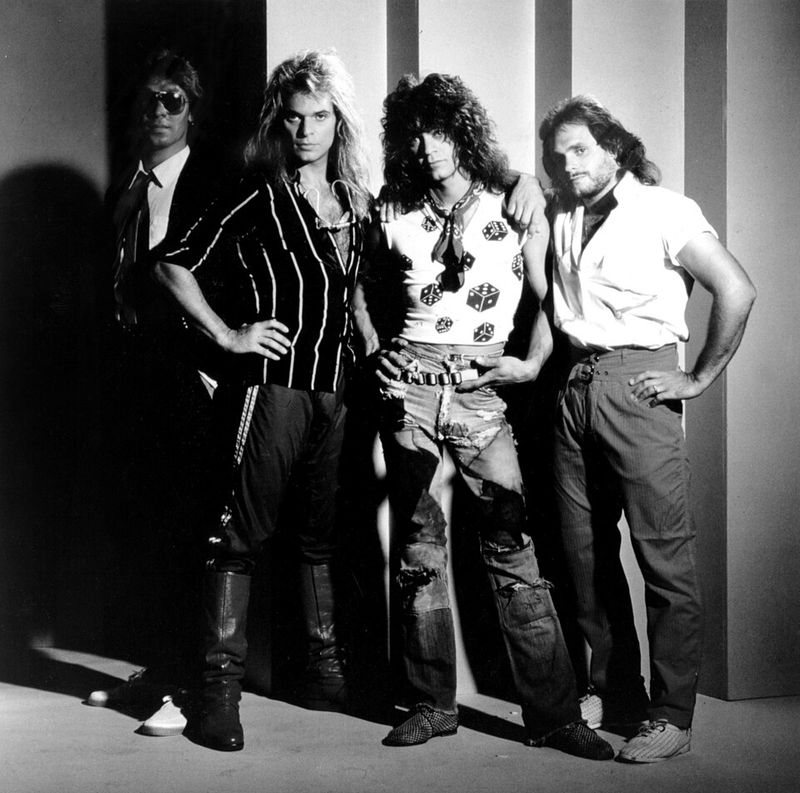
Replacing David Lee Roth was already an enormous challenge, but Sammy Hagar managed to keep Van Halen commercially successful for over a decade. Then came 1998 and the arrival of Gary Cherone as lead vocalist, and things went sideways fast.
Van Halen III is widely considered one of the biggest missteps in classic rock history. Cherone, best known as the frontman of Extreme, simply did not connect with Van Halen’s audience.
The songs felt forced, the chemistry seemed off, and the album sold far below expectations for a band of their stature.
Cherone departed after just one album and one tour, and the band eventually reunited with Roth. Eddie Van Halen rarely spoke positively about this period in interviews.
Most fans treat Van Halen III as a strange footnote rather than a real chapter in the band’s story, and greatest hits compilations quietly confirm that view.
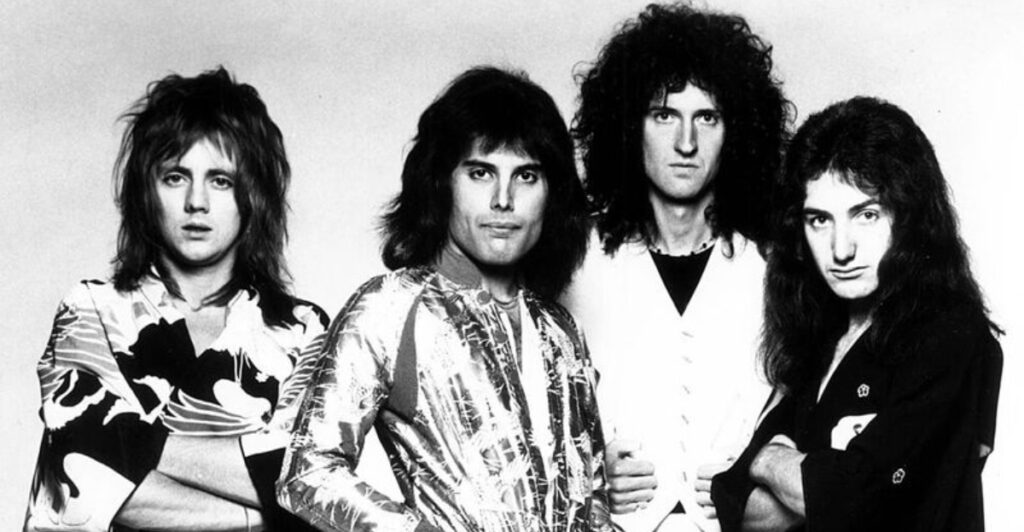
6. Hot Space by Queen
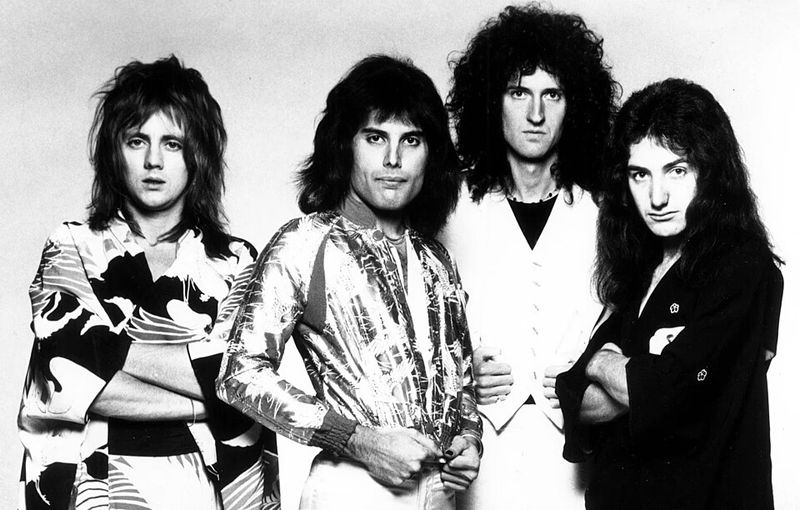
Queen had one of the most loyal fan bases in rock history, which made Hot Space in 1982 feel like a genuine betrayal to many listeners. The album leaned hard into funk and disco at a time when rock audiences were actively rejecting both genres.
Freddie Mercury loved dancing and had been heavily influenced by the club scene in Munich, where the band recorded much of the album. The result was something that felt out of place in Queen’s catalog, featuring tracks built more around groove than guitar riffs.
Brian May has openly admitted in interviews that he was not happy with the direction.
Interestingly, the album did produce Under Pressure, the iconic collaboration with David Bowie. That single became a massive hit, which created a strange situation where the best-known song on a disappointing album actually became one of Queen’s most beloved recordings ever.
7. St. Anger by Metallica

Few albums in rock history have sparked as much ongoing debate as St. Anger. When Metallica released it in 2003, fans had been waiting four years since Load and Reload, two albums that had already tested their patience.
What they got was something even more polarizing.
The production choices were deliberately raw and unpolished, which some listeners appreciated as a return to aggression. However, the snare drum sound became instantly infamous, described by many as hitting a trash can lid repeatedly throughout every single track.
There are also no guitar solos anywhere on the album, which stunned longtime fans.
St. Anger debuted at number one in multiple countries, proving the fan base was still enormous. Yet over time, it consistently ranks near the bottom of Metallica discography polls.
The Some Kind of Monster documentary, filmed during its creation, revealed just how fractured the band had become during those sessions.
8. Under Wraps by Jethro Tull

Jethro Tull built their reputation on complex folk-influenced progressive rock, with Ian Anderson’s flute playing as the defining instrument. When Under Wraps arrived in 1984, the flute had been largely replaced by synthesizers and electronic drum machines, leaving longtime fans feeling genuinely lost.
The album was a clear attempt to modernize the band’s sound during a period when synth-pop dominated the charts. Unfortunately, the result felt generic and disconnected from everything that made Jethro Tull special.
The electronic textures sounded dated almost immediately, and the songwriting lacked the quirky depth fans had come to expect.
Anderson later acknowledged that the album represented a period when the band was struggling creatively and commercially. Jethro Tull recovered somewhat with subsequent releases, but Under Wraps remains one of the least-discussed entries in their long catalog.
Even dedicated fans rarely recommend it as a starting point or a hidden gem worth revisiting.
9. It’s Hard by The Who
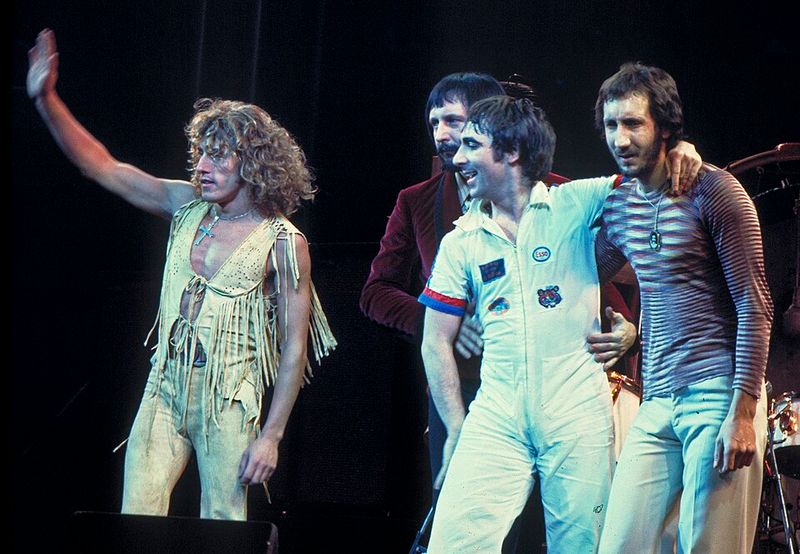
The Who released It’s Hard in 1982 as what many assumed would be a farewell album, and in some ways the timing made the disappointment feel even sharper. The band had already lost Keith Moon in 1978, and his irreplaceable drumming had defined so much of their classic sound.
Without Moon’s manic energy, the album felt noticeably subdued compared to Who’s Next or Quadrophenia. The songs were competent but rarely exciting, and the production had that polished 1980s sheen that aged poorly over the decades.
It was the last studio album to feature bassist John Entwistle before his death in 2002.
Commercially, it performed modestly, but it never entered the conversation when people discuss the greatest Who albums. The accompanying farewell tour drew massive crowds, suggesting the audience still cared deeply about the band, even if the new material did not fully match their legendary catalog.
10. Down on the Upside by Soundgarden
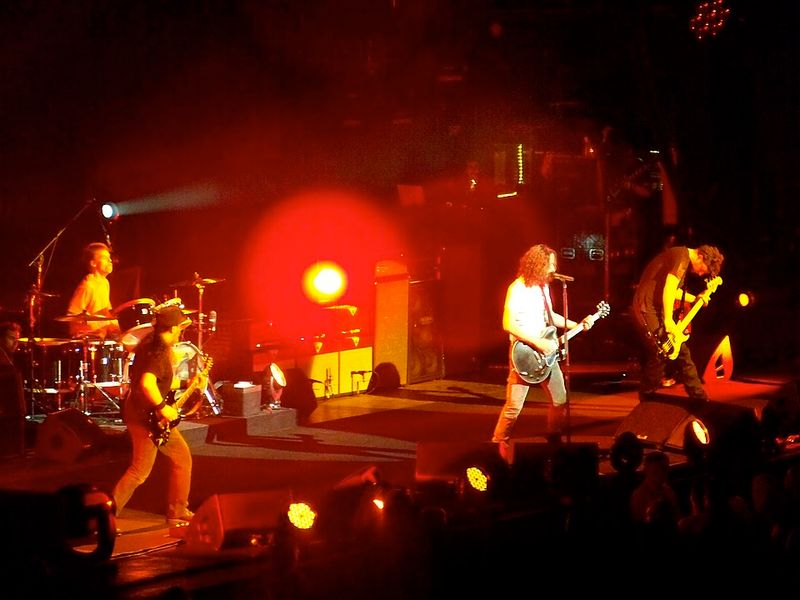
Following Superunknown was always going to be an almost impossible task. That 1994 album was a critical and commercial masterpiece that defined a generation of heavy alternative rock.
Down on the Upside arrived in 1996 carrying enormous expectations and a noticeably different energy.
The album is actually quite good by most objective measures, featuring strong songwriting and powerful performances throughout. However, compared to its predecessor, it felt quieter and less urgent.
The sprawling 16-track length worked against it, and some songs felt like they could have been trimmed without losing anything essential.
Soundgarden broke up just months after the album’s release, which meant it never got the promotional support or touring cycle that might have helped it find a larger audience. Casual grunge fans tend to skip straight from Superunknown to the band’s reunion era.
Hardcore followers appreciate Down on the Upside for its subtler charms, but it rarely gets the recognition it probably deserves.
11. One More Light by Linkin Park

Linkin Park had already experimented with softer sounds on Living Things and The Hunting Party, but nothing prepared fans for One More Light in 2017. The album was a full embrace of polished pop production, featuring collaborations with pop artists and almost no trace of the heavy nu-metal sound that had made the band famous.
Fan reaction online was fierce and largely negative. Many longtime listeners felt the band had abandoned everything that made them special.
Critics were divided, with some appreciating the artistic bravery and others finding the result shallow and trend-chasing.
Then Chester Bennington passed away in July 2017, just months after the album’s release. The album took on an entirely different emotional weight overnight, with tracks like Talking to Myself and the title song suddenly resonating in profound and heartbreaking ways.
One More Light is now remembered as much for its tragic context as for its actual musical content.
12. Generation Swine by Motley Crue
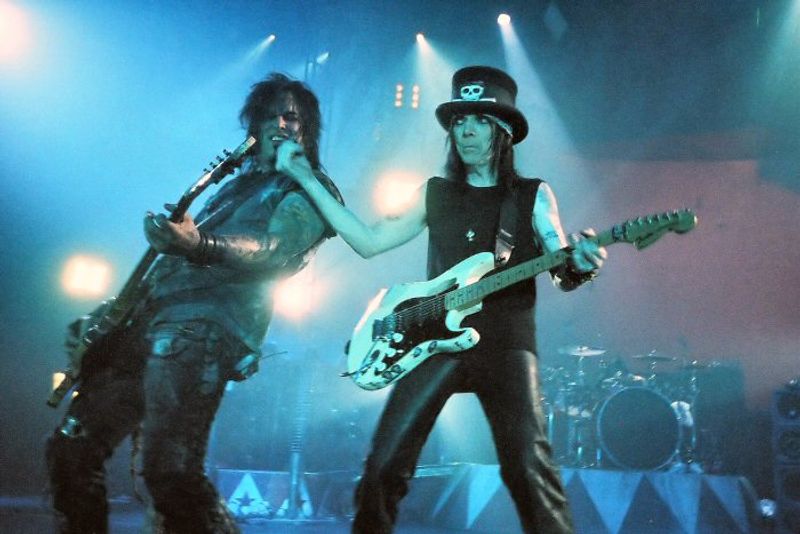
Motley Crue spent the 1980s defining the sound and look of glam metal. By 1997, that entire genre had been buried by grunge, and the band was clearly searching for a new identity on Generation Swine.
The result was an awkward blend of industrial rock and alternative influences that pleased almost no one.
The album was also notable for being the reunion record with Vince Neil after his split from the band, which should have been a cause for celebration. Instead, the new musical direction overshadowed the lineup news entirely.
Songs felt like pale imitations of Nine Inch Nails and other industrial acts rather than genuine creative evolution.
Sales were disappointing, and the album quickly faded from public conversation. Motley Crue retrospectives and greatest hits packages rarely include anything from this era.
Fans who followed the band through their peak years tend to treat Generation Swine as an unfortunate detour best left unexamined.
13. Risk by Megadeth
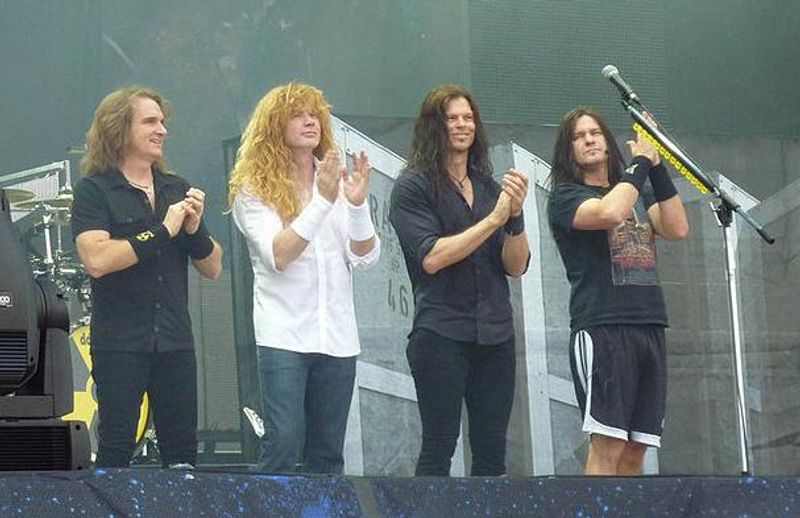
Megadeth had built their entire legacy on aggressive, technically demanding thrash metal. Dave Mustaine’s guitar work and sharp political lyrics had earned the band a fiercely loyal following through albums like Rust in Peace and Countdown to Extinction.
Then Risk arrived in 1999 and turned everything upside down.
The album was a deliberate commercial experiment, featuring polished production, lighter guitar tones, and a radio-friendly sound that had almost nothing in common with the band’s classic material. Mustaine later admitted he had been advised to aim for mainstream success and took that advice further than he should have.
Fan backlash was swift and lasting. Risk became one of the most criticized albums in Megadeth’s catalog almost immediately upon release.
The band followed it with The World Needs a Hero, which moved back toward heavier territory, and later records like The System Has Failed fully reclaimed their thrash identity. Risk remains a fascinating and cautionary chapter in their story.
14. Rattle and Hum by U2

After The Joshua Tree made U2 the biggest band on the planet, Rattle and Hum in 1988 arrived as a sprawling double album and companion film meant to document their love affair with American roots music. The ambition was undeniable, but the execution left many critics and even some fans feeling the band had overreached significantly.
The album mixed live recordings with new studio tracks, and the tone struck many observers as self-congratulatory. Rolling Stone and other major publications were unusually harsh, suggesting the band had started believing their own mythology a little too enthusiastically.
Bono’s earnest proclamations about blues, gospel, and American history came across as sincere but occasionally preachy.
Commercially, Rattle and Hum performed well, but its legacy has never matched the albums surrounding it. Achtung Baby, released just three years later, was so dramatically superior that it effectively rewrote the narrative.
Most U2 fans treat this period as a brief stumble before a magnificent creative reinvention.
Share this story