Every wildlife photographer has a bucket list, and most of them involve long flights, muddy boots, and an alarm set for 4 a.m. There is something almost obsessive about chasing the perfect frame in the wild, whether that means crouching in a hide for hours or bouncing across a dirt road in a jeep with a 600mm lens pointed at the horizon.
The good news is that our planet is packed with places where nature puts on a show so spectacular that even a mediocre photographer can come home with career-defining shots. From remote Arctic islands where polar bears outnumber people to tropical rainforests hiding creatures that most field guides barely mention, the destinations on this list represent the absolute pinnacle of wildlife photography locations.
Each one offers something genuinely different, and together they cover nearly every type of wild encounter a photographer could want. Get comfortable, because this list is about to seriously upgrade your travel plans.
1. Maasai Mara National Reserve, Narok County, Kenya
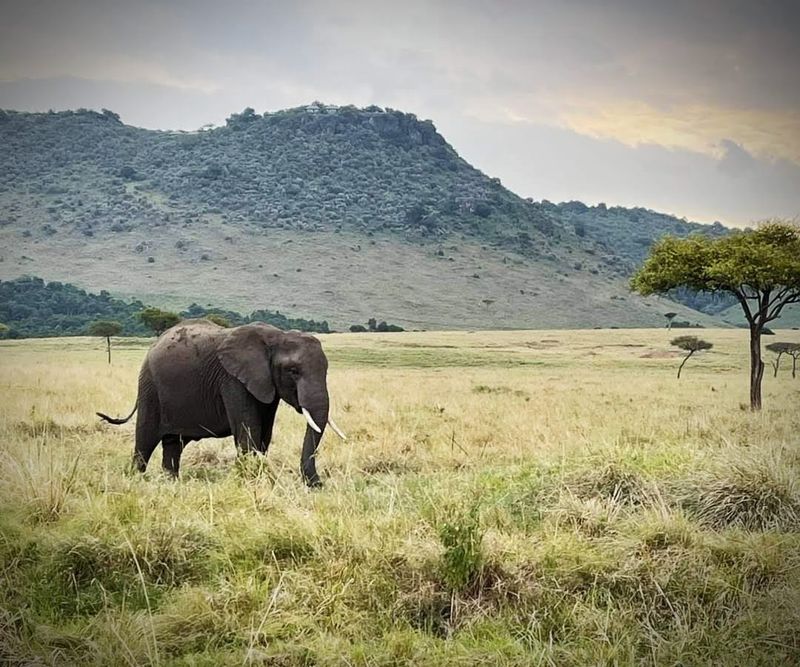
Africa’s most photographed savanna is not just a destination. It is a living, breathing spectacle that runs on its own schedule and answers to no one.
The Maasai Mara covers roughly 1,500 square kilometers of open grassland in southwestern Kenya, and it hosts one of the most remarkable wildlife events on the planet: the Great Migration.
Each year, around 1.5 million wildebeest pour across the Mara River from Tanzania, often in chaotic, dramatic crossings that photographers plan entire trips around.
Beyond migration season, the reserve maintains extraordinary resident populations of lions, cheetahs, leopards, elephants, and hippos year-round.
Private conservancies bordering the main reserve allow off-road driving, which gives photographers far more flexibility than the standard track system inside the park.
The open landscape means long, unobstructed sight lines, which is exactly what telephoto lenses were built for.
2. Pantanal, Mato Grosso and Mato Grosso do Sul, Brazil
Brazil tends to get all its wildlife attention redirected toward the Amazon, but photographers who know their geography head straight for the Pantanal.
At roughly 150,000 square kilometers, it is the world’s largest tropical wetland, and its open, flooded terrain gives photographers a visibility advantage that dense jungle simply cannot offer.
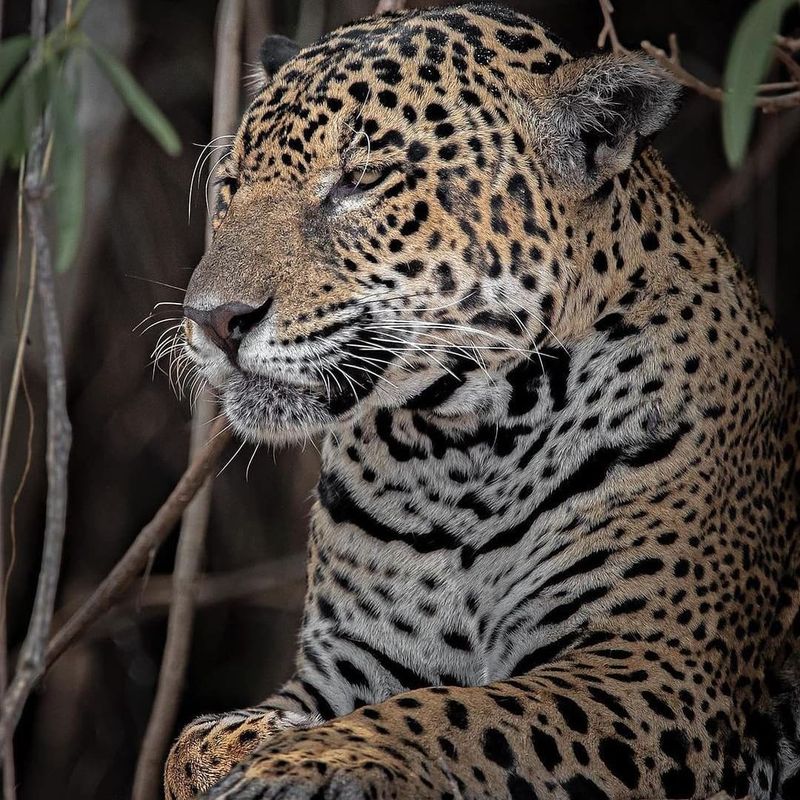
Jaguars are the headline act here, and the Cuiaba River corridor in particular has become one of the most reliable places on Earth to photograph them in the wild.
Giant river otters, capybaras, tapirs, giant anteaters, and hyacinth macaws fill out a supporting cast that would be the main attraction almost anywhere else.
The dry season, running roughly from July to October, concentrates wildlife around remaining water sources, making animal encounters even more frequent.
Boat-based photography along the river channels delivers compositions that land-based safaris simply cannot replicate.
3. Yellowstone National Park, Wyoming, Montana, and Idaho, USA
North America’s oldest national park has a resume that most wildlife destinations would envy.
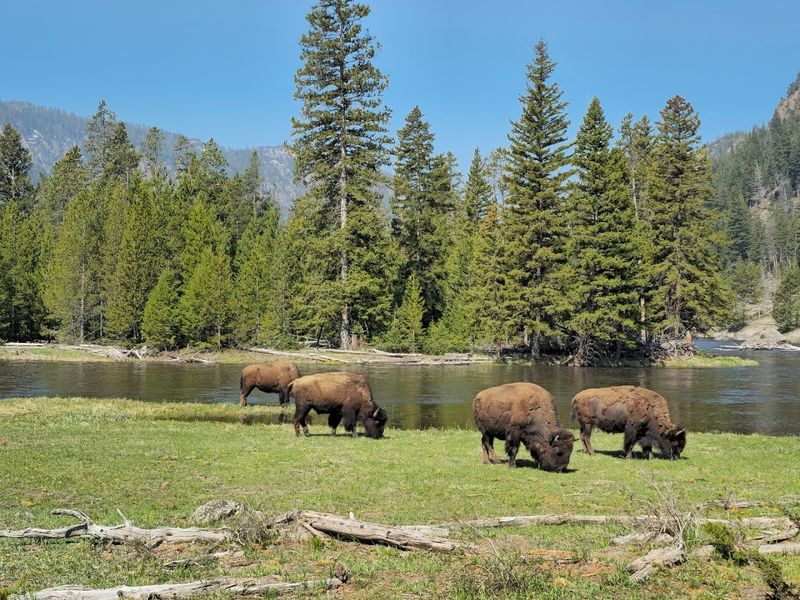
Yellowstone spans more than 8,900 square kilometers across three states and holds the highest concentration of mammals in the lower 48 states, including bison, grizzly bears, black bears, wolves, moose, and elk.
The wolf reintroduction program in 1995 transformed the park’s ecosystem and gave photographers one of the continent’s greatest long-lens subjects.
The Lamar Valley, often called “America’s Serengeti,” is the go-to corridor for wolf and bison photography, especially in winter when snow-covered ground creates stark, graphic compositions.
Geysers, hot springs, and volcanic terrain add a dramatic geological backdrop that no other wildlife park in the country can match.
Bison are so comfortable near roads that they occasionally create traffic jams, which locals have affectionately named “bison jams.”
4. South Georgia Island, British Overseas Territory
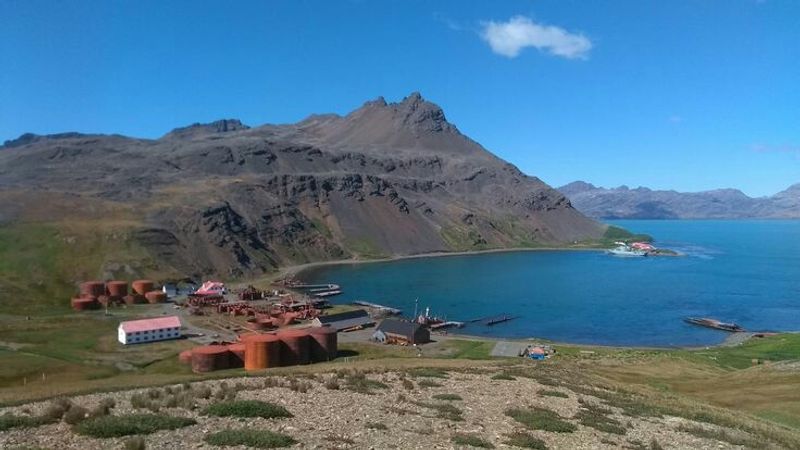
Getting to South Georgia Island requires serious commitment, typically a multi-day voyage across the Southern Ocean from the Falkland Islands, but the photographers who make the journey rarely describe it as anything but worth it.
The island hosts one of the most astonishing concentrations of wildlife on the planet, with king penguin colonies numbering in the hundreds of thousands at sites like St. Andrews Bay.
Elephant seals haul out on beaches in enormous numbers, and their dramatic battles during breeding season provide action sequences that rival anything on the African savanna.
Wandering albatrosses nest on the island’s slopes, and their sheer wingspan, reaching up to 3.5 meters, makes them one of the most photogenic birds alive.
Because so few tourists visit, the animals have almost no fear of humans, allowing photographers to approach at remarkably close distances without disturbing natural behavior.
5. Ranthambore National Park, Rajasthan, India
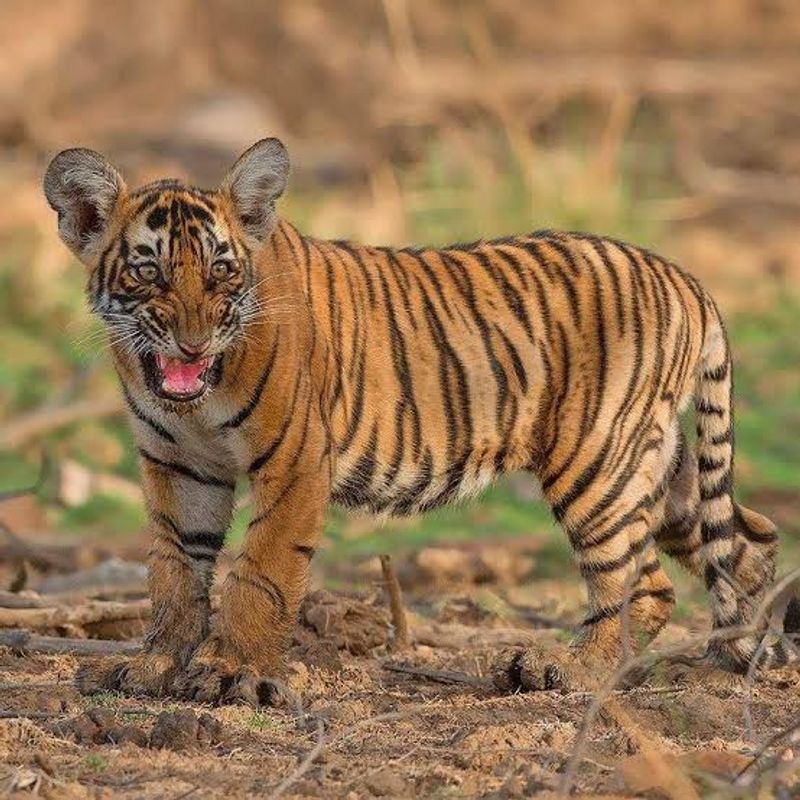
Photographing a wild Bengal tiger is the kind of goal that sends people to the far corners of Asia with a bag full of lenses and absolutely no regrets.
Ranthambore National Park in Rajasthan covers around 1,334 square kilometers and is consistently rated among the best tiger reserves in India for actual sightings.
What sets Ranthambore apart from other tiger parks is its landscape. The 10th-century Ranthambore Fort looms over the forest, and tigers have been photographed walking through its ruins, creating images that combine natural history with architectural drama in a way no other location can offer.
The park’s lakes, particularly Padam Talao, attract tigers during warmer months, giving photographers predictable locations and clear sight lines.
Sloth bears, leopards, crocodiles, and over 300 bird species round out a wildlife list that keeps cameras busy between tiger sightings.
6. Svalbard, Norway
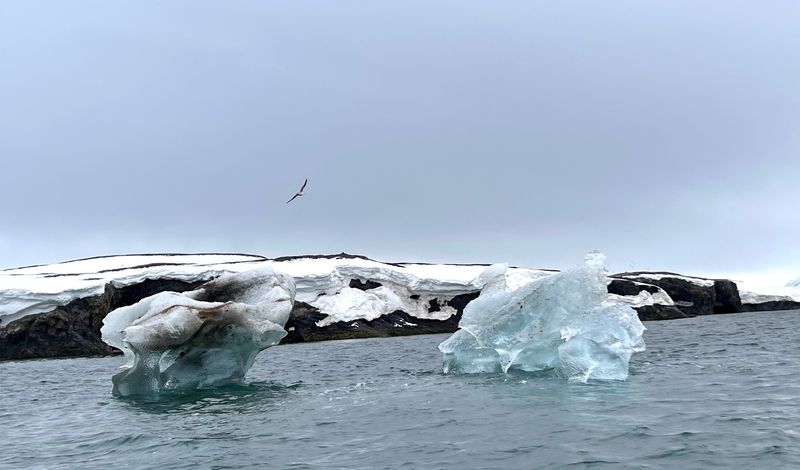
Svalbard sits about 1,300 kilometers from the North Pole, which should tell you something about the kind of photographer who ends up there.
The Norwegian archipelago is home to an estimated 3,000 polar bears, a population that actually outnumbers the human residents, making it one of the most reliable places on Earth to photograph these Arctic predators.
Summer visits offer a remarkable logistical advantage: the midnight sun provides up to four consecutive months of daylight, eliminating the usual race against fading light that plagues wildlife photographers elsewhere.
Walruses haul out in large groups on rocky shores, and Arctic foxes in their white winter coats are a frequent bonus sighting.
Expedition ships with zodiac boats allow photographers to approach wildlife along the coastline without disturbing animals on land.
7. Galápagos Islands, Ecuador
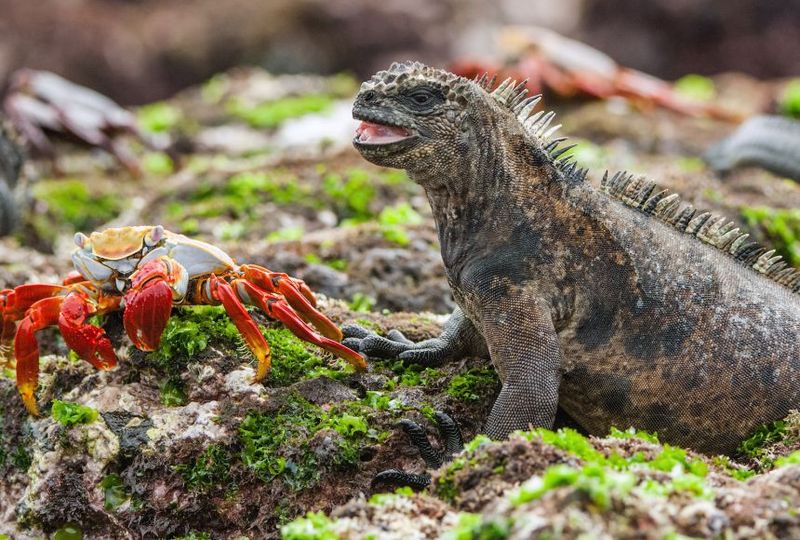
Charles Darwin visited the Galápagos in 1835 and came away with ideas that changed science forever. Wildlife photographers visit today and come away with memory cards they can barely bring themselves to edit.
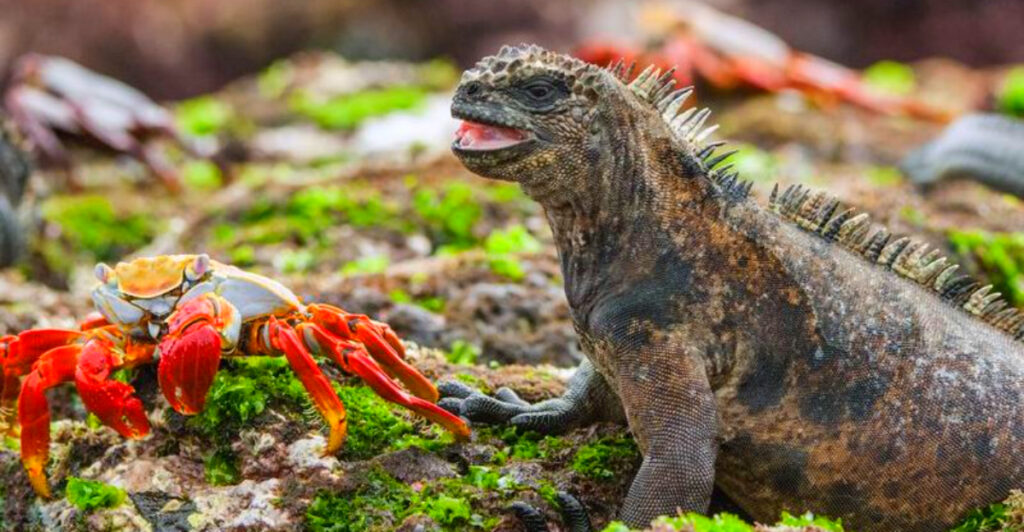
The archipelago, located about 1,000 kilometers off the coast of Ecuador, is home to species found nowhere else on Earth, including marine iguanas, Galápagos penguins, flightless cormorants, and giant tortoises that can live longer than 150 years.
The most extraordinary feature for photographers is animal fearlessness. Blue-footed boobies perform their courtship dances within arm’s reach, sea lions sleep across footpaths, and giant tortoises continue grazing with complete indifference to a camera lens a meter away.
The volcanic terrain, from black lava fields to turquoise coves, creates visually striking backdrops that vary dramatically between islands.
8. Churchill, Manitoba, Canada
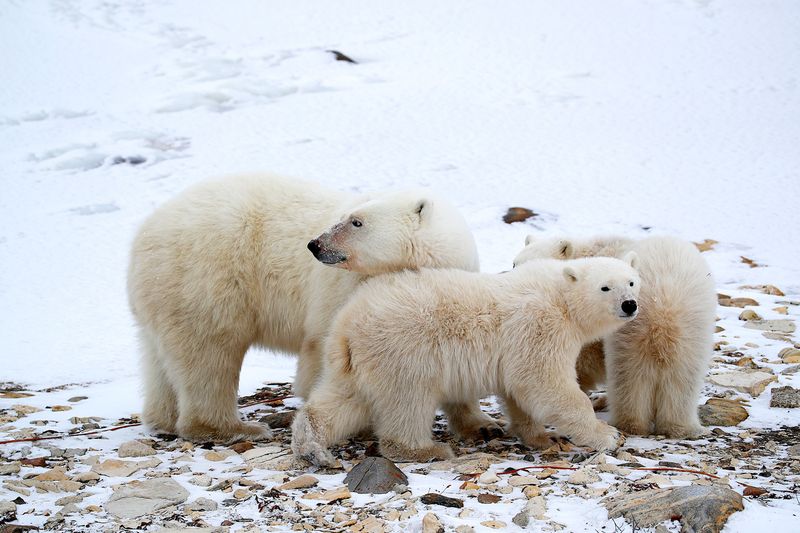
Churchill earns its nickname the hard way. Every autumn, polar bears gather along the shores of Hudson Bay in numbers that make the small town of roughly 900 people feel very aware of the local food chain.
The bears congregate from October through November, waiting for Hudson Bay to freeze so they can head out onto the ice to hunt seals.
Tundra Buggies, purpose-built vehicles that look like school buses had an adventure, carry photographers out to where the bears gather, allowing close observation from an elevated, safe platform.
Bear-to-bear interactions during this waiting period, including sparring, playing, and resting in groups, give photographers a level of behavioral variety that single-animal sightings rarely provide.
Summer brings a completely different spectacle: thousands of beluga whales arrive in the Churchill River to breed, turning the water white with their numbers.
9. Okavango Delta, North-West District, Botswana
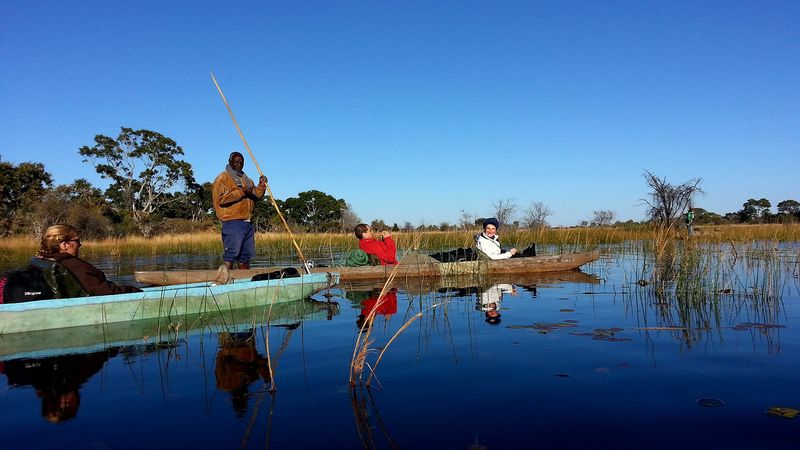
The Okavango Delta does something genuinely unusual for a wildlife destination: it floods inland, creating a vast seasonal wetland in the middle of the Kalahari Desert.
This UNESCO World Heritage Site covers up to 22,000 square kilometers during peak flooding and supports extraordinary concentrations of elephants, lions, leopards, hippos, and African wild dogs.
Water-based safaris by mokoro, a traditional dugout canoe, allow photographers to move quietly through reed channels at water level, producing angles and perspectives that standard vehicle-based safaris cannot achieve.
Botswana’s strict, low-volume tourism policy limits the number of visitors allowed into the delta, which keeps the environment pristine and animal behavior natural.
African wild dogs, one of the continent’s most endangered large predators, are sighted here with greater regularity than in almost any other reserve.
10. Denali National Park and Preserve, Alaska, USA
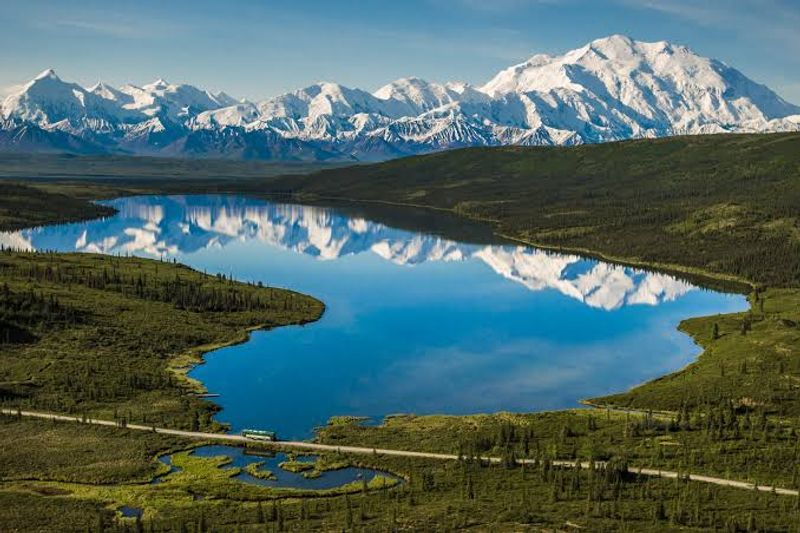
At 6,190 meters, Denali is the highest peak in North America, and it has a habit of making everything around it look appropriately dramatic.
The national park surrounding it covers more than 24,000 square kilometers of wilderness, with a single road running 148 kilometers into the interior, accessible only by park buses to limit disturbance to wildlife.
Grizzly bears roam the open tundra in large numbers, and their visibility against treeless terrain makes them far easier to photograph than forest-dwelling bears elsewhere.
Caribou herds cross the park in migration, moose wade through willow thickets, and Dall sheep navigate rocky ridgelines at elevations that require serious telephoto reach.
Wolves are present but require patience and a bit of luck, which is honestly part of the appeal.
11. Yala National Park, Southern Province, Sri Lanka
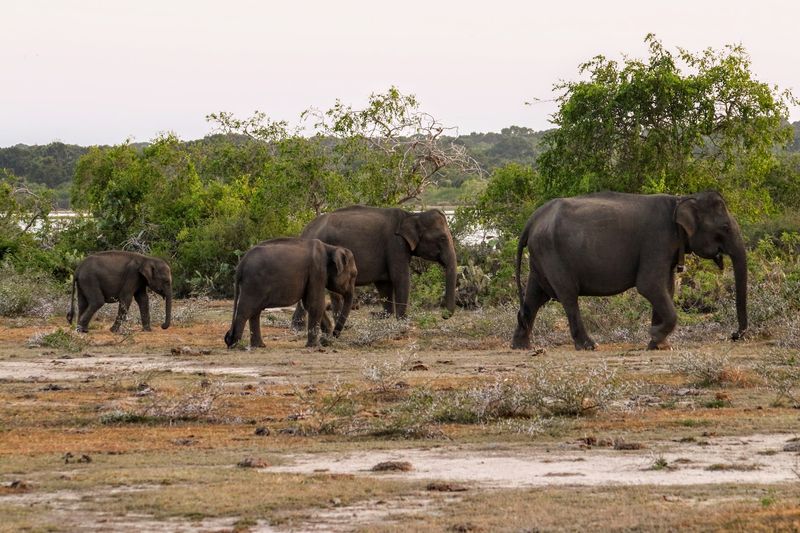
Yala holds a record that wildlife photographers find very hard to ignore: it has one of the highest densities of leopards of any protected area in the world.
Located in Sri Lanka’s southern province, the park covers around 979 square kilometers of mixed terrain including dry forest, grassland, lagoons, and a rocky coastline that gives it an unusually varied visual palette.
Sri Lankan leopards are a distinct subspecies, larger than some mainland populations, and their comfort around safari vehicles means sightings often last long enough for thorough photography sessions rather than frantic single-frame grabs.
Elephants move through the park in large herds, and crocodiles patrol lagoon edges with the kind of stillness that makes them surprisingly easy to miss until they are very close.
Over 215 bird species have been recorded here, including painted storks and lesser flamingos, which gather at lagoons in photogenic numbers.
12. Corcovado National Park, Osa Peninsula, Costa Rica
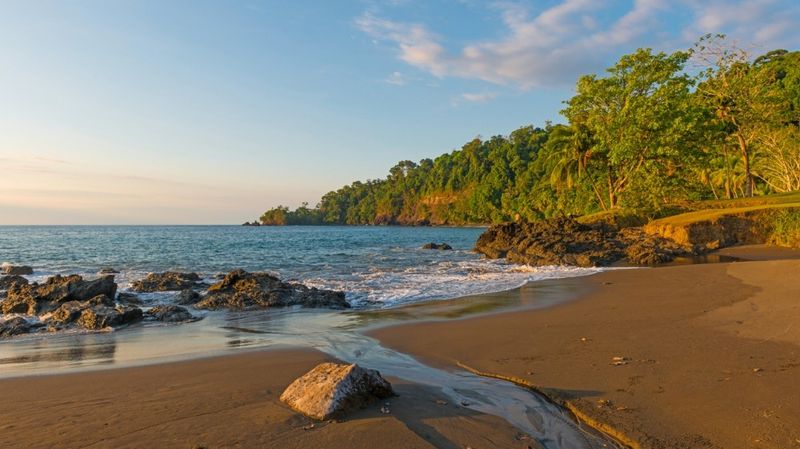
National Geographic once called Corcovado the most biologically intense place on Earth, which is a bold claim, but the park does its best to back it up on a daily basis.
Located on Costa Rica’s Osa Peninsula, the park protects around 424 square kilometers of primary rainforest and is home to all four of Costa Rica’s monkey species, Baird’s tapirs, pumas, jaguars, and giant anteaters.
Scarlet macaws are practically a welcoming committee here, flying overhead in pairs along the coastline with a reliability that makes wide-angle bird photography genuinely achievable.
The park has no roads, which means access is by foot, boat, or small aircraft. That barrier keeps visitor numbers low and keeps wildlife encounters feeling genuinely wild rather than staged.
Poison dart frogs, Jesus Christ lizards (named for their ability to run across water), and countless invertebrates provide macro photography subjects between larger mammal sightings.
13. Kluane National Park and Reserve, Yukon, Canada
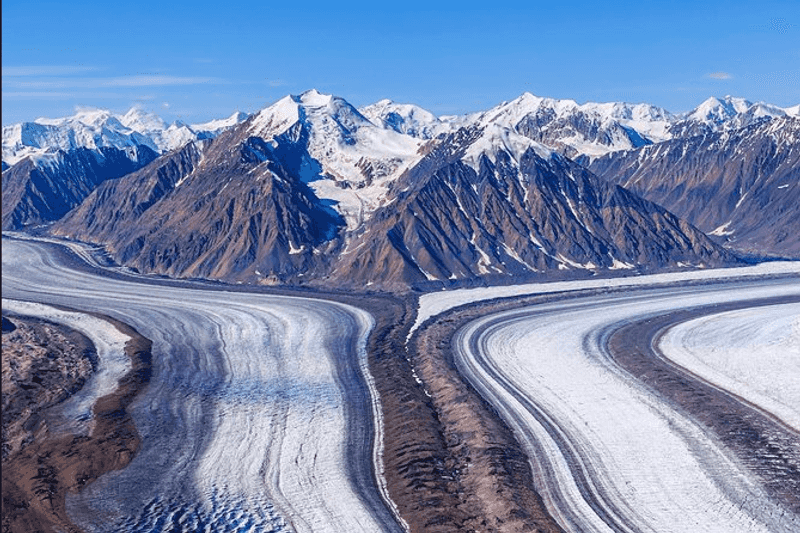
Most people cannot find Kluane on a map without help, and that is precisely the point.
Located in Canada’s Yukon territory near the Alaska border, Kluane protects the largest non-polar ice fields in the world, covering roughly 22,000 square kilometers of glaciers, alpine meadows, and boreal forest.
Dall sheep are a photographic specialty here, their bright white coats standing out sharply against grey rock faces and making them visible from remarkable distances across open mountain terrain.
Grizzly bears are frequently spotted in valley bottoms during summer, and golden eagles patrol the thermals above ridgelines with a wingspan that stops conversations mid-sentence.
Mountain goats navigate cliff faces that look completely impassable, which makes photographing them feel like a genuine achievement.
14. Valley of the Leopards, Land of the Leopard National Park, Primorsky Krai, Russia
With fewer than 100 individuals remaining in the wild, the Amur leopard holds the sobering title of the world’s rarest big cat, which makes photographing one an achievement that very few wildlife photographers can claim.
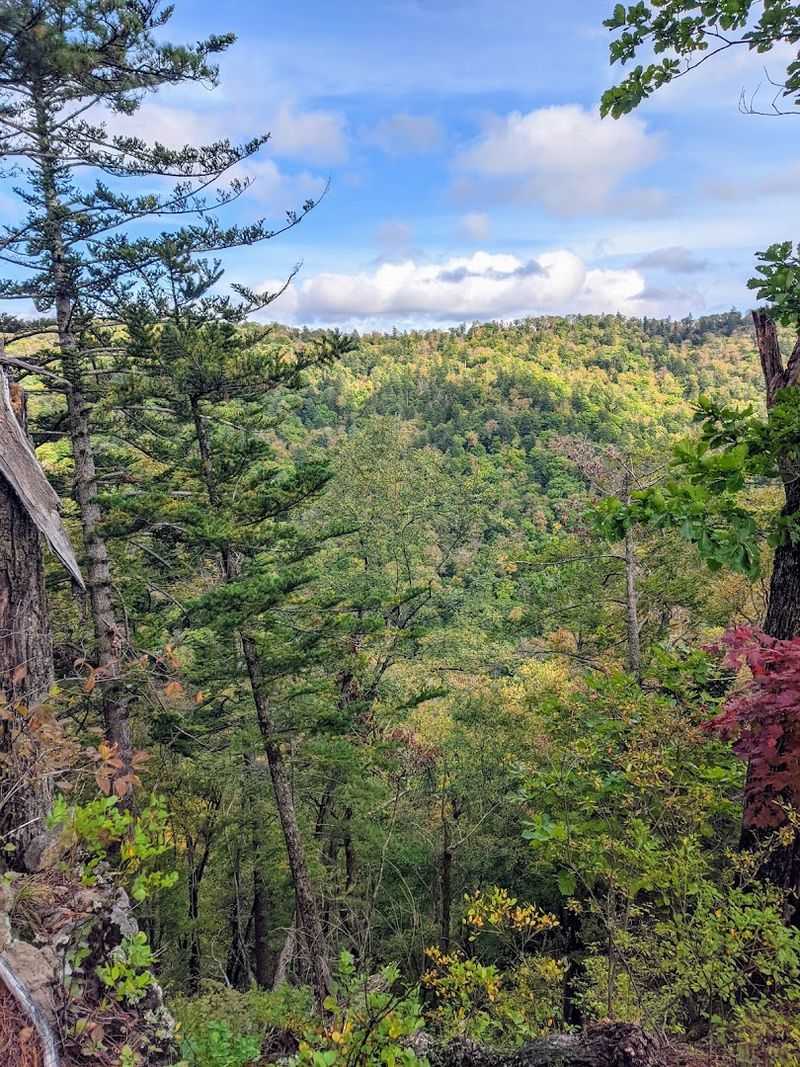
Land of the Leopard National Park in Russia’s Primorsky Krai was established in 2012 specifically to protect this critically endangered subspecies and its temperate forest habitat near the Chinese and North Korean borders.
Camera traps throughout the park have provided researchers and photographers with extraordinary images of Amur leopards moving through snowy terrain, but live sightings require extended stays and considerable patience.
The park also supports Amur tigers, making it one of the only places in the world where two distinct big cat species share the same landscape.
Winter is the primary photography season, as snow tracks reveal animal movement patterns and white ground cover creates high-contrast backdrops for dark-spotted cats.
Share this story