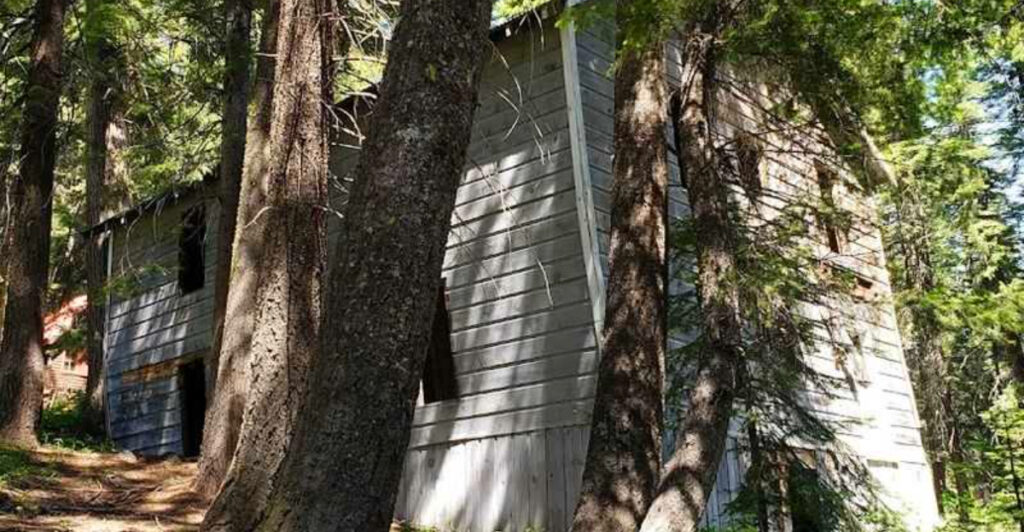
Oregon’s landscapes hide more than mountains, forests, and dramatic coastlines. Scattered across the state are ghost towns that once thrived on gold, timber, railroads, and frontier dreams.
Today, weathered buildings, abandoned streets, and fascinating local legends make these forgotten places irresistible stops for travelers seeking a glimpse into Oregon’s wild and restless past. Pack your curiosity and hit the road, because these ten ghost towns are waiting to tell their stories.
Shaniko — Wasco County, Oregon
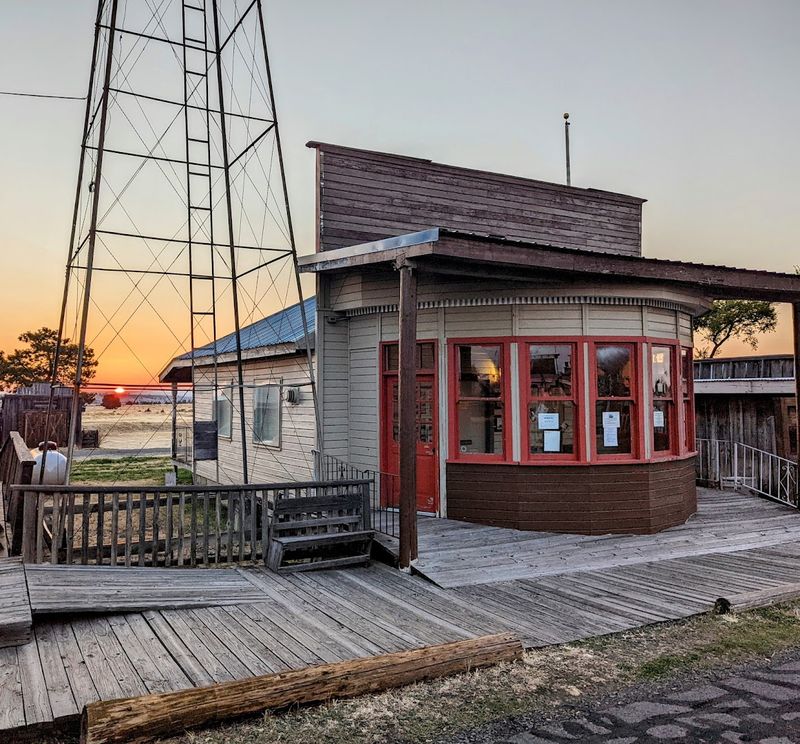
Back in the early 1900s, Shaniko was the wool-shipping capital of the world, handling more wool than almost any other town in the American West. Hard to believe, right?
When railroad routes shifted and business dried up, the town emptied out faster than a bathtub with no stopper.
Today, Shaniko is often called Oregon’s most famous ghost town, and it earns that title without breaking a sweat. Strolling down its main street feels like walking onto a movie set, except nothing here is fake.
The old hotel, weathered storefronts, and sturdy warehouses have survived over a century of harsh high-desert weather.
Photographers absolutely love this place. The wide-open skies, crumbling wooden facades, and eerie stillness create images that practically take themselves.
Shaniko sits along Highway 97, making it one of the easiest ghost towns to reach on an Oregon road trip. Stop here first to set the mood for everything that follows.
Golden — Josephine County, Oregon
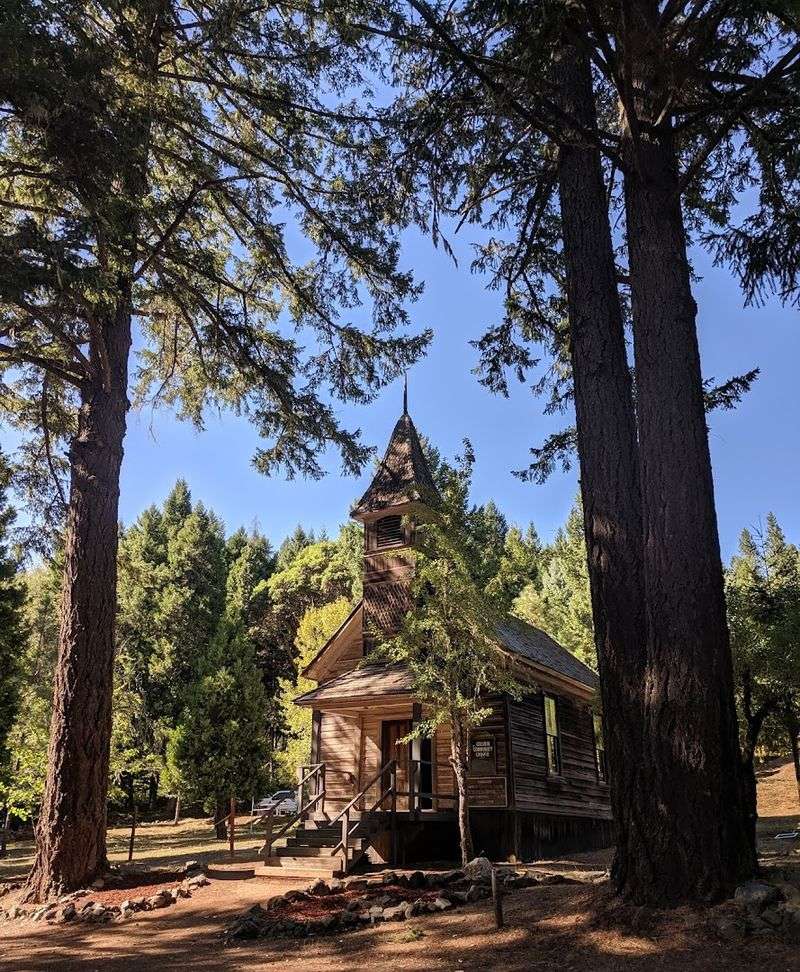
Tucked into the forested hills of southern Oregon, Golden feels less like a ghost town and more like a secret that history forgot to erase. The gold rush of the 1850s brought hopeful settlers here, and for a while, life in Golden was anything but quiet.
Then the gold ran out, and so did the people.
What makes Golden special is how much has actually survived. A restored church, schoolhouse, and community hall still stand in surprisingly good shape, giving visitors a rare look at small-town frontier life.
The surrounding mountains create a backdrop so beautiful it almost makes you forget you’re surrounded by ruins.
Getting here requires a short drive off the main road, but that effort is completely worth it. The trails nearby offer pleasant walks through the trees, and the peaceful atmosphere makes it easy to linger.
Golden is managed as a state heritage site, so the buildings are protected and maintained. If you enjoy history that comes without a crowd, Golden might be the most rewarding stop on your entire Oregon ghost town adventure.
Cornucopia — Baker County, Oregon
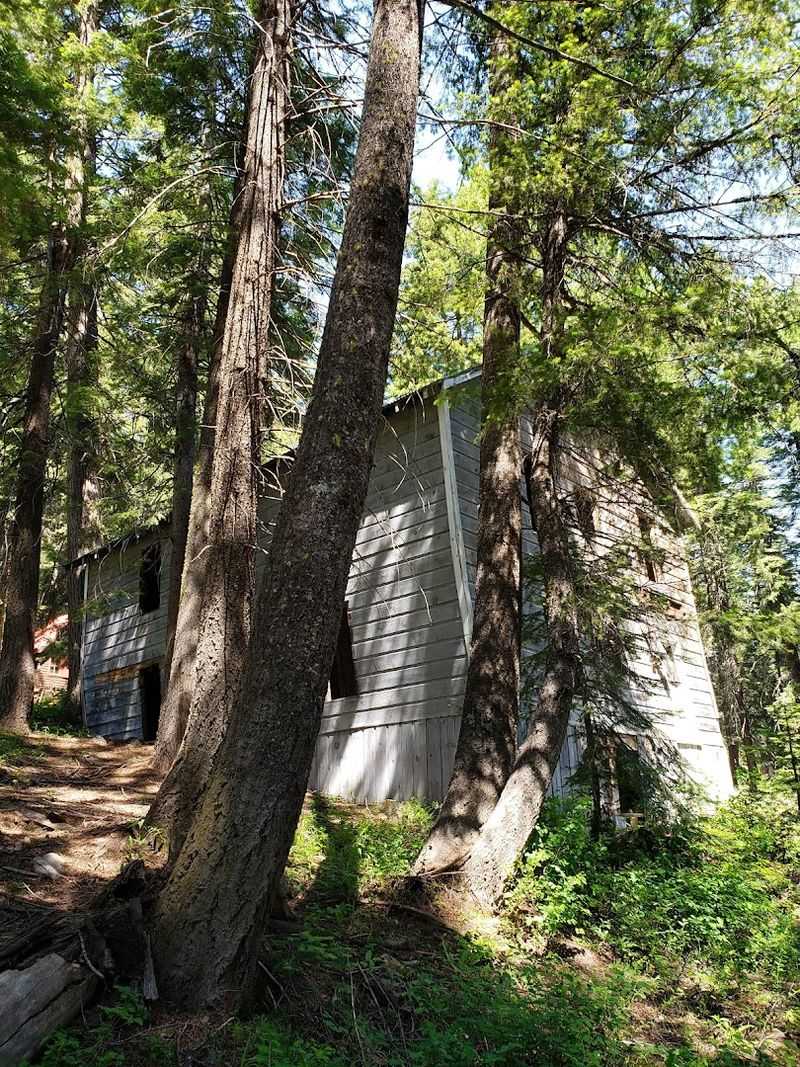
Sitting high in the Wallowa Mountains at nearly 4,000 feet, Cornucopia is the kind of place that makes you feel like a true explorer just for showing up. This was once one of Oregon’s wealthiest mining communities, pulling gold out of the earth at an impressive rate during its peak years in the late 1800s and early 1900s.
At its busiest, Cornucopia supported hundreds of residents, multiple mines, and all the businesses that came with them. When the ore played out and the Great Depression hit, the town’s fate was sealed.
By the 1940s, Cornucopia had gone quiet for good.
What remains today is genuinely impressive for ghost-town enthusiasts. Foundations, collapsed structures, mining equipment, and scattered ruins peek out from the trees and brush.
The alpine scenery surrounding the ruins makes every photo look dramatic without any effort. The road to Cornucopia can be rough, so a high-clearance vehicle is strongly recommended.
Summer and early fall offer the best conditions for visiting before mountain weather turns unpredictable. Cornucopia rewards the adventurous traveler generously.
Whitney — Grant County, Oregon
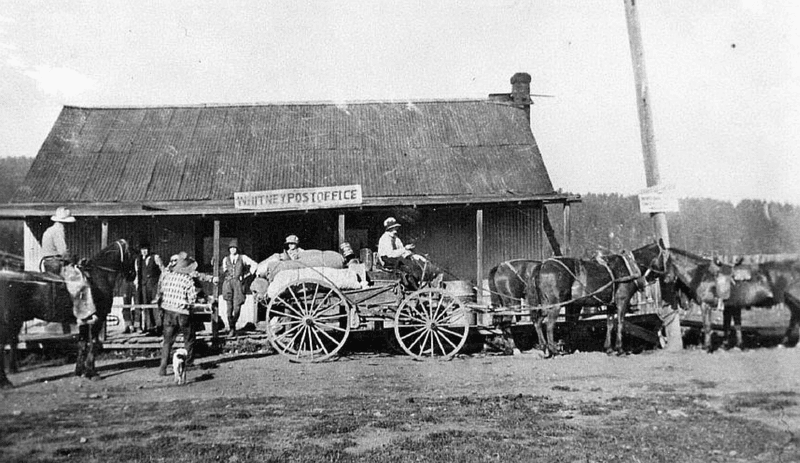
There is something almost cinematic about Whitney, Oregon, where the forest seems to be slowly reclaiming everything humans once built here. Whitney thrived during Oregon’s logging boom, when timber was king and small towns like this one had real purpose.
When the logs ran out and the mills shut down, Whitney had nothing left to hold onto.
Crumbling buildings, sagging rooftops, and overgrown lots now define the landscape. The surrounding forest presses in from all sides, adding a layer of green gloom that photographers and history lovers find absolutely irresistible.
On cloudy days, the atmosphere tips from eerie into genuinely unsettling in the best possible way.
Whitney sits in Grant County near the Strawberry Mountain Wilderness, which means you can combine ghost-town exploration with some excellent hiking. The area attracts a steady stream of curious visitors, though it never feels overcrowded.
Locals and travel bloggers frequently mention Whitney as one of Oregon’s most underrated historic stops. If you are the type who enjoys a little atmospheric dread mixed with your road-trip snacks, Whitney will absolutely deliver on that promise.
Sumpter — Baker County, Oregon
Sumpter refuses to play dead. Unlike most ghost towns that emptied out completely, Sumpter still has a small, proud population holding things together.
But make no mistake, the gold-mining past here is impossible to ignore, and honestly, that is a huge part of the town’s undeniable charm.
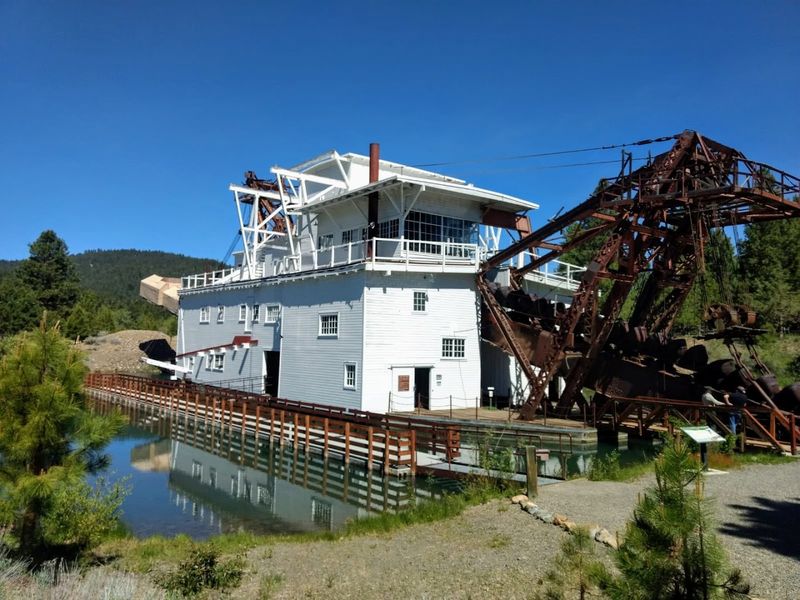
The star attraction is the Sumpter Valley Gold Dredge, a massive machine that once scooped gold from the valley floor and left behind the rocky tailings piles still visible today. The dredge is now a state heritage area, and visitors can walk right up to this hulking piece of history.
It is genuinely one of the most impressive industrial relics in the entire Pacific Northwest.
Beyond the dredge, Sumpter’s historic buildings line the streets with a lived-in quality that feels warm rather than spooky. The Sumpter Valley Railroad, a narrow-gauge heritage line, runs seasonal excursions that families absolutely love.
Nearby camping and fishing options make Sumpter an ideal overnight stop. Few places blend active community spirit with deep historical atmosphere quite as naturally as this Baker County gem does every single season.
Hardman — Morrow County, Oregon
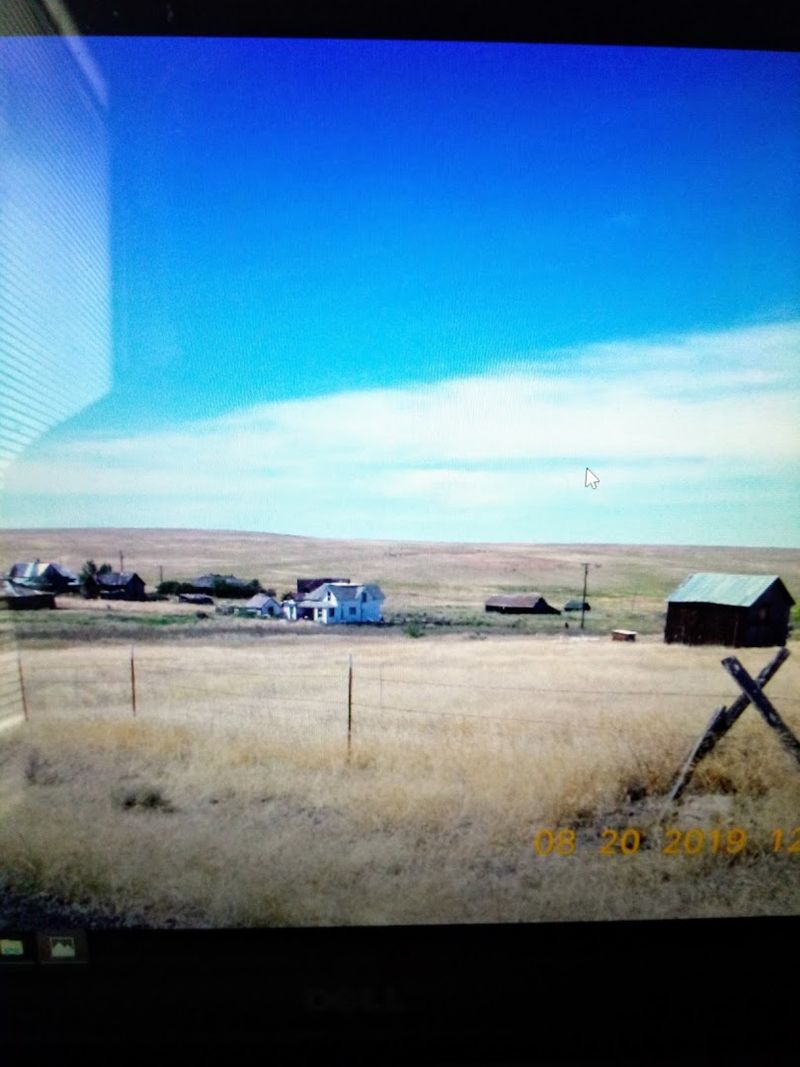
Hardman is the kind of ghost town that sneaks up on you quietly, with no dramatic signage or tourist infrastructure to announce its presence. Founded in the late 1800s as a service community for ranchers and wheat farmers, Hardman once had hotels, saloons, and a school.
Life here was modest but purposeful.
As agriculture shifted and younger generations moved toward bigger cities, Hardman slowly emptied out. What remains is a small collection of weathered buildings and a historic church sitting peacefully among rolling eastern Oregon hills.
The isolation here is profound and genuinely refreshing for visitors tired of crowded attractions.
Hardman sits in Morrow County, a part of Oregon that most travelers simply drive through without stopping. That is their loss.
The golden grasslands, wide skies, and total quiet create a meditative experience that is hard to find anywhere else. Visiting Hardman feels less like sightseeing and more like pressing pause on modern life for a little while.
Bring water, snacks, and a good camera, because services are nonexistent out here. The reward is a sense of solitude that most Oregon ghost towns simply cannot match.
Granite — Grant County, Oregon
Gold discovered in the Blue Mountains during the 1860s gave Granite its reason to exist, and for several decades, the town delivered on its flashy promise. Miners, merchants, and adventurers flooded in, and Granite grew into a lively mountain community full of ambition and noise.
Then the gold thinned out, and ambition quietly packed its bags.
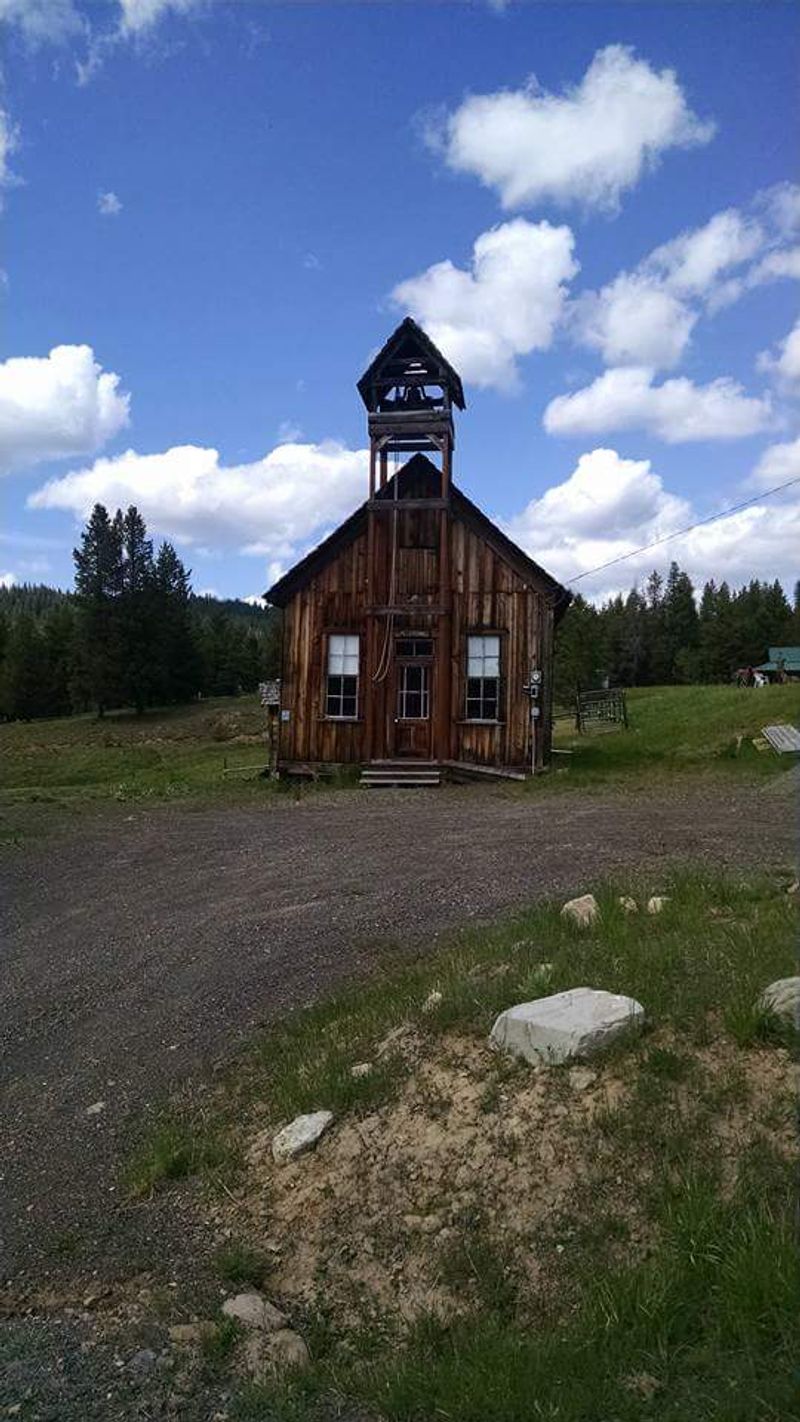
Today, Granite sits in a fascinating middle ground between ghost town and living community. A handful of stubborn, wonderful residents still call it home year-round, though the population hovers in the single digits.
Old buildings with sagging porches and faded paint give the town a timeless, slightly melancholy beauty that draws visitors back year after year.
The Blue Mountains surrounding Granite offer excellent opportunities for hiking, fishing, and wildlife watching. Elk and deer wander through the area regularly, adding an unexpected wildness to the historic atmosphere.
Granite is also near Sumpter, making it easy to combine both towns into a single satisfying day trip through Baker and Grant Counties. Stories of prospectors, bar fights, and boom-and-bust fortunes linger here like wood smoke on a cold mountain morning.
Friend — Wasco County, Oregon
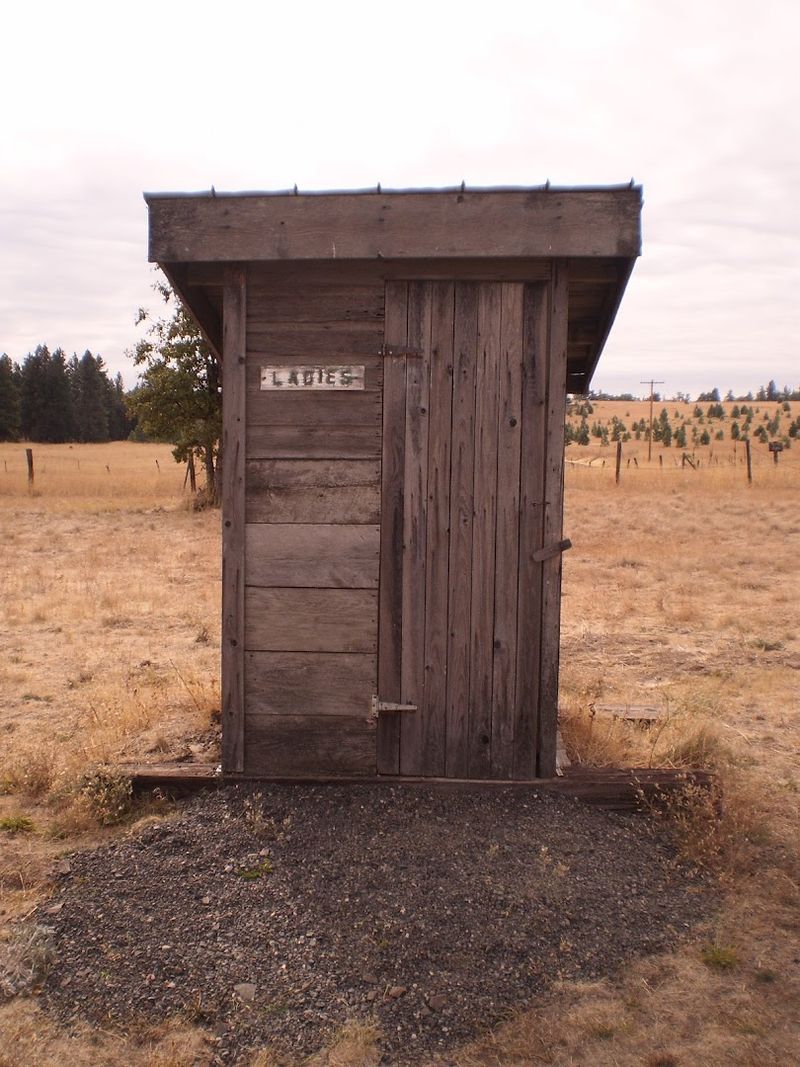
Forget everything you think you know about photogenic Oregon landmarks, because the abandoned Friend School might just be the most hauntingly beautiful building in the entire state. Standing alone in a sea of golden wheat fields with peeling white paint and empty windows, this little schoolhouse has appeared in countless photography collections and travel features.
Friend started out as a wheat-farming community in Wasco County, serving the hardworking agricultural families of north-central Oregon. The town had a post office, a store, and of course, its school.
When farm mechanization reduced the need for labor and families moved away, Friend faded gracefully into memory.
Visiting Friend requires navigating some rural roads, but the payoff is absolutely worth the effort. The schoolhouse commands attention in every direction, surrounded by rolling farmland that changes color beautifully through the seasons.
Spring brings green fields, summer turns everything gold, and autumn adds rich amber tones that make photography here truly special. There are no facilities, no visitor center, and no crowds.
Just you, the wind, the wheat, and one incredibly stubborn little building refusing to disappear entirely from Oregon’s story.
Bourne — Baker County, Oregon
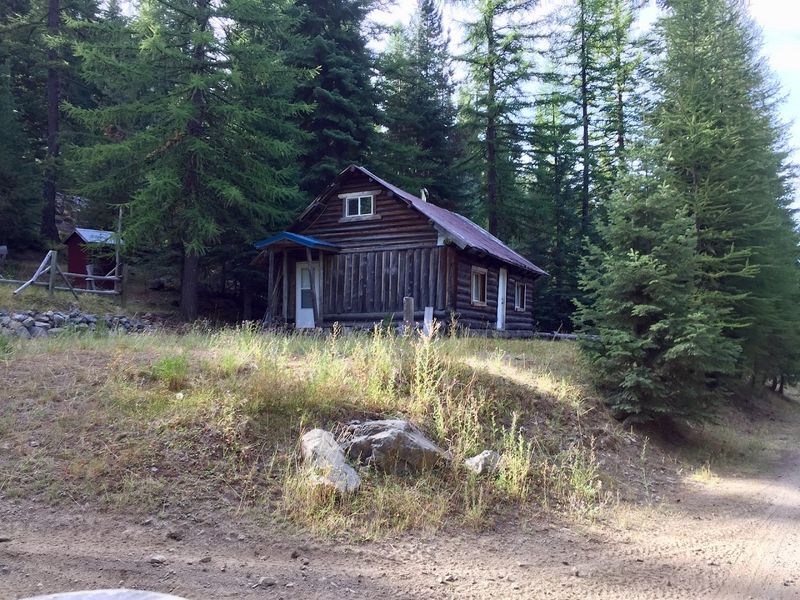
Bourne is not the easiest Oregon ghost town to reach, and honestly, that is a big part of what makes it so satisfying to visit. Tucked into a narrow canyon in Baker County, Bourne once housed hundreds of miners and their families during a gold rush that made the area briefly famous in the late 1800s.
At its peak, Bourne had hotels, saloons, and all the chaotic energy that comes with sudden wealth. Floods and fires hit the town repeatedly, and the combination of natural disasters and declining ore eventually finished what nature started.
Today, foundations, mining debris, and old road traces are all that remain.
The rugged canyon landscape surrounding Bourne is genuinely spectacular, with steep hillsides covered in pine and fir trees framing the ruins dramatically. Historians and outdoor enthusiasts often combine a Bourne visit with exploration of the nearby Elkhorn Mountains.
The drive in follows Cracker Creek, which adds a lovely scenic element to the journey. Standing among Bourne’s scattered remnants, it takes very little imagination to picture the noise, mud, and wild optimism that once filled this quiet canyon completely.
Share this story