There is a small town sitting quietly on the edge of the Albemarle Sound in North Carolina that most travelers completely overlook, and honestly, that is their loss. The streets are lined with centuries-old trees, the waterfront smells like salt and history, and the whole place moves at a pace that feels almost rebellious in the best way.
People who have made it here tend to say the same thing: they had no idea a place this beautiful even existed. This article walks you through everything that makes this little corner of the Inner Banks so special, from its colonial roots to its jaw-dropping sunsets, and why it deserves a permanent spot on your travel list.
A Town Frozen in the Best Possible Way
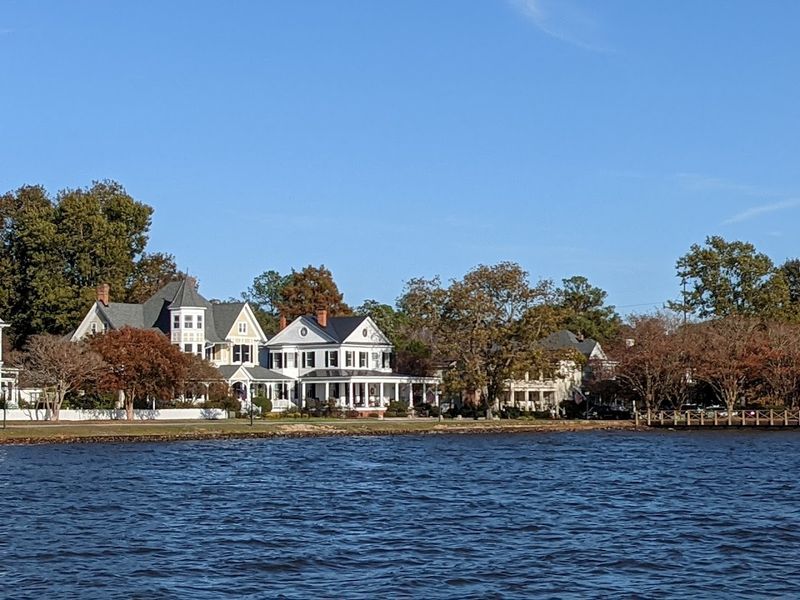
Edenton, North Carolina, sits at the northern edge of the Albemarle Sound in Chowan County, with a full address rooted in the 27932 zip code. It is one of the oldest towns in the entire state, and the moment you set foot here, that age feels tangible in the most wonderful way.
The streets downtown are paved with history. Buildings from the 1700s stand shoulder to shoulder with small shops and local offices, and none of it feels like a museum piece.
People actually live and work inside these structures, which gives the whole town a living, breathing quality that staged historical villages simply cannot replicate.
The town sits roughly two hours northeast of Raleigh and about an hour south of the Virginia border. Its position on the Inner Banks means it gets coastal charm without the overcrowded beach-town energy.
Unlike places in Oklahoma that are landlocked and flat, Edenton wraps itself around water on multiple sides, giving every street corner a slightly nautical feeling that sneaks up on you pleasantly.
The Waterfront That Stops You Mid-Step
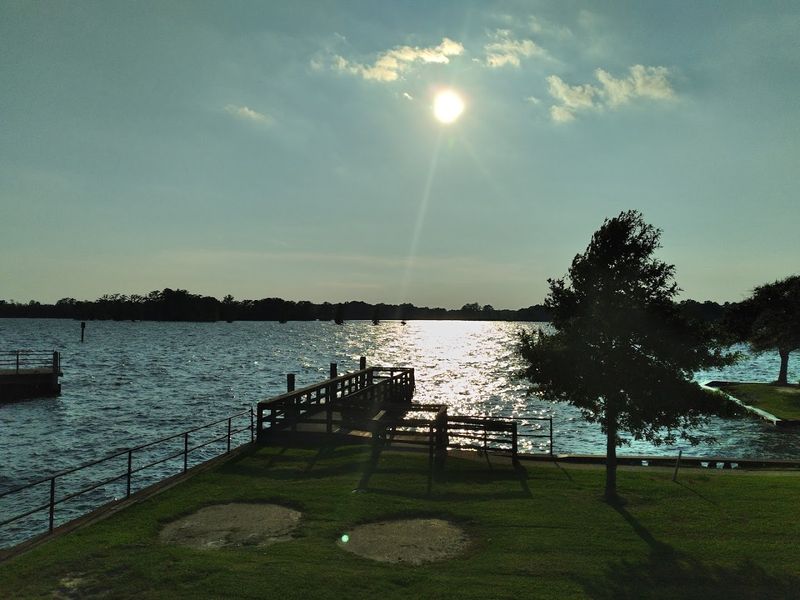
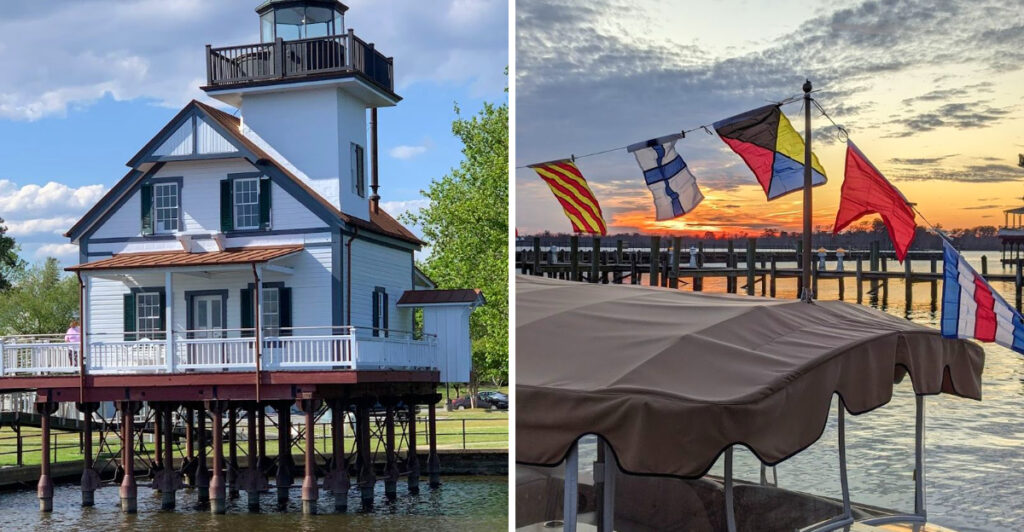
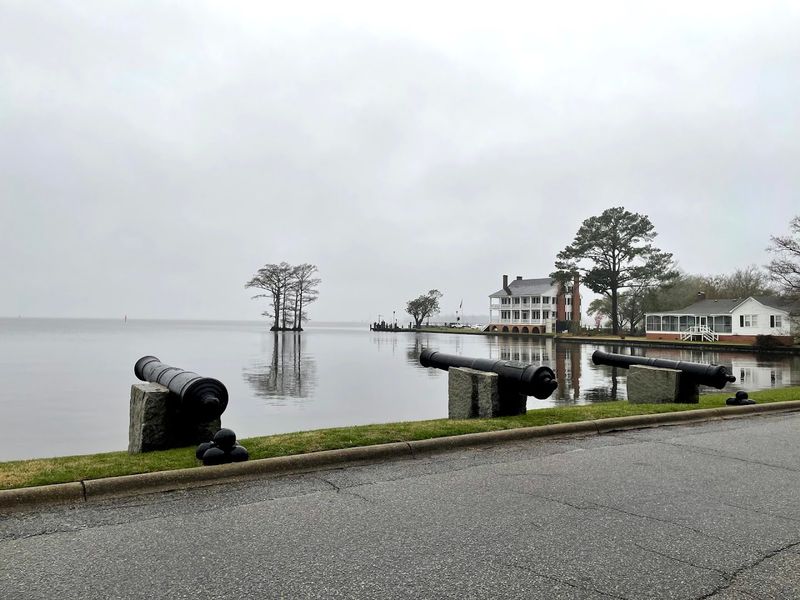
Few waterfronts in the American South hit you the way Edenton’s does. The Albemarle Sound stretches out so wide in front of you that on hazy days the far shore disappears entirely, giving it the look of an inland sea rather than a river estuary.
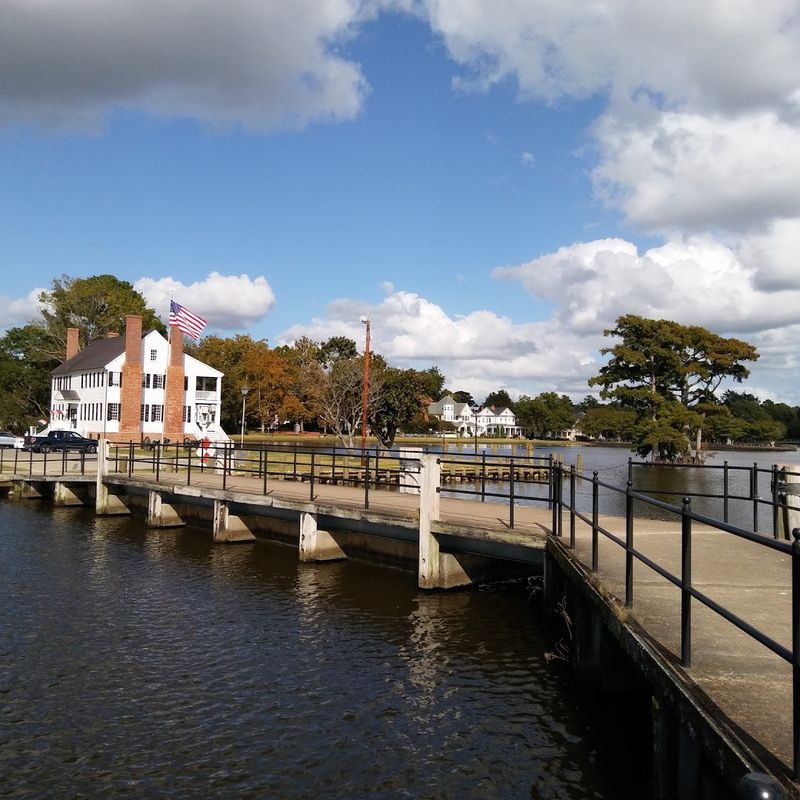
The boardwalk along the waterfront is short enough to walk in ten minutes but scenic enough that most visitors do it three or four times. Benches face the water at regular intervals, and the light in the late afternoon turns the whole surface of the Sound into something that looks almost painted.
Local families bring folding chairs and just sit there, which tells you everything you need to know about how seriously this town takes its sunsets.
Small boats bob near the docks, and the occasional pelican cruises low over the water without a care in the world. The air carries that particular mix of pine, salt, and warm earth that only coastal Carolina can produce.
No Oklahoma prairie wind, no mountain chill, just warm, still, waterfront air that makes you want to cancel your return plans on the spot.
Colonial History Packed Into Every Block
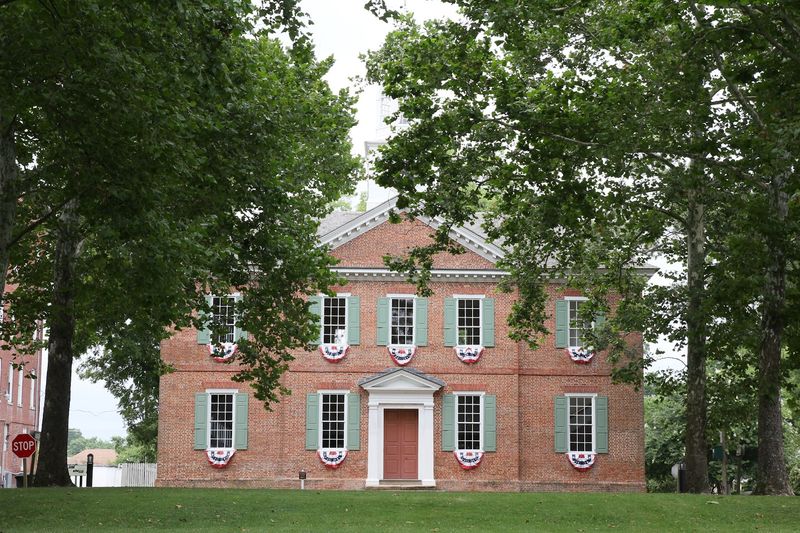
Edenton was founded in the early 1700s and quickly became one of the most important political and cultural centers in colonial North Carolina. By the mid-1700s it was already serving as the colonial capital of the region, which explains why so many significant buildings from that era are still standing today.
The 1767 Chowan County Courthouse is one of the most photographed colonial buildings in the entire Southeast. It is the oldest surviving courthouse in North Carolina and still functions as a working courthouse, which feels almost surreal when you consider that the same walls have witnessed more than 250 years of local legal history.
History here is not roped off or locked behind glass. You can walk right up to the buildings, read the markers, and piece together the story of a town that punched well above its weight during the colonial period.
Edenton produced governors, judges, and civic leaders at a rate that would make much larger cities envious. For anyone who loves early American history, this town offers more per square block than almost anywhere outside of Virginia or Massachusetts.
The Edenton Tea Party and Why It Still Matters
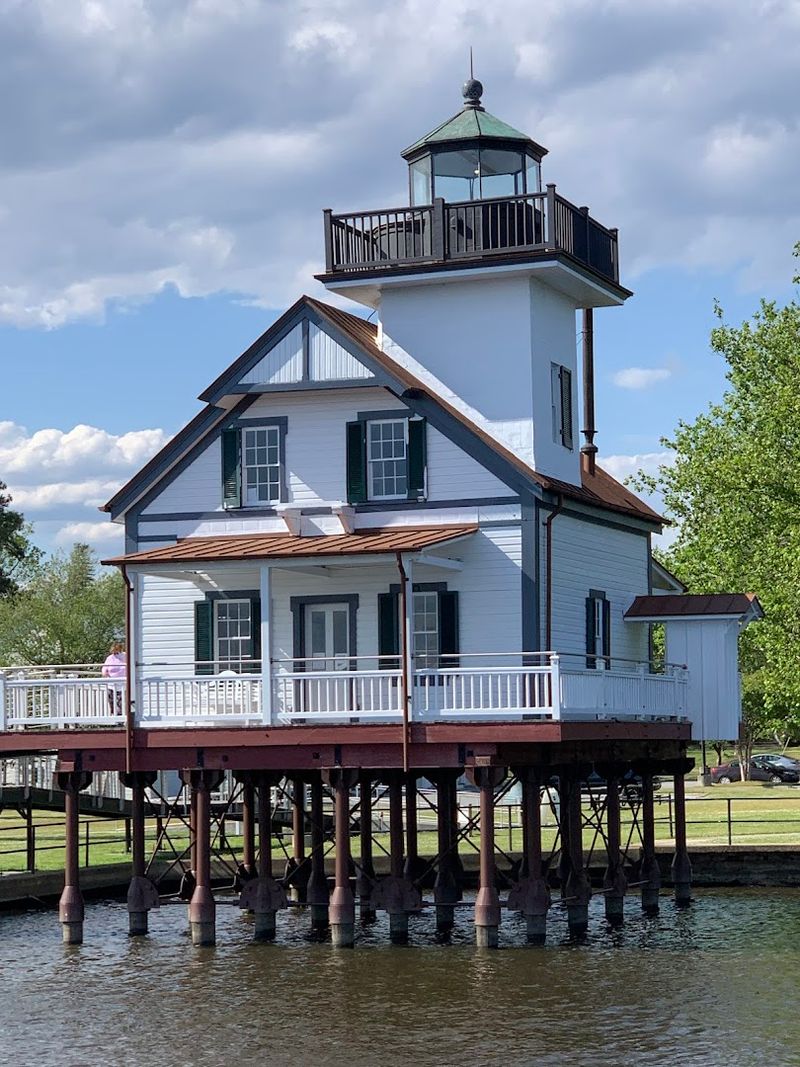
Most Americans know about the Boston Tea Party, but far fewer know about the Edenton Tea Party, which happened in October 1774 and was arguably just as bold. A group of 51 women in Edenton publicly pledged to boycott British tea and cloth, making it one of the earliest recorded instances of organized political action by women in American history.
The event was mocked by British newspapers at the time, which actually helped spread the story across the Atlantic and gave the women of Edenton an unexpected international platform. A bronze teapot monument near the waterfront marks the spot today, and it draws a steady stream of curious visitors who had no idea this chapter of history even existed.
Learning about this story changes how you see the town. Edenton was not just a pretty place to live in colonial times.
It was a place where people took real risks to stand up for what they believed in. That spirit feels oddly present even now, walking streets where those women once lived and organized.
It is the kind of history that makes a place feel genuinely meaningful rather than just decorative.
Architecture That Makes You Slow Down and Stare
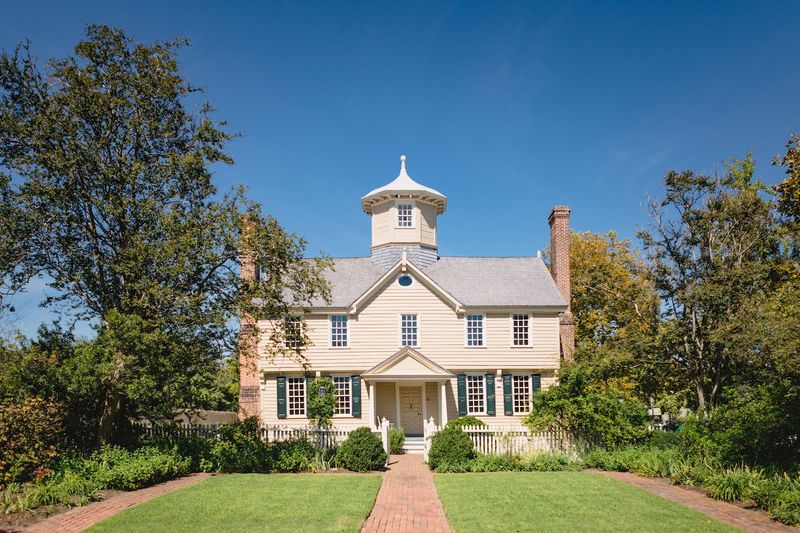
There is a reason Edenton keeps getting called the prettiest small town in the South. The residential streets running away from the waterfront are lined with some of the most beautifully preserved antebellum and colonial homes you will find anywhere in North Carolina.
They sit behind low fences and old oak trees, looking exactly like they belong on the cover of a Southern living magazine.
Styles range from Federal to Greek Revival to Victorian, and the transitions between them feel natural rather than jarring. Many of the homes are privately owned and still lived in, which means the neighborhood has an authentic warmth rather than a theme-park quality.
Window boxes full of flowers, rocking chairs on wide porches, and cats sleeping on front steps all add to the effect.
Several of the most significant homes are open for tours through the Historic Edenton State Historic Site program. The Cupola House, built around 1758, is particularly worth your time.
Its Jacobean architectural details are rare in the American South and have earned it a spot on the National Register of Historic Places. Walking through it feels like a genuine privilege.
The Cupola House Up Close
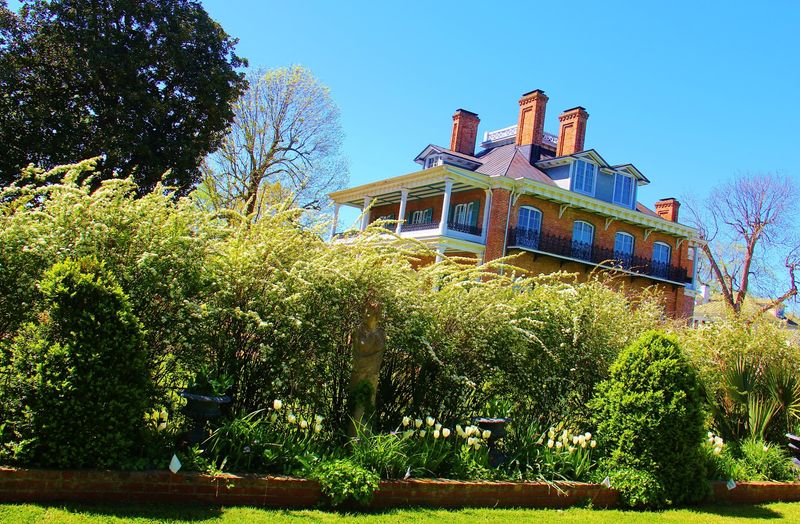
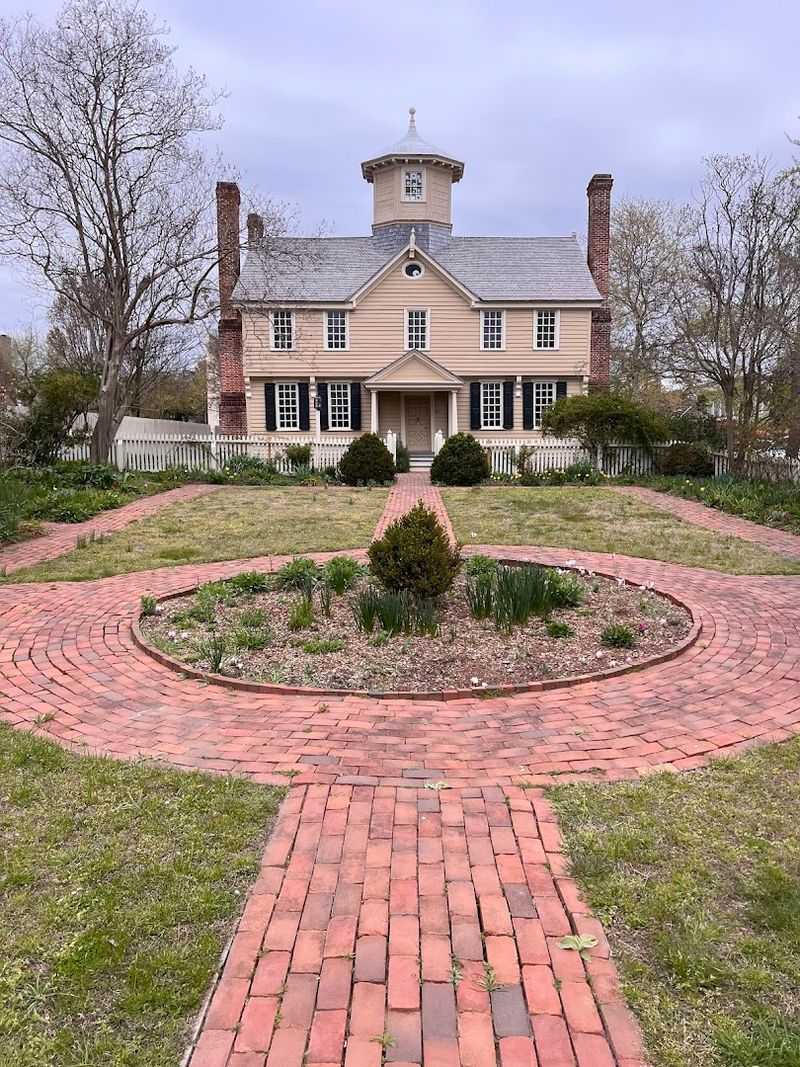
The Cupola House is one of those buildings that architectural historians get genuinely excited about, and once you see it in person, you understand why. Built around 1758, it is considered one of the finest examples of Jacobean architecture in the American South, featuring an overhanging second story and decorative woodwork that took serious craftsmanship to produce.
The restored garden surrounding the house follows a formal 18th-century design, with boxwood hedges and period-appropriate plantings that feel like a quiet retreat from the outside world. The whole property is compact but immensely detailed, and guides who lead tours through the interior clearly love what they do.
Inside, the rooms have been carefully restored with period furnishings that help you understand how wealthy colonial families actually lived, not just how they posed for portraits. The proportions of the rooms, the height of the ceilings, and the craftsmanship of the woodwork all tell a story about ambition and taste in early America.
Compared to similar historic homes in states like Oklahoma, the Cupola House carries a particular coastal Carolina character that feels entirely its own.
Getting Out on the Water
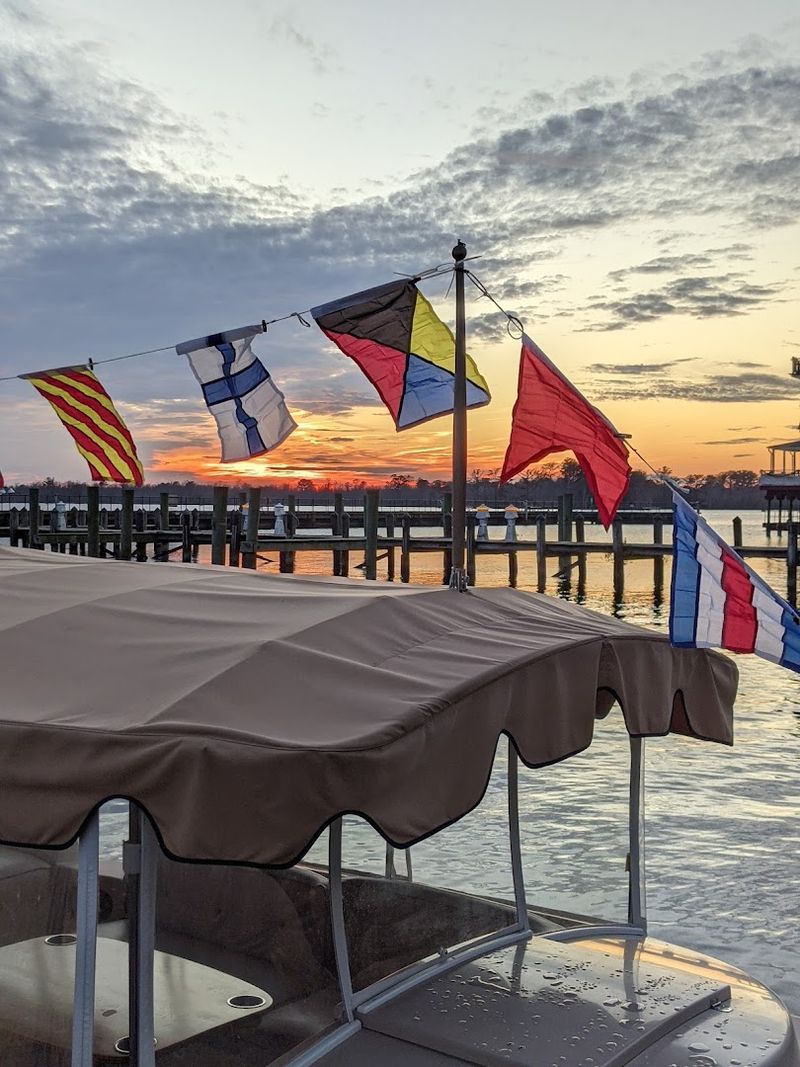
The Albemarle Sound is not just a backdrop in Edenton. It is an active part of daily life, and getting out on it is one of the best decisions you can make during a visit.
The water is calm on most days, especially in the mornings, and the views back toward town from the Sound are genuinely breathtaking.
Kayaking is a popular option, and the relatively flat water makes it accessible even for beginners. Paddling along the shoreline gives you a completely different perspective on the town’s layout and lets you get close to the marsh grass and wildlife that line the water’s edge.
Great blue herons are a common sight, and osprey regularly patrol the surface looking for fish.
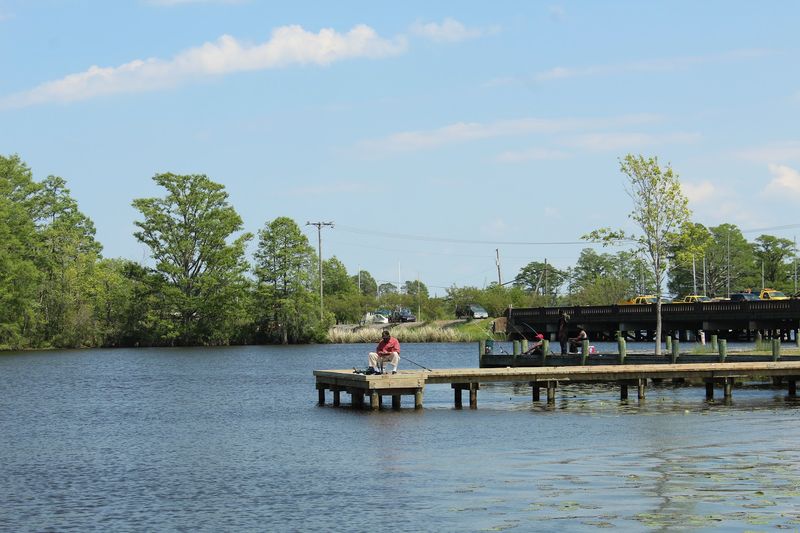
Fishing is also serious business here. The Sound and its surrounding creeks hold striped bass, flounder, and blue crab in healthy numbers, and local guides know exactly where to find them.
Whether you are an experienced angler or someone who has never held a rod, the fishing culture in Edenton is welcoming and enthusiastic in equal measure. The water here earns its place at the center of town life every single day.
Local Food Worth Talking About
A coastal Carolina town this close to the Albemarle Sound is going to have good seafood, and Edenton delivers without any fuss or pretension. The crab cakes are made from blue crab pulled from local waters, and the difference between fresh-caught and shipped-in is immediately obvious in both texture and flavor.
Hush puppies show up alongside nearly everything, golden and slightly sweet, the kind you keep eating long after you planned to stop. Local spots tend to be small, family-run, and unpretentious, with menus that change based on what came in that week rather than what a corporate office decided six months ago.
Beyond seafood, the town has a handful of cafes and sandwich shops that serve as informal community gathering spots. Breakfast in Edenton is a social event.
Tables fill up with locals catching up over coffee and eggs, and the conversation level stays at a comfortable hum that makes the whole room feel welcoming. Visitors from bigger cities, or even from flat, landlocked places like Oklahoma, tend to comment on how much they enjoy just sitting and absorbing that particular small-town morning rhythm.
The Charm of Slow Mornings and Quiet Streets
One of the most underrated pleasures of visiting Edenton is the quality of a slow morning there. The town does not rush.
Shops open at a relaxed pace, foot traffic stays manageable even on weekends, and the streets have a particular quiet that feels genuinely rare in modern travel.
Morning mist sometimes settles low over the waterfront before the sun burns it off, and those early hours give the whole town a slightly dreamlike quality. The oak trees along the main streets are old enough that their canopy meets overhead in places, turning the sidewalks into shaded tunnels of green that stay cool even in summer.
Sitting outside a cafe with a coffee and watching the town wake up is not a passive experience here. It is an active pleasure.
Dogs get walked, neighbors wave to each other across the street, and the pace of everything feels deliberately human rather than optimized. That quality is harder to find than most people realize, and Edenton has preserved it without turning it into a performance for tourists.
The town is just genuinely, quietly itself, and that is the whole appeal.
Seasonal Highlights and the Best Time to Visit
Spring in Edenton is spectacular in a way that feels almost unfair to places that do not have azaleas and dogwoods blooming simultaneously. The color hits hard in late March and early April, and the mild temperatures make it ideal for walking the historic district and spending time on the waterfront without breaking a sweat.
Fall runs a close second. October brings cooler air, fewer visitors, and the kind of golden afternoon light that makes every photograph look professionally composed.
The leaves on the older trees shift through amber and rust, and the Sound takes on a deeper blue that contrasts beautifully with the fall colors on the shoreline.
Summer is warm and humid, as coastal Carolina summers tend to be, but the water activities make it worthwhile for visitors who do not mind the heat. Winter is mild compared to inland areas, and the town empties out enough that you can have entire historic streets to yourself, which has its own quiet appeal.
No matter what season brings you here, Edenton offers something worth the drive, especially if you are coming from a landlocked state like Oklahoma where coastal scenery is simply not on the menu.
Day Trips and the Surrounding Inner Banks
Edenton works beautifully as a base for exploring the broader Inner Banks region of North Carolina. The surrounding landscape is flat, green, and laced with creeks and rivers that reward slow exploration by car or bicycle.
The roads out of town pass through farmland and forest in roughly equal measure, and traffic is light enough that you can stop whenever something catches your eye.
The town of Windsor is about 30 minutes to the south and has its own collection of historic homes and a charming small-town center worth a quick stop. Hope Plantation, located near Windsor, is a significant historic site that adds further context to the colonial and antebellum history of the region.
The Dismal Swamp Canal, one of the oldest operating canals in the United States, is accessible within an hour’s drive and offers a completely different kind of scenery, dark water, cypress trees, and a profound stillness that feels like the opposite of wherever you came from. The Inner Banks region as a whole is one of North Carolina’s most underappreciated areas, and using Edenton as your anchor point is the smartest way to experience it properly.
Why Edenton Stays With You Long After You Leave
Some places are enjoyable while you are there and forgettable the moment you pull out of the parking lot. Edenton is not one of those places.
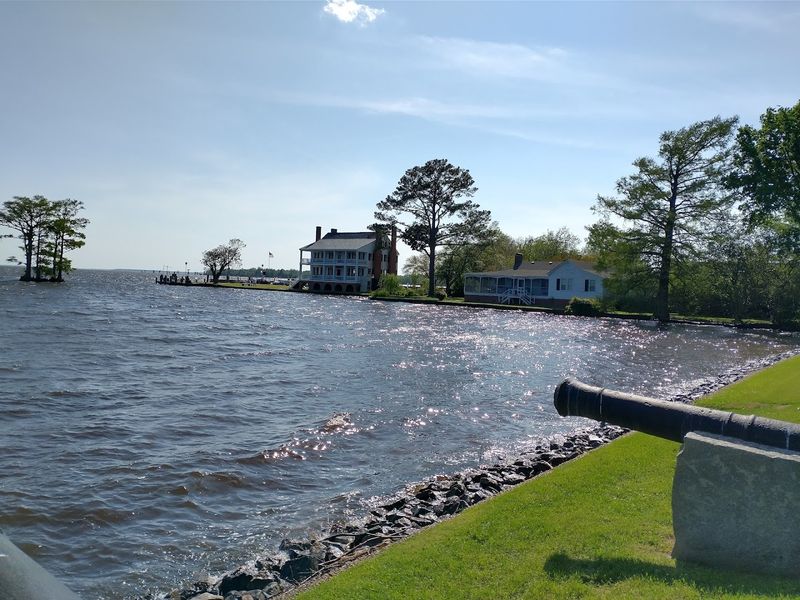
The town has a way of settling into your memory with unusual clarity, so that weeks later you find yourself thinking about a specific view of the Sound or the way the light hit a particular building at a certain time of day.
Part of it is the authenticity. Edenton has not been polished into a tourist product.
The history is real, the community is real, and the beauty is the kind that comes from centuries of careful living rather than a recent renovation budget. That combination is genuinely rare, and most visitors recognize it even if they cannot immediately name what they are responding to.
Whether you are coming from a neighboring state or making the drive from somewhere as far as Oklahoma, the effort it takes to reach Edenton is exactly proportional to the reward waiting on the other end. The South has no shortage of charming small towns, but this one earns its reputation honestly, block by block, view by view, and story by story.
Share this story