Famous historical figures often leave behind incredible legacies, but what about the children who grew up in their shadows? Some followed in their parents’ footsteps, while others carved out completely different paths.
From Nobel Prize winners to political leaders and even defectors, these children had fascinating stories of their own. Get ready to learn where life took the sons and daughters of some of history’s most iconic names.
1. Abraham Lincoln’s Son: Robert Todd Lincoln
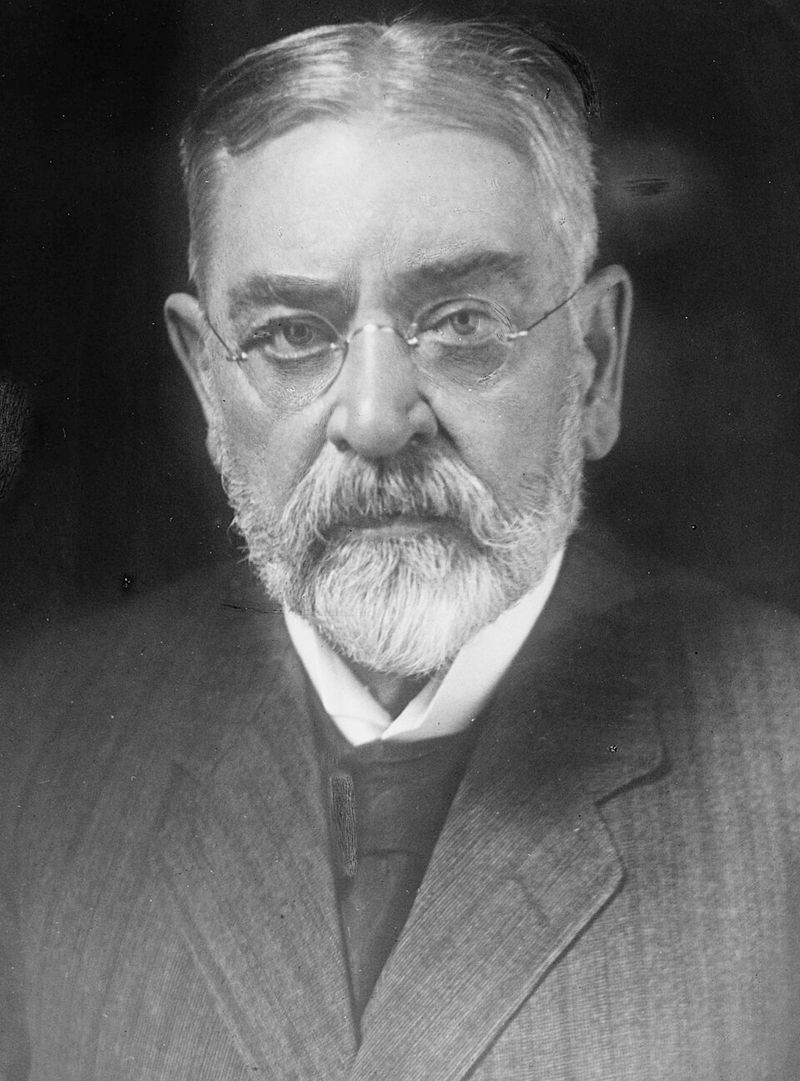
Of Abraham Lincoln’s four sons, Robert was the only one to live into adulthood, and he made every year count. He built a respected career as a lawyer before stepping into public service at the highest levels.
His appointment as U.S. Secretary of War under President Garfield showed just how far he had come.
Robert later served as U.S. ambassador to the United Kingdom, earning international recognition on his own terms. But history handed him an eerie burden: he was present near three presidential assassinations, including his father’s, Garfield’s, and McKinley’s.
That strange pattern reportedly haunted him for years.
He eventually became president of the Pullman Palace Car Company, one of the largest corporations of his era. Robert lived until 1926, long enough to see the world transform around him.
2. Theodore Roosevelt’s Daughter: Alice Roosevelt Longworth
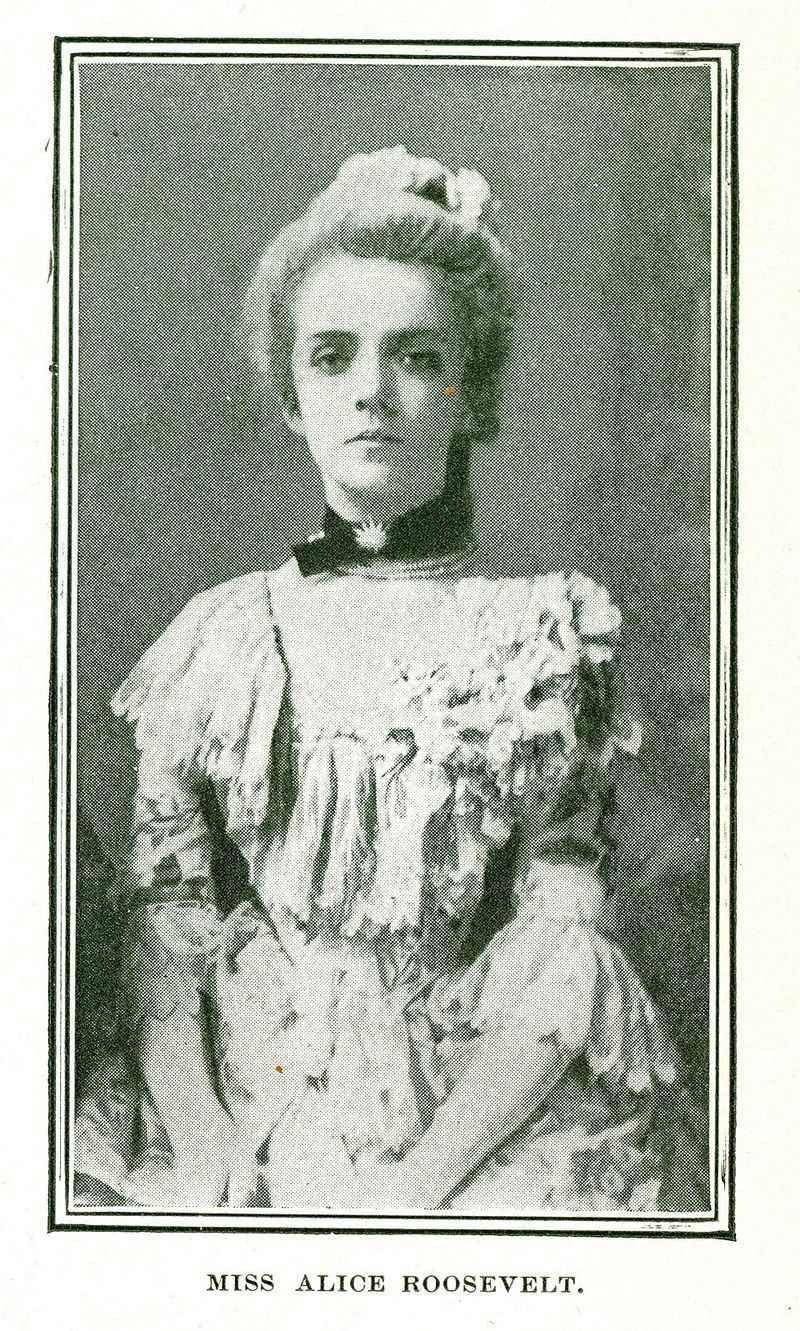
Few children of presidents left a mark on Washington quite like Alice Roosevelt Longworth. Known for her razor-sharp wit and refusal to follow the rules, she became a fixture in political circles for more than seven decades.
Her father once joked he could either run the country or manage Alice, but not both.
She married Congressman Nicholas Longworth and used her social connections to influence political conversations behind the scenes. Alice never held office, but politicians, journalists, and presidents sought her opinion regularly.
Her famous needlepoint pillow read: “If you can’t say something good about someone, sit right here by me.”
She lived to age 96, outlasting nearly every political figure she had ever known. Alice remained a colorful, outspoken voice in American life until her death in 1980.
3. Marie Curie’s Daughter: Irene Joliot-Curie
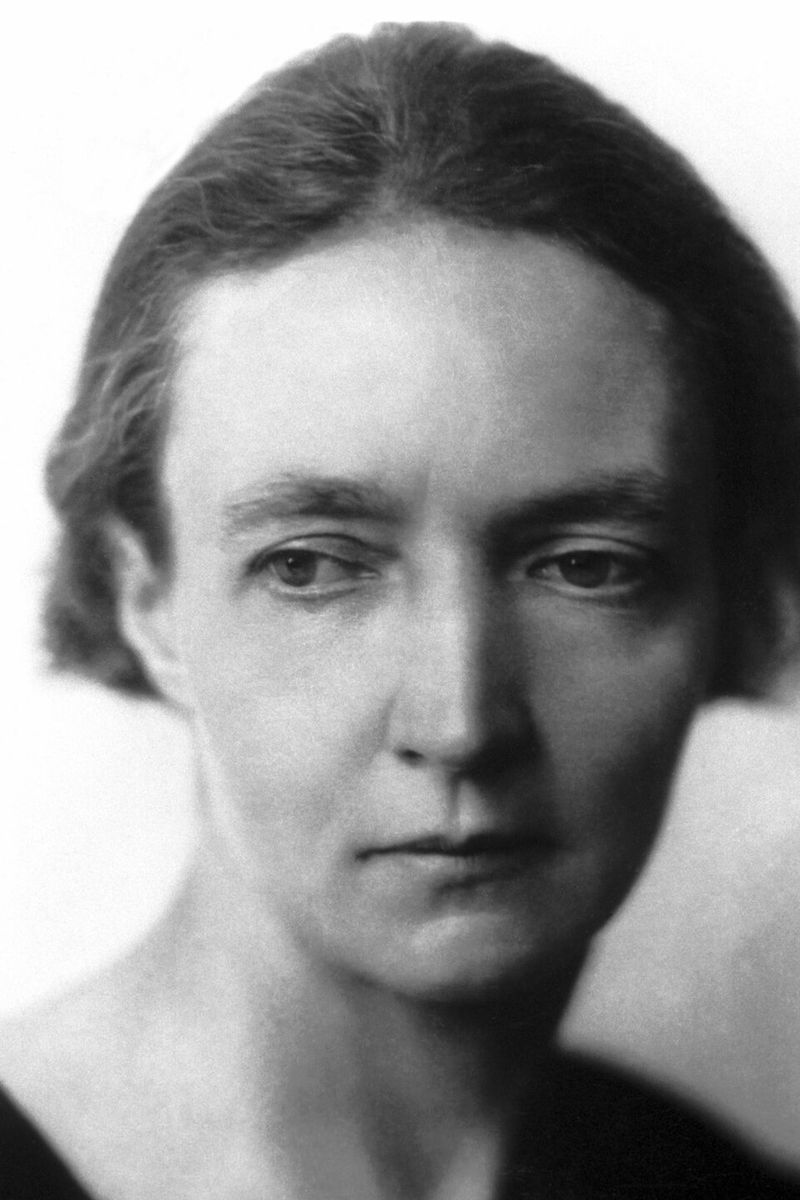
Growing up with Marie Curie as your mother could easily feel like an impossible act to follow, but Irene Joliot-Curie rose to the challenge spectacularly. She worked alongside her mother in the laboratory from a young age, developing a deep passion for scientific research.
By the time she was an adult, Irene had become a world-class scientist in her own right.
In 1935, she and her husband Frederic Joliot-Curie were awarded the Nobel Prize in Chemistry for their discovery of artificial radioactivity. That made the Curies one of the most decorated scientific families in history.
Two Nobel Prizes across two generations is a record few families can claim.
Irene also advocated for women in science and served in the French government. She passed away in 1956, leaving behind a legacy as remarkable as her mother’s.
4. Joseph Stalin’s Daughter: Svetlana Alliluyeva
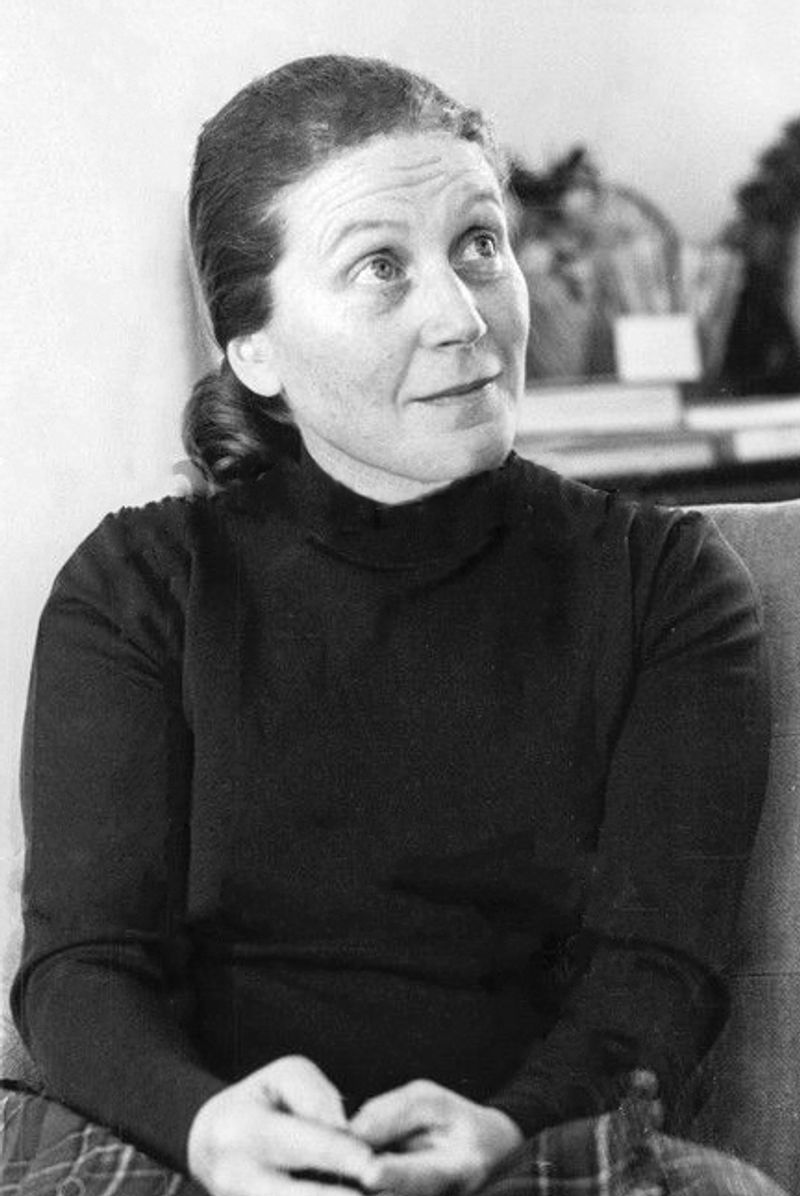
Svetlana Alliluyeva’s story reads like something out of a Cold War thriller. Born into one of the most powerful and feared families in Soviet history, she spent decades quietly enduring life under her father Joseph Stalin’s iron rule.
After his death in 1953, she began slowly distancing herself from the regime he had built.
Then in 1967, she made a move that stunned the world: she walked into the U.S. embassy in India and requested asylum. Her defection became international news overnight and sent shockwaves through the Soviet government.
She eventually settled in the United States, writing memoirs that offered a rare personal glimpse into Stalin’s household.
Svetlana’s life was restless and complicated. She moved between countries multiple times before passing away in Wisconsin in 2011, having spent a lifetime searching for peace and identity.
5. Winston Churchill’s Daughter: Mary Soames
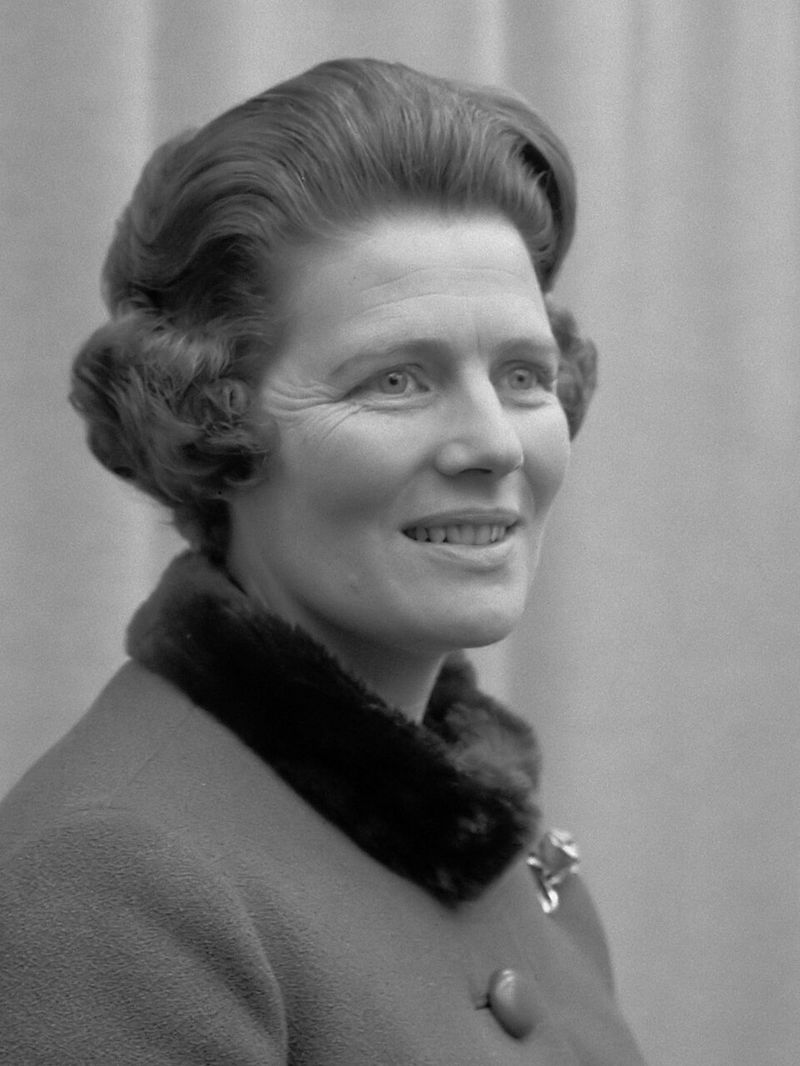
Winston Churchill had five children, and their lives varied enormously. Mary Soames stood apart from the family’s struggles by building a stable, accomplished life on her own terms.
She served in the Auxiliary Territorial Service during World War II, working alongside her father during some of history’s most turbulent years.
After the war, Mary married Christopher Soames, a British politician and diplomat, and raised a family while staying connected to public life. She became a trusted keeper of her father’s memory, writing a highly regarded biography of her mother, Clementine Churchill.
Her research and writing helped generations understand the personal side of the Churchill family.
Mary was appointed a life peer in 2005, becoming Baroness Soames. She passed away in 2014, widely remembered as the most devoted and steadfast of Churchill’s children.
Her contributions to history and literature remain deeply respected.
6. Charles Darwin’s Son: George Howard Darwin
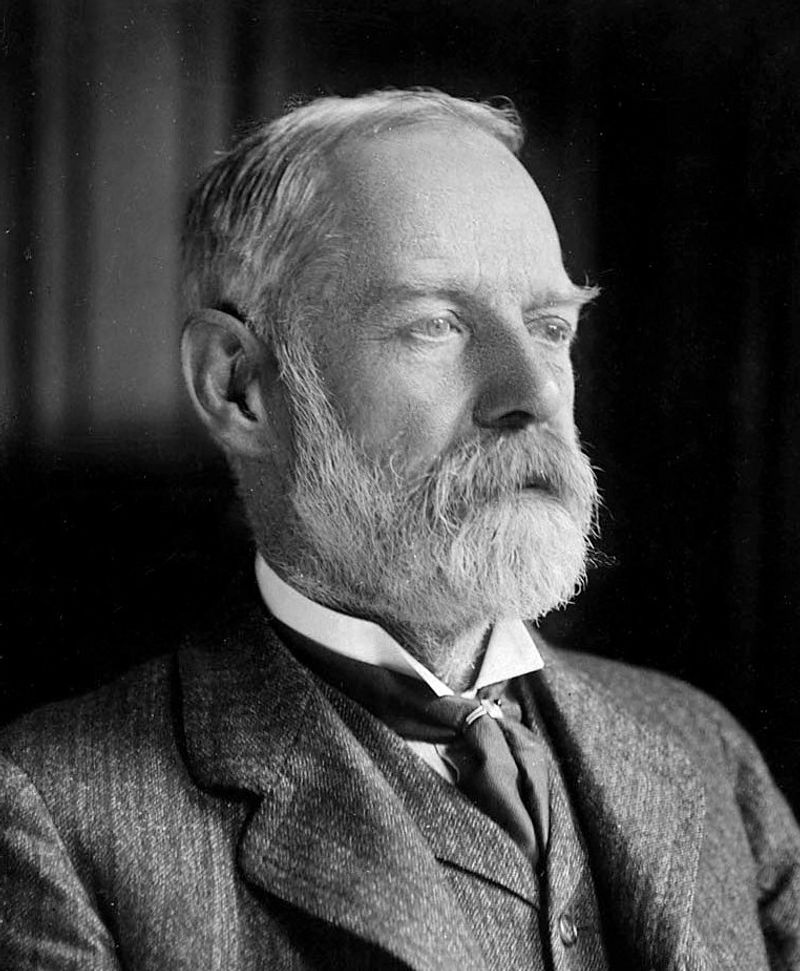
Charles Darwin reshaped how humanity understands life on Earth, and his son George Howard Darwin made his own mark on how we understand the universe above us. George pursued mathematics and astronomy at Cambridge, where he eventually became a professor.
His intellect was widely recognized among the leading scientists of his generation.
His most celebrated contribution was his theory on the origin of the Moon. George proposed that the Moon was once part of the Earth and broke away due to tidal forces billions of years ago.
While modern science has refined this idea, his work laid important groundwork for lunar research.
George also made significant advances in the study of ocean tides and planetary motion. He was knighted in 1905 and elected president of the British Association for the Advancement of Science.
He passed away in 1912, leaving a distinguished scientific legacy.
7. Mahatma Gandhi’s Son: Harilal Gandhi
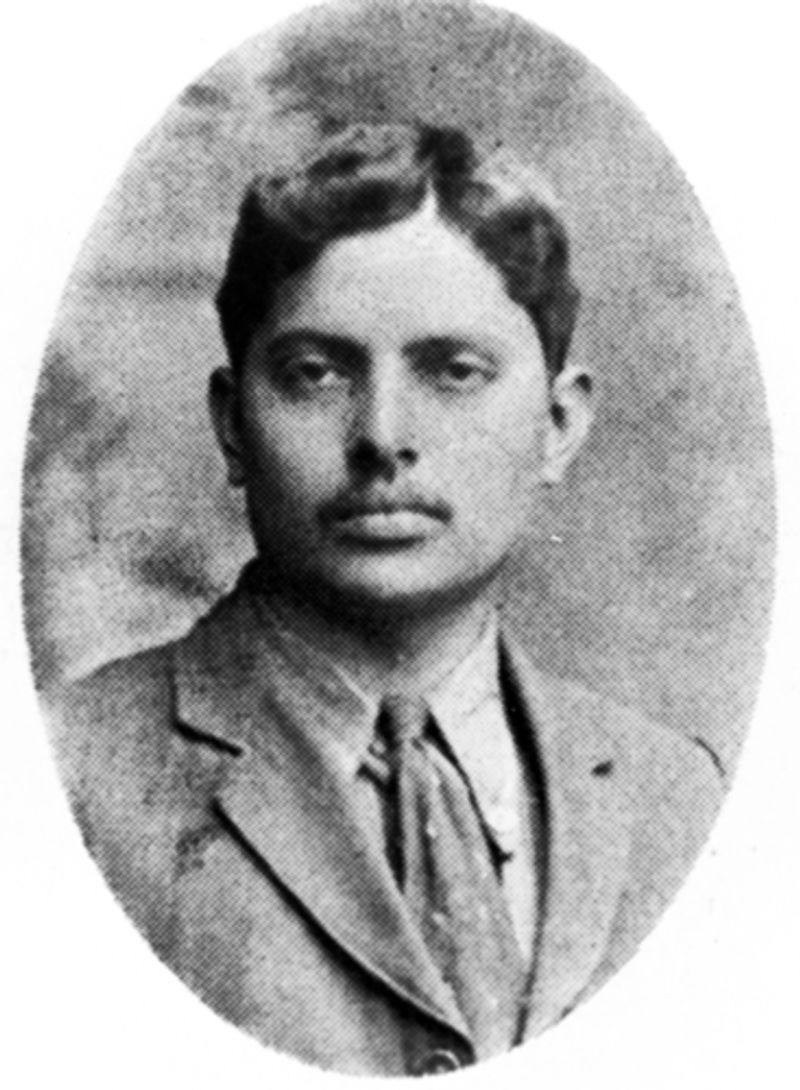
Not every famous person’s child finds an easy path, and Harilal Gandhi’s story is one of the most heartbreaking examples. As the eldest son of Mahatma Gandhi, he grew up with enormous expectations and a father who placed his public mission above personal family bonds.
That tension between them never fully healed.
Harilal repeatedly sought his father’s support for opportunities abroad, but Gandhi refused, believing in equality among his followers. The rejection deepened a rift that lasted decades.
Harilal drifted into alcoholism, financial trouble, and personal despair, at one point even converting to Islam before returning to Hinduism.
He died just months after his father was assassinated in 1948, reportedly in poor health and largely forgotten by the public. His life serves as a quiet reminder that greatness in a parent does not guarantee an easy road for the children left behind.
8. Martin Luther King Jr.’s Daughter: Bernice King
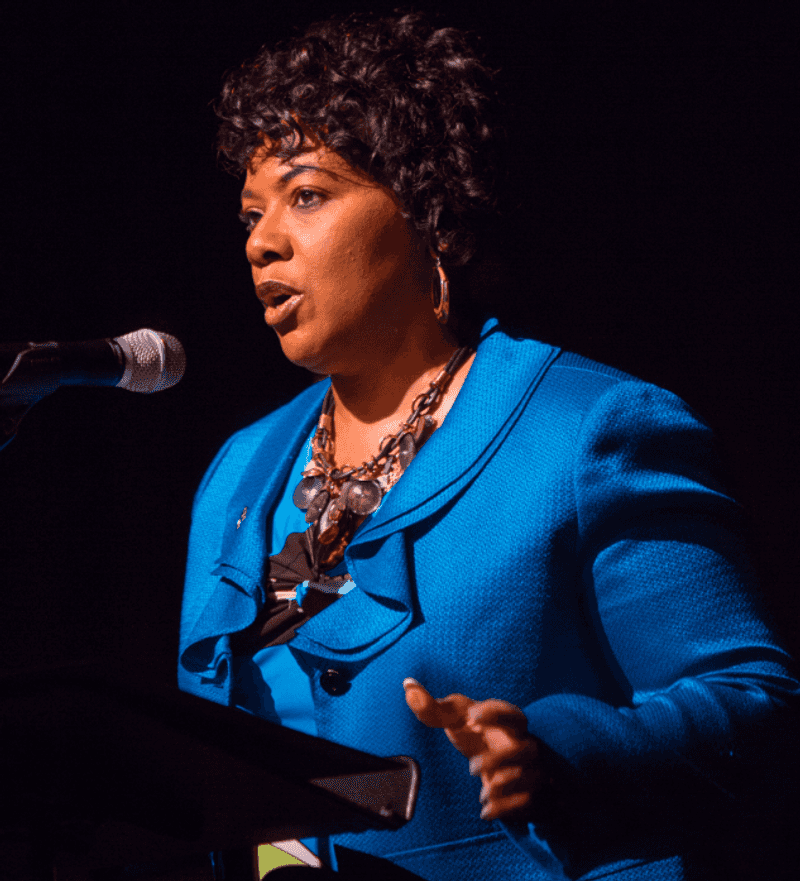
Bernice King was just five years old when her father, Dr. Martin Luther King Jr., was assassinated in 1968. Growing up without him could have been overwhelming, but Bernice channeled her grief into purpose.
She followed both his spiritual and activist paths, becoming an ordained minister and a tireless advocate for civil rights.
She earned a law degree from Emory University and later became the CEO of the King Center for Nonviolent Social Change in Atlanta. In that role, she works to carry her father’s philosophy of peaceful activism into modern conversations about race, justice, and equality.
Her speeches draw audiences around the world.
Bernice has also been vocal about family disagreements over the management of her father’s estate, showing that even legacy comes with complicated responsibilities. She remains one of the most recognized voices in the ongoing fight for social justice today.
9. Queen Victoria’s Daughter: Victoria, Princess Royal
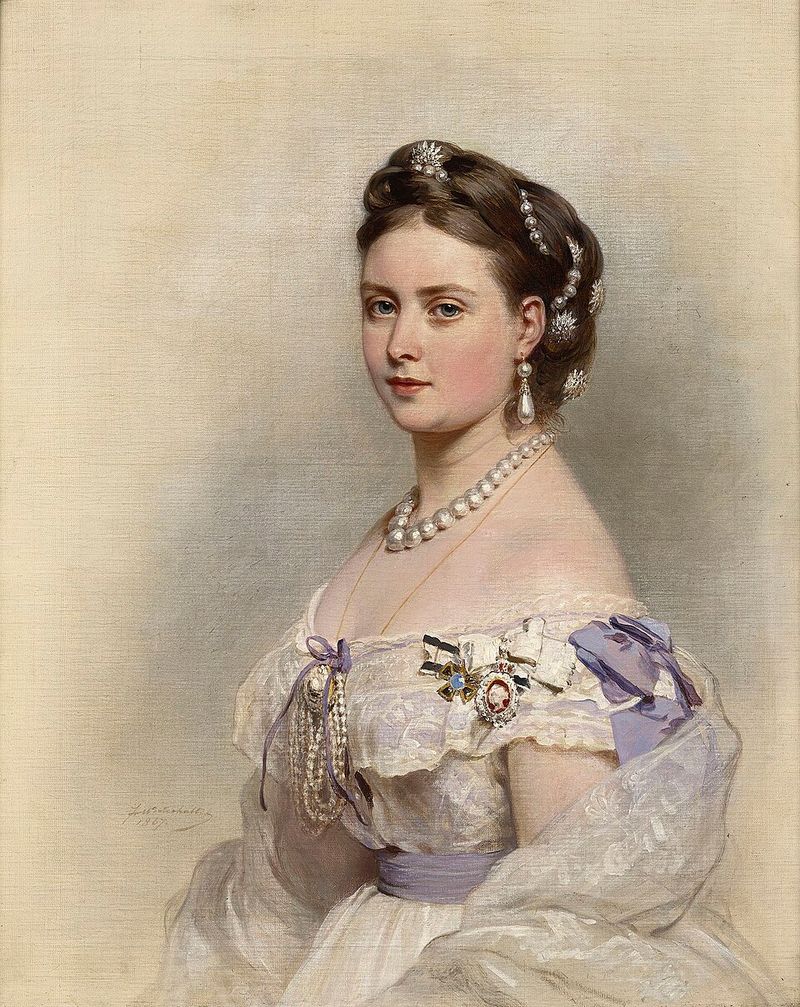
Queen Victoria had nine children, and she strategically married them into royal families across Europe, earning her the nickname “the grandmother of Europe.” Her eldest daughter, also named Victoria but called Vicky, may have had the most politically significant marriage of all. In 1858, she wed Prince Frederick of Prussia, who would later become German Emperor Frederick III.
Vicky became German Empress and Queen of Prussia in 1888, though Frederick’s reign lasted only 99 days due to his fatal throat cancer. She had hoped to modernize Germany alongside her liberal-minded husband, but his early death ended those plans.
Their son, Kaiser Wilhelm II, went on to lead Germany into World War I.
Vicky spent her later years in Germany writing letters to her mother and pursuing art. She died in 1901, just months after Queen Victoria herself, leaving behind a complex royal legacy.
10. Thomas Edison’s Son: Charles Edison
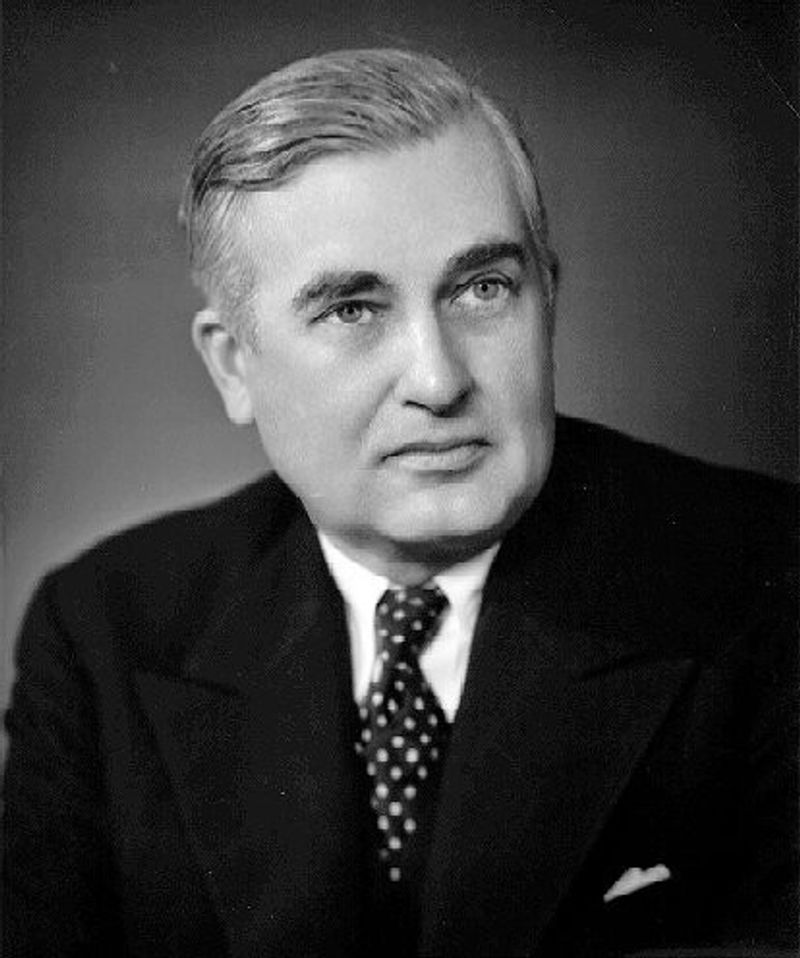
Thomas Edison invented the phonograph, the light bulb, and over a thousand other things. His son Charles Edison took a different kind of stage.
Rather than tinkering in a laboratory, Charles found his calling in business and public service. He joined his father’s companies as a young man and eventually took over as president of Thomas A.
Edison Inc.
After steering the family business, Charles shifted his focus to politics. He served as Assistant Secretary of the Navy under President Franklin D.
Roosevelt and later as acting Secretary of the Navy. His work helped prepare the U.S.
Navy during the lead-up to World War II.
Charles then returned home to New Jersey and won the governorship in 1941, serving until 1944. He was known as an independent thinker who did not always follow party lines.
He passed away in 1969, having built a reputation entirely his own.
11. John F. Kennedy’s Daughter: Caroline Kennedy
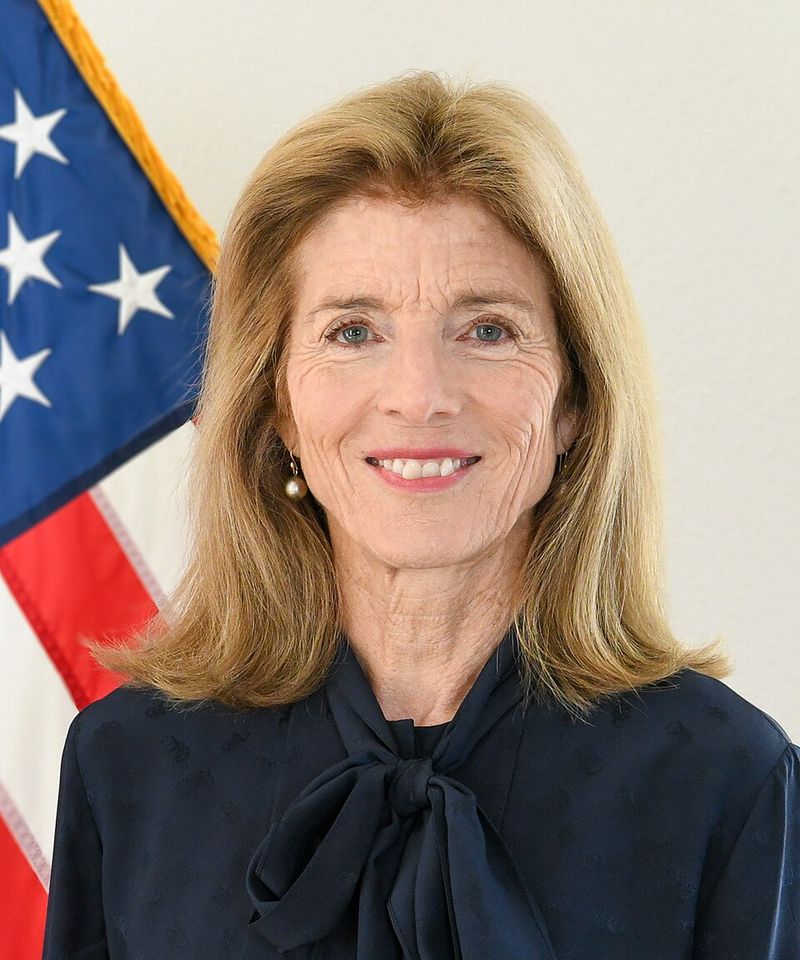
Caroline Kennedy was just three years old when her father was elected president, and six when he was assassinated. She grew up largely out of the public eye, raised carefully by her mother, Jacqueline Kennedy Onassis.
Despite the enormous grief and attention that followed her family, Caroline built a remarkably accomplished life on her own terms.
She became an attorney and a respected author, co-writing several books on civil liberties and the U.S. Constitution.
Her work helped make legal concepts accessible to everyday readers. She also became a champion of public education in New York City, serving as an education policy adviser.
In 2013, President Obama appointed Caroline as U.S. ambassador to Japan, a role she served with distinction. President Biden later appointed her ambassador to Australia.
She continues to represent both her family’s legacy and her own considerable achievements with quiet, steady dedication.
12. Nelson Mandela’s Daughter: Makaziwe Mandela
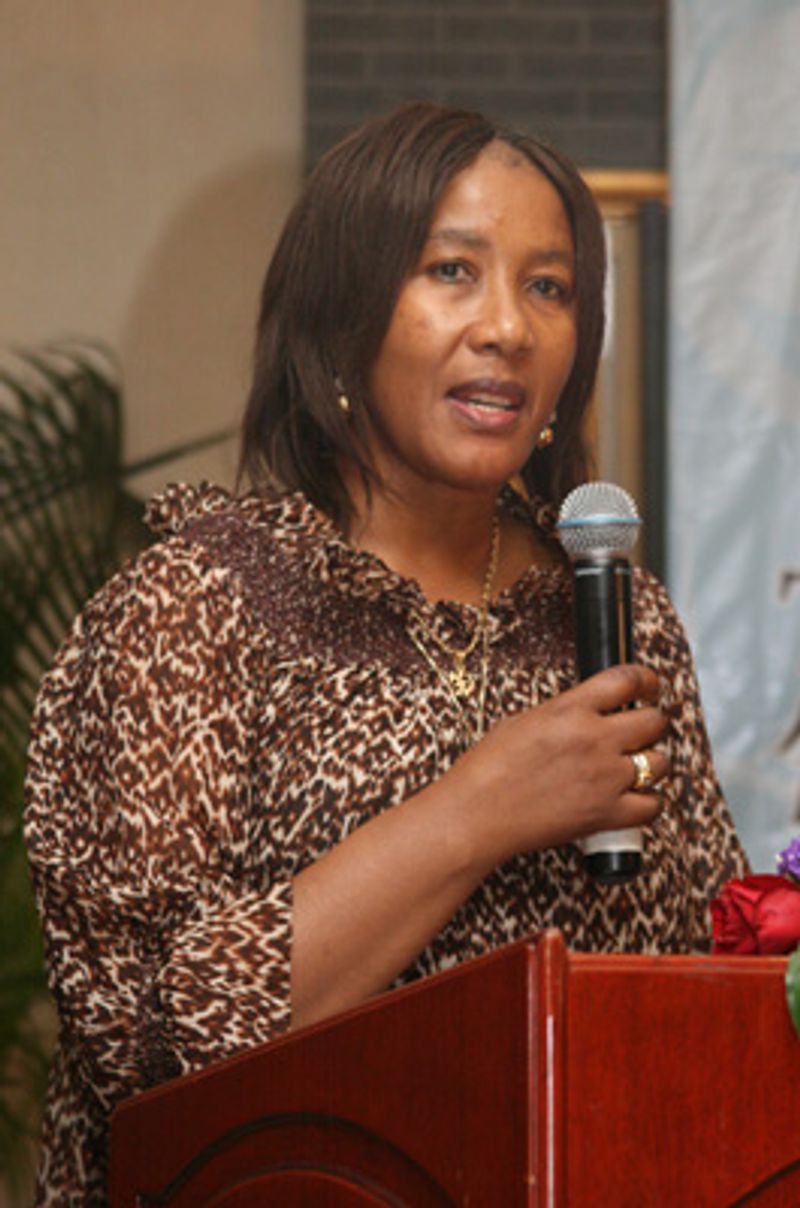
Nelson Mandela’s path from prisoner to president is one of the most celebrated stories in modern history. His daughter Makaziwe grew up during some of South Africa’s darkest years under apartheid, with her father imprisoned on Robben Island for 27 years.
That experience shaped her deeply and fueled her commitment to change.
Makaziwe went on to earn a doctorate in anthropology from the University of Massachusetts, bringing an academic perspective to her understanding of South African society. She became a businesswoman and philanthropist, working to uplift communities and preserve her father’s vision for a democratic, equal South Africa.
She has spoken publicly about the challenges of growing up with an absent but iconic father and the complicated emotions that come with carrying such a name. Makaziwe remains an active voice in discussions about African leadership, women’s empowerment, and the Mandela legacy’s future.
13. Alexander Graham Bell’s Daughters: Elsie and Marian Bell
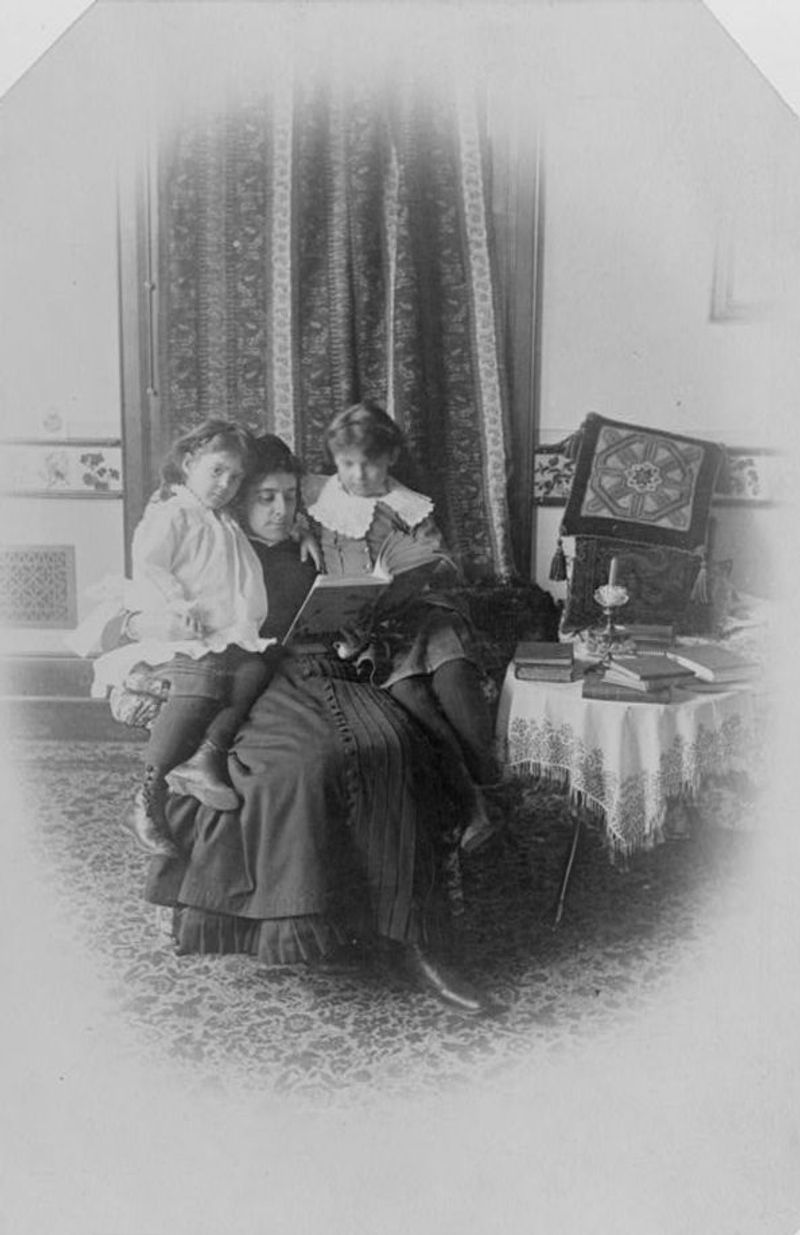
Alexander Graham Bell is best remembered for inventing the telephone, but his deepest personal passion was helping people who were deaf or hard of hearing. His mother and wife were both deaf, and that connection shaped his life’s work.
It also influenced the paths his daughters Elsie and Marian chose to follow.
Both daughters became advocates for the deaf community, reflecting their father’s belief that communication was a fundamental human right. Elsie married Gilbert Grosvenor, who became the longtime editor of National Geographic magazine, connecting the Bell family to one of the world’s great educational publications.
Marian, known as Daisy, remained close to her father throughout his life and supported his humanitarian interests.
Together, the Bell daughters helped carry forward a family legacy rooted in communication, education, and inclusion. Their quiet advocacy may not have made headlines, but it reflected values that still resonate today.
14. Ernest Hemingway’s Son: Patrick Hemingway
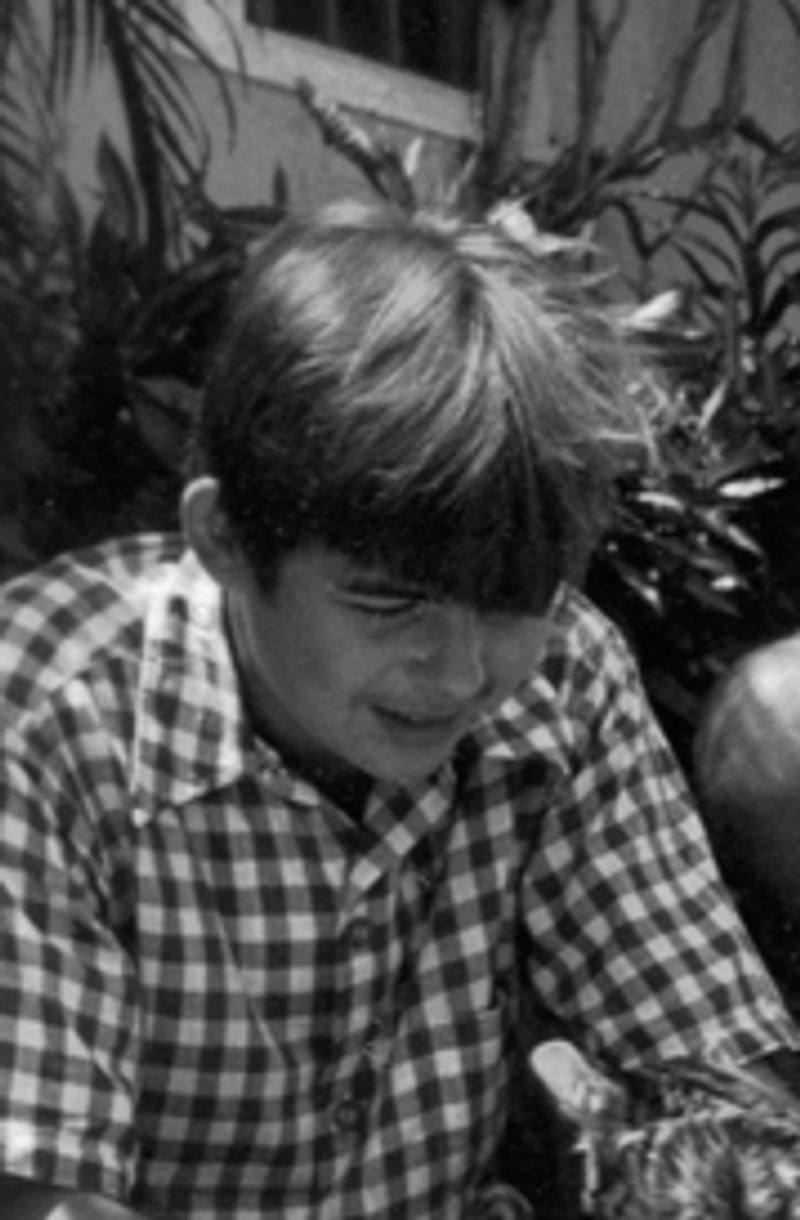
Ernest Hemingway cast a long literary shadow, but his son Patrick had no interest in competing with it. Instead of picking up a pen, Patrick picked up a rifle and a pair of binoculars and headed to Africa.
He spent much of his adult life working as a professional safari guide and hunter in Tanzania, building a career rooted in the wild landscapes his father had written about so vividly.
Patrick later became a conservationist, recognizing that protecting African wildlife was just as important as experiencing it. He managed his own safari business for decades, earning respect in East African conservation circles.
His life was quieter and more grounded than his father’s turbulent existence.
Patrick also served as a steward of the Hemingway literary estate, helping manage his father’s published works and legacy. He passed away in 2022 at age 94, having lived a full, adventurous life on his own terms.
15. Franklin D. Roosevelt’s Son: James Roosevelt
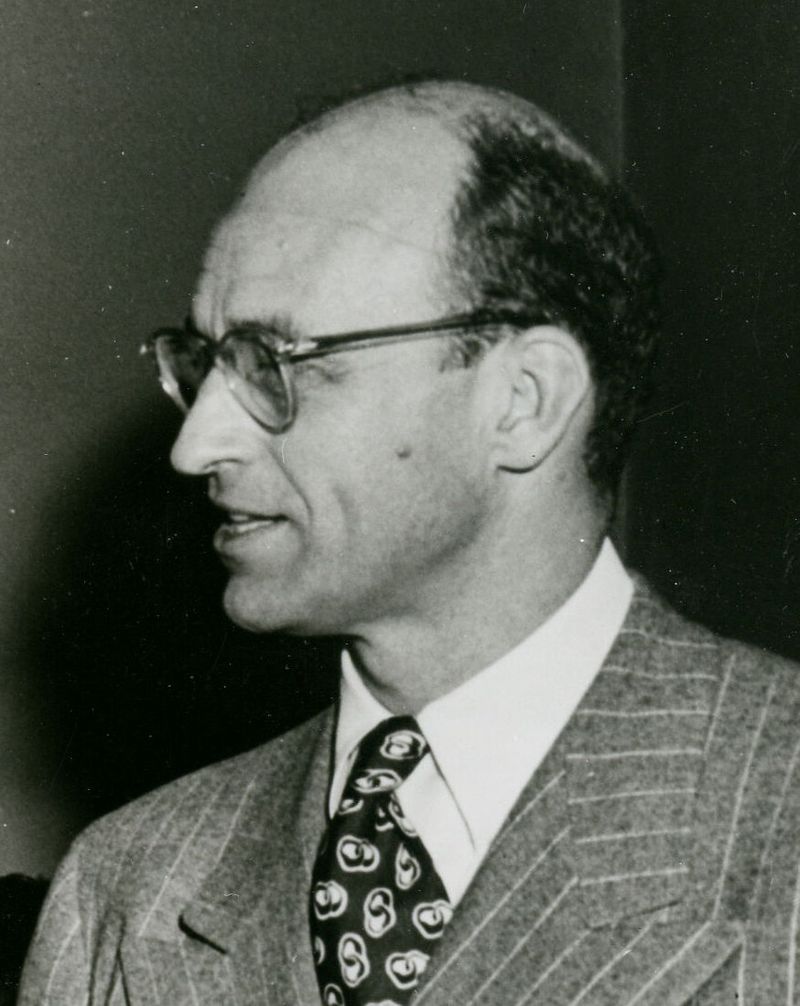
Franklin D. Roosevelt led the United States through the Great Depression and most of World War II, and his son James was right in the thick of the war effort.
James served as a U.S. Marine Corps officer, earning the Navy Cross and other decorations for his bravery in combat.
He participated in the famous Makin Island Raid in 1942, one of the early commando operations of the Pacific theater.
After the war, James transitioned into politics, winning a seat in the U.S. House of Representatives from California, where he served multiple terms.
He was known as a progressive voice on civil rights and social issues, continuing his family’s tradition of public service.
James also worked in business and insurance between his political roles. He passed away in 1991, having lived a life that balanced military honor, political service, and entrepreneurial ambition in equal measure.
Share this story