Since 1899, this South Philadelphia restaurant has been serving Italian food to generations of diners, earning its place as the city’s oldest Italian restaurant and one of the oldest continuously operating Italian restaurants in the United States. More than a historic landmark, it remains a destination where tradition, family recipes, and neighborhood culture come together at the table.
The restaurant’s story began with Italian immigrants seeking a taste of home, and that legacy still shapes the experience today. Classic pasta dishes, longtime menu favorites, and recipes passed down through generations have helped build a loyal following that spans decades.
What makes this place stand out is not just its age, but its ability to remain relevant while preserving its history. Every dining room, photograph, and signature dish reflects a piece of Philadelphia’s Italian-American heritage.
Here’s why this South Philly institution continues to attract visitors more than a century after it first opened its doors.
A Corner Address That Carries Over a Century of Weight
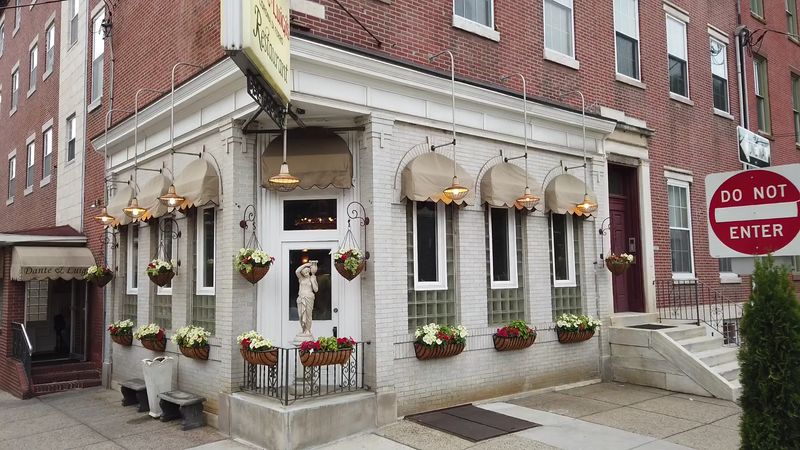
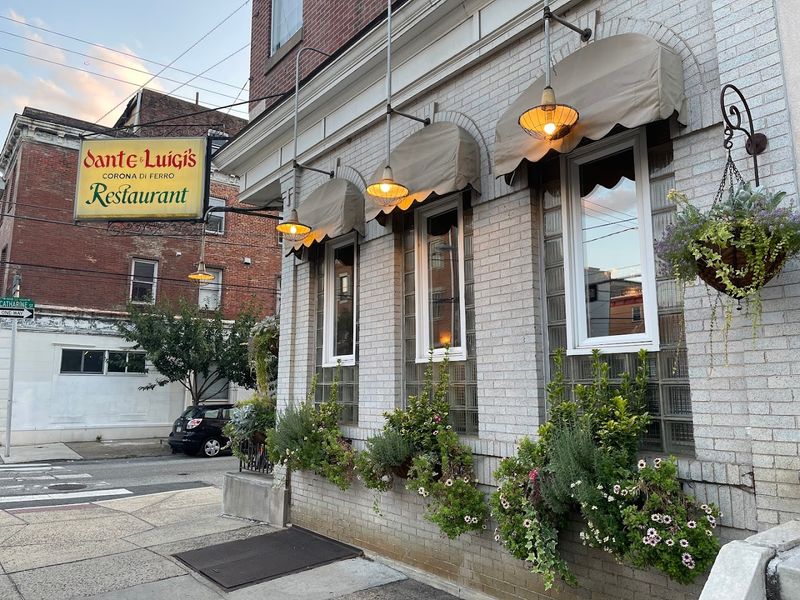
The address is 762 S 10th St, Philadelphia, PA 19147, a corner spot in the heart of South Philadelphia’s Italian Market district, and the building itself is part of the story.
Two converted townhouses from the 1850s form the restaurant’s footprint, and you can feel that age in every detail, from the thick walls to the narrow doorways that connect the dining rooms.
South Philly has always been the soul of Italian American culture in this city, and this particular block has been anchored by this restaurant for well over a hundred years.
The neighborhood around it still carries that old-world energy, with the famous 9th Street Italian Market just steps away, produce vendors and specialty shops lining the sidewalks.
The restaurant is open Tuesday through Sunday starting at 4 PM, closed on Mondays, and reservations are strongly encouraged, especially on weekends when the dining rooms fill quickly and the energy inside reaches a pleasant hum.
From Corona di Ferro to a Name the City Never Forgot
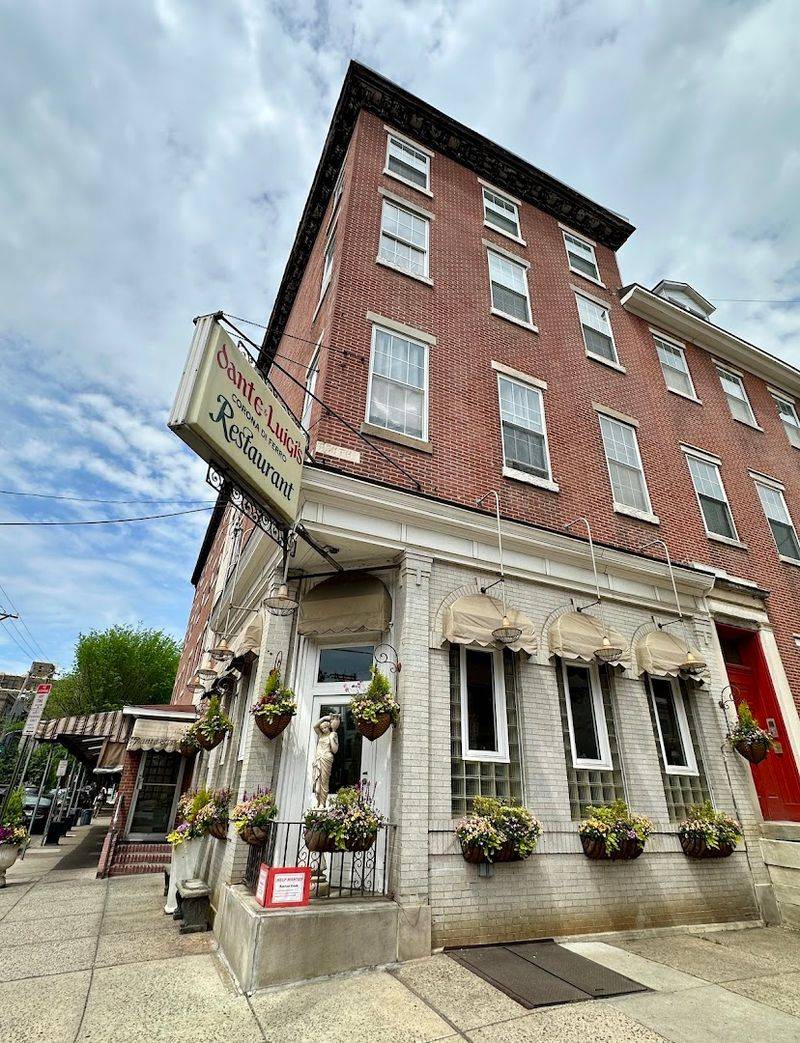
When Michael DiRocco founded this restaurant in 1899, he named it Corona di Ferro, which translates from Italian as Crown of Iron, a bold and proud name for a bold and proud venture.
The original purpose was genuinely remarkable: the restaurant served as a landing point for Italian immigrants arriving in Philadelphia, many of whom disembarked with the restaurant’s name literally pinned to their lapels so they could find their way there.
Upstairs rooms provided lodging, and the restaurant itself offered work, making this place a full support system for people starting over in a new country.
After Michael DiRocco passed away, his sons Dante and Luigi took over, adding their names to the sign, and the name stuck permanently.
That founding story gives the restaurant a weight that most dining establishments simply cannot claim, and it transforms every meal eaten here into something that feels connected to a much larger human journey across generations.
The LaRussa Chapter: New Hands, Same Soul
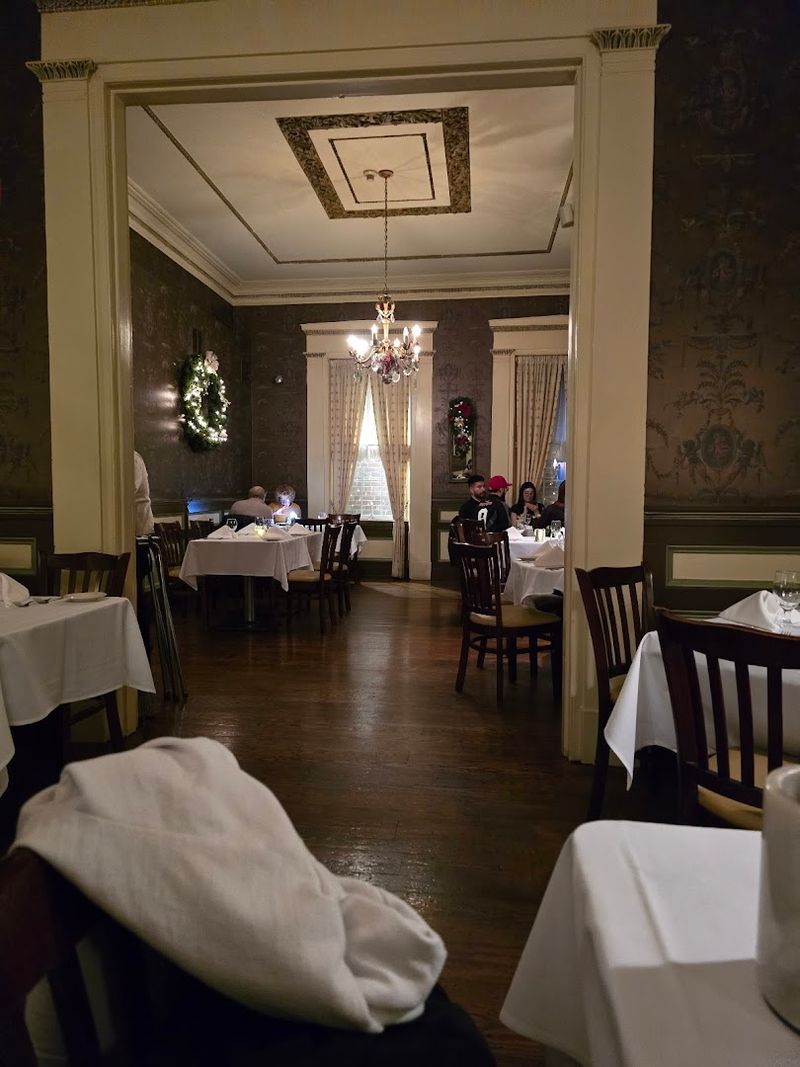
In 1996, nearly a century after the DiRocco family first opened those doors, Michael and Connie LaRussa became the first non-family owners in the restaurant’s history, a transition that could have changed everything but instead preserved what mattered most.
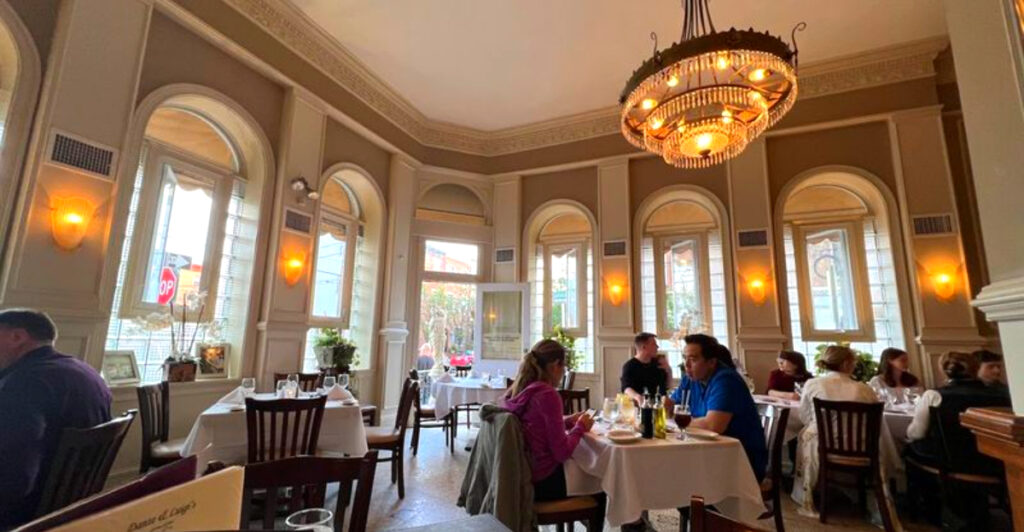
The LaRussas undertook careful renovations to restore the building’s original charm, keeping the intricate ceiling molding, the old-school wallpaper, and the general sense that you have walked into a dining room that respects its own past.
Connie LaRussa in particular has become a beloved presence at the restaurant, known for greeting guests with genuine warmth and making first-time visitors feel like regulars before the bread basket even arrives.
The philosophy under the LaRussa ownership has remained consistent: classic Italian cooking made entirely in-house, with no shortcuts and no pretension, just honest food prepared with care.
That commitment to continuity is exactly why a restaurant that opened during the McKinley administration is still pulling in full dining rooms more than 125 years later.
The Gravy That Made Pennsylvania Legends Out of a Pot of Tomatoes
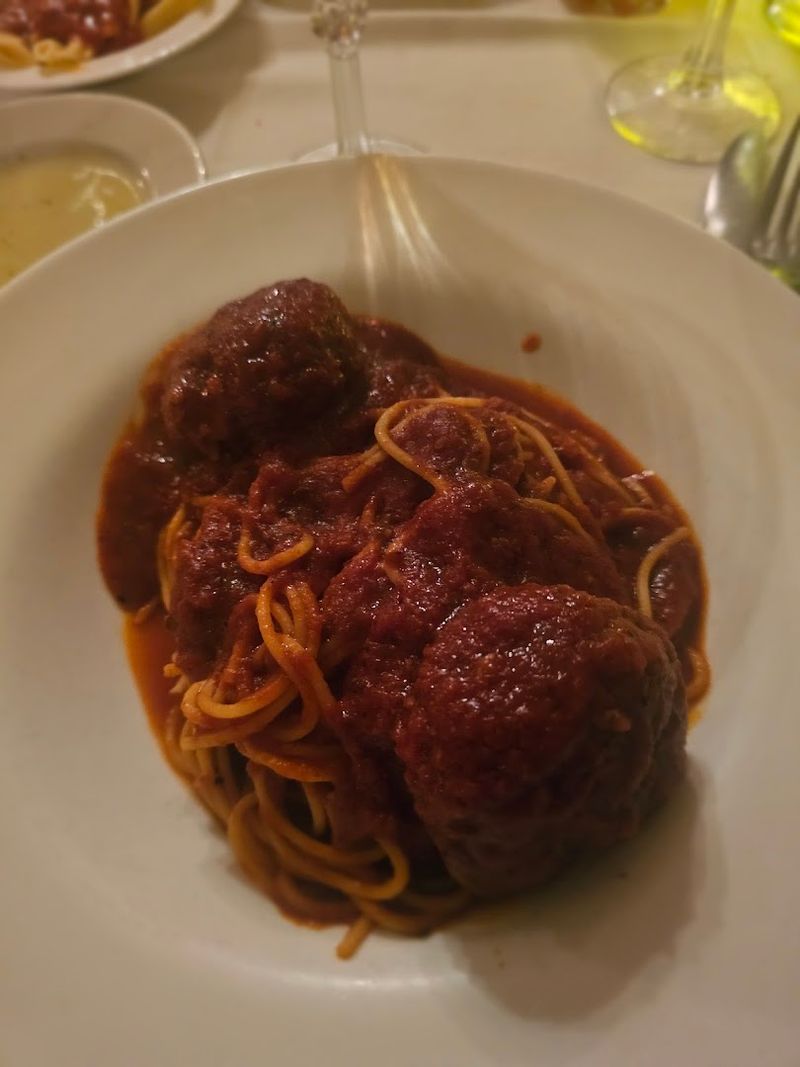
Ask any regular at this restaurant what you absolutely cannot skip, and the answer almost always comes back to the gravy, which in South Philly Italian tradition means the slow-cooked tomato sauce that serves as the foundation for much of the menu.
Made entirely in-house from scratch, this sauce has earned a reputation as some of the best in Pennsylvania, a claim that sounds bold until you actually taste it and realize the claim is modest.
The spaghetti and meatballs built around this gravy is one of those dishes that reminds you why red sauce Italian cooking became beloved worldwide in the first place: it is simple, deeply flavored, and completely satisfying.
Every pasta dish on the menu benefits from the same commitment to house-made ingredients, meaning the sauces, the pasta, and the accompanying proteins all come together with a consistency that is hard to replicate.
The kitchen does not cut corners, and the gravy is the clearest proof of that philosophy on every single plate.
Signature Dishes That Have Outlasted Entire Culinary Trends
The menu at this restaurant reads like a greatest-hits collection of classic Italian American cooking, and several dishes have achieved near-legendary status among Philadelphia diners who have been coming here for years.
The stuffed whole calamari over linguini is one of the most talked-about starters, arriving tender and flavorful in a way that reminds you why this preparation became a staple of Italian-American coastal cooking.
Osso buco, the slow-braised veal shank that requires patience and skill to execute properly, appears on the menu and delivers the kind of fall-off-the-bone richness that justifies every minute of preparation time.
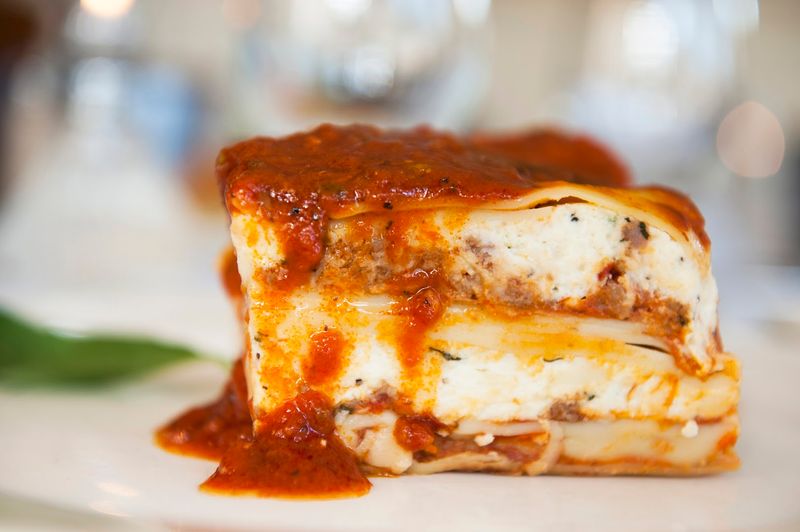
The lasagna has drawn consistent praise, layered generously and baked until the edges crisp up just enough to provide contrast against the soft, saucy interior.
Veal parmigiana, chicken cutlets, and gnocchi that reportedly melts in your mouth round out a menu that covers the full spectrum of Southern Italian comfort food without a single dish feeling like an afterthought.
The Carbonara That Diners Cannot Stop Talking About
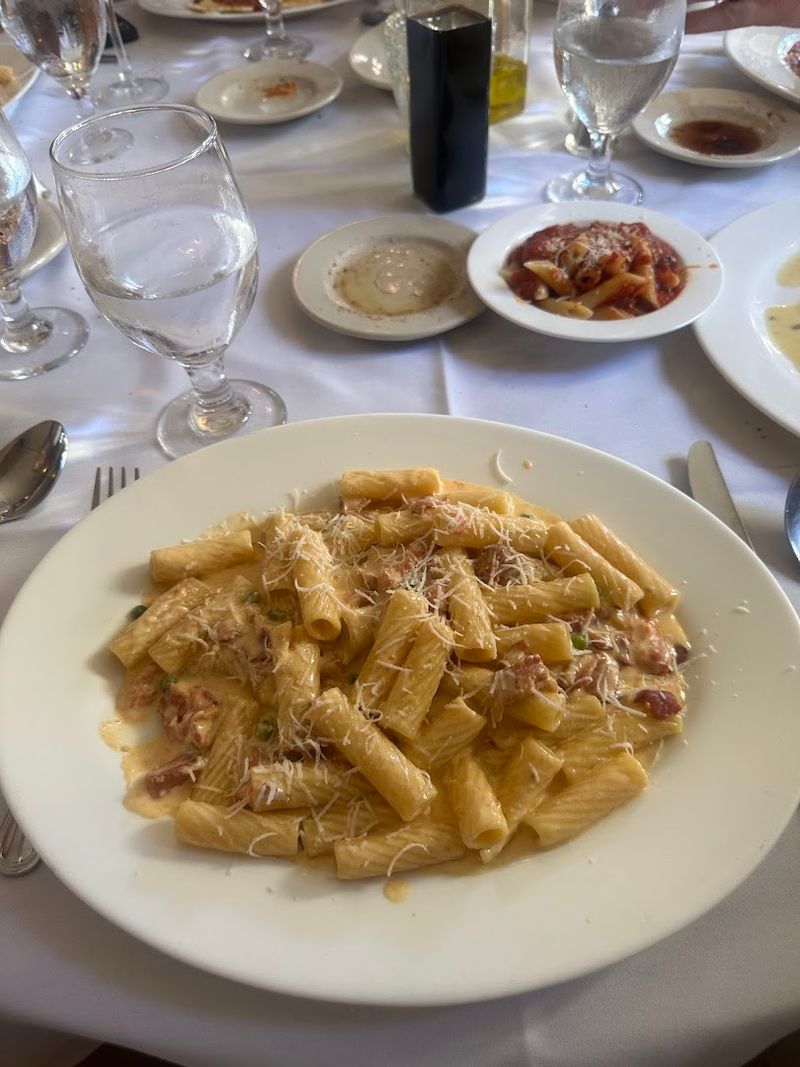
Among the many dishes that earn praise at this restaurant, the carbonara has developed a following that borders on obsessive, with multiple diners describing it as the best version they have ever tried, not just in Philadelphia, but anywhere in the United States.
A proper carbonara is deceptively difficult to get right: the egg-based sauce must be silky without scrambling, the pasta must carry the coating evenly, and the seasoning must be precise enough to let each element speak clearly.
The rigatoni carbonara here checks every one of those boxes, arriving rich and perfectly executed, with a depth of flavor that makes you slow down and actually pay attention to each bite.
The ziti with broccoli rabe and sweet Italian sausage is another pasta option that has earned serious fans, combining the slight bitterness of the greens with the savory sweetness of the sausage in a balance that feels completely natural.
Pasta at this restaurant is simply not something you order just to fill a gap on the table.
Two Converted Townhouses and the Atmosphere Inside Them
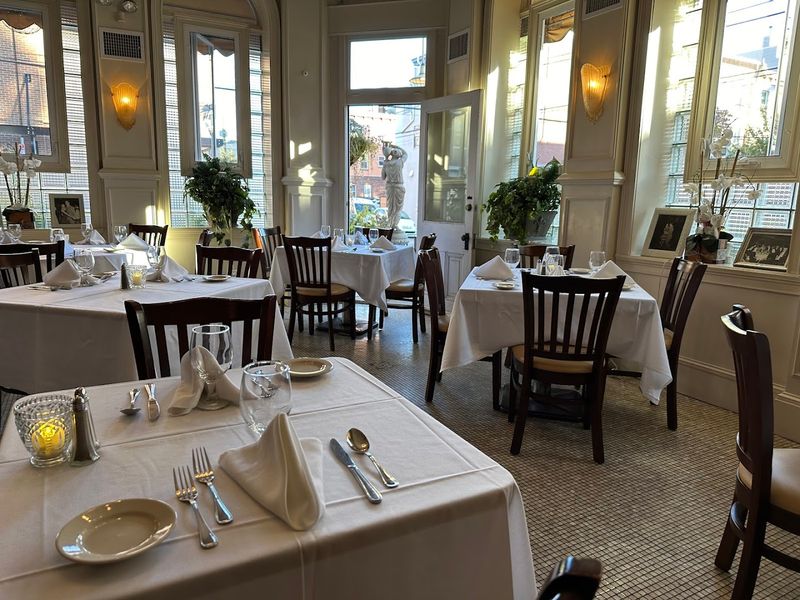
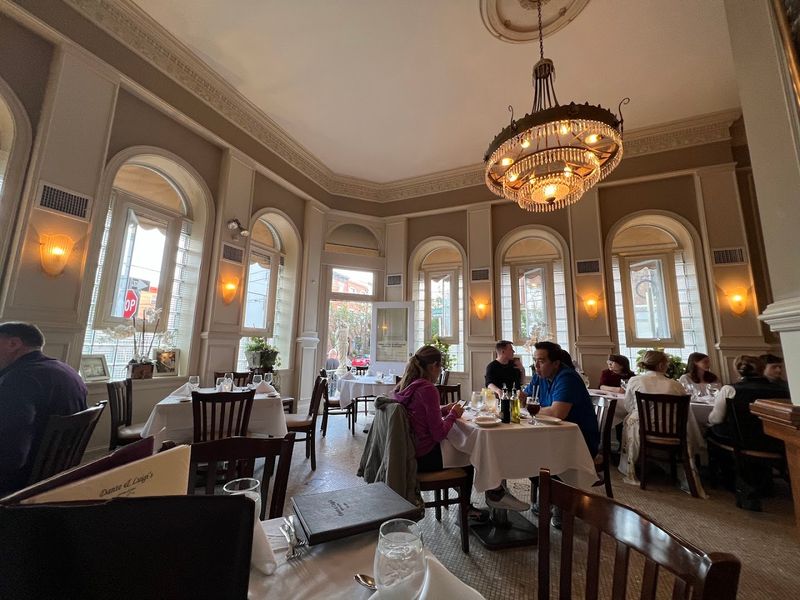
The physical space at this restaurant is genuinely worth paying attention to, because the two converted 1850s townhouses that house it have been preserved in a way that feels respectful rather than theatrical.
The dining rooms are divided into separate areas, which keeps the noise level surprisingly manageable for a restaurant that regularly runs at full capacity, giving each table its own pocket of relative calm.
White linen tablecloths, proper silverware, and stemware set a tone that is formal enough to feel special but relaxed enough that you do not feel the need to whisper.
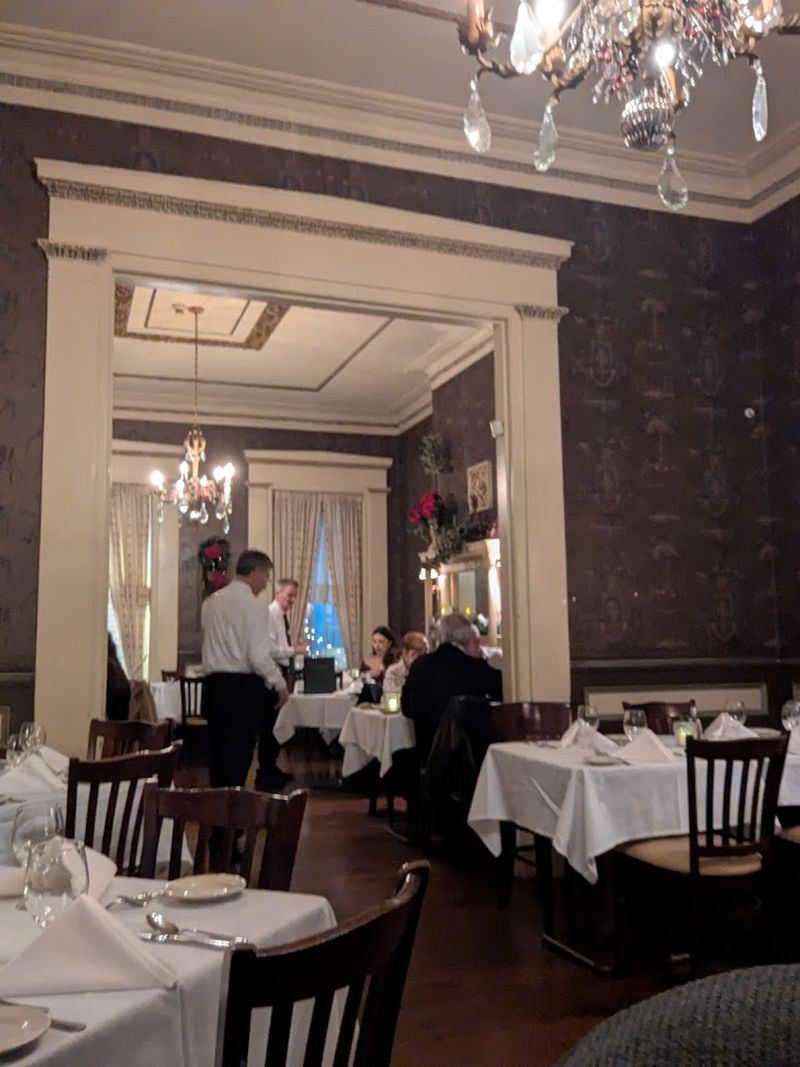
The ceiling molding draws the eye upward, and the old-school wallpaper, which one visitor memorably described as something your Italian grandmother would have chosen for a formal occasion, adds a layer of character that no renovation could manufacture.
The overall effect is a room that feels like it belongs to a different, slower era, and that quality is exactly what makes the atmosphere so hard to replicate anywhere else in the city.
A History That Includes More Than Just Good Food
No honest account of this restaurant’s history would be complete without acknowledging that its long run in South Philadelphia also intersected with the neighborhood’s more complicated past.
The restaurant developed a reputation as a gathering spot for members of the Philadelphia underworld during certain decades, and in 1989, a violent incident involving Nicodemo Scarfo Jr. took place there, an event that became part of the city’s documented organized crime history.
That chapter of the restaurant’s story is part of what makes its history genuinely layered rather than simply charming, and it reflects the broader reality of South Philadelphia’s social fabric during that era.
The restaurant did not close, did not rebrand, and did not pretend none of it happened. It simply kept cooking, kept serving, and kept evolving under new ownership.
That kind of resilience across more than 125 years, through multiple ownership changes, historical incidents, and shifting neighborhoods, is something very few restaurants anywhere in the country can honestly claim.
Service That Feels Personal in a Room Full of Strangers
One of the most consistent themes that emerges from anyone who has eaten here recently is that the service feels genuinely attentive rather than performatively polished, a distinction that makes a real difference over the course of a full meal.
Staff members take time to explain the menu, offer recommendations based on what guests actually describe wanting, and check in throughout the meal without hovering or creating pressure to rush.
The kitchen has been known to accommodate off-menu requests when possible, a flexibility that speaks to a kitchen confident enough in its skills to go beyond the printed page.
Connie LaRussa’s presence on the floor contributes to an atmosphere where the ownership feels invested in each table rather than abstracted behind a management layer.
That combination of knowledgeable servers, accommodating kitchen, and present ownership creates a service experience that matches the food in quality, which is a harder achievement than most restaurants realize and a rarer one than most diners expect.
Practical Tips for Getting the Most Out of Your Visit
A few practical details can make the difference between a smooth evening and an unnecessarily stressful one at this restaurant, so they are worth knowing before you go.
Reservations are strongly recommended, particularly on Friday and Saturday nights when the dining rooms fill up and walk-ins may face a significant wait. The restaurant can be reached at 215-922-9501 or through its website at danteandluigis.com.
Parking in this part of South Philadelphia is a known challenge, and the restaurant offers valet service for around $19, which is worth considering if circling the block repeatedly sounds unappealing.
The restaurant is open Tuesday through Sunday from 4 PM, with Friday and Saturday service running until 10:30 PM and other nights closing at 9:30 PM.
Prices fall in the moderate-to-upscale range, though most visitors find the portion sizes and overall quality make the bill feel entirely reasonable. Come with an appetite, arrive with a reservation, and let the kitchen do the rest.
Share this story