There is a restaurant in Memphis, Tennessee, that has been feeding the community for more than 75 years, and its story goes far beyond the food on the plate. This is a place where history walked through the front door, where civil rights leaders pulled up a chair, and where generations of Memphis families have gathered around the table.
Dr. Martin Luther King Jr. was among those who made it a regular stop, and that connection alone is enough to make any curious traveler take notice. The neighborhood setting, the decades of photographs on the walls, and the family-run spirit all come together to create something that feels genuinely rare.
By the time you finish reading, you will understand exactly why this Memphis institution has earned its place in American history, not just local food culture.
Why Dr. King Kept Coming Back
Dr. Martin Luther King Jr. visited Memphis multiple times throughout the civil rights movement, and The Four Way was one of his trusted stops during those visits. The restaurant sat at the center of the Black community, making it a natural meeting point for leaders, organizers, and everyday residents who were all connected to the broader struggle for equality.
The Four Way was not just a place to eat during those years; it was a place where conversations happened, where community bonds were reinforced, and where people found comfort during difficult times. Having a space like this mattered deeply to those who were working for change in the South.
That historical connection is something the current ownership takes seriously. Staff members can speak at length about the restaurant’s civil rights-era significance, and the walls of the dining room hold photographs and articles that document those remarkable years.
History here is not just referenced; it is actively preserved.
Other Famous Faces Who Pulled Up a Chair
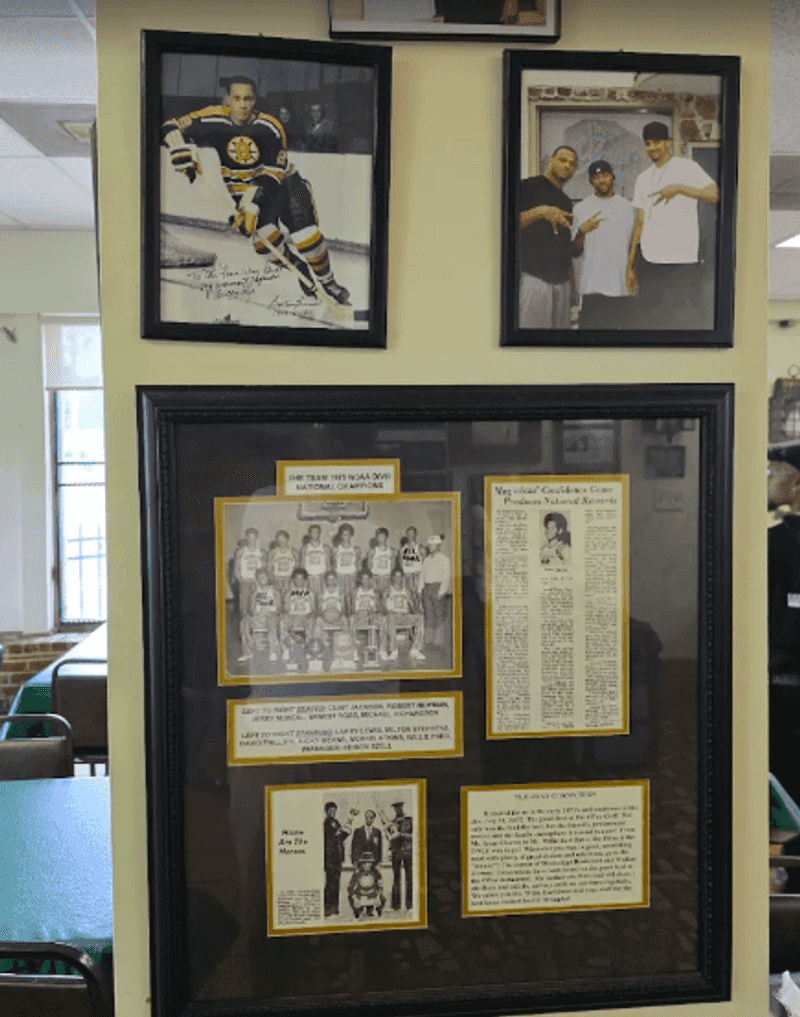
Dr. King was not the only notable figure to dine at The Four Way over its long history. Soul music legend Isaac Hayes was also among those who ate here, a fact that staff members are proud to share with guests who ask about the restaurant’s famous connections.
The walls of the dining room display photographs and newspaper clippings that document visits from musicians, athletes, politicians, and community figures across multiple decades. Each image adds another layer to a story that stretches back more than 75 years.
For a restaurant rooted in a neighborhood rather than a tourist corridor, this kind of recognition speaks to something genuine. People from all walks of life were drawn here not because of a marketing campaign but because the food, the atmosphere, and the community made it a place worth returning to.
That organic reputation is exactly the kind that endures across generations and keeps a place relevant long after its founding era has passed.
The Family Behind the Legacy
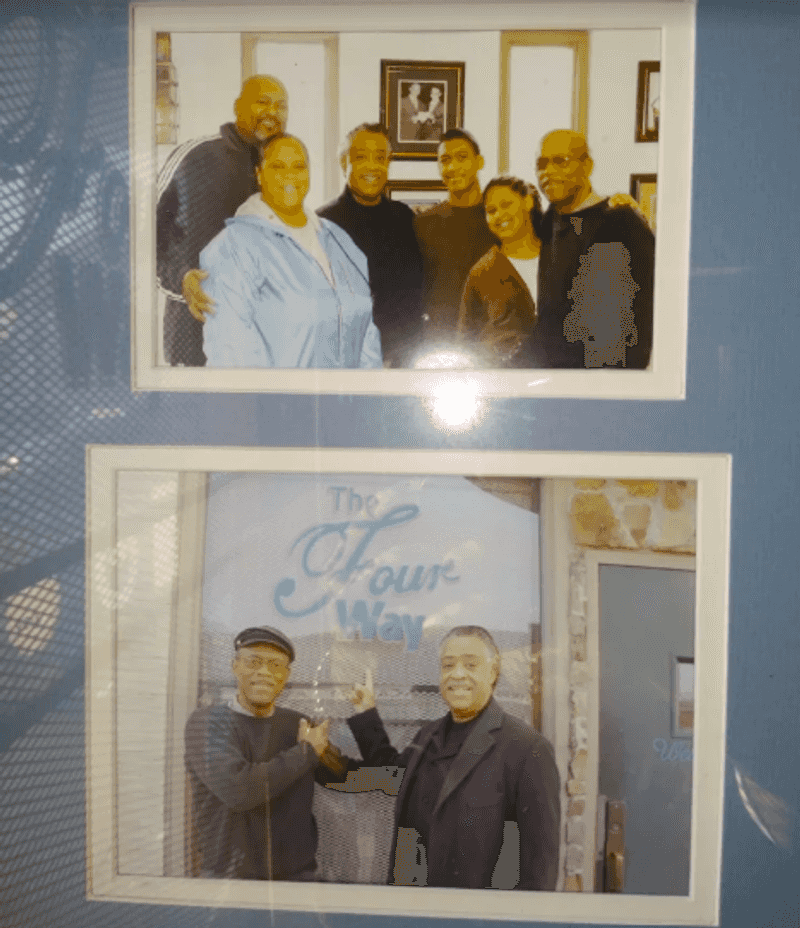
The Thompson family took over The Four Way and brought it back from a period of closure, restoring it to the neighborhood cornerstone it had always been. Their commitment to the original spirit of the restaurant is evident in how they run daily operations, from the recipes they use to the way guests are welcomed at the door.
Running a historic restaurant comes with its own set of pressures. There is the expectation of authenticity, the responsibility of honoring those who came before, and the practical challenge of keeping a decades-old business financially sustainable.
The Thompson family has navigated all of this while keeping the doors open and the kitchen running.
The family presence is felt throughout the dining experience. Staff members, many of whom are connected to the ownership, bring a personal investment to their work that is not common in larger, corporate dining environments.
When the owner is present, they often take time to speak with guests directly, sharing the restaurant’s history with anyone who wants to hear it.
What the Dining Room Tells You Before the Food Arrives
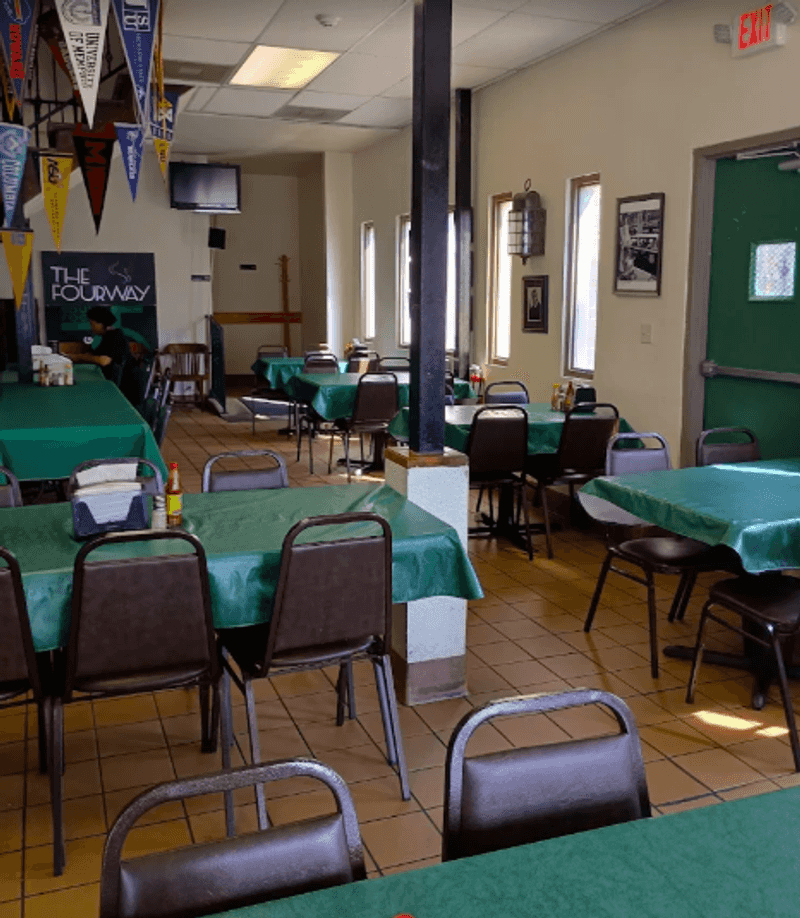
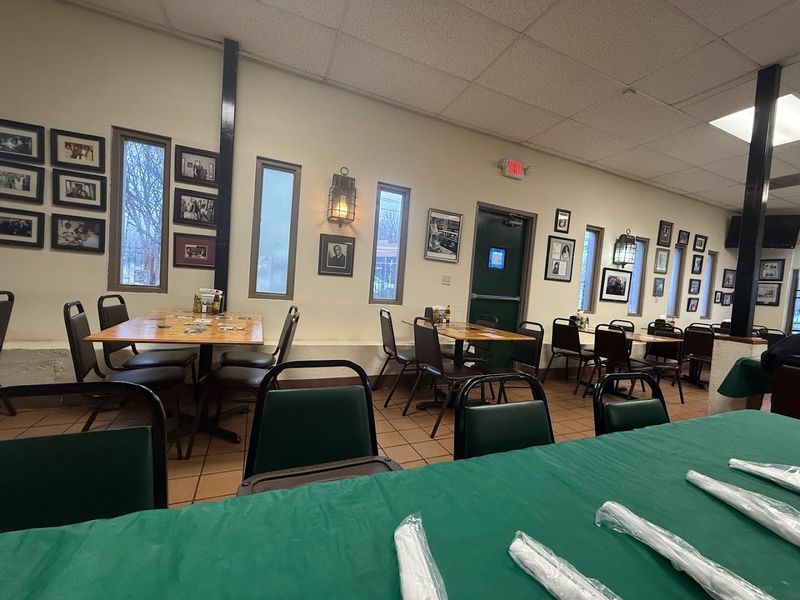
The interior of The Four Way functions almost like a museum of Memphis history. Framed photographs, old newspaper articles, and memorabilia cover the walls, offering guests a visual timeline of the restaurant’s life from its 1946 founding through the civil rights era and into the present day.
There is a deliberate effort to keep this history visible and accessible. A staff historian named JoElle has been known to walk guests through the restaurant’s 80-plus years of community involvement, explaining not just the famous visitors but also the role the restaurant played in South Memphis more broadly.
This approach to storytelling transforms a meal into something more layered. A guest who arrives knowing nothing about The Four Way can leave with a genuine understanding of why it matters.
The decor does not feel like a theme; it feels like a record.
Every photograph on the wall was earned, and every headline clipped and framed represents a real moment in a long and continuing story.
South Memphis and the Neighborhood That Shaped It All
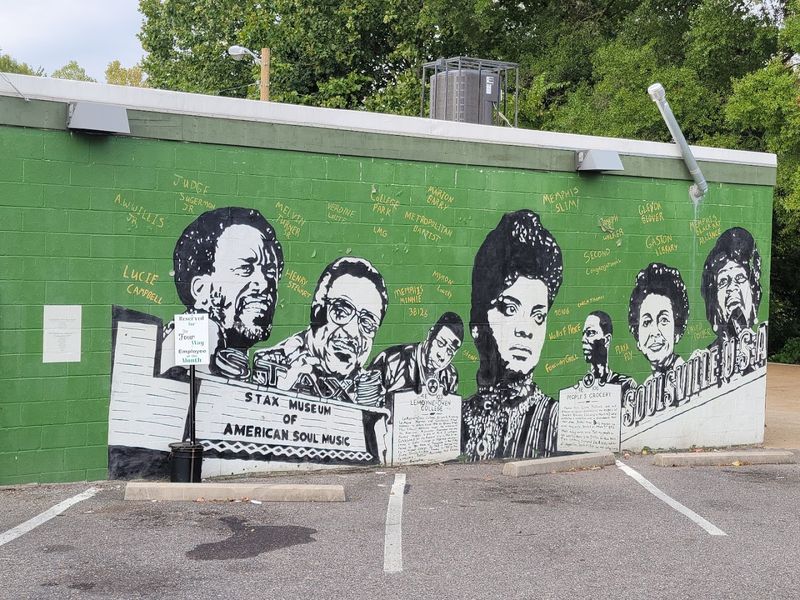
South Memphis carries a history that most tourists never get to see, and The Four Way sits squarely within it. The Mississippi Boulevard corridor was once one of the most economically active Black neighborhoods in the mid-South, with businesses, music venues, churches, and community organizations all operating within a few blocks of each other.
The civil rights movement ran through this neighborhood with particular intensity, given Memphis’s role as a flashpoint for labor organizing and racial justice efforts in the 1960s. The restaurant existed through all of it, serving the people who lived and worked in the area during some of the most turbulent years in American history.
Understanding the geography helps explain why The Four Way became what it did. It was not placed in a convenient tourist area or a busy commercial strip.
It grew out of a specific community, served that community through difficult decades, and continues to anchor the neighborhood today.
That rootedness is a big part of what makes it historically significant.
Hours, Days, and How to Plan Your Visit
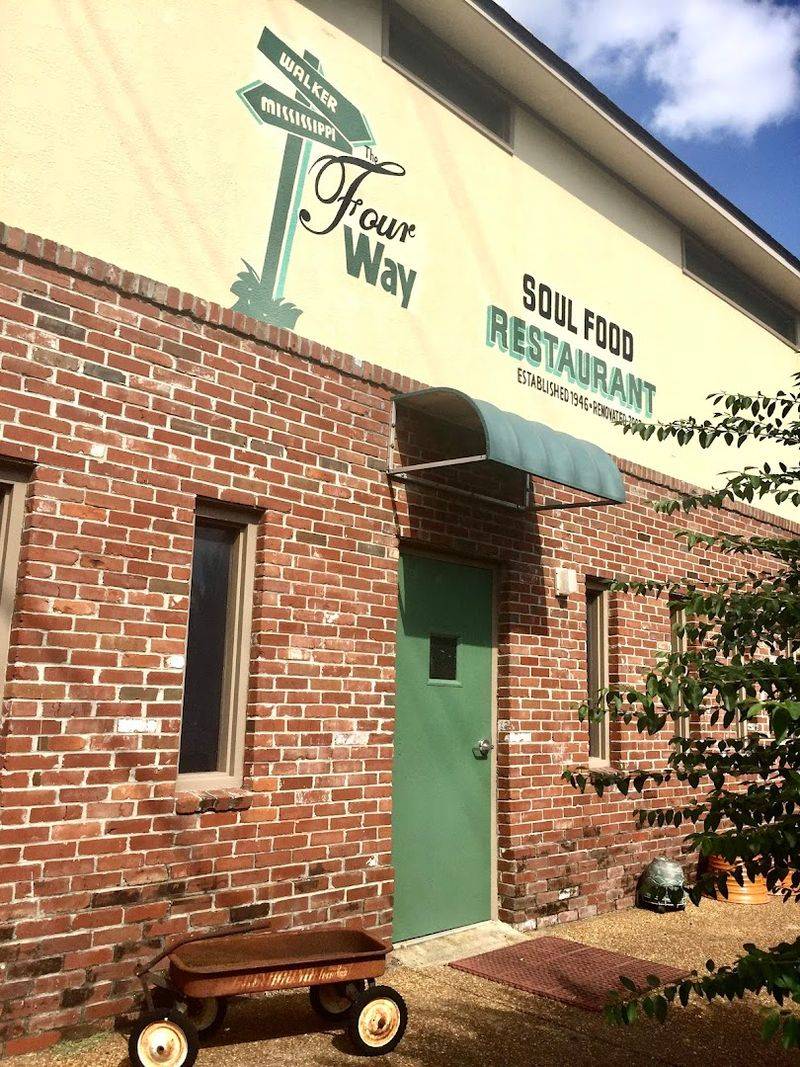
Planning a trip to The Four Way requires a bit of attention to the schedule, because the restaurant keeps focused hours rather than staying open all week. Currently, the kitchen runs Wednesday through Sunday from 11 AM to 5 PM, and the restaurant is closed on Mondays and Tuesdays.
Those hours reflect a deliberate choice to maintain quality over volume. A shorter operating window allows the kitchen to focus on preparation and consistency, which matters when you are working with traditional recipes that take time and care to execute properly.
For out-of-town guests, the best approach is to arrive early in the lunch window, especially on weekends, when demand tends to be higher. The restaurant is located at 998 Mississippi Blvd in the South Memphis neighborhood, and it is worth building the visit into any Memphis itinerary well in advance.
More information about the current schedule and any special events can be found at fourway901.com before making the trip.
A Menu Rooted in Generational Tradition
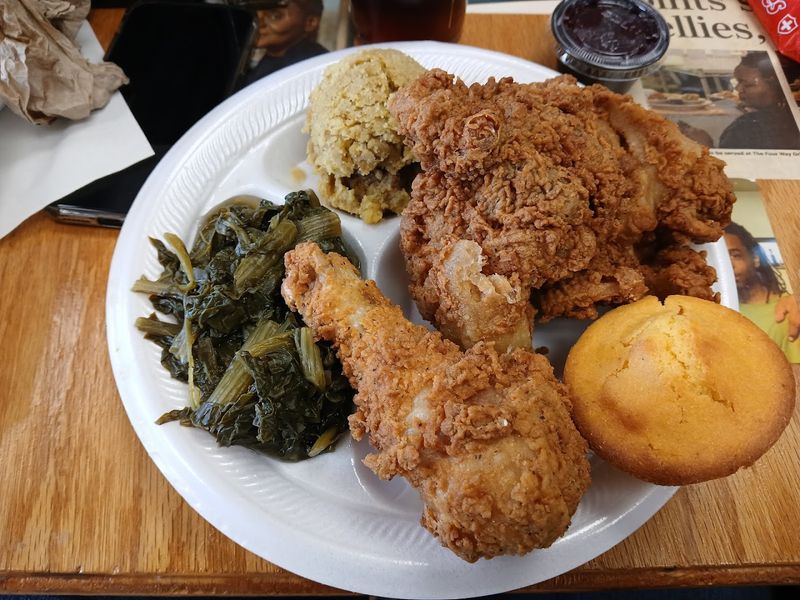
The menu at The Four Way draws directly from the kind of Southern cooking that has been passed down through families for generations. The dishes are built around techniques and flavor combinations that have been refined over decades, not developed by a culinary trend or a new chef testing concepts.
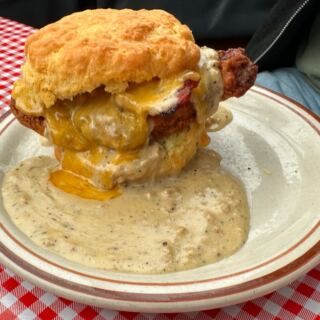
Plates arrive loaded and hot, built around proteins like fried chicken, catfish, and turkey with dressing, accompanied by sides that reflect the full range of classic Southern cooking. Turnip greens, yams, black-eyed peas, cabbage, and cornbread are all part of the regular rotation.
Desserts are taken seriously here. Sweet potato pie, peach cobbler, and lemon pie have all developed strong followings among regular guests.
The recipes carry the kind of consistency that only comes from long practice and careful attention. Nothing on the menu feels like it was assembled quickly or without thought.
Each dish connects back to a culinary tradition that is specific to the South and, more precisely, to Memphis itself.
The VIP Drink That Everyone Talks About

Among the details that regular guests tend to mention most often, the house drink known as the Four Way VIP stands out consistently. It is a half-sweet-tea, half-lemonade combination that the restaurant has made its own, and it has become one of the signature elements of the dining experience.
The owner, known to regulars as Mr. Jerry, has been described referring to it affectionately as a kind of addictive refresher, which gives some sense of how enthusiastically it is received. For a restaurant that takes pride in doing simple things well, the VIP drink fits perfectly into that philosophy.
Sweet tea is a Southern institution on its own, but the combination with lemonade creates something that works especially well alongside the bold, seasoned flavors of the food. It is the kind of detail that seems small until you are sitting at the table and realize it genuinely elevates the whole meal.
First-time guests are almost universally encouraged by staff to order one.
What Sets the Hospitality Apart
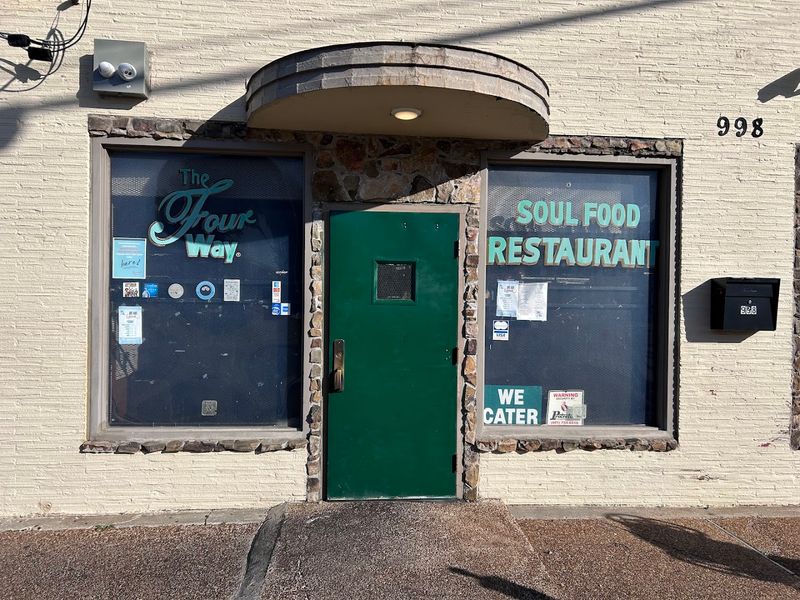
The hospitality at The Four Way is consistently described as the kind that makes guests feel like they have arrived at a family member’s home rather than a commercial restaurant. Staff members greet guests at the door, check in throughout the meal, and often go out of their way to make sure nothing is needed.
This is not accidental. The family-run structure of the restaurant creates a culture where service is personal rather than transactional.
When the people serving you have a direct connection to the ownership and the history of the place, the interaction carries a different quality than what most chain or corporate restaurants can replicate.
For guests traveling from out of town, that warmth can be particularly striking. Memphis has a reputation for Southern hospitality in general, but The Four Way takes it to a specific and genuine level.
Staff members often take time to explain the menu, share the restaurant’s history, and make sure first-time guests leave with a full picture of what they just experienced.
Affordability Without Compromise
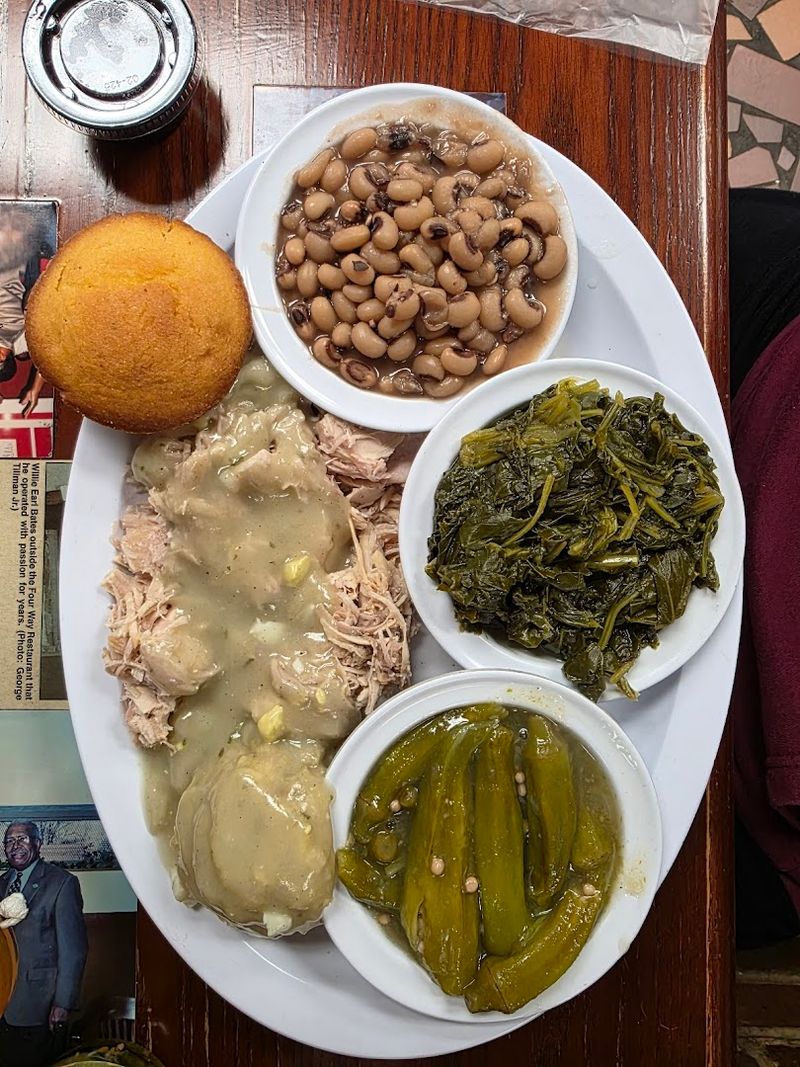
One of the practical details that surprises many first-time guests is how far a meal at The Four Way goes without straining the budget. The restaurant is priced accessibly, with full plates that include a protein and multiple sides available at prices that reflect the restaurant’s community-focused roots rather than its tourist appeal.
A full turkey and dressing plate with two sides has been available for under twelve dollars, which is a remarkable value for the portion size and quality involved. Guests who want to sample widely across the menu, trying multiple sides and a dessert or two, can still keep the total reasonable.
This pricing philosophy connects directly to the restaurant’s history. The Four Way was built to serve the South Memphis community, and keeping the food accessible to the people who live there has always been part of the mission.
The fact that it also happens to be excellent food at that price point is what turns first-time visitors into people who quietly plan their next Memphis trip around coming back.
A Place Where Every Wall Has a Story
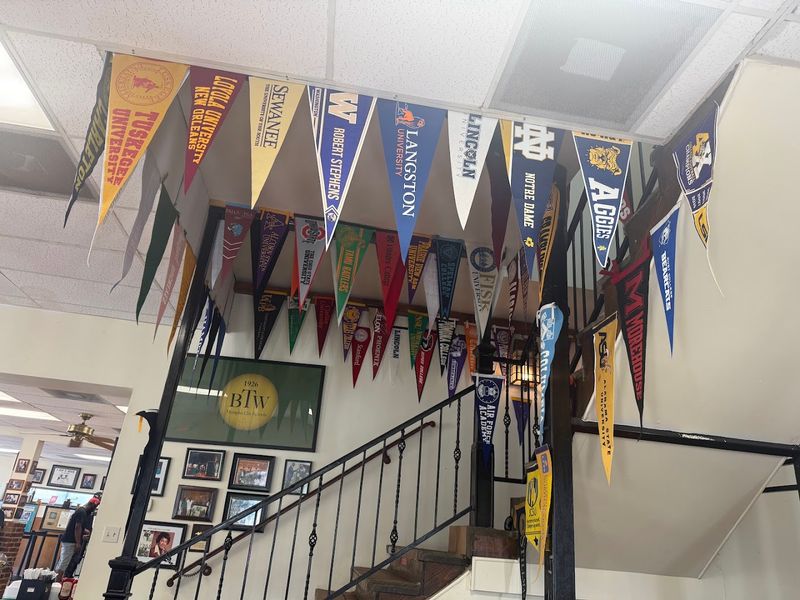
Beyond the food and the service, The Four Way functions as a kind of archive. The walls hold decades of documentation, from photographs of famous guests to newspaper articles covering the restaurant’s history and its role in the broader Memphis community.
Guests who take time to look around before or after their meal often find details that add unexpected depth to the visit.
The restaurant’s historian, JoElle, represents a conscious effort by the ownership to keep that knowledge alive and shareable. Having someone on staff who can walk a guest through 80 years of history in a way that feels engaging rather than academic is an unusual offering for any restaurant, and it reflects how seriously the Thompson family takes the responsibility of stewardship.
For anyone with an interest in American history, civil rights, or Black cultural heritage, this aspect of The Four Way makes it genuinely one of a kind. The stories on those walls are not curated for entertainment; they are the real, documented history of a place that mattered and continues to matter.
Why This Restaurant Still Matters Today
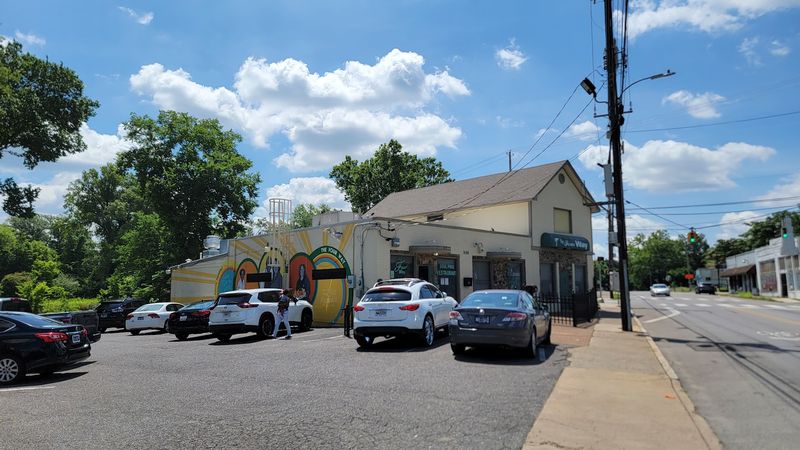
More than 75 years after Irene and Clint Cleaves first opened the doors, The Four Way remains one of the most historically meaningful restaurants in the American South. It survived decades of neighborhood change, temporary closures, and the constant pressure that independent restaurants face in a shifting economy, and it is still here.
The connection to Dr. Martin Luther King Jr. is the detail that draws the most attention from outside Memphis, but the restaurant’s significance runs deeper than any single association. It represents a continuous thread of community, culture, and resilience that connects the civil rights era to the present day in a very concrete way.
A visit to The Four Way is not just a chance to eat well in Memphis, though it certainly delivers on that front. It is an opportunity to sit inside a piece of living history, to understand something real about the city and the people who shaped it, and to support a family business that has earned every year of its remarkable run.
That combination is genuinely rare anywhere in the country.
A Corner of Mississippi Boulevard That Changed History
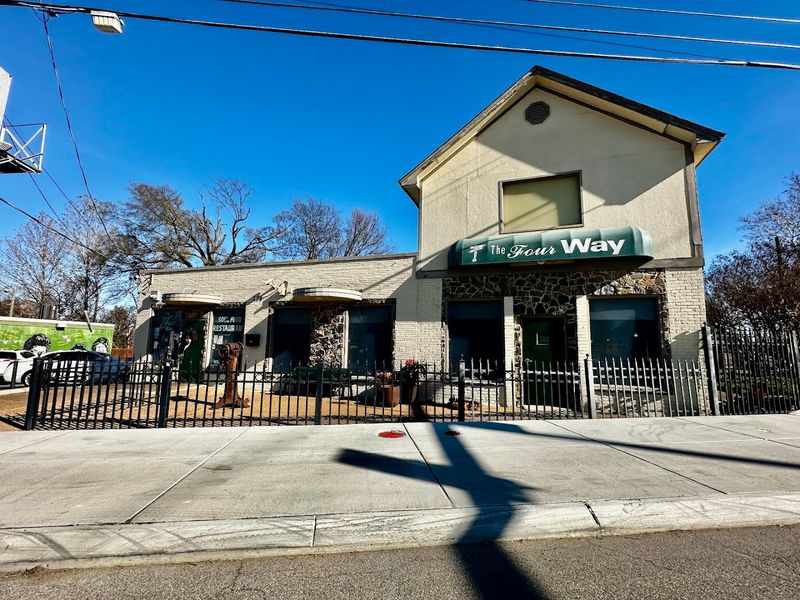
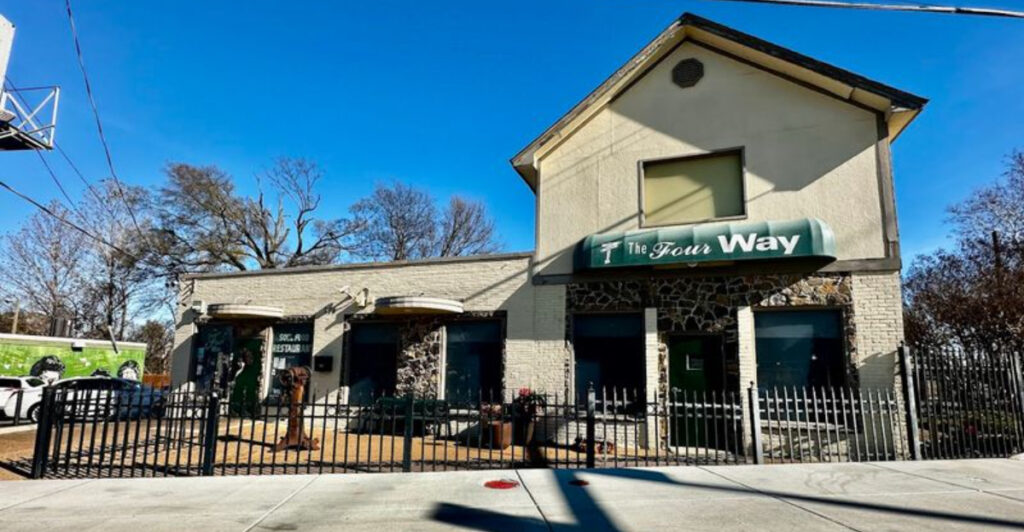
At 998 Mississippi Blvd, Memphis, TN 38126, The Four Way Soul Food Restaurant sits in the South Memphis neighborhood it has called home since 1946. The address alone carries weight, because this stretch of Mississippi Boulevard was once the heart of a thriving Black business district known as the “Harlem of the South.”
The restaurant was founded by Irene and Clint Cleaves, and it quickly became a central gathering place for the surrounding community. Over the decades, it weathered economic shifts, neighborhood changes, and even temporary closures, yet it always found its way back.
Today, the Thompson family owns and operates the restaurant, continuing the tradition with clear dedication to the original mission. The building itself reflects its long history, and the surrounding neighborhood tells a story of resilience that the restaurant mirrors perfectly.
This corner of Memphis is not just a lunch destination; it is a living landmark.
Share this story