Japan is full of surprises beyond the bright lights of Tokyo and the temple trails of Kyoto. Tucked between mountains, floating in distant seas, and hidden along forgotten coastlines are places that feel like they belong in a different century.
I stumbled onto a few of these spots by accident, and they completely changed how I see this country. If you are ready to trade the crowds for something quieter and more mysterious, this list is your starting point.
Oki Islands, Shimane
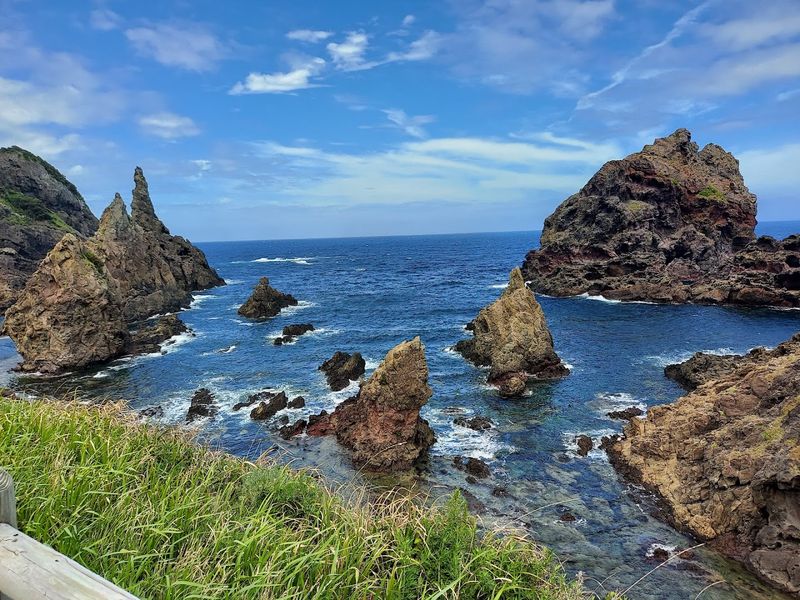
The Oki Islands float off the coast of Shimane in the Sea of Japan, looking like they were placed there specifically for people who think regular islands are too mainstream. Recognized as a UNESCO Global Geopark, these islands are part of Daisen-Oki National Park and pack serious natural drama.
Sheer coastal cliffs, hidden coves, and water so clear it feels almost unfair greet visitors at every turn. Hiking trails wind above the sea, and the island roads stay refreshingly quiet.
The Oki Islands sit well off Japan’s busiest travel routes, which is honestly their greatest charm.
Sea views, outdoor adventures, and a genuine sense of isolation make this destination feel cinematic without trying too hard. If you want somewhere that looks like a film location but costs nothing extra to visit, book a ferry and head to Oki.
You will not regret the journey.
Yakushima, Kagoshima
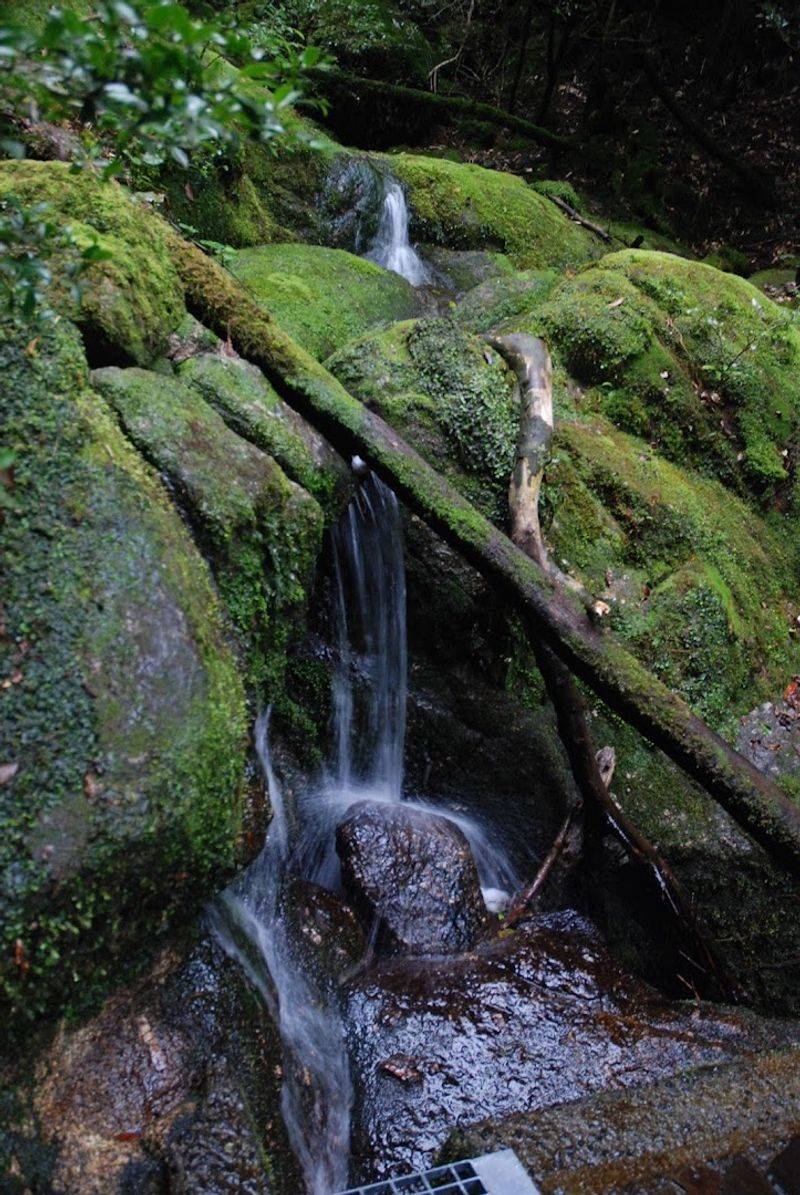
Yakushima is the kind of place that makes you feel very small in the best possible way. The ancient cedar forests here are genuinely staggering, with trees so old they make Tokyo’s skyscrapers look like recent construction projects.
Part of the island holds UNESCO World Natural Heritage status, and the landscape earns every bit of that recognition. Thick green moss covers everything, waterfalls drop through mountain mist, and the hiking trails feel like walking through a living museum.
The atmosphere is strongly associated with Studio Ghibli’s Princess Mononoke, and once you are standing under those towering trees, the connection is instantly obvious.
The island rewards slow travelers. Rushing through Yakushima would be a genuine waste.
Give yourself at least two or three days, pack waterproof gear because rain is common, and let the forest do what it does best. Quiet, ancient, and completely unforgettable.
Ginzan Onsen, Yamagata
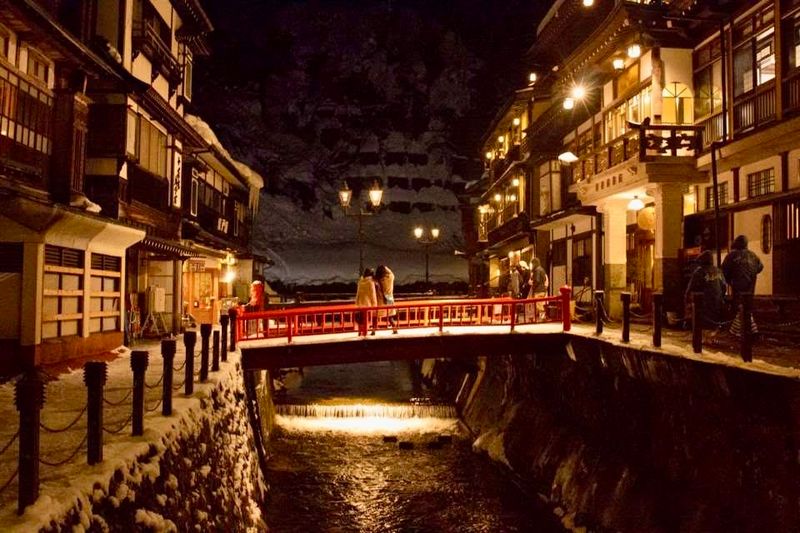
Ginzan Onsen looks like someone paused time somewhere around 1920 and forgot to press play again. Built on the site of a former silver mine in rural Yamagata, this hot spring town lines the Ginzan River with traditional wooden inns that glow warmly under old-fashioned gas lamps.
Winter is the most dramatic season here. Snow settles on the rooftops, the river steams gently, and the warm light reflecting off the water creates a mood that no filter could improve.
It genuinely looks like a scene from a period drama, except you can actually sleep there.
The town is not completely unknown, so booking ahead is important, especially for winter weekends. But even knowing that, Ginzan Onsen manages to feel hidden and personal once you arrive.
The old-world atmosphere wraps around you quickly, and the idea of leaving for somewhere modern starts to feel less and less appealing.
Shirakawa-go, Gifu
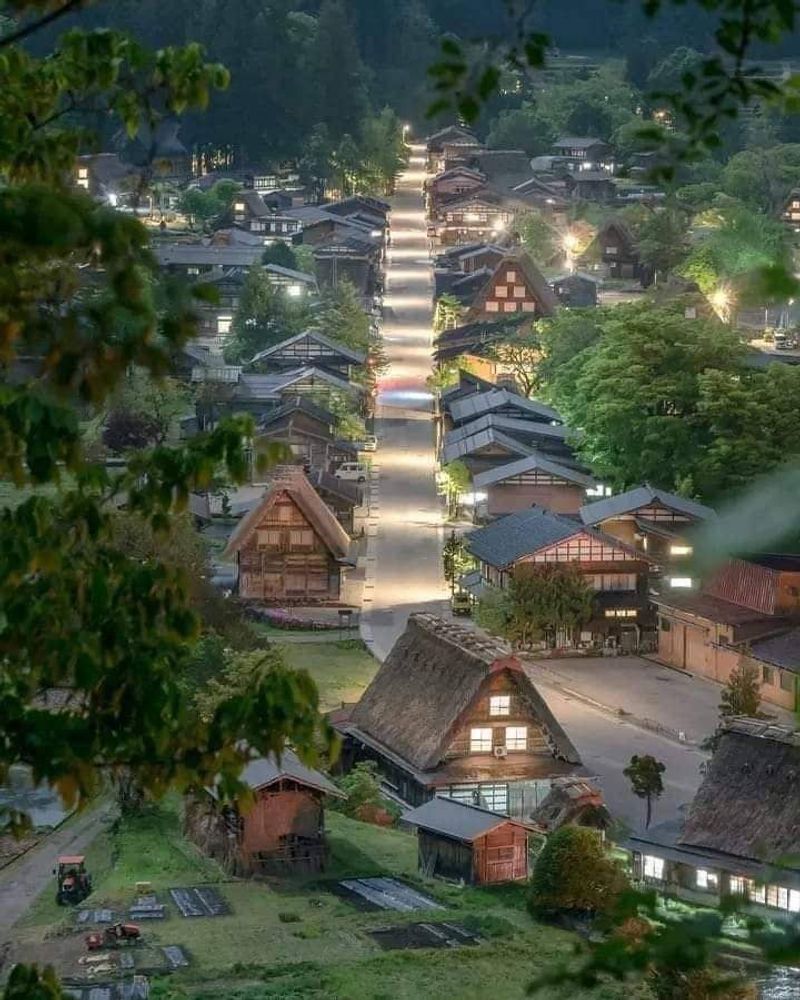
Steep roofs built to survive brutal mountain winters gave Shirakawa-go its signature look, and those roofs are genuinely impressive up close. The gassho-zukuri farmhouses, named for their shape resembling hands pressed in prayer, have stood in this mountain valley for centuries.
Shirakawa-go holds UNESCO World Heritage status, and the village is still a working community, not just a museum piece. That detail makes it feel more real than many heritage sites.
In winter, snow buries the rooftops completely, and the whole village looks like something a child would draw when asked to sketch a fairytale town.
Day-trip crowds can make it feel busy, but staying overnight changes everything. Once the tour buses leave, the village gets quiet and the atmosphere becomes genuinely special.
I stayed one winter night years ago and still think about the view from my room window. Some places just stick with you.
Iya Valley, Tokushima
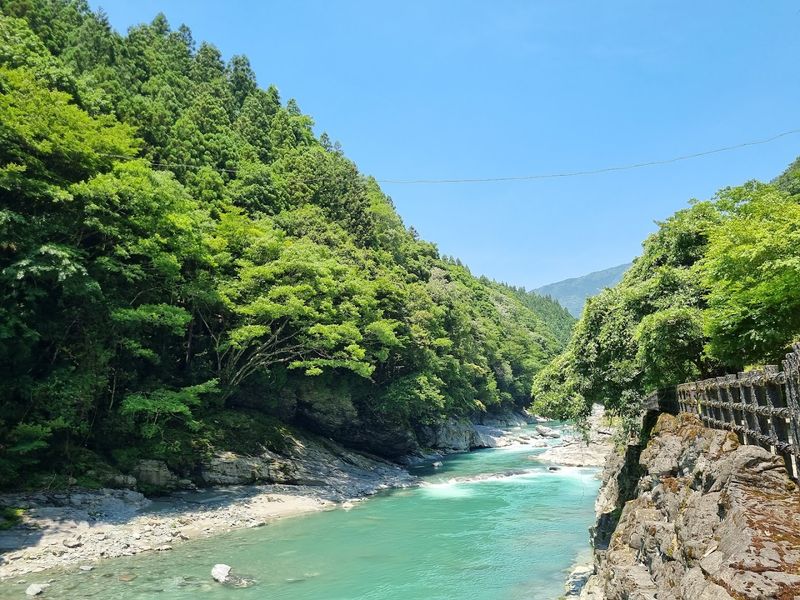
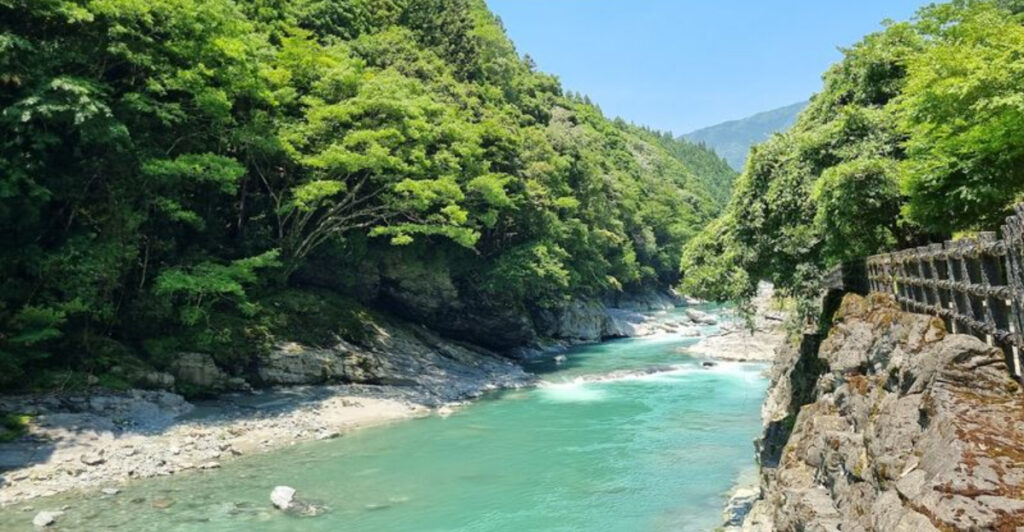
Nobody warned me that crossing a vine bridge over a river gorge would make my knees feel like noodles. Iya Valley, deep in the mountains of Shikoku, hides between steep cliffs and forested gorges like Japan’s best-kept secret.
The famous Kazurabashi bridge is woven from mountain vines and sways gently above a rushing river far below. It feels straight out of a folktale.
The surrounding mountains are dramatic, the air is sharp, and the narrow roads that wind through the valley add to the sense that you are somewhere very few people bother to find.
Hot springs dot the area, offering a warm reward after exploring. The valley is remote, wild, and refreshingly free from the polished tourist rhythm that most of Japan’s big cities carry.
If you want somewhere that feels genuinely untouched, Iya Valley delivers every single time.
Ine, Kyoto Prefecture
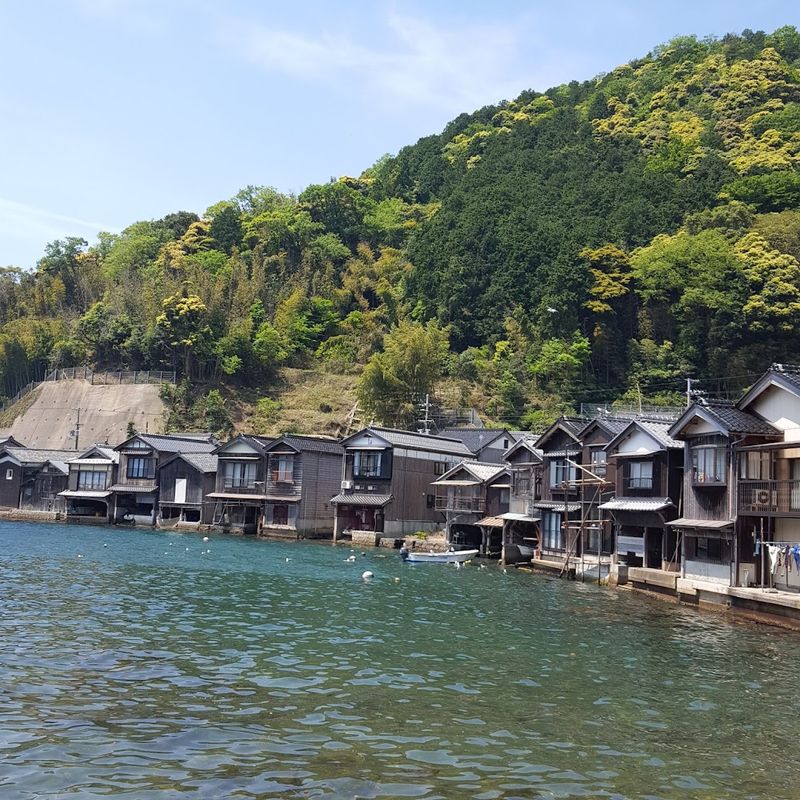
Most people visit Kyoto for temples and bamboo groves, but Ine sits on the Sea of Japan side of Kyoto Prefecture, far from all of that, doing something completely different. This small fishing village is famous for its funaya, traditional wooden boathouses built directly along the water’s edge.
The lower level of each house serves as a garage for fishing boats, with the living spaces sitting above. The result is one of Japan’s most unusual coastal townscapes, and it photographs beautifully without even trying.
The bay is calm, the streets are quiet, and the pace of life here feels deliberately unhurried.
Getting to Ine takes effort, which is partly why it stays so peaceful. A boat tour of the bay gives a great view of the funaya from the water side.
For anyone who loves coastal villages with genuine character and zero pretension, Ine is absolutely worth the detour.
Takachiho Gorge, Miyazaki
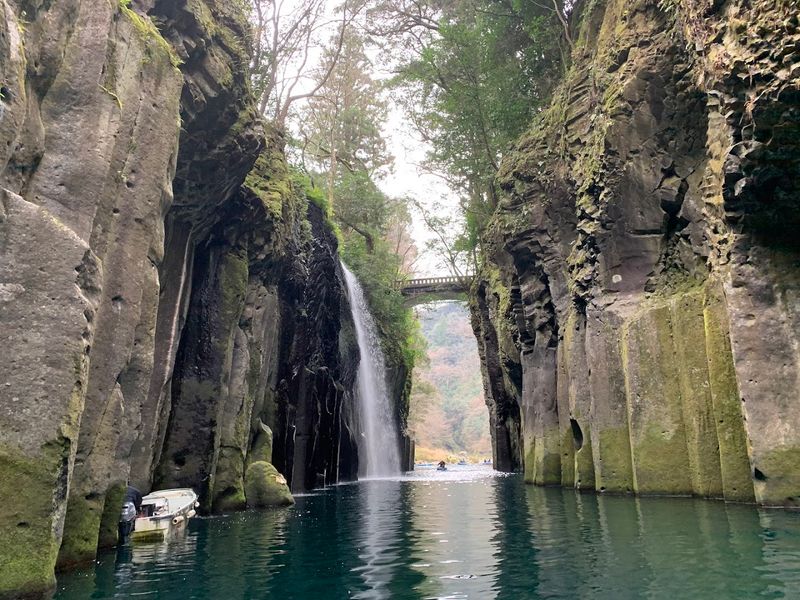
Takachiho Gorge was carved by volcanic activity and polished by centuries of mythology, and the combination makes it one of the most atmospheric places in all of southern Japan. The steep basalt cliffs rise sharply from the Gokase River, and Manai Falls drops directly into the gorge with impressive force.
Renting a rowboat to paddle beneath the cliffs and waterfall is the best way to experience Takachiho up close. The view from the water looking up at those dark rock walls is genuinely dramatic.
Walking paths above the gorge offer a different perspective and connect to nearby shrines tied to ancient Japanese mythology.
The sacred atmosphere here is hard to explain but easy to feel. Takachiho sits at the point where nature and legend overlap, and the surrounding forests and shrines add layers of meaning to every visit.
Go early in the morning to avoid the rowboat queue and catch the gorge at its quietest.
Ogasawara Islands, Tokyo
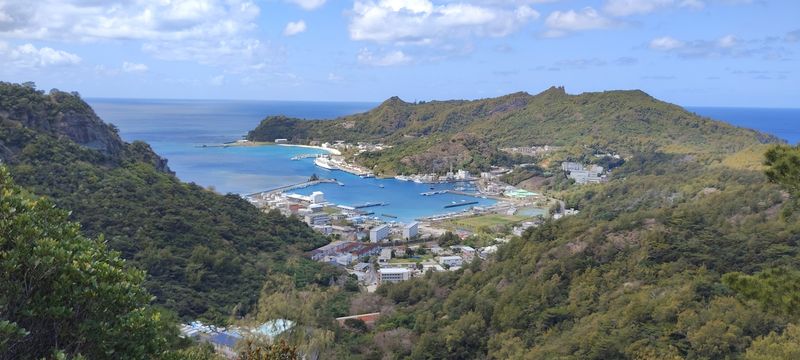
Technically, the Ogasawara Islands belong to Tokyo. Practically, they feel like Tokyo’s secret tropical alter ego that nobody talks about at parties.
Located about 1,000 kilometers south of the city, these islands are only reachable by a long ferry journey that takes roughly 24 hours each way.
That distance is the point. The effort filters out casual visitors and leaves behind only the truly committed, which means the islands stay wonderfully uncrowded.
Clear blue water, rich marine life, hiking trails, and beaches make Chichijima and Hahajima feel like a different country entirely.
The biodiversity here is extraordinary, with species found nowhere else on Earth. Whale watching, snorkeling, and sea turtle encounters are all genuinely possible.
For a place that technically shares a postal code with Shibuya, Ogasawara could not feel further from skyscrapers and rush-hour trains. Book the ferry well in advance because space fills up fast.
Goto Islands, Nagasaki
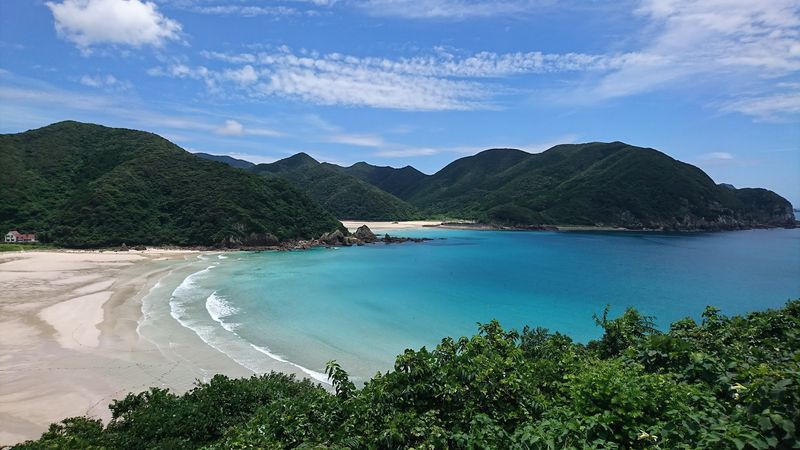
The Goto Islands carry a history that most visitors to Japan never encounter. Scattered off the coast of Nagasaki, these islands were once home to Hidden Christians who practiced their faith in secret during Japan’s centuries-long ban on Christianity.
The stone churches they eventually built are remarkable and deeply moving.
Fukue Island is the main entry point and has coastal scenery, historic churches, and a relaxed island rhythm that feels genuinely refreshing. Some churches require advance arrangements or respectful visitor conduct, so checking before you go is important.
These are still active places of worship, not just tourist stops.
Remote beaches and quiet fishing villages round out the experience. The Goto Islands sit well outside Japan’s main travel circuit, and that distance gives them a character all their own.
For travelers drawn to places where history and landscape combine without crowds or commercial noise, the Goto Islands are a perfect match.
Tono, Iwate
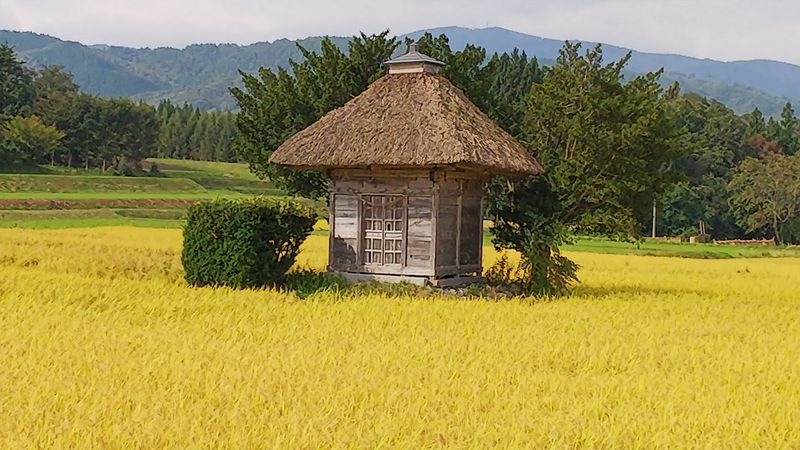
Tono is Japan’s folklore capital, and it wears that title with complete sincerity. Located in Iwate Prefecture, this rural town is the home of kappa legends, spirit stories, and old village traditions that have been passed down for generations.
The 1910 book Tono Monogatari collected these tales and made the area famous across Japan.
The landscape itself adds to the storytelling mood. Open countryside, old thatched farmhouses, winding streams, and forested mountains create a setting that feels genuinely rural rather than staged.
The Tono Furusato Village and the municipal museum help visitors connect the stories to the landscape in a way that actually makes sense.
Tono does not feel like a typical tourist attraction. It feels more like stepping into the countryside imagination of Japan’s past, where every stream might hide a kappa and every old house has a story attached.
That quality is rare and worth traveling for.
Nyuto Onsenkyo, Akita
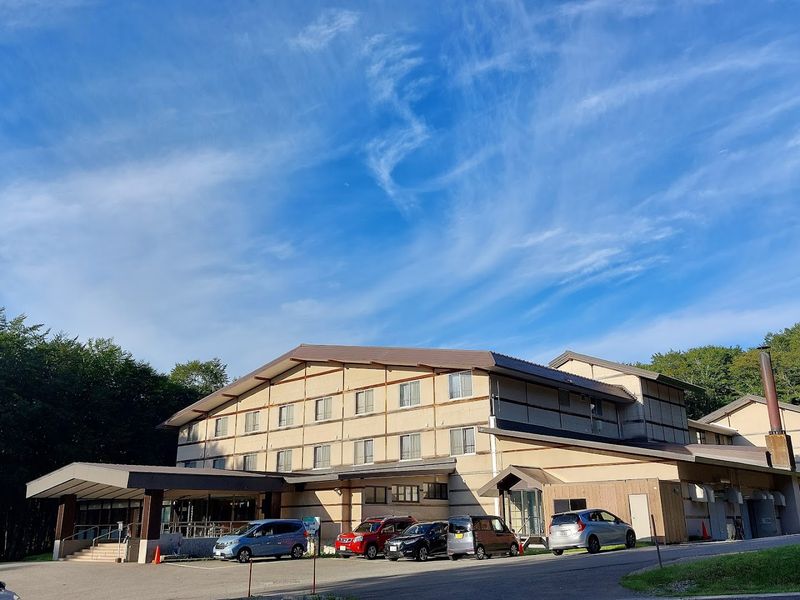
Nyuto Onsenkyo is what happens when a hot spring decides it has absolutely no interest in being glamorous. Tucked into the mountains of Akita within Towada-Hachimantai National Park, this cluster of rustic onsen inns offers some of the most atmospheric bathing in Japan.
Each inn has its own mineral-rich water with different colors and properties, ranging from milky white to pale green. Outdoor baths surrounded by forest and snow in winter create a setting that feels both wild and deeply comfortable at the same time.
The wooden buildings creak pleasantly, the roads are narrow, and the whole area feels blessedly far from anything resembling a city spa.
A day-pass system lets visitors hop between different baths across the area, which is excellent value and a genuinely fun way to spend a day. Pack warm clothes for the walk between inns in winter.
The cold air between soaks is half the experience.
Tsuwano, Shimane
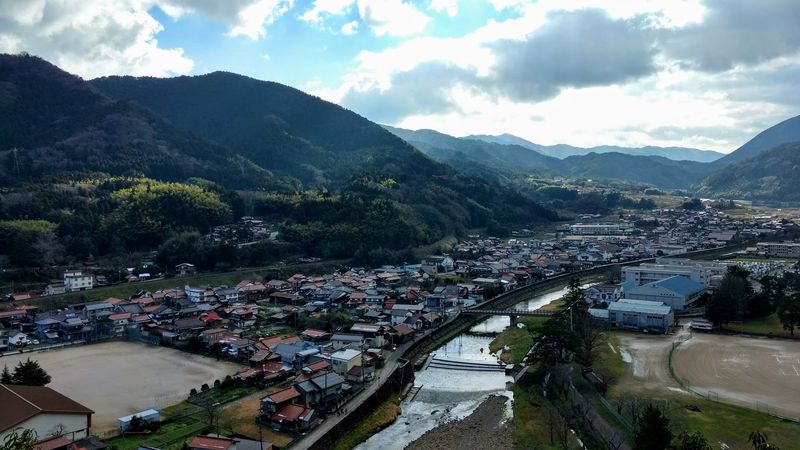
Tsuwano gets called a Little Kyoto, but that nickname undersells it. Yes, it has old streets, shrines, and castle ruins, but it also has something Kyoto has largely lost: genuine quiet.
This small castle town in western Shimane sits among mountains and moves at its own unhurried pace.
The Taikodani Inari Shrine is one of Japan’s top five Inari shrines, and its tunnel of red torii gates climbing the forested hillside is spectacular. Koi swim in the water channels running alongside the main streets, which is charming in a way that feels accidental rather than designed for tourists.
The town’s historic character comes through in its architecture, its festivals, and its overall atmosphere. Tsuwano rewards slow walking and unplanned stops.
It is the kind of place where you miss your intended train and then realize that was actually the best possible outcome. Old Japan, no crowds, and mountain air.
Koyasan, Wakayama
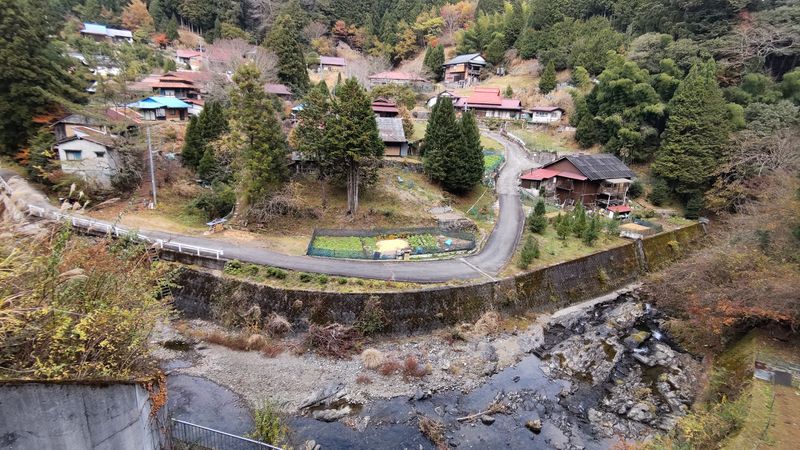
Koyasan sits in the mountains of Wakayama and has been one of Japan’s most important Buddhist centers for over 1,200 years. Founded by the monk Kukai, the entire mountaintop settlement is a place of serious spiritual weight, and that feeling hits you the moment you step off the cable car.
Staying overnight in a temple lodging, called shukubo, is the best way to experience Koyasan properly. Morning prayers, Buddhist vegetarian meals called shojin ryori, and the quiet of mountain evenings create something genuinely different from standard hotel stays.
The monks are welcoming and the routines are peaceful rather than restrictive.
Okunoin is the highlight for most visitors. Tall cedar trees, thousands of stone lanterns, and ancient memorials lining the long path to the mausoleum create an atmosphere that is unlike anywhere else in Japan.
Go at dusk when the lanterns begin to glow. The mood is extraordinary and completely worth the early evening walk.
Kumano Kodo, Wakayama and the Kii Peninsula
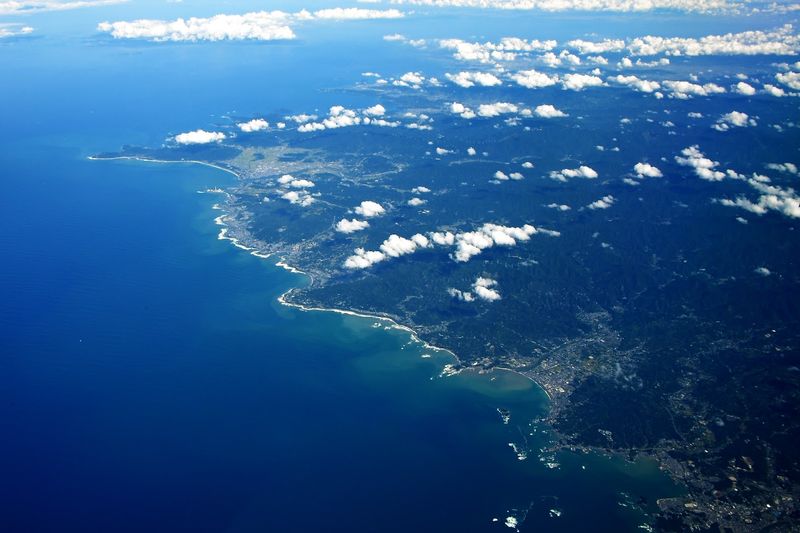
The Kumano Kodo has been walked by pilgrims for over a thousand years, and the trails still carry that weight. Winding through the Kii Peninsula across forests, mountain villages, and sacred sites, this network of ancient routes connects three Grand Shrines and passes through some of Japan’s most beautiful countryside.
Walking even one section of the Kumano Kodo is enough to understand why people have been making this journey for so long. Mossy stone paths, cedar forests, remote inns, and the occasional roadside shrine create a rhythm that slows everything down in the best possible way.
The trails are graded for different fitness levels, so you do not need to be a hardcore hiker to participate.
The Kumano Kodo shares UNESCO World Heritage status with the Camino de Santiago in Spain, the only two pilgrimage routes in the world to hold that distinction together. That fact alone is worth mentioning over dinner.
Amami Oshima, Kagoshima
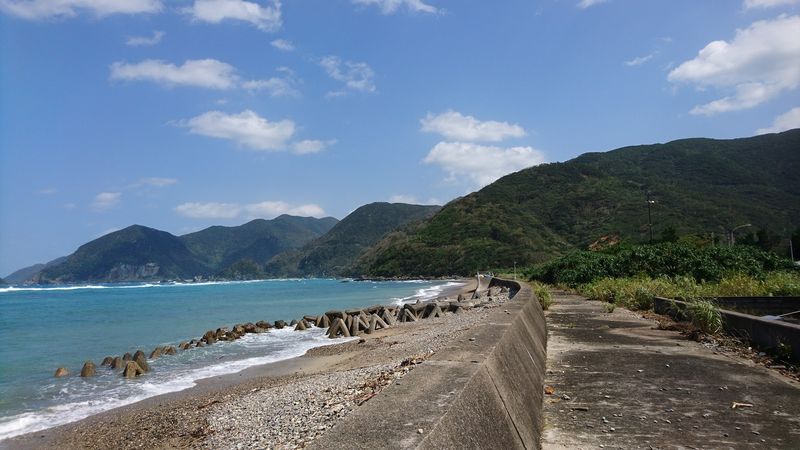
Amami Oshima sits between Kyushu and Okinawa and refuses to fit neatly into any single category. Part subtropical beach destination, part dense jungle, part living cultural museum, this island has a personality that feels genuinely its own rather than borrowed from anywhere else.
Coral reefs, clear seas, mangrove forests, and rare wildlife including the Amami rabbit, found nowhere else on Earth, make the island a destination for nature lovers with serious curiosity. The local culture has its own music, weaving traditions, and food that set it apart from both mainland Japan and Okinawa.
Tourism here stays relatively low-key, which keeps the island feeling wild and honest rather than packaged for consumption. Rental cars are the best way to explore properly, and getting slightly lost on the forest roads is highly recommended.
Amami Oshima rewards the kind of traveler who shows up with flexible plans and genuine enthusiasm for the unexpected.
Share this story