Some athletes don’t just win games, they rewrite the rules entirely. Throughout history, certain women stepped onto courts, tracks, fields, and arenas and refused to be overlooked, underpaid, or underestimated.
Their stories go way beyond gold medals and championship trophies. These are the women who made sports history and, in doing so, changed the world a little bit too.
Billie Jean King: The Tennis Champion Who Fought for Equality
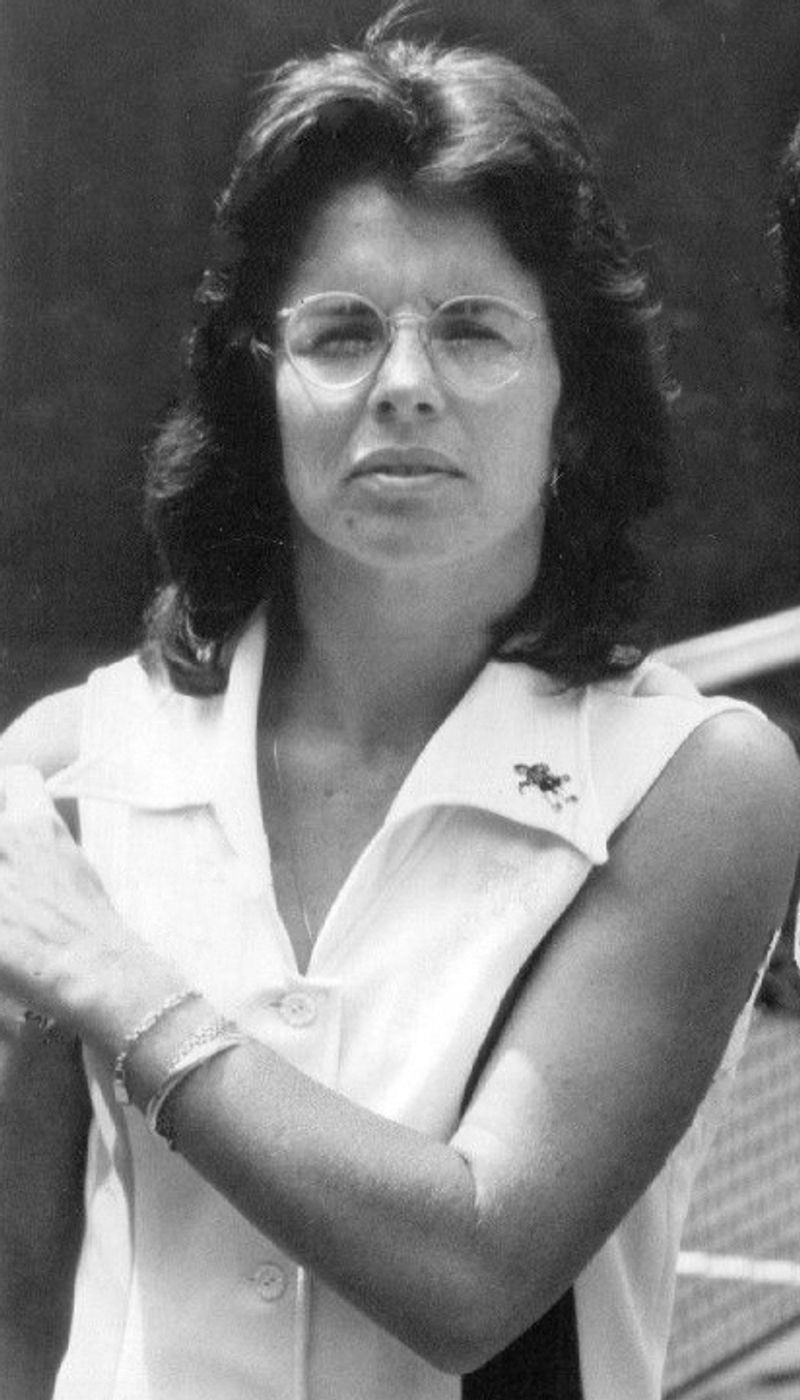
Back in 1973, a tennis match became the most-watched sporting event on the planet. Billie Jean King faced Bobby Riggs in the famous “Battle of the Sexes,” and she crushed him in straight sets.
The whole world was watching, and she delivered.
King wasn’t just a fierce competitor on the court. She spent years fighting for equal prize money for women in tennis, eventually helping create the Women’s Tennis Association.
She also founded the Women’s Sports Foundation, which continues to support female athletes today.
Her legacy isn’t measured in trophies alone. King changed the system so future generations of women athletes could compete with greater respect and fairer pay.
She once said she wanted to change the world through tennis, and honestly, she came pretty close. Few athletes can claim that their biggest victory happened off the court.
Serena Williams: The Tennis Icon Who Redefined Greatness
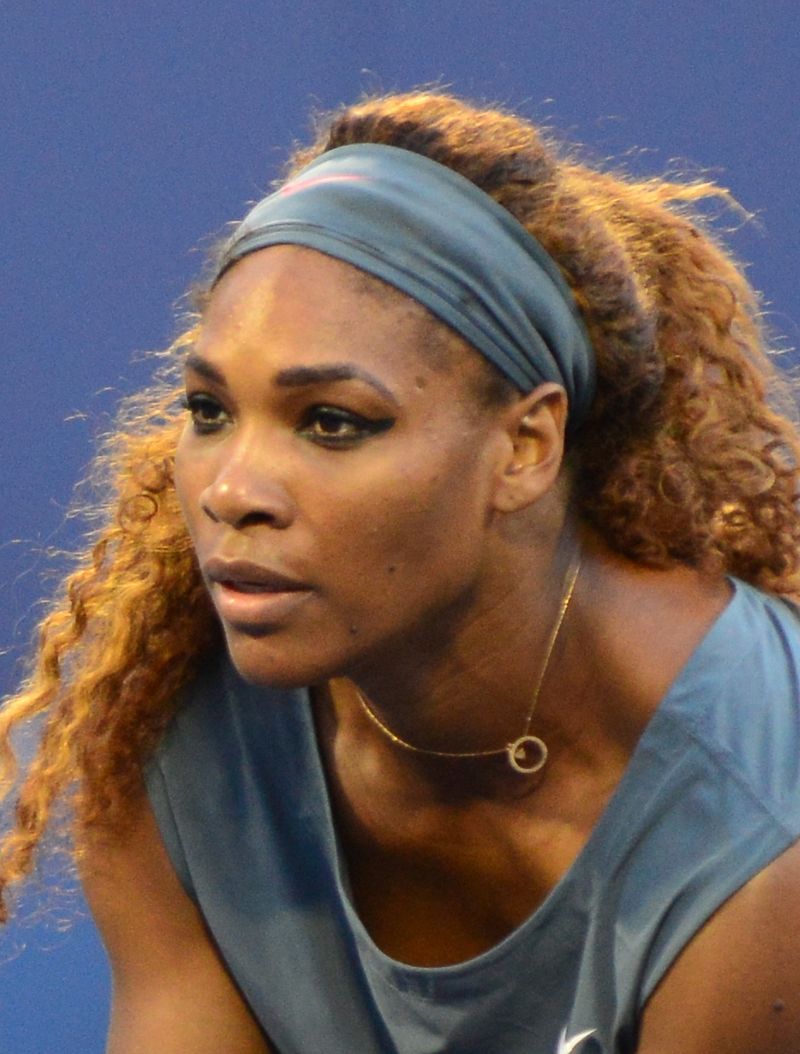
Nobody in tennis has ever hit a ball quite like Serena Williams. With 23 Grand Slam singles titles to her name, she became the most decorated woman in the Open Era.
That’s not a stat, that’s a whole legacy.
Growing up, I remember watching Serena on TV and thinking, nobody moves like that. Her combination of raw power, speed, and mental toughness made opponents rethink their entire game plan before the first serve even dropped.
Beyond the wins, Serena became a symbol for women, Black athletes, and working mothers everywhere. She returned to compete at the highest level after giving birth, proving that greatness doesn’t come with an expiration date.
Her career was bold, emotional, and impossible to ignore. She didn’t just raise the bar in women’s tennis.
She launched it into orbit.
Martina Navratilova: The Champion Who Played With Power and Lived With Courage
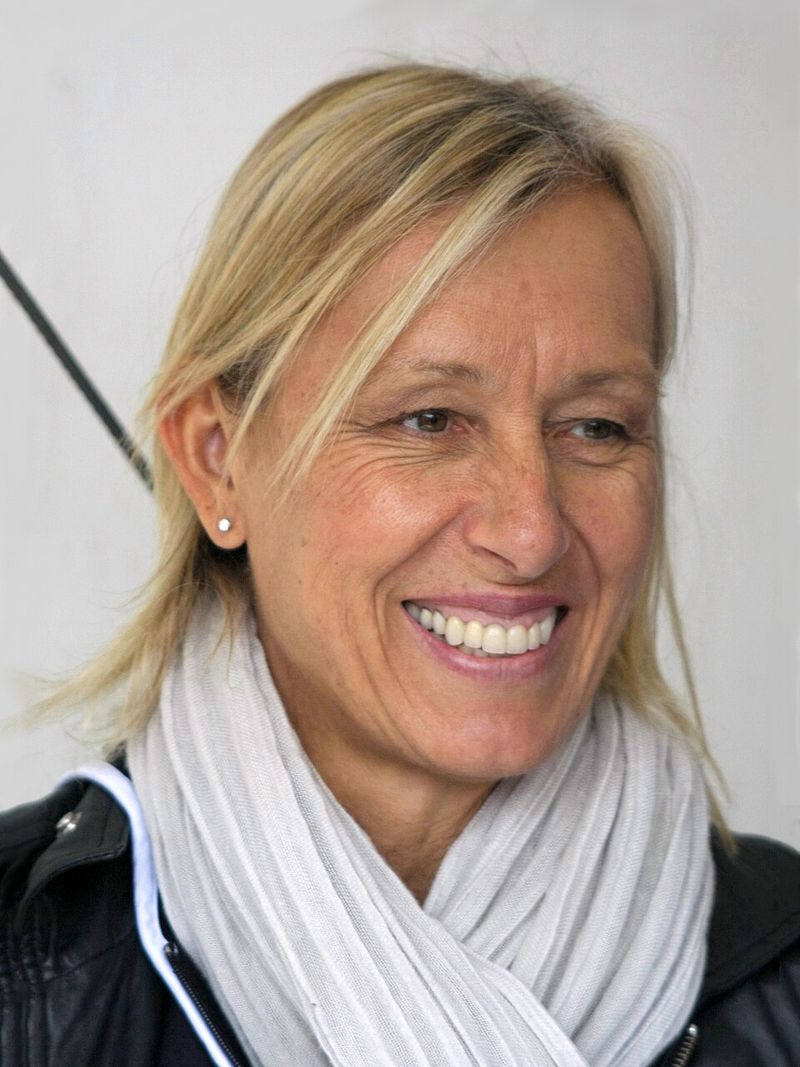
Martina Navratilova didn’t just play tennis. She attacked it.
Her aggressive style transformed women’s tennis into a faster, more physical sport that nobody could coast through on talent alone.
She won 18 Grand Slam singles titles and dominated the sport across multiple decades. But her courage off the court is just as remarkable.
At a time when LGBTQ+ acceptance was far more limited, Navratilova came out publicly as gay, fully aware of what she was risking.
Sponsorships dried up. Critics came out loud.
She stayed standing anyway. Her decision to live openly made her a trailblazer not just in tennis, but in the broader fight for inclusion and visibility.
Navratilova showed a generation of athletes that authenticity isn’t a weakness. Plenty of champions win matches.
Far fewer change culture while doing it. She managed both without breaking a sweat.
Wilma Rudolph: The Sprinter Who Turned Adversity Into Olympic Glory
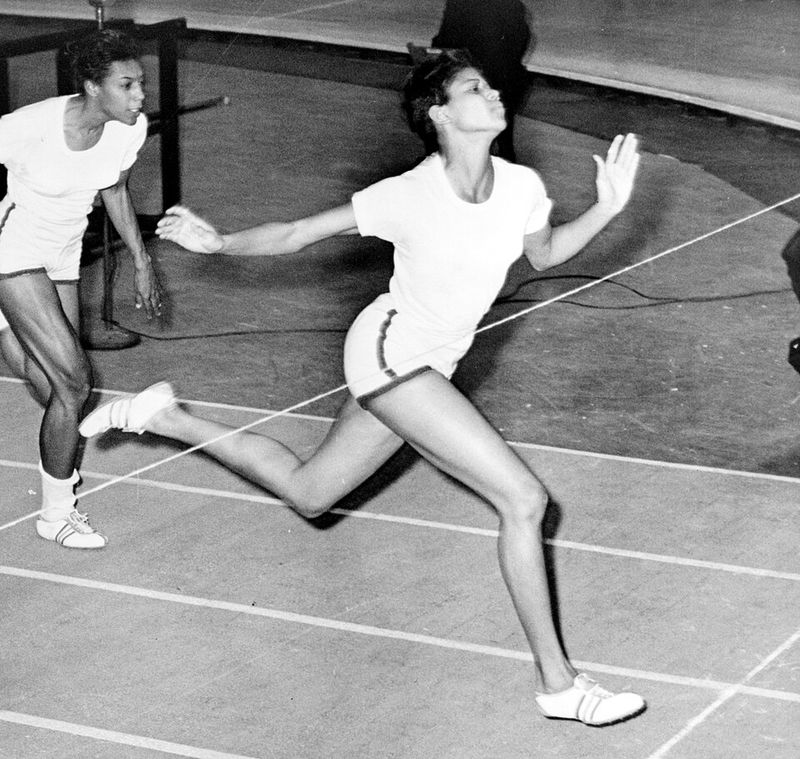
Doctors once told Wilma Rudolph she might never walk normally. She responded by becoming the fastest woman in the world.
Not bad for someone who spent childhood battling polio and scarlet fever.
At the 1960 Rome Olympics, Rudolph won three gold medals, taking the 100 meters, 200 meters, and the 4×100 relay. The crowd in Rome went wild, and the world suddenly had a new hero.
She became the first American woman to win three gold medals at a single Olympics.
As a Black woman competing during racial segregation in the United States, her achievements carried meaning far deeper than athletic results. Her hometown of Clarksville, Tennessee held a parade in her honor, and she insisted it be the city’s first racially integrated public event.
Rudolph didn’t just run fast. She ran toward something bigger than a finish line.
Nadia Comaneci: The Gymnast Who Scored the Impossible
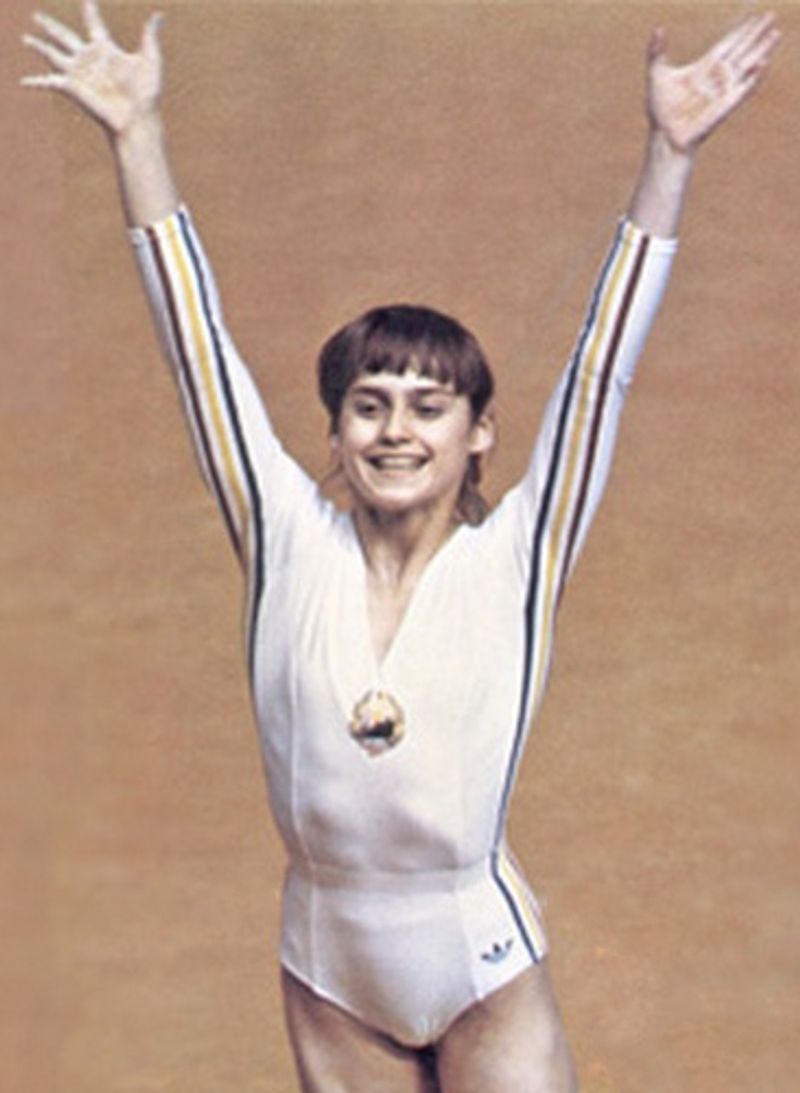
The scoreboard at the 1976 Montreal Olympics wasn’t built to show a perfect 10. When Nadia Comaneci earned one, the display read 1.00 because nobody had programmed in a score that good.
That’s how ready the world was for what she did.
At just 14 years old, Comaneci became the first gymnast in Olympic history to receive a perfect score. She went on to earn six more perfect 10s during those Games.
Her routines were precise, graceful, and completely fearless.
Comaneci put gymnastics on the global map in a way it had never been before. Young kids everywhere started signing up for gymnastics classes after watching her perform.
She inspired generations of athletes and coaches who still reference her work today. A perfect 10 in a sport built on fractions of a point?
That’s not an achievement. That’s a mic drop in a leotard.
Florence Griffith Joyner: The Fastest Woman in History
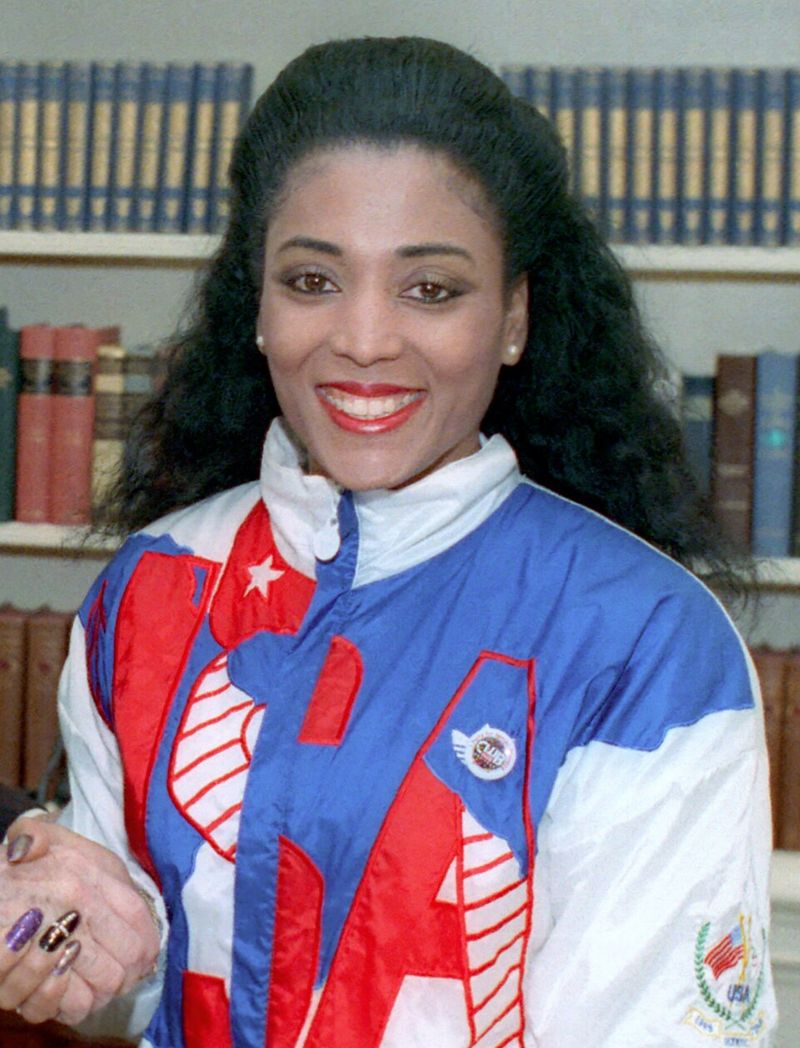
Flo-Jo didn’t just run fast. She ran fast while looking absolutely unforgettable.
Florence Griffith Joyner showed up to the 1988 Seoul Olympics with bold fashion, long painted nails, and one-legged racing suits, then proceeded to shatter world records like they owed her money.
Her 100-meter record of 10.49 seconds and 200-meter record of 21.34 seconds still stand today, more than three decades later. No woman has come close to matching them.
That kind of staying power in athletics is almost unheard of.
Flo-Jo proved that personal style and elite performance aren’t opposites. She brought personality to a sport that sometimes felt a little too serious.
Fans loved her for the speed, sure, but also for the spirit she brought to every race. She made track and field feel like a show, and she was always the headliner.
Pure lightning, wrapped in sequins.
Jackie Joyner-Kersee: The Multi-Event Star Who Set a Standard of Excellence
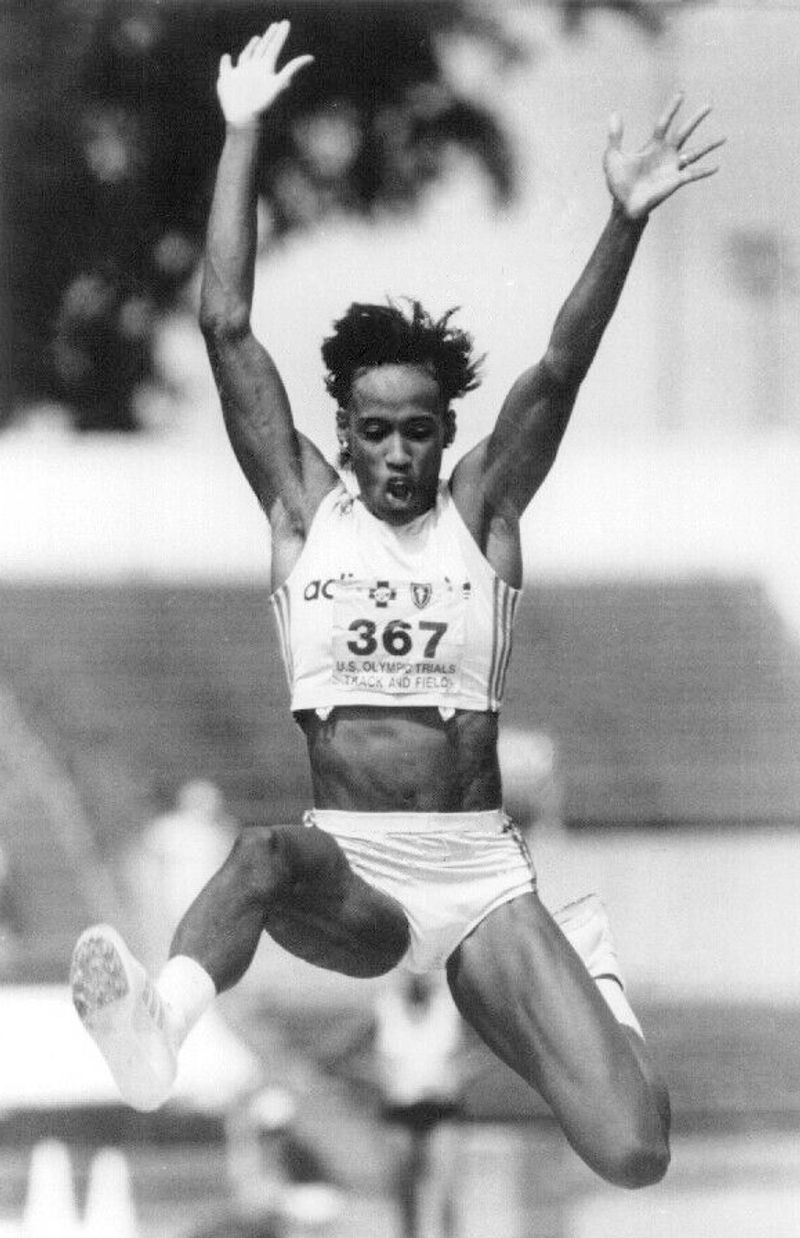
Winning one Olympic event is hard enough. Jackie Joyner-Kersee decided to master seven.
The heptathlon demands speed, strength, jumping ability, and throwing power, and she dominated it so completely that her world record has stood since 1988.
Sports Illustrated once named her the greatest female athlete of the 20th century. That’s a big claim, but her resume makes a strong argument.
Multiple Olympic medals, multiple world records, and a career that spanned over a decade at the top level of track and field.
Off the track, Joyner-Kersee built programs to support youth in underserved communities, particularly in her hometown of East St. Louis. She understood that winning medals was only part of the job.
Her foundation has helped thousands of young people access sports and education. She competed hard and gave back harder.
That combination is rarer than any world record.
Mia Hamm: The Soccer Pioneer Who Inspired a Generation
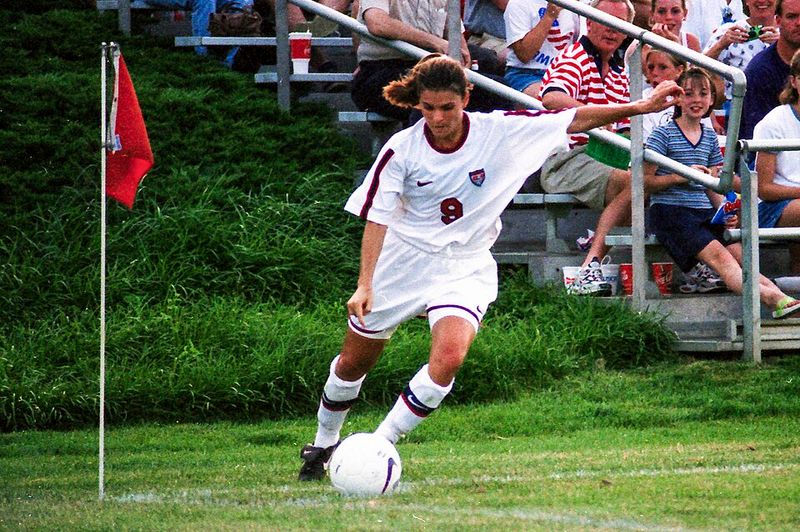
Before Mia Hamm, many young girls in America didn’t have a soccer hero who looked like them. She changed that fast.
As the star of the U.S. women’s national team through the 1990s and early 2000s, she helped turn women’s soccer from a niche sport into a national obsession.
Hamm was part of two World Cup-winning teams and two Olympic gold medal squads. Her technical skill, work rate, and competitive fire made her one of the most complete players the game had ever seen.
She became the face of women’s soccer at exactly the right moment.
The 1999 Women’s World Cup, hosted in the United States, drew massive crowds and television audiences. Hamm was right at the center of it all.
Young girls filled stadiums wearing her number nine jersey. She didn’t just inspire a generation.
She basically recruited one into the sport.
Abby Wambach: The Goal Scorer Who Led With Strength

Abby Wambach scored 184 international goals, a world record at the time of her retirement. She was the kind of player defenders had nightmares about, especially when the ball was in the air.
Her headers were practically their own highlight reel.
But raw scoring talent was only part of the story. Wambach was a vocal leader who demanded the best from herself and everyone around her.
She spoke openly about equal pay, gender equity, and the importance of women claiming space in sports and in life.
After retiring, she wrote a book called “Wolfpack” that became a bestseller about leadership and breaking outdated rules. Her message resonated well beyond sports.
Wambach showed that an athlete’s voice doesn’t retire with their jersey. She was fierce on the field and just as fierce with a microphone.
Honestly, both versions were equally impressive.
Simone Biles: The Gymnast Who Changed the Limits of the Sport
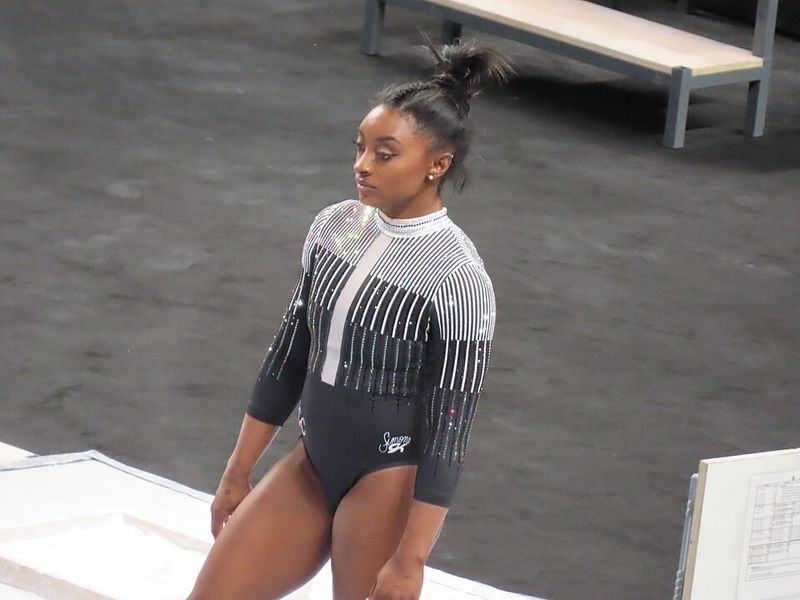
There are skills in gymnastics named after Simone Biles because no one else was doing them before she showed up. That’s the kind of athlete she is.
Technically brilliant, physically extraordinary, and operating at a level the rulebook had to be updated to handle.
Biles has won more World Championship medals than any gymnast in history, male or female. Her routines carry a difficulty score that most competitors wouldn’t attempt.
She made the nearly impossible look routine, which is wild when you actually think about it.
At the 2020 Tokyo Olympics, she withdrew from several events to protect her mental health. That decision sparked a global conversation about athlete well-being that the sports world genuinely needed.
She proved that knowing your limits is its own kind of strength. Biles didn’t just raise the bar in gymnastics.
She rebuilt it from scratch and placed it somewhere no one else can reach.
Cathy Freeman: The Runner Who Carried a Nation’s Hopes
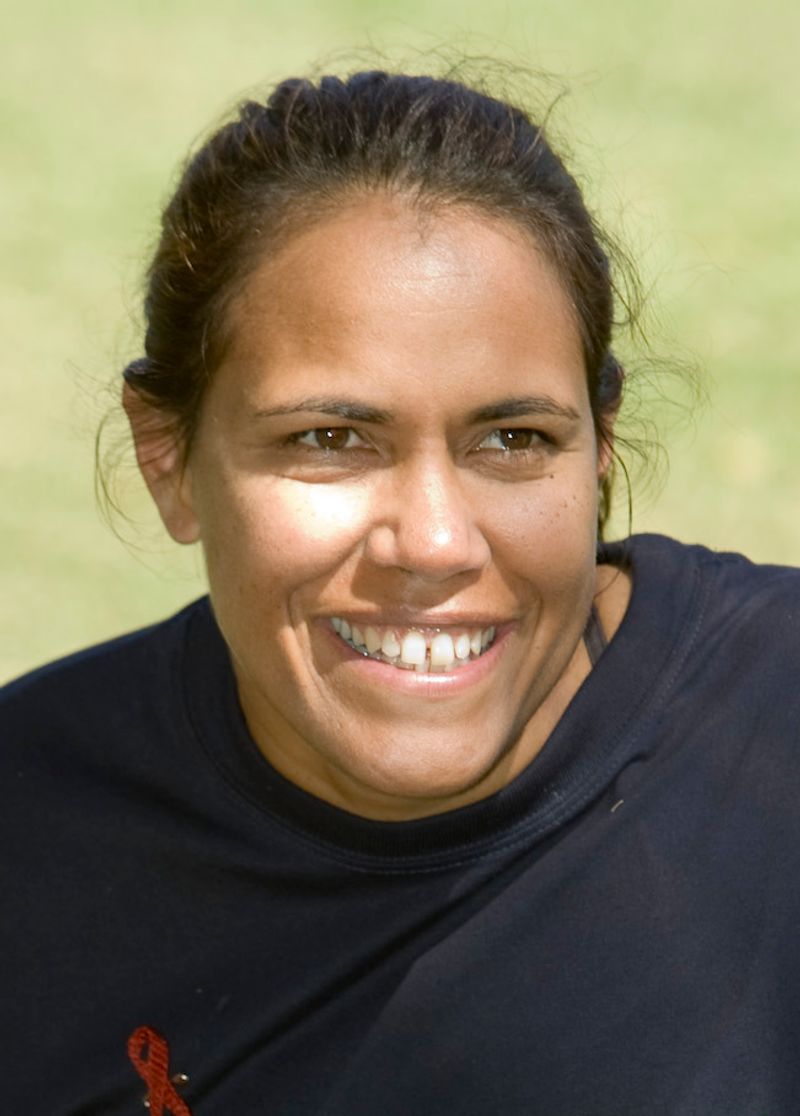
Few sporting moments carry the emotional weight of Cathy Freeman’s 400-meter gold at the 2000 Sydney Olympics. She had lit the Olympic flame at the opening ceremony, and then she went ahead and won the whole thing.
No pressure or anything.
Freeman’s victory meant something profound for Indigenous Australians, a community that had faced centuries of discrimination and erasure. After crossing the finish line, she carried both the Australian national flag and the Aboriginal flag on her victory lap.
That image became one of the most powerful in Australian sports history.
She had spoken openly about reconciliation between Indigenous and non-Indigenous Australians throughout her career. Her win gave that conversation a spotlight it had never received before.
Freeman showed that a race can be about far more than who finishes first. Sometimes a lap around a track is also a statement about belonging, identity, and history.
Fanny Blankers-Koen: The Mother Who Proved Stereotypes Wrong
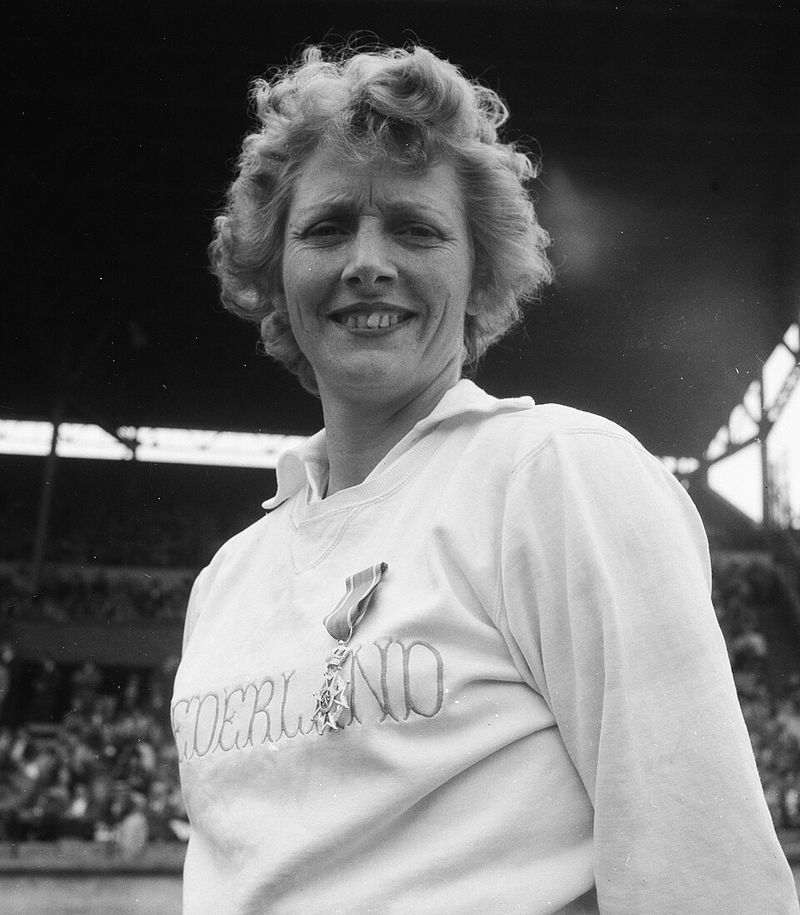
In 1948, a Dutch newspaper suggested that Fanny Blankers-Koen was too old to compete at the Olympics. She was 30.
She responded by winning four gold medals and becoming the most decorated athlete of the London Games. Quiet is not her style.
At the time, she was also a mother of two children. Critics thought that disqualified her from elite competition.
Blankers-Koen thought otherwise, and she had four gold medals to back up her opinion. She competed in sprints and hurdles, dominating events across multiple disciplines.
Her success was a direct challenge to every outdated idea about what women’s bodies could or couldn’t do. She didn’t just break records.
She broke assumptions. The Dutch press eventually called her “The Flying Housewife,” a nickname she accepted with grace, even though the real story was so much bigger than any label.
Blankers-Koen was decades ahead of her time.
Donna de Varona: The Swimmer Who Broke Barriers in Broadcasting
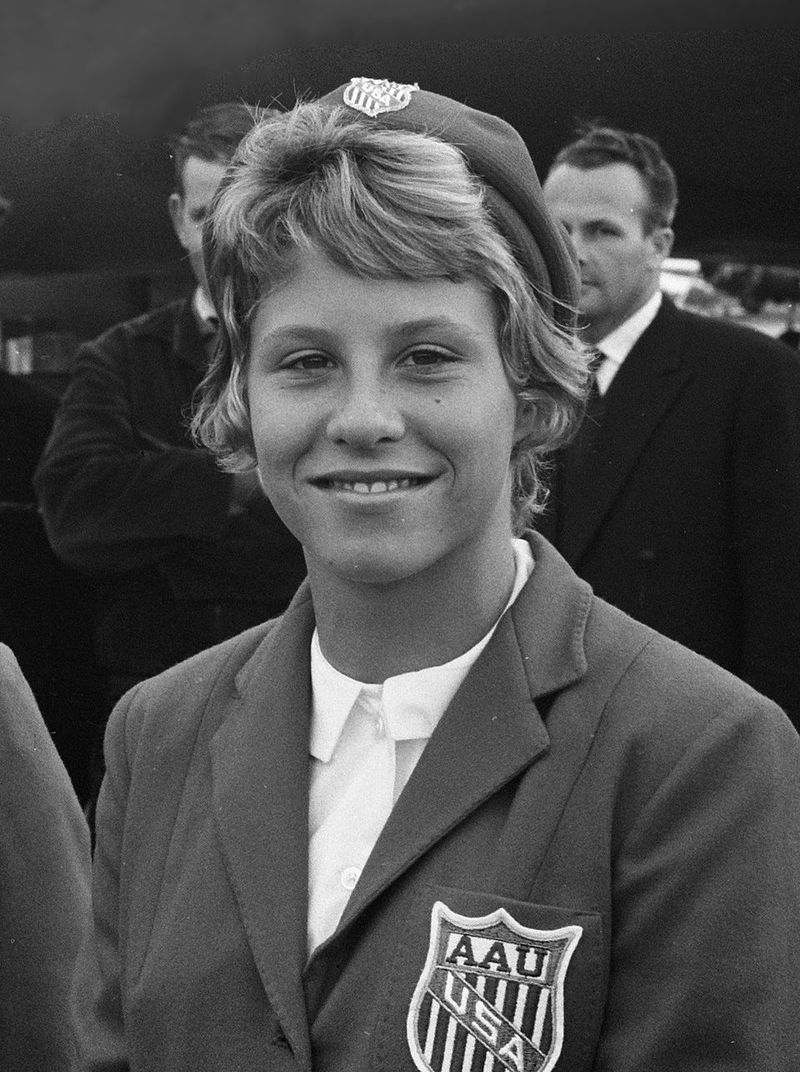
Donna de Varona was already an Olympic champion before most people her age had figured out what they wanted to do with their lives. At the 1964 Tokyo Olympics, she won two gold medals and set world records in swimming.
Then she pivoted entirely and conquered a second career.
After retiring from competition, de Varona became one of the first women to work as a sports broadcaster on American television. In a field dominated almost entirely by men, she carved out space and held her ground.
Her reporting career spanned decades and helped normalize women’s voices in sports media.
She also became a key advocate for the passage of Title IX, the landmark law that required equal athletic opportunities for women in schools and colleges. De Varona understood that the fight didn’t stop at the pool’s edge.
Her two careers together changed more than one playing field.
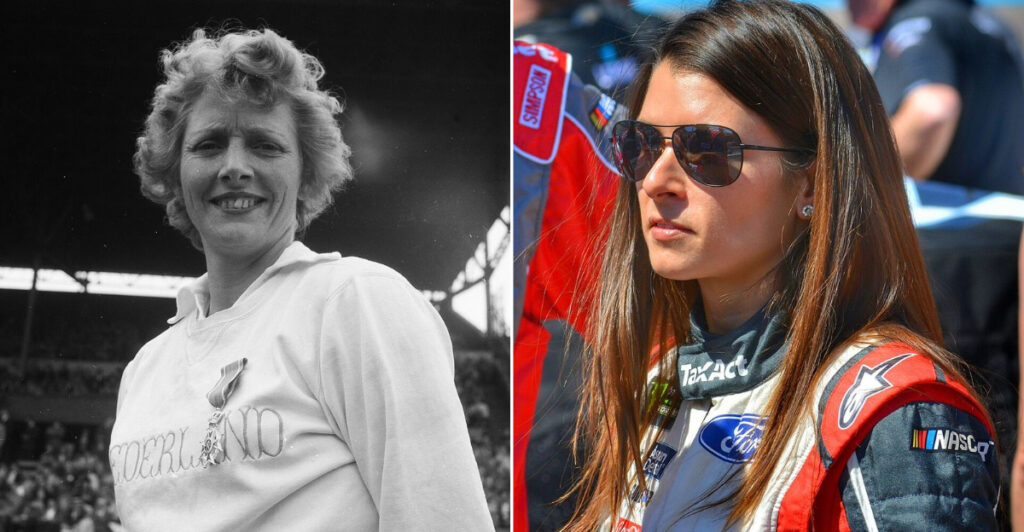
Danica Patrick: The Driver Who Opened Doors in Motorsports

Auto racing has never been the most welcoming sport for women, which makes Danica Patrick’s 2008 Indy Japan 300 victory even more significant. She became the first woman to win an IndyCar Series race, and she did it against a full field of professional male competitors.
No asterisks attached.
Patrick also competed in NASCAR, where she became one of the most recognizable drivers in the sport. She qualified for the Daytona 500 multiple times and finished in the top ten at Daytona in 2013, the best result by a woman in that race’s history.
Her visibility in motorsports brought a new audience to racing and showed young girls that cockpits weren’t reserved for men. Patrick handled enormous media pressure and constant scrutiny without losing focus.
She raced on her own terms, and that kind of determination is exactly what it takes to open a door that was never meant to be opened for you.
Ronda Rousey: The Fighter Who Helped Bring Women Into the UFC Spotlight

Before Ronda Rousey came along, the idea of women headlining a UFC event was considered a long shot at best. She turned that long shot into a sold-out arena faster than most people could process what was happening.
Rousey was the UFC’s first women’s bantamweight champion and held that title with a dominant armbar game that made her opponents’ coaches nervous just watching warmups. She also became the first American woman to win an Olympic medal in judo, taking bronze at the 2008 Beijing Games.
Her rise made women’s MMA a legitimate draw for casual fans and hardcore fight enthusiasts alike. She appeared on magazine covers, starred in films, and became one of the most talked-about athletes on the planet.
Rousey proved that women’s fights deserved main event billing. The doors she opened in combat sports are still being walked through by the fighters who came after her.
Share this story