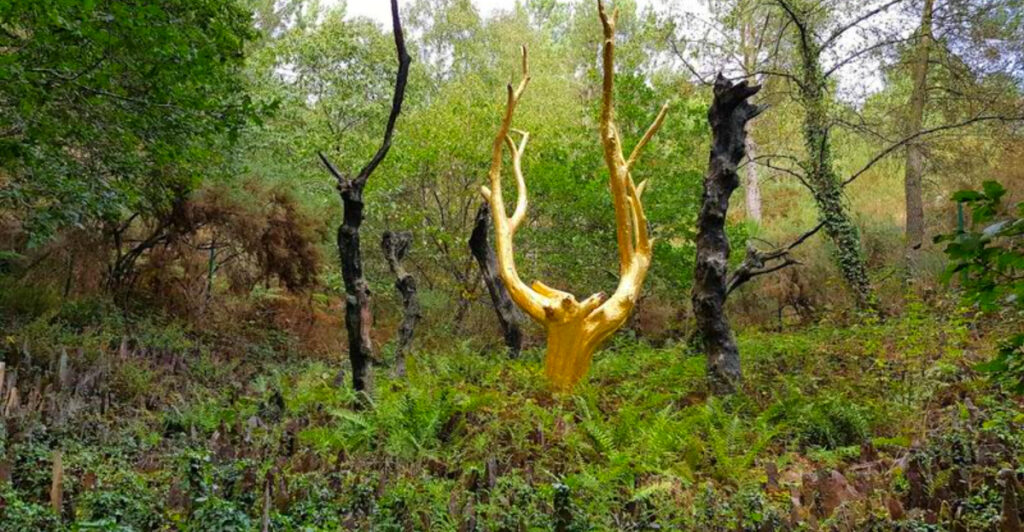
Forests have long been fertile ground for myths and legends. For centuries, people ventured beneath ancient canopies and returned with tales of spirits, monsters, and unexplained wonders.
Some stories served as warnings, while others tried to make sense of the unknown. Whatever their origin, forests became places where the ordinary world seemed to give way to something stranger.
The thirteen forests on this list each have their own collection of legends, shaped by local history, eerie landscapes, and generations of storytelling.
1. Hoh Rain Forest, Olympic National Park, Washington
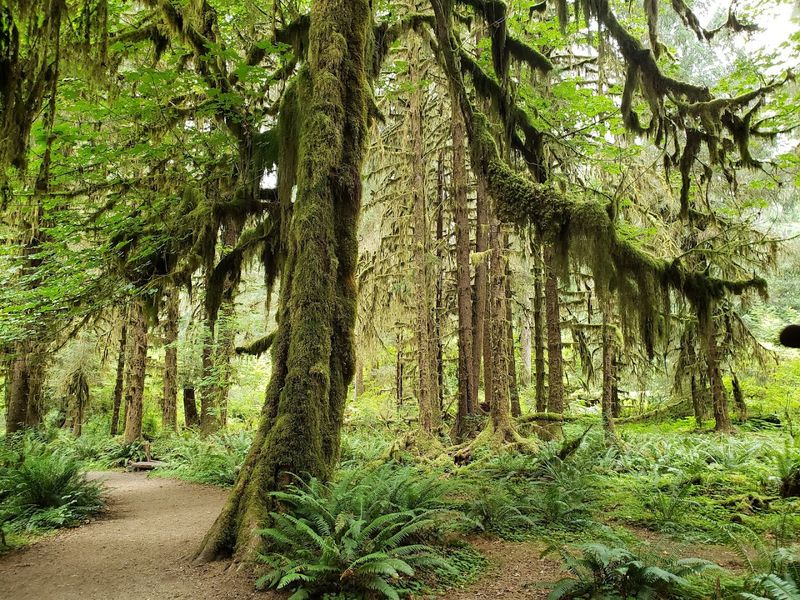
Moss covers almost everything in the Hoh Rain Forest, from the ground to the highest branches, making it look like the trees themselves are wearing coats of green velvet.
The Hoh Rain Forest receives up to 14 feet of rainfall each year, which explains why every surface seems alive and growing.
Indigenous peoples of the Pacific Northwest, including the Hoh Tribe, have lived near this forest for thousands of years. Their oral traditions describe powerful spirits connected to the land, the water, and the ancient trees that dominate the landscape.
Visitors who hike the Hall of Mosses trail often describe the experience as walking through a place that feels frozen in time. Some trails wind so deep into the forest that the outside world seems completely unreachable.
That sense of total isolation made it easy for stories to take root here. The Hoh Rain Forest remains one of the most atmospheric natural spaces in the entire United States.
2. Great Smoky Mountains National Park, Tennessee and North Carolina
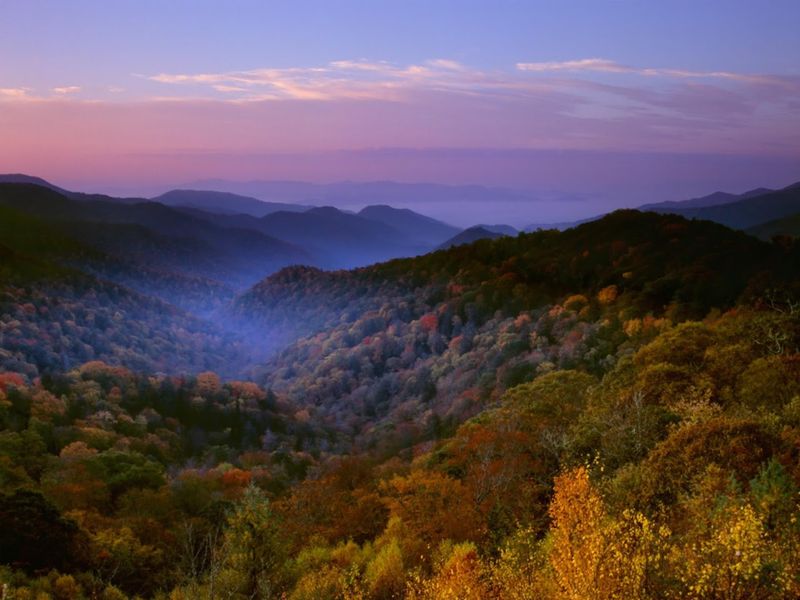
The blue haze that gives the Smokies their name is actually produced by the trees themselves, releasing tiny organic compounds into the air. That scientific fact somehow makes the mountains feel even more mysterious.
Appalachian folklore runs deep in this region. Stories of ghostly lights drifting through the hollows, known locally as “will-o’-the-wisps,” have been told by mountain families for centuries.
Some communities passed down tales of spirits tied to specific ridges, caves, or creek beds.
The Smokies were home to Cherokee people long before European settlers arrived, and Cherokee oral traditions added their own layer of legend to the landscape. Stories of the Nunne’hi, a race of invisible spirit people said to live inside the mountains, are among the most enduring.
Today, the park draws millions of visitors every year, but the forested backcountry still holds plenty of quiet corners where the old stories feel entirely believable. The Smokies have never lost their sense of wonder.
3. Black Forest, Baden-Württemberg, Germany
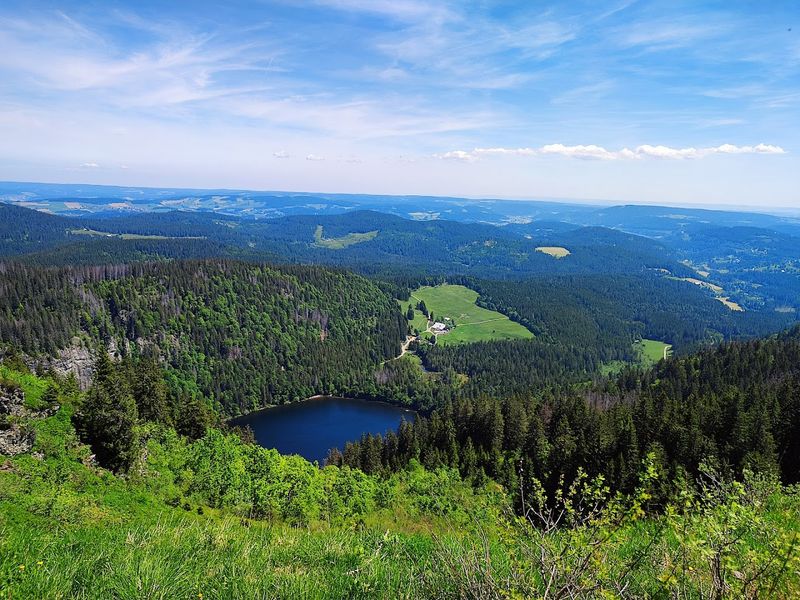
Germany’s Schwarzwald, or Black Forest, earned its name from the thick canopy of fir trees that blocks out most of the daylight on the forest floor. Walking the interior trails feels like the sun forgot to show up for work.
The Brothers Grimm drew inspiration from this region when collecting their famous fairy tales. Stories like “Hansel and Gretel” and “Snow White” carry the unmistakable atmosphere of deep German woodland, where danger hides behind beautiful scenery.
Local legends go well beyond fairy tales. The Black Forest has centuries of stories involving witches, werewolves, and creatures that lurk in a valley called Höllental, which translates directly to Hell’s Valley.
That name alone should tell you something about the local reputation.
Traditional Black Forest villages still hold festivals rooted in ancient customs meant to ward off evil spirits. The forest covers roughly 2,300 square miles, giving legends plenty of room to breathe and grow across the generations.
4. Forest Of Dean, Gloucestershire, England
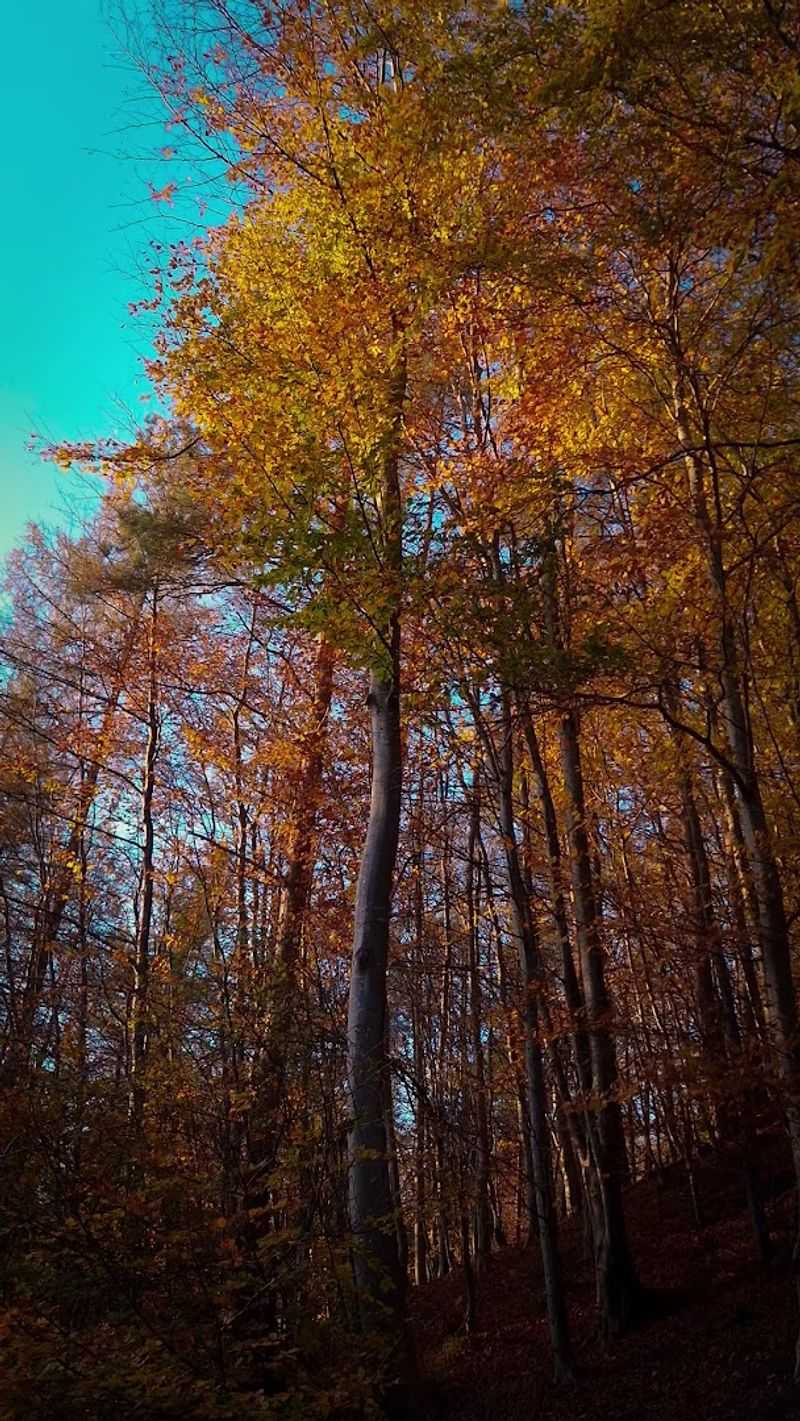
Few forests in England carry as much history as the Forest of Dean, which has been used as a royal hunting ground, a mining district, and a source of timber for the Royal Navy for hundreds of years.
The forest sits on the border between England and Wales, and that in-between location gave it an air of lawlessness throughout the medieval period. Outlaws, smugglers, and rebels all used its thick cover, and their stories blended with older supernatural tales already circulating among local communities.
Legends of ghostly figures on forest roads and strange creatures in the deeper sections have been reported for generations. Some locals claim the forest has its own distinct personality, one that shifts depending on the season and the weather.
The Forest of Dean also appears in modern popular culture, having served as a filming location for several major productions. Yet no camera has fully captured the layered, complicated history that makes this ancient woodland feel like it belongs in a story of its own.
5. Aokigahara Forest, Yamanashi Prefecture, Japan
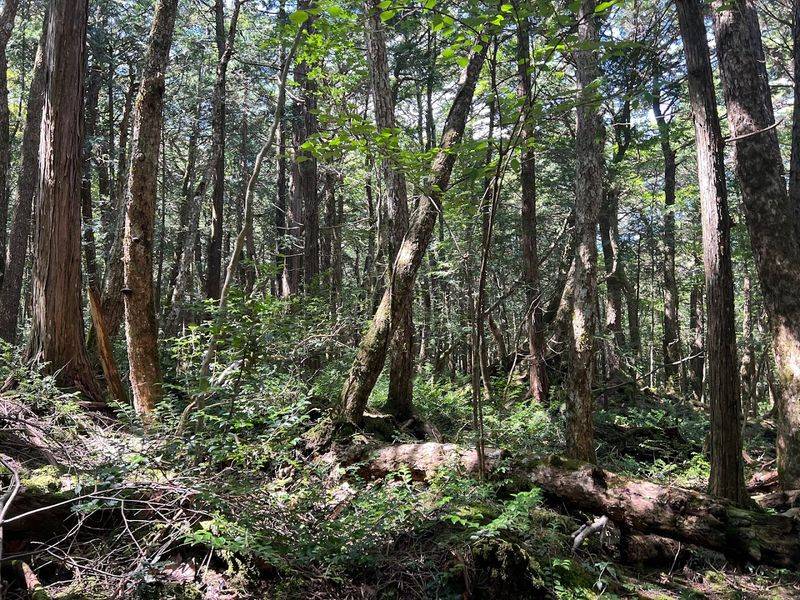
Compasses reportedly behave strangely inside Aokigahara, pointing in unreliable directions due to iron deposits in the volcanic rock beneath the forest floor. That one detail has fueled decades of local legend on its own.
Aokigahara sits at the base of Mount Fuji and covers roughly 14 square miles of dense woodland growing directly over ancient lava fields. The volcanic terrain creates an unusual landscape of twisted roots, lava caves, and uneven ground that makes navigation genuinely difficult.
Japanese folklore has long associated remote forests with yūrei, or wandering spirits believed to linger in places connected to strong emotions. Aokigahara became intertwined with these stories centuries ago, long before it gained international attention.
Despite its heavy reputation, the forest is also recognized for its natural beauty and ecological significance. Nature enthusiasts visit regularly to explore its lava caves, observe rare plant species, and experience a woodland environment found nowhere else on Earth.
The forest is far more layered than its dramatic reputation suggests.
6. Hoia Forest, Cluj County, Romania
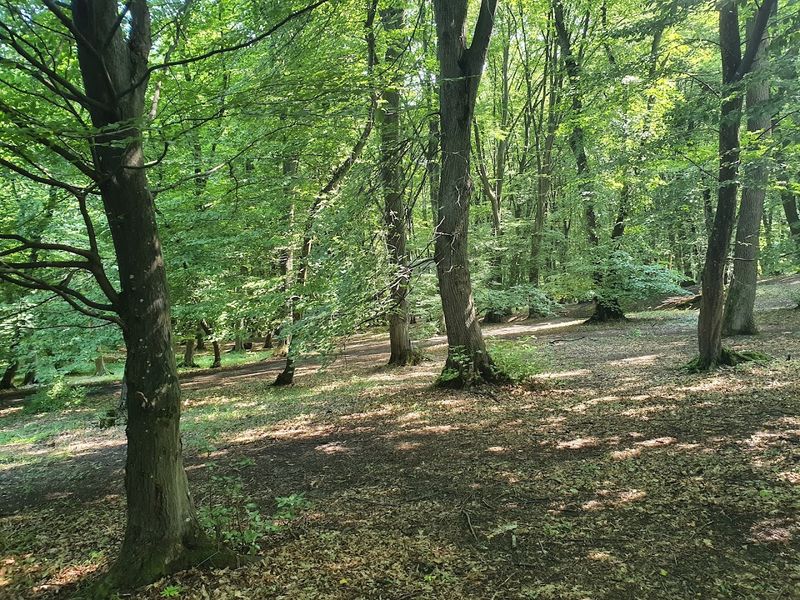
Nicknamed the Bermuda Triangle of Transylvania, Hoia Forest has built a reputation that would make even the most skeptical visitor walk a little faster between the trees.
The forest is most famous for a perfectly circular clearing near its center where, according to local accounts, vegetation simply refuses to grow. No scientific consensus has fully explained the clearing, which has naturally become a focal point for paranormal enthusiasts and curious researchers alike.
Reports of strange lights, unexplained photographs, and feelings of being watched have circulated since at least the 1960s, when a Romanian biologist named Alexandru Sift photographed what he described as an unidentified flying object above the tree line. That photograph put Hoia on the international map.
Beyond the legends, the forest is genuinely striking. Its trees grow in dramatic curves and twisted spirals that look unlike any normal woodland.
Whether the shapes have a geological explanation or not, they create a visual landscape that feels borrowed directly from a storybook about things that go bump in the night.
7. Tiveden Forest, Örebro County, Sweden
For centuries, Tiveden was considered one of the most dangerous stretches of wilderness in Sweden, not because of bandits or wild animals, but because of what people believed lived there.
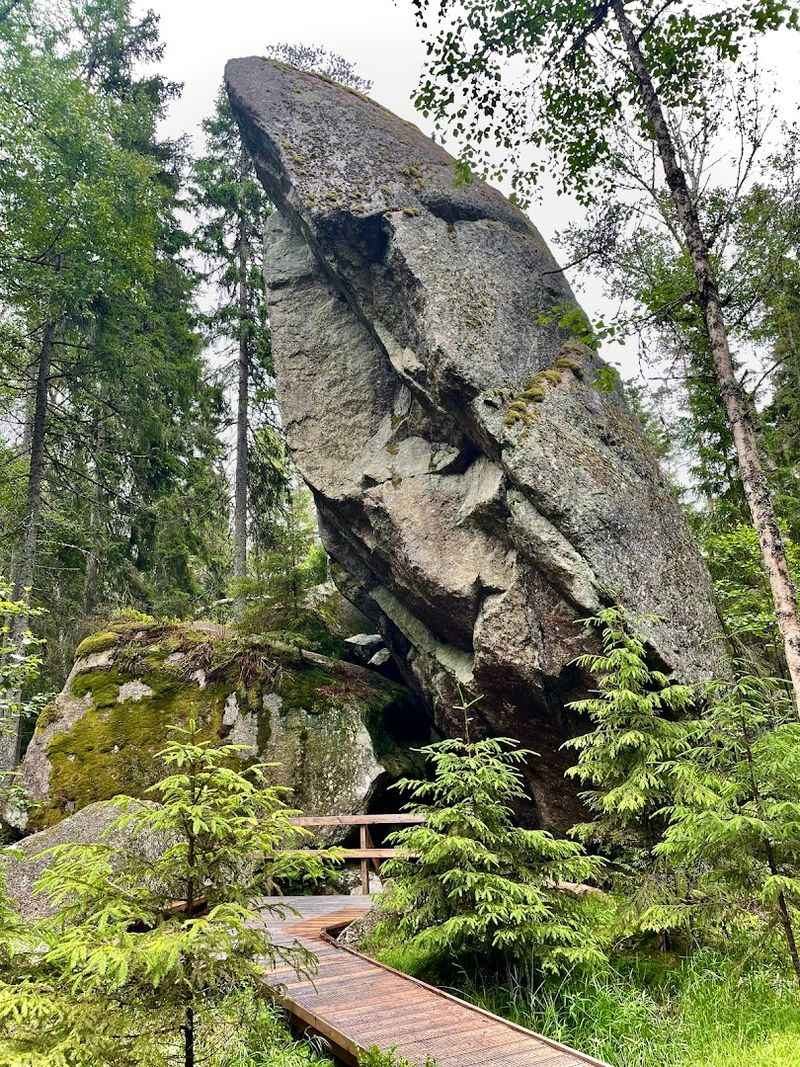
Norse folklore placed trolls, forest spirits, and other mythical beings directly in forests like Tiveden, where the terrain was too rugged and remote for ordinary travelers to feel comfortable. The massive granite boulders scattered throughout the forest look like they were stacked by something much larger than a human hand, which did not help the trolls-in-residence theory.
Tiveden also served as a boundary zone between ancient Swedish kingdoms, which added a political layer of danger to the already supernatural reputation. Crossing the forest meant entering uncertain territory in more ways than one.
Today, Tiveden National Park protects the landscape and welcomes hikers who want to experience one of Sweden’s most dramatic natural environments. The boulder formations, hidden lakes, and old-growth trees make it clear why storytellers found so much material here for so many generations.
8. Brocéliande Forest, Brittany, France
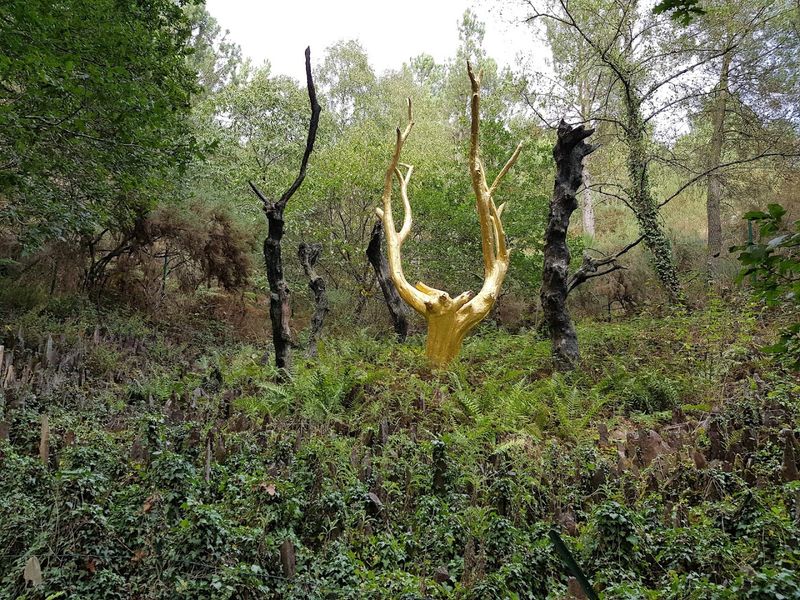
Arthurian legend claims that Merlin the wizard spent years in this forest, and the locals of Brittany have never seen any reason to argue with that story.
Brocéliande, also known as the Paimpont Forest, is directly connected to some of the most famous stories in European mythology. The Fountain of Barenton, located within the forest, appears in medieval texts as a place of magic where knights sought adventure.
The Vale of No Return is said to be where the sorceress Morgan le Fay trapped unfaithful knights who wandered too close.
A site known as Merlin’s Tomb still draws visitors who leave offerings of flowers and small tokens, treating it less like a tourist attraction and more like a genuine place of significance. Whether or not Merlin was real, the belief clearly is.
The forest covers about 7,000 acres and contains medieval abbeys, ancient ruins, and walking trails that connect the legendary sites. Few forests in the world carry such a specific and detailed mythological biography.
9. Tongass National Forest, Alaska
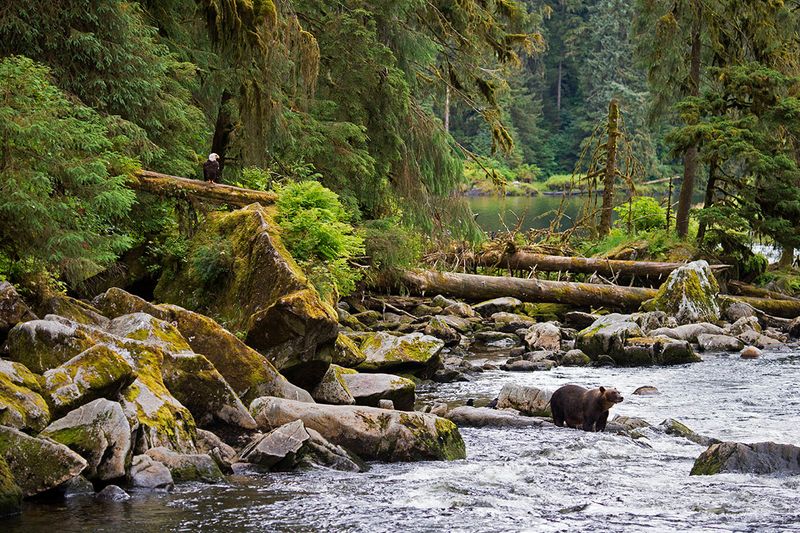
At roughly 17 million acres, the Tongass National Forest is the largest national forest in the United States, and it holds Indigenous stories that are just as large in scope.
The Tlingit, Haida, and Tsimshian peoples have lived throughout this coastal wilderness for thousands of years. Their traditions include richly detailed accounts of Raven, the shape-shifting trickster figure who created the world through cunning and mischief.
These stories are not just folklore; they are living traditions still shared and celebrated today.
The forest also carries stories of the Kushtaka, a shape-shifting creature from Tlingit tradition that can take the form of a person or an otter. Accounts of the Kushtaka served as practical warnings for people traveling alone through remote coastal territory, where the boundaries between forest, sea, and wilderness blur constantly.
Massive Sitka spruce and western hemlock trees dominate the landscape, some reaching heights of over 200 feet. The sheer scale of the Tongass makes it easy to believe that almost anything could be hiding just beyond the next ridge.
10. Daintree Rainforest, Queensland, Australia
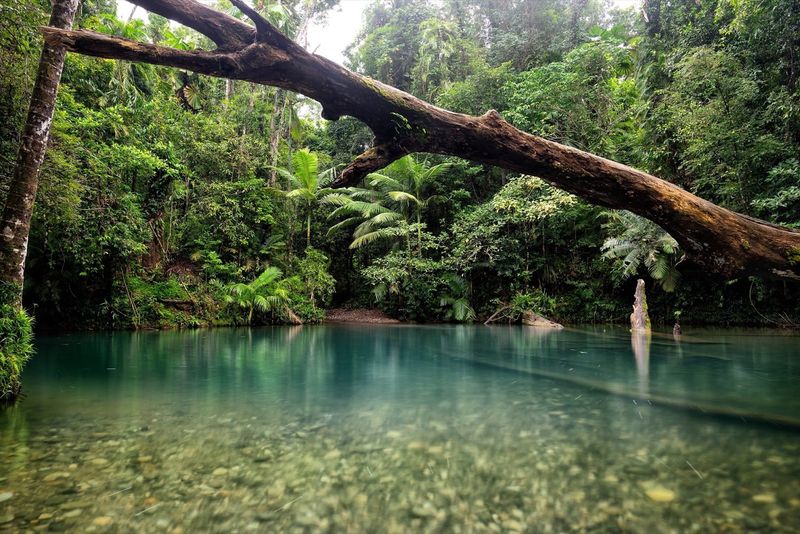
Scientists estimate the Daintree Rainforest is approximately 180 million years old, which means it was already ancient when dinosaurs were still roaming the planet. That kind of age tends to accumulate stories.
The Eastern Kuku Yalanji people are the Traditional Custodians of the Daintree region, and their connection to this landscape stretches back over 50,000 years. Their traditions describe specific landforms, plants, and waterways as living parts of a larger ancestral story, with each feature of the forest carrying cultural meaning that goes far beyond its physical appearance.
The rainforest is also one of the most biodiverse places on Earth, home to plants and animals found nowhere else. That extraordinary variety of life has contributed to its reputation as a place where the natural world operates by its own rules.
11. Crooked Forest, West Pomeranian Voivodeship, Poland
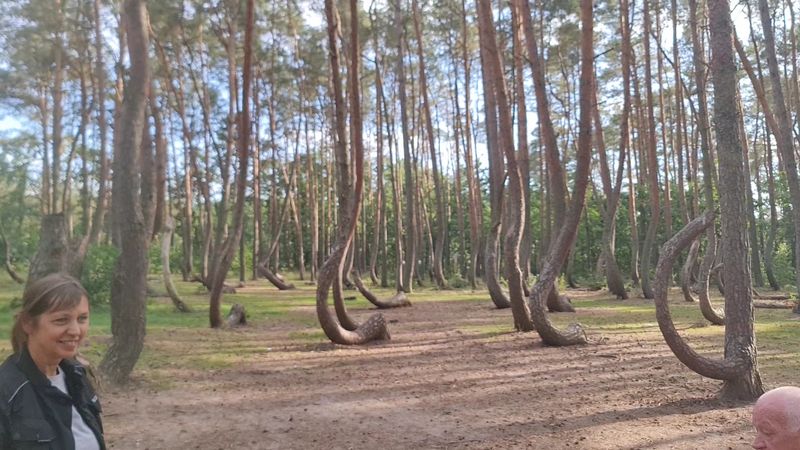
Nobody planted these trees intending them to look this strange, yet here they are: roughly 400 pine trees, each one bending dramatically at the base before turning straight upward, as if they all changed their minds at the same moment.
The Crooked Forest, known in Polish as Krzywy Las, sits near the town of Gryfino and has puzzled researchers, botanists, and curious visitors since the trees were first noticed. The most widely accepted theory is that human intervention during the 1930s caused the unusual growth, possibly to produce curved timber for furniture or boat building.
The problem with that theory is that nobody left behind any documentation explaining exactly what they did.
Other explanations range from heavy snowfall during the trees’ early growth to gravitational anomalies, though none have been fully proven. The mystery gap has been cheerfully filled by local folklore, which offers its own creative explanations involving enchantments and supernatural interference.
12. Monteverde Cloud Forest Reserve, Puntarenas Province, Costa Rica
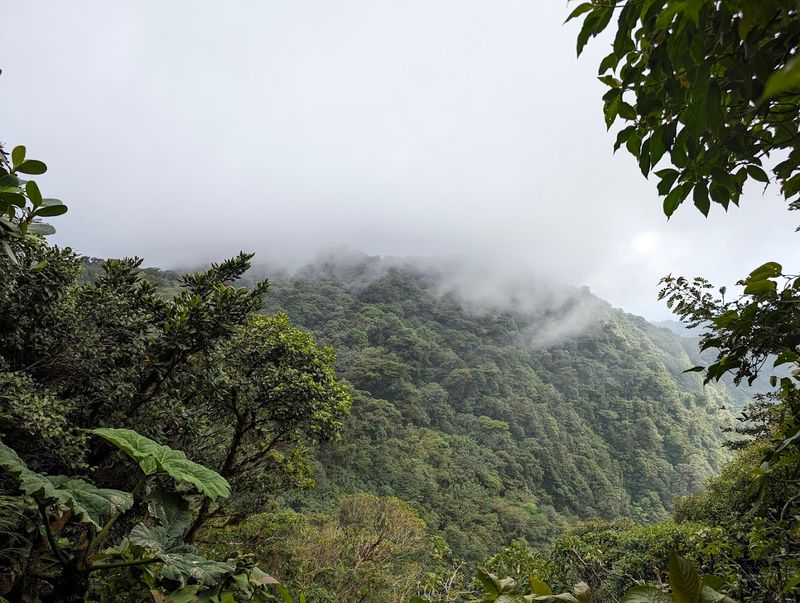
Clouds do not just pass over Monteverde; they move through it. The reserve sits at an elevation where weather systems drift directly into the forest canopy, keeping the vegetation perpetually wet and the visibility constantly shifting.
The Monteverde Cloud Forest Reserve was established in 1972 and covers over 26,000 acres of protected tropical forest. It is home to more than 400 bird species, 100 mammal species, and thousands of plant varieties, including an extraordinary number of orchids.
That level of biological richness has always inspired local stories about the forest’s hidden life.
Costa Rican folklore includes tales of the Cegua, a supernatural figure said to appear to travelers on forest roads, and the Tulevieja, a spirit connected to rivers and remote wilderness. These stories served as cultural guideposts, reminding people to respect the natural world and treat the forest with care.
13. Redwood National And State Parks, California
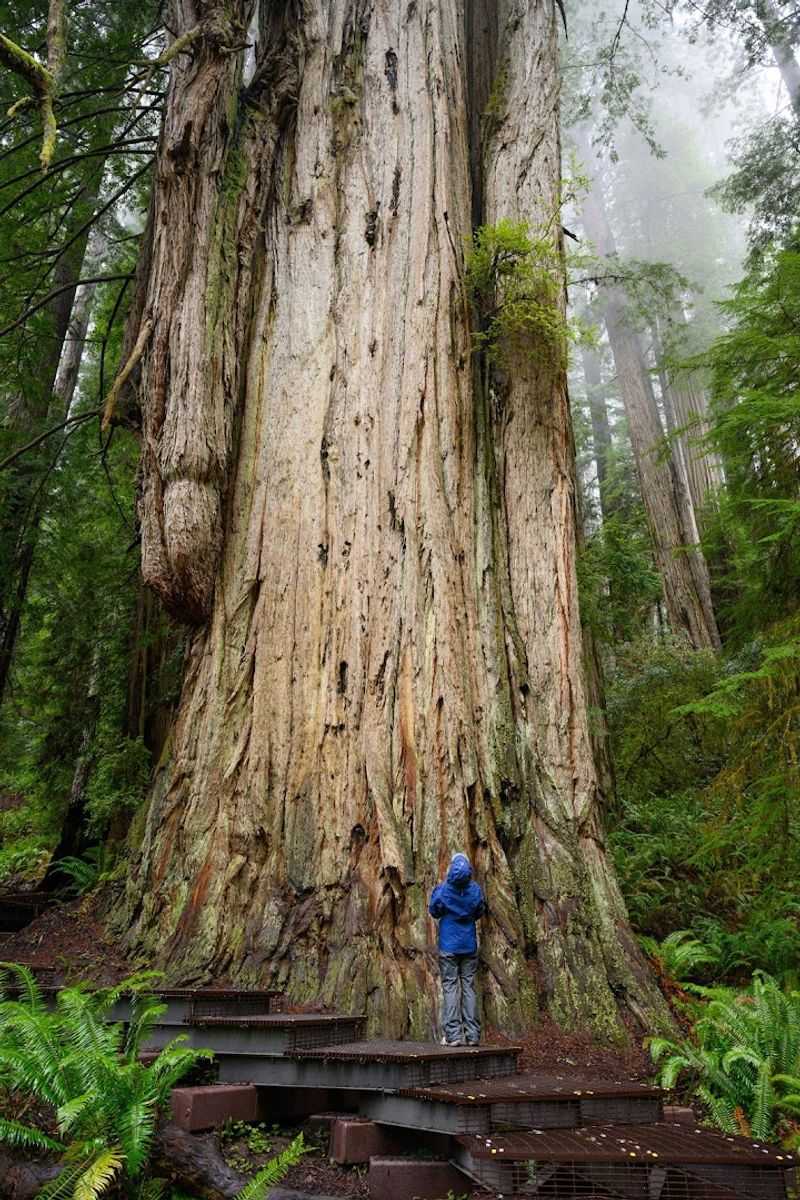
The coastal redwoods of Northern California are the tallest living things on Earth, with some individuals exceeding 380 feet in height and living for over 2,000 years. Standing next to one puts the entire human timeline into perspective.
The Yurok, Karuk, and Tolowa peoples have maintained deep connections to this forest for thousands of years. Their traditions treat the redwoods not as scenery but as living relatives, entities with their own place in the order of the world.
Stories passed through these communities describe the trees as witnesses to events that took place long before written history began.
The sheer scale of a redwood forest creates an almost architectural experience. The trunks rise like columns in a cathedral that was never designed by anyone, just grown slowly over centuries of rain, fog, and quiet persistence.
Share this story