Summer 1985 was a high point for rock music. MTV was in full swing, CDs were rapidly gaining popularity, and radio playlists mixed arena rock, new wave, and pop-rock into a soundtrack that defined the season.
Hit movies like The Breakfast Club and Back to the Future helped turn songs into cultural touchstones, while rock artists delivered some of the decade’s most memorable anthems. From stadium-sized singalongs to sharp, radio-friendly singles, these tracks captured the energy, style, and spirit of the moment.
Here are 12 songs that defined the summer of 1985.
1. Don’t You (Forget About Me)

Few songs have ever been so reluctant to exist and yet so impossible to ignore. Simple Minds almost turned down “Don’t You (Forget About Me)” entirely.
The track was written by producer Keith Forsey and guitarist Steve Schiff, and the band initially had little interest in recording it.
They agreed only after some convincing, and the result became one of the most recognizable opening notes in pop-rock history. The song anchored the soundtrack to John Hughes’s film The Breakfast Club, released in February 1985, and by late June it had climbed to number one on the Billboard Hot 100.
It also hit number one on the Mainstream Rock chart, a rare double. The film’s cultural footprint was enormous among teenagers, which gave the song a built-in audience that kept growing through the summer.
Simple Minds had been making music since 1977, but this was the track that defined their entire career in the United States.
2. Raspberry Beret
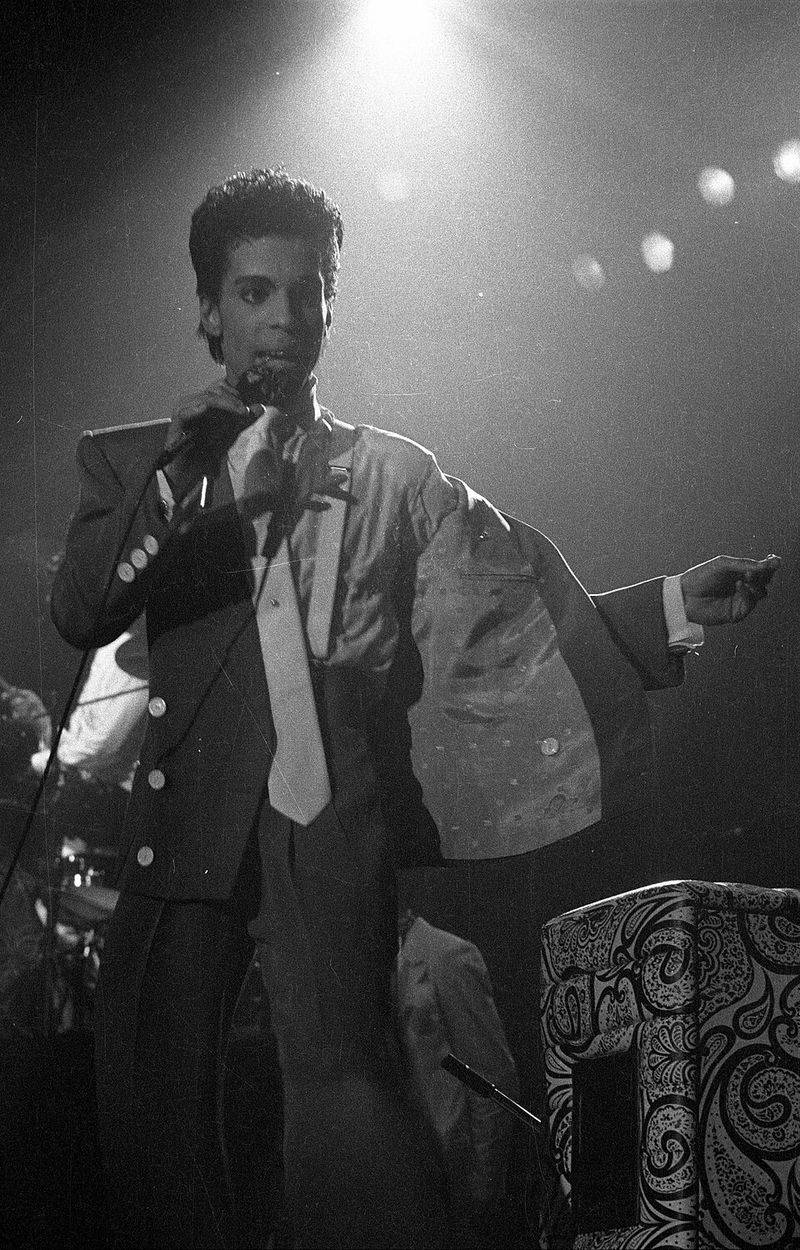
Prince was operating at a level of creative output in 1985 that few artists have matched in any era. “Raspberry Beret” was released as a single from the album Around the World in a Day in May 1985, and it peaked at number two on the Billboard Hot 100 in late July.
The song marked a deliberate stylistic shift from Purple Rain, which had dominated 1984. Where Purple Rain leaned heavily into arena rock and dramatic guitar, “Raspberry Beret” drew from psychedelic pop, with a lighter, almost playful arrangement.
Prince and The Revolution used strings, bouncy rhythms, and whimsical imagery to craft something that stood apart from nearly everything else on the charts.
It also reached number two on the Mainstream Rock chart, proving that rock radio was willing to follow Prince wherever he went. The song remains one of the most distinctive entries in his catalog, recognized immediately by listeners who were paying attention to the summer charts.
3. Glory Days
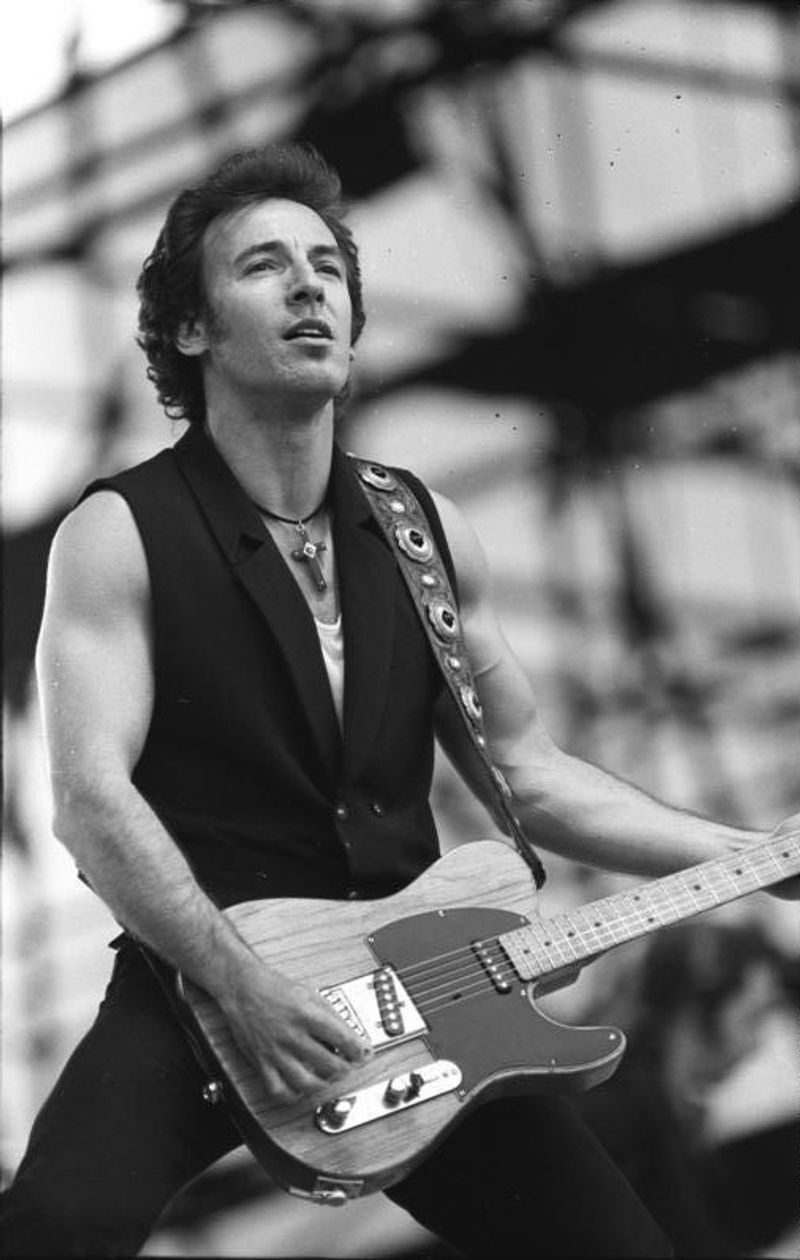
Bruce Springsteen spent most of 1984 and 1985 on one of the most successful concert tours in rock history, and “Glory Days” was one of the songs that captured exactly why audiences packed those arenas. Released from the Born in the U.S.A. album, the track peaked at number five on the Hot 100 in July 1985.
The song is built around conversations Springsteen had with people who spent their time reliving past achievements rather than living in the present. It is written with a sharp, almost journalistic eye for working-class detail, which was a signature of his songwriting throughout this period.
Springsteen had already released multiple singles from Born in the U.S.A. before “Glory Days” hit, and the fact that the album kept producing chart hits well into 1985 spoke to how thoroughly it had connected with American listeners. The accompanying music video, featuring Springsteen playing baseball, became a staple on MTV throughout that summer.
4. The Power of Love
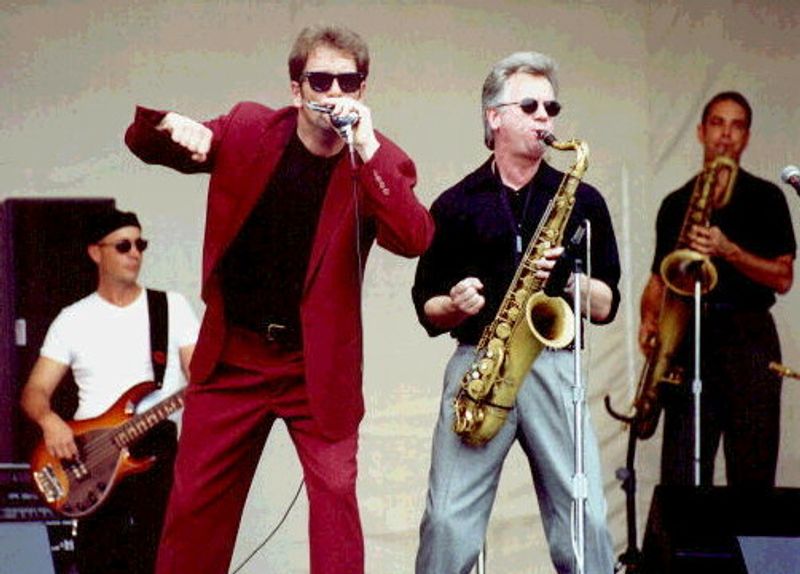
When Back to the Future opened in July 1985, it became the highest-grossing film of the year, and “The Power of Love” was right there at the front of the experience. Huey Lewis and the News recorded the track specifically for the film’s soundtrack, and it debuted in June 1985 before climbing to number one on the Billboard Hot 100 by late July.
The song was a natural fit for Lewis’s style, built on punchy horn arrangements and a straightforward rock structure. The band had already established themselves with Sports in 1983, but the Back to the Future connection gave them a visibility boost that extended well beyond their existing fanbase.
It also reached number three on the Mainstream Rock chart. Huey Lewis even appeared briefly in the film itself, playing a teacher who rejects Marty McFly’s band at a school audition.
That cameo became one of the more memorable small moments in a film full of them, and it tied the song even more closely to the summer of 1985.
5. Shout
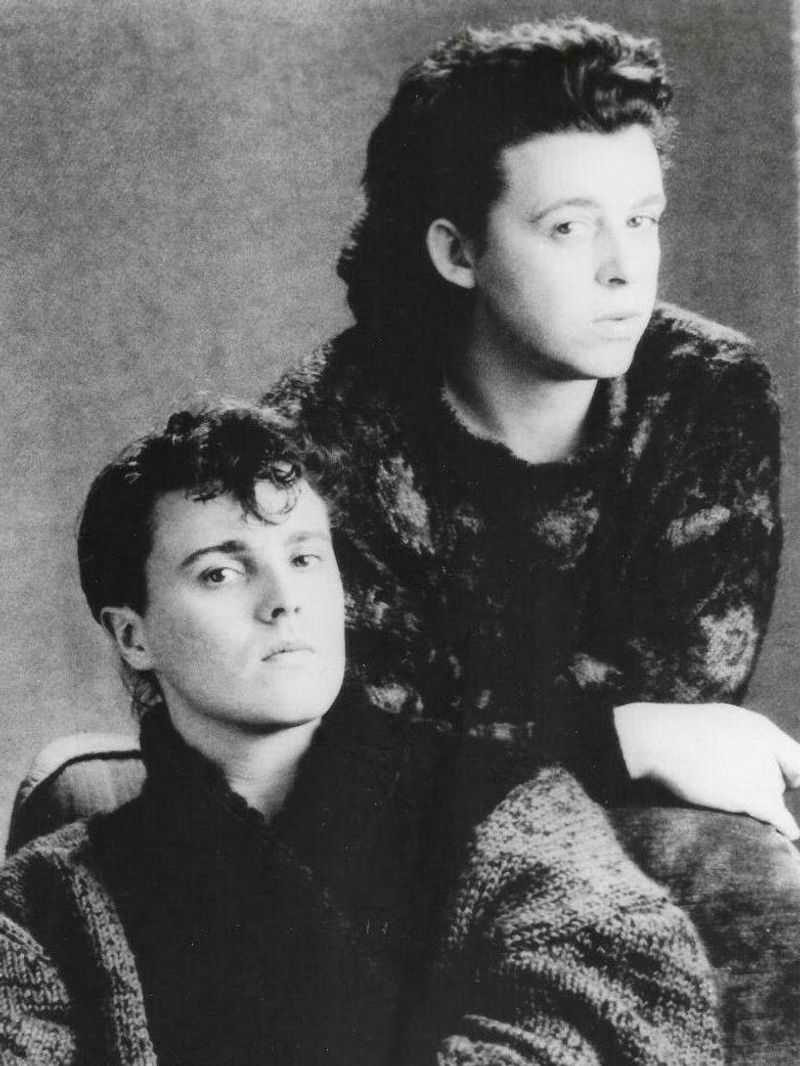
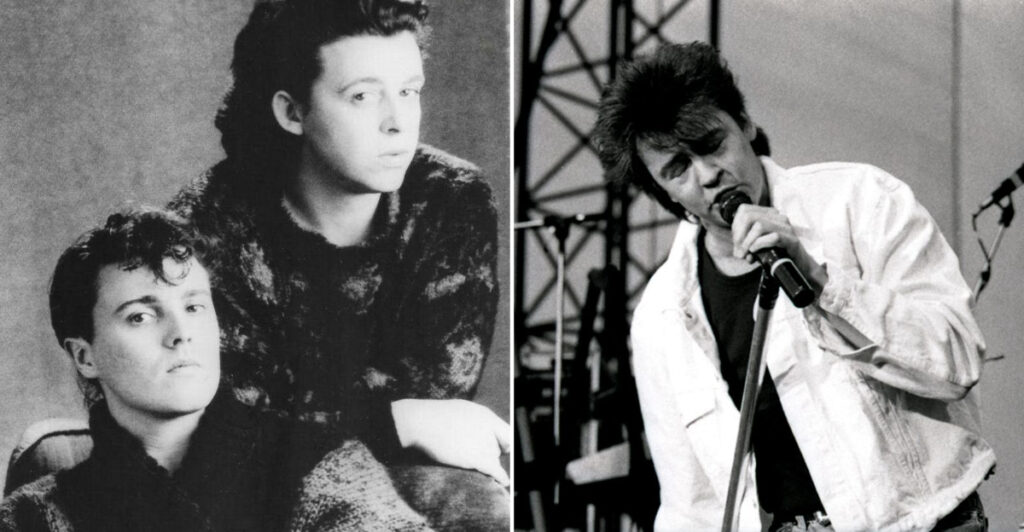
Tears for Fears built “Shout” into something bigger than a pop single. The track had been released in the UK in late 1984 but hit its American chart peak on August 3, 1985, when it reached number one on the Billboard Hot 100.
It also topped the Mainstream Rock chart, making it one of the biggest crossover successes of the summer.
The song came from the album Songs from the Big Chair, which was one of the best-selling records of the entire year. Roland Orzabal and Curt Smith crafted the track around themes of speaking out against systems of control, drawing loosely from the psychological theories of Arthur Janov.
The production was dense and layered, built around synthesizers and a drum machine backbone that felt both futuristic and urgent. “Shout” was not a subtle record. It asked to be heard at full volume, and radio programmers obliged.
The album it came from sold millions of copies in the United States alone, cementing Tears for Fears as one of the defining acts of the mid-1980s.
6. Every Time You Go Away
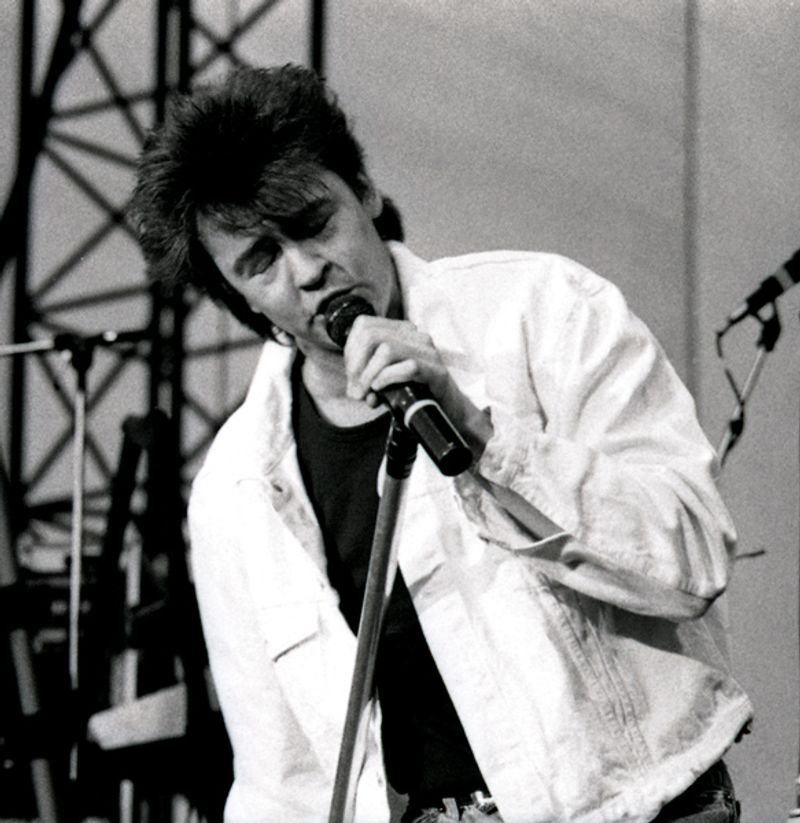
Paul Young’s version of “Every Time You Go Away” was not the first recording of the song. Daryl Hall had written it and released it with Hall and Oates on their 1980 album Voices, but it was Young’s 1985 recording that turned it into a chart-topping phenomenon.
The track peaked at number one on the Billboard Hot 100 on August 10, 1985.
Young’s vocal delivery brought a raw, plaintive quality to the song that connected with listeners across rock and pop formats. It also reached number four on the Mainstream Rock chart, a strong showing for a song that leaned heavily into soft rock territory.
Young was a British artist who had already found success in the UK before cracking the American market, and this single served as his definitive introduction to US audiences. The song’s placement in heavy summer radio rotation meant that it became one of those tracks permanently tied to a specific season.
Listeners who were teenagers in 1985 tend to remember it with unusual clarity.
7. Would I Lie to You?
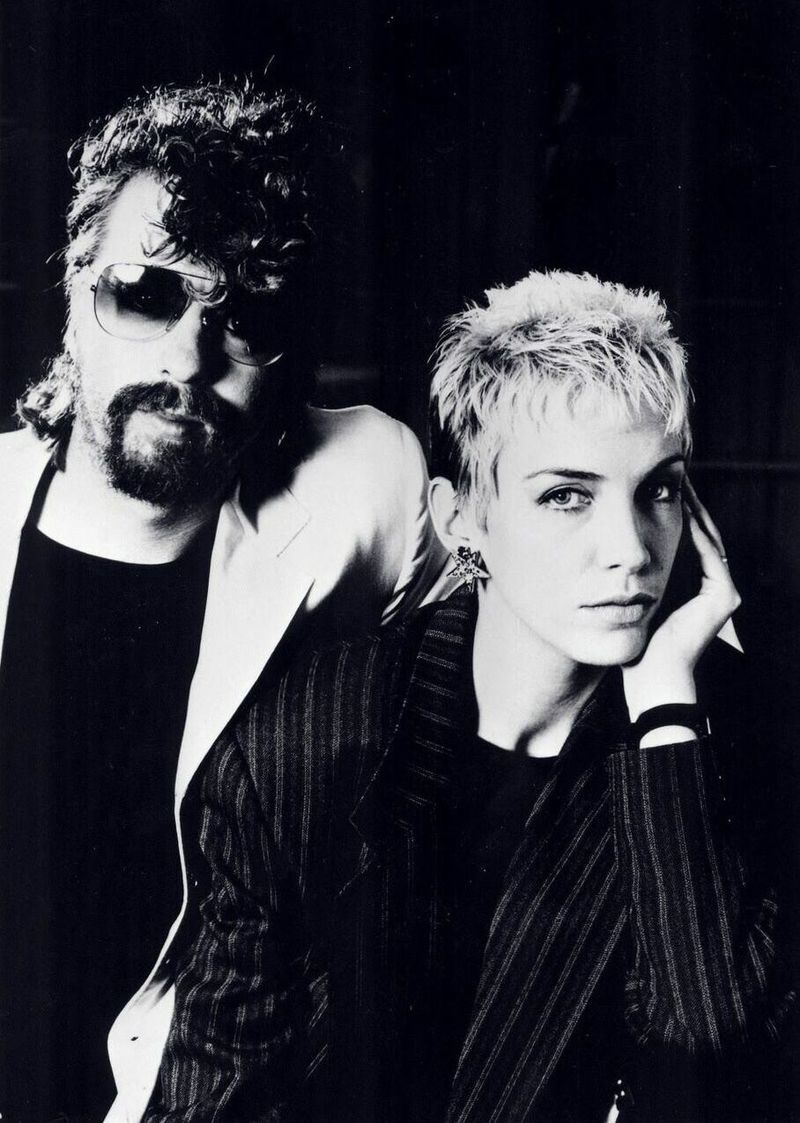
Annie Lennox had a gift for turning a simple question into a full-scale statement, and “Would I Lie to You?” is one of the best examples of that talent. Released from the album Be Yourself Tonight, the track peaked at number five on the Billboard Hot 100 on August 24, 1985, and reached number seven on the Mainstream Rock chart.
The song marked a significant shift in the Eurythmics’ sound. Where earlier work like Sweet Dreams leaned heavily on cold, electronic textures, “Would I Lie to You?” was built around a live band feel, with soulful horns and a gospel-influenced vocal performance from Lennox.
Dave Stewart produced the track with a rawness that felt deliberate and energetic. The music video featured Lennox in a range of bold visual presentations that reinforced her reputation as one of the most visually inventive performers of the decade.
Be Yourself Tonight was considered a turning point for the duo, and this single was the clearest evidence of how far their sound had evolved since 1983.
8. Run to You

Bryan Adams released Reckless in November 1984, and the album spent most of 1985 generating hit singles at a pace that kept him in constant radio rotation. “Run to You” was the first major single from that record to chart in the United States, peaking at number six on the Billboard Hot 100 on June 15, 1985.
The song is built around a straightforward rock arrangement with a driving guitar riff and a lyrical theme about the tension between commitment and temptation. It was recorded at Little Mountain Sound Studios in Vancouver, the same facility used for much of the Reckless album.
Adams co-wrote the track with Jim Vallance, who was his primary songwriting partner throughout this period. The collaboration produced a consistent string of radio-friendly rock songs that were polished without feeling overproduced. “Run to You” reached number seven on the Mainstream Rock chart and set the stage for even bigger chart success from the same album later that summer.
9. Heaven

The second major US hit from Reckless arrived just as summer was winding down, but it hit harder than almost anything else on the charts. “Heaven” peaked at number one on the Billboard Hot 100 on August 31, 1985, giving Bryan Adams his first American chart-topper. It also reached number two on the Mainstream Rock chart.
The song is a power ballad, slower and more emotionally direct than “Run to You,” and it showed that Adams could shift registers without losing the core rock audience he had been building. Co-written again with Jim Vallance, the track was built around a melodic guitar line and a vocal performance that was straightforward and unadorned.
Having two songs from the same album reach the top ten in the same summer was a significant achievement for a Canadian artist still establishing himself in the US market. Reckless went on to become one of the best-selling albums of 1985, and “Heaven” was the peak of its commercial run on American radio.
10. Smuggler’s Blues
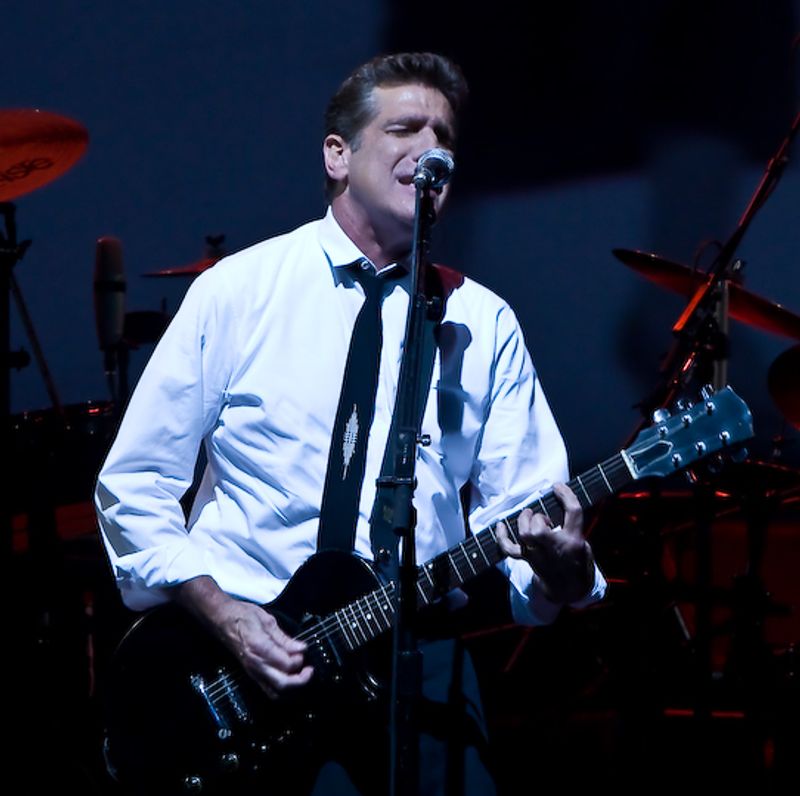
Glenn Frey built “Smuggler’s Blues” around a very specific cultural moment. The song was directly tied to Miami Vice, the NBC drama that had premiered in September 1984 and quickly become one of the most watched shows on television.
Frey not only contributed the song to the show’s soundtrack but appeared in the episode named after it.
The track peaked at number 12 on the Billboard Hot 100 in August 1985 and reached number six on the Mainstream Rock chart. It came from Frey’s solo album The Allnighter, released in 1984, and the Miami Vice connection gave it a level of visibility that a solo project from a former Eagle might not have otherwise received.
The song dealt with the drug trade along the Florida coast, a subject that Miami Vice made central to its visual identity. Frey’s involvement was not a cameo but a genuine acting role, and it helped establish the show’s practice of featuring rock artists as guest performers.
The song’s gritty lyrical content stood out in a summer full of more romantic chart material.
11. Crazy for You
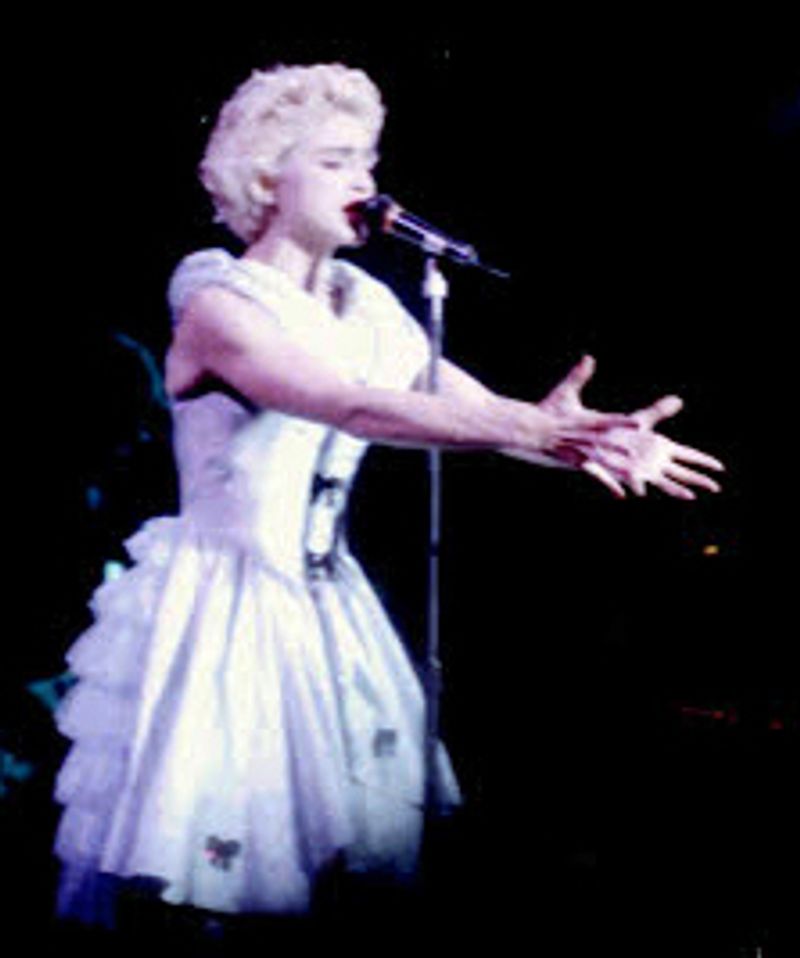
“Crazy for You” was a different kind of Madonna record. Released from the Vision Quest film soundtrack, it peaked at number one on the Billboard Hot 100 on April 20, 1985, and spent the following months in steady radio rotation throughout the summer.
It reached number nine on the Mainstream Rock chart, an unusual placement for an artist primarily associated with dance pop.
The song is a slow ballad, a genre Madonna returned to only occasionally during this period. Her vocal performance was restrained and sincere, which gave the track a different texture than the high-energy singles she was releasing from Like a Virgin at the same time.
The fact that she was simultaneously charting with multiple styles in 1985 was a measure of how broad her commercial reach had become. Vision Quest received mixed reviews as a film, but the soundtrack performed well largely because of this track. “Crazy for You” remains one of the clearest examples of Madonna’s ability to work across formats without diluting her identity.
12. Take My Breath Away
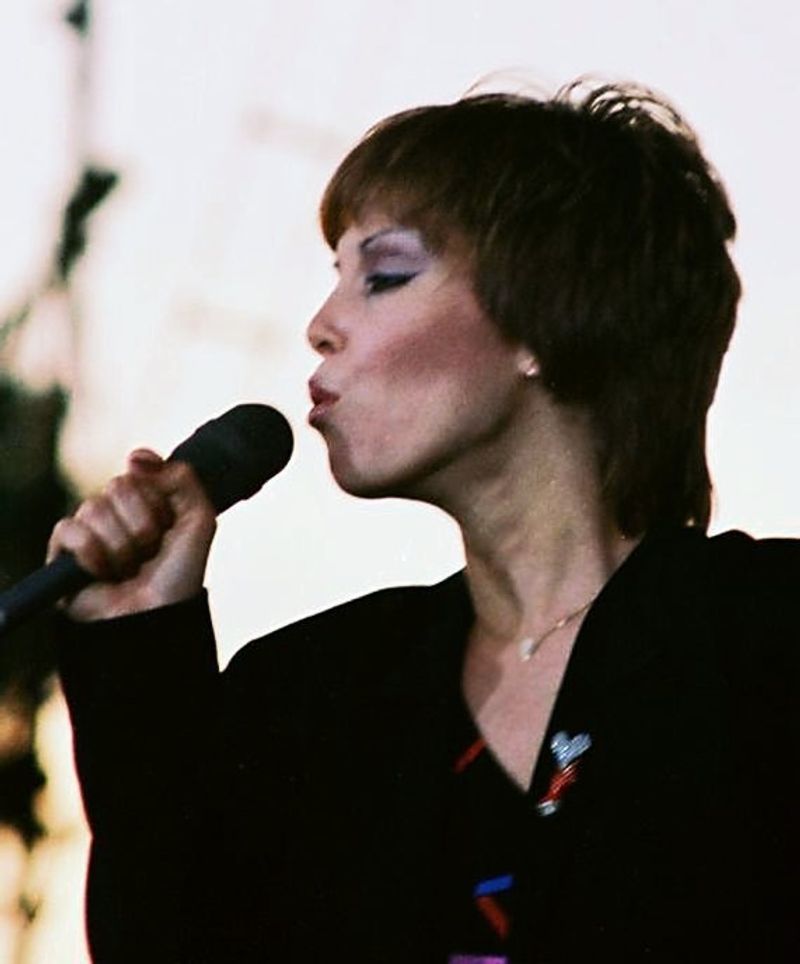
Pat Benatar had spent the early 1980s establishing herself as one of rock’s most consistent hitmakers, and “Take My Breath Away” extended that run into the summer of 1985. The track peaked at number 18 on the Billboard Hot 100 in August 1985 and reached number 10 on the Mainstream Rock chart.
The song came from the album Seven the Hard Way, which Benatar recorded with guitarist and producer Neil Giraldo, her longtime creative partner and husband. The album reflected a shift toward a somewhat more polished sound while still maintaining the hard rock foundation that had made her earlier records successful.
Benatar had won four consecutive Grammy Awards for Best Female Rock Vocal Performance between 1980 and 1983, and her presence on the summer 1985 charts was a reminder that she remained a genuine force in rock radio. The Mainstream Rock chart placement confirmed that her audience was loyal and that rock programmers continued to treat her as a central figure in the format.
Share this story