Some people seem to operate on a completely different level than the rest of us. From memorizing tens of thousands of digits to navigating the world without sight, these individuals have demonstrated abilities that leave scientists, doctors, and everyday people genuinely puzzled.
Their stories are not myths or exaggerations but well-documented cases studied by researchers around the world. Get ready to meet 9 real people whose extraordinary gifts challenge everything we think we know about the human mind and body.
1. Daniel Tammet – The Human Calculator
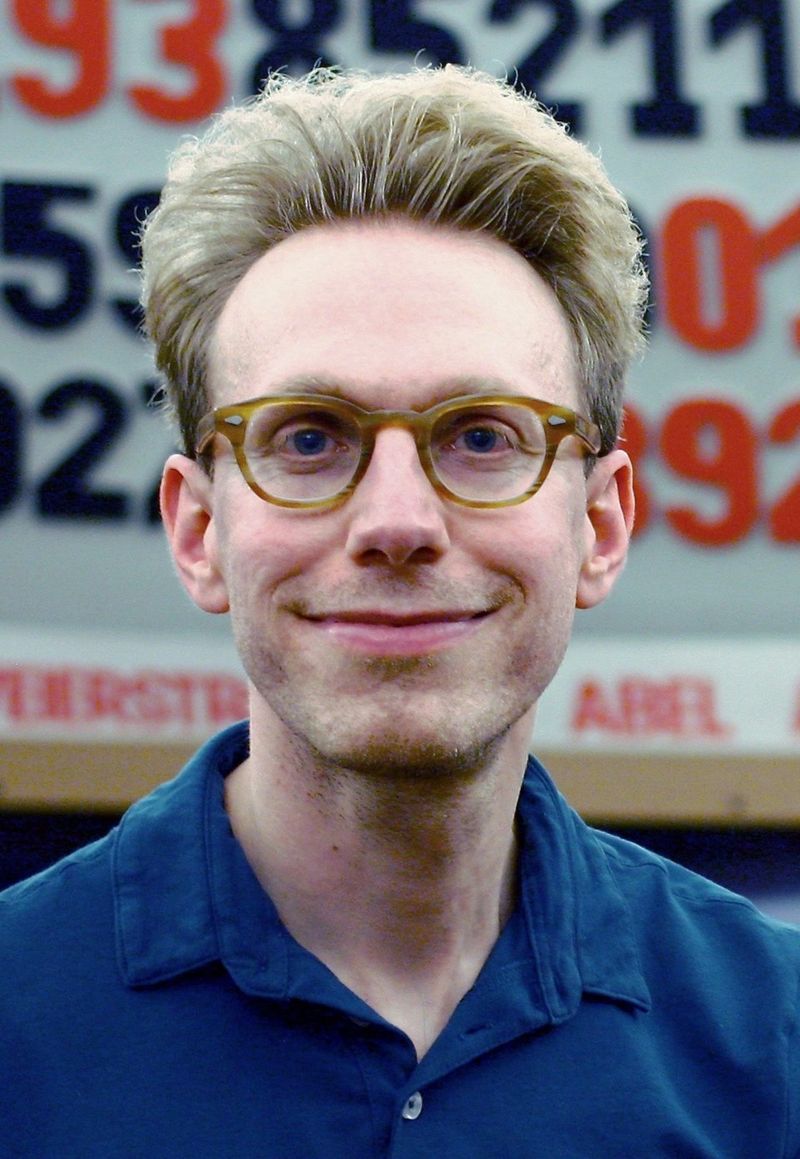
Most people struggle to remember a 10-digit phone number, yet Daniel Tammet once recited 22,514 digits of pi entirely from memory. He completed this feat in just over five hours in 2004, setting a European record that still stands today.
Tammet has synesthesia, a neurological condition where numbers appear to him as shapes, colors, and textures. He describes the number 289 as particularly ugly, while 333 feels beautiful.
This unique mental landscape allows him to process numbers in ways most brains simply cannot.
Researchers have studied him extensively, and what makes his case especially fascinating is that he can also explain how he does it. Unlike many savants, Tammet communicates clearly and has written books about his experiences.
His ability blurs the line between genius and something far more mysterious.
2. Stephen Wiltshire – The Human Camera

After a single helicopter ride over a city, Stephen Wiltshire can return to his studio and draw the entire skyline from memory with jaw-dropping accuracy. Every window, every rooftop, every street corner falls into place as if he had a photograph stored behind his eyes.
Wiltshire was diagnosed with autism as a child and did not speak until age nine. Drawing became his first language, and it remains the clearest window into his remarkable mind.
He has recreated cities including Tokyo, Rome, New York, and London in extraordinary detail.
Scientists are still working to understand how his visual memory operates at such a precise level. What takes urban planners months to document, Wiltshire captures in days purely from a brief glance.
His gallery in London showcases work that feels less like art and more like living proof of an unexplained gift.
3. Kim Peek – The Original Rain Man
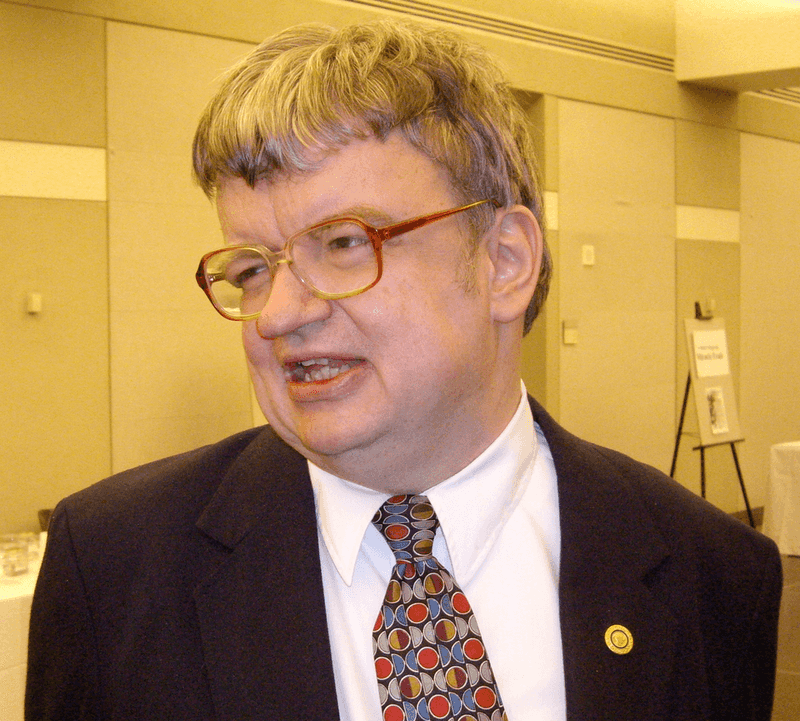
Kim Peek could read two pages of a book at the same time, one with each eye, and retain nearly everything he read. Over his lifetime, he memorized the contents of more than 12,000 books, covering subjects from history and geography to music and sports statistics.
Born with significant brain abnormalities including a missing corpus callosum, the structure that connects the two brain hemispheres, Peek functioned in ways that defied medical expectations. His condition inspired the character Raymond Babbitt in the 1988 film Rain Man, bringing his story to global attention.
Despite struggling with basic motor tasks and needing lifelong care, his memory was essentially limitless. Researchers who tested him repeatedly found his recall rate was close to 98 percent.
Kim Peek passed away in 2009, but the scientific questions his brain raised remain largely unanswered to this day.
4. Wim Hof – The Iceman
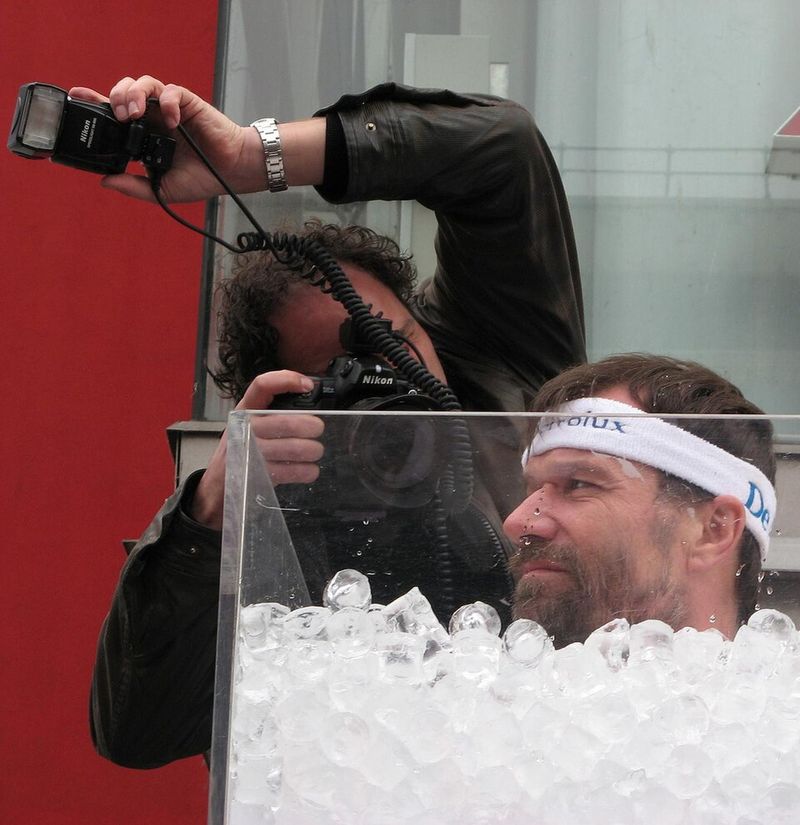
Sitting in ice water for nearly two hours without your core body temperature dropping sounds medically impossible. For Wim Hof, it is just another Tuesday.
The Dutch athlete has broken dozens of world records related to cold exposure and has climbed Mount Everest wearing nothing but shorts and shoes.
What makes Hof truly remarkable is not just his tolerance for cold but his apparent ability to consciously control his autonomic nervous system, a part of the body that science long believed was completely beyond voluntary control. In controlled studies, he was injected with a bacterial endotoxin and managed to suppress his immune response on demand.
His breathing technique, now known as the Wim Hof Method, has been adopted by millions worldwide. Researchers at Radboud University in the Netherlands confirmed his physiological responses are real.
The full explanation for how he does it remains an active area of scientific investigation.
5. Ben Underwood – Human Echolocation Expert
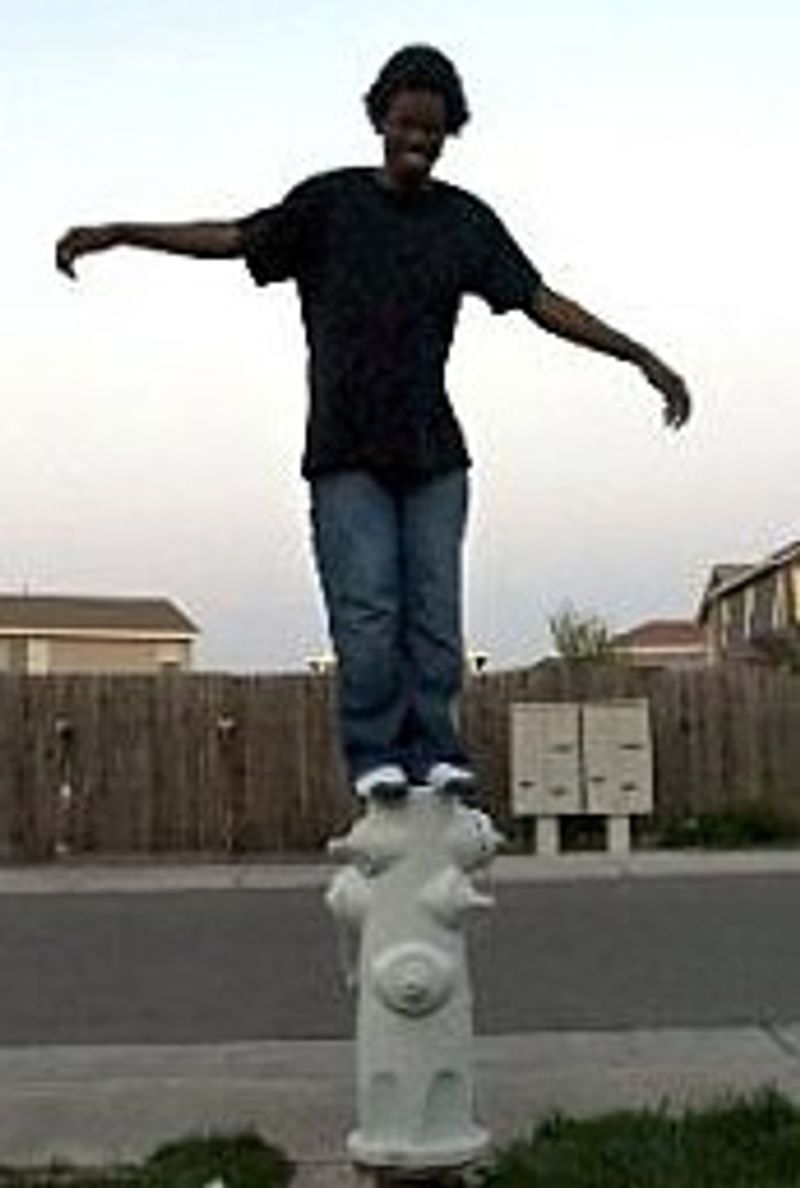
Ben Underwood lost both eyes to retinal cancer at age three, yet by the time he was a teenager he was riding bicycles, playing basketball, and rollerblading through his neighborhood. He accomplished all of this using a skill he taught himself entirely: human echolocation.
By making sharp clicking sounds with his tongue, Ben could interpret the sound waves bouncing back from objects around him, much like a bat navigating in darkness. His brain had essentially rewired itself to process sound as spatial information.
Doctors and neurologists who examined him were genuinely astonished by what his brain was doing.
Ben passed away from cancer in 2009 at just 16 years old, but his story continues to inspire researchers studying neuroplasticity and sensory substitution. Scientists studying his case helped pave the way for echolocation training programs now used to help blind individuals navigate the world more independently.
6. Isao Machii – The Modern Samurai

Isao Machii holds multiple Guinness World Records for feats of swordsmanship that seem to belong in a superhero film rather than real life. He has sliced a speeding pellet fired from a BB gun in half and cut through a rolled mat thrown at high speed while blindfolded.
What fascinates neuroscientists is not just his speed but his anticipatory ability. Research conducted with MythBusters revealed that Machii reacts faster than humanly possible using normal sight.
He appears to predict where a moving object will be rather than tracking it in real time, a skill that suggests his brain processes spatial data in an entirely different way.
Traditional martial arts training is part of his story, but experts believe his nervous system operates at a level that cannot be explained by practice alone. His case raises serious questions about the upper limits of human perception and motor control.
7. Shakuntala Devi – The Human Computer

In 1977, Shakuntala Devi was given a random 201-digit number and asked to find its 23rd root. She answered in 50 seconds, outpacing a UNIVAC computer that took 62 seconds to reach the same answer.
The audience was stunned. The computer programmers were stunned even more.
Born in Bangalore, India, in 1929, Devi showed her mathematical talent before she could read. By age six she was demonstrating her abilities at the University of Mysore.
She traveled the world performing calculations live on stage, and audiences consistently walked away shaking their heads in disbelief.
In 1980, she multiplied two 13-digit numbers in 28 seconds, earning a place in the Guinness Book of World Records. Psychologists who tested her found no satisfactory explanation for her speed.
Devi passed away in 2013, but she remains one of the most celebrated mathematical minds in recorded history.
8. Temple Grandin – The Visual Thinker
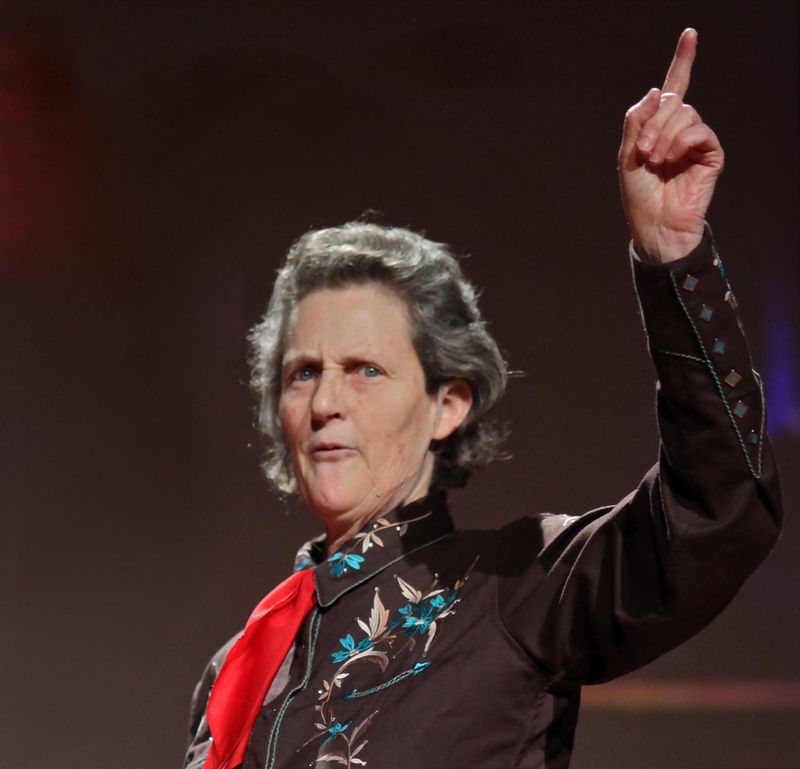
Temple Grandin thinks entirely in pictures. When she designs a structure, she does not sketch rough ideas and refine them.
She runs a complete, fully detailed simulation in her mind, walking through every angle before a single nail is hammered. Her mental blueprints have transformed the livestock industry across North America.
Grandin was diagnosed with autism in the 1950s, at a time when many doctors recommended institutionalization. Instead, she earned a PhD in animal science and became one of the most influential figures in humane livestock handling.
Her designs are now used in roughly half of all cattle facilities in the United States.
Beyond her professional achievements, Grandin has given researchers a rare window into how autistic minds process the world spatially. Her books and talks have changed how educators, scientists, and parents understand visual thinking and neurodiversity.
She is living proof that different does not mean less.
9. Dean Karnazes – The Endurance Machine
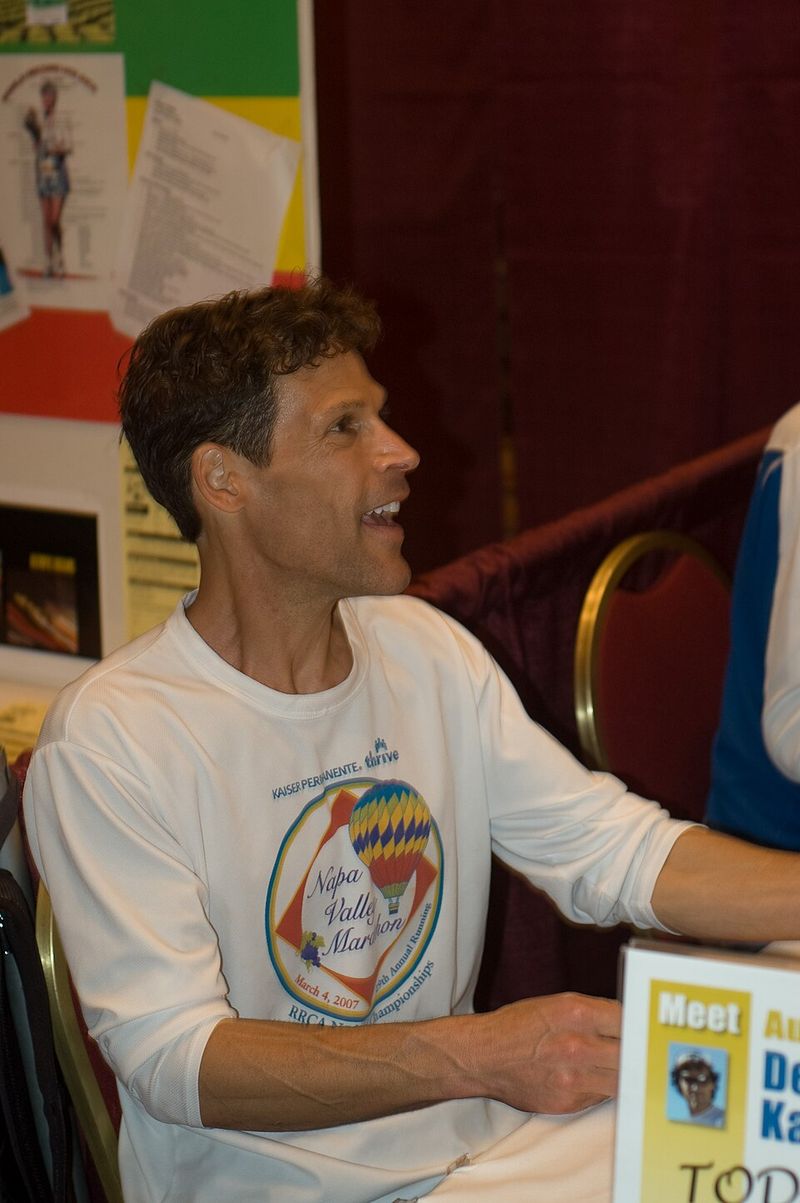
Most elite marathon runners need days of recovery after a single 26.2-mile race. Dean Karnazes once ran 50 marathons in 50 consecutive days across all 50 US states.
He has also run 350 miles without sleeping and completed a marathon to the South Pole in minus 40-degree temperatures.
What makes Karnazes biologically unusual is that his muscles reportedly do not accumulate lactic acid the way normal human muscles do. Lactic acid buildup is what causes the burning sensation that forces most runners to stop.
Without that limitation, Karnazes can keep going long after others would collapse.
Scientists have tested him and confirmed that his lactate threshold is abnormally high, though a complete genetic explanation has not been published. He has said in interviews that he could theoretically run forever if he kept eating.
Whether that is hyperbole or a medical fact, researchers are still not entirely sure.
Share this story