There is a place tucked away in the Minnesota countryside that looks like it was lifted straight out of another century. Old buildings line the grounds, vintage machinery sits ready for inspection, and the whole property carries the kind of quiet character that most museums can only dream about.
The catch is that the public does not get to walk through it very often, which makes every visit feel like a rare privilege. Read on to find out what makes this living piece of Minnesota history so worth the trip.
A Vision That Took Decades to Build
Not every great place springs up overnight, and this one certainly did not. The Little Log House Pioneer Village is the result of one person’s passionate, decades-long mission to collect, preserve, and celebrate the structures and artifacts that defined everyday life in early Minnesota.
The owner, a dedicated car and history enthusiast, spent years rescuing old buildings from demolition and relocating them to this property. Each structure tells its own story, and together they form a kind of open-air museum that you can actually walk through and touch.
What makes the vision so compelling is the personal investment behind it. This was never a government project or a corporate initiative.
It grew from genuine love for history and a determination to keep it alive for future generations. The result is a collection that feels curated by someone who truly cares, and that personal touch is felt in every corner of the village.
Where the Village Calls Home
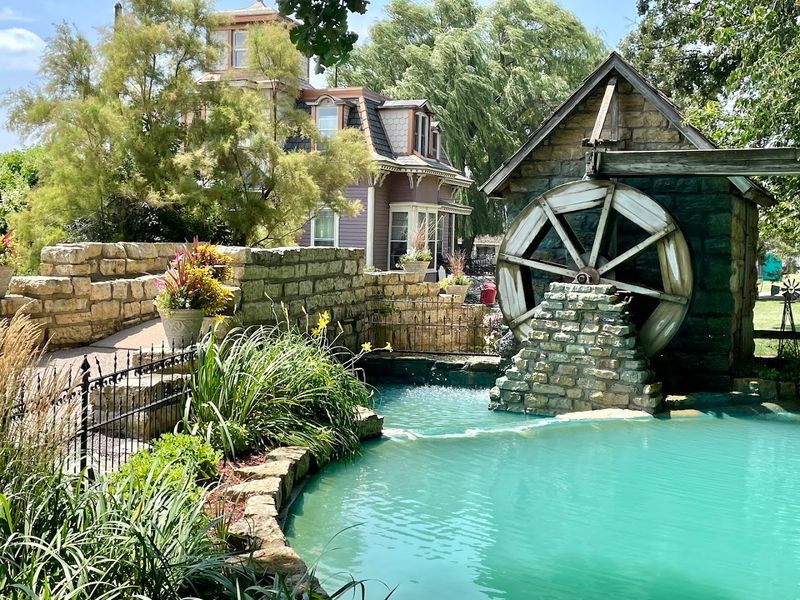
Out on Michael Avenue in Hastings, Minnesota, a gravel driveway leads you toward something that feels genuinely different from the modern world. Little Log House Pioneer Village sits at 21889 Michael Ave, Hastings, MN 55033, nestled in Dakota County just southeast of the Twin Cities metro area.
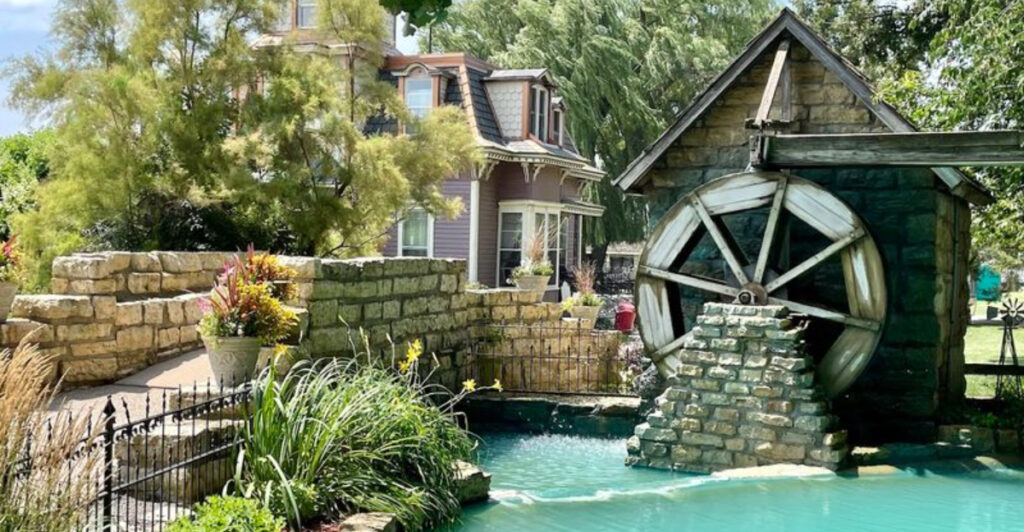
The property spans a remarkable stretch of land, and the moment you arrive, the sheer scale of the place catches you off guard. Old structures dot the landscape in every direction, and the grounds are maintained with obvious care and pride.
Hastings itself is a charming river town with deep roots in Minnesota history, making this village a natural fit for the region. The drive out here is pleasant, winding through rolling farmland that sets the mood long before you reach the entrance.
Getting here is easy from the Twin Cities, roughly 30 miles southeast of Minneapolis.
The Buildings That Stop You in Your Tracks
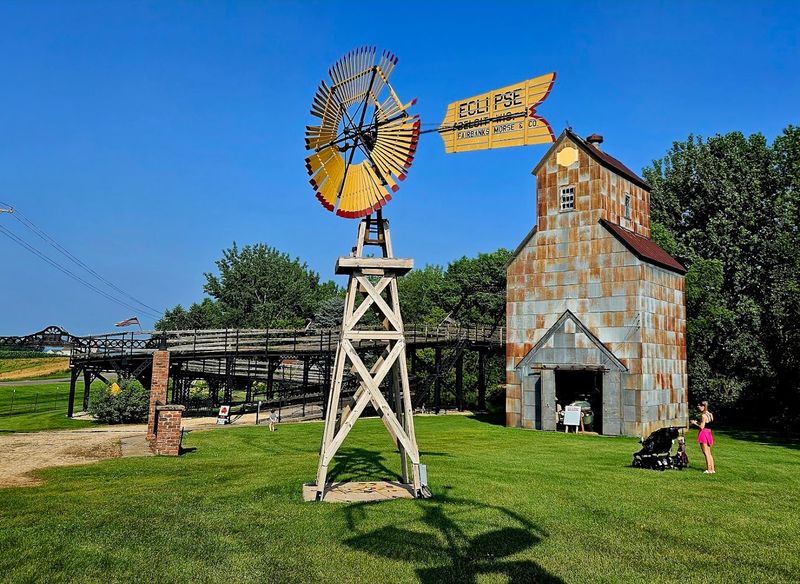
Walking through the village is a slow experience, and that is entirely the point. There are dozens of old-timey structures spread across the property, ranging from small log cabins to larger commercial-style buildings that once served real communities across the Midwest.
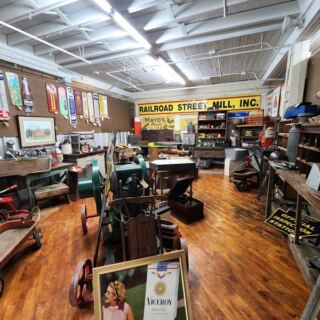
One highlight that visitors consistently mention is the Porky building, a structure dedicated to automotive history that houses a real piece of vintage car culture. Seeing an actual Porky’s sign saved from a long-gone Twin Cities drive-in restaurant is the kind of thing that makes car enthusiasts and nostalgia lovers stop cold.
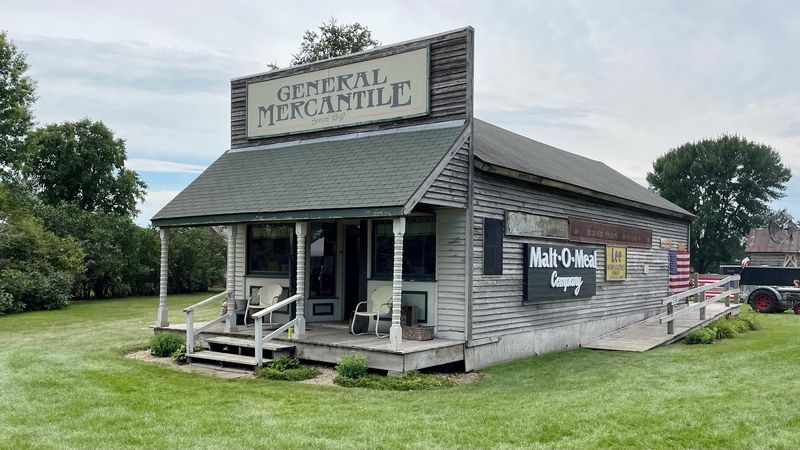
Other buildings include a general store setup, a blacksmith shop, and various agricultural structures that paint a vivid picture of 19th and early 20th century rural life. Each one is stocked with period-appropriate items and tools, so you are not just looking at an empty shell but a fully realized space that sparks your curiosity at every turn.
The Annual Shows That Open the Gates
Here is the detail that surprises most first-time visitors: the village is not open to the general public on a walk-in basis year-round. The big public events, most notably the Antique Power Show, are when the gates swing wide open and thousands of visitors get their chance to explore.
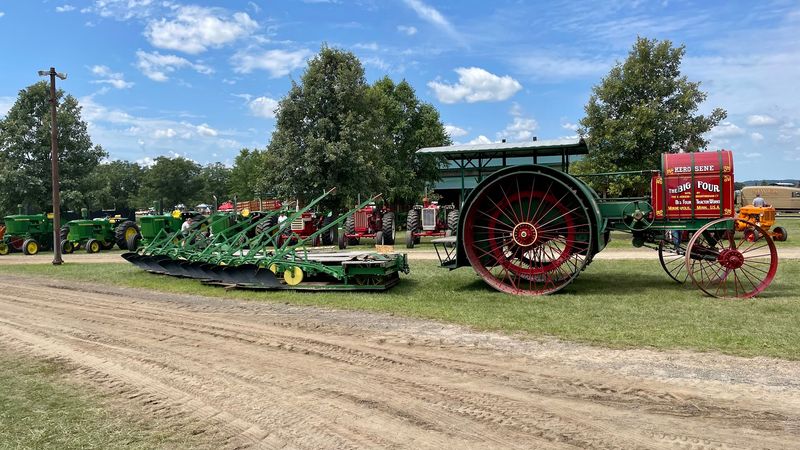
The Antique Power Show is the flagship event, typically held in late summer, and it draws a devoted crowd of history buffs, tractor collectors, and curious families from across the region. Rows of vintage farm equipment line the grounds, and demonstrations of old machinery bring a rumbling, smoky authenticity to the whole affair.
A World War II reenactment is also part of the programming, giving visitors a chance to see period military equipment and costumed participants up close. For anyone who has never attended one of these shows, the combination of living history and antique machinery in one place is genuinely hard to match anywhere else in the state.
Tractors, Engines, and the Joy of Old Iron
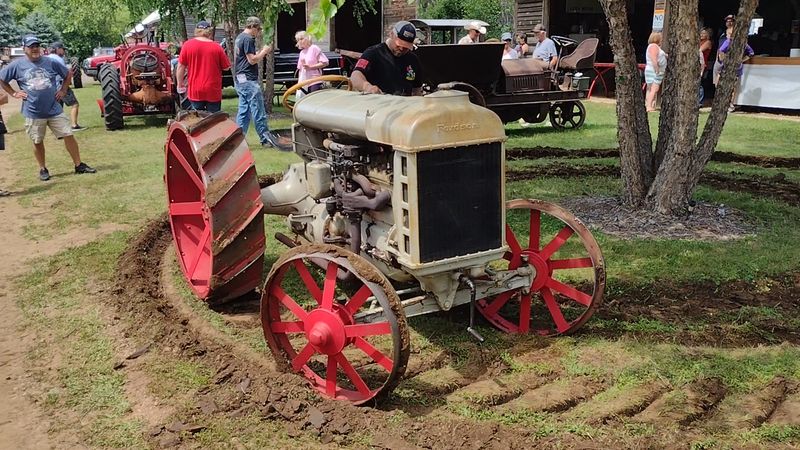
Few things capture the spirit of rural Minnesota quite like a field full of antique tractors, and the Pioneer Village delivers that experience in spectacular fashion. The collection of old iron on display during the annual show is described by visitors as incredible, with machines representing nearly every major manufacturer and era of American agricultural history.
Seeing these tractors in working condition is a different experience from viewing them behind glass in a traditional museum. Engines rumble to life, gears turn, and the smell of old grease and exhaust becomes oddly nostalgic even for people who did not grow up on a farm.
The tractor parade is a crowd favorite, drawing multigenerational groups of families who line the route to watch. Grandparents point out models they once drove, while kids experience something they have only ever seen in picture books.
That kind of shared moment across generations is exactly what makes the show so emotionally resonant and worth returning to year after year.
World War II Reenactments That Bring History to Life
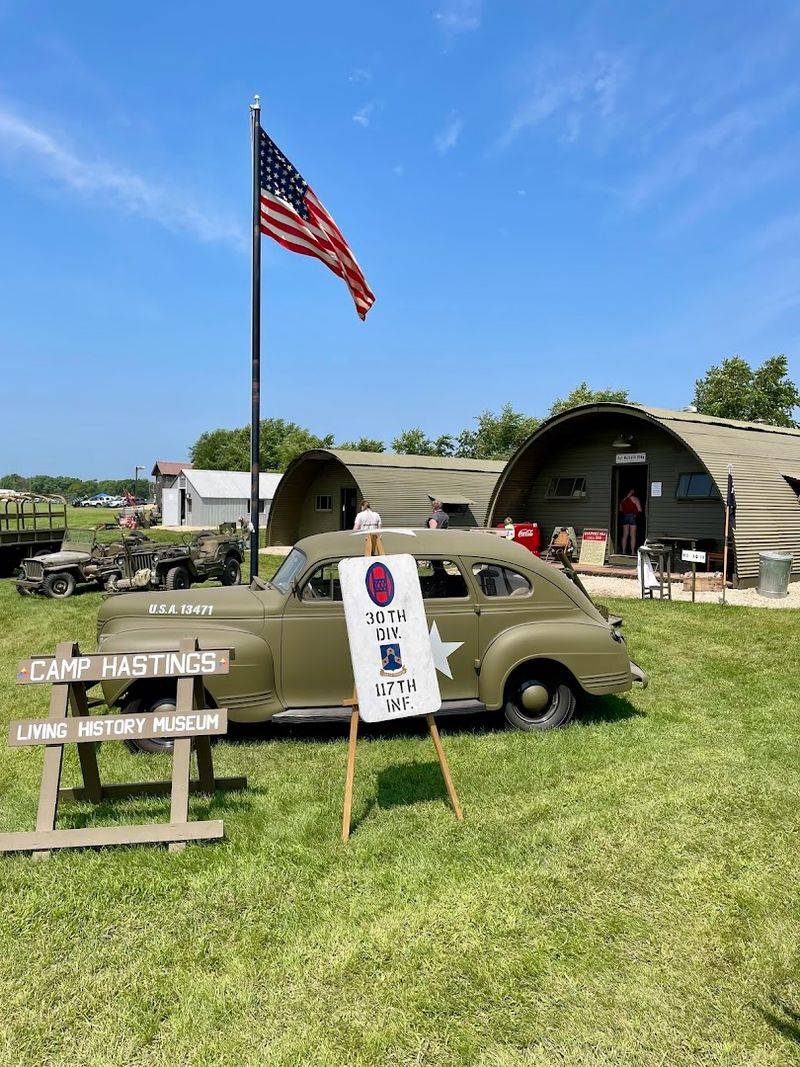
History classrooms can only do so much, and the WWII reenactment at the Pioneer Village fills in the gaps in a way that textbooks simply cannot. During the annual show, costumed participants set up military encampments, display authentic period vehicles, and demonstrate equipment from the 1940s era.
Visitors can walk through the encampment, ask questions, and get a close look at the machinery and gear that defined one of the most consequential periods in world history. The level of detail that reenactors bring to these setups is impressive, and the dedication to historical accuracy gives the whole experience a serious, respectful tone.
For families with children, this is often the part of the day that sparks the most questions and conversation. Kids who might otherwise zone out during a history lesson find themselves genuinely engaged when the subject is standing right in front of them.
It is hands-on history at its most effective, and the village pulls it off with real commitment.
A Wedding Venue Unlike Any Other in Minnesota
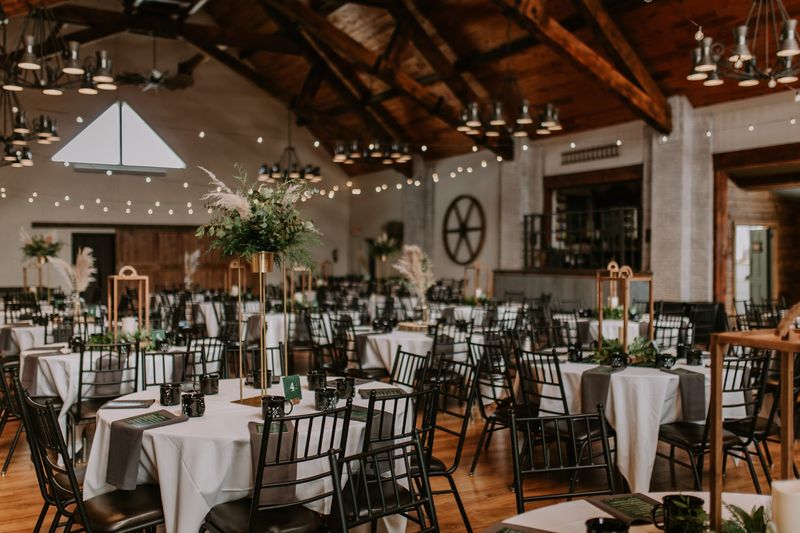
Beyond the public shows, the village has built a strong reputation as one of the most distinctive wedding venues in the entire state. Couples who want something far removed from the typical ballroom or banquet hall find exactly what they are looking for here.
The property offers multiple ceremony spaces, including a stunning stable venue with large windows that flood the interior with natural light. The reception hall, known as the Village Hall, carries so much built-in character that couples often find they need very little additional decor to create a beautiful atmosphere.
What consistently stands out in wedding accounts is how the historic surroundings create an endless supply of photography opportunities. Every building, every weathered wall, and every garden corner offers a unique backdrop.
Couples have described the experience as feeling like having an entire movie set to themselves for the day, and that sense of exclusive, immersive space is genuinely rare in the wedding venue world.
The Ceremony Spaces That Leave Guests Speechless
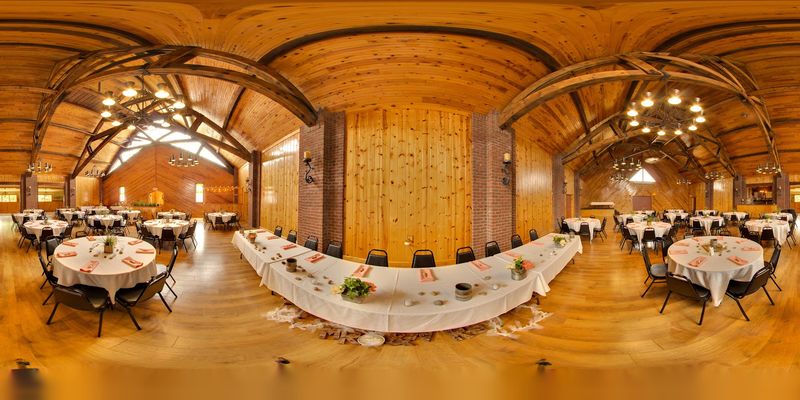
The Stable ceremony space deserves its own moment of recognition. With soaring wooden beams overhead, large windows letting in streams of natural light, and the unmistakable texture of a beautifully preserved historic structure, it creates a setting that photographers absolutely love.
Natural light photography thrives in spaces like this, and the results speak for themselves in the wedding galleries that couples share after their big day. The combination of rustic materials and open, airy design gives the space a warmth that modern venues often struggle to replicate with all their renovations and upgrades.
The cocktail hour options are equally impressive, with the Old Saloon providing a quirky, atmospheric gathering space that encourages guests to wander the grounds and explore the village while they mingle. That built-in entertainment factor means the venue keeps guests engaged and delighted from the moment they arrive until the last dance of the evening ends.
The Bridal Suite and Behind-the-Scenes Spaces
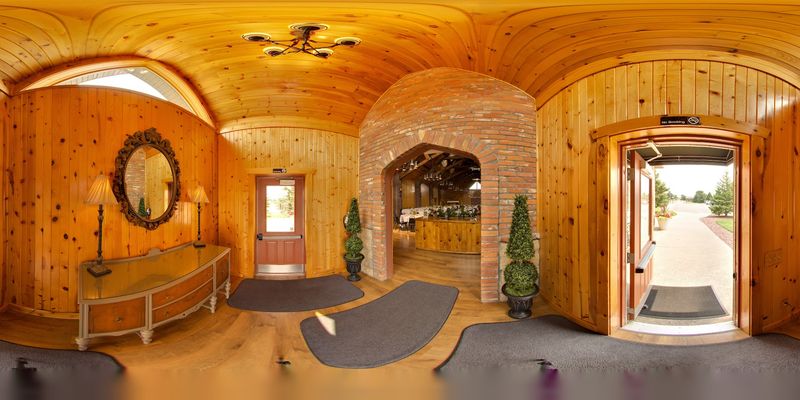
Getting ready for a wedding is its own kind of experience, and the bridal suite at the Pioneer Village handles it with thoughtful, practical touches. The space is notably spacious, with salon chairs already installed, which is a detail that hair and makeup teams genuinely appreciate when working with larger bridal parties.
Having dedicated, well-equipped preparation spaces removes a layer of stress from the morning routine, and couples who have used the venue consistently note how smoothly the getting-ready process went. When the logistics work, the emotional experience of the day is free to take center stage.
The groom’s suite provides a comfortable counterpart, giving the whole wedding party space to spread out and settle in before the ceremony begins. These behind-the-scenes spaces reflect the same attention to detail that defines the rest of the property.
Everything has been considered, and that level of preparation shows up in how relaxed and present couples feel on their actual wedding day.
Lost Landmarks Preserved in One Place
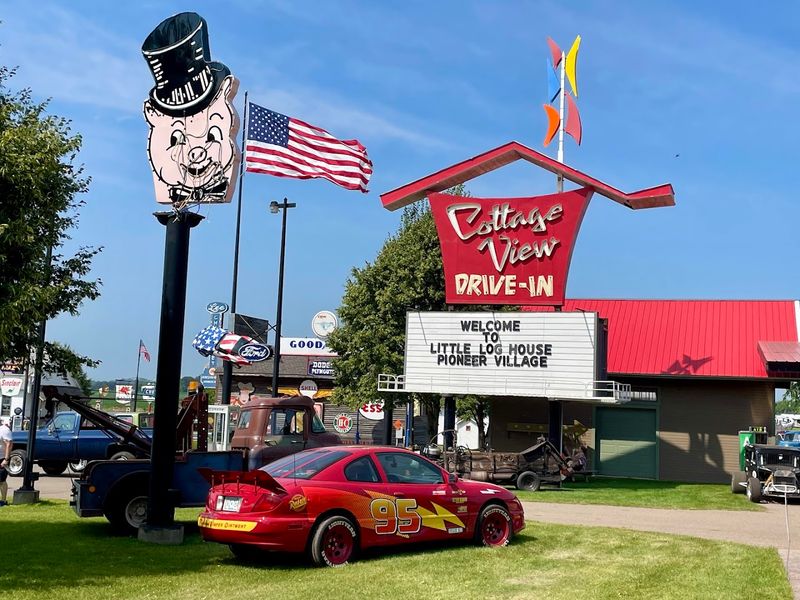
One of the quieter but deeply meaningful aspects of the collection is how it preserves pieces of commercial history that would otherwise have vanished entirely. Signs from long-gone Twin Cities institutions, including the Cottage Grove Drive-In and the original Porky’s restaurant on University Avenue, have found a permanent home here.
For older visitors who grew up with these landmarks, seeing them preserved and displayed is a genuinely emotional experience. These are not just objects but memory triggers that connect people to specific moments, specific roads, and specific chapters of their lives.
Younger visitors get something equally valuable from these displays: a window into what the Twin Cities looked and felt like before chain restaurants and strip malls defined every corner. The village essentially functions as a collective memory bank for the region, holding onto things that the rest of the world moved too fast to save.
That mission alone makes it worth supporting.
Planning Your Visit the Right Way
Since the village is not a traditional daily-hours attraction, planning ahead is absolutely essential. The office is open Monday through Friday from 8:30 AM to 4:30 PM for inquiries and event bookings, but the grounds themselves are primarily accessible during scheduled public shows and private events.
The official website, littleloghouseshow.com, is the best resource for confirmed event dates, show schedules, and any updates on what is coming up throughout the year. Signing up for any available newsletters or following their announcements is a smart move for anyone who does not want to miss the limited public access windows.
Arriving early on show days is strongly recommended, since parking and crowds build up quickly once the gates open. Comfortable walking shoes are a must given the size of the property, and bringing a camera is practically mandatory.
Every angle of this village offers something worth photographing, and you will want plenty of time to take it all in properly.
Share this story