Moving abroad is about more than finding a beautiful place to live. Today’s expats are increasingly looking for cities that combine career opportunities, personal safety, quality healthcare, efficient infrastructure, and a lifestyle that makes everyday life enjoyable.
These cities consistently earn praise from expat surveys, livability rankings, and international residents who have made them their home. Whether you are chasing career growth, a slower pace, or simply a fresh start, these destinations deliver on their promises.
Copenhagen, Denmark
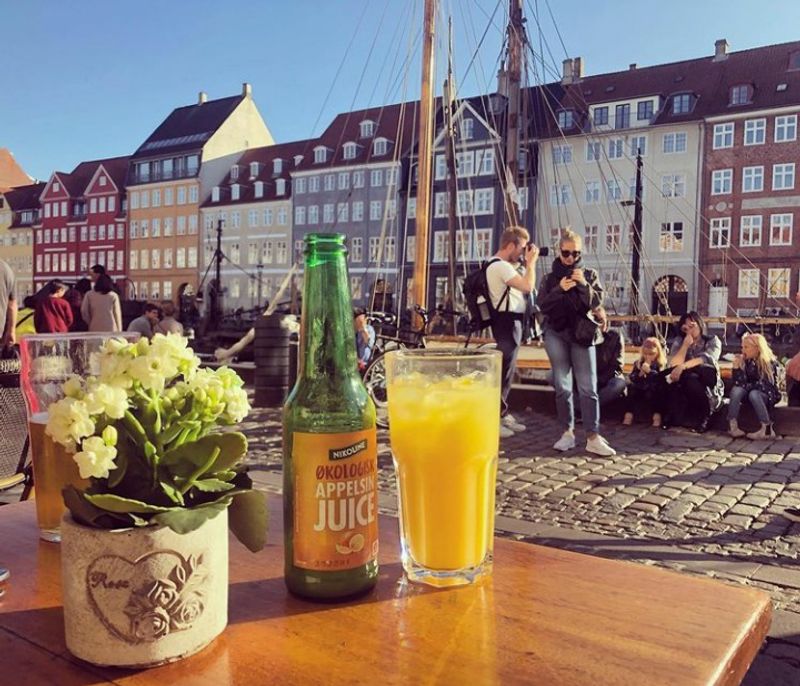
Cyclists outnumber cars on most Copenhagen streets, and that single fact tells you a lot about what daily life here feels like. The Danish capital has built a reputation for putting people first, with bike lanes, green spaces, and a culture that genuinely values time away from work.
Professionals moving here often find the adjustment surprisingly smooth.
Healthcare is publicly funded and widely praised by international residents. Safety levels are among the highest in Europe, making it comfortable for solo movers and families alike.
The city also has a strong English-speaking workforce, so language barriers rarely slow newcomers down professionally.
Copenhagen ranks near the top of nearly every major livability index, and locals will tell you the rankings are earned. Sustainability is not just a buzzword here but a lifestyle built into city planning, food culture, and daily commutes.
Expats who arrive expecting efficiency and balance tend to stay far longer than originally planned.
Zurich, Switzerland
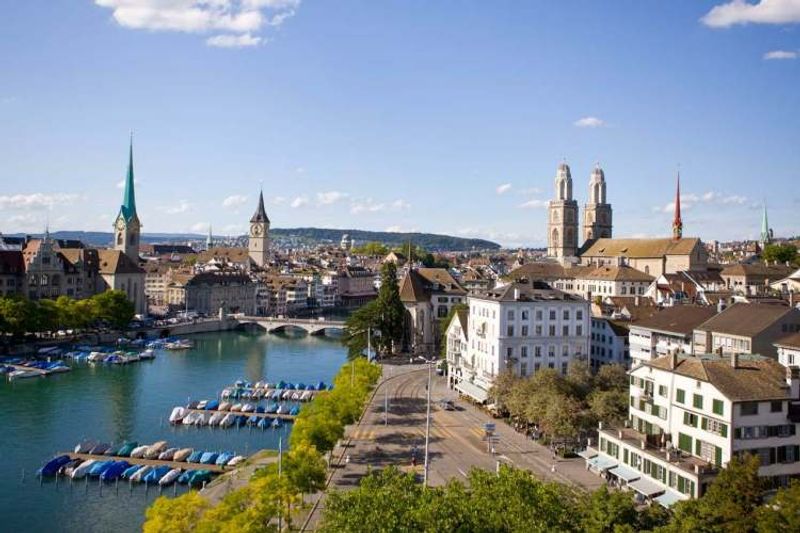
Ask any expat in Zurich what surprised them most, and the answer is almost always the trains. Swiss public transportation runs with a precision that makes other cities look disorganized by comparison.
Trams, buses, and trains connect every corner of the city on schedules you can genuinely set your watch by.
Salaries here rank among the highest in the world, and while the cost of living matches that ambition, most residents agree the trade-off works in their favor. Healthcare is world-class, crime rates are low, and the streets feel safe at any hour.
International professionals in finance, technology, and pharmaceuticals find particularly strong career opportunities.
Lake Zurich offers sailing and swimming in summer, while the nearby Alps are a short train ride away for skiing in winter. The city balances urban sophistication with access to nature in a way few places manage.
Expats often describe Zurich as demanding at first but deeply rewarding once you settle into its rhythm.
Vienna, Austria
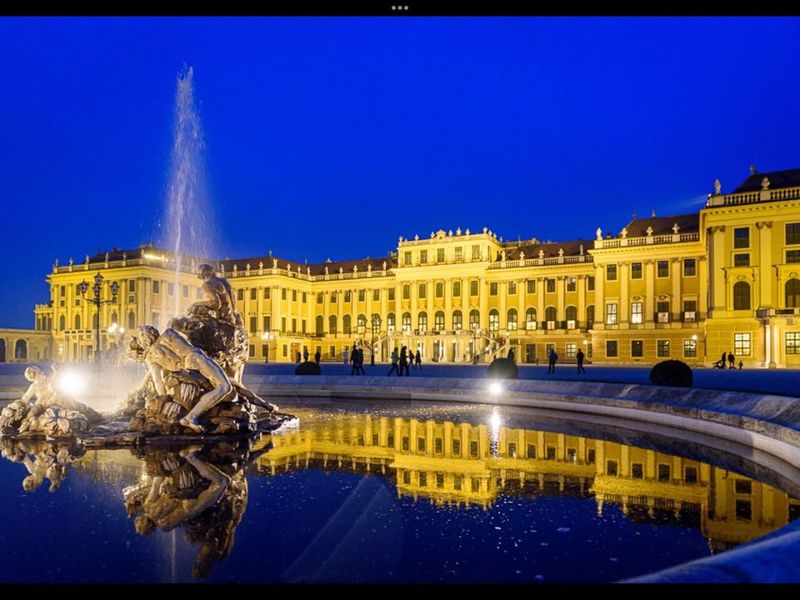
Vienna has been topping livability surveys for so long that city officials have practically run out of shelf space for the awards. The Austrian capital blends imperial grandeur with a modern, well-organized city that makes everyday life genuinely pleasant.
Coffee houses, concert halls, and cobblestone streets sit comfortably alongside efficient metro lines and excellent hospitals.
Public transport costs a fraction of what you would pay in comparable European cities, and the system is remarkably easy to navigate. Healthcare is accessible, affordable, and consistently rated among Europe’s best by international residents.
Safety is another strong suit, with violent crime rates well below the European average.
The cultural calendar here never empties. Opera, museums, street markets, and world-class restaurants fill the city year-round, giving expats plenty to explore beyond their workweek.
Housing costs remain more manageable than Zurich or London, which attracts professionals who want high quality without maximum expense. Many newcomers arrive expecting a museum piece of a city and leave surprised by how vibrant and forward-thinking Vienna actually feels.
Singapore
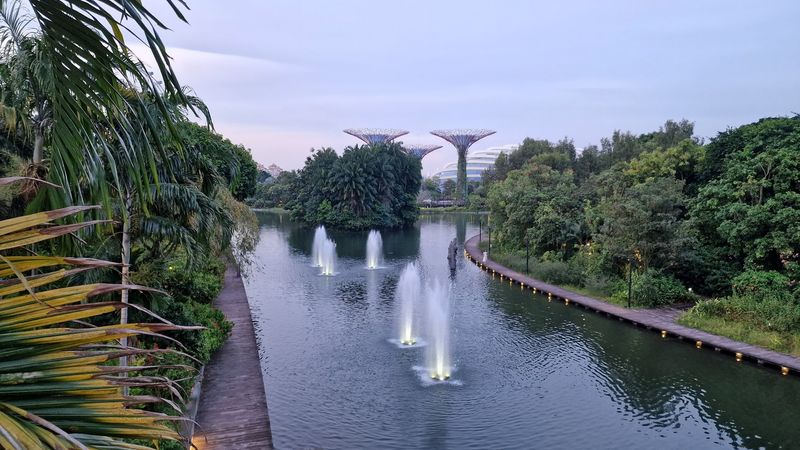
Singapore packs more ambition into 728 square kilometers than most countries manage across thousands. The city-state has spent decades building infrastructure, legal systems, and business frameworks that make it one of the most efficient places on earth to live and work.
For expats in finance, technology, or logistics, the career runway here is genuinely impressive.
Safety is one of Singapore’s most celebrated qualities. Crime rates are exceptionally low, streets are clean, and public spaces feel secure around the clock.
The government takes urban management seriously, and the results are visible in everything from the airport to the neighborhood hawker centers.
The food culture alone could justify the move. Singapore’s hawker centers serve world-class meals at prices that feel almost unreasonably low for such a prosperous city.
English is an official language, which removes one of the biggest friction points for newly arrived expats. Healthcare quality is outstanding, international schools are plentiful, and the city’s connectivity to the rest of Asia makes regional travel easy and frequent for professionals.
Amsterdam, Netherlands
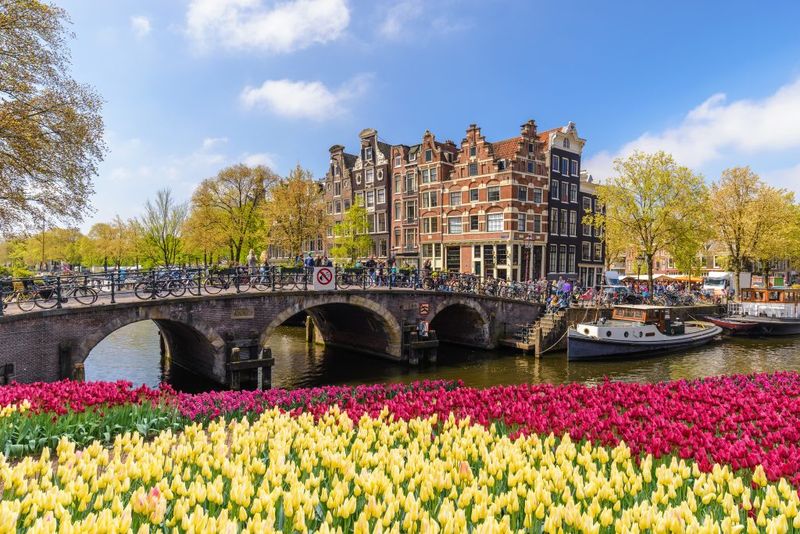
Amsterdam has a way of making even the most overworked professional rediscover their evenings. The Dutch approach to work-life balance is embedded in city culture, and it shows in how people move through the city, linger at cafes, and actually take their vacation days.
For expats arriving from high-pressure environments, the adjustment feels like exhaling properly for the first time.
The city is one of Europe’s most international, with a huge percentage of residents speaking fluent English. Major multinationals have European headquarters here, creating a strong job market for professionals across technology, finance, and creative industries.
The startup ecosystem is also growing rapidly, drawing entrepreneurs from across the globe.
Cycling infrastructure is exceptional, which keeps commutes cheap, healthy, and surprisingly enjoyable even in light rain. Public transport connects the city efficiently, and Amsterdam’s location makes weekend trips to Paris, London, or Berlin straightforward.
Housing can be competitive and pricey, but expats consistently report that the overall quality of life makes Amsterdam worth the effort of finding a good home.
Melbourne, Australia
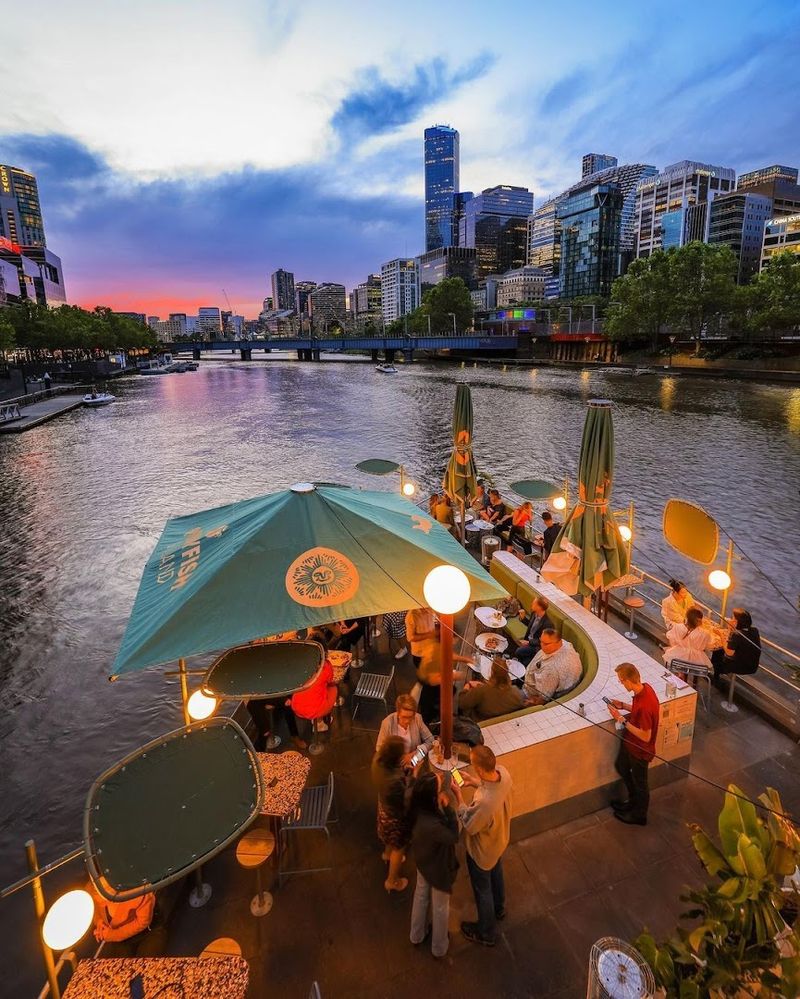
Melbourne residents have a running joke that the city has four seasons in a single day, and honestly, they are not wrong. The weather is unpredictable, but almost everything else about Melbourne is remarkably reliable.
Healthcare is excellent, the education system is strong, and the economy offers genuine opportunity across multiple industries.
The cultural scene here punches well above its weight. Street art, live music, independent coffee shops, and restaurants representing nearly every cuisine on earth make the city feel endlessly exploreable.
Expats frequently describe Melbourne as a place where you never quite run out of new neighborhoods to discover.
Australia’s immigration pathways have historically made Melbourne accessible to skilled workers, and the city’s multicultural character means newcomers rarely feel out of place. Public safety is solid, and the healthcare system offers both public and private options that international residents appreciate.
The outdoor lifestyle, from beach cricket to bay swimming to weekend hiking, adds a physical vitality to daily life that many expats say genuinely changed how they spend their free time.
Auckland, New Zealand
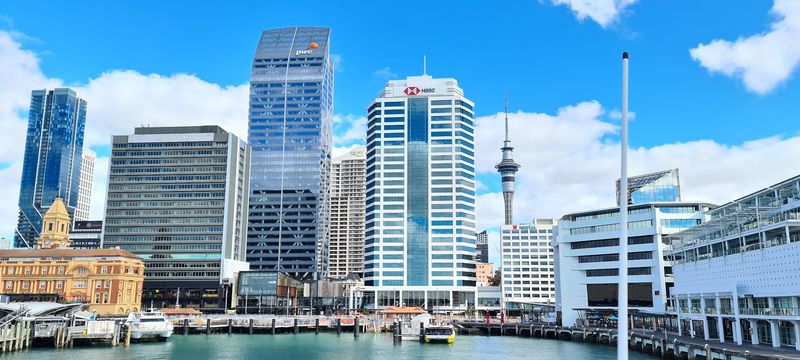
Somewhere between a major city and a coastal paradise, Auckland occupies a genuinely unique position on the global expat map. The harbor is visible from much of the city, beaches are accessible within thirty minutes, and hiking trails start practically at the edge of the suburbs.
For expats who want urban convenience without sacrificing the outdoors, it is a compelling combination.
New Zealand’s reputation for safety and political stability makes Auckland particularly attractive to families and professionals seeking a calm environment. Crime exists, as in any city, but the overall sense of security is high, and the community atmosphere in many neighborhoods feels genuinely welcoming to newcomers.
The job market has grown steadily in technology, healthcare, and construction, reflecting the country’s ongoing infrastructure investment. English is the primary language, which removes a significant barrier for many movers.
Housing costs have risen sharply in recent years and deserve careful budgeting, but many expats find the lifestyle payoff justifies the investment. The relaxed pace of life here has a way of recalibrating priorities that city-weary professionals often find surprisingly refreshing.
Geneva, Switzerland
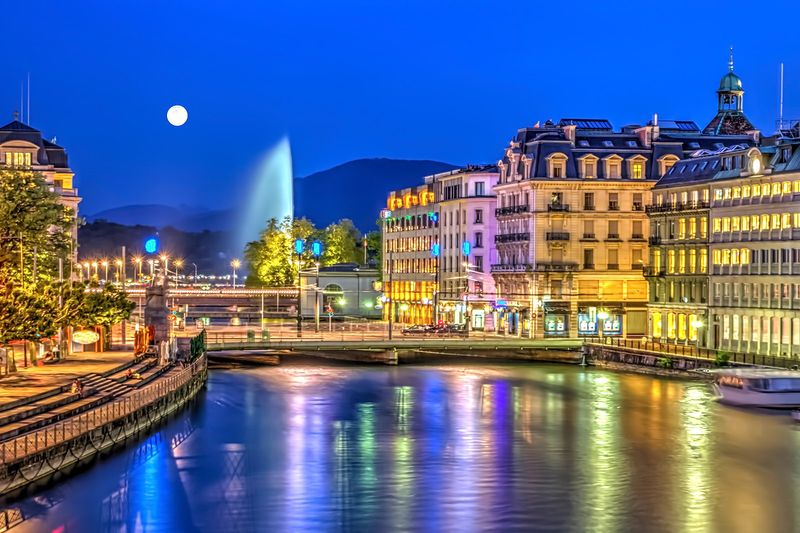
Geneva hosts more international organizations per square kilometer than almost anywhere else on earth. The United Nations, the Red Cross, and the World Health Organization all have major presences here, creating a job market unlike anything found in a typical city.
For professionals in diplomacy, humanitarian work, or international policy, Geneva is essentially the center of the universe.
Security is exceptional, public services run smoothly, and the healthcare system is among the finest in the world. The city sits on the edge of Lake Geneva with the Alps forming a backdrop that residents never quite stop appreciating.
French is the primary language, which adds a cultural richness that many expats find motivating to engage with.
Living costs are high, even by Swiss standards, but salaries in the international sector tend to reflect that reality. The expat community here is enormous and well-organized, meaning newcomers rarely struggle to find social connections or professional networks.
Weekend escapes to the mountains, French countryside, or Italian lakes are genuinely easy from Geneva, making the city feel like a hub for European adventure rather than just a place to work.
Vancouver, British Columbia, Canada
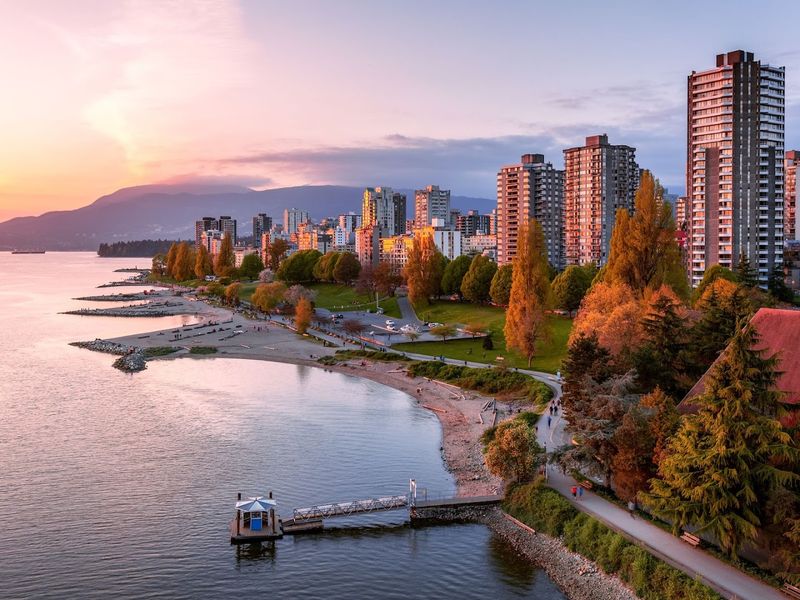
Standing downtown in Vancouver and seeing mountains reflected in glass towers is the kind of moment that makes people question why they waited so long to move here. The city pairs serious natural beauty with a stable, multicultural, and economically diverse environment that draws expats from every continent.
Canada’s welcoming immigration policies have helped Vancouver become one of the most internationally diverse cities in North America.
The healthcare system, while sometimes stretched, provides universal coverage that gives international residents genuine peace of mind. Safety levels are solid, and the city’s neighborhoods range from buzzing urban centers to quieter residential communities that feel almost suburban in pace.
Public transit is improving steadily, though many residents still rely on cars for certain routes.
Skiing is forty-five minutes from downtown. Kayaking is accessible from the city limits.
Hiking trails wind through forests that feel impossibly close to a major metropolitan area. Technology, film production, and green energy sectors offer strong career opportunities.
Housing costs have climbed significantly, which is the most common complaint among expats, but the quality of life consistently brings people back to the conclusion that Vancouver is worth the price.
Lisbon, Portugal
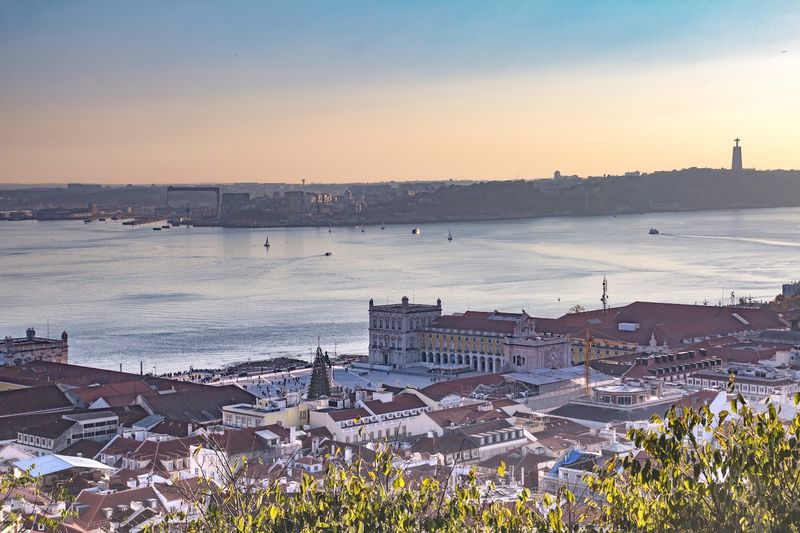
Lisbon has gone from a well-kept secret to one of Europe’s hottest relocation destinations in under a decade, and the city deserves every bit of the attention. Sunshine averages around 300 days per year, the Atlantic coast is thirty minutes away, and the food scene is extraordinary without requiring an extraordinary budget.
Pasteis de nata alone could justify the move for some people.
Remote workers and digital nomads discovered Lisbon early, and the city responded by building coworking spaces, international communities, and a startup ecosystem that has grown into something genuinely substantial. English is widely spoken in professional and social environments, reducing the language learning pressure for newly arrived expats.
Living costs remain lower than most Western European capitals, though prices have risen as the city’s popularity has grown. Neighborhoods like Alfama, Belem, and LX Factory each have distinct personalities that reward exploration.
Public transport covers the city well, and the broader Portuguese visa landscape, including the D7 passive income visa, has made it administratively easier for many expats to plant roots. The general warmth of Lisbon residents toward foreigners is something nearly every expat mentions unprompted.
Taipei, Taiwan
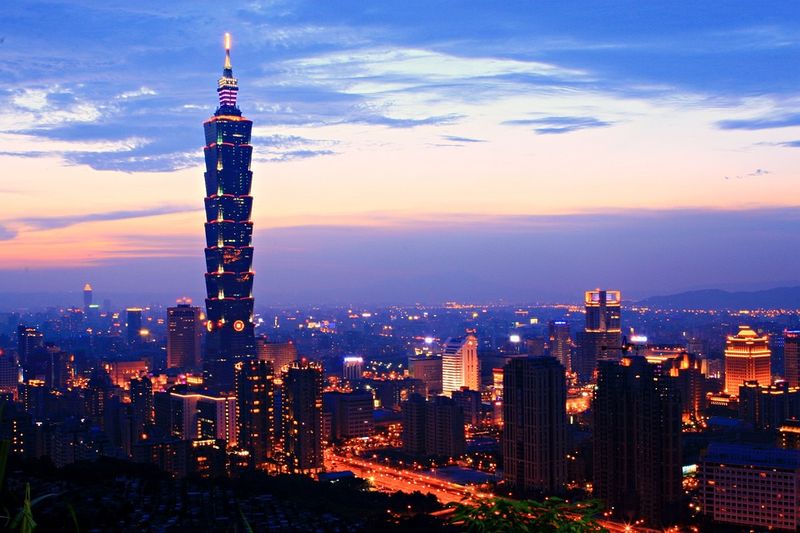
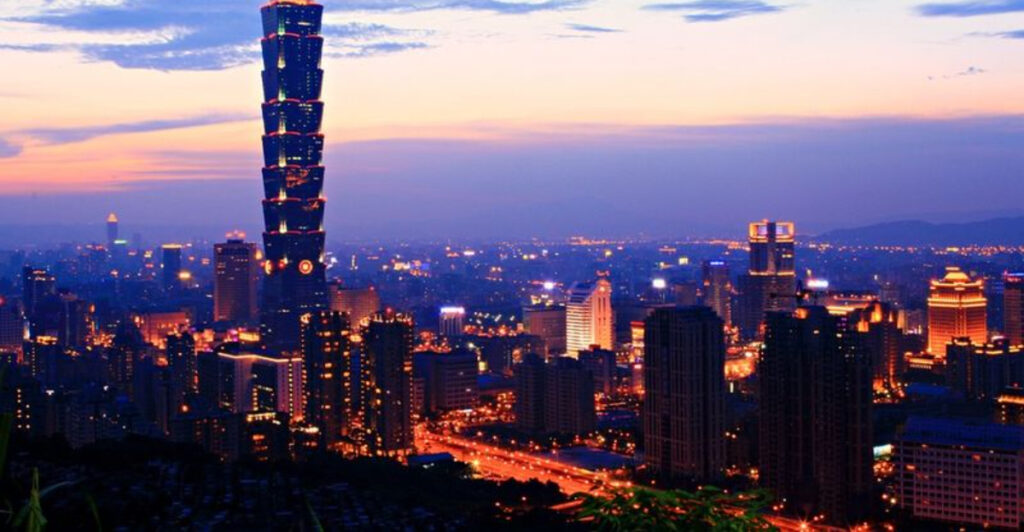
Taipei runs on a kind of organized energy that is hard to fully describe until you have experienced it firsthand. The metro system is spotless, punctual, and absurdly affordable.
Convenience stores operate on every corner around the clock. Healthcare is both excellent and remarkably cheap by international standards, which surprises many expats who arrive expecting trade-offs.
Safety in Taipei is genuinely impressive. Solo travelers, families, and elderly residents move through the city at all hours without the anxiety common in larger metropolises.
The city consistently ranks among the safest in Asia, and that reputation holds up in everyday experience, not just on paper.
Food culture here is a serious subject. Night markets serve dumplings, scallion pancakes, and stinky tofu alongside bubble tea at prices that feel almost fictional.
The cost of living is substantially lower than Tokyo, Hong Kong, or Singapore, making Taipei attractive to expats who want an Asian city experience without the financial pressure. The expat community is warm and well-connected, and Taiwan’s overall friendliness toward foreigners creates an environment where settling in feels less like a challenge and more like a genuine welcome.
Munich, Germany
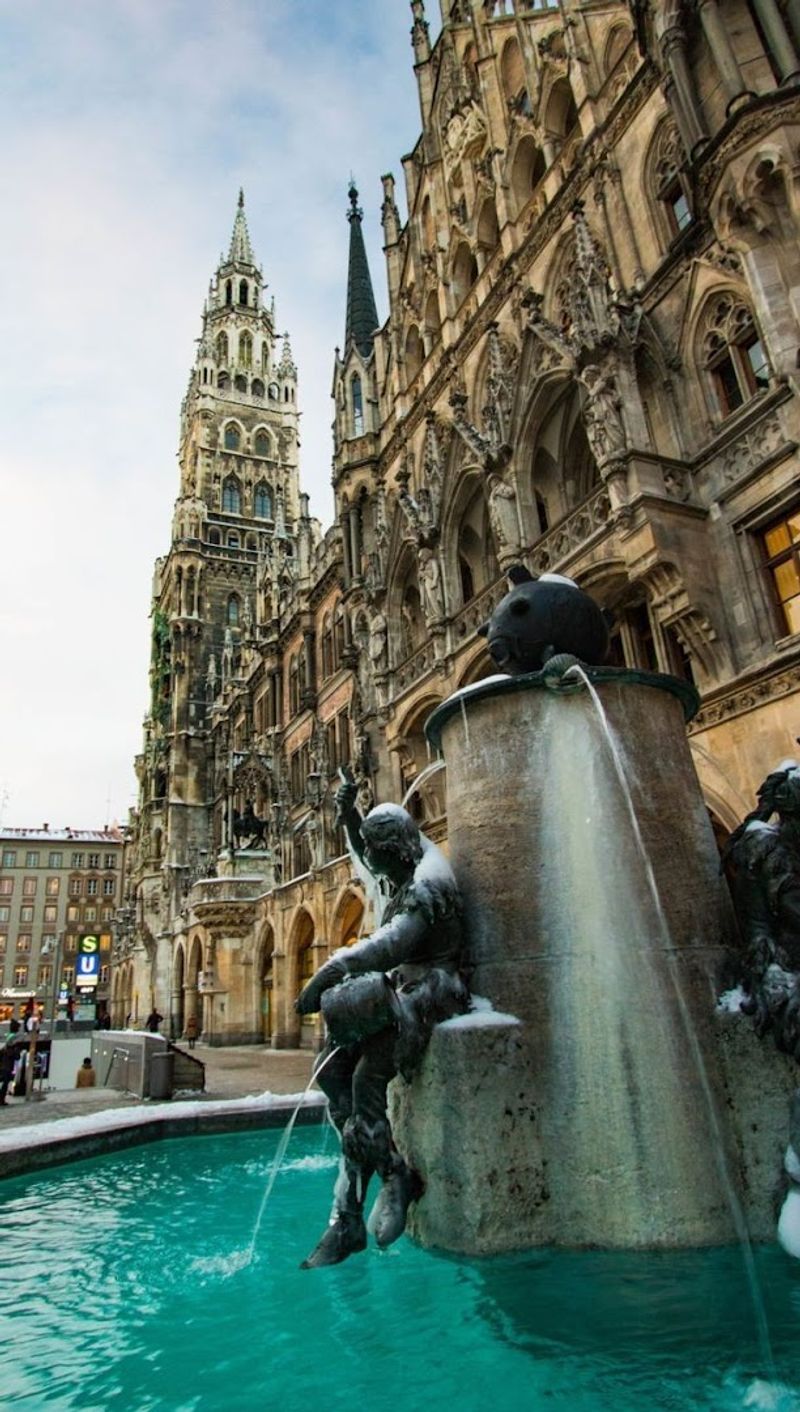
Munich has a reputation for being serious about quality, and that reputation extends well beyond the beer. Germany’s economic powerhouse city offers one of Europe’s strongest job markets, particularly in automotive engineering, technology, finance, and manufacturing.
BMW, Siemens, and Allianz are all headquartered here, and the professional ecosystem they anchor is enormous.
Public infrastructure is excellent across the board. The U-Bahn and S-Bahn metro systems are reliable, the city is clean, and green spaces including the massive English Garden park make urban life feel genuinely breathable.
Safety levels are high, and the city consistently earns strong marks from expats for its overall quality of public services.
The Alps are about an hour’s drive south, offering skiing in winter and hiking in summer for residents who want outdoor escapes. Bavarian culture adds a festive warmth to city life, from Christmas markets in December to Oktoberfest in autumn, that many expats find far more welcoming than Munich’s businesslike exterior might suggest.
Housing costs have increased in recent years, but they remain more manageable than Zurich or London for professionals earning competitive German salaries.
Porto, Portugal
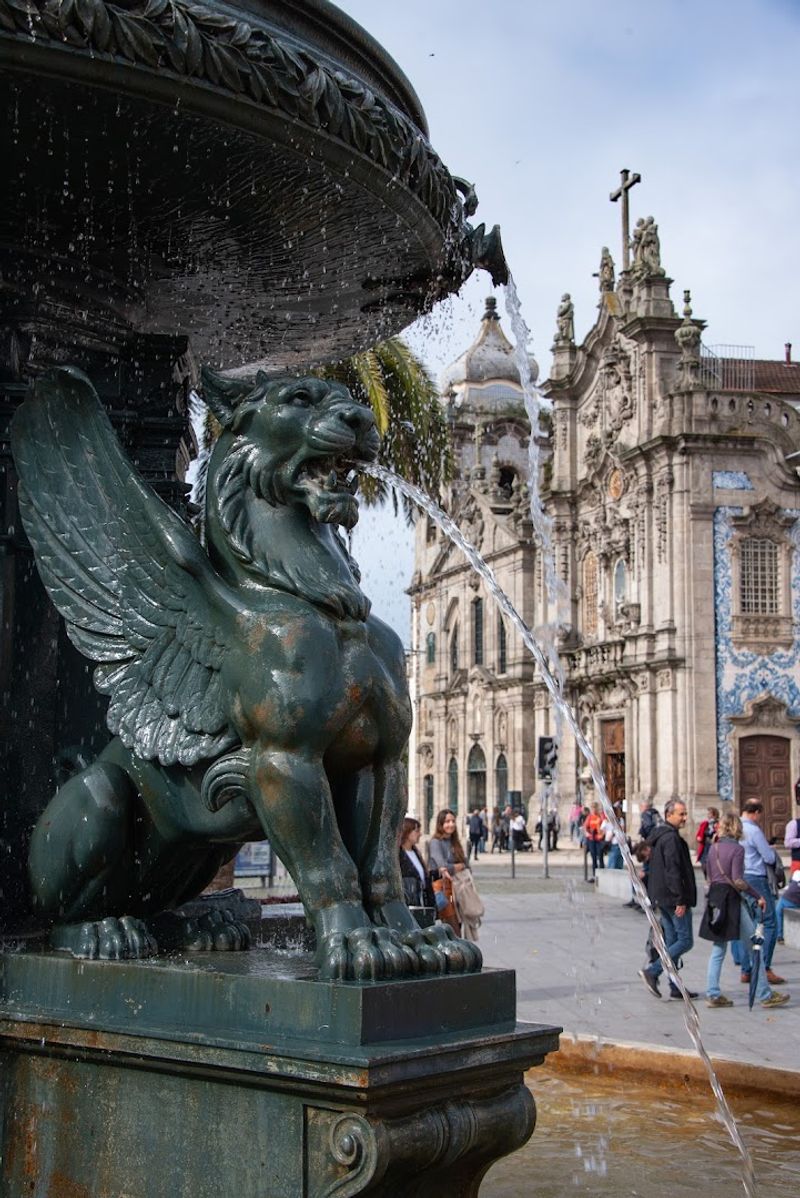
Porto is the kind of city that people visit for a long weekend and quietly start researching apartment prices before their flight home. The Douro River, the azulejo tile facades, and the port wine lodges create an atmosphere that feels cinematic without being overdone.
It is genuinely beautiful in a way that does not require any effort to appreciate.
Living costs here remain noticeably lower than Lisbon, which attracts expats who want the Portuguese lifestyle without the capital city price tag. The food scene is exceptional, the wine is world-class, and the local community has a warmth that international residents consistently describe as one of the city’s greatest strengths.
Porto’s tech and creative industries have grown steadily, drawing younger professionals and entrepreneurs looking for affordable cities with real cultural energy. The airport connects well to major European hubs, making it practical for people who travel frequently for work.
Neighborhoods like Foz do Douro, Bonfim, and Miragaia each offer distinct characters worth exploring at a relaxed pace. Many expats who initially chose Lisbon have quietly relocated to Porto after discovering just how much the northern city has to offer.
Seoul, South Korea
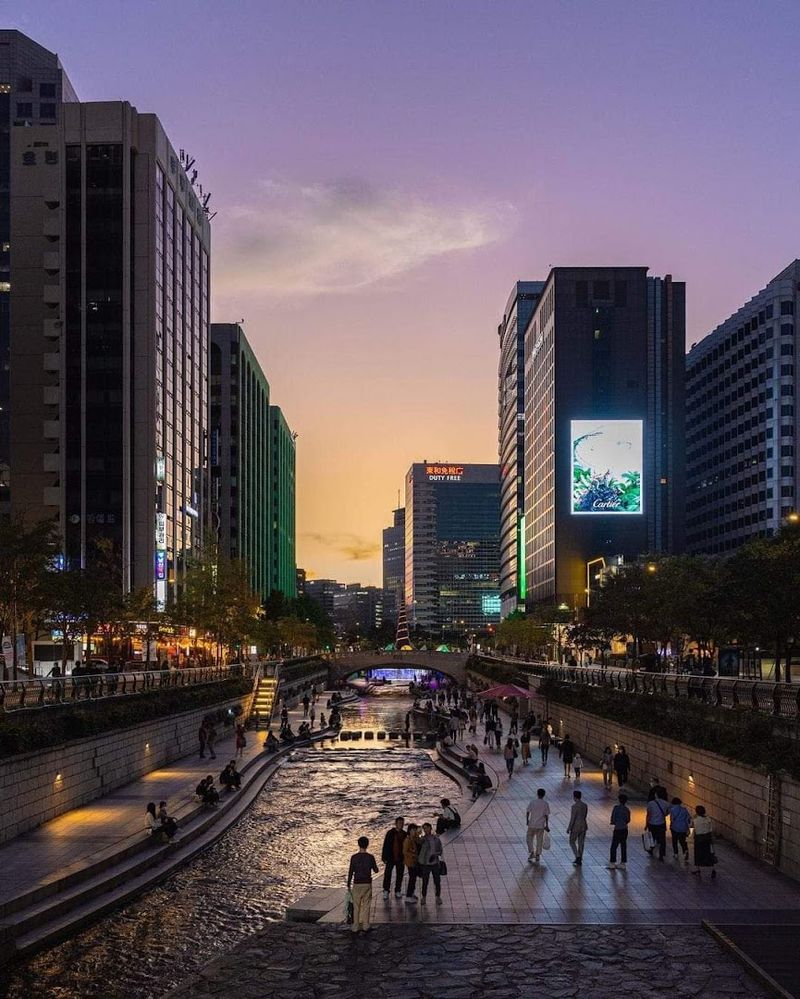
Seoul moves fast, and that energy is part of what makes it so magnetic for expats who thrive in dynamic environments. The city is a genuine technology powerhouse, home to Samsung, LG, and Hyundai, alongside a rapidly expanding startup scene that has been drawing international talent for years.
The digital infrastructure here is arguably the best in the world, with internet speeds that make other cities feel like they are still loading.
Public transportation in Seoul is a masterclass in urban planning. The metro covers the city comprehensively, operates late into the night, and costs a fraction of comparable systems in Tokyo or London.
Safety is another major draw, with crime rates that consistently rank among the lowest of any major global city.
Korean food culture is an experience that expats rarely stop raving about. From street tteokbokki to late-night samgyeopsal barbecue sessions, eating in Seoul is a social activity that draws people together naturally.
Healthcare quality is outstanding and far more affordable than in many Western countries. The expat community is large and active, and the city’s mix of ancient palaces, modern skyscrapers, and buzzing street markets creates a daily environment that never feels ordinary.
Dublin, Ireland
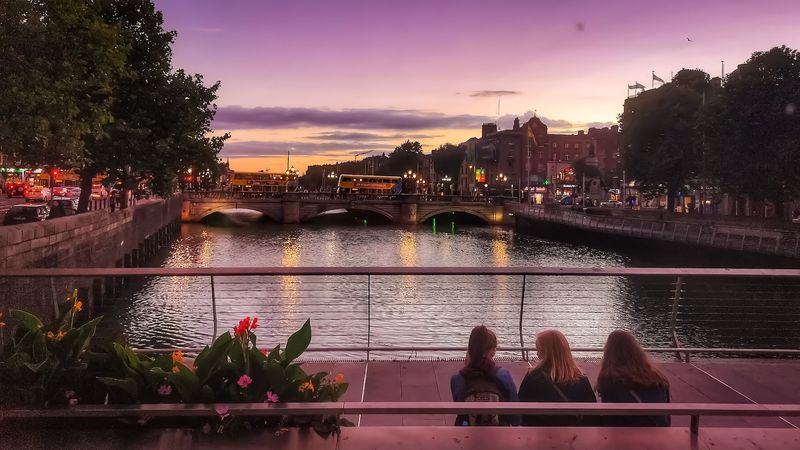
Dublin has quietly become one of Europe’s most important technology hubs, and the city’s skyline of cranes reflects just how fast it is growing. Google, Meta, Apple, and LinkedIn all have European headquarters here, creating a job market that pulls skilled professionals from across the globe.
For tech workers especially, Dublin offers a rare combination of major employer access and an English-speaking environment within the European Union.
The city’s social culture is genuinely one of its strongest assets. Irish pub culture is not just a tourism cliche but a real community institution where newcomers find it surprisingly easy to meet people.
Expats frequently describe Dublin as one of the friendlier cities they have lived in, with locals who engage strangers in conversation without any particular occasion.
Housing costs have risen sharply and represent the most significant challenge for new arrivals, requiring careful financial planning before relocating. Healthcare access can be uneven depending on whether you use public or private options.
That said, the city’s youthful energy, cultural heritage, coastal proximity, and strong career ecosystem continue to make Dublin a compelling destination for professionals building international careers within Europe.
Share this story