There is a sandstone cave tucked into the forested hills of eastern Oklahoma that once sheltered some of the most wanted outlaws of the American frontier. Belle Starr, the Dalton Gang, and the Younger brothers all reportedly used this rugged hideout to lay low between their crimes.
Today, that same cave is open to families, hikers, and history lovers who want to touch the walls where legends once hid. Robbers Cave State Park in Wilburton, Oklahoma, is one of those rare places where wild history and stunning nature share the same trail, and the stories carved into these hills are just as dramatic as the sandstone formations themselves.
The Hideout That History Built
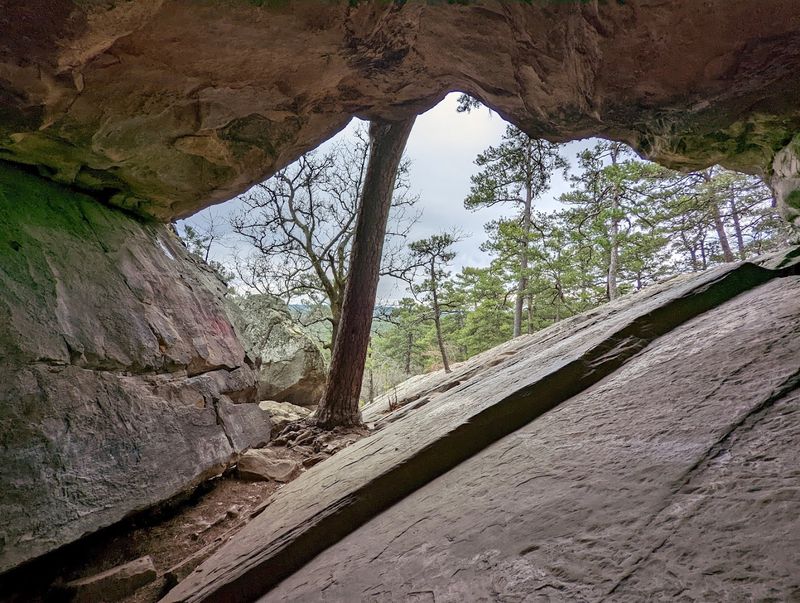
The address is 2084 NW 146th Rd, Wilburton, OK 74578, and the moment you turn off the road and head into the park, the landscape makes it very clear why outlaws chose this spot.
The Sans Bois Mountains rise around you in layers of oak, pine, and ancient sandstone, forming a natural fortress that would have been nearly impossible for lawmen to navigate on horseback.
Robbers Cave State Park covers more than 8,000 acres of scenic, hilly woodland in eastern Oklahoma, and the terrain still has that raw, untamed feel that made it such an effective hiding spot in the 1800s.
The park is rated 4.7 stars by thousands of visitors, which is impressive for any destination, but especially one that asks you to climb rocks and get your boots dirty.
A $7 to $8 entry fee per vehicle gets you access to trails, the cave, the lake, and a full day of outdoor adventure that feels nothing like a typical weekend outing.
This is a place where the past feels genuinely close, and the rocks themselves seem to carry the weight of every outlaw story that was ever told around a campfire.
Belle Starr and the Outlaw Connection
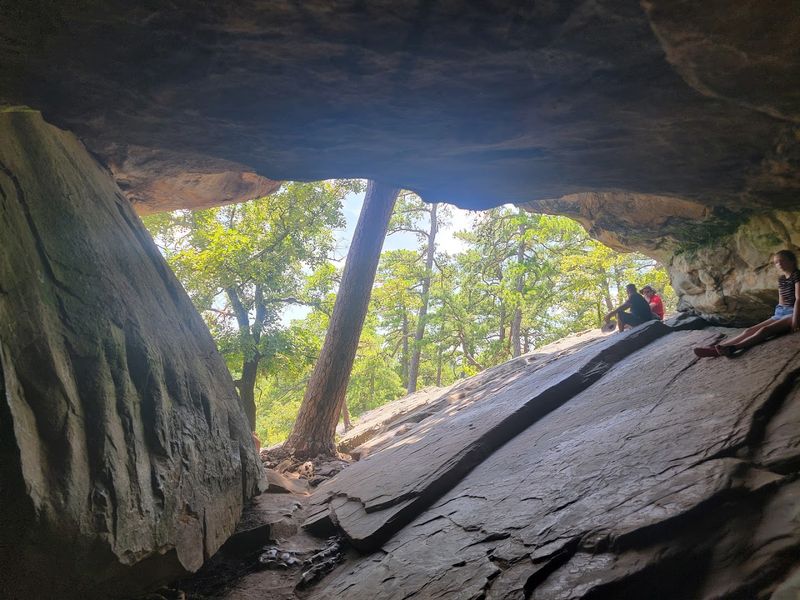
She was known as the Bandit Queen, and Belle Starr reportedly used the cave at this park as a refuge during her years of operating in Indian Territory, which is now the state of Oklahoma.
The cave’s narrow passages and elevated position above the surrounding forest made it a practical shelter for anyone who needed to disappear quickly, and Belle Starr was nothing if not practical.
Her story is one of the most colorful threads woven into the history of this park, and the nature center inside the park does a solid job of explaining the outlaw era in a way that is genuinely engaging rather than dry.
What makes the Belle Starr connection so fascinating is that she was not a background character in frontier history, she was a central figure who operated boldly in a time when that was nearly unthinkable for a woman.
Visitors who take the time to read the historical displays before heading to the cave come away with a much richer appreciation for what they are actually standing inside.
History has a way of feeling abstract until you are crouching in the same dim sandstone hollow where a legend once waited out a posse.
The Dalton Gang’s Rocky Retreat
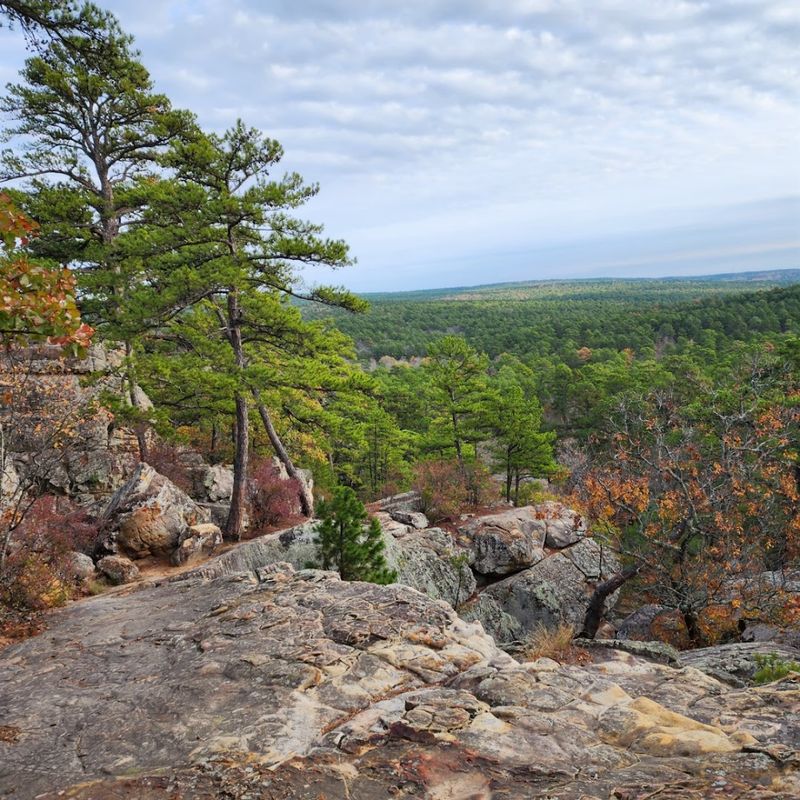
The Dalton Gang was one of the most notorious outlaw groups of the late 1800s, and the rugged terrain around Robbers Cave gave them exactly the kind of cover they needed between their daring raids on banks and trains.
The gang’s ability to vanish into the Oklahoma wilderness baffled lawmen for years, and the cave system here, with its hidden passages and high vantage points, was a key part of that disappearing act.
The sandstone formations that surround the cave create a natural maze of boulders and narrow channels that is genuinely disorienting even today, when there are trail markers to guide you.
Climbing up through those same rocks to reach the cave entrance, you get a real sense of why this location was so strategically valuable to people who needed to see trouble coming from a long way off.
The lookout point near the cave offers a panoramic view of the forested hills below, and it is easy to understand how a small group of men could monitor the surrounding area with very little effort.
Standing up there, it is hard not to feel a little bit like you are keeping watch yourself, even if the only thing approaching is another family with a trail map.
The Younger Brothers and the Wilderness Code
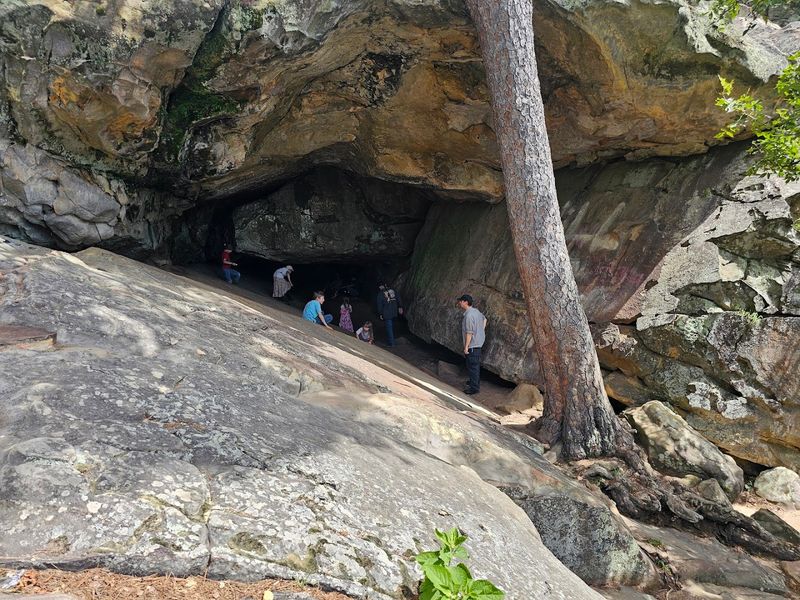
Cole Younger and his brothers were among the most wanted men in post-Civil War America, and the remote hills of eastern Oklahoma provided the kind of anonymity that no town could ever offer.
The Younger brothers were closely associated with Jesse James and operated across multiple states, but the rugged landscape of what is now Robbers Cave State Park gave them a reliable base in Indian Territory.
The cave itself is a natural sandstone formation with chambers large enough to shelter a small group, and the surrounding forest provided firewood, water, and game without requiring a trip anywhere near civilization.
Outlaw life in the 1800s was not glamorous by any stretch, but the cave offered something that was genuinely rare in that era, a defensible position that was also well-hidden from the main trails used by federal marshals.
The history of the Younger brothers adds a layer of grit to the park that you do not find at most state parks, where the biggest drama is usually a raccoon getting into a cooler.
There is something unexpectedly moving about standing in a space that real people used for real survival, even if those people were on the wrong side of the law.
The Cave Itself: A Sandstone Marvel
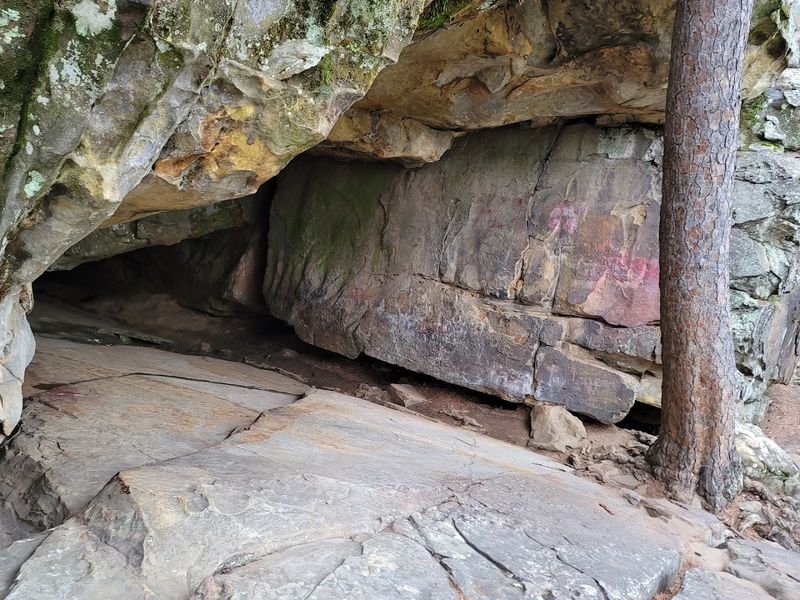
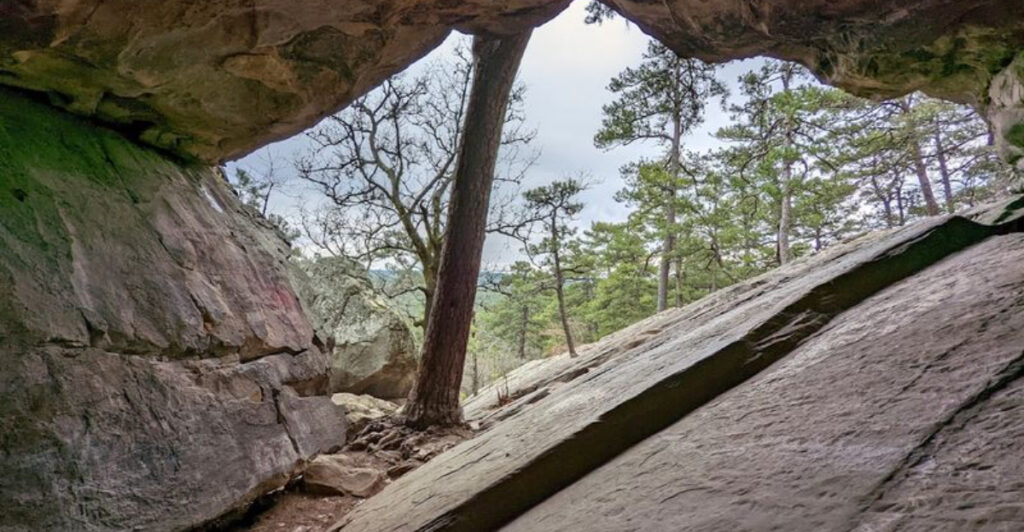
The cave at the center of this park is not enormous by cave standards, but it is genuinely impressive in the way that only a naturally formed sandstone chamber can be.
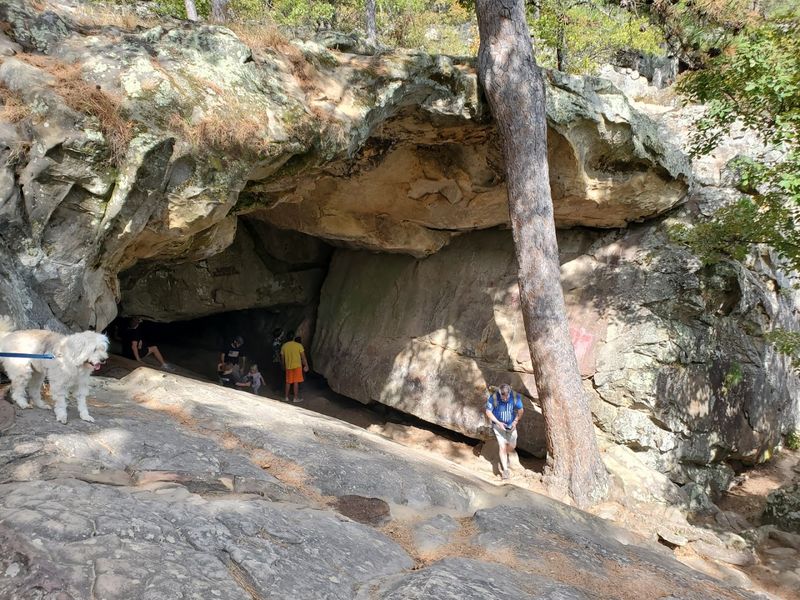
The walls are rough and layered, showing millions of years of geological history in every stripe of color, from deep rust red to pale cream, and the narrow passages between boulders require a bit of careful footwork to navigate.
Getting to the cave involves a hike up a rocky trail that is accessible to most visitors with a reasonable level of fitness, though the final stretch does require some climbing over and around large sandstone boulders.
The cave entrance opens up into a shaded chamber where the temperature drops noticeably, and the quiet inside is the kind of deep, muffled quiet that makes you lower your voice automatically.
Outlaw legends aside, the cave is simply a beautiful natural feature that would be worth visiting even without the backstory, because the geology alone is fascinating enough to hold your attention.
Most visitors find that two hours is enough time to hike to the cave and back, though the trails connect to longer routes if you want to make a full day of it.
Trails That Tell Their Own Stories
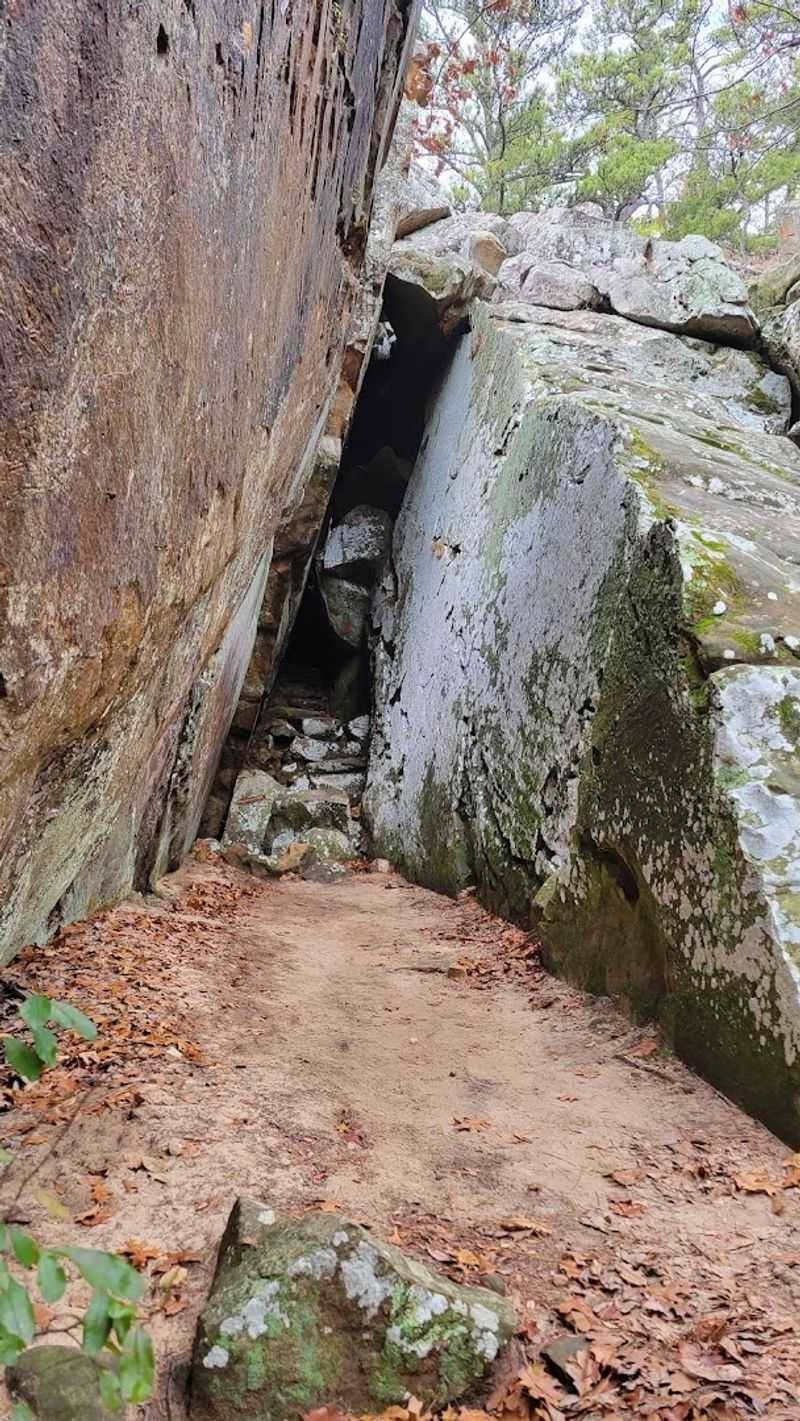
The trail system at this park is one of its strongest features, with routes that range from short, easy walks to longer hikes that take you deep into the forested hills of the Sans Bois Mountains.
Most of the trails are very well marked, which is a detail worth appreciating because the terrain can be genuinely confusing in spots, with boulders, ravines, and dense tree cover that all start to look similar after a while.
The variety of difficulty levels means that a family with young children and a group of serious hikers can both find a trail that suits them, sometimes starting from the same trailhead.
The forest itself shifts character as you move through it, from open pine stands with long sight lines to dense oak thickets where the trail feels almost tunnel-like beneath the canopy.
Geocaching is popular here, and the combination of hidden caches and outlaw history gives the trails an extra layer of purpose for visitors who want more than just a walk in the woods.
The trails also connect to panoramic overlooks that reveal just how wild and sprawling the eastern Oklahoma landscape really is, which is the kind of view that makes you want to plan a return trip before you have even finished the current one.
Camping Under the Outlaw Stars
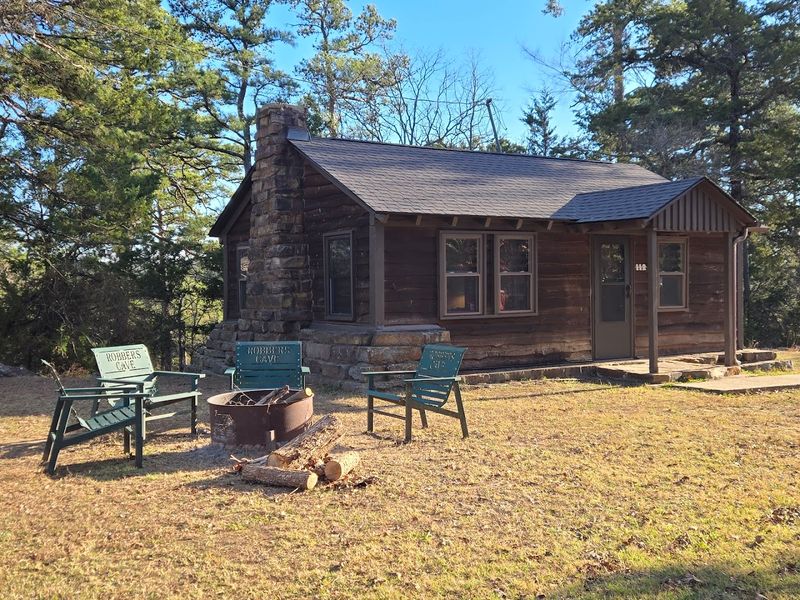
Spending a night at this park is a completely different experience from a day visit, and the campgrounds are laid out thoughtfully enough that most sites feel private even when the park is moderately busy.
Tent sites are grouped in clusters of about ten, which keeps things sociable without feeling crowded, and the pads are flat and well-maintained, which matters more than people realize until they have slept on a tilted, rocky surface.
RV hookups are available for those who prefer more comfort, and the equestrian section of the campground comes with individual corrals, which is a level of horse-specific infrastructure you do not find at most state parks.
Yurts and recently renovated cabins are also available for visitors who want a roof over their heads, and the cabins have received strong praise for being cozy and well-kept after their renovations.
Quiet hours begin at 11 PM, and the rule is respected well enough that the nights here are genuinely peaceful, with nothing but crickets and the occasional owl to keep you company.
Waking up in these hills with coffee and a view of the surrounding forest is the kind of morning that makes you wonder why you do not do this more often.
Water, Wildlife, and a Few Surprises
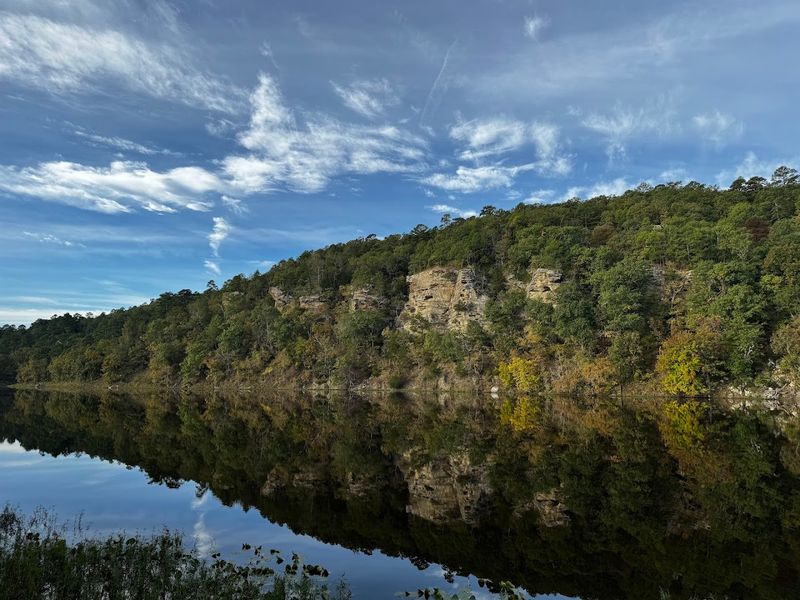
The park’s lake is a genuine highlight that many visitors do not fully appreciate until they are out on the water, watching the forested hillsides reflect off the surface on a calm morning.
Canoes and paddle boats are available for rent, and fishing is popular throughout the park, with catfish, bass, and other species drawing anglers who want a quieter alternative to more crowded Oklahoma lakes.
Feeding the fish near the dock is a surprisingly entertaining activity, especially for kids, and the fish at this park are well-fed enough to put on a real show when food hits the water.
The swimming pool operates seasonally, and while it is not open on every hot day of the year, it is well-maintained and a welcome option during summer visits when the trails have worked up a serious sweat.
Wildlife sightings are common throughout the park, with white-tailed deer, wild turkey, and various bird species making regular appearances along the trails and around the campgrounds.
The combination of water activities, wildlife, and outlaw history gives this park a range of appeal that is genuinely hard to match, which explains why families keep coming back season after season.
The Lookout Kitchen and Park Amenities
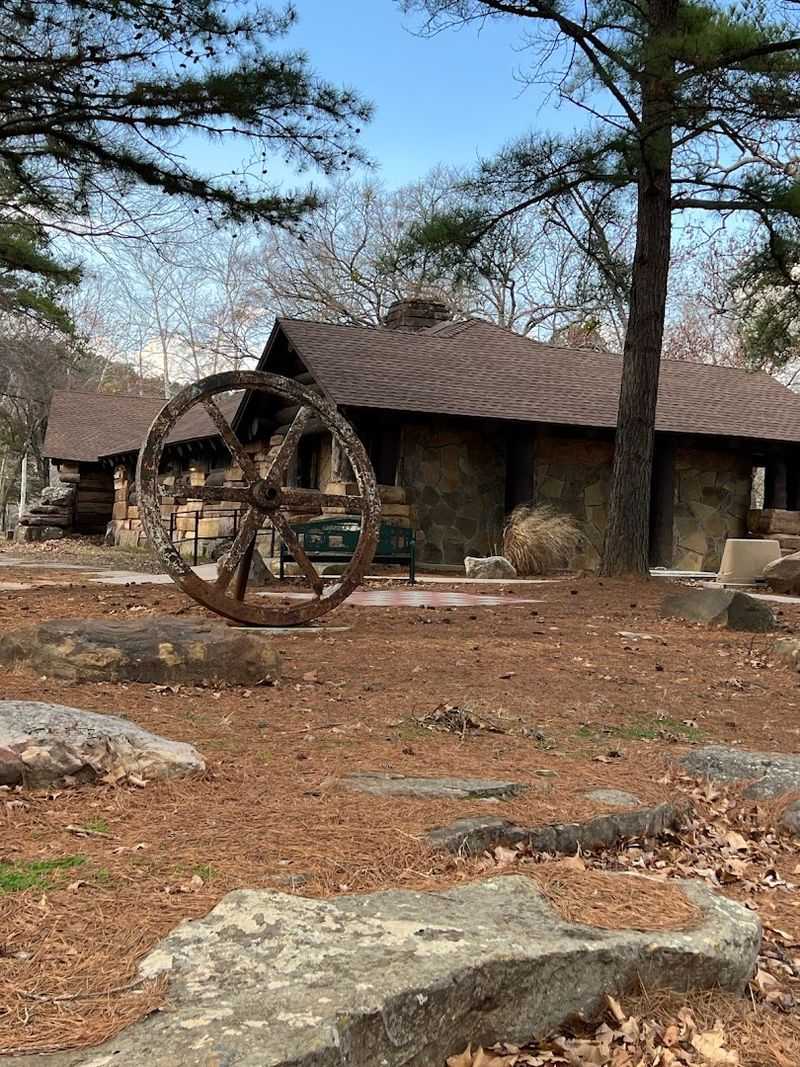
The Lookout Kitchen restaurant sits just across the highway from the main park area but is considered part of the Robbers Cave State Park experience, and the food there has earned consistent praise for being both tasty and reasonably priced.
Having a full-service restaurant attached to a state park is not something you can take for granted, and the convenience of a hot meal after a long hike is something that visitors mention with genuine enthusiasm.
Beyond the restaurant, the park offers a nature center, a gift shop, an amphitheater, frisbee golf, a boathouse, and a shaved ice stand during warmer months, which adds up to a surprisingly complete package for a single park.
The nature center is clean, well-organized, and genuinely educational, covering both the geological history of the sandstone formations and the outlaw era that gave the park its name.
The gift shop carries the usual assortment of park merchandise, but also stocks bags of ice, which is the kind of practical detail that campers remember and appreciate when they are three days into a trip.
All of these amenities together make the park feel like a self-contained destination rather than just a trailhead with a parking lot.
Planning Your Visit to This Oklahoma Legend
The park is open Monday through Thursday and Sunday from 8 AM to 6 PM, and stays open until 8 PM on Fridays and Saturdays, which gives weekend visitors a little extra time to squeeze in that final hike.
The phone number for the park is 918-465-2562, and the official website at travelok.com/robberscave has current information on cabin availability, camping reservations, and seasonal programming.
The entry fee runs between $7 and $8 per vehicle, which makes this one of the more affordable full-day outdoor destinations in the region, especially given how much there is to do once you are inside.
Fall is widely considered one of the best times to visit, when the oak and pine forest puts on a color show and the temperatures are cool enough to make long hikes genuinely enjoyable rather than just endurance tests.
Spring is another strong choice, with wildflowers along the trails and water levels in the lake that are ideal for paddling and fishing.
Wherever you are coming from in Oklahoma or beyond, this park rewards the drive with a combination of genuine history, serious natural beauty, and enough outdoor activities to fill a long weekend without any effort at all.
Share this story