There is a lake tucked into the foothills of western North Carolina that stops people cold the first time they see it. The water is so clear you can watch your feet on the sandy bottom, and the Blue Ridge Mountains frame the whole scene like something out of a travel magazine.
People drive hours from states like Oklahoma just to find a view half this good, and here it is, hiding in McDowell County. Lake James sits at about 1,200 feet of elevation, covering 6,812 acres, and it serves up mountain scenery, clean water, and outdoor adventure all in one place.
Read on to find out exactly what makes this reservoir so worth the trip.
Where Lake James Actually Is and How to Find It
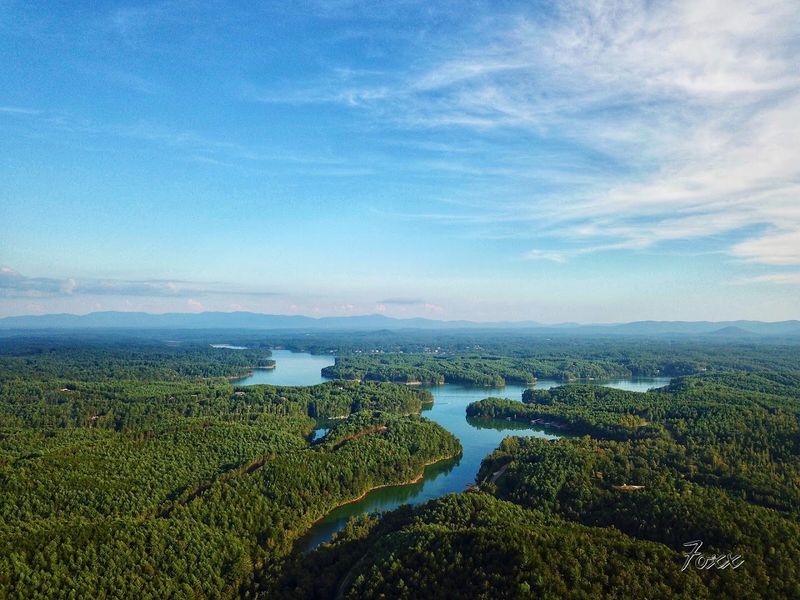
Lake James is a 6,812-acre reservoir located in McDowell County, North Carolina, near the town of Nebo. The mailing address for the state park is North Carolina 28761, and the lake sits at coordinates 35.7478 latitude and -81.8785 longitude, putting it squarely in the foothills of the Pisgah National Forest.
The drive in is already worth talking about. Winding roads cut through dense hardwood forest, and the elevation climbs just enough to make the air feel noticeably cooler and fresher than the flatlands below.
From Asheville, the lake is roughly 40 minutes east. From Charlotte, the drive runs about 90 minutes northwest.
That makes it a realistic day trip for a huge portion of the state, and honestly, for visitors coming from places as far as Oklahoma, the drive from Charlotte Douglas International Airport is a reasonable starting point.
The main park entrance puts you close to both the Paddy’s Creek and Catawba River areas, each offering different access points to the water and trails. A quick check of the North Carolina State Parks website before you go will save you time at the entrance gate.
The Story Behind the Lake
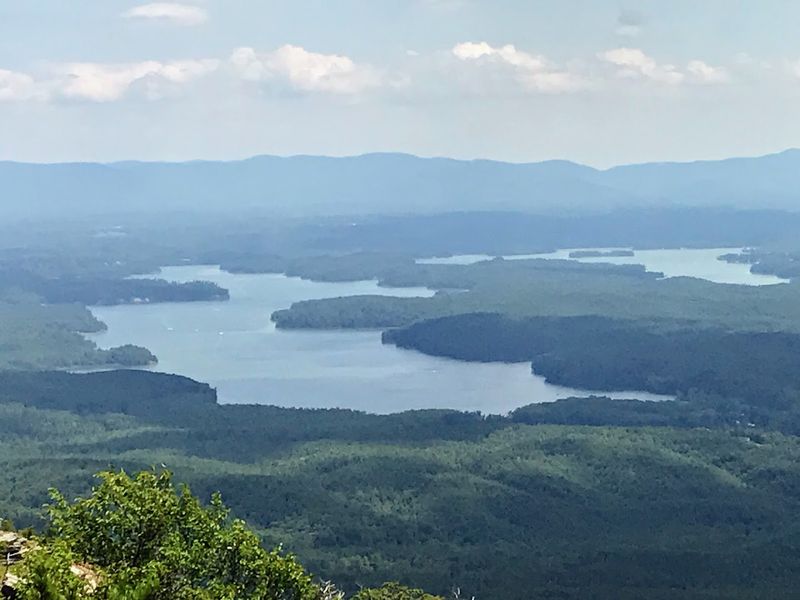
Lake James did not form naturally. Duke Power, now Duke Energy, created it between 1916 and 1923 by damming the Catawba River and two of its tributaries, the Linville River and the Paddy’s Creek arm, to generate hydroelectric power for the growing Carolinas.
The result was the first and highest lake in the Catawba River chain, which stretches through 11 lakes across both North Carolina and South Carolina. That chain supplies water and power to millions of people, but Lake James remains the crown at the top of the system.
Duke Energy held control of the land for decades before transferring portions to the North Carolina Division of State Parks, which officially opened Lake James State Park in 1987. The park has expanded steadily since then, adding trails, camping facilities, and better public access.
Visitors from Oklahoma and other states often remark that the combination of industrial history and natural beauty feels unexpected. The lake was built for utility, but nature had other plans, and the result is one of the most visually striking reservoirs in the entire southeastern United States.
The Views That Make People Stop Mid-Sentence
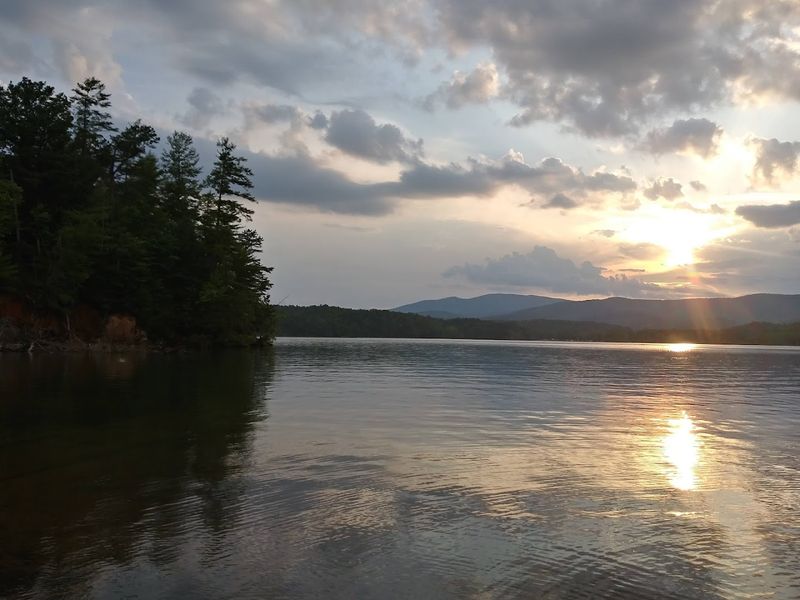
The Blue Ridge Mountains rise sharply on the western edge of Lake James, and on a clear day, the reflection of those peaks on the lake surface is the kind of thing that makes you reach for your phone before you even realize you are doing it.
The water itself is remarkably clear. You can see straight down several feet in many areas, and the color shifts from pale turquoise in the shallows to deep cobalt near the center of the lake.
That clarity comes from the lake’s elevation and its relatively undeveloped shoreline, which limits runoff and keeps the water clean.
Fall is especially dramatic. The hardwood forest surrounding the lake turns every shade of orange, red, and gold, and those colors reflect off the water in a way that feels almost surreal.
Winter visits offer a completely different kind of beauty, with bare ridgelines and mist rising off the cool surface in the early morning.
People who have traveled to mountain lakes in Oklahoma, Colorado, and Tennessee frequently say Lake James holds its own with the best of them, and that is not a small claim given the competition.
Swimming at the Sandy Beaches
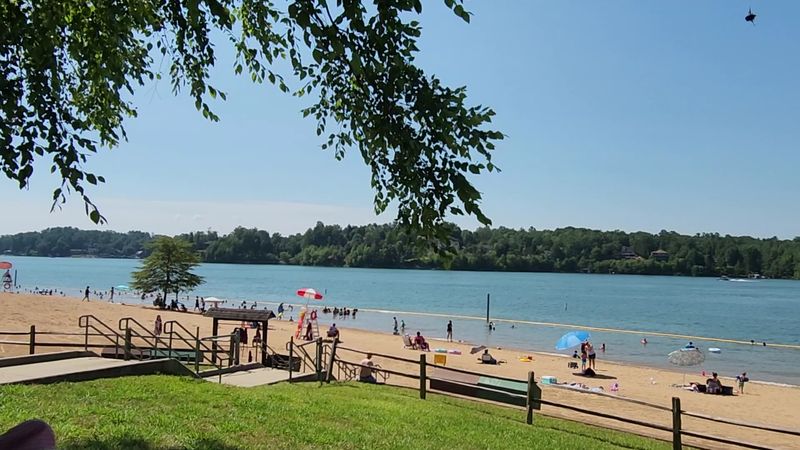
The sand at Lake James feels out of place in the best possible way. Most mountain lakes in the Carolinas have rocky or muddy shorelines, but Lake James State Park maintains designated swimming beaches with actual soft sand that makes you feel like you packed the wrong swimsuit.
The Paddy’s Creek area is the most popular swimming spot, offering a guarded beach during the summer season. The water stays refreshingly cool even in July and August, thanks to the lake’s elevation and the shaded coves that keep direct sun off portions of the surface for much of the day.
Pets are welcome in the park but must stay on a leash and out of the designated swimming areas, which keeps things safe and clean for everyone. The beach area also has restrooms and picnic facilities nearby, so you are not roughing it completely.
On busy summer weekends, the beach fills up by mid-morning, so an early arrival is the smart move. The water is clear enough to see the sandy bottom underfoot, which gives even nervous swimmers a little extra confidence to wade out further than they might otherwise.
Kayaking and Boating on Open Water
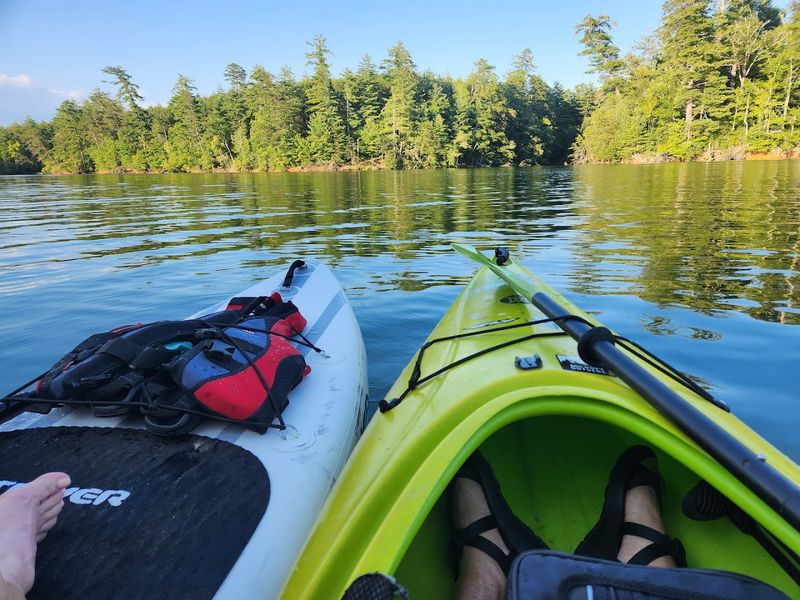
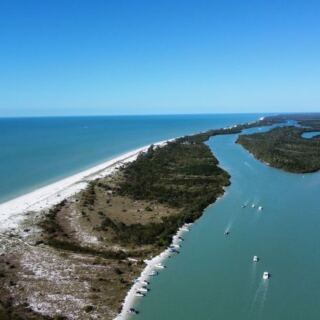
Six thousand eight hundred twelve acres of water is a lot of room to explore. Boaters and kayakers at Lake James have access to multiple arms of the lake, quiet coves tucked behind forested points, and several small islands where you can beach a boat and take a break away from the main crowd.
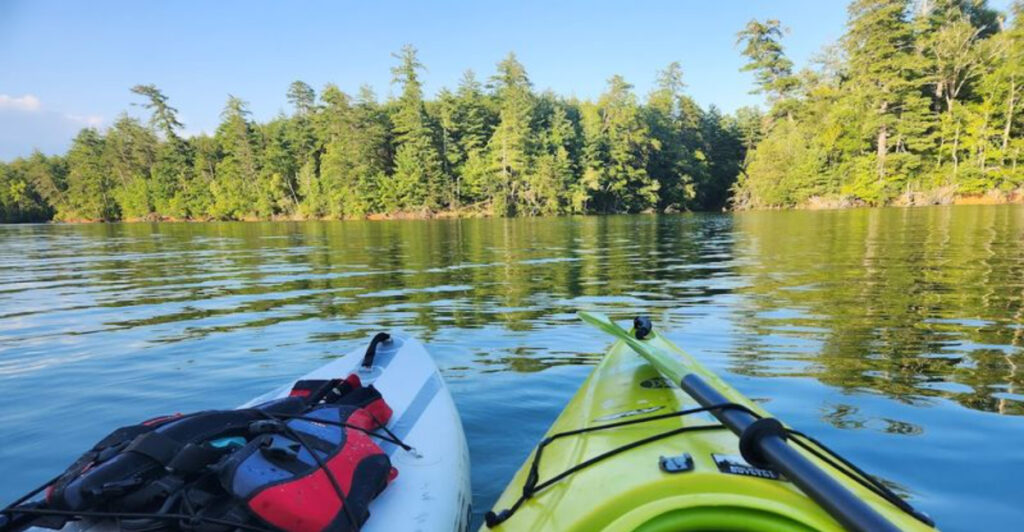
The park offers kayak rentals, which makes it easy for visitors who did not bring their own gear. There are also two public boat ramps with direct water access, and both are well-maintained and easy to use even for people launching a boat solo.
The Linville River arm and the Black Bear arm of the lake are popular destinations for paddlers who want to explore calmer, narrower channels away from motorboat traffic. Those upper arms feel almost like a different lake entirely, with overhanging trees and frequent wildlife sightings along the banks.
The lake’s size means that wind can pick up quickly in the afternoon, so morning paddling sessions tend to be smoother and more enjoyable. Families visiting from Oklahoma and other inland states often say the mountain lake paddling experience here is unlike anything they have tried before.
Fishing the Catawba Chain’s Headwaters
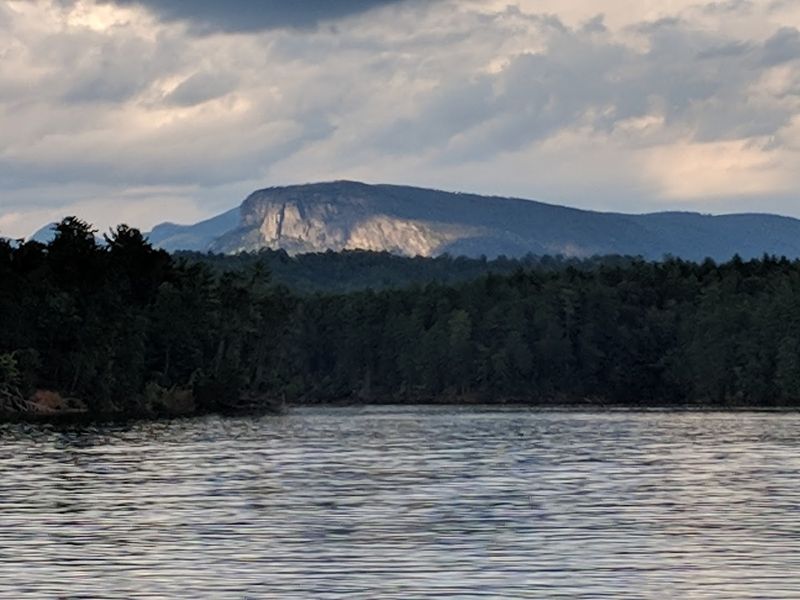
As the highest lake in the Catawba River chain, Lake James holds some of the coldest and cleanest water in the system, which makes it a genuinely productive fishing destination rather than just a pretty backdrop for a fishing photo.
Largemouth bass, smallmouth bass, catfish, crappie, and bluegill are all present in the lake, and the upper Linville arm is particularly well-regarded for bass fishing in the warmer months. The dock pier at the park gives shore anglers a solid option without needing a boat at all.
Fall and early spring are the most consistent seasons for fishing here. The water temperature drops enough to push fish into more predictable patterns, and the lighter crowds mean you can actually find a good spot without competing with half the county.
Bowfishing the upper arms of the lake at night is also a local tradition, and the clear water makes it surprisingly effective. A valid North Carolina fishing license is required for anyone 16 or older, and regulations are posted at the park entrance.
The park staff can point you toward the best spots if you ask at check-in.
25 Miles of Trails Through the Foothills
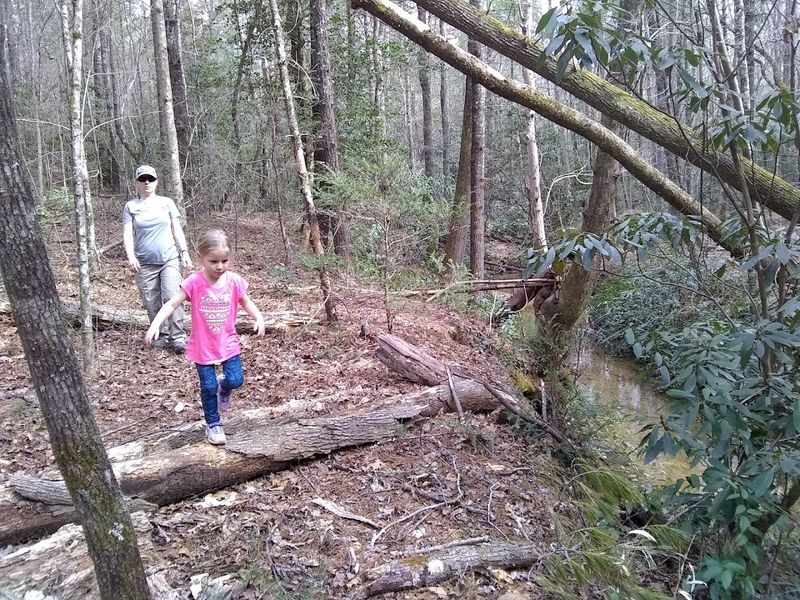
Twenty-five miles of hiking and biking trails wrap around Lake James, and the variety is impressive for a single park. Short, flat loops suit families with young children, while longer ridge trails reward hikers with elevated views of the lake and the surrounding mountain terrain.
The Fonta Flora Trail is one of the standout routes. It traces the western edge of the lake and connects to a broader trail network that eventually links up with Morganton and beyond.
The trail surface varies from smooth packed dirt to rocky singletrack, so the right footwear matters.
Mountain bikers have their own dedicated sections of the trail system, and the terrain offers enough technical challenge to keep experienced riders engaged without being inaccessible to casual riders on hardtail bikes. The forest cover makes the trails comfortable even on warmer days.
Wildlife sightings along the trails are common. White-tailed deer, wild turkey, and various songbirds are regulars, and the occasional black bear sighting keeps things interesting.
Hikers coming from flat states like Oklahoma often find the elevation changes here genuinely challenging in the best possible way, and the payoff views are well worth the effort.
Camping Under Mountain Skies
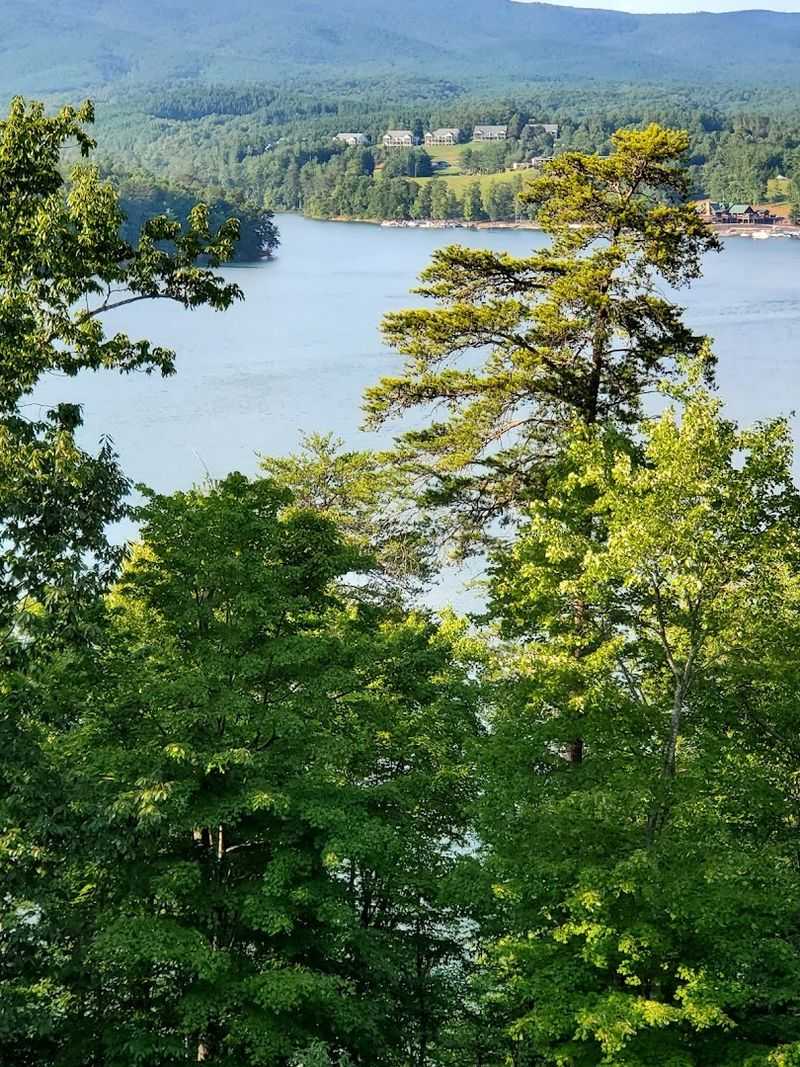
Spending a night at Lake James changes your relationship with the place. The park offers both tent camping and cabin rentals, and the camping area sits close enough to the water that you can hear it at night when the wind is right.
The campground has a good mix of shaded and open sites, with electrical hookups available for those who need them. Reservations are strongly recommended from May through September, as the campground fills up most weekends during the summer season and spots disappear quickly once the fall color season begins.
Mornings at the campground are genuinely special. The mist hangs low over the lake, the air smells like pine and cool water, and the bird activity in the trees above the sites is constant and varied.
A thermos of coffee and a camp chair pointed toward the water is a perfectly complete morning plan.
The campground also provides access to the trailhead system, so you can head out on foot directly from your site without driving anywhere. Families who make this a base camp for exploring the broader McDowell County area find that it works exceptionally well as a central hub for several days of outdoor activity.
Picnicking and Day-Use Areas for Families
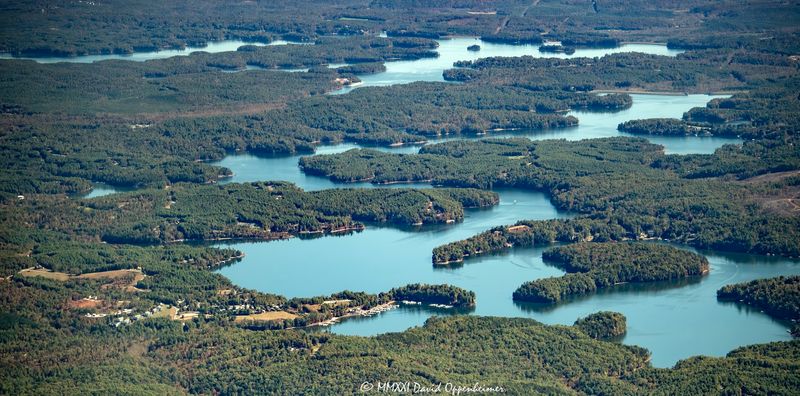
Not every great day at Lake James requires a boat, a kayak, or a tent. The park’s picnic areas are genuinely well-designed, with tables positioned under mature hardwood trees that provide solid shade even on the brightest summer afternoons.
Grills are available at the picnic sites, and the combination of a lakeside setting, clean facilities, and mountain air makes a simple grilled lunch feel like a much bigger occasion than it actually is. The park allows charcoal and propane grills, and the areas stay reasonably clean because the regular visitors genuinely respect the space.
Several picnic areas sit within easy walking distance of the beach, so you can set up a home base for the day and rotate between eating, swimming, and relaxing without hauling gear across the park repeatedly. That kind of layout makes Lake James particularly well-suited for multi-generational family outings.
Dogs are welcome in the picnic areas on a leash, which matters a lot for families who do not want to leave a pet behind. The relaxed, unhurried pace of the picnic areas is one of the things that keeps locals and visitors alike returning summer after summer, year after year.
Fall Foliage Season at the Lake
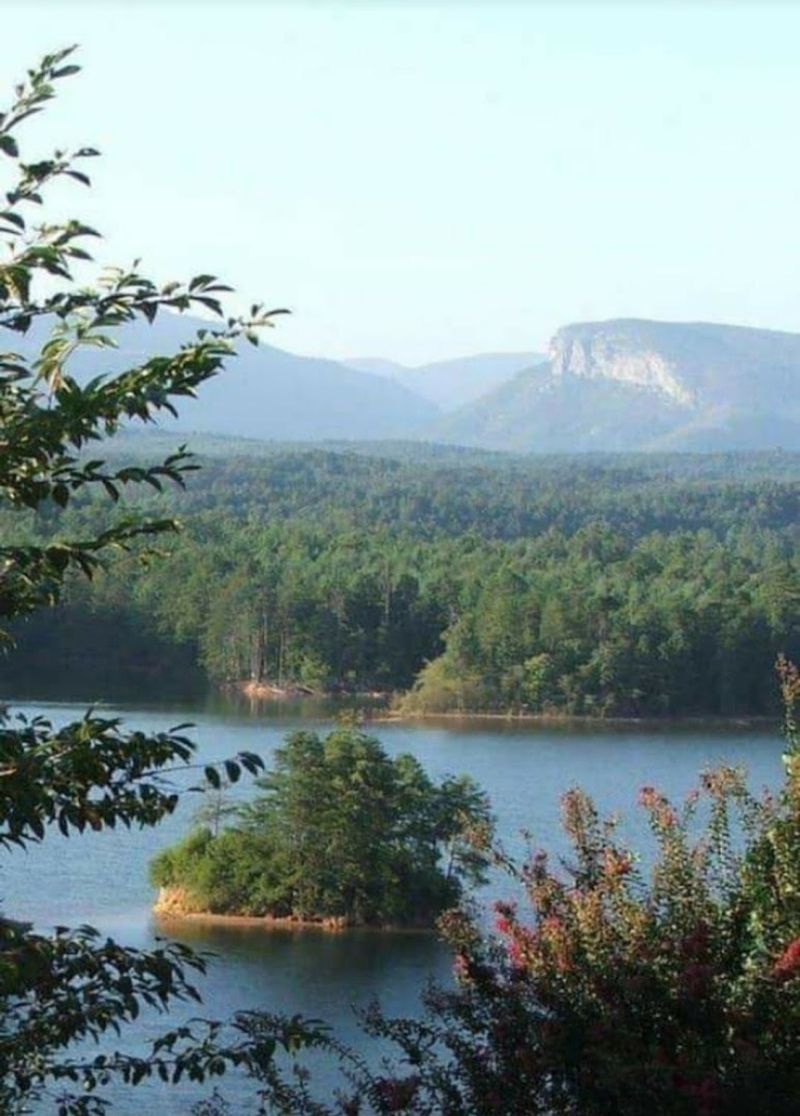
Fall at Lake James is a completely different experience from the summer crowds and warm-water activities that define the peak season. The hardwood forest that rings the lake lights up from mid-October through early November, and the combination of color overhead and its mirror image on the water surface is genuinely hard to overstate.
The elevation here means that color typically arrives a week or two earlier than in the lower piedmont towns, and the cooler temperatures make hiking and paddling far more comfortable than the humid summer months. Trails that feel crowded in July become peaceful and almost meditative by late October.
Leaf-peepers from across the Southeast make the drive specifically for this season, and the lake gives them something that roadside overlooks cannot: a full 360-degree view of the color from a kayak or a boat in the middle of the water. That perspective is something most people have never experienced before their first fall visit.
Anglers also love this time of year for the improved fishing conditions. The park sees visitors from as far as Oklahoma making an annual tradition of the fall trip, and once you have seen the lake in October, that kind of loyalty makes complete sense.
Wildlife and Natural Surroundings
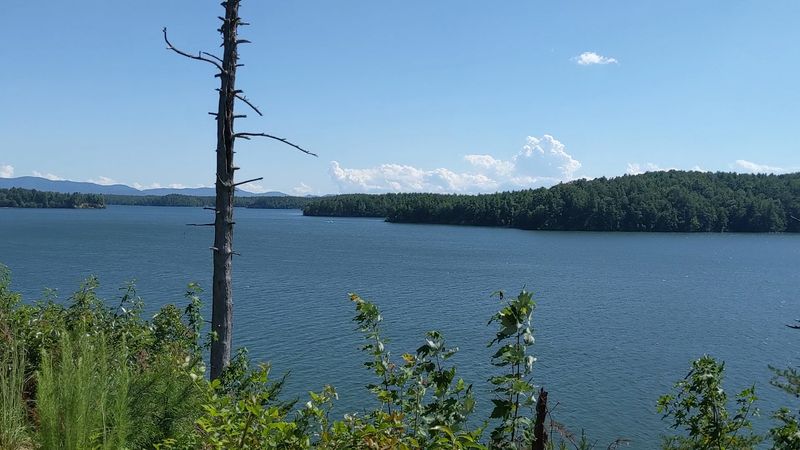
The natural setting around Lake James is not just a backdrop. The Pisgah National Forest borders the lake on multiple sides, and that protected land creates a wildlife corridor that keeps the area around the water genuinely wild and active.
White-tailed deer are a near-daily sighting for anyone spending time on the trails or at the campground. Wild turkey are also common, especially in the early morning and late afternoon hours when they move through the open areas near the water’s edge.
The birdlife is diverse enough to keep a casual birder busy for an entire weekend.
The lake itself supports osprey, great blue herons, and various species of ducks that use the coves as resting areas during migration. Watching an osprey dive for a fish from a kayak at close range is the kind of moment that does not require any special planning to experience here.
Black bears do live in the surrounding forest, and while sightings near the main park facilities are not common, they do happen. The park asks visitors to store food properly and dispose of trash correctly, which is standard practice in any area with an active bear population.
The wildlife is part of what makes this place feel genuinely alive.
Tips for Planning Your Visit
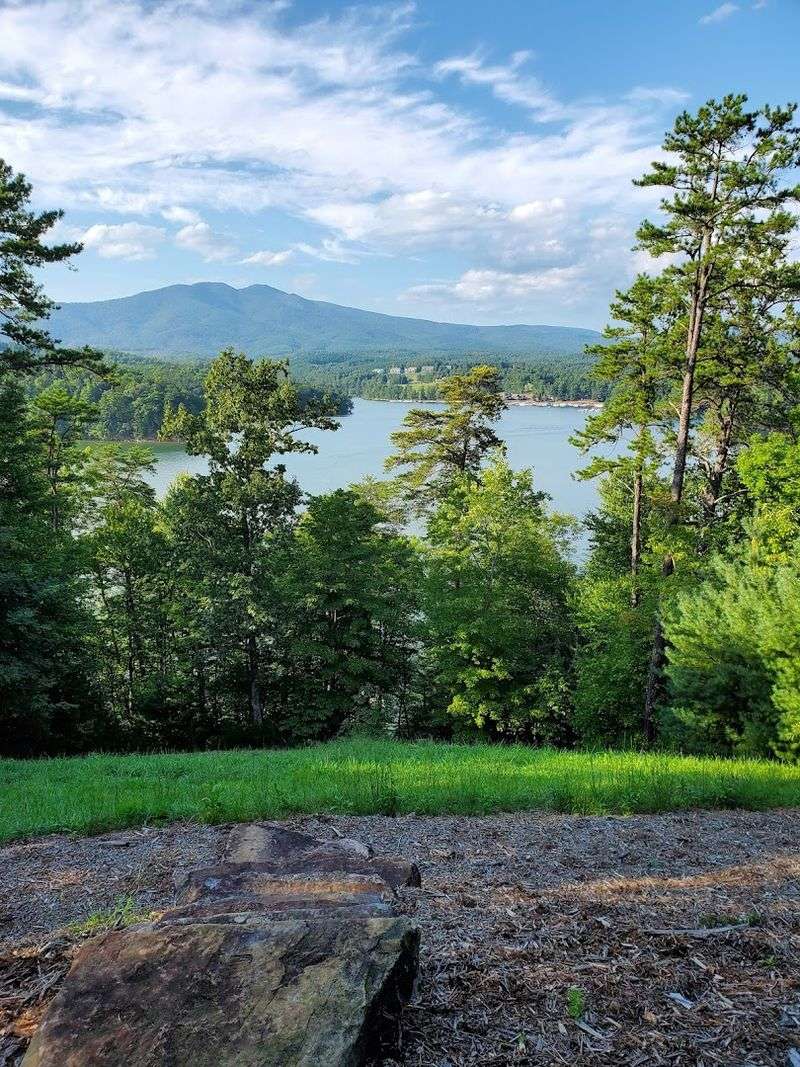
A few practical details can make the difference between a smooth visit and a frustrating one. Lake James State Park charges a modest per-vehicle entry fee, and the fee applies whether you are coming for the beach, the trails, or just a picnic.
Cash and cards are accepted at the entrance station.
The park opens at 8 a.m. year-round and closes at varying times depending on the season, so checking the current schedule on the North Carolina State Parks website before your trip is worth two minutes of your time. Arriving right at opening is the best strategy on summer weekends when the beach parking lot fills up fast.
Hurricane Helene caused some damage to park facilities in late 2024, and as of recent reports, portions of the eastern side of the lake remain closed while restoration work continues. The Paddy’s Creek area on the west side has remained open, so most activities are still accessible.
Visitors making the trip from distant states, including Oklahoma, should plan for at least a full day rather than a quick stop. The lake rewards slow exploration far more than a rushed visit, and most people who try to see it in two hours end up wishing they had stayed longer.
Share this story