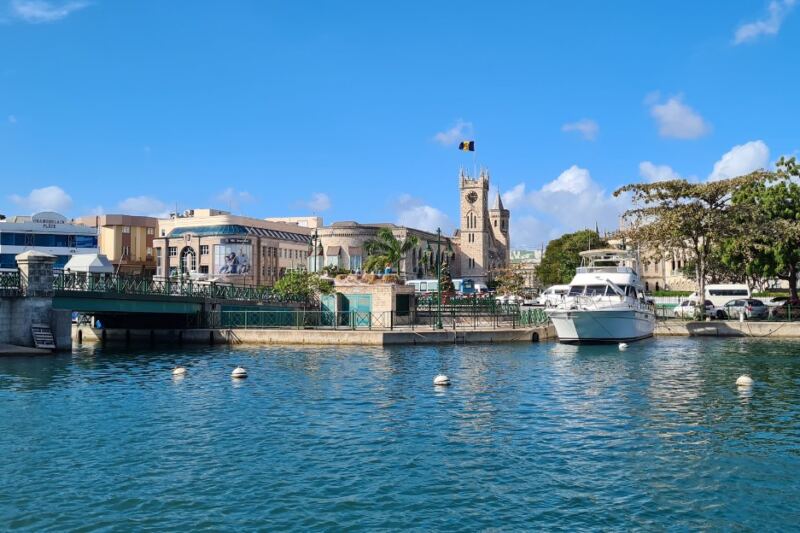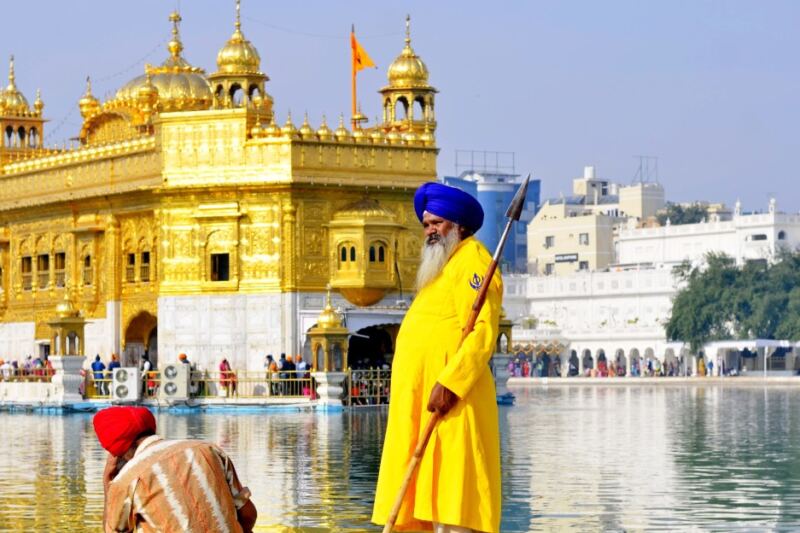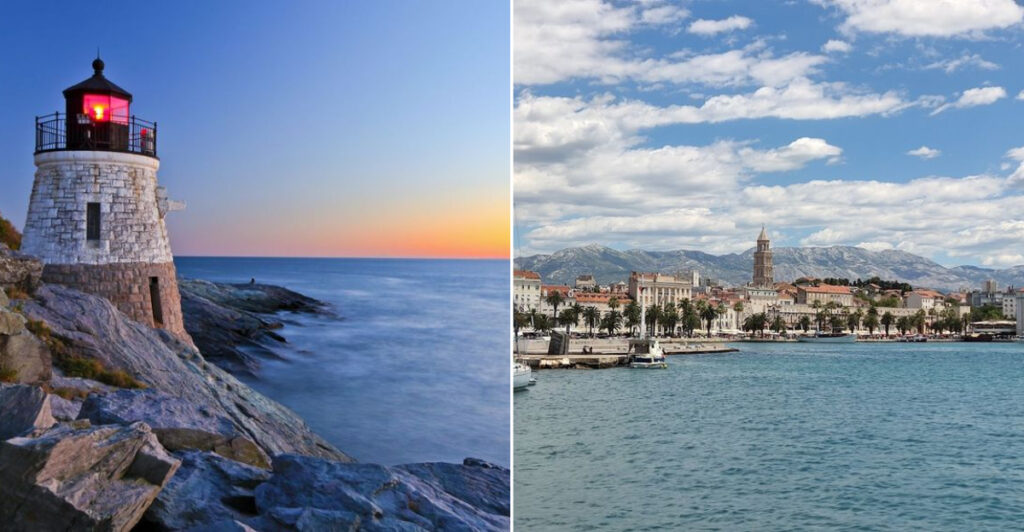
Most people head to the coast for sun, sand, and saltwater. But some of the world’s best coastal destinations are hiding something extra special behind those pretty shorelines.
From ancient Roman ruins to world-class aquariums, these places prove that the beach is just the beginning. Pack your bags, because this list is about to seriously upgrade your travel bucket list.
Charleston, South Carolina
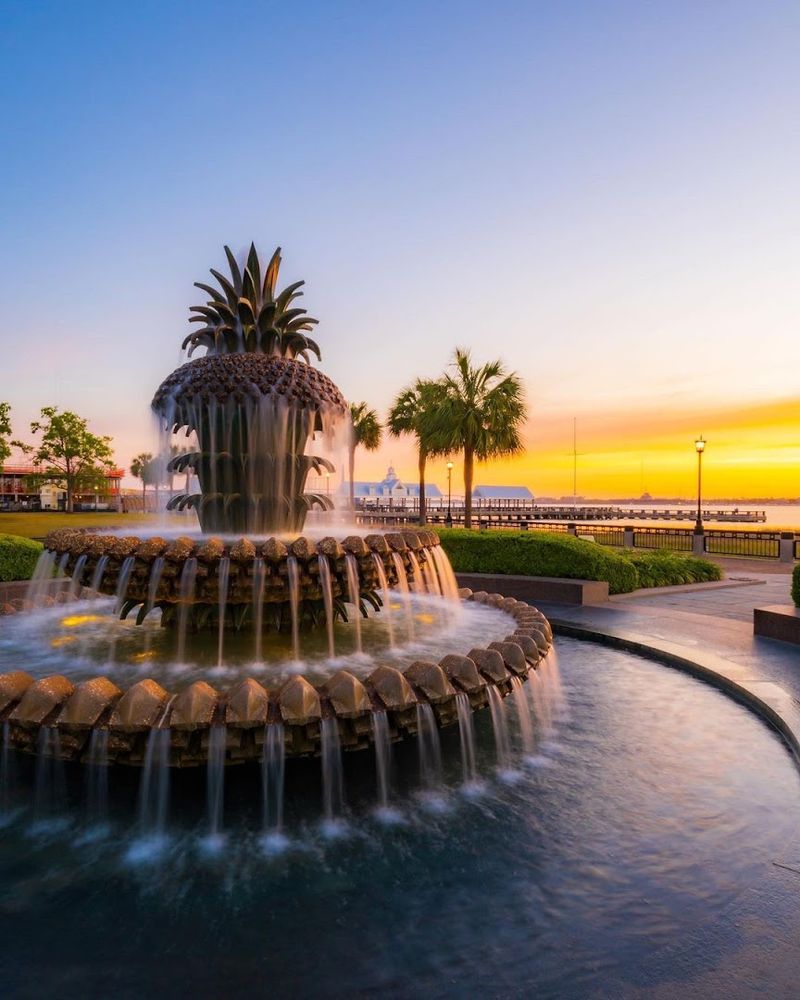
Charleston has a way of making you feel like you accidentally walked into a history textbook, but a really good one. The city’s pastel-colored antebellum homes and cobblestone streets look almost too pretty to be real.
Every corner tells a story that goes back centuries.
The food scene here is no joke either. Charleston is home to some of the South’s most acclaimed restaurants, where chefs turn lowcountry classics into seriously memorable meals.
Shrimp and grits never tasted so good.
History lovers will want to spend time exploring the nearby plantations, which offer sobering and important perspectives on the region’s past. The city also hosts cultural festivals throughout the year that celebrate everything from food to jazz.
Charleston isn’t just a pretty face on the Atlantic coast. It’s a living, breathing museum that also happens to have gorgeous beaches nearby.
St. Augustine, Florida
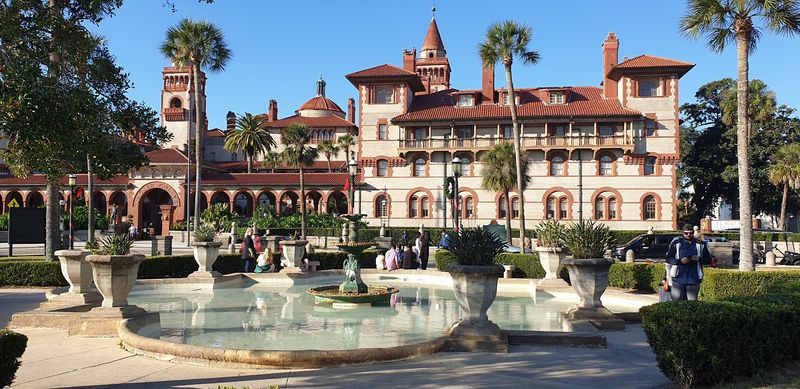
St. Augustine holds a title no other American city can claim: it’s the oldest continuously inhabited European-established city in the entire country. Founded in 1565 by Spanish explorers, this Florida gem has been collecting history for over 450 years.
That’s a lot of stories packed into one small city.
The Castillo de San Marcos is the crown jewel, a stunning 17th-century stone fort that still stands proudly along the waterfront. Walking through its thick walls genuinely feels like stepping back in time.
Museums, Spanish colonial landmarks, and a charming historic district round out the experience beautifully.
The beaches are lovely, of course, but they almost feel like a bonus here. St. Augustine rewards slow, curious travelers who enjoy wandering down narrow streets and popping into quirky little shops.
It’s the kind of place where you plan to stay two days and end up staying five.
Monterey, California
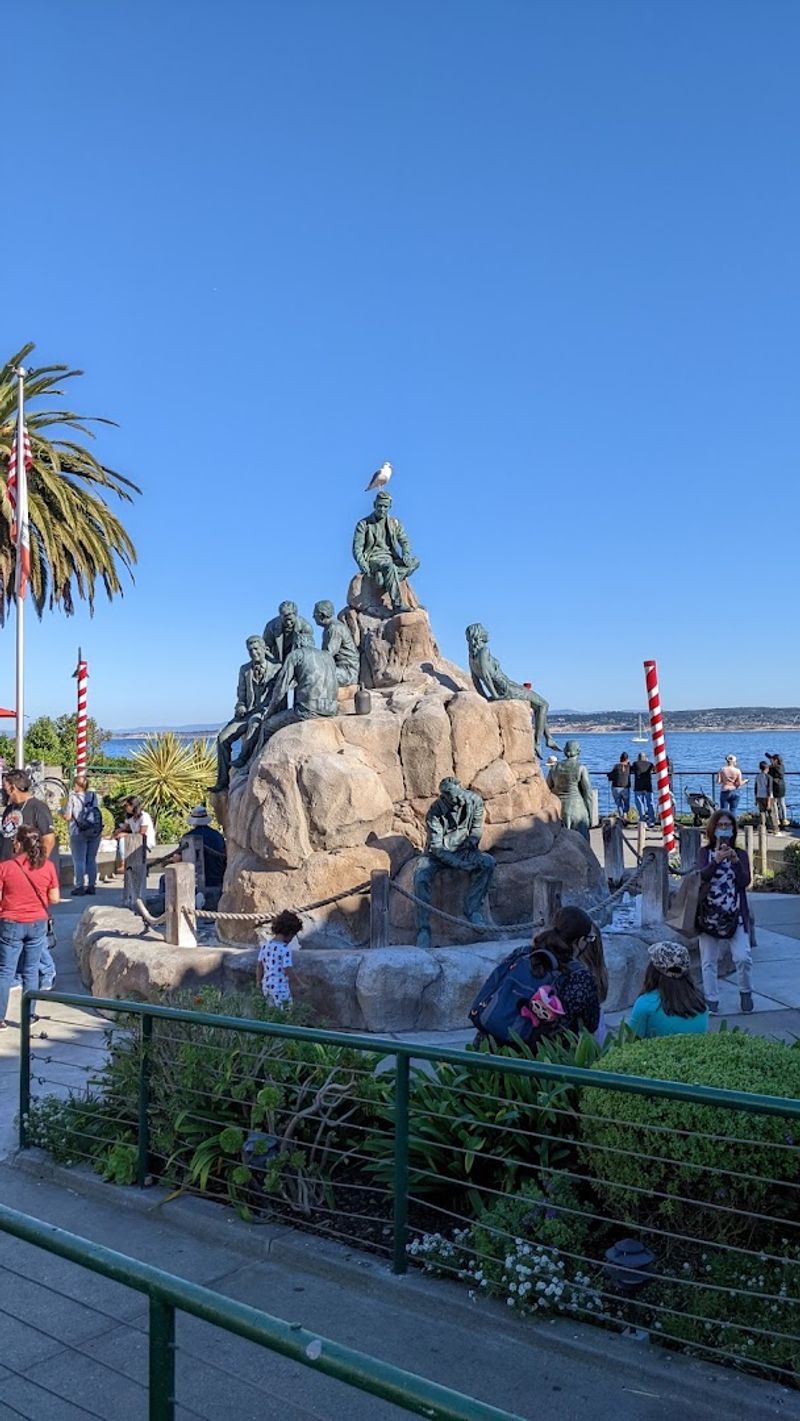
Cannery Row used to smell like sardines. Today, it smells like opportunity for a genuinely great trip.
Monterey, California, transformed its industrial waterfront into one of the most visited destinations on the Pacific Coast, anchored by the world-famous Monterey Bay Aquarium.
That aquarium alone is worth the trip. It’s consistently ranked among the best in the world, with exhibits on sea otters, jellyfish, and massive kelp forests that feel genuinely awe-inspiring.
Whale watching tours depart regularly from the harbor, and sightings are surprisingly common year-round.
The 17-Mile Drive is one of those scenic routes that travel writers run out of adjectives to describe. Cypress trees, crashing waves, and views of Pebble Beach’s famous golf course line the road.
Monterey proves that California coastal towns can be sophisticated, educational, and wildly entertaining all at once. The beach is lovely, but it’s genuinely the least interesting thing here.
Savannah, Georgia
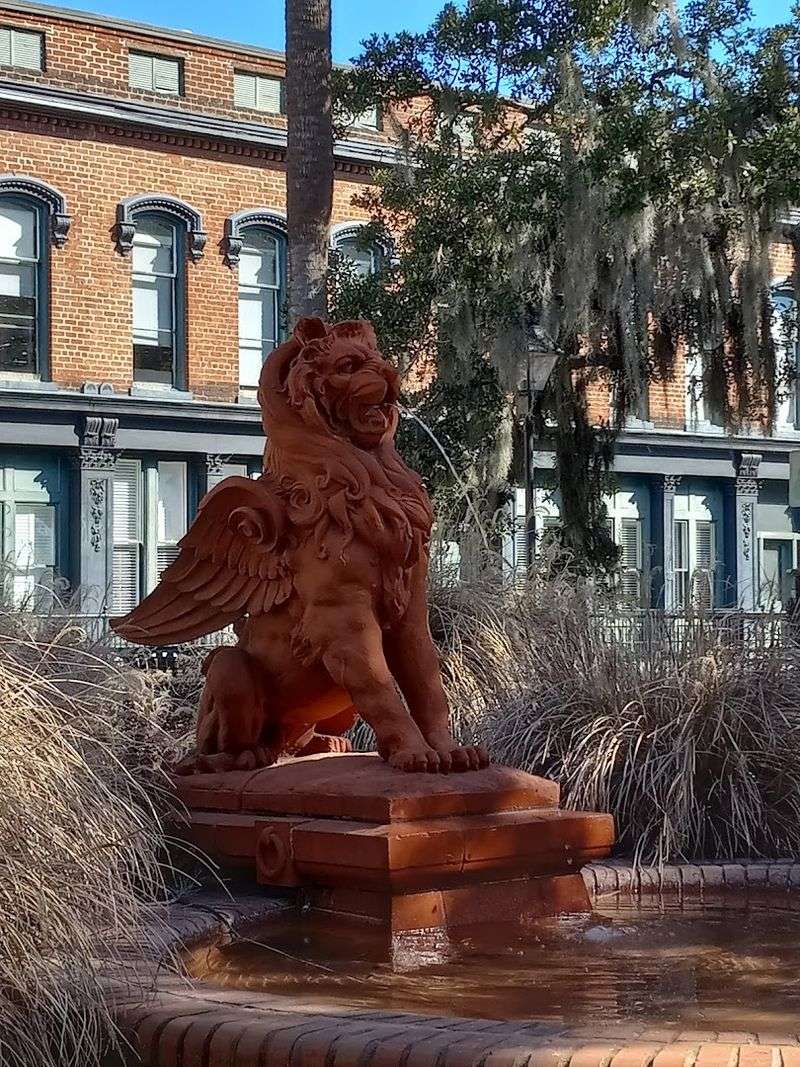
Savannah doesn’t really care whether you call it a beach town or not. It knows what it is: one of the most hauntingly beautiful cities in America, and it’s perfectly comfortable with that reputation.
The Spanish moss hanging from massive oak trees gives every square a slightly dramatic, storybook quality.
The city’s historic district is packed with squares, each one a little outdoor living room full of benches, fountains, and century-old trees. Architecture enthusiasts could spend days just wandering the streets cataloging gorgeous homes.
The riverfront area adds a lively, social energy to balance all that quiet elegance.
Tybee Island, Savannah’s nearby beach, is just a short drive away when you finally need some sand and surf. But most visitors find themselves spending far more time in the city than they planned.
Savannah has a gravitational pull that’s genuinely hard to explain until you’ve felt it yourself.
Newport, Rhode Island
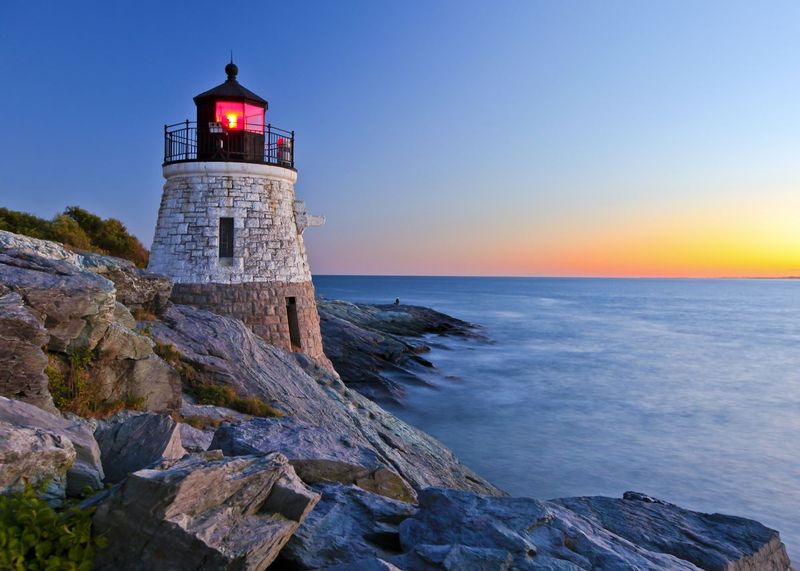
Newport, Rhode Island, is where America’s wealthiest families came to show off during the Gilded Age, and honestly, they did a remarkable job. The mansions here aren’t just big houses.
They’re jaw-dropping architectural showpieces with names like The Breakers and Marble House that were used as summer cottages by people with a very different definition of the word cottage.
The Cliff Walk is a must-do, a 3.5-mile trail that hugs the coastline and delivers ocean views on one side and mansion gardens on the other. It’s one of the best free activities on the entire East Coast.
Sailing culture runs deep in Newport, which has hosted America’s Cup races and remains a serious yachting destination.
Maritime history is woven into every part of this city, from its museums to its working harbor. Newport is the kind of place that makes you feel slightly underdressed but extremely well-entertained the entire time.
Bar Harbor, Maine
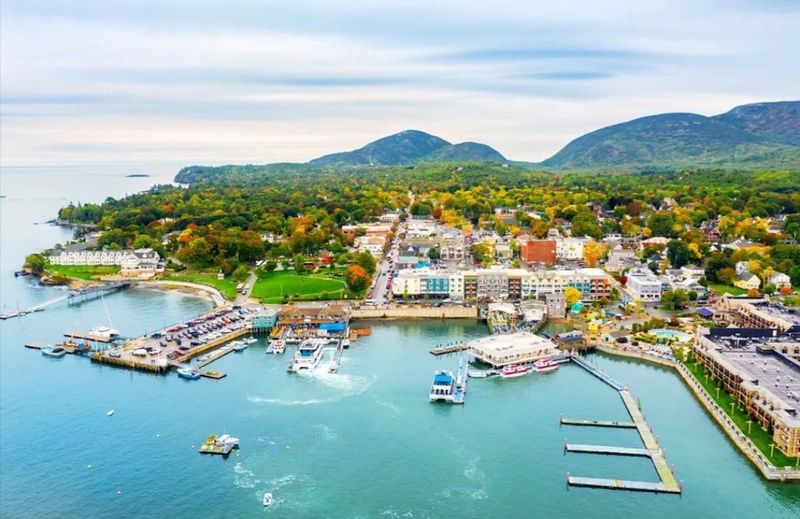
Bar Harbor sits right next to Acadia National Park, which means this small Maine town punches way above its weight class in the outdoor adventure department. Most visitors arrive expecting lobster rolls and a pretty harbor.
They leave having hiked mountain peaks, spotted bald eagles, and watched sunrises that genuinely don’t look real.
Cadillac Mountain, the highest point on the eastern seaboard, sits inside Acadia and is famous for being one of the first places in the US to catch the morning sun. The park also offers carriage roads, tide pools, and scenic drives that attract photographers from around the world.
Wildlife viewing here is exceptional, with moose, peregrine falcons, and harbor seals all making regular appearances.
The town itself is charming in that classic New England way, with excellent seafood restaurants and locally owned shops lining the streets. Bar Harbor is proof that rugged and refined can coexist beautifully.
San Diego, California
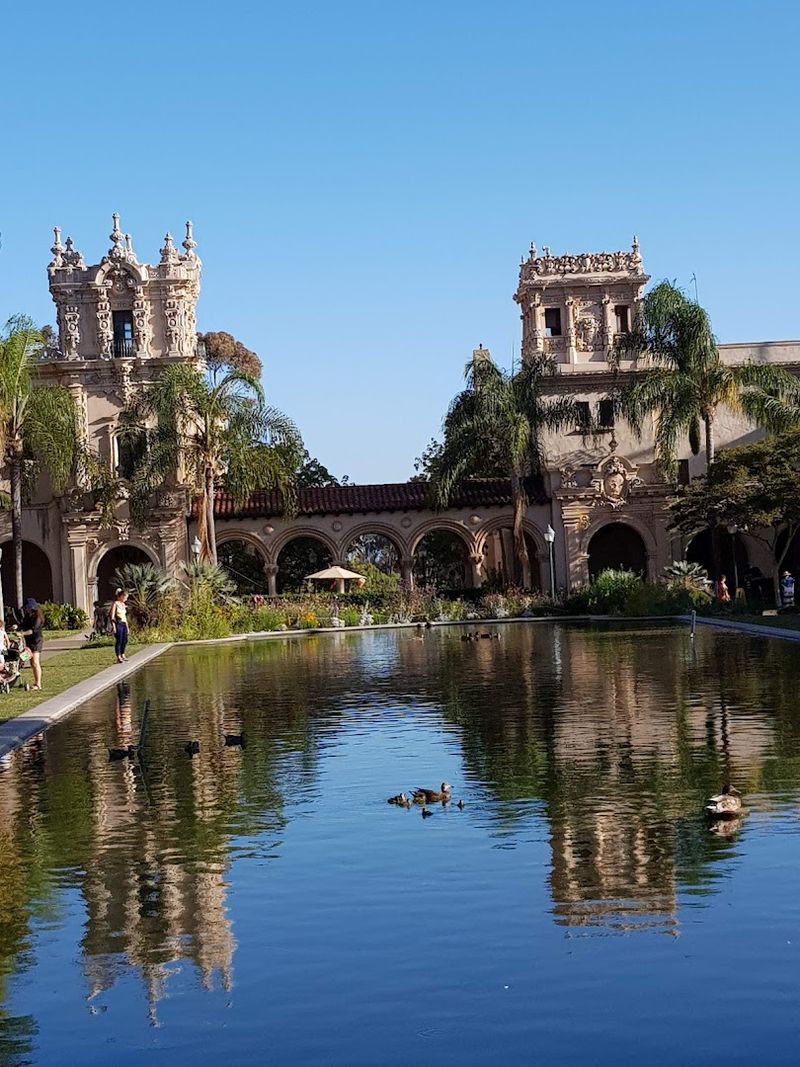
San Diego has beaches so good they almost distract you from everything else the city offers. Almost.
Balboa Park alone could keep a curious traveler busy for three full days. It’s home to 17 museums, performing arts venues, and the world-famous San Diego Zoo, all wrapped inside a stunning 1,200-acre urban park.
The city’s neighborhoods each have their own personality. Little Italy buzzes with great restaurants and weekend markets.
North Park is packed with craft breweries and vintage shops. The Gaslamp Quarter keeps the nightlife lively.
San Diego manages to feel like multiple cities living comfortably inside one.
Year-round sunshine means cultural events, outdoor concerts, and festivals never really stop happening here. The weather alone is enough to make residents of colder cities quietly furious.
San Diego is one of those places where visitors start casually browsing real estate listings by day three. The beaches are just the opening act.
Victoria, British Columbia
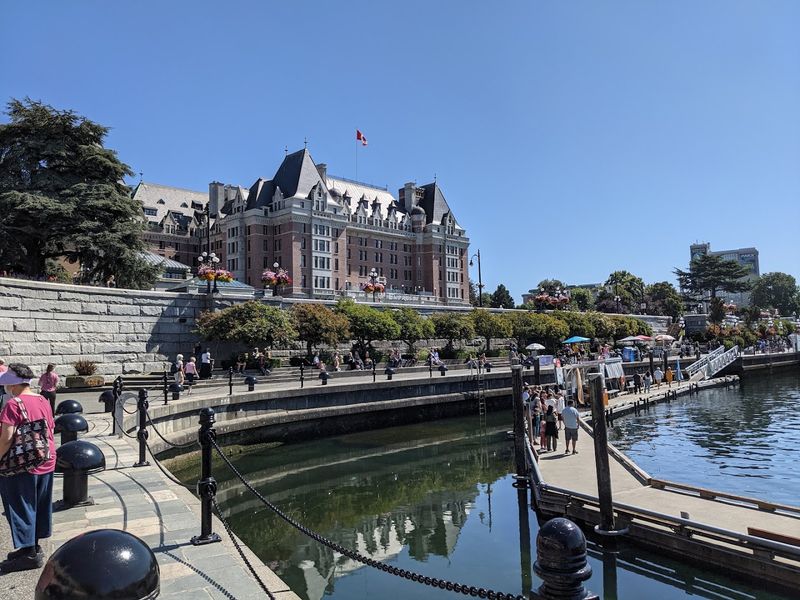
Victoria, British Columbia, takes the title of Canada’s most charming coastal capital without even trying that hard. The Inner Harbour is postcard-perfect, lined with heritage buildings, flower baskets, and street performers who actually earn their tips.
It’s the kind of place that makes you slow down without even realizing it.
Butchart Gardens, just outside the city, is one of the most spectacular horticultural displays in North America. Over a million plants bloom across 55 acres of former limestone quarry.
It’s genuinely hard to believe something so beautiful grew out of an industrial site.
Whale watching tours from Victoria are among the best on the continent, with orca sightings being surprisingly common in the surrounding waters. The food scene punches well above its population size, with farm-to-table restaurants and excellent seafood dominating menus across the city.
Victoria rewards visitors who take their time and resist the urge to rush through everything.
Split, Croatia
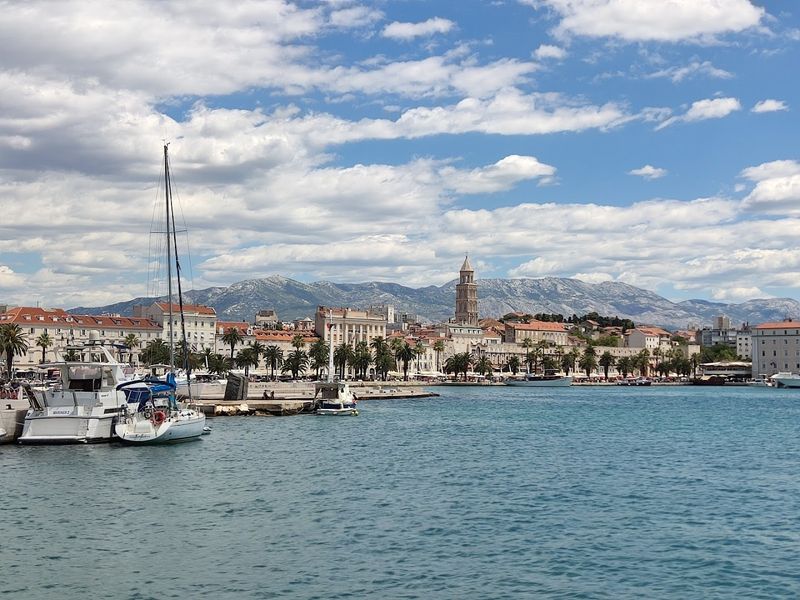
Most cities build their historic district around a landmark. Split, Croatia, built an entire living city inside one.
Diocletian’s Palace, constructed around 305 AD, is a UNESCO World Heritage Site where people still actually live, work, shop, and eat. Apartments, restaurants, and bars occupy what were once Roman emperor’s quarters.
Walking through the palace walls feels like navigating a very well-preserved time capsule that somehow also has excellent cocktail bars. The narrow stone alleyways open unexpectedly into sunlit squares where locals sip coffee like they have nowhere better to be, because honestly, they don’t.
The Adriatic coastline surrounding Split is stunning, with crystal-clear water that makes every beach photo look professionally edited. The city also serves as a jumping-off point for nearby islands like Hvar and Brac.
Split is one of those rare places where ancient history and modern beach culture don’t just coexist but actively enhance each other.
Cape Town, Western Cape
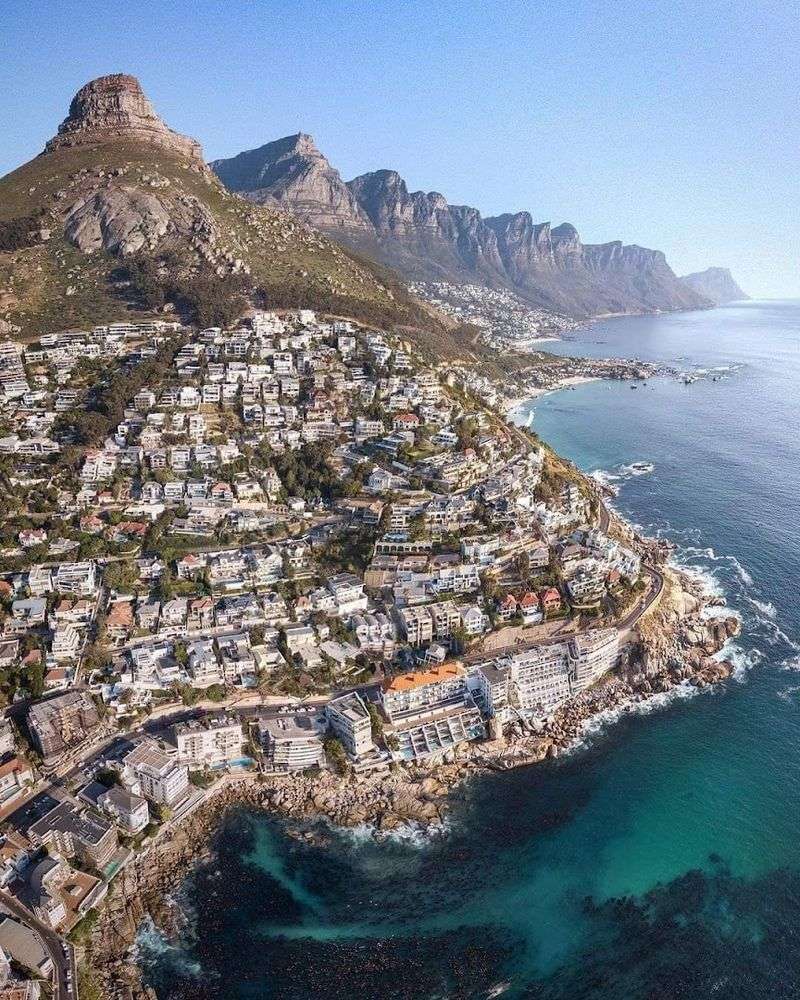
Cape Town operates on a completely different scale from most coastal cities. Table Mountain rises dramatically behind the city like a giant flat-topped guardian, visible from almost everywhere and hikeable from multiple trails.
The views from the top are the kind that make you question every travel decision you made before visiting here.
The Winelands region sits just an hour’s drive away, offering world-class vineyards set against mountain backdrops that look straight out of a wine label fantasy. Boulders Beach near Simon’s Town is home to a colony of African penguins who have absolutely no interest in your schedule or your personal space.
Cape Point, Robben Island, and the Cape of Good Hope add layers of natural drama and historical weight to every itinerary. The beaches are spectacular, but Cape Town’s real power lies in how much variety it packs into one destination.
Few cities anywhere in the world can compete with this range.
Lisbon, Portugal
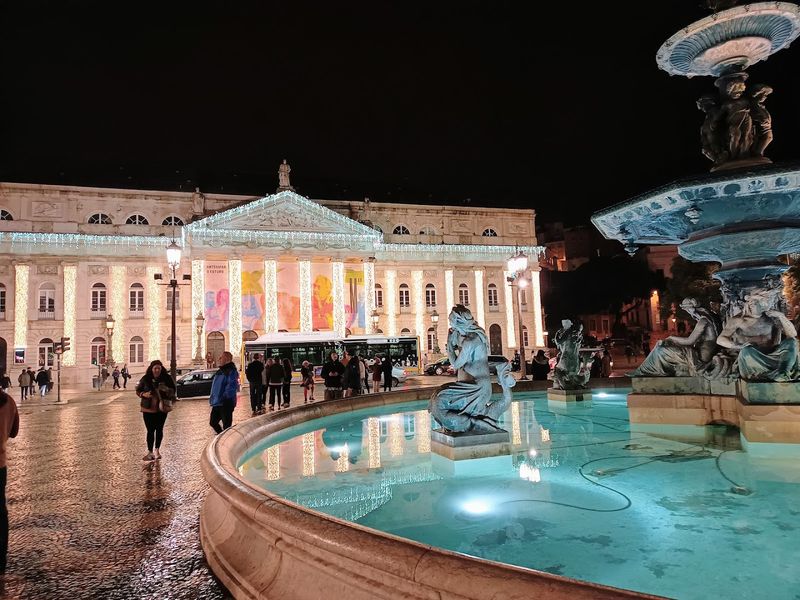
Lisbon is the kind of city that makes you feel like a more interesting person just for being there. Its iconic yellow trams clatter up steep cobblestone hills through neighborhoods like Alfama, where centuries-old Moorish architecture mixes with fado music drifting out of open windows.
The city wears its history with a relaxed confidence that’s genuinely contagious.
The food scene has exploded in recent years, earning Lisbon a reputation as one of Europe’s top culinary destinations. Pasteis de nata, the city’s famous custard tarts, are so good they’ve developed their own fan clubs.
Seafood, especially bacalhau prepared in seemingly endless ways, is taken very seriously here.
The Atlantic views are ever-present, with the Tagus River meeting the ocean in dramatic fashion near the iconic Belem Tower. Lisbon’s museums, particularly the Museu Nacional do Azulejo with its stunning tile collections, add serious cultural depth.
This city rewards the curious traveler at every single turn.
Cartagena, Bolivar

Cartagena, Colombia, is so photogenic that it almost feels like the city is showing off on purpose. The walled Old Town, a UNESCO World Heritage Site, is packed with colonial buildings painted in shades of yellow, orange, and coral that glow brilliantly in the Caribbean sun.
Every street corner is an accidental photo shoot.
The city’s history runs deep and complex, shaped by Spanish colonizers, African enslaved people, and indigenous communities whose influences are woven into Cartagena’s food, music, and traditions. The Gold Museum and Palace of the Inquisition offer sobering and fascinating looks at that layered past.
Street food vendors selling arepas and fresh fruit add to the sensory richness of wandering the city.
The nearby Rosario Islands offer some of Colombia’s clearest waters for snorkeling and day trips. But the Old Town itself is the main event, a living piece of history that buzzes with contemporary energy.
Cartagena is genuinely hard to leave.
Dubrovnik, Dubrovnik-Neretva County
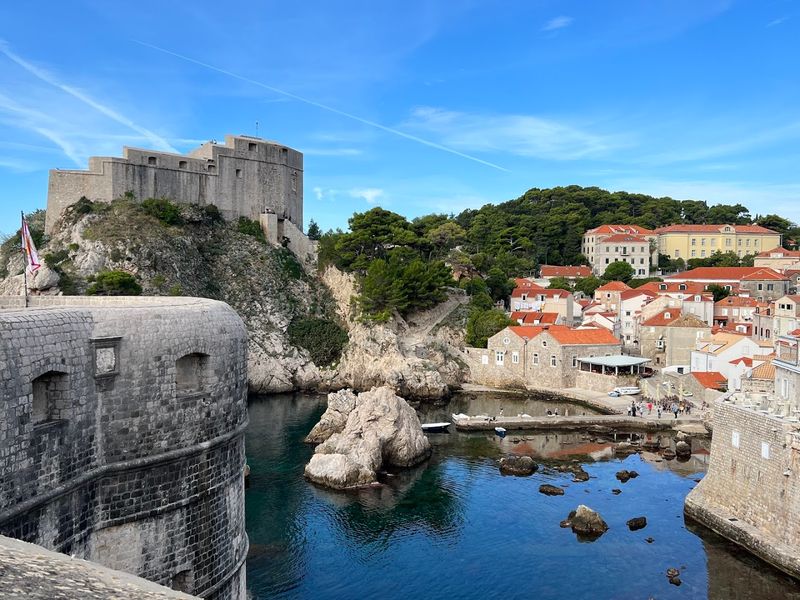
Dubrovnik’s medieval walls are so impressive that they’ve become the star of multiple blockbuster TV shows, and rightly so. The city’s UNESCO-listed Old Town is essentially a perfectly preserved medieval masterpiece sitting right on the edge of the Adriatic.
Walking the two-kilometer wall circuit that circles the entire city is one of the great travel experiences in Europe.
The Old Town’s marble-paved main street, the Stradun, is lined with baroque buildings, churches, and cafes that have been serving coffee for centuries. The Rector’s Palace and Franciscan Monastery add serious architectural weight to every stroll.
History here isn’t behind glass in a museum; it’s the actual backdrop of daily life.
The surrounding Adriatic beaches are beautiful, but the real competition for your attention in Dubrovnik is always the architecture. Cable car rides to Mount Srd deliver panoramic views that reframe the entire city in one sweeping glance.
Dubrovnik earns its reputation every single day.
Portree, Isle of Skye
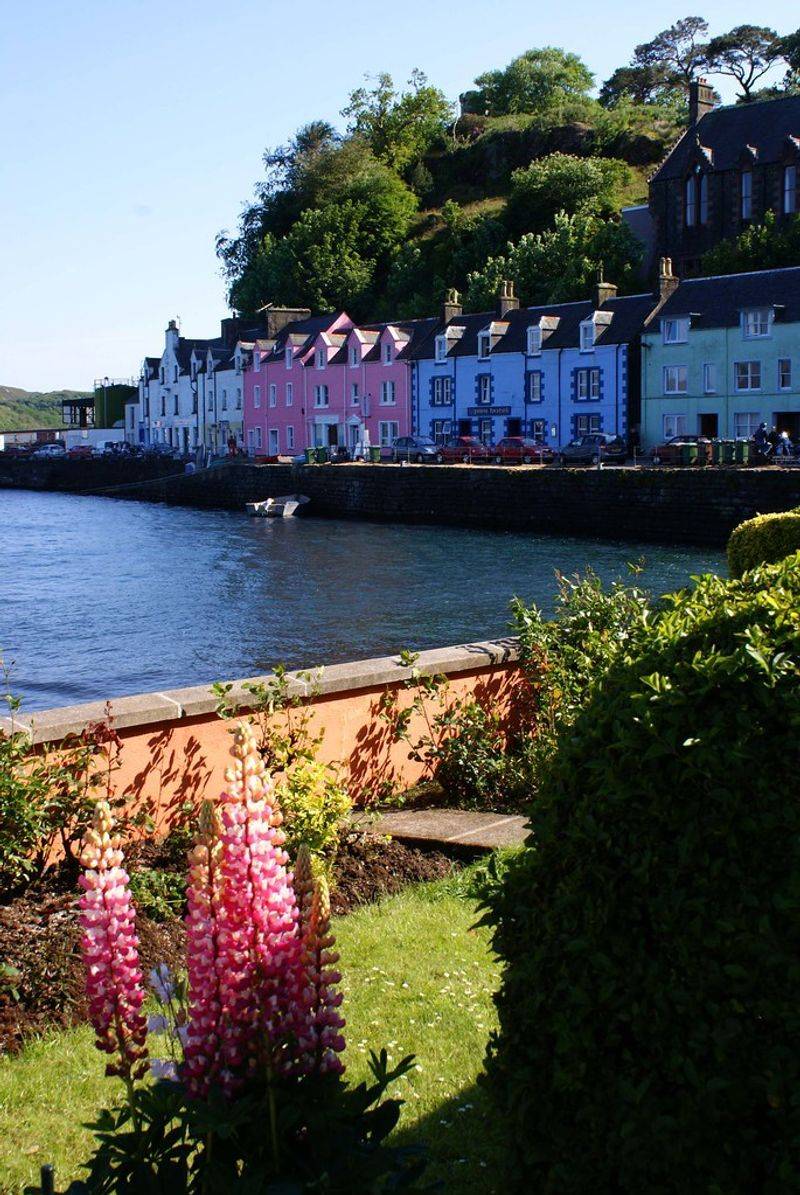
Portree is the kind of small harbor town that makes you reconsider your entire life plan after about 20 minutes. The Isle of Skye’s main village sits tucked into a sheltered bay surrounded by hills so dramatically green they look digitally enhanced.
It’s the gateway to some of Scotland’s most jaw-dropping landscapes.
The Old Man of Storr, the Fairy Pools, and the Quiraing are all within driving distance and rank among the most photographed landscapes in all of Britain. Hiking routes here range from gentle coastal walks to serious mountain challenges that reward serious effort with serious views.
Wildlife on Skye includes red deer, golden eagles, and otters that apparently have no concept of personal boundaries.
The local arts scene is surprisingly vibrant for such a small community, with galleries, craft studios, and traditional music sessions that feel genuinely rooted rather than performed for tourists. Portree is small in size but absolutely enormous in character and natural drama.
Pismo Beach, California
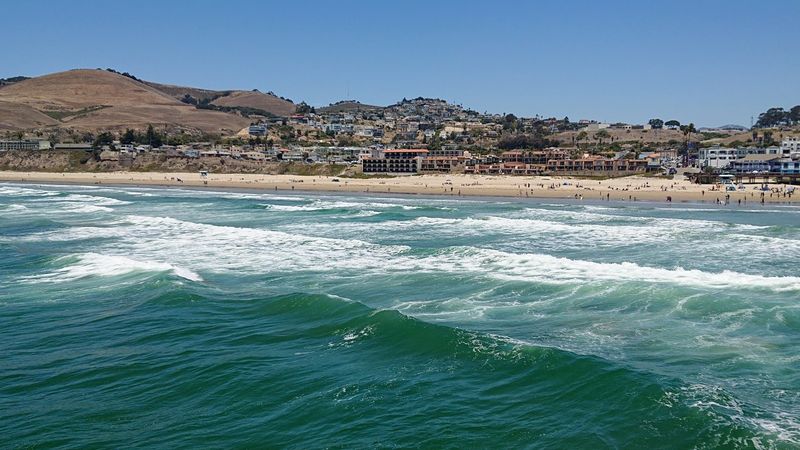
Every October, something remarkable happens in Pismo Beach that has nothing to do with surfing. Tens of thousands of monarch butterflies descend on a grove of eucalyptus trees right next to a highway, creating one of nature’s most unexpected and spectacular seasonal events.
The Monarch Butterfly Grove is completely free to visit and genuinely unforgettable.
Pismo Beach also sits in California’s Central Coast wine country, meaning excellent wineries are just a short drive inland. The combination of beach access and wine tasting makes for a very civilized weekend itinerary.
Dinosaur Caves Park adds a quirky, family-friendly option with coastal bluff trails and playground areas overlooking the Pacific.
ATV rentals on the Oceano Dunes State Vehicular Recreation Area let visitors tear across sand dunes in ways that feel slightly illegal but are absolutely not. Pismo Beach manages to be laid-back and action-packed simultaneously, which is a genuinely rare and impressive combination.
This town consistently surprises first-time visitors.
Share this story