Most travel lists send you to the same overcrowded spots, where you spend more time dodging selfie sticks than actually enjoying the place. But the world is full of stunning destinations that most tourists completely overlook.
I stumbled onto a few of these hidden gems by accident, and honestly, those trips ended up being my favorites. Here are 13 beautiful places that still feel like a secret worth keeping.
Elvas, Portugal
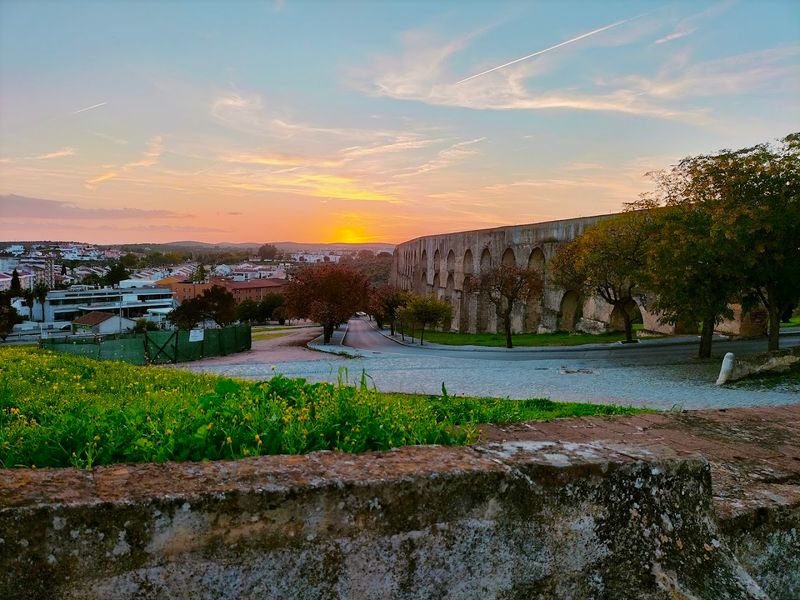
Everyone flocks to Lisbon and Porto, but Elvas quietly sits near the Spanish border doing something far more impressive: being genuinely spectacular without bragging about it. This Alentejo city is wrapped in massive star-shaped fortifications that took centuries to build and zero minutes to appreciate.
The old town is compact and walkable, which means no shuttle buses or timed entry tickets. Just wander the whitewashed streets at your own pace and stumble into quiet squares where locals actually use them daily.
The dramatic aqueduct cutting through the landscape feels almost comically grand for such a relaxed city.
Come hungry. Alentejo cuisine is hearty and unapologetic: black pork, rich stews, local wine poured generously.
Elvas is UNESCO-listed, yet somehow still crowd-free. That combination is rarer than you think, and it will not last forever.
Piran, Slovenia
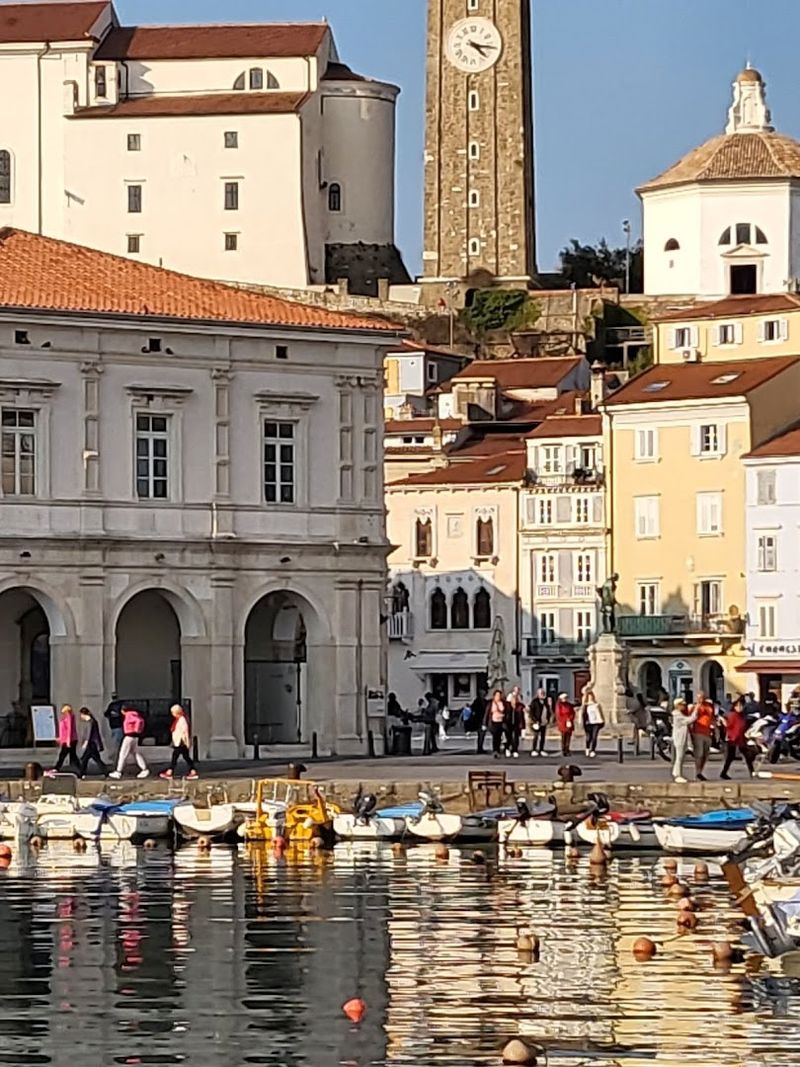
Piran is what happens when Venice and a small seaside town have a very photogenic child. Venetian-style architecture lines the waterfront, narrow lanes twist unexpectedly, and the Adriatic sparkles just beyond every corner.
The crowds that swarm Dubrovnik and Santorini have not fully discovered this gem yet. Tartini Square is the social heart of the old town, and sitting there with a coffee feels genuinely leisurely rather than performative.
Climb to the town walls for rooftop views that will make your camera work overtime.
Walk the waterfront slowly. There is no rush here, and that is the whole point.
Piran is small enough to cover in a day but atmospheric enough to linger in for three. It is the kind of coastal town that reminds you why you started traveling in the first place.
Gjirokaster, Albania
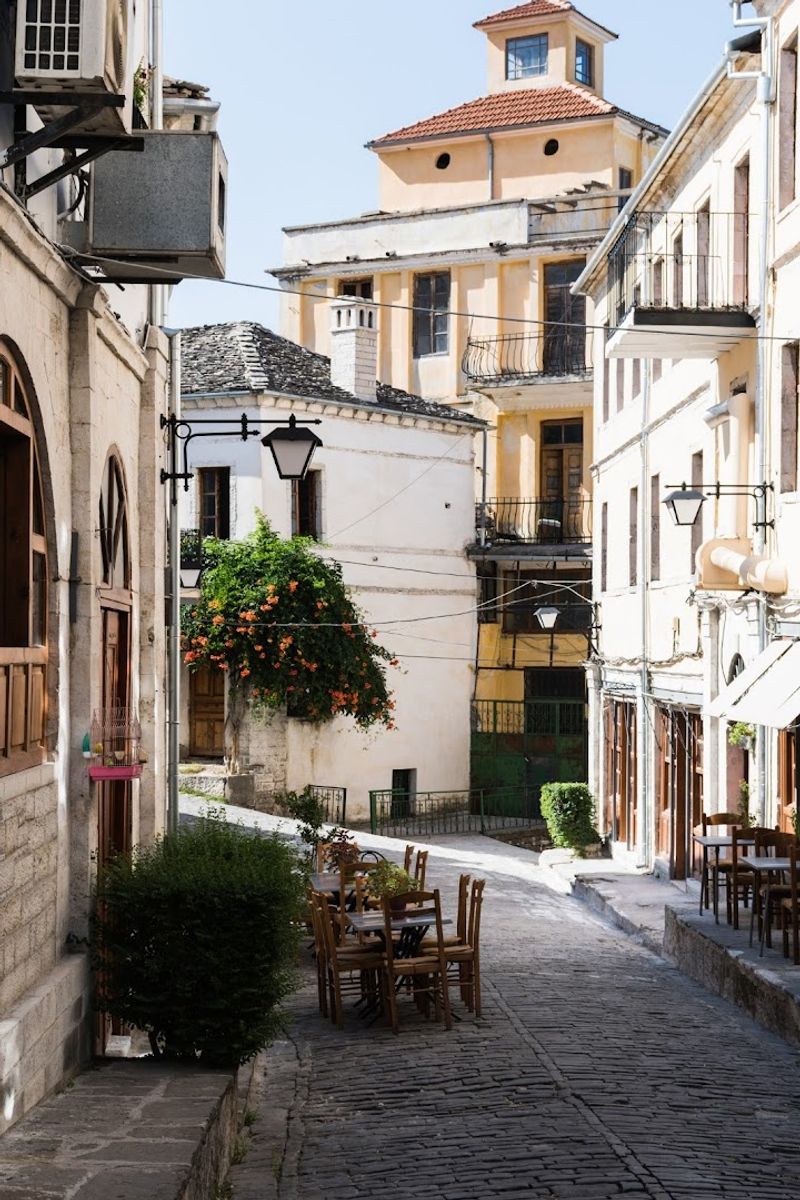
Albania’s Stone City earned that nickname honestly. Gjirokaster is built from grey stone, stacked up a steep hillside, with a medieval castle looming over everything like it owns the place.
Spoiler: it kind of does.
The Ottoman-era houses here are architectural showstoppers, with distinctive slate rooftops that cascade down the slope in dramatic layers. The old bazaar area is still lively, selling local crafts and food without the polished tourist-trap feel you find in more famous European old towns.
Visit the castle for sweeping mountain views and a surprisingly eclectic collection of artifacts, including a captured American spy plane. Yes, really.
Gjirokaster has history, character, and an authenticity that feels increasingly rare. It is also genuinely affordable, which makes the whole experience even better.
Pack comfortable shoes because those cobblestones are not joking around.
Tinos, Greece
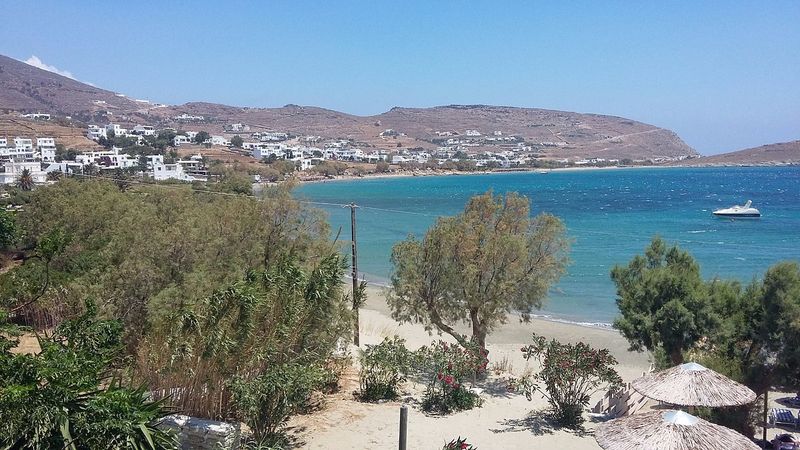
Not every Greek island needs a DJ set and a 20-euro cocktail. Tinos proves that point beautifully, offering Cycladic charm without the Mykonos-style chaos that has made some Greek islands feel more like theme parks than destinations.
Village-hopping here is genuinely rewarding. Pyrgos is famous for its marble craftsmanship, with intricate carvings decorating doorways and fountains.
Volax sits in a surreal landscape of giant boulders that look like they were dropped there by a bored giant. The inland villages are quiet, traditional, and refreshingly unspoiled.
The beaches are good, the tavernas are honest, and the walking paths between villages offer views that require zero filters. Tinos also has a significant religious heritage centered on the Church of Panagia Evangelistria, drawing pilgrims alongside curious travelers.
It is sunny, soulful, and still calm enough to actually enjoy.
Zagori, Greece
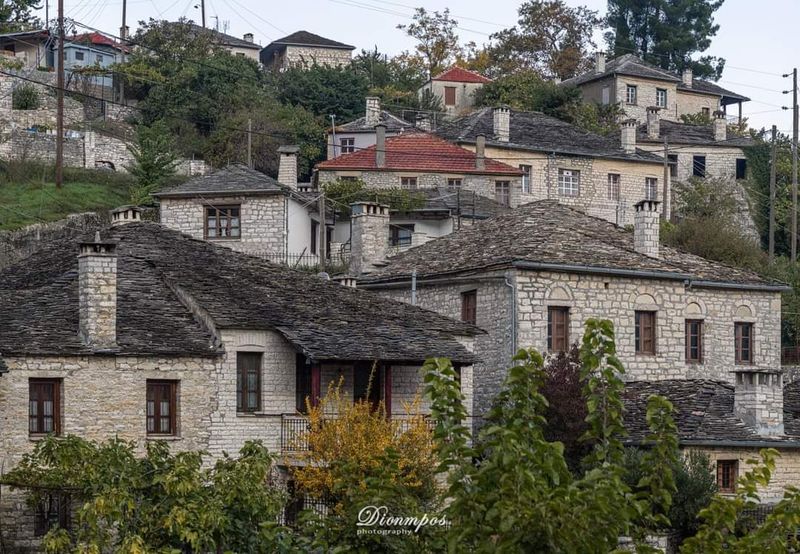
Most people hear Greece and picture a beach. Zagori politely disagrees with that entire concept.
Tucked into the mountains of Epirus, this region is all stone bridges, forested gorges, clear rivers, and villages that look carved directly from the landscape.
The Vikos Gorge is the headline act, listed among the deepest gorges in the world relative to its width. Hiking down into it or along its rim delivers views that feel genuinely earned.
The traditional stone architecture of the Zagori villages, called zagorochoria, is remarkably preserved and deeply satisfying to wander through.
Local guesthouses serve homemade pies, mountain herbs, and warming soups that make you want to stay an extra night. This is Greece for hikers, slow travelers, and anyone tired of beach clubs.
It is wild, beautiful, and still under the radar enough to feel like your own private discovery.
Kutaisi, Georgia
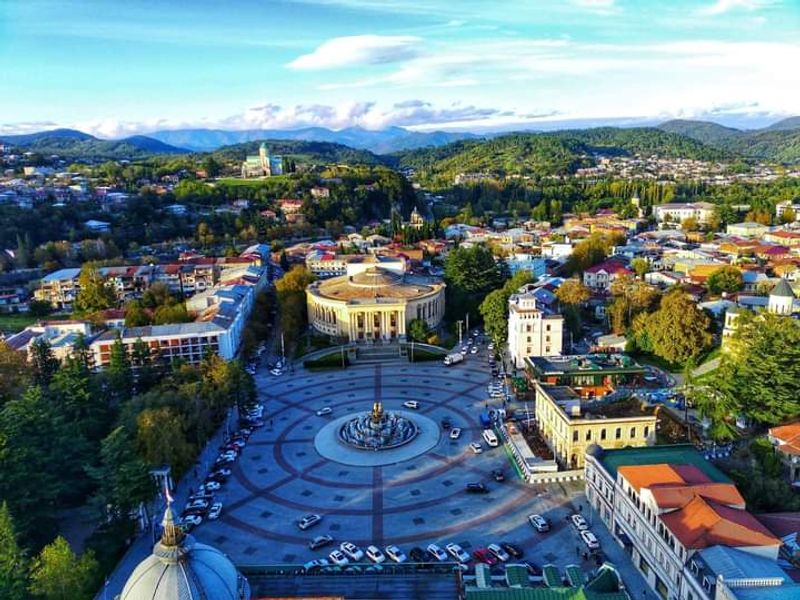
Georgia’s second city gets overshadowed by Tbilisi constantly, and honestly, that is Kutaisi’s greatest advantage. While everyone else is queuing for rooftop bars in the capital, Kutaisi gets on with being a fascinating, lived-in city without any fuss.
The Bagrati Cathedral and Gelati Monastery are two of Georgia’s most important historical sites, and both sit just outside the city without the massive tour groups you might expect. The covered market in the city center is chaotic in the best way, full of spices, local cheese, churchkhela, and vendors who will insist you try everything.
Kutaisi also works brilliantly as a base for exploring nearby Prometheus Cave and Martvili Canyon. Budget airlines fly here directly from several European cities, making it surprisingly accessible.
It feels authentic rather than curated, which is exactly the kind of travel experience worth seeking out.
Svaneti, Georgia
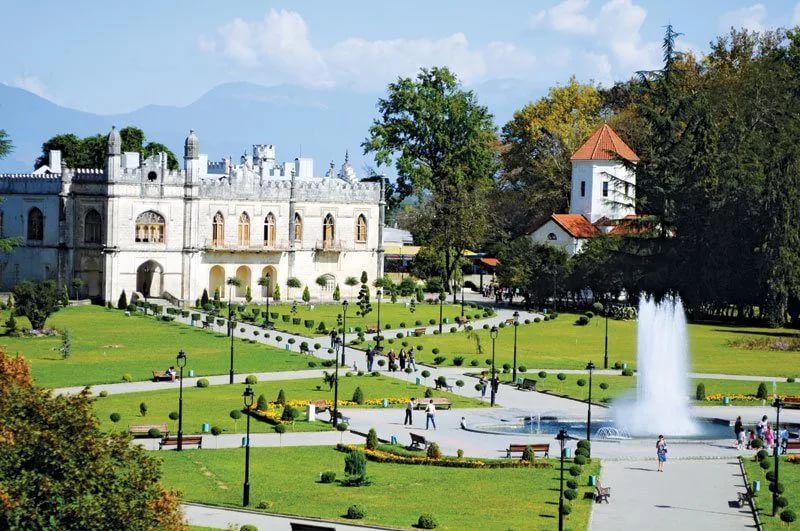
Svaneti does not ease you in gently. It hits you with medieval stone towers rising from highland villages, snow-capped Caucasus peaks filling the horizon, and a culture so distinct it feels like entering a separate country within a country.
The towers are the most iconic feature, built centuries ago by Svan families for defense and storage. Mestia is the main hub, while Ushguli claims the title of one of Europe’s highest continuously inhabited villages.
Getting there requires effort: long mountain roads, unpredictable weather, and seasonal closures that demand proper planning.
That effort is absolutely the point. Svaneti rewards travelers who prepare properly with scenery and cultural depth that the polished Alps simply cannot match.
Bring solid footwear, check road conditions, and go with flexibility built into your schedule. The payoff is one of the most genuinely unforgettable mountain experiences available anywhere in Europe or beyond.
Koszeg, Hungary
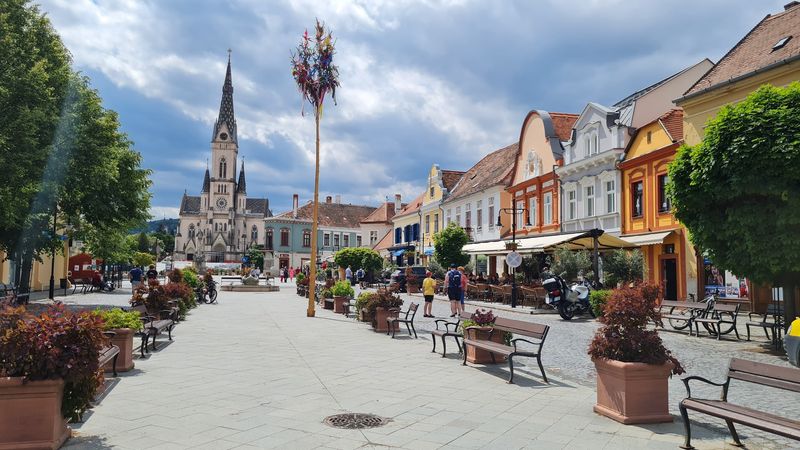
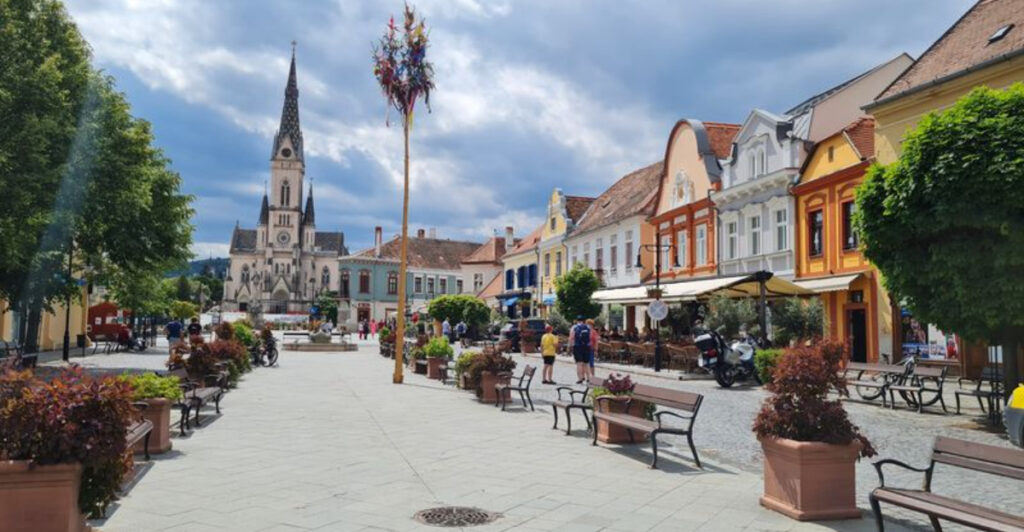
Koszeg is the kind of town that makes you slow down without even trying. Located in western Hungary near the Austrian border, it has colorful historic streets, a well-preserved old center, and a relaxed pace that feels almost rebellious compared to busy city breaks.
The Jurisics Castle is the town’s centerpiece, famous for a legendary 1532 siege where a small Hungarian force held off a massive Ottoman army long enough to delay their advance toward Vienna. That is a remarkable story attached to a remarkably pretty fortress.
Beyond the history, Koszeg is simply pleasant to wander. Coffee shops, local wine, quiet squares, and forested hills surrounding the town make it an ideal weekend escape.
If Budapest feels hectic and Lake Balaton overly familiar, this little gem in the far west of Hungary is exactly the change of pace you need.
Banska Stiavnica, Slovakia
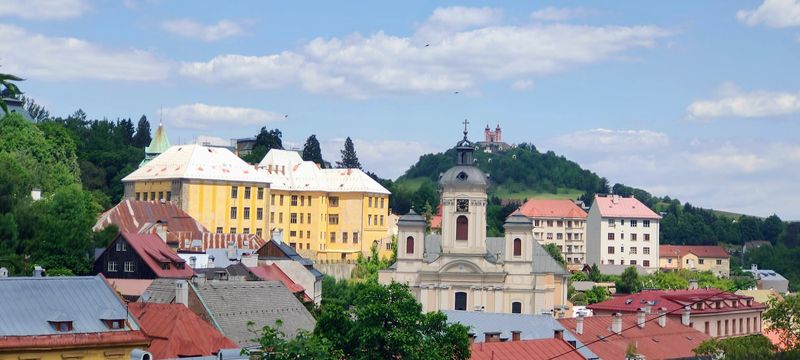
Slovakia does not always get the credit it deserves, and Banska Stiavnica is the clearest proof of that oversight. This former silver-mining town sits in forested hills with a UNESCO-listed center so well-preserved it feels like a film set, except completely real and largely tourist-free.
The mining heritage here is genuinely fascinating. Underground tours, open-air technical monuments, and a mining museum tell the story of a town that was once one of the most important in the Habsburg Empire.
That history adds real depth to what is already a very pretty place to walk around.
The surrounding lakes, called tajchy, were originally built as part of the mining water system and are now perfect for a quiet afternoon stroll. Cafes and local restaurants are affordable and good.
Banska Stiavnica rewards curious travelers who go looking for substance alongside scenery. It has both in generous supply.
Chiricahua National Monument, Arizona
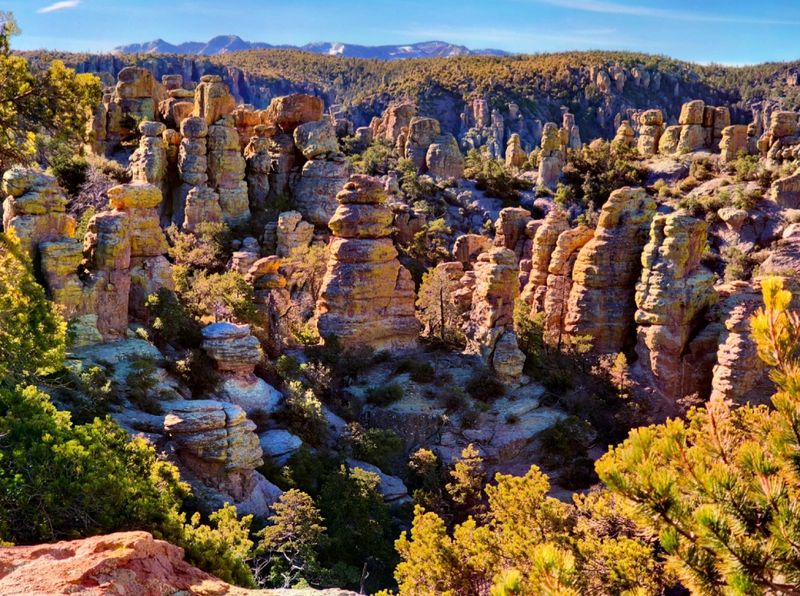
Chiricahua National Monument has been called a wonderland of rocks, and for once, the marketing actually undersells the reality. Rhyolite pinnacles, balanced boulders, and stacked rock columns cover the landscape in formations so bizarre they look digitally generated.
Located in southeastern Arizona, Chiricahua sits well off the beaten path compared to the Grand Canyon or Sedona. That remoteness keeps the crowds thin and the experience genuinely peaceful.
The hiking trails range from easy scenic loops to longer routes through the most dramatic sections of the rock formations.
Night skies here are exceptional. Far from city light pollution, the dark skies above Chiricahua offer serious stargazing that rivals any designated dark sky park.
Wildlife is also abundant: coati, white-tailed deer, and a remarkable variety of bird species pass through regularly. It is strange, beautiful, and still flying well under the radar.
Go before that changes.
Bisti/De-Na-Zin Wilderness, New Mexico
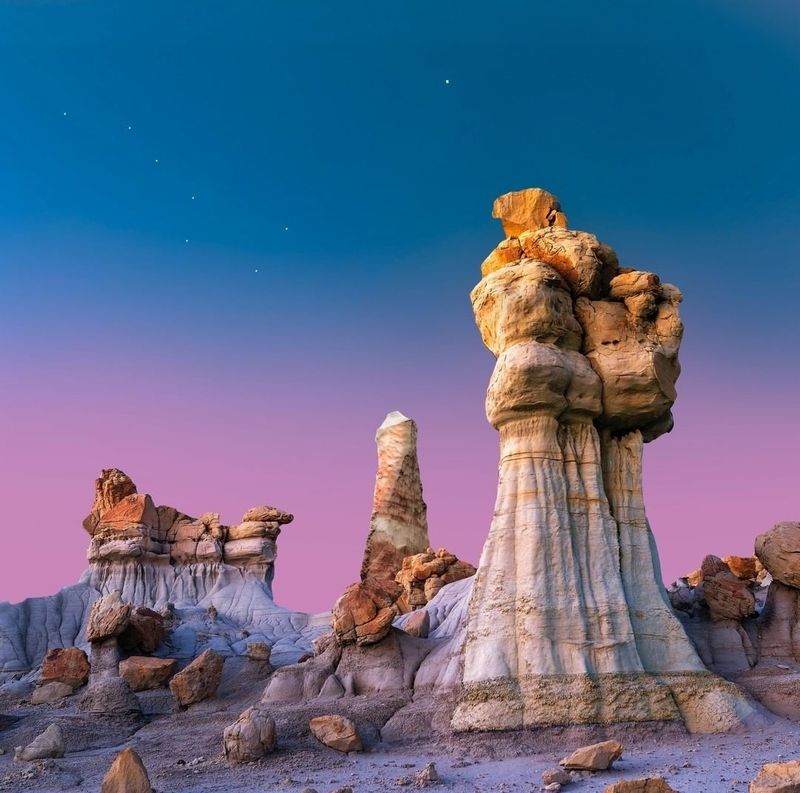
Bisti/De-Na-Zin Wilderness looks like the set of a science fiction film, except no studio built it. The badlands of northwestern New Mexico have spent millions of years eroding into hoodoos, crumbling spires, and fossil-rich formations that genuinely have no equivalent anywhere else in the American Southwest.
There are no marked trails here, which is both the challenge and the appeal. Navigation requires offline maps or a GPS, and the terrain shifts constantly enough to disorient even experienced hikers.
Bring more water than you think you need, serious sun protection, and a willingness to get a little lost in the best possible way.
The reward for all that preparation is extraordinary solitude. Most visitors to New Mexico head to White Sands or Carlsbad Caverns.
The people who find Bisti tend to return. It is fragile, remote, and unlike anything else on this list or any other.
North Cascades National Park, Washington
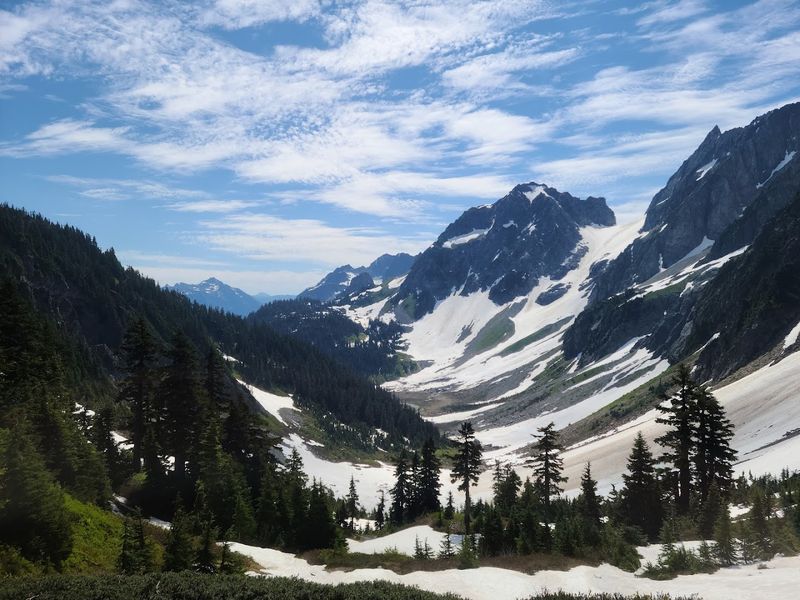
North Cascades National Park sits less than three hours from Seattle, yet it consistently gets overlooked in favor of Rainier and Olympic. That oversight is a gift to anyone who actually shows up, because this park is wildly dramatic and refreshingly uncrowded.
The statistics alone are impressive: over 300 glaciers, more than in any other US park outside Alaska. Jagged peaks rise above forested valleys, alpine lakes reflect the sky in shades of blue and green, and waterfalls drop off cliff faces with zero concern for modesty.
The North Cascades Highway, open seasonally, delivers one of the best scenic drives in the entire country.
Check road and trail conditions before visiting, as winter closures can run well into spring. The window of full access is shorter than most parks, but visitors who time it right get mountain scenery that rivals Yosemite without the parking lottery stress.
Banska Bystrica Region, Slovakia
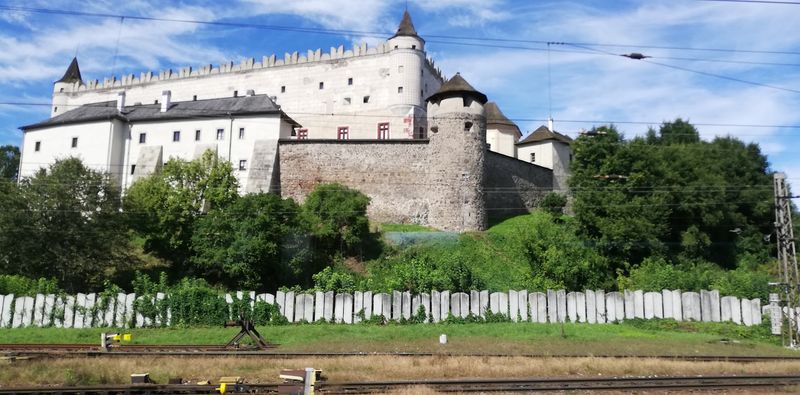
Slovakia keeps quietly outperforming expectations, and the Banska Bystrica region is a prime example of that underrated charm. Sitting in central Slovakia surrounded by mountains, it offers historic towns, medieval castles, forested hiking terrain, and local food that deserves far more international attention than it gets.
The city of Banska Bystrica itself has a handsome historic square with Renaissance and Baroque architecture that would draw huge crowds if it were in Austria or Czech Republic. It does not, which means you can actually enjoy it.
Nearby, Vlkolínec is a UNESCO-listed folk village so well-preserved it feels frozen in time.
This region works beautifully as a slow road trip base. Combine castle ruins, mountain walks, local bryndza cheese, and affordable guesthouses into a few days of genuinely satisfying travel.
Central Europe has plenty of famous destinations. Slovakia’s Banska Bystrica region quietly offers something better: the real thing, without the crowds.
Share this story