Hollywood has a long history of overlooking Black talent, even when the performances are impossible to ignore. Some of the most powerful acting ever put on screen came from Black actors who walked away from Oscar night empty-handed.
That does not make their work any less extraordinary. Here are 15 Black actors whose performances deserved far more than the Academy gave them.
Paul Robeson: A Trailblazer the Academy Never Properly Recognized
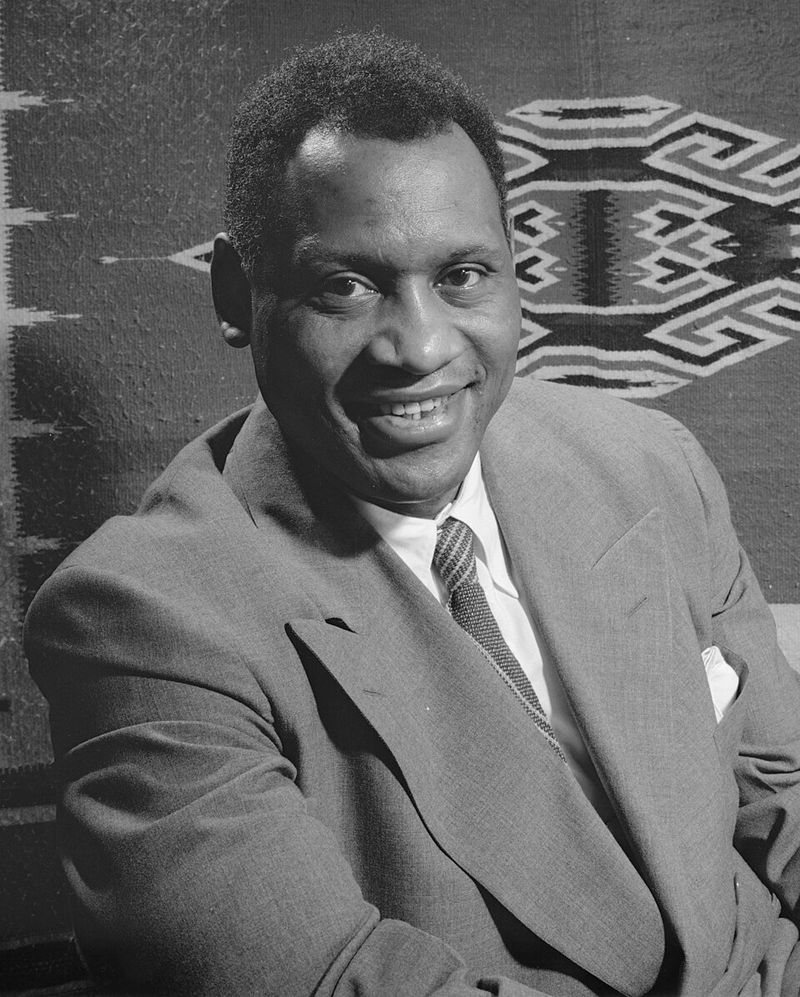
Before Sidney Poitier, before Denzel, there was Paul Robeson, a man so talented Hollywood did not know what to do with him. His roles in The Emperor Jones and Show Boat were commanding, dignified, and unlike anything audiences had seen from a Black actor at the time.
Robeson never received a single Oscar nomination. Not one.
The Academy’s silence on his work says everything about the era’s racial politics and nothing about his skill. His activism made him a target, not a darling, of mid-century Hollywood.
Still, Robeson’s legacy outlasted every slight. He proved that Black performers could carry a film with authority and grace, long before the industry was ready to admit it.
Generations of Black actors owe a debt to his courage, both on screen and off. The Academy missed its chance.
History did not.
Ethel Waters: A Pioneer Who Made Oscar History but Did Not Win
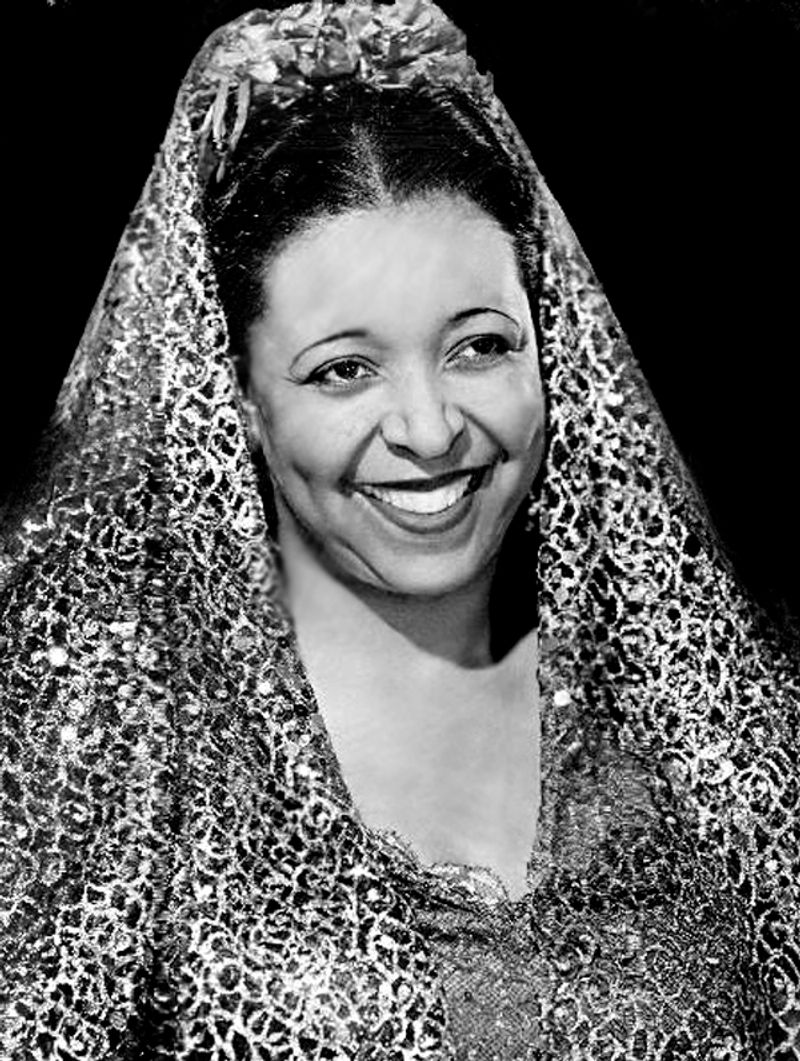
Ethel Waters did something remarkable in 1949 that most people have forgotten: she became one of the first Black women ever nominated for an Academy Award. Her performance in Pinky was subtle, grounded, and emotionally precise in all the right ways.
She did not win, but that nomination cracked something open. Waters spent decades moving between jazz clubs, Broadway stages, and film sets, bringing a rare combination of musical soul and dramatic instinct to everything she touched.
What makes her story so compelling is that she fought for serious roles at a time when Hollywood barely offered them to Black women. She was not just performing; she was pushing the entire industry forward, one role at a time.
The Oscar missed her, but her influence never missed a beat. Her work remains a quiet, powerful cornerstone of Black cinema history.
James Earl Jones: A Legendary Voice Without a Competitive Oscar Win
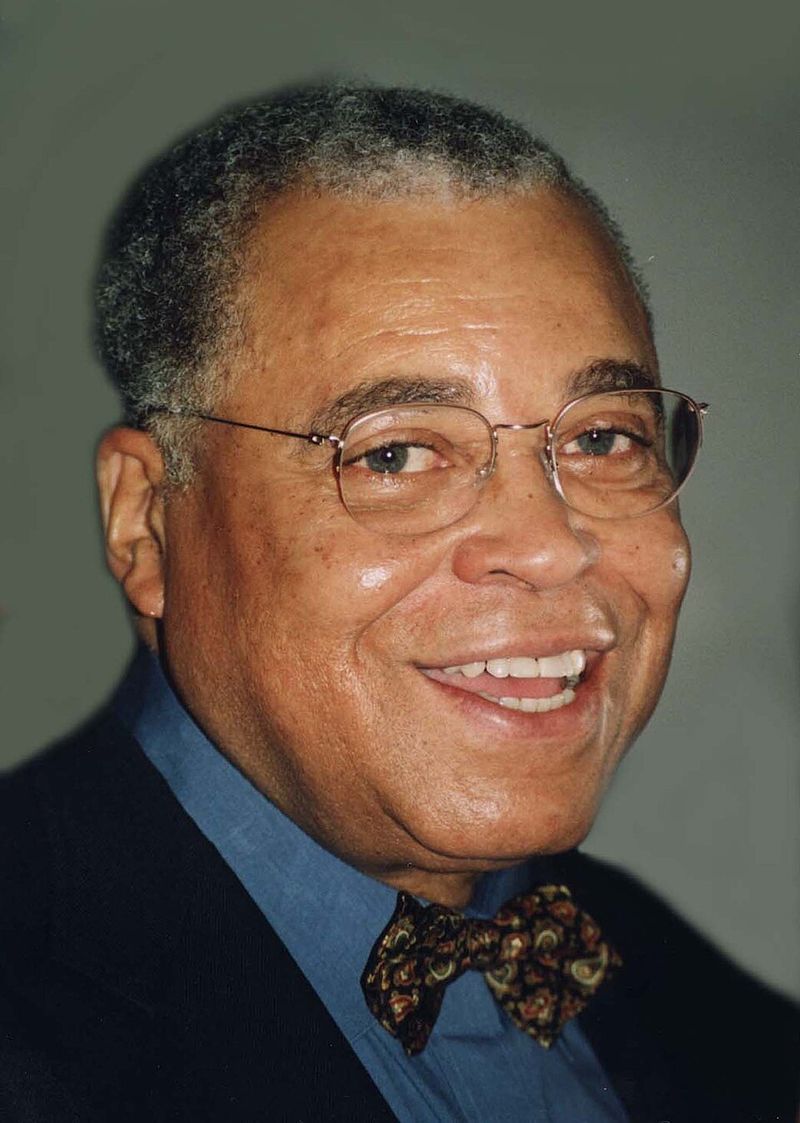
Most people hear James Earl Jones’s voice and immediately think of Darth Vader or Mufasa. But long before those iconic roles, Jones delivered one of the most electrifying dramatic performances of his generation in The Great White Hope.
He earned a Best Actor nomination for that role and gave a performance so layered and fierce it should have ended the night with a win. It did not.
Jones eventually received an Honorary Oscar, which is lovely but not quite the same as winning for a specific, extraordinary piece of work.
His career spans decades of theater, film, and television, and his influence is almost impossible to measure. The man voiced the opening of CNN and the Dark Side of the Force.
He played kings, generals, and gods. The Academy gave him an honorary nod, but a competitive win would have been a more fitting tribute to his singular talent.
Cicely Tyson: A Giant of the Screen Who Deserved More
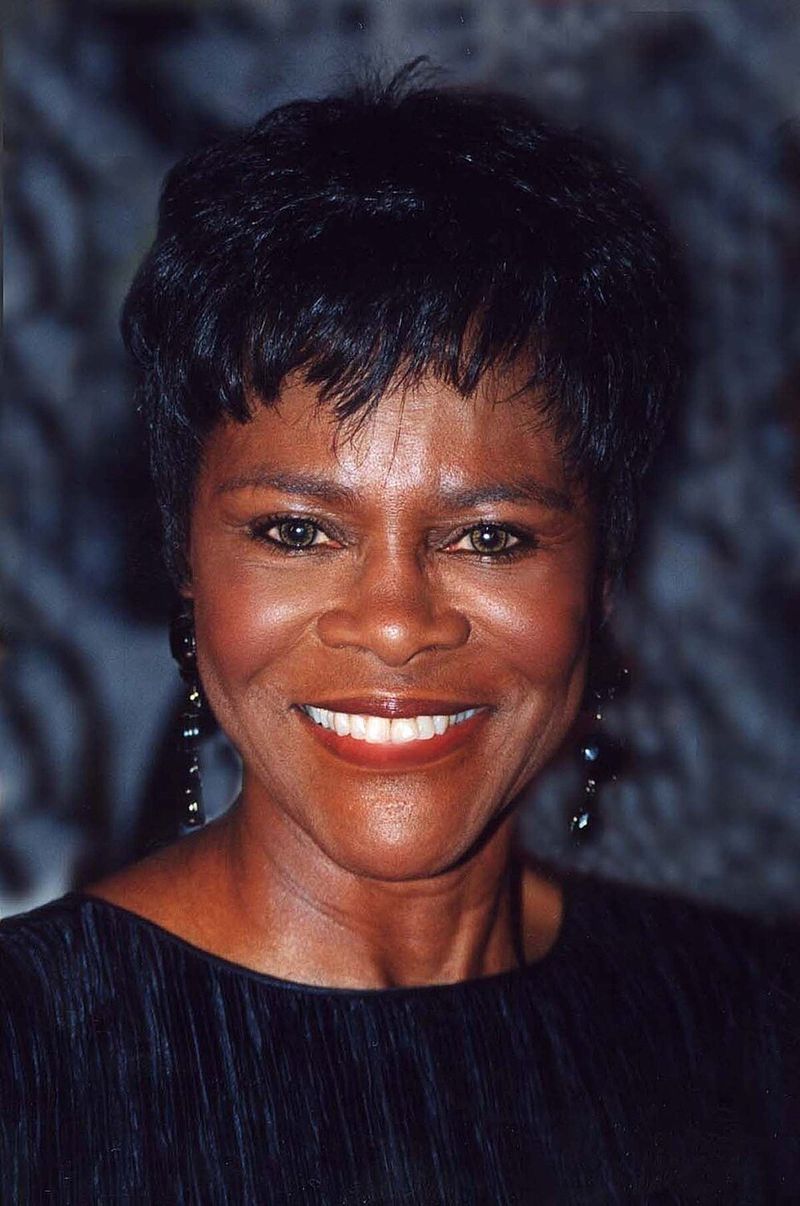
Cicely Tyson was not just an actress; she was a statement. Every role she chose carried weight and intention, and her nomination for Sounder in 1973 was one of the most deserved in Oscar history.
She played a mother holding her family together under crushing pressure, and she did it with a stillness that hit harder than any big dramatic scene. Tyson later received an Honorary Oscar, which recognized her lifetime of work but still felt like a gentle apology for years of overlooking.
What set Tyson apart was her refusal to accept roles that diminished Black women. In an industry that often handed out demeaning parts, she held the line with extraordinary discipline.
She was not just acting in films; she was reshaping what Black womanhood looked like on screen. That kind of quiet revolution deserves more than an honorary award at the end of a career.
Diana Ross: A Stunning Transformation in Lady Sings the Blues
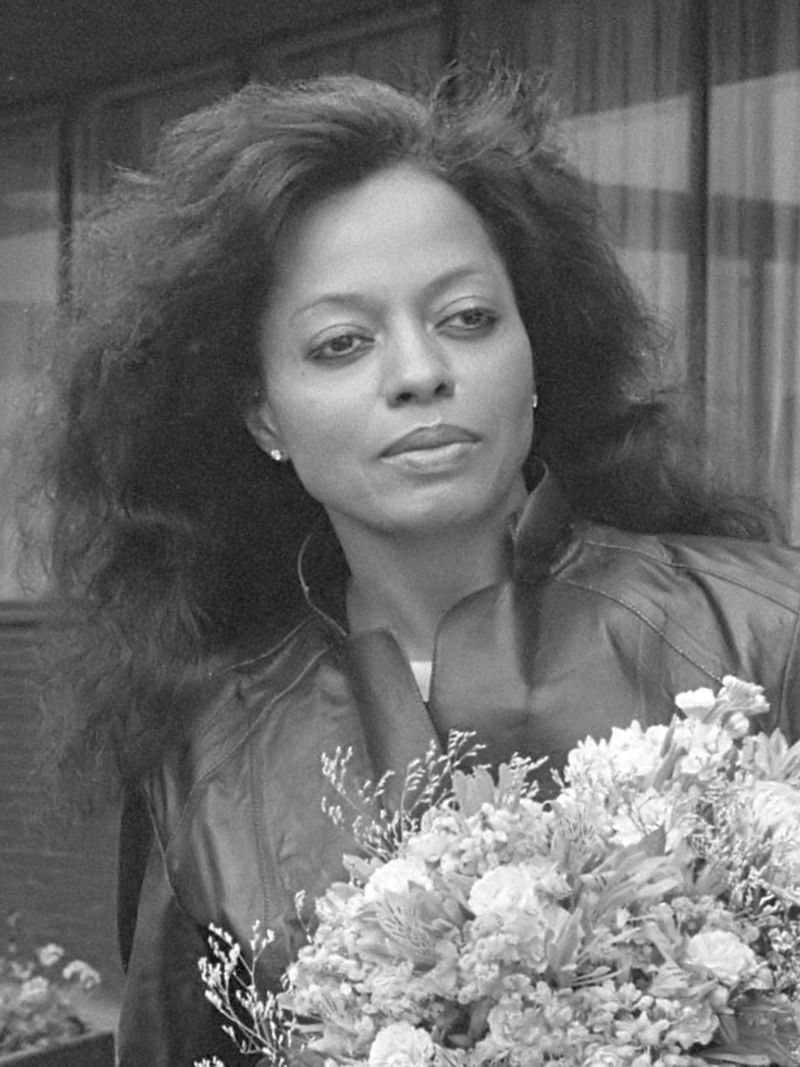
Nobody expected Diana Ross to walk into a film set and become Billie Holiday. That is exactly what made her 1972 Best Actress nomination for Lady Sings the Blues so jaw-dropping.
She did not just play the role; she inhabited it completely.
Ross brought glamour, heartbreak, and raw vulnerability to a performance that many seasoned film actresses would have struggled to pull off. The fact that she was primarily known as a pop superstar made the achievement even more striking.
She did not win, but the nomination alone shifted how Hollywood saw her. More importantly, it shifted how audiences saw what a Black woman could do on screen when given the right material.
The role remains one of the most unforgettable musical biopic performances ever filmed. Ross proved that sometimes the best acting comes from someone who has nothing to prove and everything to give.
Paul Winfield: A Heartbreaking Performance in Sounder
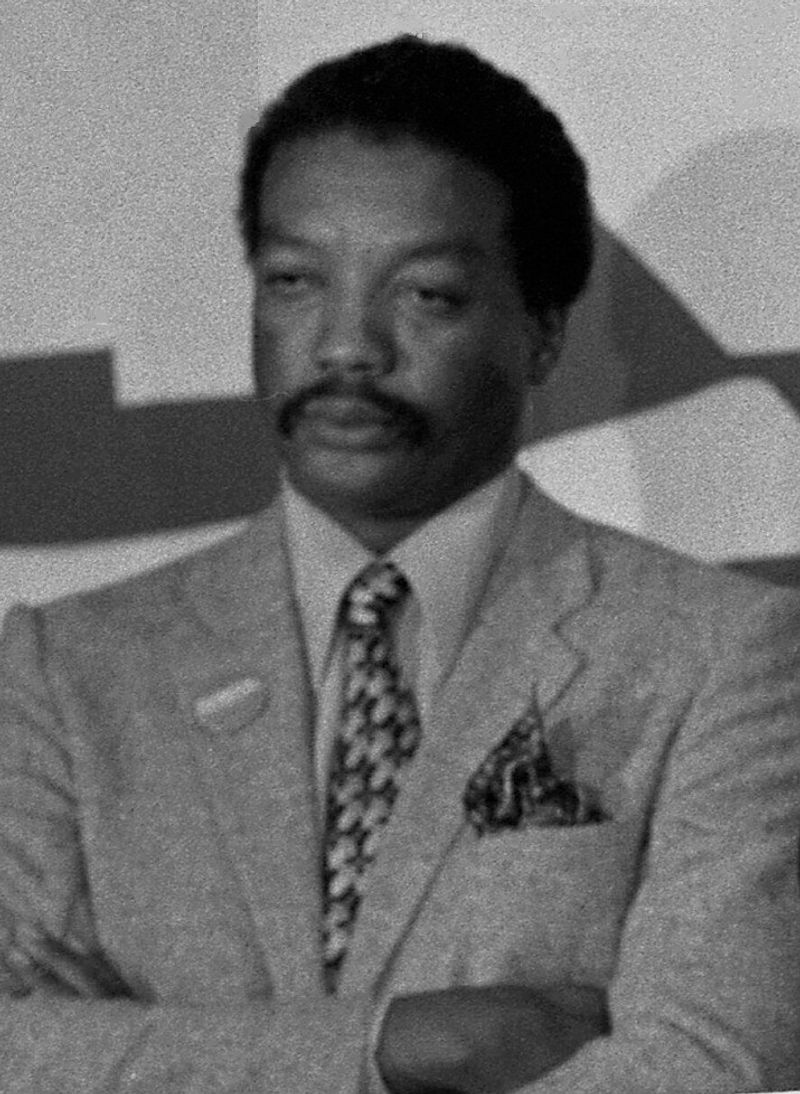
Paul Winfield made grown adults cry in Sounder, and he did it without a single moment of overacting. That is a rare and genuinely difficult thing to pull off.
His 1973 Best Actor nomination was well-earned, and the loss still stings a little.
He played a sharecropper father separated from his family by an unjust system, and he carried the film’s emotional weight with quiet, unshakable dignity. Winfield never went big when small was exactly right.
That kind of restraint is harder than it looks.
The same year he was nominated, Marlon Brando won for The Godfather. That is tough competition by anyone’s standard.
But Winfield’s performance in Sounder has stayed with audiences for decades, which says something powerful about its impact. He brought sincerity and truth to every scene, creating a father figure so real and so loving that you felt the loss of every moment he was off screen.
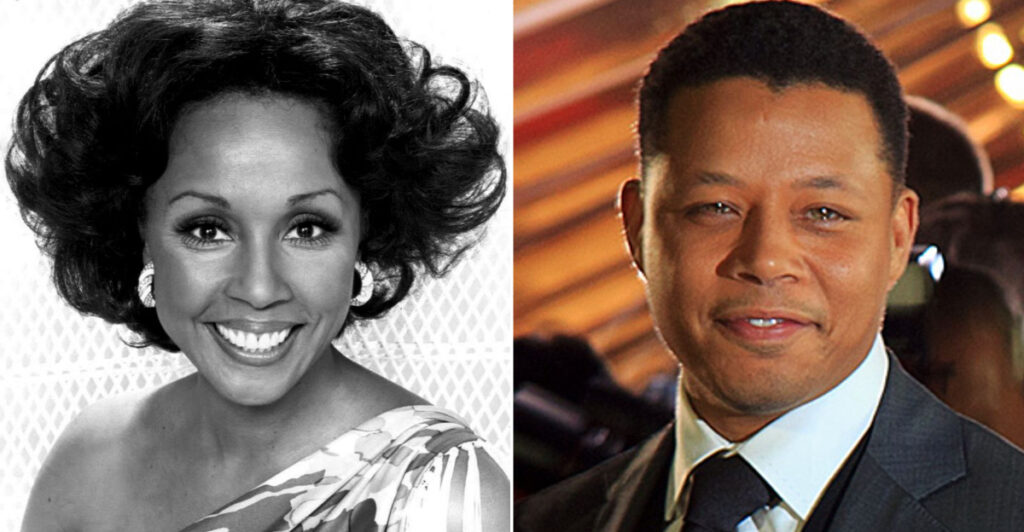
Diahann Carroll: A Graceful Star Overlooked for Claudine
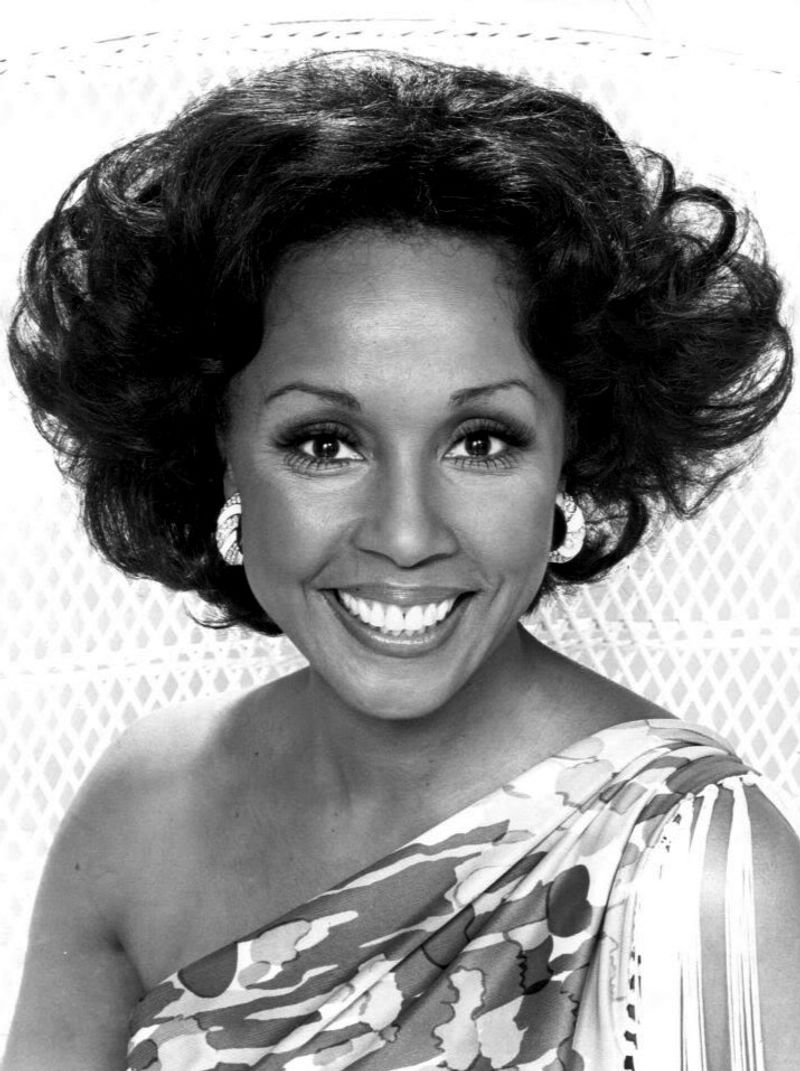
Diahann Carroll played tired, hopeful, funny, and heartbroken all in the same film, and she made it look effortless. Her Best Actress nomination for Claudine in 1975 recognized a performance that was as honest as anything that decade had to offer.
The character was a single Black mother navigating welfare, romance, and survival in New York City. Carroll gave her full, complicated humanity rather than reducing her to a symbol.
That kind of specificity in a role is what separates good acting from great acting.
She did not win, but the nomination itself was a cultural moment. Hollywood rarely centered Black working-class women’s stories with that level of care, and Carroll made sure the story was told with warmth and intelligence.
Her career across film and television helped expand what kinds of roles Black actresses could realistically pursue, and that legacy matters more than any single trophy ever could.
Alfre Woodard: One Nomination Was Never Enough
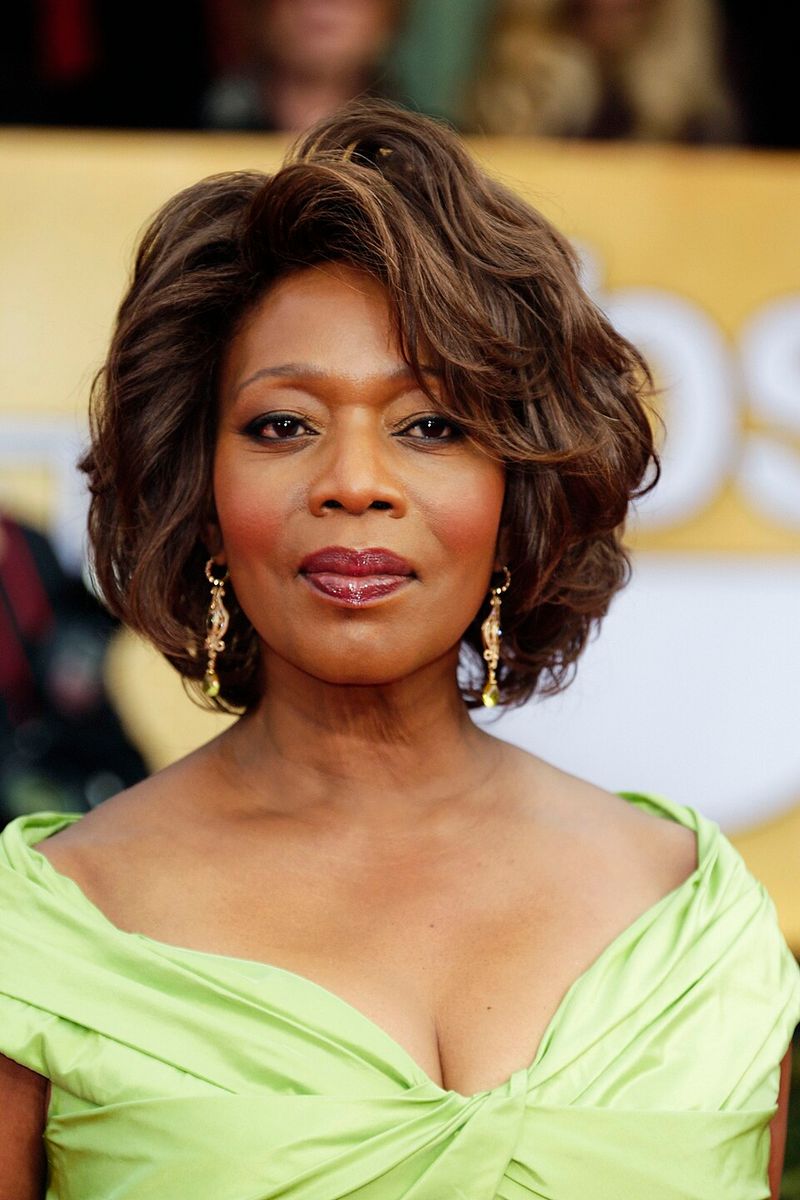
One Oscar nomination for Alfre Woodard is frankly an embarrassment for the Academy. The woman has delivered more award-worthy performances than most actors manage in two lifetimes, yet the Academy tapped her shoulder exactly once, for Cross Creek in 1984.
Her range is genuinely staggering. Woodard can play quiet grief, sharp authority, or burning moral conviction, sometimes all in the same scene.
She has been one of the most consistently excellent actresses in Hollywood for over four decades.
What makes this oversight so frustrating is that the performances are right there, undeniable and on the record. Passion FishClemency12 Years a Slave, , : these are the kinds of roles that define careers and should define award seasons.
The Academy’s one acknowledgment of her work is less a recognition and more an accidental glance in her direction. Woodard deserved a shelf full of nominations, not a single polite nod.
Ruby Dee: A Lifetime of Brilliance, One Oscar Nomination
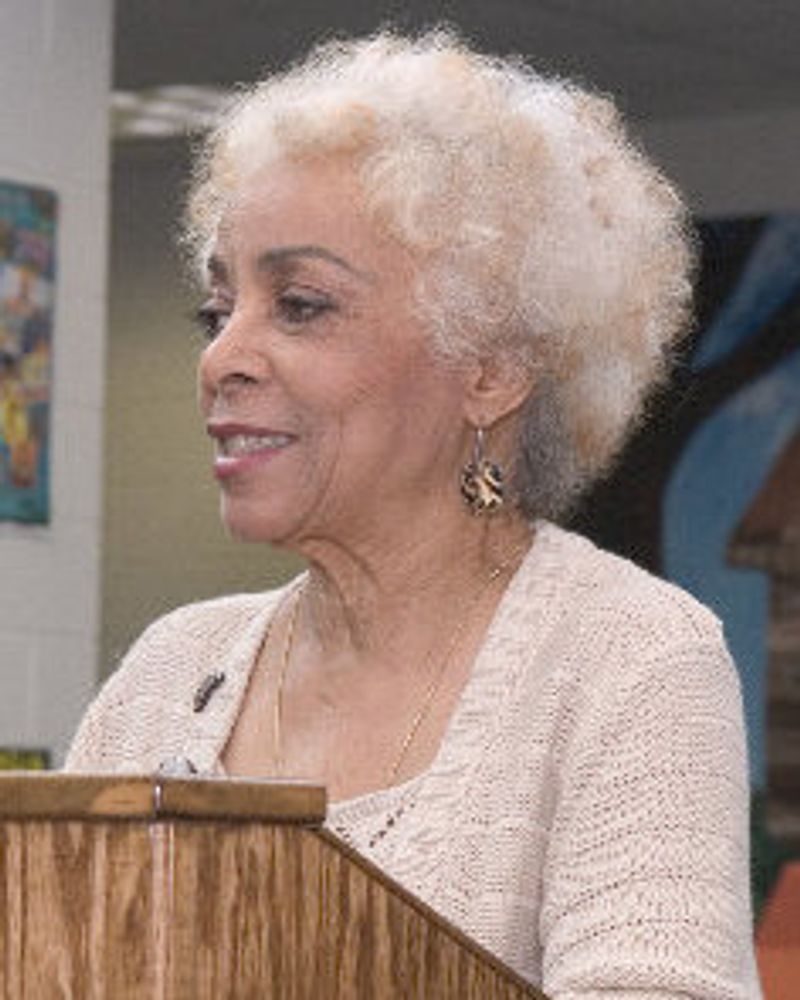
Ruby Dee received her first and only Oscar nomination at age 83 for American Gangster. Let that sink in.
Eighty-three years old, one brief but devastating scene, and the Academy finally looked her way. Better late than never, but also: what took so long?
Her role was small in screen time but enormous in impact. She played the moral center of the film in just a few minutes of footage, which is the mark of a truly exceptional actress.
Dee had been doing exactly that kind of powerful work since the 1950s.
Beyond acting, she was a writer, activist, and cultural force alongside her husband Ossie Davis. Their partnership was one of the great love stories and creative collaborations in American arts history.
A single nomination near the end of her career barely scratches the surface of what she contributed to film, theater, and the ongoing fight for dignity in storytelling.
Laurence Fishburne: A Fearless Turn as Ike Turner
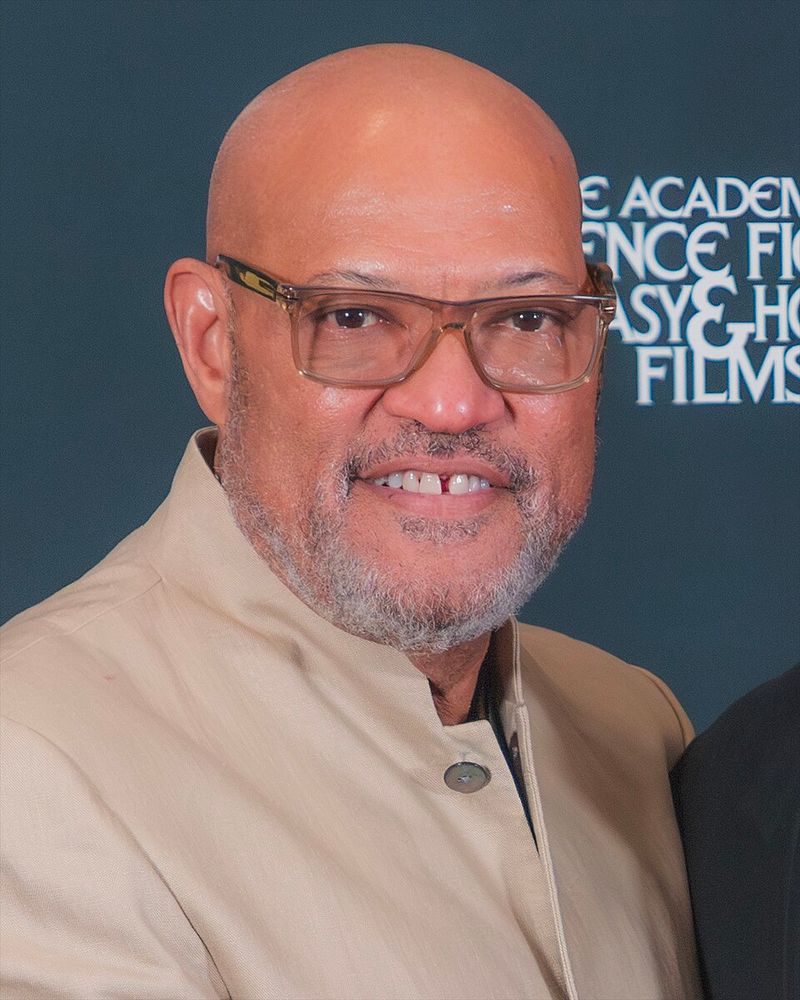
Playing Ike Turner was never going to be easy. The role required Fishburne to portray genuine menace without tipping into caricature, and he walked that line with remarkable precision in What’s Love Got to Do with It.
His 1994 Best Actor nomination recognized a performance full of controlled intensity. Fishburne did not soften the character or ask for sympathy.
He let the complexity speak for itself, which made the whole film far more honest than a sanitized version would have been.
He did not win, but the performance helped cement his reputation as one of the most fearless actors of his generation. Fishburne has since moved across stage, film, television, and blockbuster franchises with consistent authority.
Whether he is playing a philosopher in a trench coat or a father in crisis, he brings the same focused intelligence to every role. The Oscar missed him, but the industry never has.
Angela Bassett: Two Nominations, No Competitive Oscar
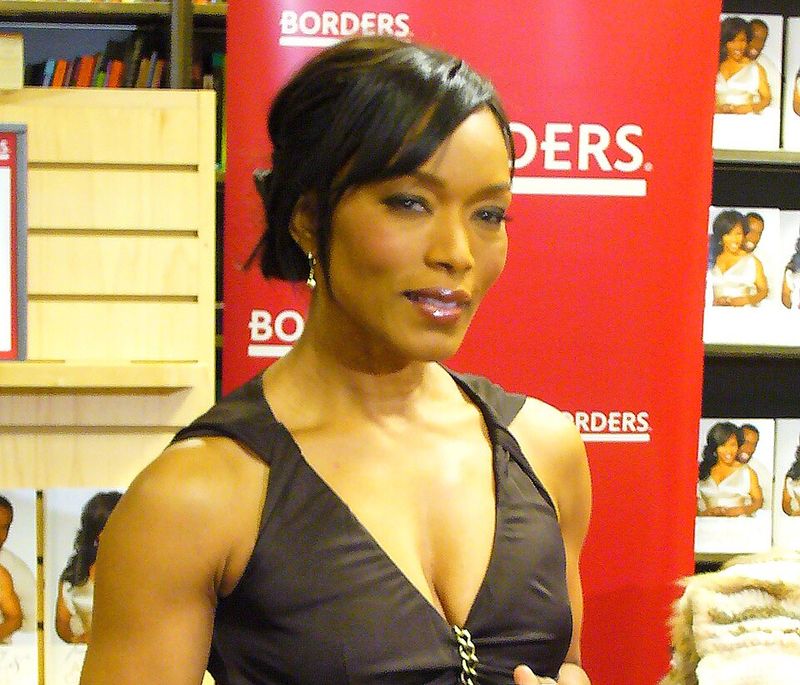
Angela Bassett’s portrayal of Tina Turner in What’s Love Got to Do with It is one of the most physically and emotionally committed performances in biopic history. The woman trained like an athlete and performed like a force of nature.
She earned a Best Actress nomination and deserved to win it. She did not.
Years later, she earned a Best Supporting Actress nomination for Black Panther: Wakanda Forever and delivered again. She did not win that one either.
The pattern is frustrating to watch.
Bassett eventually received an Honorary Oscar, which acknowledged her career but sidestepped the specific question of why two extraordinary nominated performances never translated into a win. Her discipline, power, and emotional precision have made her one of the most respected actresses alive.
Two nominations and zero competitive wins is not a reflection of her talent. It is a reflection of the Academy’s recurring blind spots.
Samuel L. Jackson: A Cultural Icon With No Competitive Acting Oscar
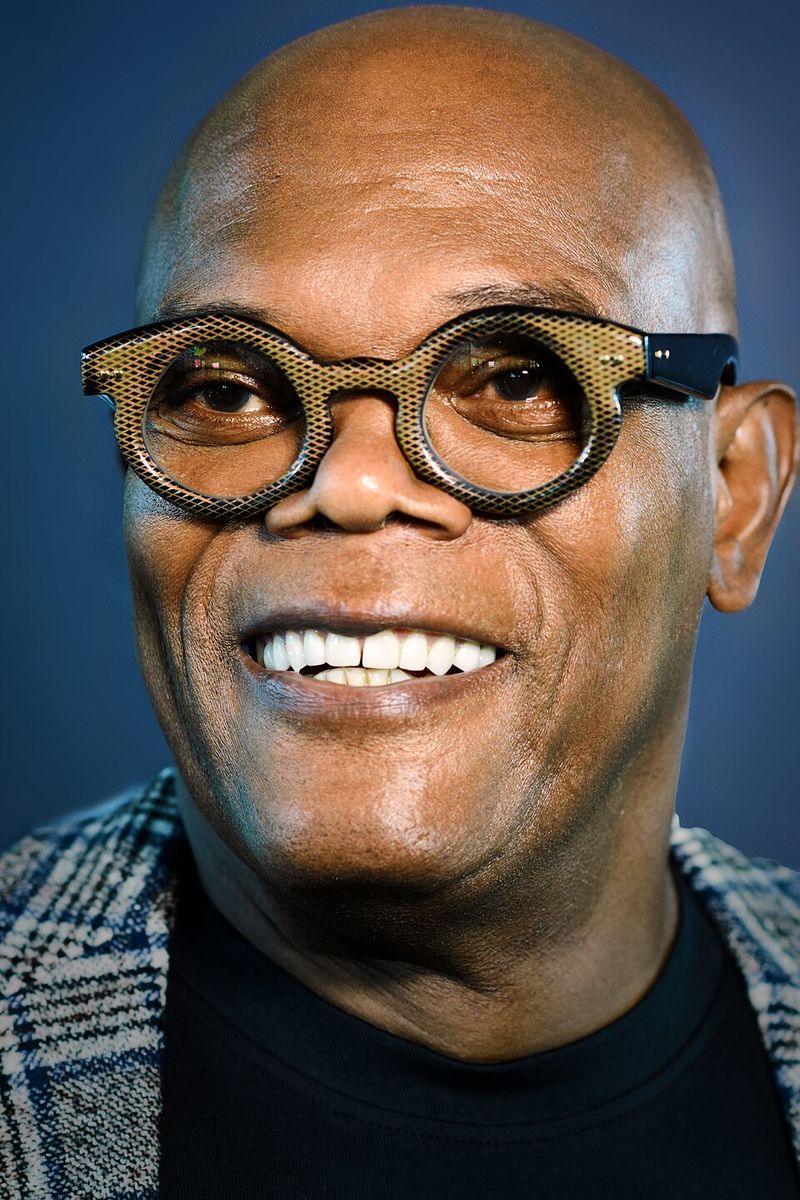
Samuel L. Jackson’s performance in Pulp Fiction is the kind of acting that makes film students pause and rewind the same scene fifteen times just to study what he is doing.
His nomination for Best Supporting Actor in 1995 was absolutely right. The loss was absolutely wrong.
Jules Winnfield became one of the most quoted, referenced, and imitated characters in modern cinema. Jackson brought rhythm, menace, humor, and unexpected depth to a role that could have been pure surface.
He made every single line feel inevitable.
He received an Honorary Oscar decades later, which the industry clearly intended as a recognition of everything he had built. But Jackson’s filmography is one of the most remarkable in Hollywood history, and a competitive win for Pulp Fiction would have been a perfect match of performance and recognition.
The Academy had one clear shot and, somehow, missed it completely.
Don Cheadle: A Devastating Lead Performance in Hotel Rwanda
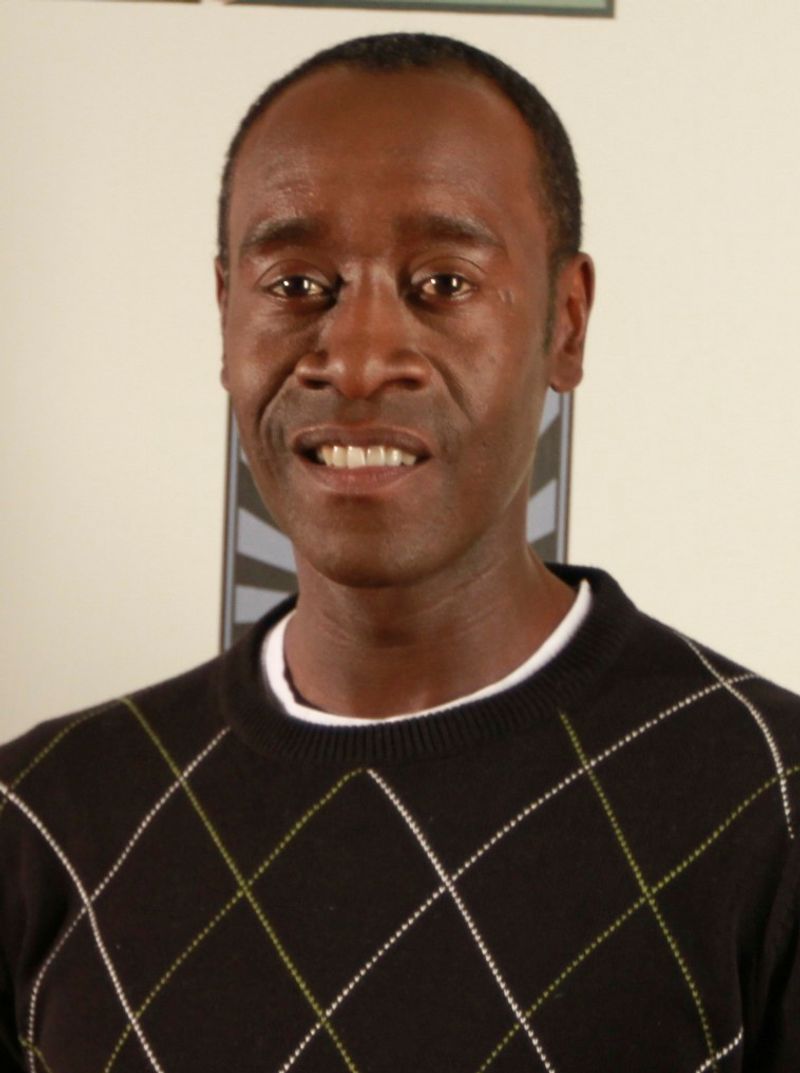
Don Cheadle does something in Hotel Rwanda that most actors are afraid to try. He plays a hero without ever letting the character feel heroic.
Paul Rusesabagina is terrified, conflicted, and uncertain throughout, and that is exactly what makes the performance so devastating.
His 2005 Best Actor nomination was one of the most deserved of that decade. Cheadle kept the performance grounded in human fear rather than cinematic glory, which gave the film its moral weight.
Restraint is a skill. He used it masterfully.
He did not win, losing to Jamie Foxx for Ray. That is a genuinely tough call, but the loss still feels like a missed opportunity.
Cheadle has continued building one of the most intelligent and varied careers in Hollywood, moving between drama, comedy, and the Marvel universe with equal ease. His work in Hotel Rwanda remains a benchmark for how to carry a film about real, unbearable history.
Terrence Howard: A Breakout Role in Hustle and Flow
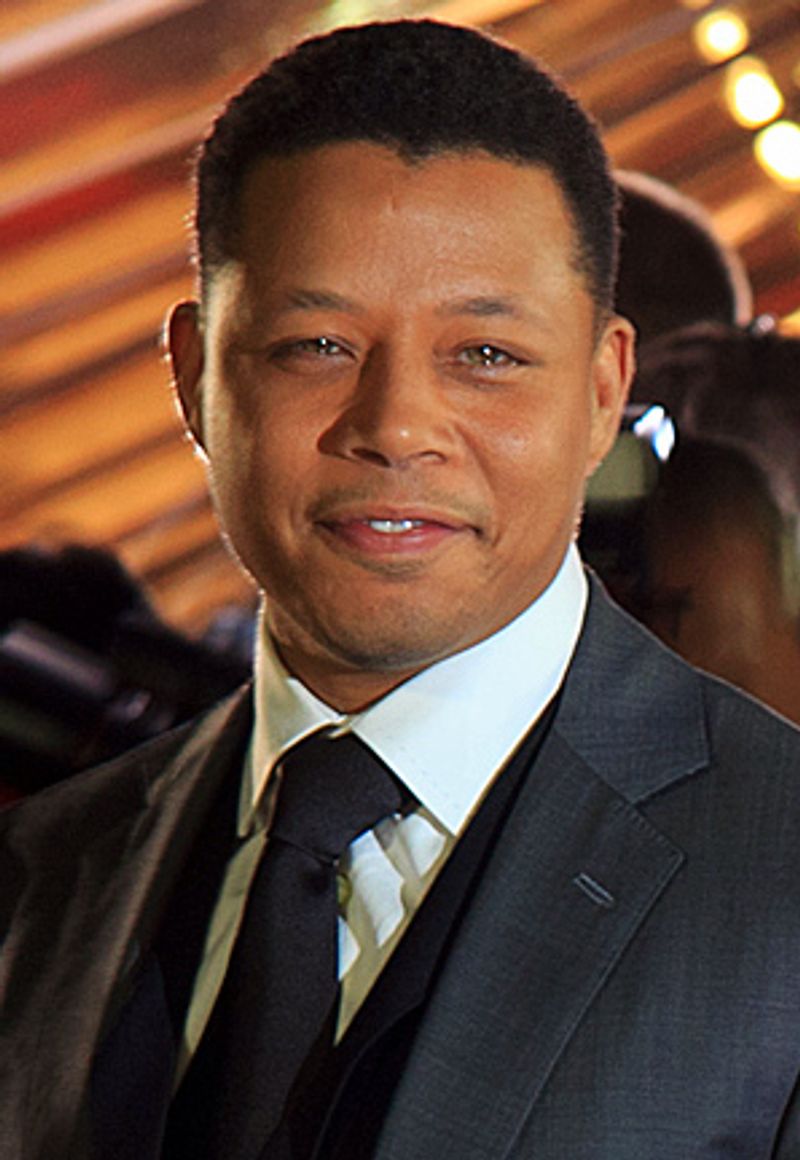
Terrence Howard walked into Hustle and Flow and turned a Memphis street hustler into one of the most compelling characters of 2005. His Best Actor nomination was a genuine surprise to some and completely obvious to anyone who watched the film.
DJay is not an easy character to root for. He is flawed, selfish, and desperate.
Howard found the ambition and vulnerability underneath all of that and built a performance that felt raw and completely alive. That is not a small thing.
He did not win, but the role launched him into a new level of industry recognition. Howard has always been an actor of restless energy, capable of unpredictability that keeps audiences slightly off-balance in the best possible way.
The performance in Hustle and Flow showed what he could do when given real material and the space to run with it. The Oscar voters took a pass.
The audience never did.
Taraji P. Henson: Heart and Warmth in The Curious Case of Benjamin Button

Taraji P. Henson had about twenty minutes of screen time in The Curious Case of Benjamin Button and somehow became the emotional core of a two-and-a-half-hour film.
That is not luck. That is craft.
Her 2009 Best Supporting Actress nomination recognized a performance built entirely on warmth, humor, and quiet love. Queenie was the kind of character who could have been a background figure, but Henson refused to let her disappear into the scenery.
Every moment she was on screen, you felt the heart of the story.
She did not win, but the nomination introduced her to a wider audience who would later follow her into EmpireHidden Figures, , and beyond. Henson has since built a career defined by range, charisma, and an ability to make every character feel completely real.
The Oscar may not have come home with her that night, but her reputation absolutely did.
Share this story