Located inside the Lebanon-Laclede County Library, the Route 66 Museum offers an engaging look at one of America’s most famous highways without charging an admission fee. Though modest in size, it brings the history of Route 66 to life through authentic artifacts, recreated roadside scenes, and exhibits that highlight the people, businesses, and communities that shaped the Mother Road.
The museum focuses not only on the highway itself but also on Lebanon’s role in Route 66 history. Visitors can explore displays filled with vintage memorabilia, photographs, and local stories that reveal how this small Missouri town became part of a much larger American journey.
What makes the museum memorable is its attention to detail and sense of place. Whether you are traveling the full length of Route 66 or simply passing through town, it offers a deeper appreciation for the road’s cultural impact and the communities that helped define it.
Here’s why this free attraction has become a favorite stop for history buffs, road-trippers, and Route 66 enthusiasts alike.
Where the Museum Lives and How to Find It
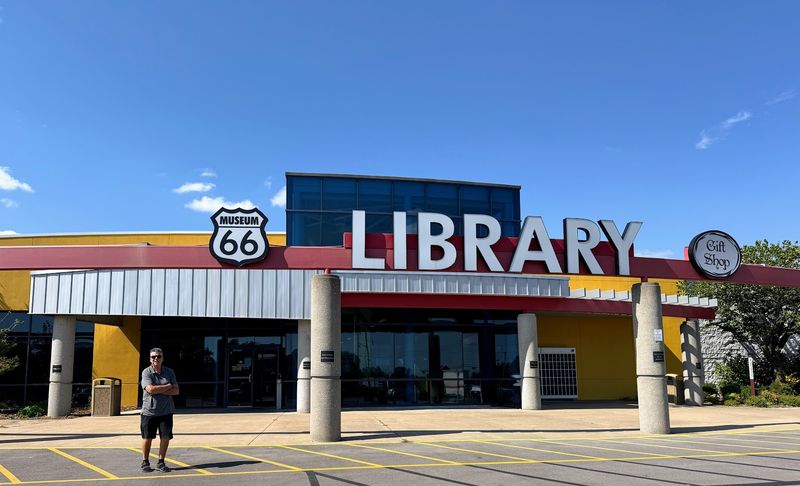
Not every museum announces itself with a grand facade, and this one is especially easy to underestimate from the outside. The Route 66 Museum is housed inside the Lebanon-Laclede County Library at 915 S Jefferson Ave, Lebanon, MO 65536, right in the heart of Laclede County.
The phone number is +1 417-532-2148, and the museum is open Monday through Thursday from 8 AM to 8 PM, Friday from 8 AM to 5 PM, and Saturday from 10 AM to 4 PM. It is closed on Sundays.
To find the exhibits once inside, walk straight to the back of the library, turn right past the gift shop, and the museum opens up in front of you. The setup is calm and unhurried, which honestly suits the subject perfectly.
Lebanon positioned itself deliberately along Route 66 starting in 1926, and the town has never stopped celebrating that decision.
A Town That Chased the Mother Road on Purpose
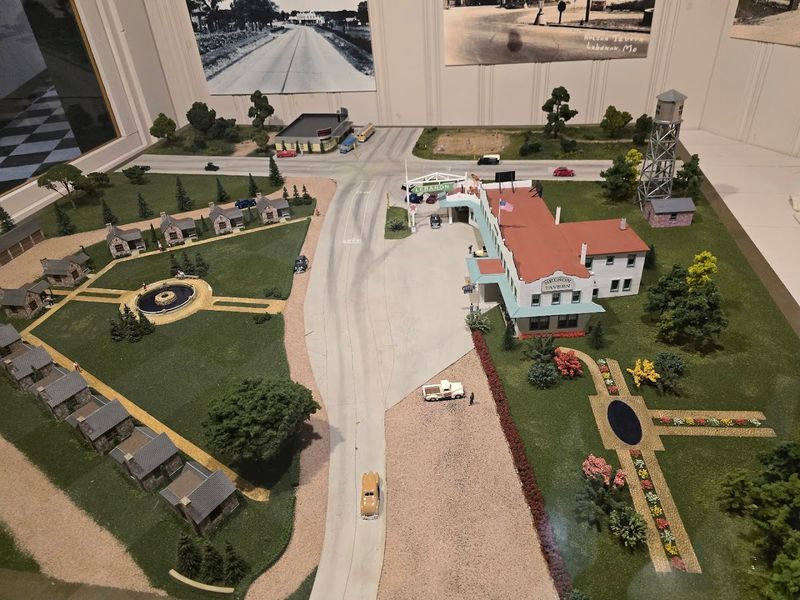
Most towns just happened to end up on Route 66, but Lebanon actively lobbied for it. Town leaders in the 1920s recognized that a major federal highway passing through their community would bring travelers, spending, and economic energy that no other infrastructure project could match.
That hustle paid off. When the highway was officially designated in 1926, Lebanon was on it, and the town built its entire commercial identity around serving the people passing through.
Gas stations, motels, diners, and roadside shops lined the route, and Lebanon became a recognized stop on one of the most traveled roads in the country.
The museum tells this story with a chronological presentation that starts at the road’s 1926 inception and carries through to modern times, giving visitors a clear sense of how Route 66 shaped this particular corner of Missouri. Understanding that backstory makes every exhibit feel more intentional and earned.
The Recreated Gas Station That Stops You Cold
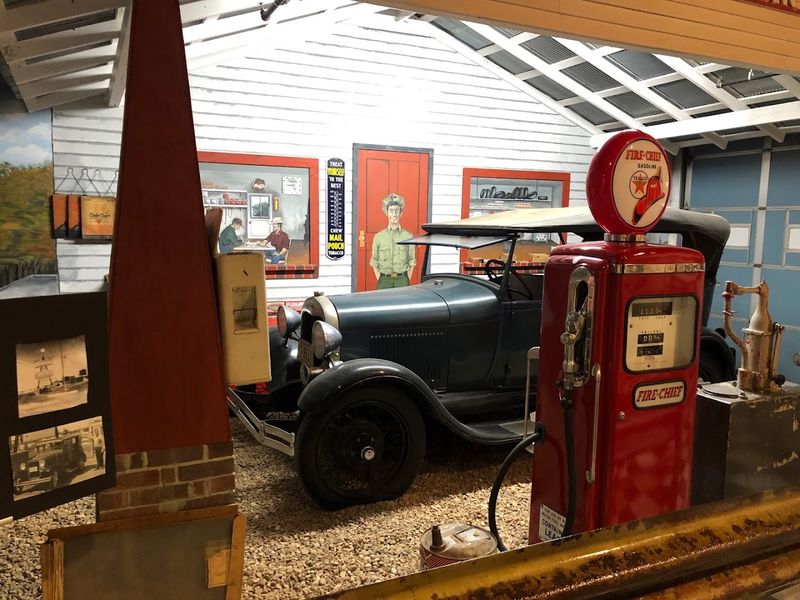
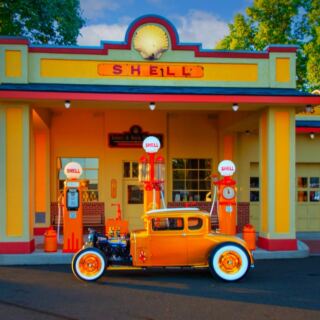
There is something about a well-done recreation that hits differently than a flat display case, and the gas station vignette inside this museum earns every bit of attention it gets. A genuine 1930 Model A Ford sits at the center of the scene, surrounded by period-correct gas pumps that look like they were pulled directly from a roadside stop eight decades ago.
The signage, the layout, the small details in the props all work together to create a convincing slice of early American road travel. You can almost hear the bell that rings when a car rolls over the rubber hose in the driveway.
This display represents the kind of service stop that travelers depended on during the golden years of Route 66, when filling up the tank meant a conversation, a restroom break, and sometimes a cold drink from a machine bolted to the wall. The craftsmanship here is quietly impressive.
Stepping Into a 1950s Diner Scene
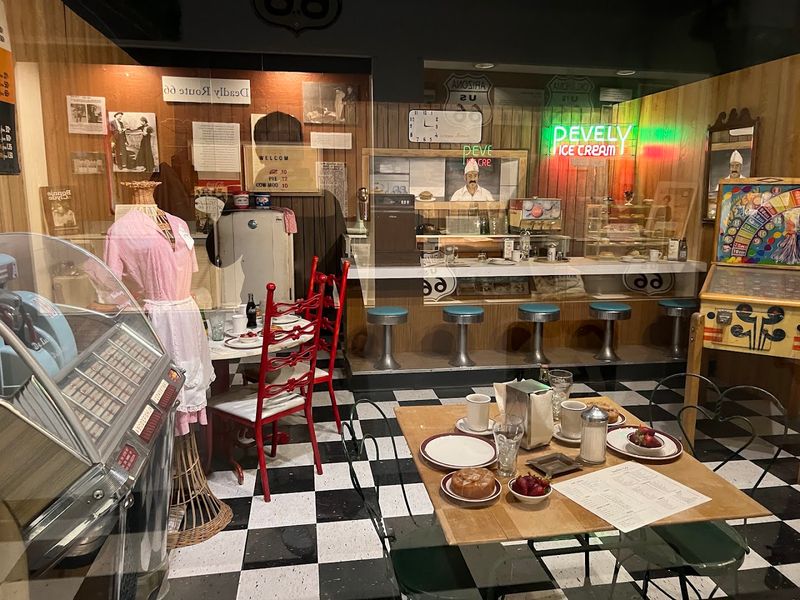
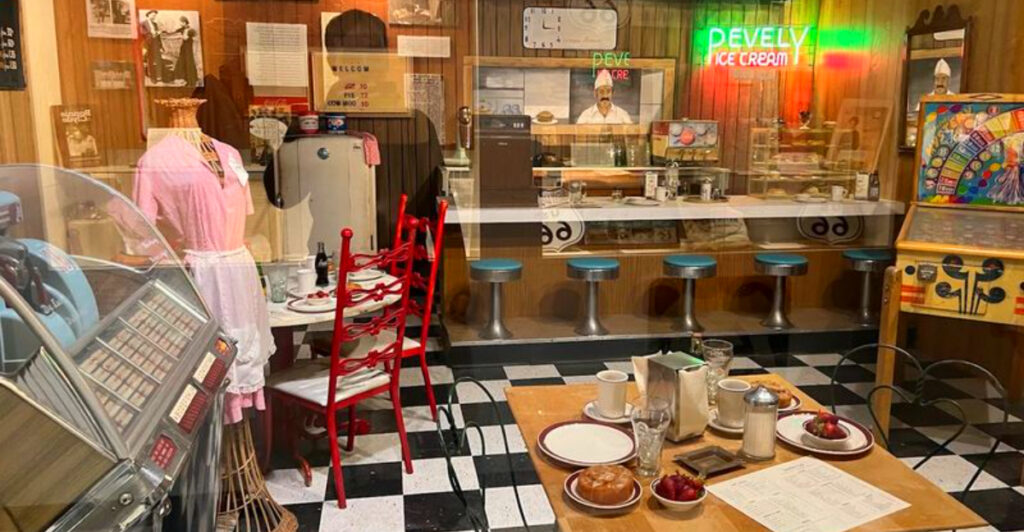
The diner recreation inside this museum captures a very specific kind of American comfort. Counter stools, retro signage, and the visual language of a roadside eatery from the postwar boom years are all present, and the scene feels assembled with genuine affection rather than generic nostalgia.
Route 66 diners were a social institution. Truckers, families on vacation, traveling salespeople, and local regulars all shared the same counter space, and the food was straightforward and filling.
The museum’s recreation honors that democratic spirit by presenting the diner not as a luxury but as a practical, welcoming stop on a long road.
For anyone who grew up hearing stories about cross-country road trips from parents or grandparents, this exhibit has a way of making those stories feel real and close. The details are specific enough to spark real memories, and the overall effect is warm without being saccharine.
Keep reading, because the motel room display takes the time-travel feeling even further.
The Motel Room That Captures a Vanished World
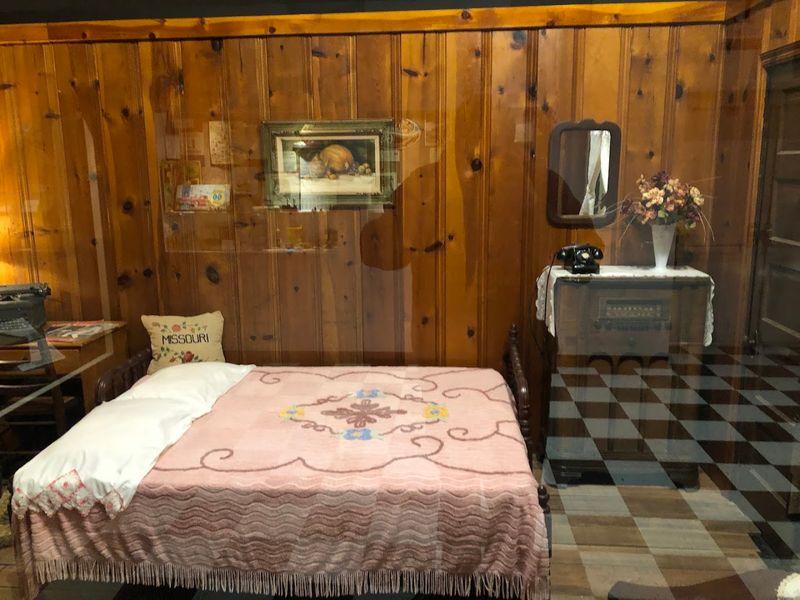
Before interstate highways pulled traffic away from small towns, roadside motels were the standard overnight solution for American travelers. The motel room recreation at this museum brings that era back with period furniture, a retro bedspread, and the kind of modest, functional decor that defined budget travel in the mid-20th century.
These rooms were not fancy, but they were reliable. A family could pull off Route 66, check in for a reasonable rate, sleep comfortably, and be back on the road after breakfast.
The museum’s version of this experience is compact but convincing, and it prompts a genuine appreciation for how much travel infrastructure existed along this single highway.
Lebanon had several working motels during Route 66’s peak years, and some of their stories are woven into the broader exhibits nearby. The transition from thriving roadside motel culture to the chain-hotel dominance of later decades is one of the more quietly affecting threads running through this museum’s narrative.
Antique Cars That Anchor the Whole Experience
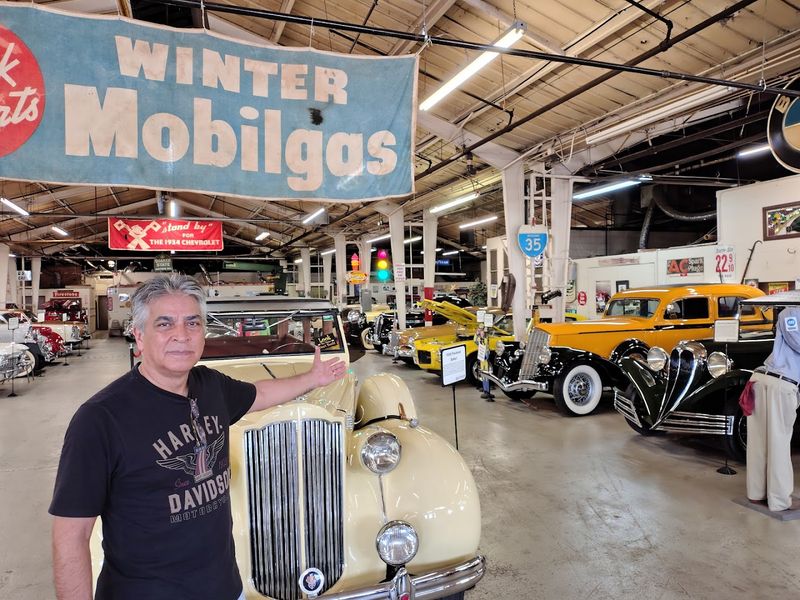
Cars and Route 66 are inseparable, and the museum treats the automobile with the reverence it deserves in this context. The 1930 Model A Ford anchoring the gas station display is the centerpiece, but the broader collection of vintage vehicle-related displays fills in the story of how American car culture and highway culture grew up together.
In the late 1920s and through the 1930s, owning a car capable of a long road trip was still a relatively new experience for most American families. Route 66 gave those families a reason to go somewhere, and the car manufacturers gave them the means to do it.
The museum captures that feedback loop clearly.
Seeing a real 1930 Model A up close, in a context that explains where it would have been heading and what the road looked like at the time, turns a static display into something more like a story. The vehicles here are not just props; they are characters.
Maps, Magazines, and the Paper Trail of the Road
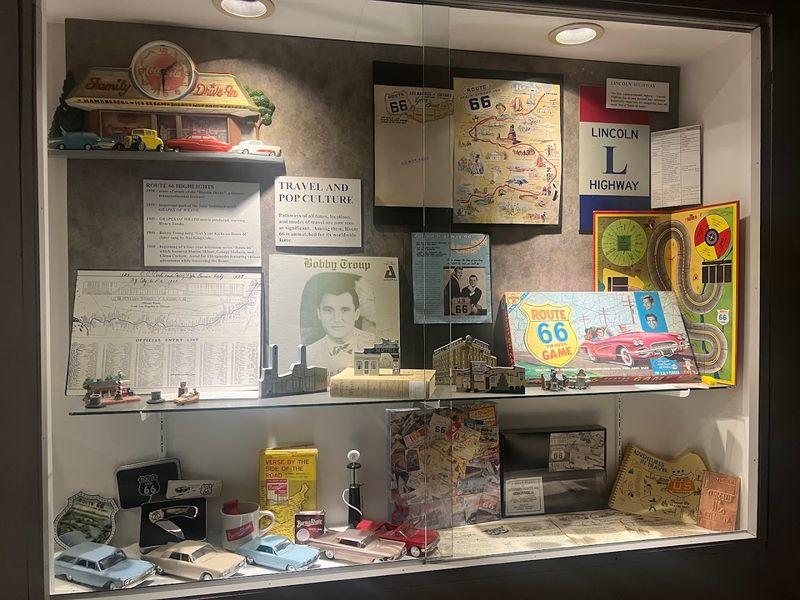
Before GPS and smartphone navigation, the paper map was the traveler’s most essential tool, and the Route 66 Museum has a wonderful collection of vintage maps and road-related publications that show just how much planning and anticipation went into a road trip during the highway’s golden era.
The collection includes Route 66 books, magazines, and videos that document the road’s cultural footprint across decades. Some of the maps are beautifully illustrated, designed as much to inspire travel as to guide it, and browsing through them gives a real sense of how the highway was marketed and romanticized even as it was being built.
Research materials related to Route 66 history are also available here, making the museum genuinely useful for anyone doing serious study of the road. The combination of visual appeal and scholarly depth in this section is one of the more underrated aspects of the overall experience.
Vintage collectibles nearby add even more texture to the paper archive.
A Gift Shop Worth More Than a Quick Glance
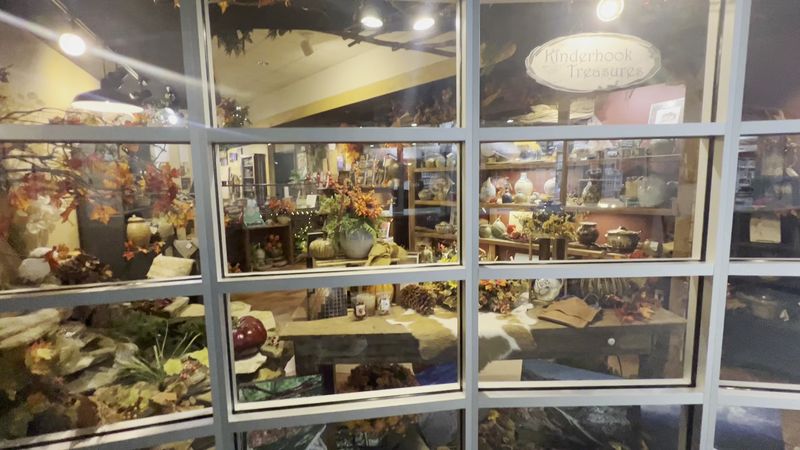
The gift shop at this museum punches above its weight in a very satisfying way. Positioned near the museum entrance, it carries a solid selection of Route 66 branded merchandise including quality t-shirts, books, postcards, keychains, and collectibles that make for genuinely thoughtful souvenirs rather than throwaway trinkets.
The t-shirts in particular have earned consistent praise from visitors, with the designs reflecting real Route 66 iconography rather than generic tourist shop aesthetics. If you are traveling the road and collecting mementos, this is a stop worth budgeting a few extra dollars for.
The shop also reinforces the museum’s overall commitment to quality over quantity. Every item feels chosen with care, and the proceeds support a free cultural resource that clearly depends on that kind of community investment to keep running.
Buying something here is less like shopping and more like participating in the preservation of a piece of American road history that is worth keeping alive.
The Route 66 Passport Stamp Stop
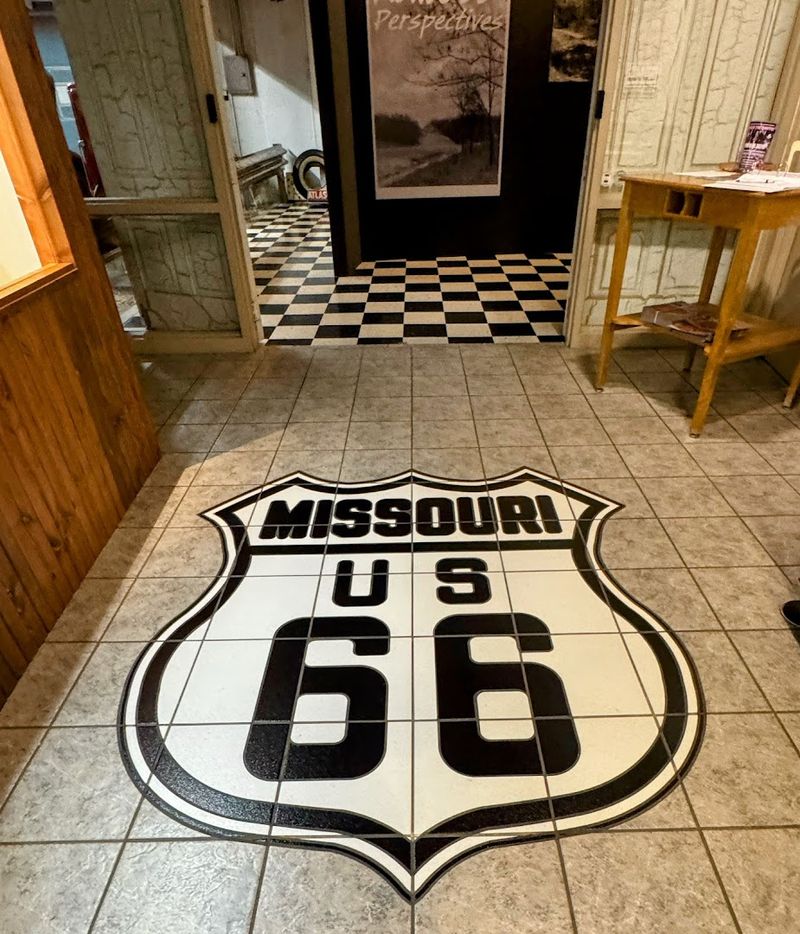
For travelers doing a dedicated Route 66 journey, the passport program is one of the most rewarding ways to document the experience, and the Lebanon museum is an official stamp stop. The stamp and sticker are available at the library desk, and collecting them here feels like a proper milestone on the road.
The Route 66 Passport is a physical booklet that travelers carry from stop to stop along the highway, collecting unique stamps at participating museums, landmarks, and businesses. Each stamp is specific to its location, so the Lebanon entry carries a design that reflects the town’s own Route 66 identity.
There is something genuinely satisfying about a tangible record of a road trip that lives in an actual book rather than a phone’s photo roll. The passport program gives travelers a reason to stop at places they might otherwise drive past, and this museum is exactly the kind of stop that rewards the detour.
The exhibits waiting inside make the stamp feel well earned.
Free Admission and What That Actually Means Here
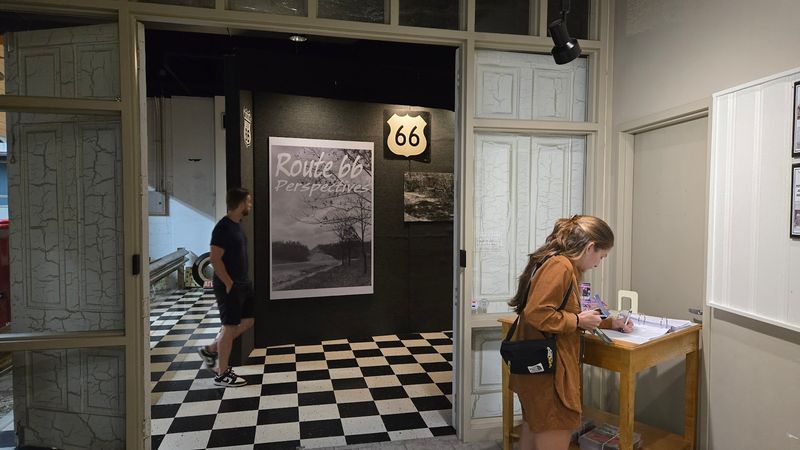
Free admission is a phrase that sometimes signals a sparse or underfunded experience, but that is absolutely not the case here. The Route 66 Museum in Lebanon is genuinely free to enter, with donations accepted, and the quality of what is inside makes that price point almost startling.
The exhibits are carefully maintained, the recreations are detailed, and the overall presentation reflects real curatorial effort. The fact that this level of experience is available at no cost is a testament to the community investment that keeps the museum running and the library that houses it operating as a cultural anchor for Lebanon.
Most visitors report spending around 30 minutes on a focused visit, though some find themselves stretching that to 90 minutes once they start reading the detailed panels and examining the smaller artifacts closely. For road trippers watching a budget, this is one of the most rewarding free stops on the entire Missouri stretch of Route 66.
That kind of value is genuinely rare.
The Self-Guided Tour and How to Get the Most From It
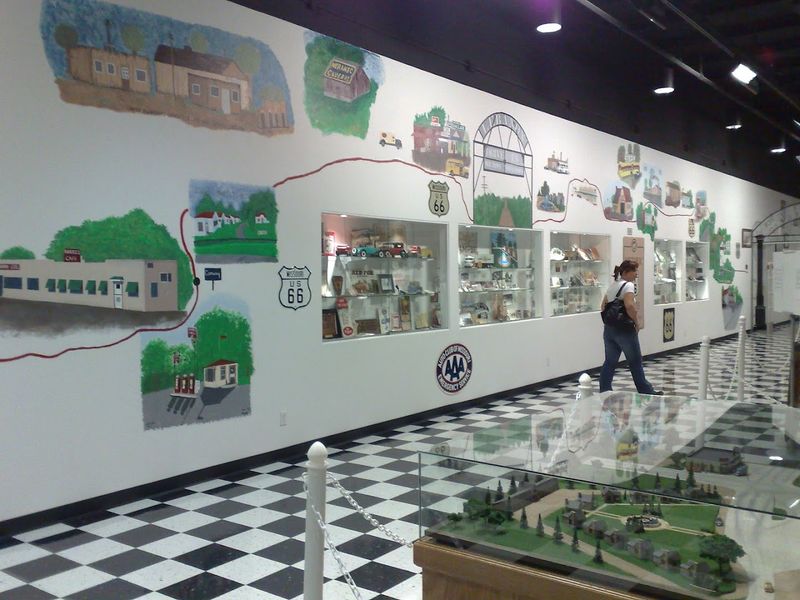
The museum operates as a self-guided experience, which suits the subject matter well. Route 66 was always about moving at your own pace and stopping wherever caught your attention, and the museum lets you do exactly that without a scheduled tour or a timed entry window.
The layout follows a roughly chronological path through Route 66 history, starting with the road’s 1926 designation and moving through the decades of peak travel culture, the rise of the interstate system, and the modern revival of interest in the Mother Road. Reading the panels in order gives the experience a satisfying narrative arc.
Staff members are present and friendly, and on some visits a knowledgeable guide will walk alongside you and fill in details that the displays alone cannot convey. Those conversations are worth having if the opportunity arises, because the personal knowledge on offer here goes well beyond what fits on a museum label.
The depth of local expertise here is a real asset.
Why Lebanon Belongs on Every Route 66 Road Trip Plan
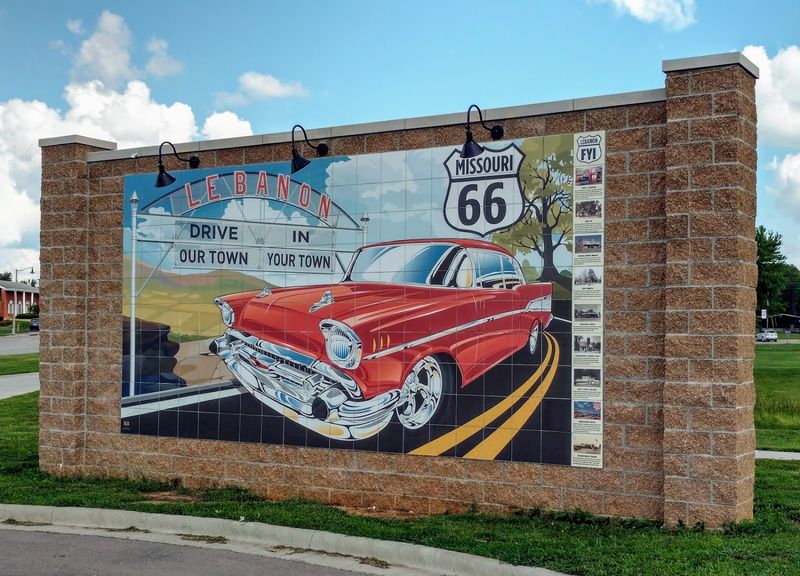
Lebanon sits at a spot on Route 66 that rewards a proper stop rather than a drive-through glance. The town’s deliberate effort to join the highway in 1926 shaped its commercial and cultural identity in ways that are still visible today, and the museum is the clearest expression of that long relationship.
With a 4.5-star rating across nearly 600 reviews, the Route 66 Museum has clearly connected with a wide range of visitors, from dedicated highway historians to casual road trippers who wandered in on a whim. That breadth of appeal says something meaningful about how well the museum communicates its subject.
The combination of free entry, a quality gift shop, a passport stamp, knowledgeable staff, and genuinely impressive exhibits makes Lebanon one of the stronger Route 66 stops in Missouri. Roads like this one are kept alive by places like this one, and visiting feels less like tourism and more like a small act of preservation for a story that still has plenty left to tell.
Share this story