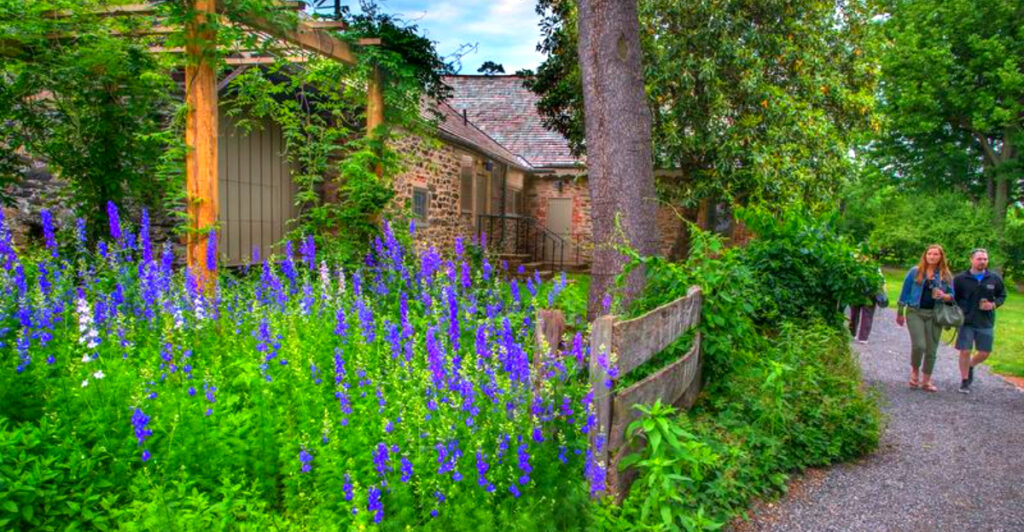
Founded in 1728, this Philadelphia garden is one of the oldest continuously operating botanical gardens in North America and a living link to the country’s earliest scientific history. Spread across 45 acres along the Schuylkill River, it preserves centuries-old trees, historic landscapes, and plant collections that continue to attract visitors nearly 300 years after the first seeds were planted.
The garden began with a self-taught Quaker farmer whose passion for plants earned international recognition and even a royal appointment from King George III. Today, visitors can explore historic gardens, walk among trees that predate the American Revolution, and discover a working farm that provides fresh produce to thousands of people each year.
What makes this place remarkable is how much it combines in a single destination. It is part botanical garden, part historic landmark, part community resource, and part outdoor escape.
Best of all, admission is free, making it one of Philadelphia’s most rewarding and overlooked attractions. Here’s why this historic garden deserves far more attention than it gets.
Where History Took Root: The Address and Setting
Few addresses in American history carry as much quiet significance as 5400 Lindbergh Blvd., Philadelphia, PA 19143. That is the front door to Bartram’s Garden, tucked into Southwest Philadelphia along the west bank of the Tidal Schuylkill River, not far from Philadelphia International Airport.
The garden sits on about 45 acres of land that was once a 102-acre working farm. Today it operates as a public park and National Historic Landmark, managed by the nonprofit John Bartram Association in partnership with Philadelphia Parks and Recreation.
The grounds are open daily from 9 AM to 4 PM, and admission is free. Reaching it by public transit is straightforward, with trolley access making it easy for visitors without a car.
The location feels surprisingly removed from the city buzz, even though Center City Philadelphia is only a short drive away. That contrast between urban surroundings and peaceful riverfront landscape is part of what makes the first visit so disorienting in the best possible way.
The Self-Taught Farmer Who Changed American Botany
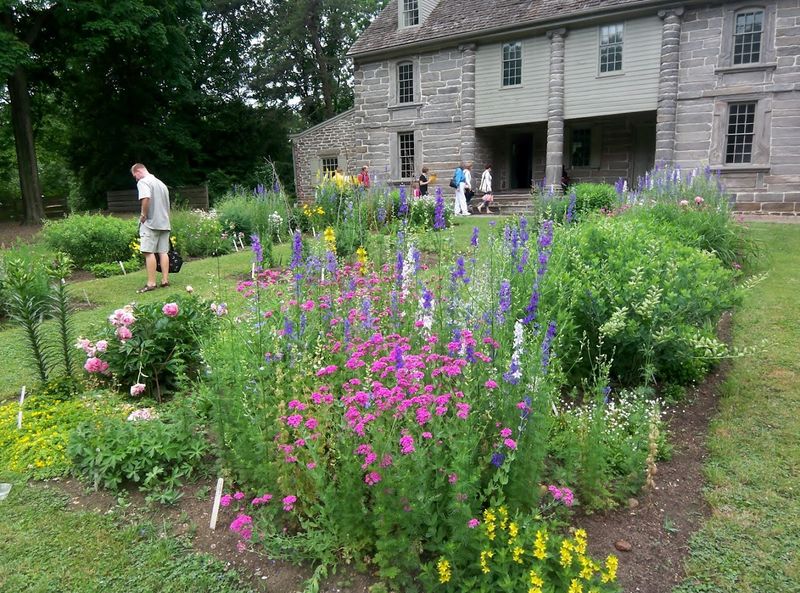
John Bartram was born in 1699 and never spent a single day in a formal school of botany, yet he built something no trained scientist had managed to create before him in North America. He started the garden in 1728 on land he farmed himself, driven by a curiosity about native plants that bordered on obsession.
He traveled thousands of miles through the American wilderness, from Florida to Canada, collecting plant specimens and seeds. He and his sons William and John Jr. identified and introduced more than 200 native North American plant species into cultivation, a record that still impresses botanists today.
In 1765, King George III appointed John Bartram as the Royal Botanist for North America, an honor that came with a small annual salary and a very large amount of prestige. He supplied plants and seeds to George Washington, Benjamin Franklin, and horticultural enthusiasts across England and Europe.
The legacy he left behind is rooted, quite literally, in the ground at this garden.
A Stone House That Has Seen Three Centuries
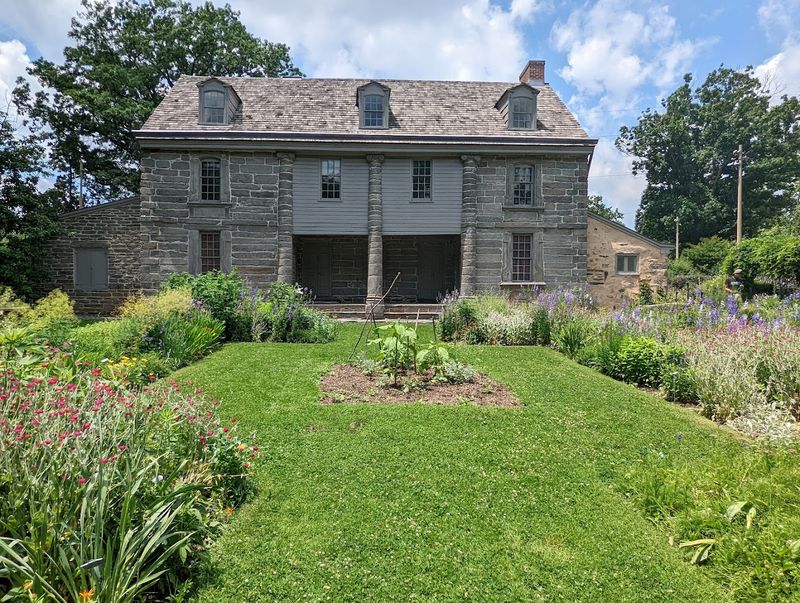
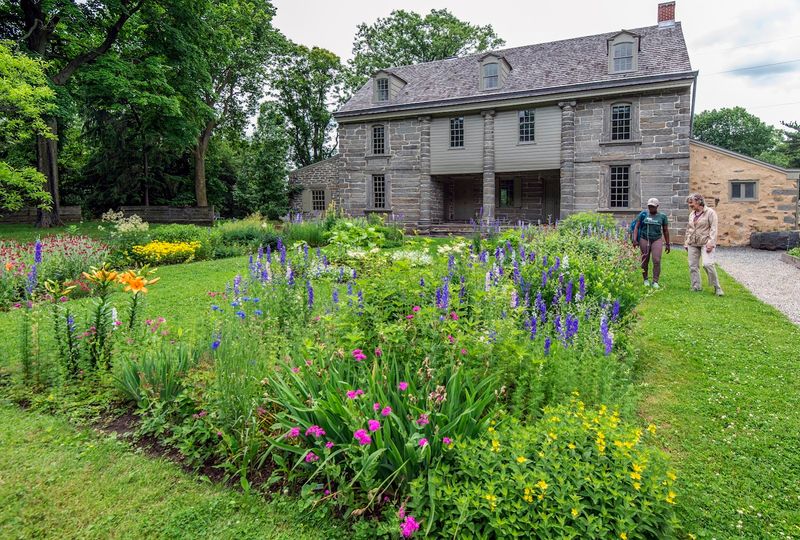
The John Bartram House is one of the most quietly remarkable buildings in Pennsylvania. Construction began between 1728 and 1731, making it older than the Declaration of Independence by nearly half a century.
The house is built from local stone, and John Bartram himself carved some of the decorative details on the exterior, including a classical inscription above one of the windows.
Tours of the house are available on select days, though it is worth calling ahead or checking the garden’s website to confirm when the interior is open to the public. The architecture reflects a fascinating blend of Quaker simplicity and Bartram’s self-taught appreciation for classical design.
Several original outbuildings are also preserved on the property, including the seed house, the cider house, and the smokehouse. Each structure tells a different chapter of how the Bartram family lived and worked.
Standing next to these buildings, it is hard not to feel a very real sense of how much American history unfolded right here on this modest stretch of riverfront land.
The Tree That Outlived an Entire Era
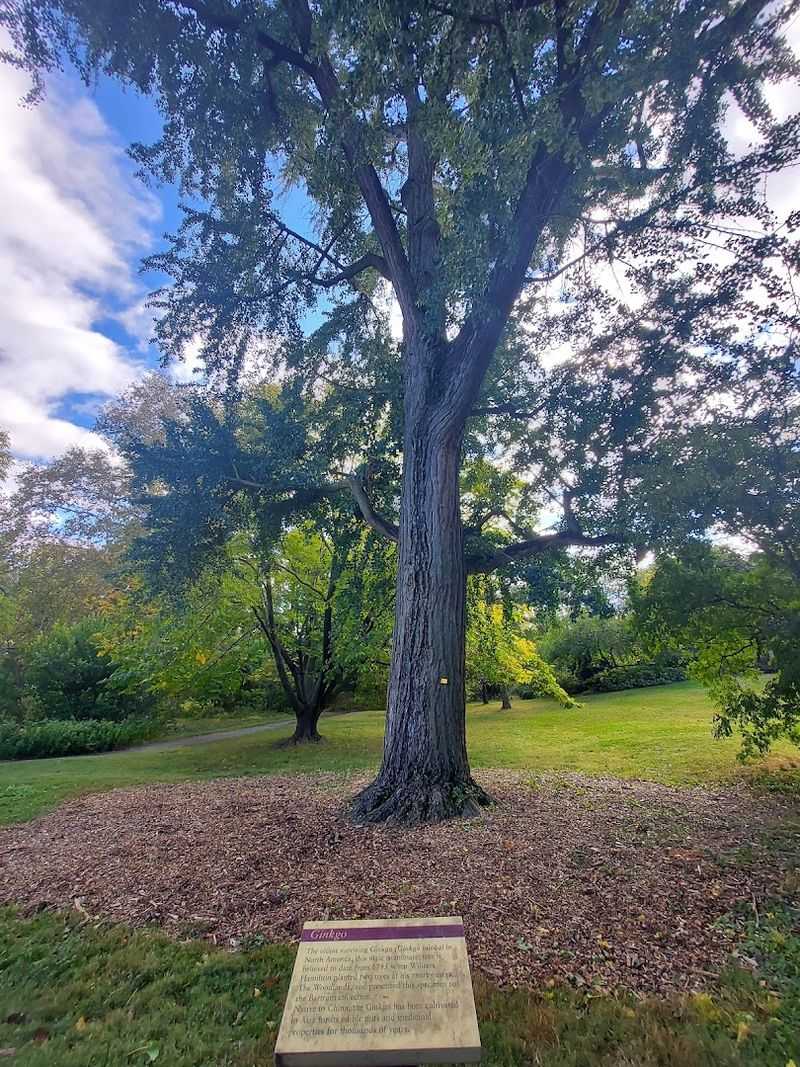
There is a ginkgo tree at Bartram’s Garden that was planted in 1785, and it is considered the oldest documented ginkgo tree in North America. That means it was already a young sapling when George Washington was inaugurated as the first president of the United States.
Ginkgo trees are sometimes called living fossils because the species has existed virtually unchanged for over 200 million years. This particular specimen is male, which means it produces no fruit and therefore does not generate the notoriously unpleasant smell that female ginkgos are known for.
In autumn, the tree turns a brilliant, warm yellow that makes it one of the most photographed subjects on the entire property.
Seeing it in person reframes your sense of time in a way that is hard to describe. The trunk is wide and textured, the canopy spreads generously overhead, and the whole tree radiates a kind of calm permanence.
Plan to spend a few quiet minutes next to it, especially on a clear fall morning when the light filters through those golden leaves.
Saving a Flower From Disappearing Forever
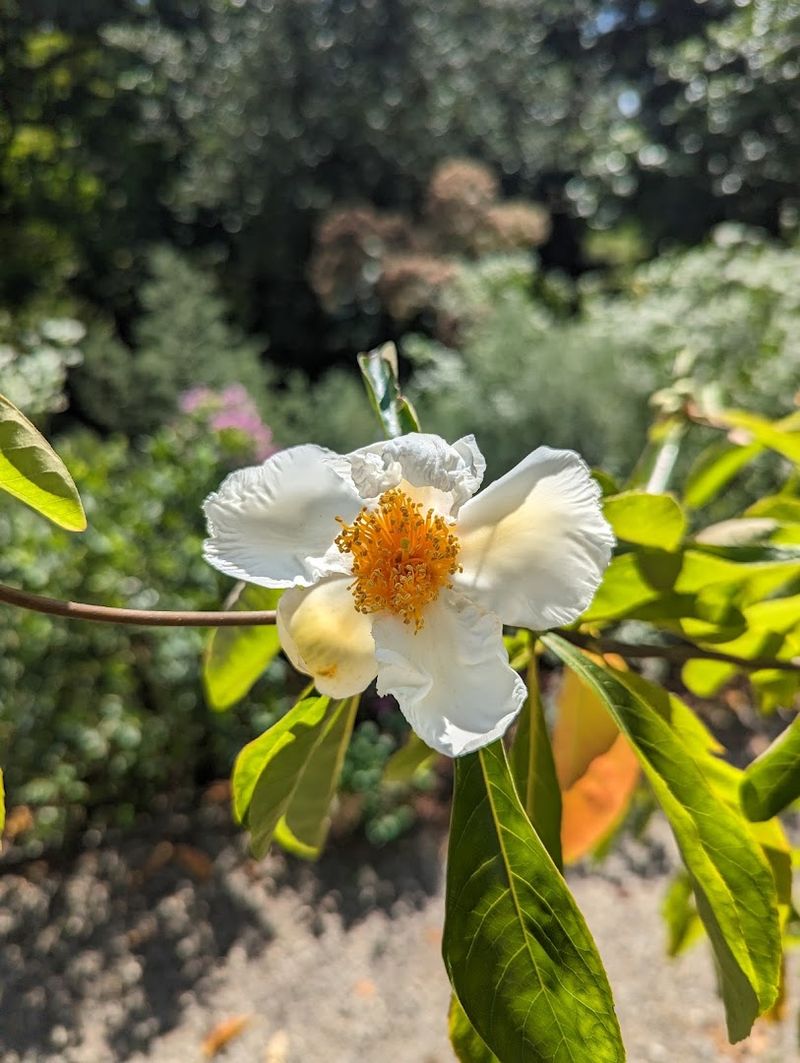
One of the most remarkable botanical stories in American history involves a flowering tree called Franklinia alatamaha, and Bartram’s Garden is at the center of it. John Bartram and his son William discovered the tree growing wild along the Altamaha River in Georgia in 1765.
They collected seeds and brought them back to Philadelphia.
By around 1803, the Franklinia had completely vanished from the wild. No one has ever found it growing naturally since.
Every single Franklinia tree that exists anywhere in the world today is descended from the seeds the Bartrams collected. Without their curiosity and foresight, this species would be entirely extinct.
The tree produces large, white, camellia-like flowers with bright yellow centers and blooms in late summer and early fall. Several specimens grow at Bartram’s Garden, where visitors can see the very descendants of those original saved seeds.
It is a living reminder that plant conservation is not a modern invention, and that one family’s dedication to collecting plants changed the fate of an entire species.
America’s First Plant Catalog and a Nursery Ahead of Its Time
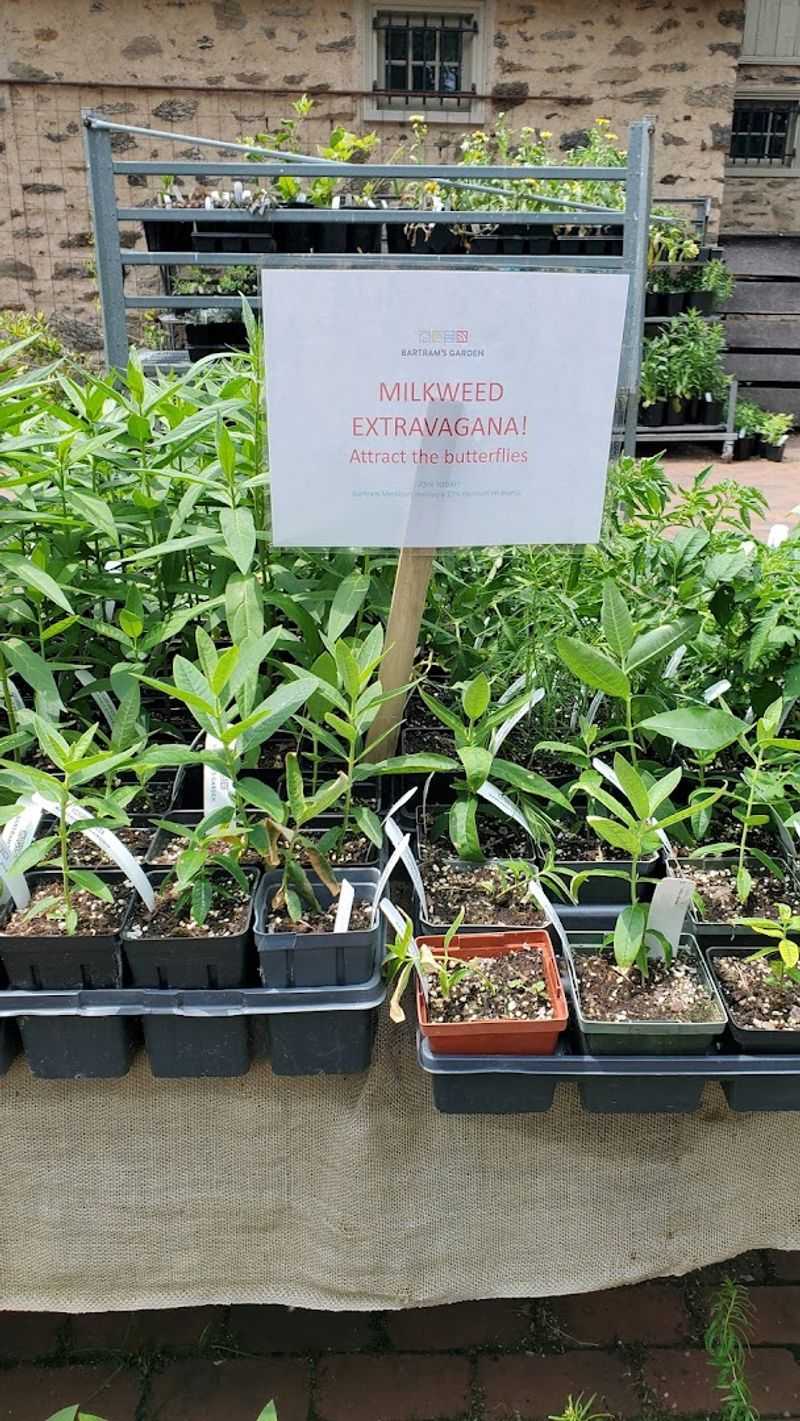
Before garden centers existed on every corner and before online plant shopping was a thing anyone could imagine, the Bartram family was already running one of the first commercial plant nurseries in North America. They built this business in the 18th century, supplying seeds and plants to buyers in England, Europe, and across the American colonies.
In 1783, William Bartram and his brother John Jr. published what is recognized as America’s first plant catalog, listing the native and exotic species available from their nursery. That catalog was more than a shopping list.
It was a scientific document that helped spread knowledge of North American plants to botanists and gardeners across the Atlantic.
The nursery tradition lives on at the garden today, where plant sales are held throughout the year. Visitors can purchase native plants grown on-site, continuing a commercial tradition that stretches back nearly two and a half centuries.
There is something satisfying about knowing the plant you are bringing home has roots, both literally and historically, in the oldest botanical garden in the country.
The Sankofa Community Farm and Its Remarkable Output
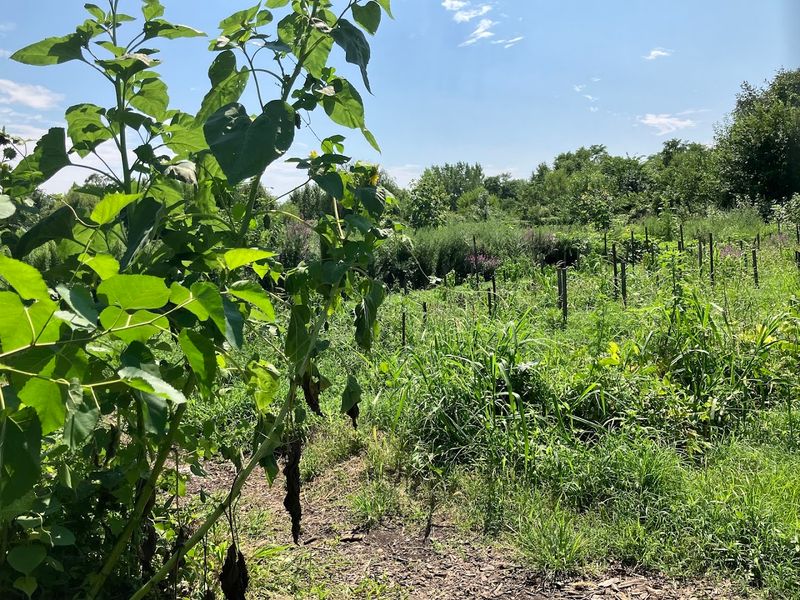
Tucked within the garden’s 45 acres is a working farm with a powerful mission. The Sankofa Community Farm at Bartram’s Garden is an African Diaspora-focused crop farm that produces more than 15,000 pounds of food annually.
That is not a small side project. That is a serious agricultural operation embedded inside a historic landmark.
The farm grows a wide variety of fruits, vegetables, and herbs, with a focus on culturally significant crops that connect to the histories and food traditions of African and African American communities. It operates as both a food production site and an educational space, hosting volunteer days, workshops, and programming for people of all ages.
River Access, Boating, and the Schuylkill Trail

Most botanical gardens do not have a working dock. Bartram’s Garden does, and it changes the entire character of a visit.
The garden sits directly on the Tidal Schuylkill River, and free public boating is offered on Saturdays during the warmer months, making it one of the rare spots in Philadelphia where you can get on the water at no cost.
Fishing is also permitted at the dock, and the riverbank offers a peaceful spot to sit and watch the water move. The Bartram’s Mile segment of the Schuylkill River Trail runs along the property, giving walkers, runners, and cyclists a well-maintained path with open views of the Philadelphia skyline stretching out across the water.
The combination of river access and trail connectivity makes this place genuinely useful as an outdoor recreation destination, not just a historical attraction.
Gardens, Meadows, and the Art of Seasonal Change
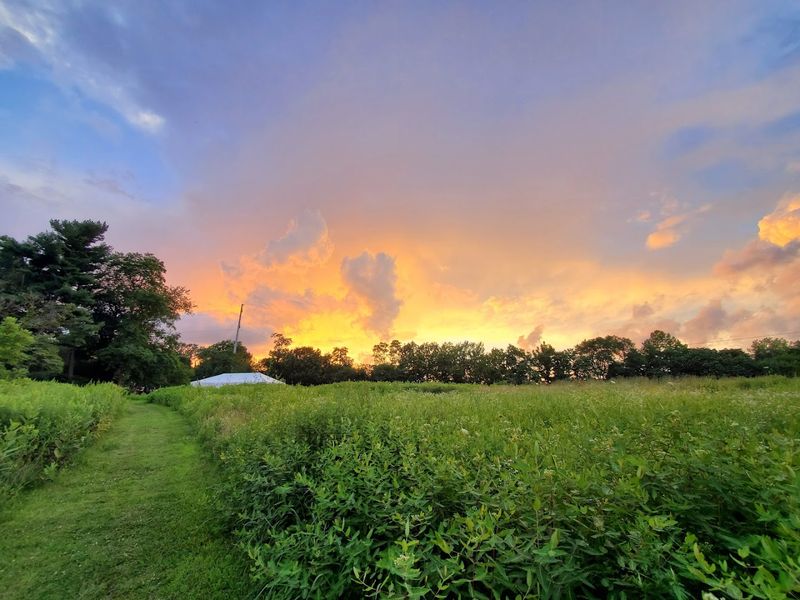
The garden’s plantings shift dramatically with the seasons, which means every visit feels a little different from the last. Spring brings the flower gardens to life with color and fragrance, while summer sees the riverside meadow at its most lush and full.
Fall is when the ginkgo tree steals the show with its golden display, and even winter has its own spare, structural beauty.
A reconstructed kitchen garden shows visitors what colonial-era food growing looked like, with herbs and vegetables arranged in tidy beds near the historic house. A medicinal garden nearby displays plants that John Bartram and his contemporaries would have used for health and healing, offering a window into 18th-century botanical knowledge.
Birdwatching, Wildlife, and Unexpected Natural Encounters
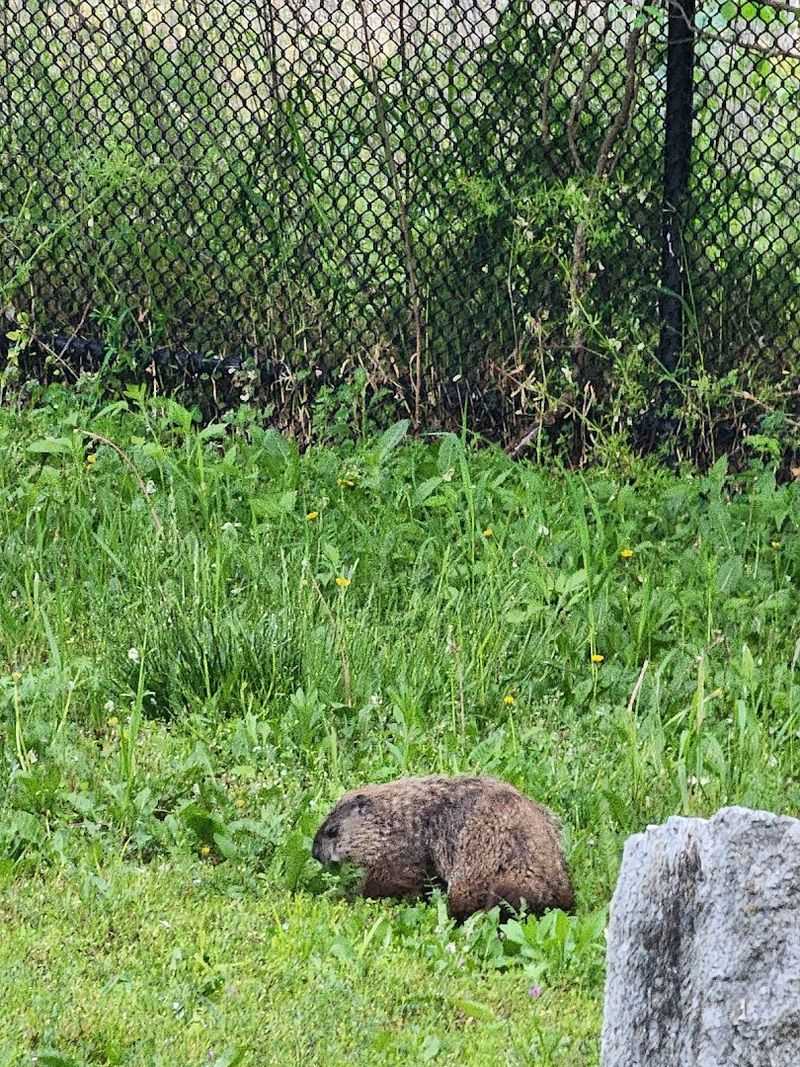
Bartram’s Garden has developed a quiet reputation among Philadelphia birdwatchers as a genuinely productive spot. The combination of riverfront habitat, mature trees, open meadow, and cultivated gardens creates a layered environment that attracts a surprising range of bird species throughout the year.
Waterfowl gather along the Schuylkill, woodpeckers work the older trees, and hawks circle overhead on thermals. The garden has even hosted sightings of the painted bunting, a brilliantly colored songbird that is rare this far north and draws birders from across the region when it appears.
Organized birdwatching events are held on the property periodically, including partnerships with local universities and natural science organizations. The trails are well-marked and the grounds are spacious enough that even on busier days, you can find a quiet corner to stand still and listen.
Squirrels are plentiful and fearless, the koi pond adds a calm focal point near the historic buildings, and the whole property has a biodiversity that most city parks simply cannot match.
Events, Programs, and the Philadelphia Honey Festival
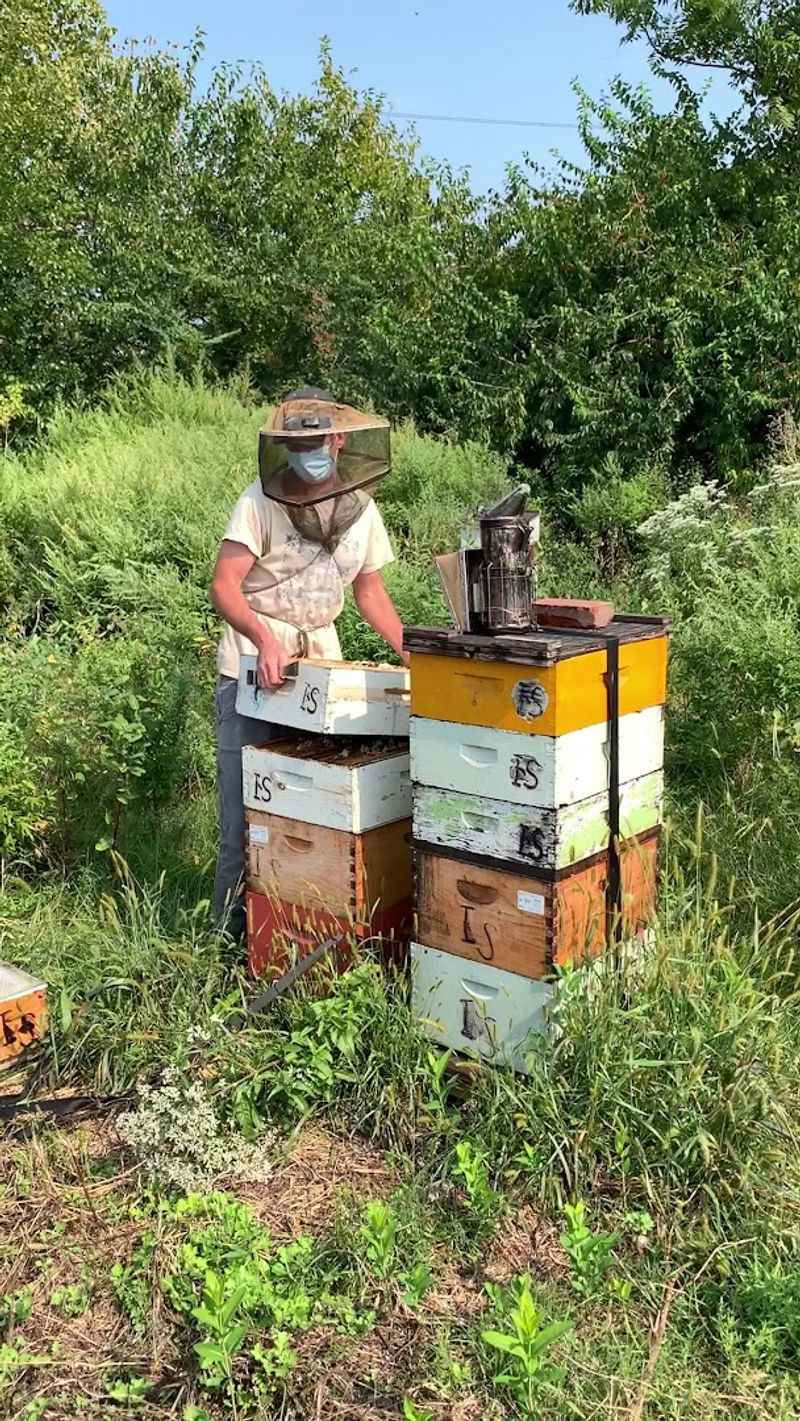
The calendar at Bartram’s Garden stays busy throughout the year with programs designed for a wide range of visitors. Plant sales draw avid gardeners in spring and fall, while workshops on topics like seed saving, native planting, and sustainable gardening fill up quickly, sometimes faster than the event notifications reach people’s feeds.
The Philadelphia Honey Festival is one of the garden’s most popular annual events, celebrating local beekeeping with demonstrations, honey tastings, and vendors from across the region. It draws crowds that might otherwise never make the trip to Southwest Philadelphia, and it consistently introduces new visitors to the garden itself.
Family programming runs throughout the season, with activities for children that connect nature education to hands-on experience. Cooking demonstrations and educational workshops round out the adult offerings.
The garden also serves as a wedding and event venue, with the historic landscape and riverfront setting providing a backdrop that feels genuinely one of a kind. Checking the website before visiting is always a good idea, since the event schedule changes seasonally.
Tips for Making the Most of Your Visit
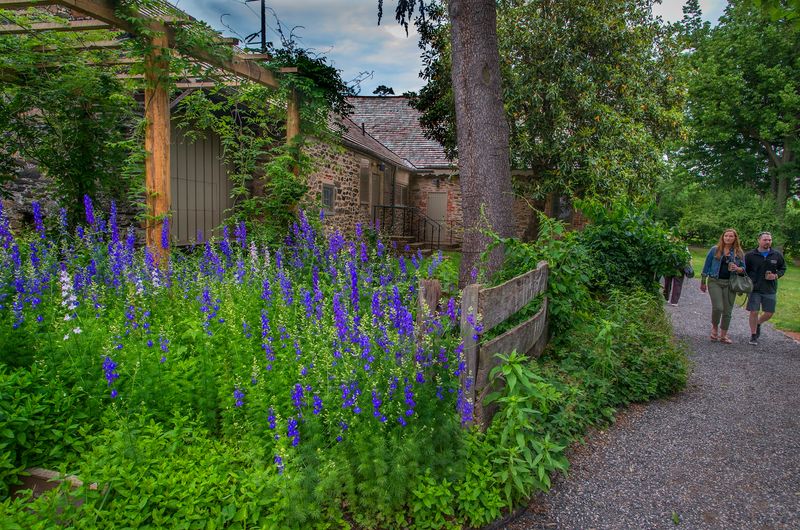
A few practical details can make a real difference in how much you enjoy the garden. Admission is free every day, which is remarkable for a National Historic Landmark with this much to offer.
The grounds are open daily from 9 AM to 4 PM, and arriving earlier in the morning tends to mean fewer people and better light for photography.
Trail maps are available on-site, and the paths are well-maintained for walking, though some sections near the river can be uneven. The welcome center near the entrance has a small gift shop where souvenirs and cold beverages are available, and a water bottle filling station is located near the restrooms.
Dogs on leashes are welcome, and the playground makes the visit worthwhile for families with young children.
The garden is about four miles from Philadelphia International Airport, making it a surprisingly convenient stop before or after a flight. Spring and fall are the peak seasons for plant interest, but the riverfront views and historic structures give every season its own reason to visit.
Share this story